Wade in the Water Cover Image

Wade in the Water: Jazz Ensemble Conductor Score & Parts

$46.00 USD
Sale price  $46.00 USD Regular price 
Skip to product information
Wade in the Water Cover Image

Wade in the Water: Jazz Ensemble Conductor Score & Parts

Spiritual / arr. Rick Hirsch

Grade: 2 (Medium Easy)

Item: 00-43674

makemusic Cloud badge

Need it now?

Buy Digital Version
$46.00
Shipped

One moment…

Description
"Wade in the Water" is a gospel rock that should be played around 148 BPM featuring a slow chorale introduction and modest brass ranges. Check out the written solos for alto 1, trombone 1, and trumpet 1. A great chart for all occasions. (3:04)

Don't just read it, hear it, play along with it, and watch your students grow with it. In MakeMusic Cloud, Wade in the Water: Jazz Ensemble Conductor Score & Parts comes alive with professional accompaniment, adjustable tempo, and built-in practice tools that turn solo practice into real progress.

Sample Pages

Sample Audio
0:00
0:00
Sample Video
Additional Details
Series: Young Jazz Ensemble
Publisher: Alfred Music
Page Count: 98
ISBN10: 1-4706-7753-9
ISBN13: 978-1-4706-7753-4
UPC: 038081494746
SKU: 00-43674

More about this title

About the Arranger: Rick Hirsch
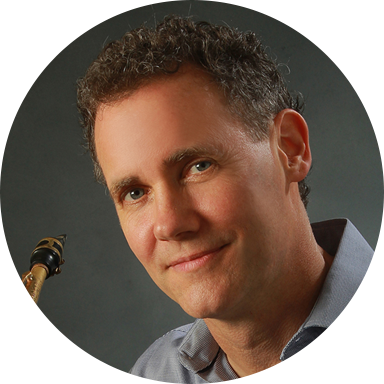
Rick Hirsch

Rick Hirsch's early career as a personal music copyist for Bob Mintzer and Toshiko Akiyoshi gave him direct insight into the craft of big band arranging at the highest level. He has composed and arranged for jazz luminaries including Yusef Lateef and Eddie Henderson, and his work has been performed by ensembles ranging from the Penn State Blue Band to select All-State and District Jazz Bands where he regularly serves as a guest conductor.

Beyond his arranging work, Hirsch founded BIG OL' BAND, whose 2017 debut album Pocono Git-Down showcases the vibrant jazz communities that thrive outside major metropolitan areas. His education at UMass-Amherst and Northern Illinois University, combined with his years on the Penn State music faculty, has shaped an approach to writing that values both musicianship and accessibility.

Why we love this

Hirsch's arrangement honors the spiritual weight of this traditional material while grounding it in the vocabulary of contemporary jazz. The modest brass ranges and Grade 2 accessibility make it genuinely playable for developing ensembles, yet the written solos for alto 1, trombone 1, and trumpet 1 offer substantial musical substance that keeps stronger players engaged.

What to expect

The opening unfolds with the quiet dignity of a hymn, then blooms into a steady, soulful groove that feels both grounded in spiritual tradition and at home in a contemporary jazz club. The piece carries an earnest quality throughout, never overcomplicating its message or asking more of the players than they can deliver.

Who it's for

Young jazz ensembles with foundational ensemble skills and musicians ready to navigate the shift from ballad to medium-tempo swing. The written solos make it especially valuable for sections that include developing improvisers or student leaders who benefit from having the solo material notated.

How to get the most out of it

  • Establish the chorale introduction with clarity and reverence; this slow opening sets the spiritual foundation before the groove takes over at tempo.
  • Balance the soloists carefully against the rhythm section once the tempo lifts to 148 BPM so each voice stays audible without overwhelming the ensemble.
  • Work the alto 1 and trumpet 1 solos with your section leaders in advance; their written lines carry the narrative of the piece and deserve individual attention.
  • Pay attention to the trombone 1 solo's phrasing and articulation to ensure it breathes naturally within the groove rather than sounding metronomic.

How to use it

This works beautifully on a concert that balances styles, offering a moment of spiritual substance alongside more swinging numbers. Its moderate length (3:04) and accessible voicing make it suitable for festivals, educational showcases, or any program seeking repertoire that bridges sacred and secular traditions.

Skills your students will build

  • Transitioning between ballad and swing feels within a single arrangement
  • Reading and performing notated jazz solos with proper articulation and phrasing
  • Listening and responding to soloists while maintaining ensemble cohesion
  • Managing modest brass ranges and balancing solo voices against the rhythm section
  • Sustaining musical intensity in slow material before accelerating into tempo

You May Also Like
