

Vox Holiday: 3-Part Mixed Choral Octavo
Words and music by Greg Gilpin
Item: 00-PO-0007865

$2.50
Minimum order quantity: 20 copies
Pickup currently not available
Description
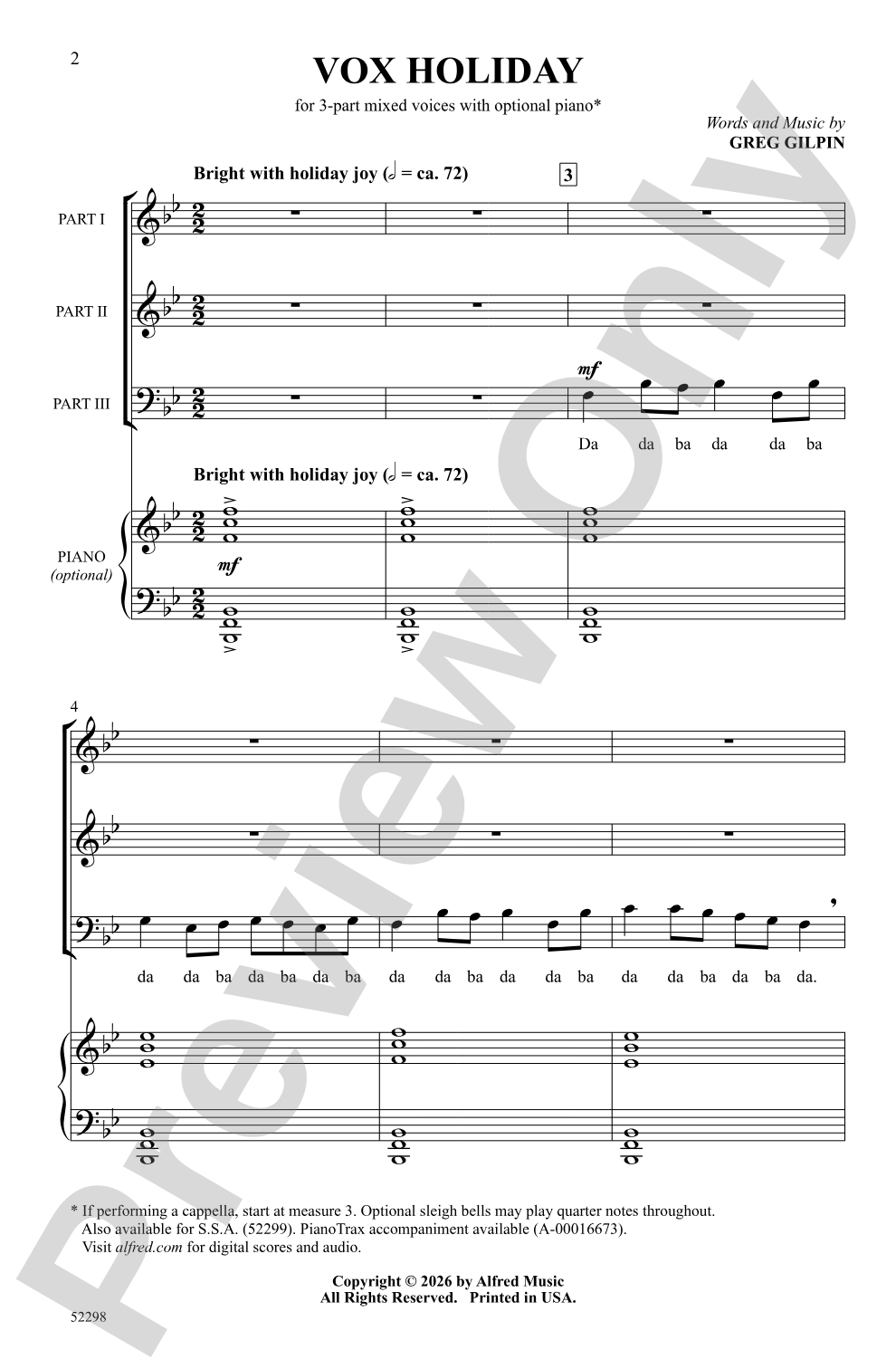
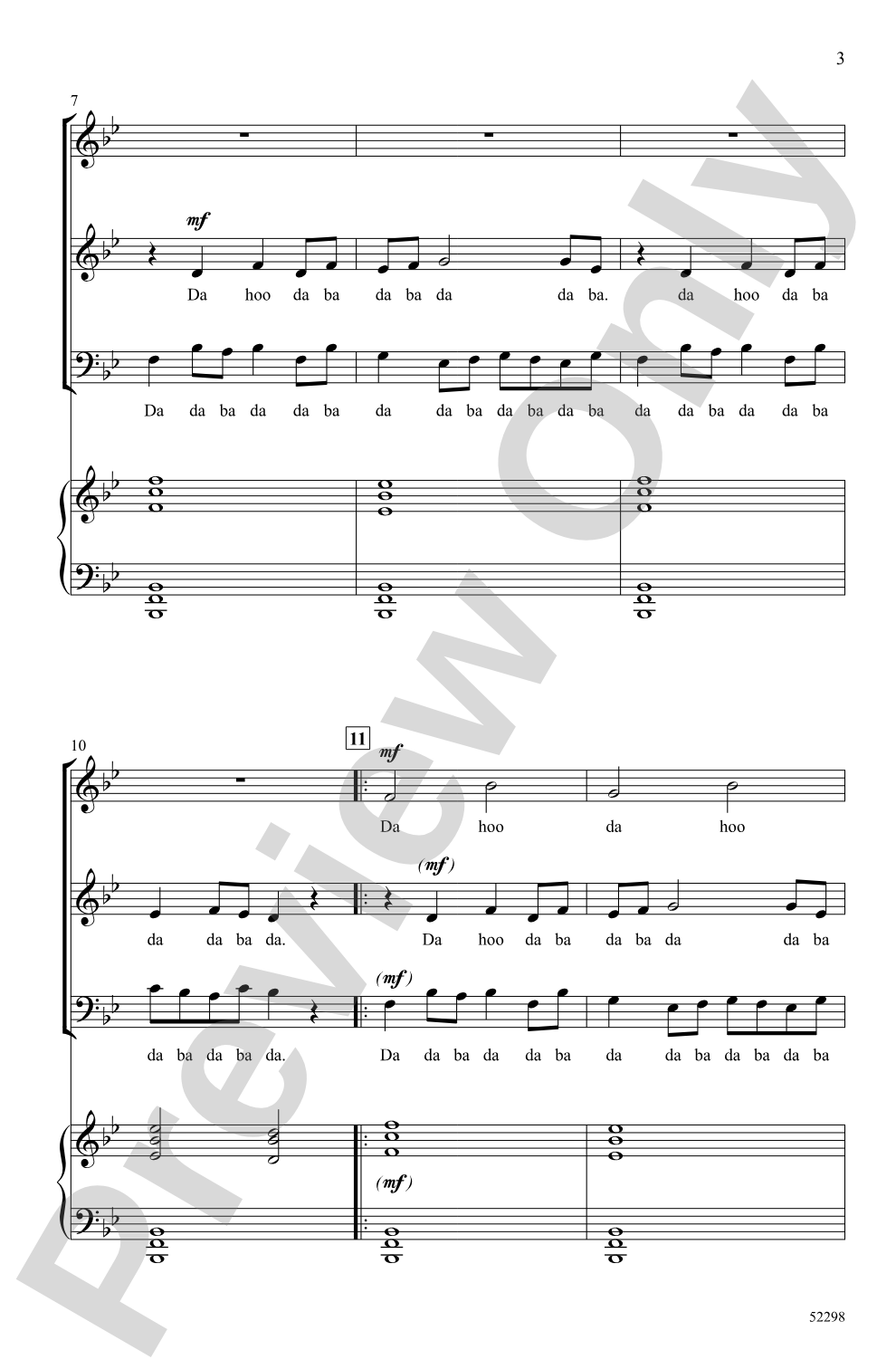
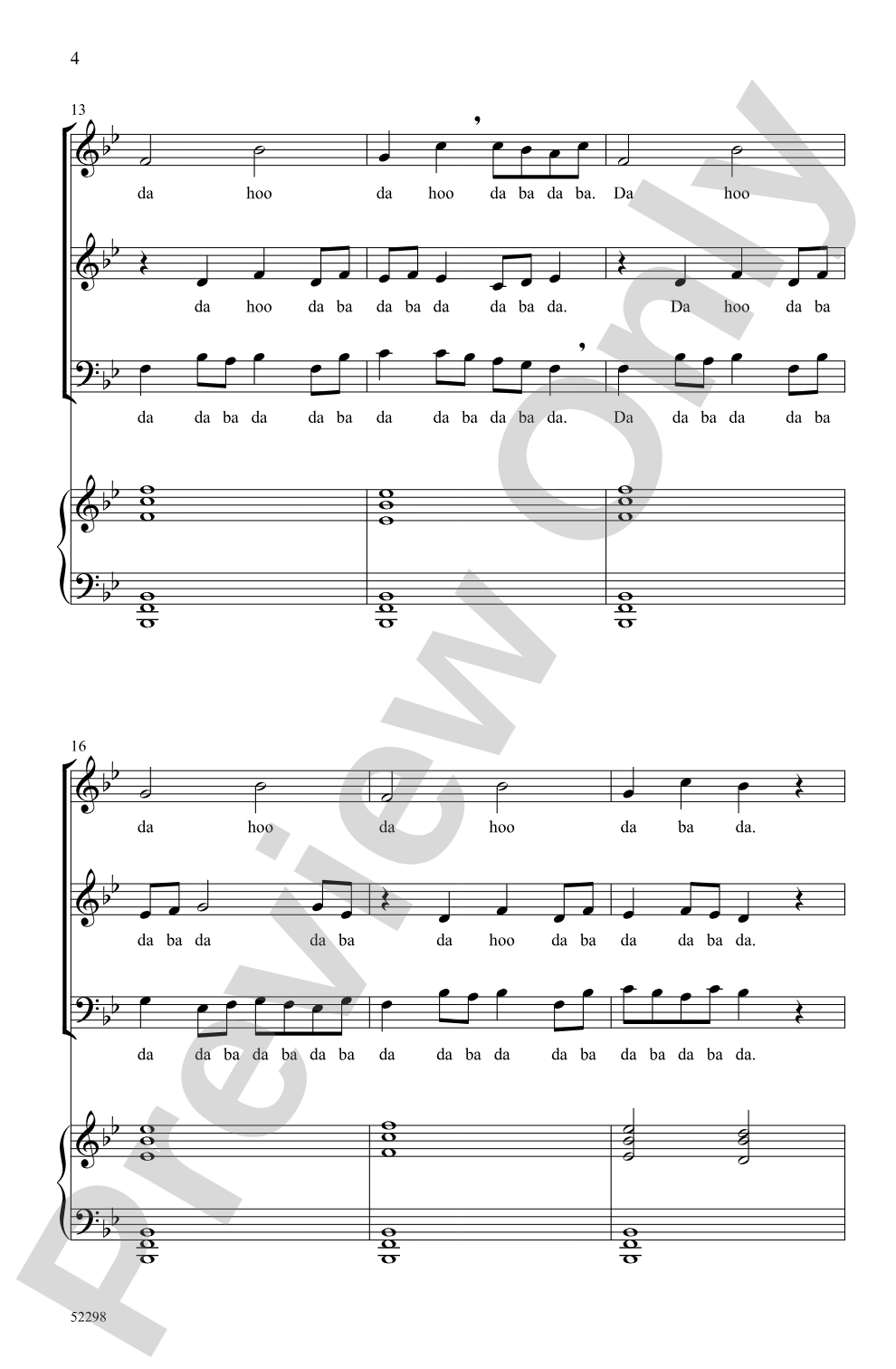
Introducing a new addition to the Vox tradition---this time it's for the holidays! Greg's clever and rhythmic vocables suggest sounds of the season; "fa la las" (carolers), "ding dong dings" (bells), "bm bm" (drums), and "da-hoos" (the Whos down in Whoville). As with other songs in this series, perform a cappella or with optional piano---sleigh bells add some sparkle either way. When the three independent voice parts combine, it's a joyful flurry of sound!


Don't just read it, hear it, play along with it, and watch your students grow with it. In MakeMusic Cloud, Vox Holiday: 3-Part Mixed Choral Octavo comes alive with professional accompaniment, adjustable tempo, and built-in practice tools that turn solo practice into real progress.
Open in the Player
Jump straight in and assign it today.
Start Your Free Trial
Open this title and explore the full library in minutes.
Sample Audio
1
Vox Holiday (no piano)
--:--
2
Vox Holiday
--:--
Vox Holiday (no piano)
0:00
0:00
Sample Video
Additional Details
Series:
Alfred Choral Designs
Publisher:
Alfred Music
Page Count:
12
SKU:
00-PO-0007865
More about this title
About the Composer: Greg Gilpin

Greg Gilpin is an ASCAP award-winning composer and arranger whose choral works are performed across concert halls worldwide, from Carnegie Hall and Lincoln Center in New York to the Sydney Opera House and Royal Festival Hall in London. His role as Director of Educational Choral Publications at Shawnee Press positions him at the forefront of choral music publishing, where he continues to shape repertoire for singers at every level.
Beyond the concert stage, Gilpin has expanded his creative reach into film scoring and broadcast media. His 2021 score for the short film "Rosie's Rescue" earned Best Score recognition, and he premiered a new arrangement of "What Child is This?" with opera singer Angela Brown and the Indianapolis Symphonic Choir. An active member of ACDA, NAfME, and Phi Mu Alpha Sinfonia, Gilpin remains deeply engaged in choral education and composition.
Why we love this
Gilpin's gift for writing rhythmic vocables that feel natural and singable transforms a holiday piece into something immediately engaging. The clever onomatopoeia—carols, bells, drums, and Whoville cheers—creates a cohesive soundscape without relying on text; singers and audiences alike respond to the playful energy. The independence of the three voice parts ensures that even younger or less experienced singers feel heard and essential to the overall texture.
What to expect
Joyful and rhythmically spirited, this piece captures the energy of holiday excitement through pure vocal color. The layers of vocables create a shimmering, percussive texture that feels both grounded and jubilant.
Who it's for
Mixed choirs at the high school, community, or collegiate level seeking a fresh, accessible holiday piece that doesn't require soloists or complex arranging. Directors who want something contemporary and playful rather than traditional carols will find this a perfect fit for winter concerts.
How to get the most out of it
- Establish clear rhythmic precision around the vocable patterns before adding any accompaniment; these syllables are the song's backbone and need locked-in attack and release.
- Consider adding actual sleigh bells to the optional piano accompaniment or a cappella performance; the metallic shimmer against sustained vocables creates the "sparkle" Gilpin suggests without overwhelming the voices.
- Rehearse the three parts separately first to ensure each voice line sits comfortably in its range, then layer them gradually so singers can hear how their part contributes to the full texture.
How to use it
Use this as an opener or pacing change in a holiday concert to shift from reverent carol arrangements to something lighter and more modern. Its 12-page length and straightforward 3-part voicing make it an ideal anchor piece for a shorter holiday program or a fun encore that audiences won't forget.
Skills your students will build
- Rhythmic precision in vocable-based writing
- Balancing three independent voice lines while maintaining ensemble cohesion
- Articulation clarity with non-text syllables
- Blending sustained tones with rhythmic punctuation