Viva Violas! Cover Image

Viva Violas!: String Orchestra Conductor Score & Parts

$60.00 USD
Sale price  $60.00 USD Regular price 
Skip to product information
Viva Violas! Cover Image

Viva Violas!: String Orchestra Conductor Score & Parts

Viola Section Feature

By Richard Meyer

Grade: 2.5

Item: 00-20794

makemusic Cloud badge

Need it now?

Buy Digital Version
$60.00
Shipped

One moment…

Description
Spotlight your viola section with this Spanish-flavored feature. The minor-keyed opening contains all the bravura of an exciting bullfight and is followed by a section that slows down briefly for a dramatic recitative-like transition, leading to a playful dance section in G Major. The rhythmic challenges of the accompaniment will keep all sections of the string orchestra interested. A Viola II part (second violin in alto clef) is included for those violists not yet ready to solo. Violin, cello, and bass parts are in first position throughout, while the solo part contains brief excursions into third position. Latin percussion parts are added for texture. Very playable!

Don't just read it, hear it, play along with it, and watch your students grow with it. In MakeMusic Cloud, Viva Violas!: String Orchestra Conductor Score & Parts comes alive with professional accompaniment, adjustable tempo, and built-in practice tools that turn solo practice into real progress.

Sample Pages

Sample Audio
0:00
0:00
Sample Video
Additional Details
Series: Highland/Etling String Orchestra
Publisher: Alfred Music
Page Count: 144
UPC: 038081219752
SKU: 00-20794

More about this title

About the Composer: Richard Meyer
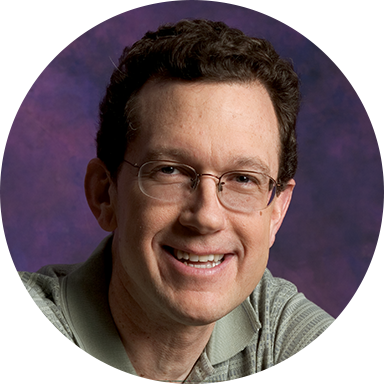
Richard Meyer

Richard Meyer spent 35 years teaching strings across elementary, middle, and high school levels in California public schools. At Oak Avenue Intermediate School in Temple City, he transformed a program of 29 students into a thriving orchestra of 200 while also directing the city's elementary string initiative. For 16 years he conducted the Pasadena Youth Symphony Orchestra, leading performances across North America, Europe, and Australia.

Beyond the podium, Meyer has shaped string education as a composer, arranger, and editor. He has nearly 200 works in print and served 16 years as string editor for Alfred Publishing Company. His co-authored method books, including the String Explorer Series and Sight-read It for Strings, are widely used in schools. Meyer also founded the "Giving Bach" program in 2009, an innovative outreach initiative that uses interactive concerts to reach students with special needs and in under-resourced schools throughout Southern California. He has been a featured clinician at the A.S.T.A. National Conference, Texas Orchestra Directors' Association Conference, and string workshops at Ohio State University.

Why we love this

Meyer captures the drama and energy of a Spanish bullfight while keeping the ensemble engaged across all sections. The accompaniment patterns demand rhythmic precision from violins and cellos, preventing the piece from becoming a mere showcase, and the optional Viola II part in alto clef ensures accessibility for students still building confidence on the instrument.

What to expect

The opening charges forward with the swagger and danger of a Spanish arena, minor-key and bold. After a hushed, introspective moment that feels almost operatic, the piece shifts into sunlit joy with a rhythmic dance that bounces with Latin flair and keeps the whole ensemble moving together.

Who it's for

String orchestra directors at the intermediate level who want to feature their viola section with a piece that honors the instrument's lyrical and dramatic capacities. The optional Viola II part makes it accessible for programs where not all violists are yet reading fluently in alto clef.

How to get the most out of it

  • Establish the rhythmic groove of the accompaniment figures before bringing in the solo viola line; these Latin-influenced patterns are the piece's foundation.
  • Shape the recitative-like transition with dramatic silence and rubato, letting the viola breathe before the G Major dance section arrives.
  • Highlight the textural difference between the opening's minor-key intensity and the playful major-key section by adjusting ensemble weight and articulation.
  • Use the Latin percussion parts to anchor the rhythmic energy, especially in the dance section where syncopation can loosen if the ensemble drifts.

How to use it

This works well as a contest or festival piece where you need something that balances solo impact with ensemble involvement. The Spanish flavor and mid-range difficulty also pair naturally with multicultural programming or a concert theme exploring non-Western musical traditions.

Skills your students will build

  • Reading alto clef fluency (Viola II part)
  • Performing in first position with brief third-position extensions (solo viola)
  • Rhythmic coordination in accompaniment figures with syncopated Latin patterns
  • Ensemble balance and texture when supporting a featured section
  • Responding to tempo and style changes (minor to major, recitative to dance)
  • Counting and executing rests and articulation in energetic contexts

You May Also Like
