Vision Quest Cover Image

Vision Quest: Concert Band Conductor Score & Parts

$85.00 USD
Sale price  $85.00 USD Regular price 
Skip to product information
Vision Quest Cover Image

Vision Quest: Concert Band Conductor Score & Parts

By Vince Gassi

Grade: 4 (Medium)

Item: 00-38379

makemusic Cloud badge

Need it now?

Buy Digital Version
$85.00
Shipped

One moment…

Description
A vision quest is defined as a journey taken alone in the wilderness to find one's spiritual and life direction. Take your audiences on a mystic journey with this exciting new work by Vince Gassi. Bold themes and angular rhythms are contrasted with a poignant lyrical section. Frequent meter changes and interesting harmonies will provide ample opportunity for your young musicians to grow musically. (6:00) This title is available in MakeMusic Cloud.

Don't just read it, hear it, play along with it, and watch your students grow with it. In MakeMusic Cloud, Vision Quest: Concert Band Conductor Score & Parts comes alive with professional accompaniment, adjustable tempo, and built-in practice tools that turn solo practice into real progress.

Sample Pages

Sample Audio
0:00
0:00
Sample Video
Additional Details
Series: Belwin Symphonic Band
Publisher: Alfred Music
Page Count: 248
UPC: 038081433400
SKU: 00-38379

More about this title

About the Composer: Vince Gassi
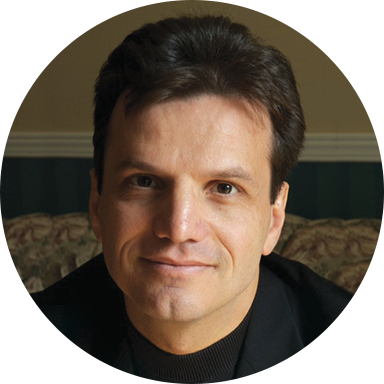
Vince Gassi

Vince Gassi has been composing for Alfred Music since 2006 and maintains an active presence as a conductor and clinician throughout North America. His catalog exceeds 100 published works, many of which have earned positions on international concert and festival programs. He holds a Bachelor of Music from the University of Western Ontario, studied composition and arranging at the Dick Grove School of Music in Los Angeles, and earned his Ph.D. from York University in Toronto.

Gassi spent twenty-five years teaching instrumental music at the elementary and secondary levels, experience that deeply informs his compositional approach. He remains in high demand as a guest conductor, adjudicator, and clinician, and regularly presents seminars on creative engagement and digital workflows for music directors. His works have been recorded and performed internationally, with frequent performances at the prestigious Midwest Clinic in Chicago.

Why we love this

Gassi's knack for balancing developmental accessibility with genuine musical substance shines here. The program works as both a satisfying concert piece and a learning vehicle; students engage with meaningful compositional techniques (metric modulation, angular melody, harmonic color) while experiencing a coherent narrative arc.

What to expect

The journey unfolds like an actual vision quest: bold, searching themes emerge from rhythmic intensity, then soften into a contemplative passage where the band breathes and listens to its own voice. The harmonic language is modern without being alienating, and the meters shift in ways that feel organic rather than imposed.

Who it's for

Directors programming Grade 4 bands seeking substantive concert material that challenges students musically without overwhelming them technically. The piece works equally well for contest festivals and concert programming where you want musicians to grow in musicianship alongside performance.

How to get the most out of it

  • Prep the meter changes by isolating transition passages in sectionals. Have musicians count the beat in the new meter before the full ensemble plays through.
  • The contrast between bold themes and the lyrical section hinges on articulation and dynamic control. Spend rehearsal time on the expressive middle section to prevent it from sounding thin after the opening energy.
  • Mark the angular rhythmic figures clearly in each part. Precision here clarifies Gassi's harmonic palette and prevents rhythmic mudiness.
  • Use the recorded accompaniment available through MakeMusic Cloud to help young musicians lock into the groove during rhythmically complex passages.

How to use it

Program this as a centerpiece concert work that demonstrates your band's technical range and musicianship. It pairs naturally with classical standards (the lyrical section provides balance to baroque or classical repertoire) or with lighter contemporary works that give the audience a moment of reprieve.

Skills your students will build

  • Reading and executing frequent meter changes (including asymmetrical groupings)
  • Balancing angular melodic lines with harmonic awareness
  • Dynamic contrast and phrasing across programmatic sections
  • Ensemble precision in rhythmically complex passages
  • Listening and blend in lyrical contexts

You May Also Like
