
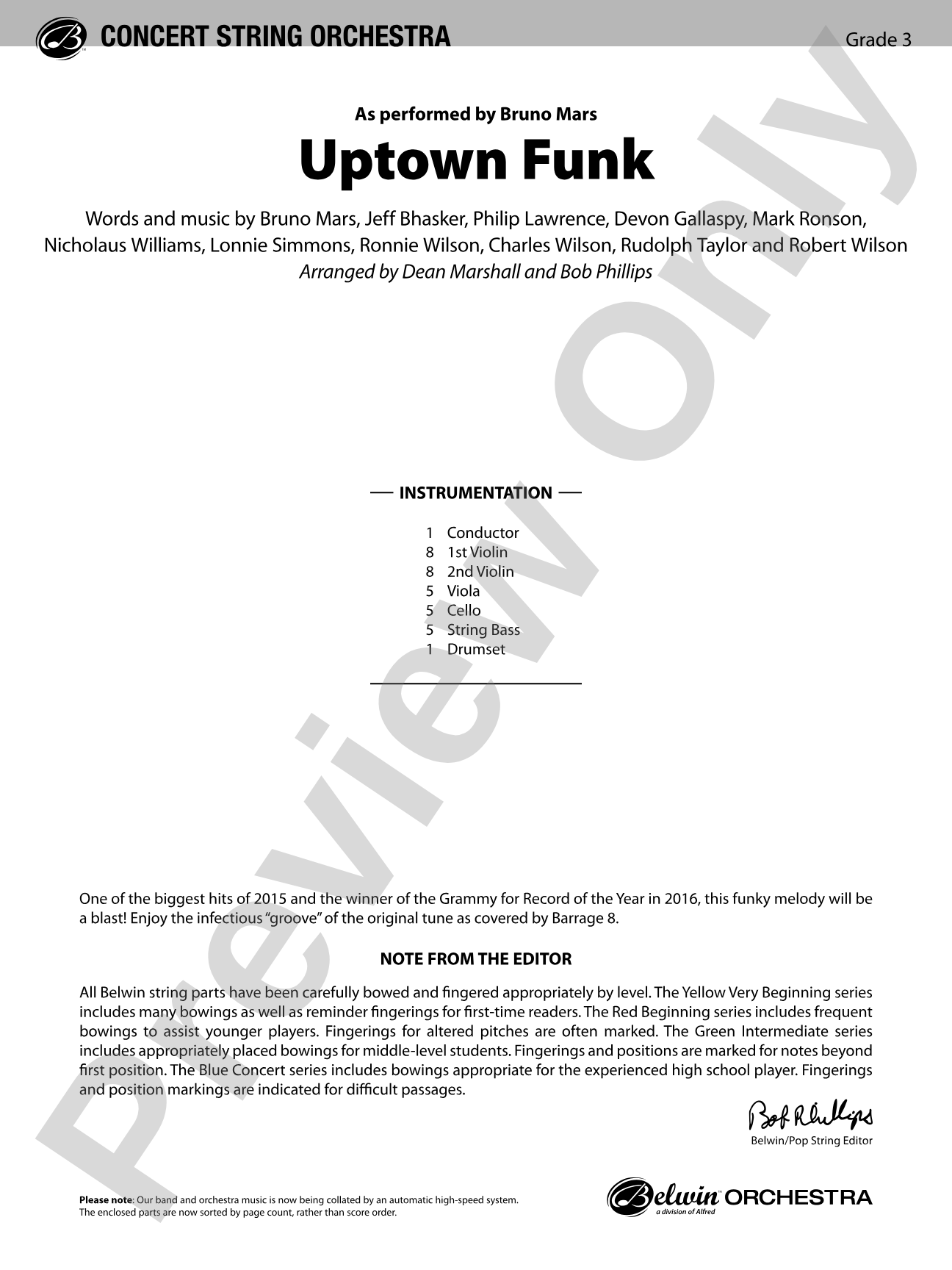
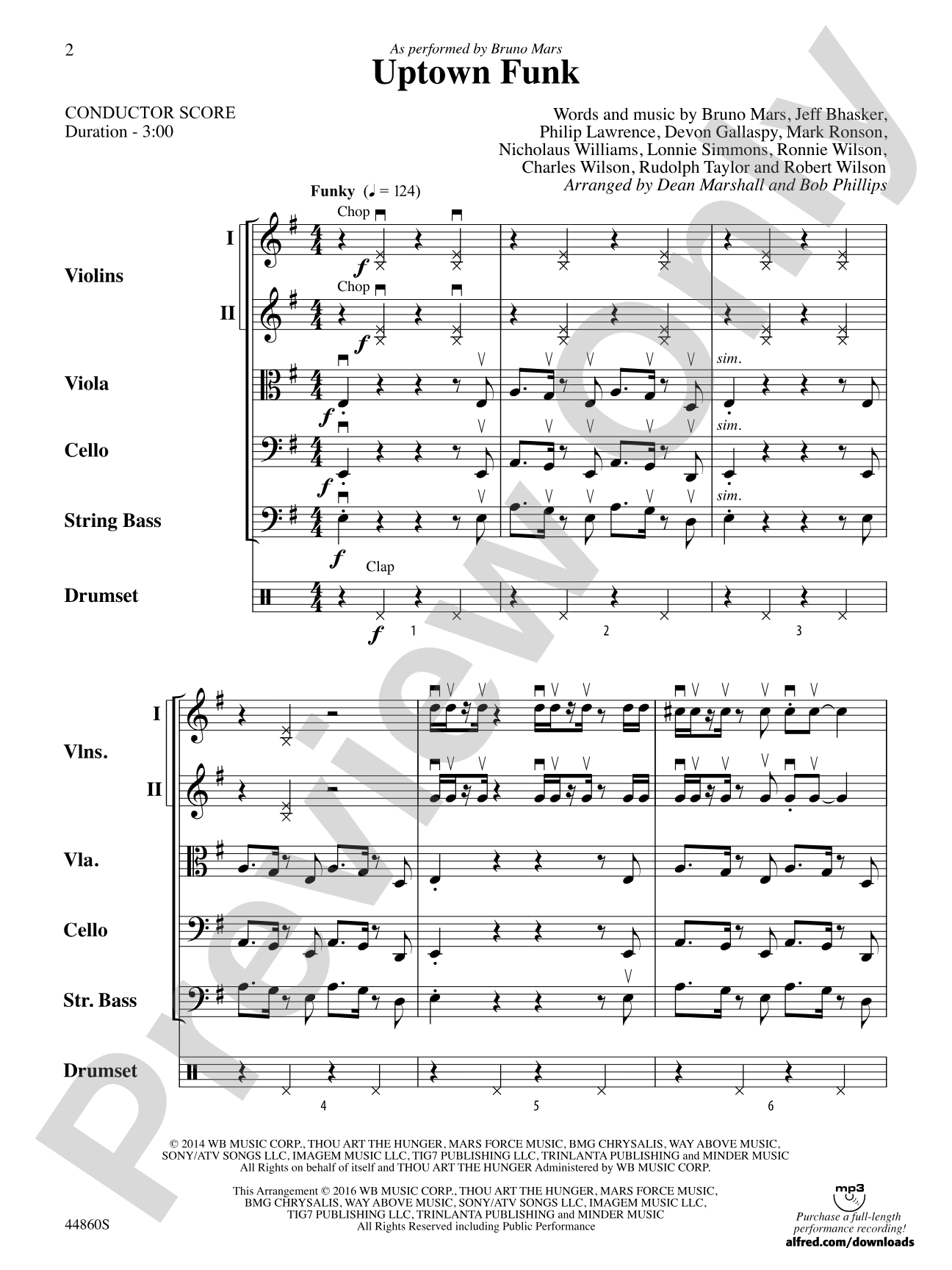
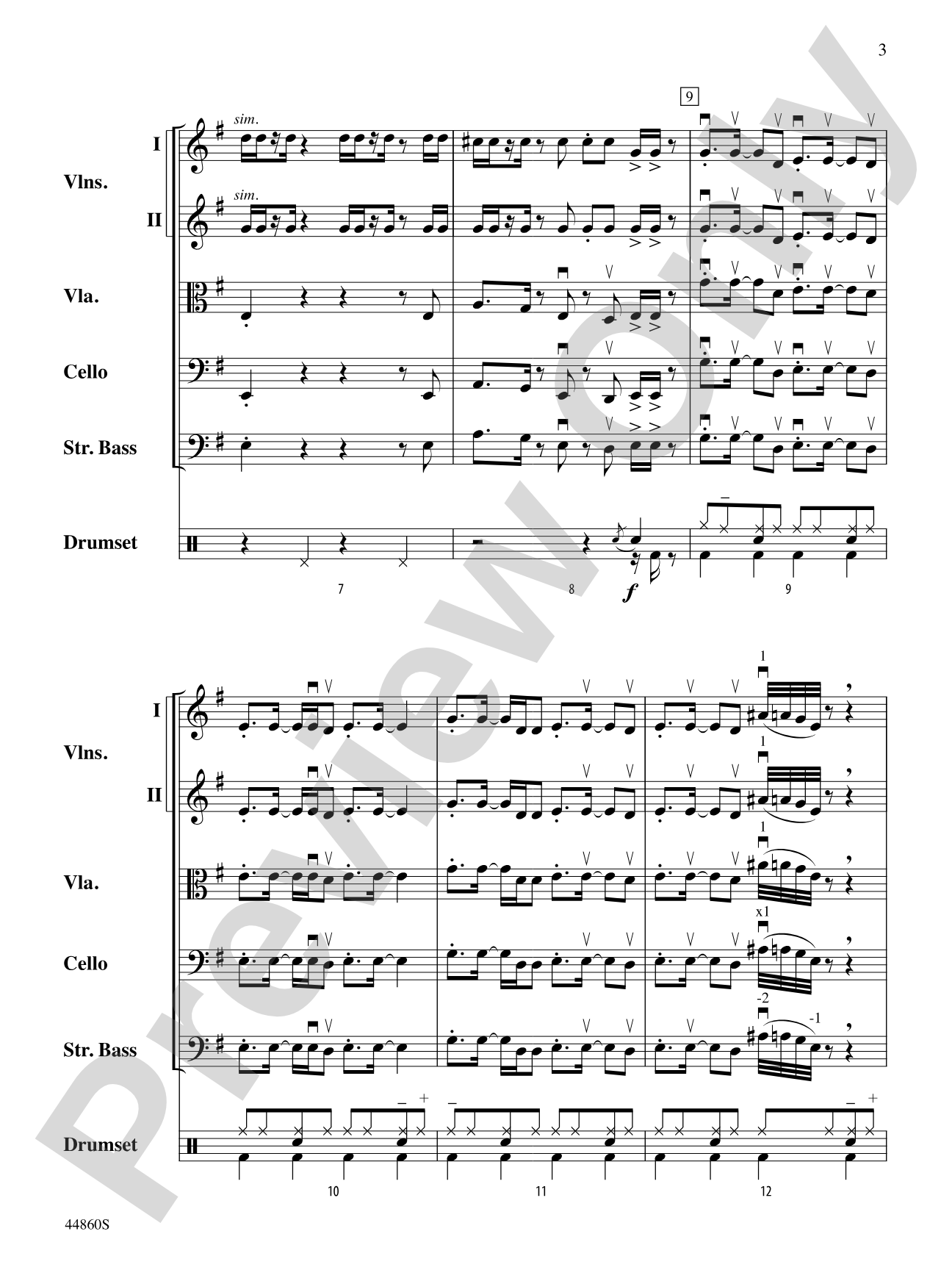
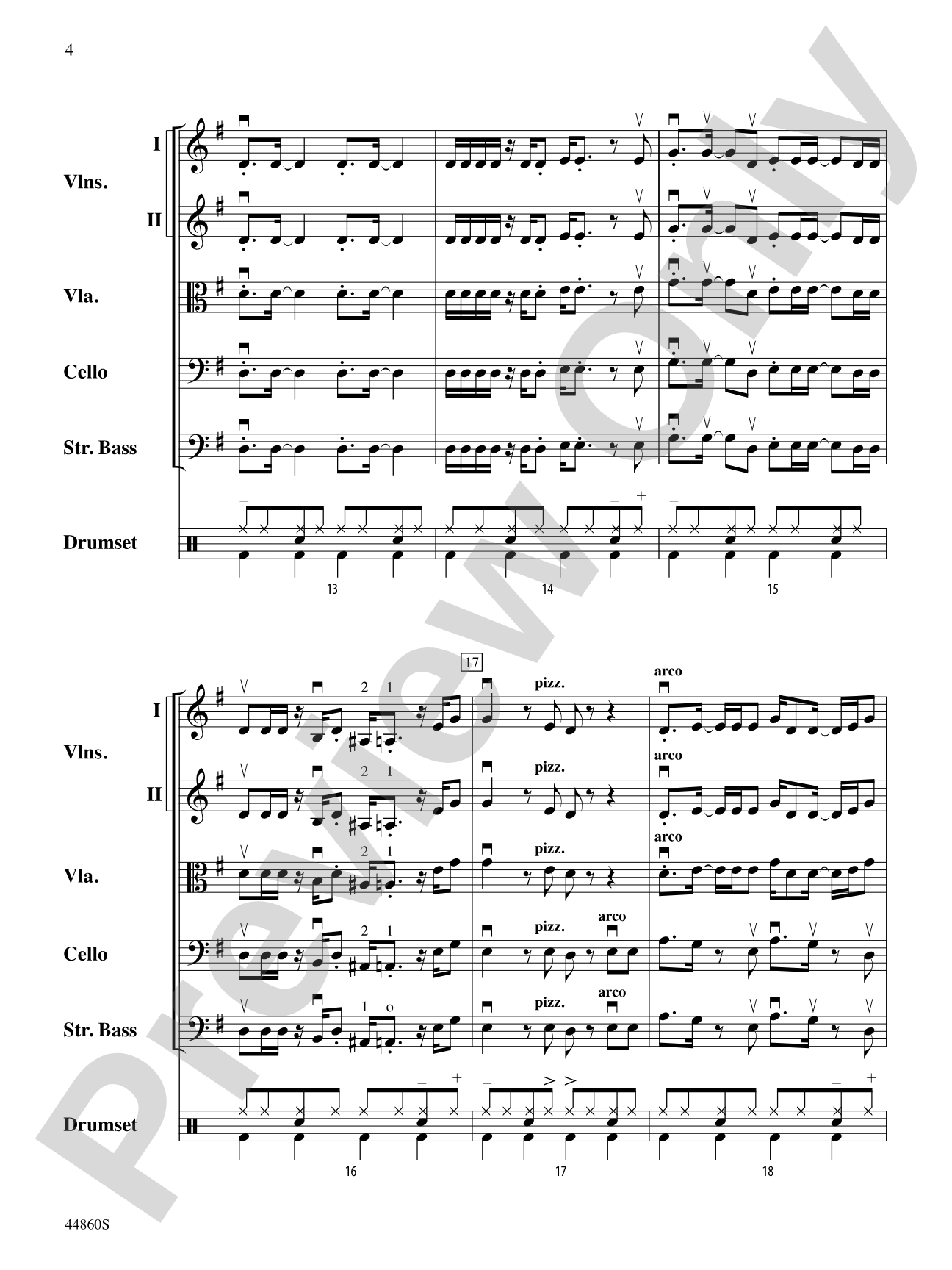
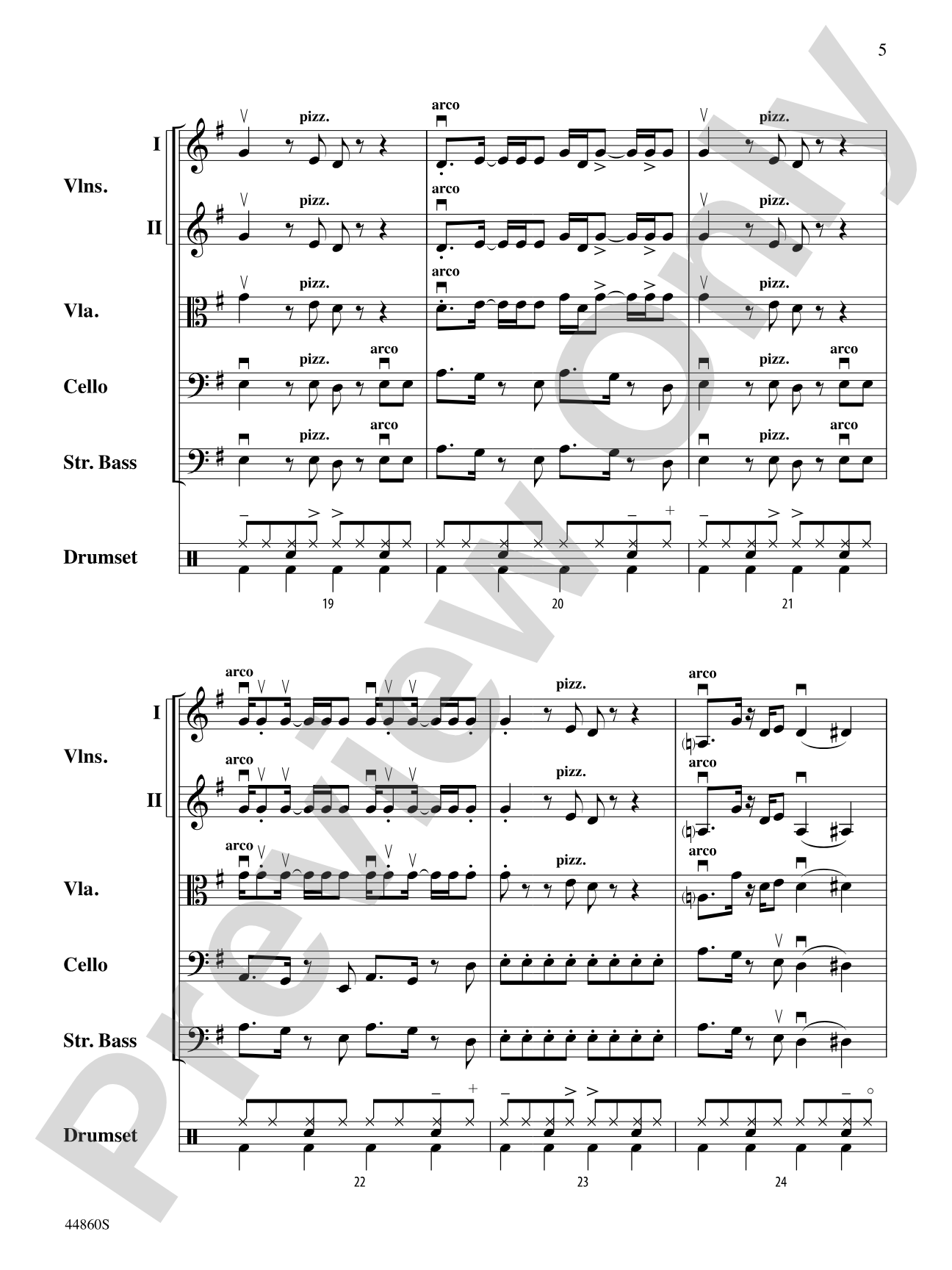
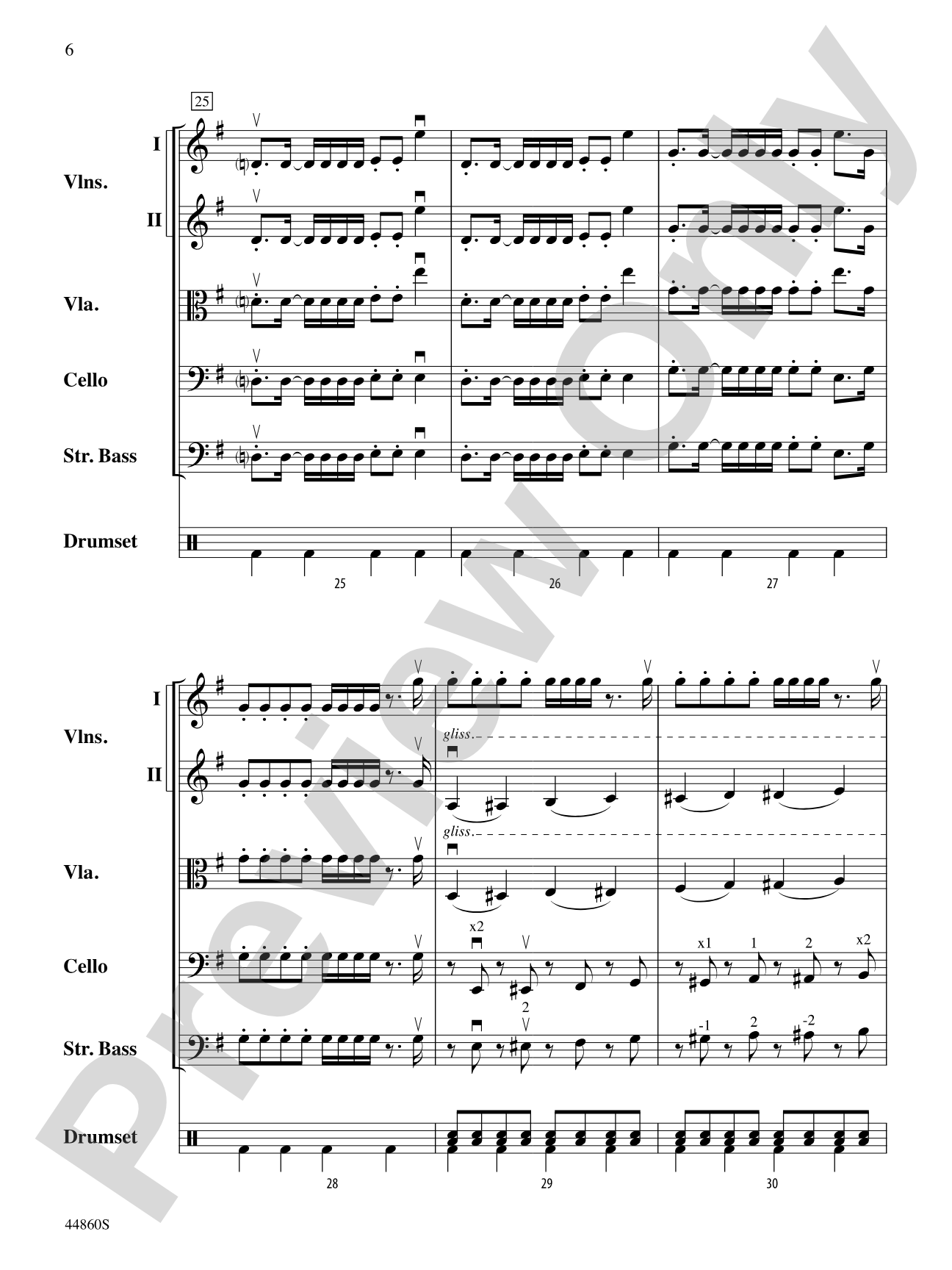
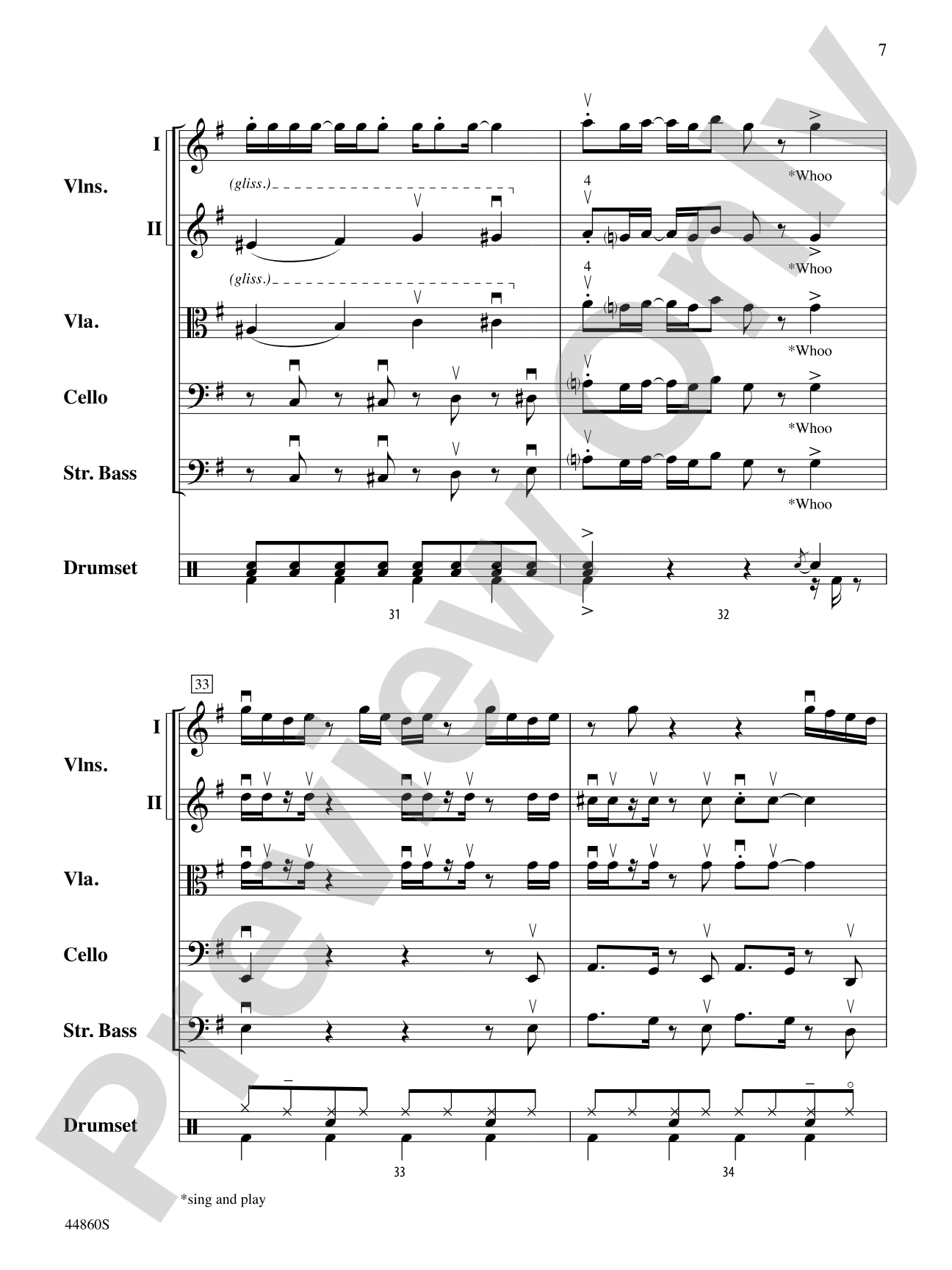
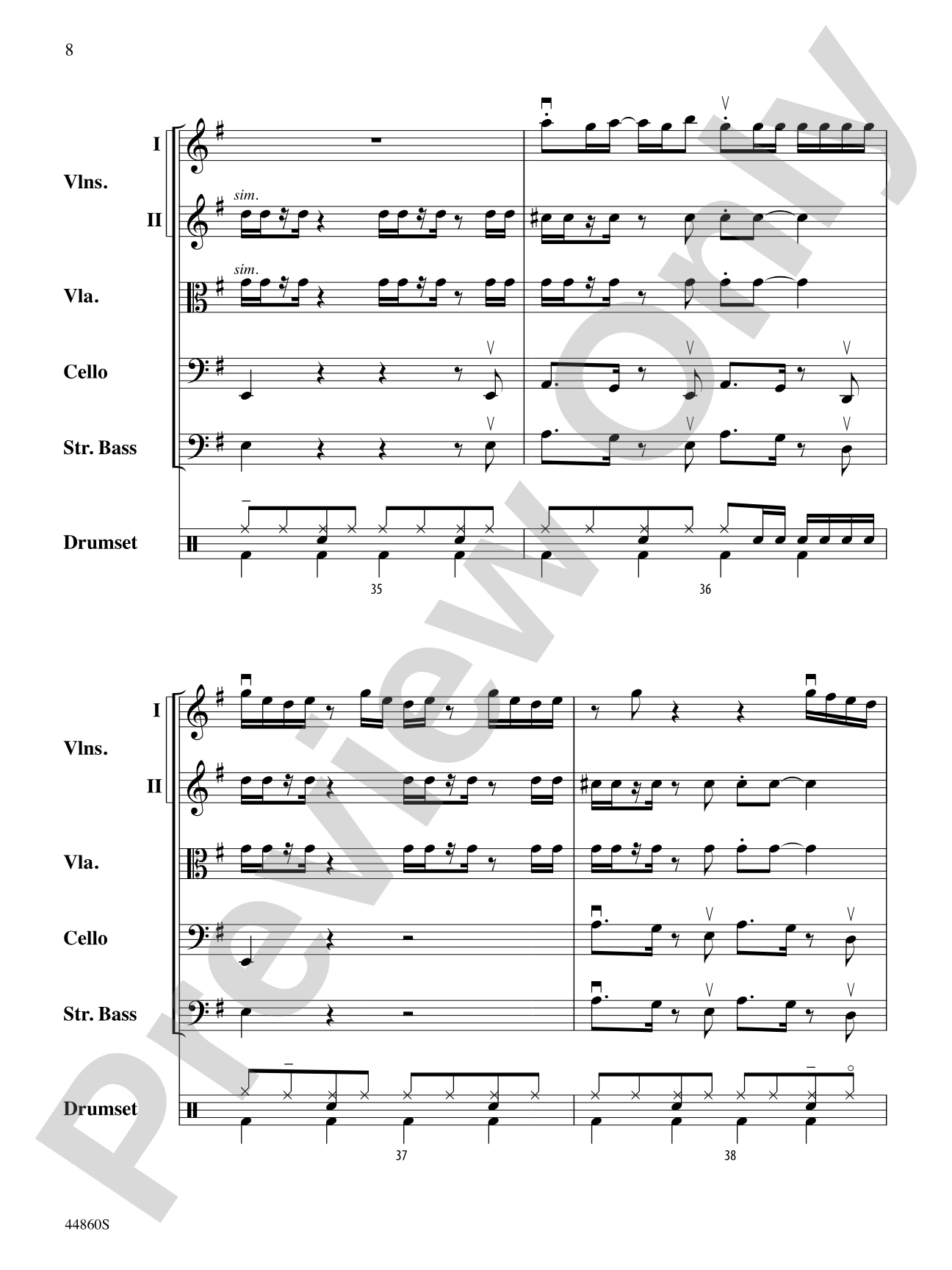
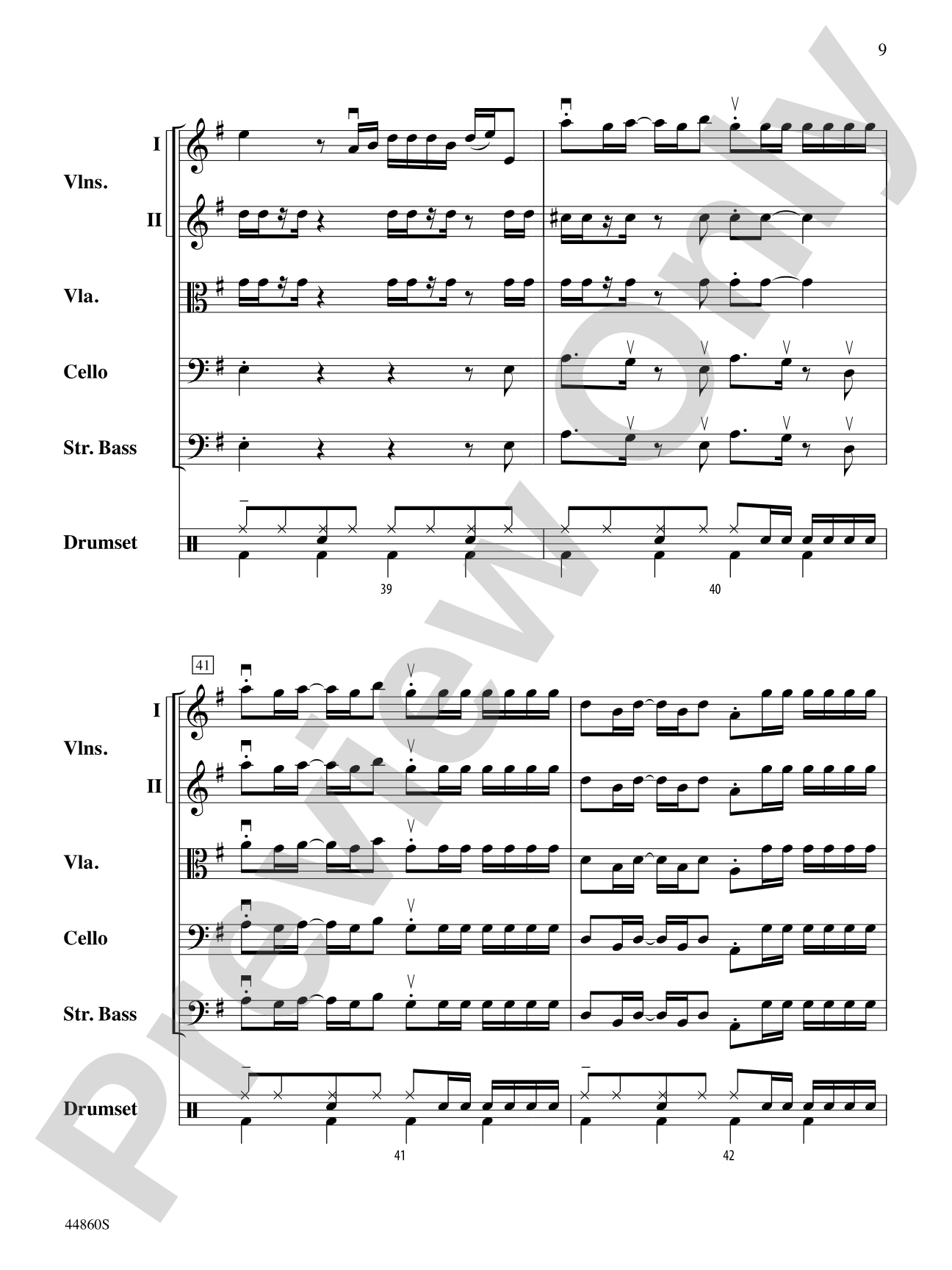
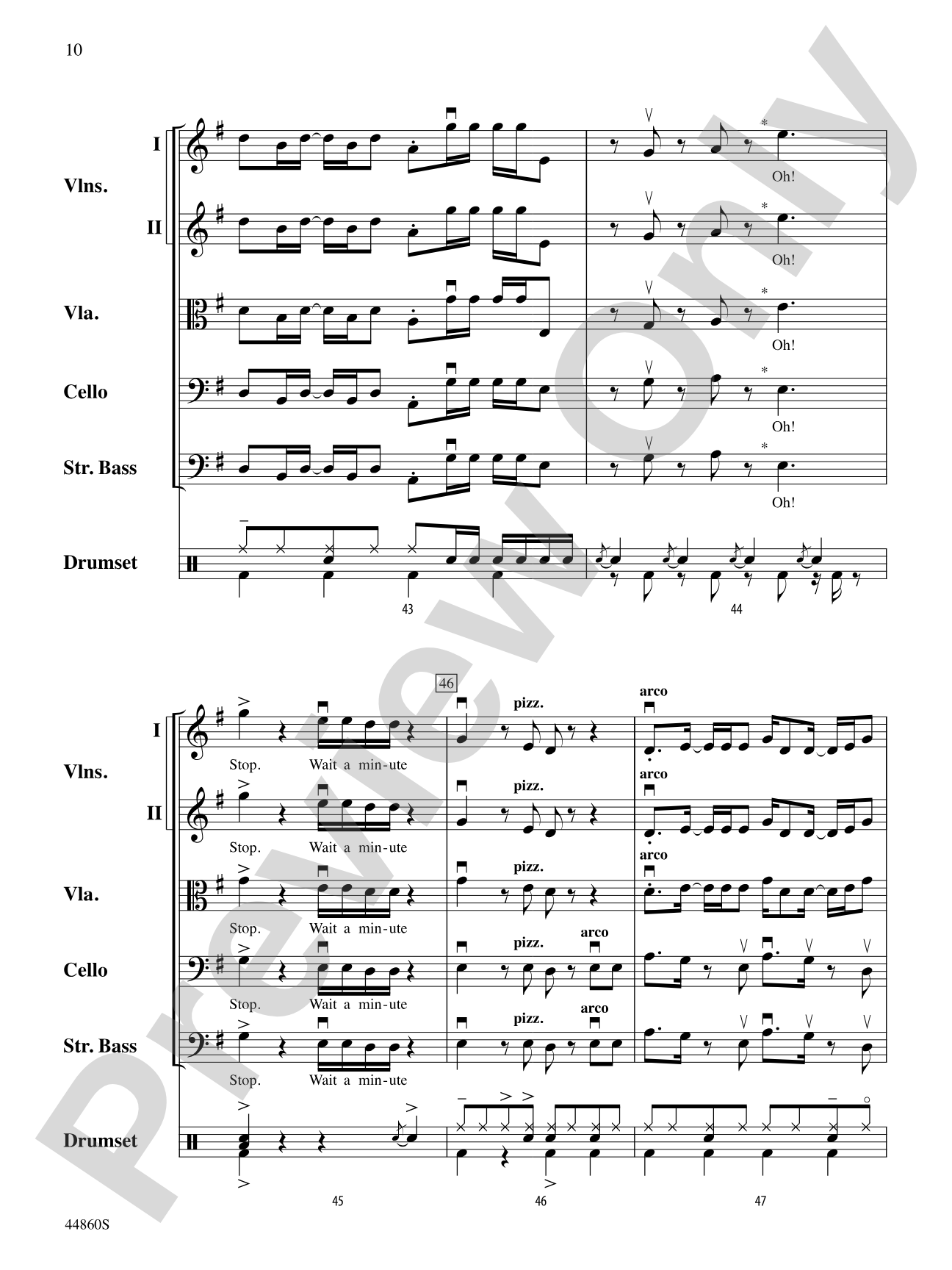
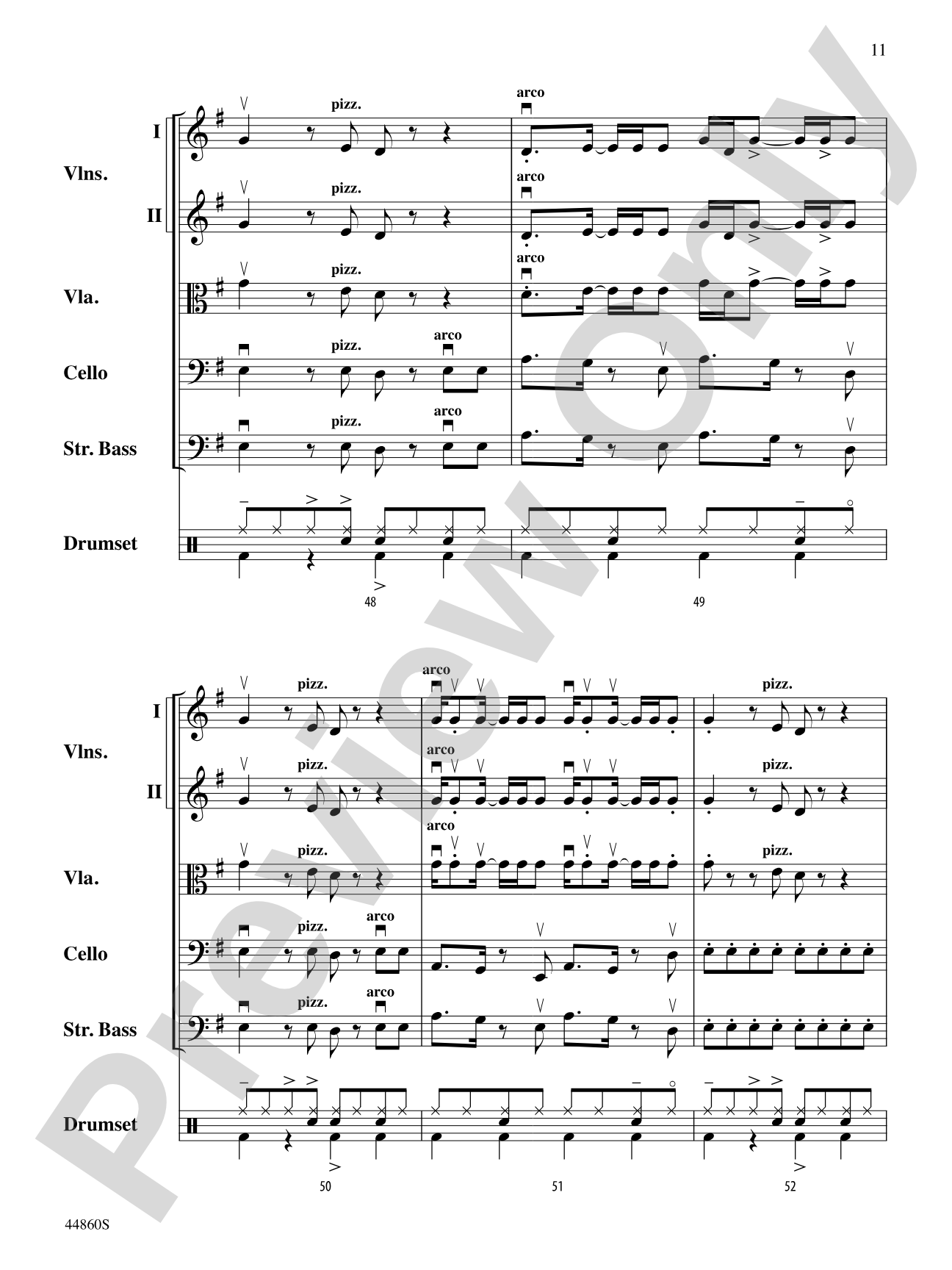
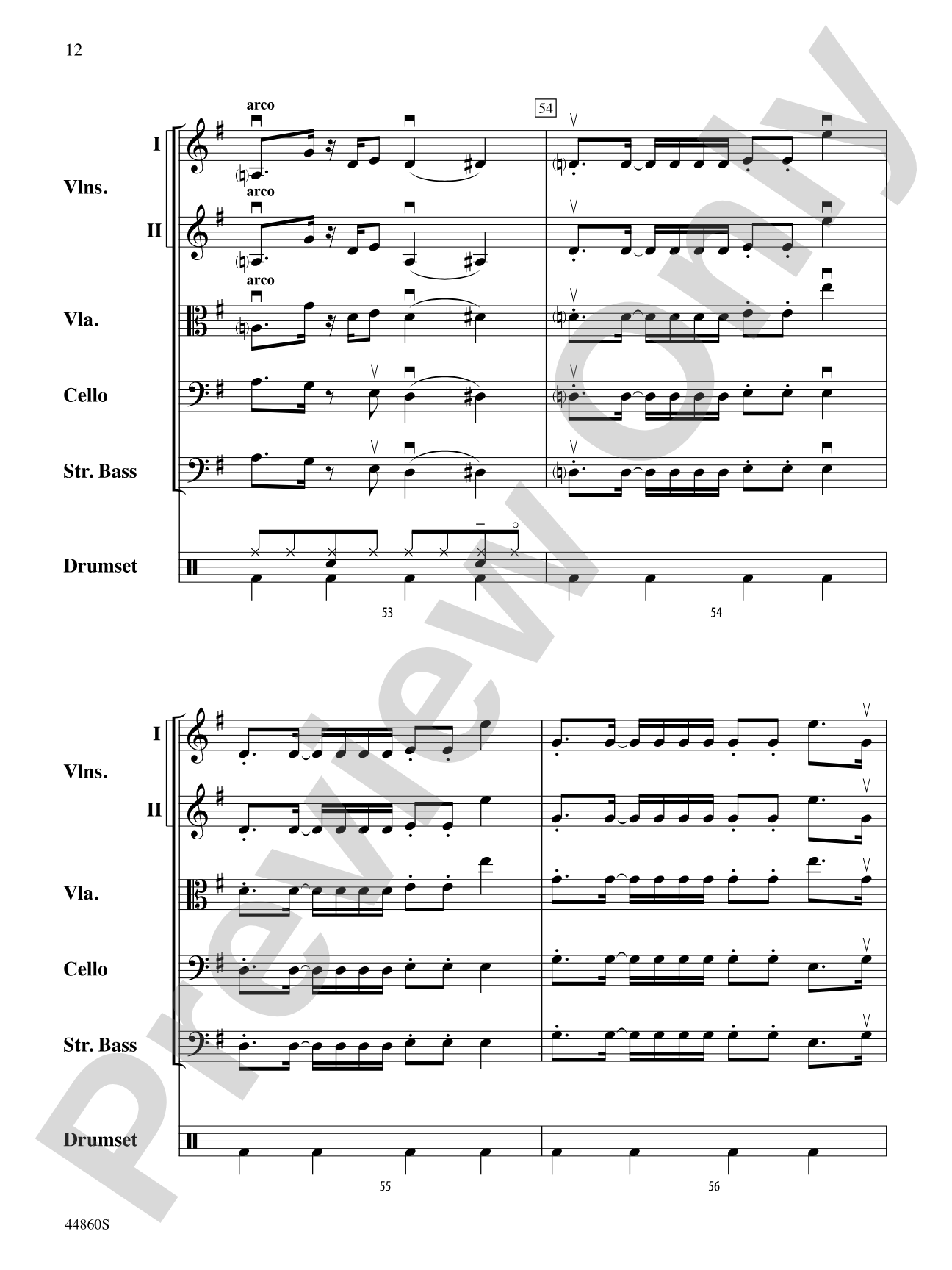
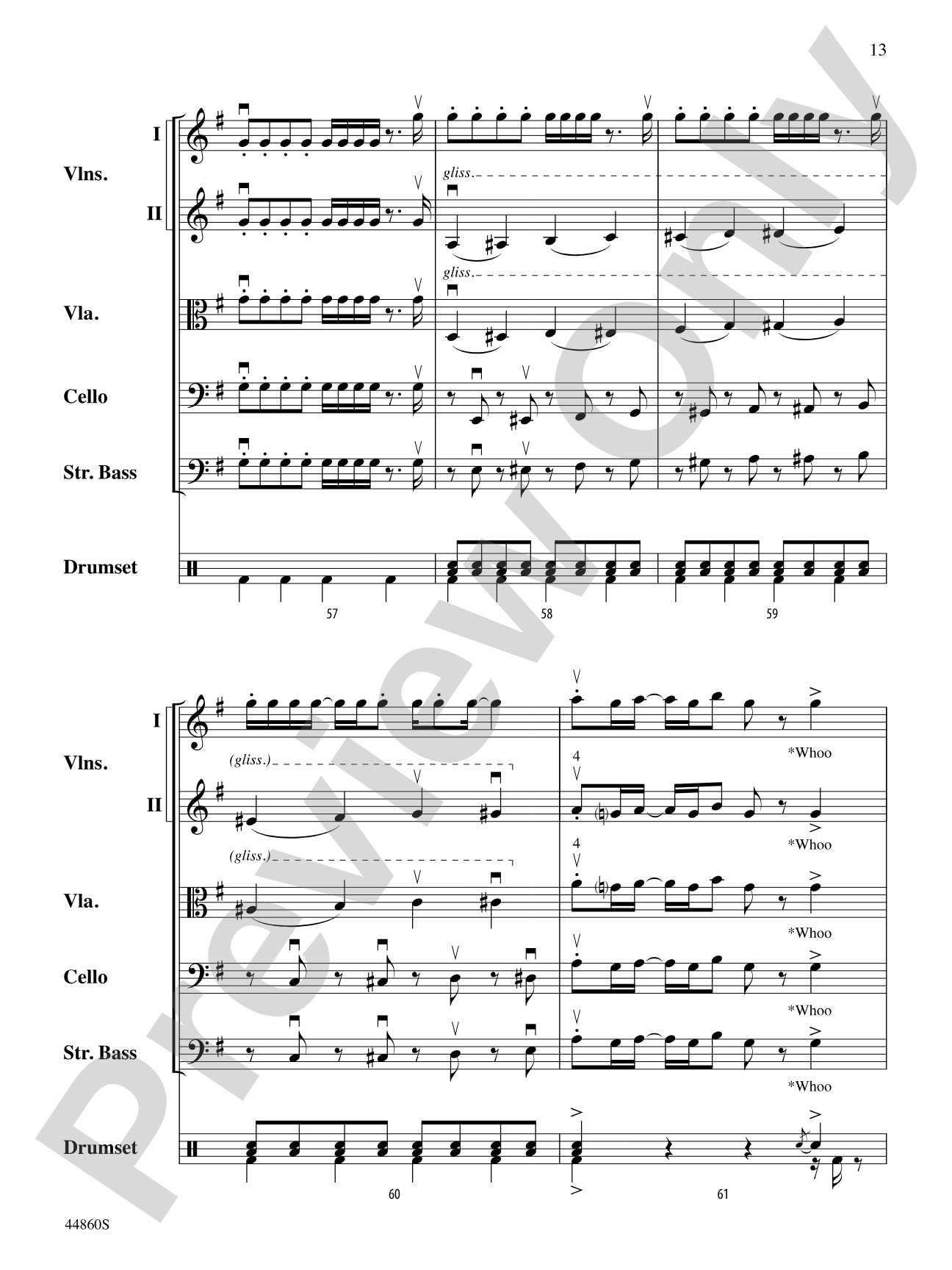
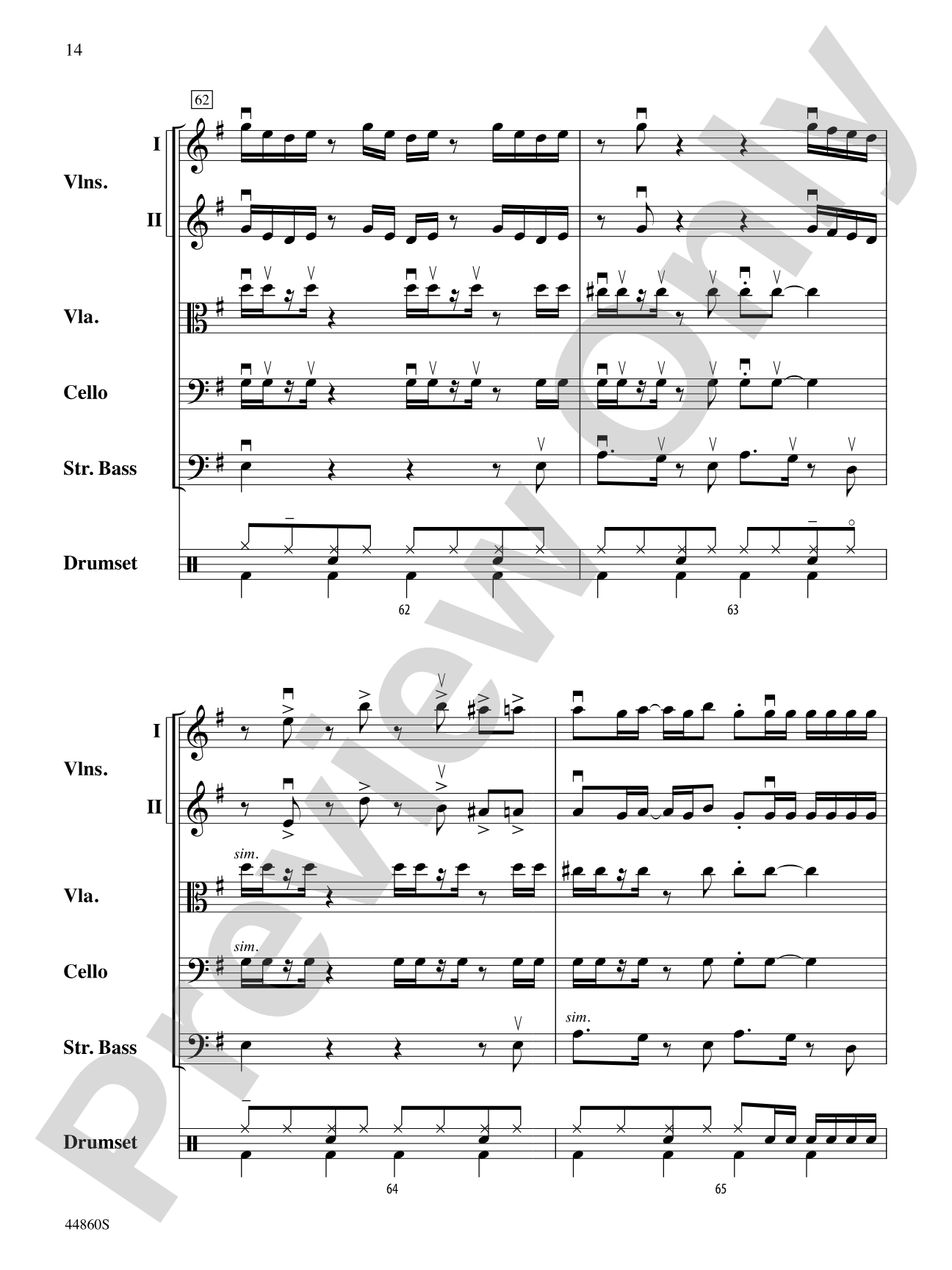
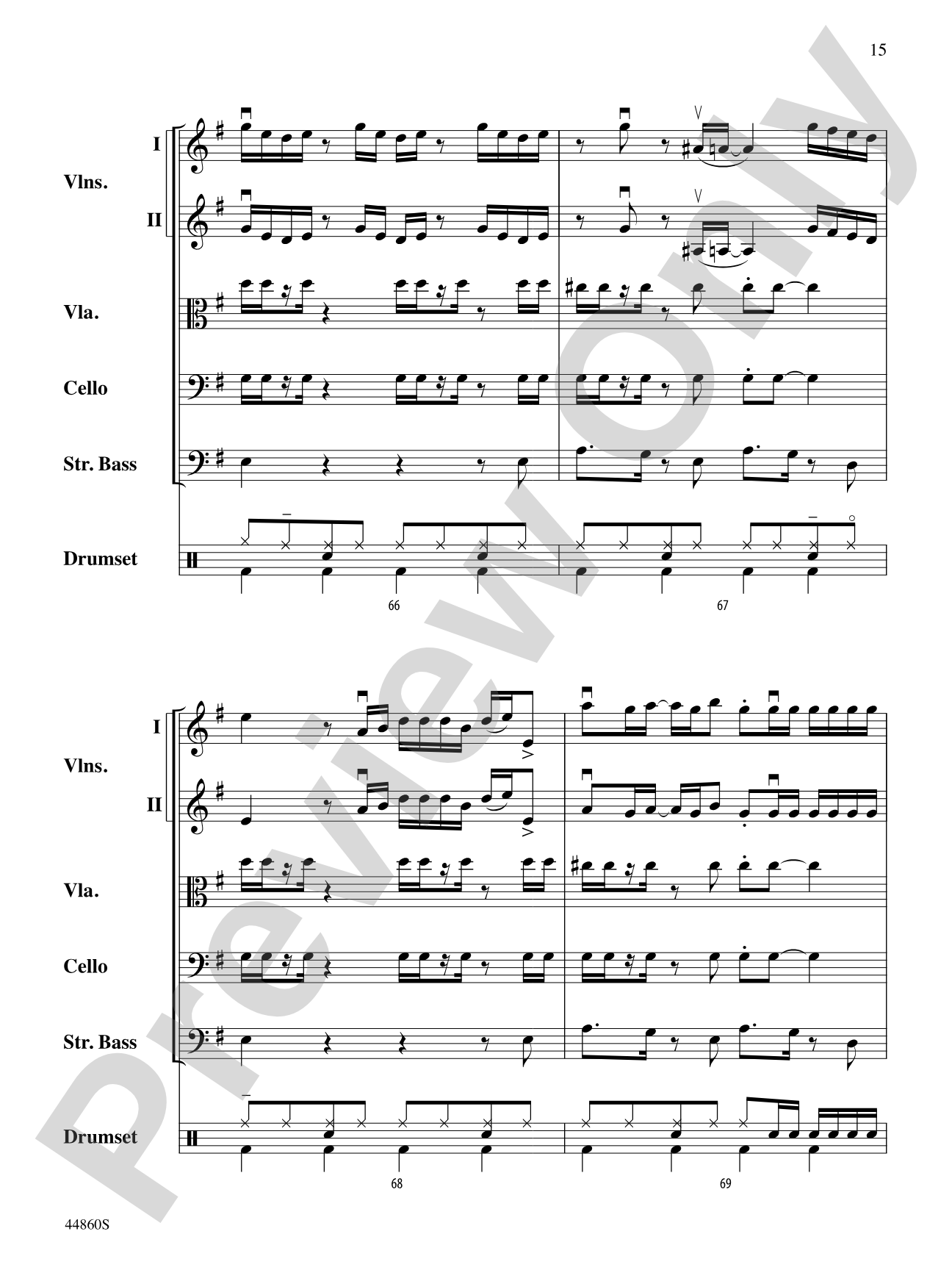
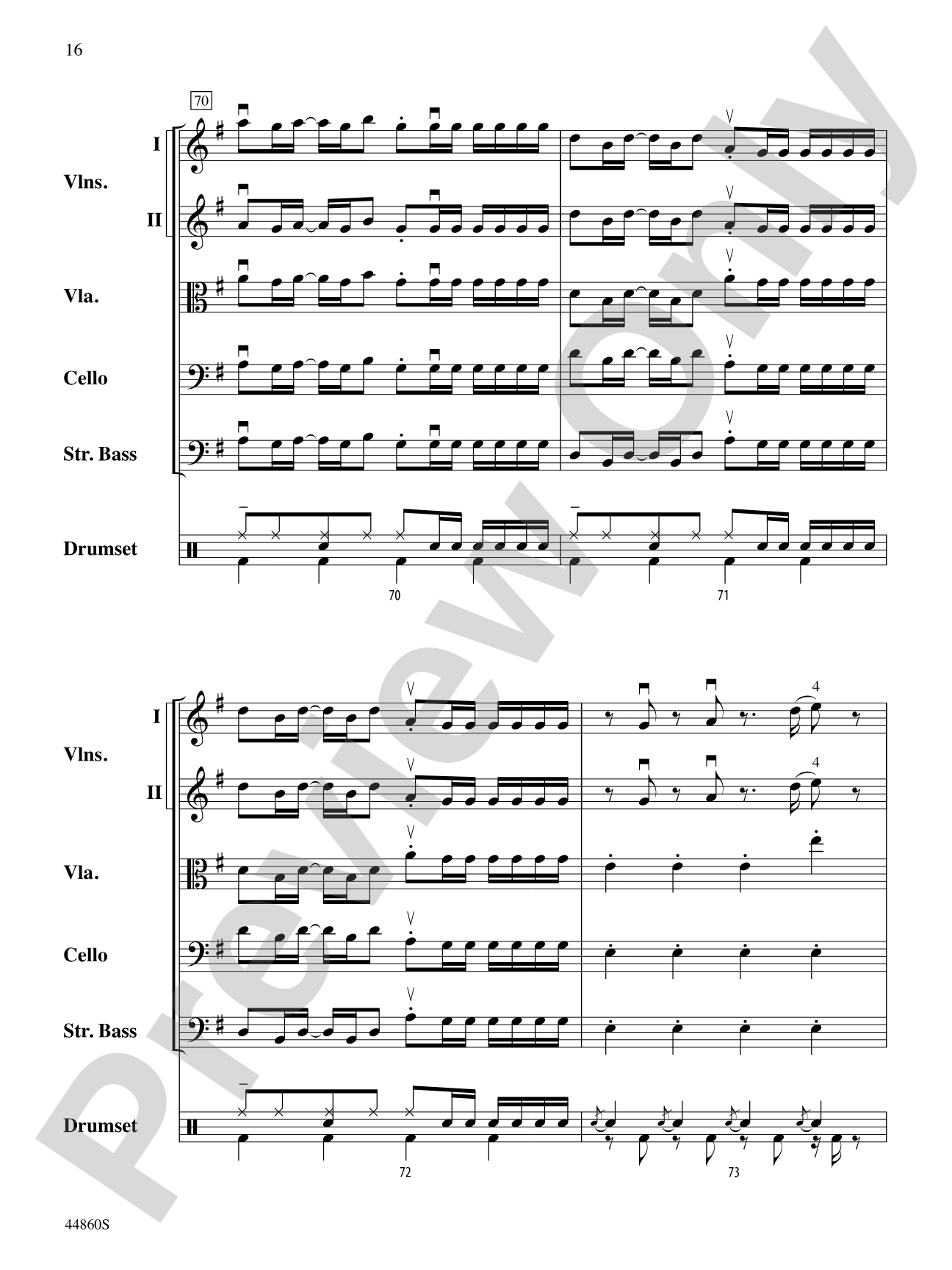
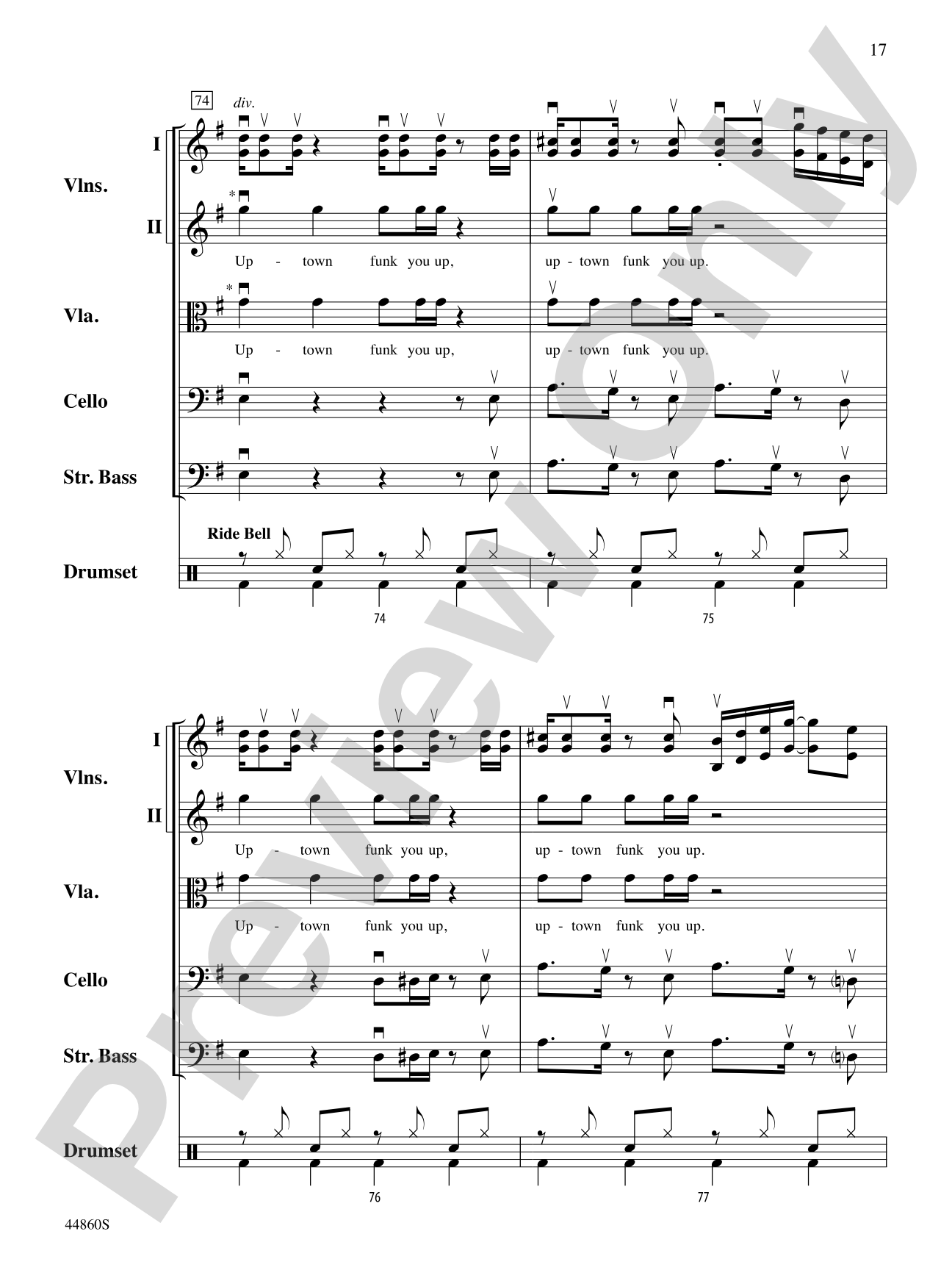
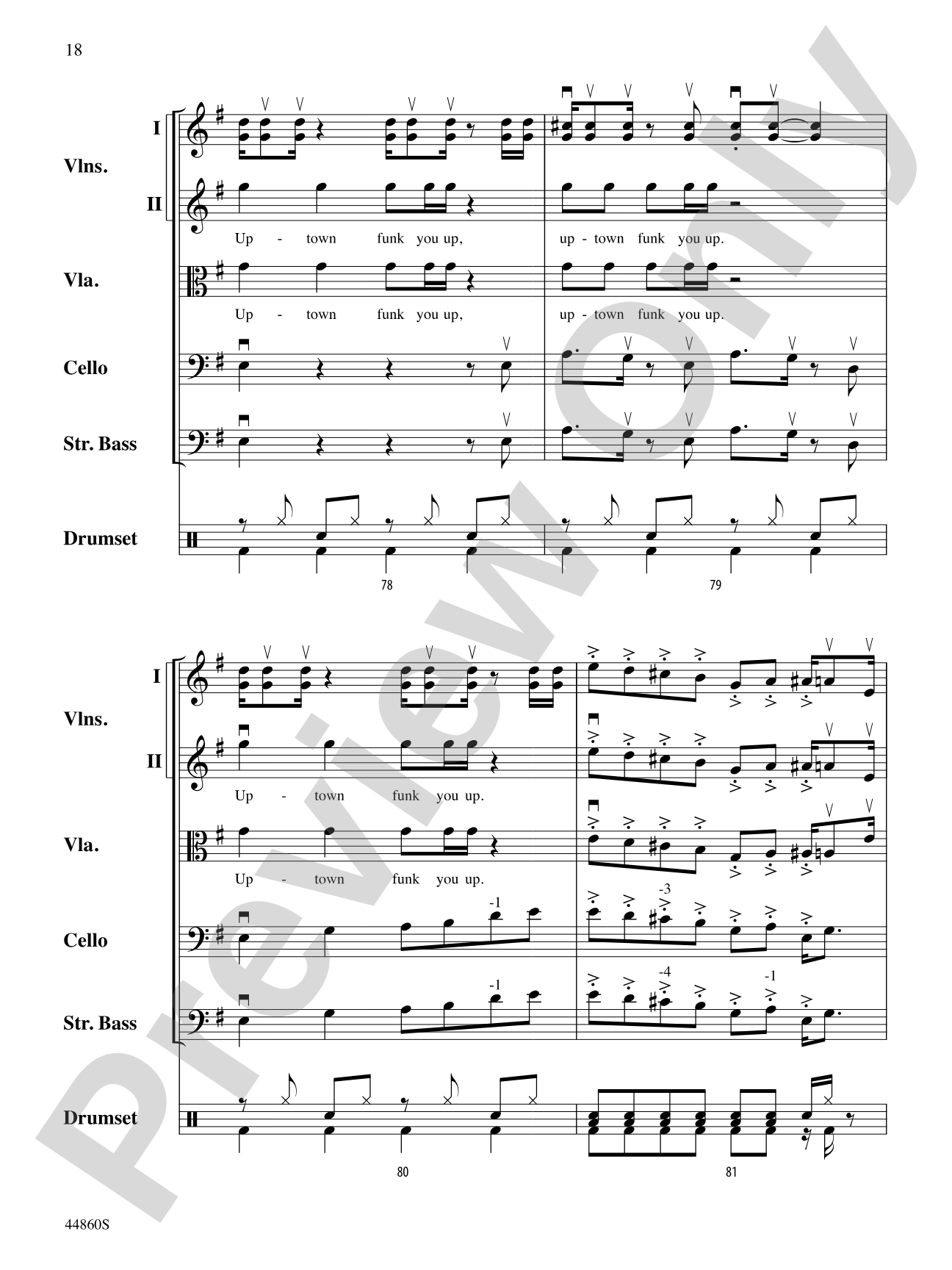
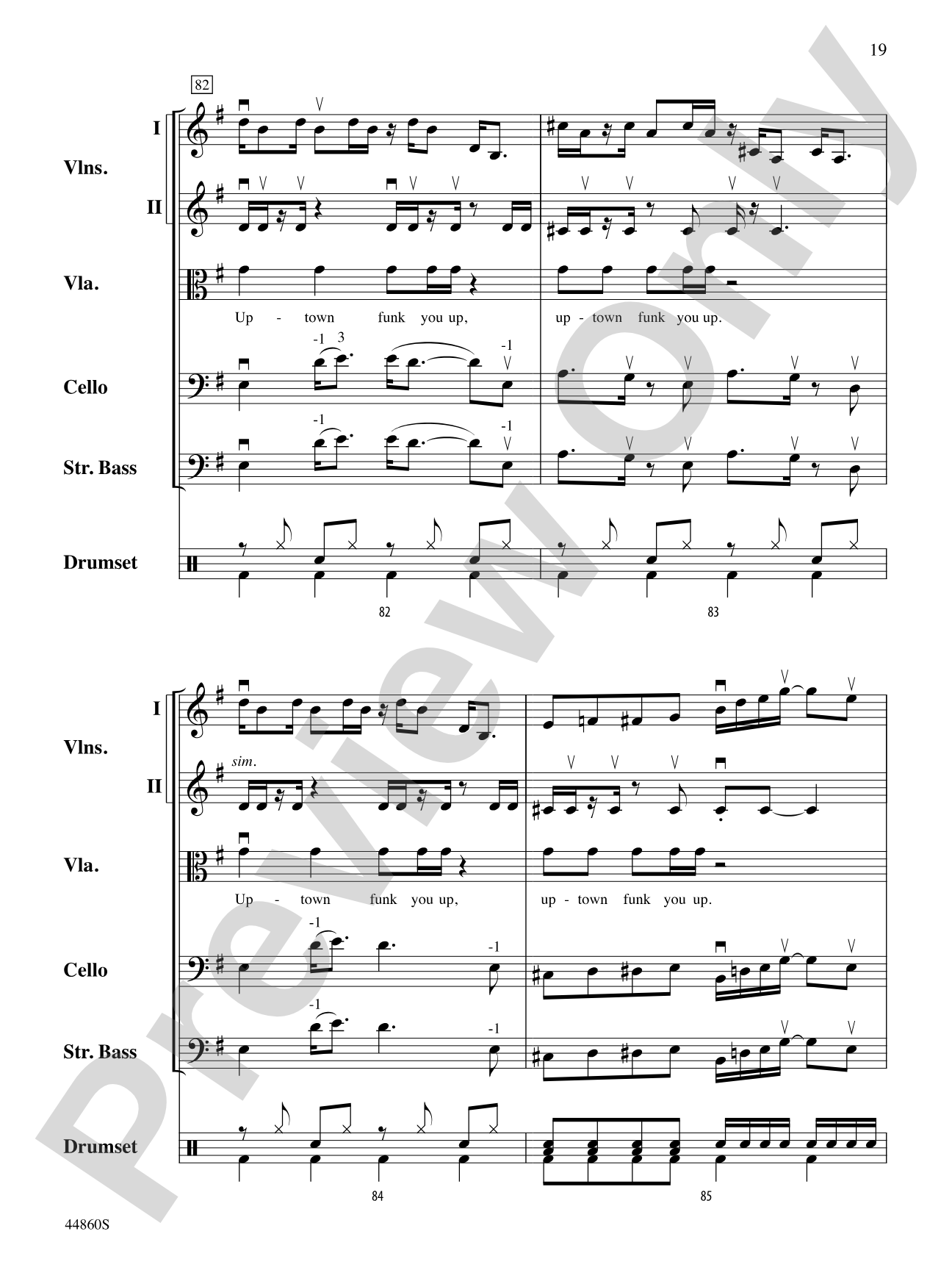
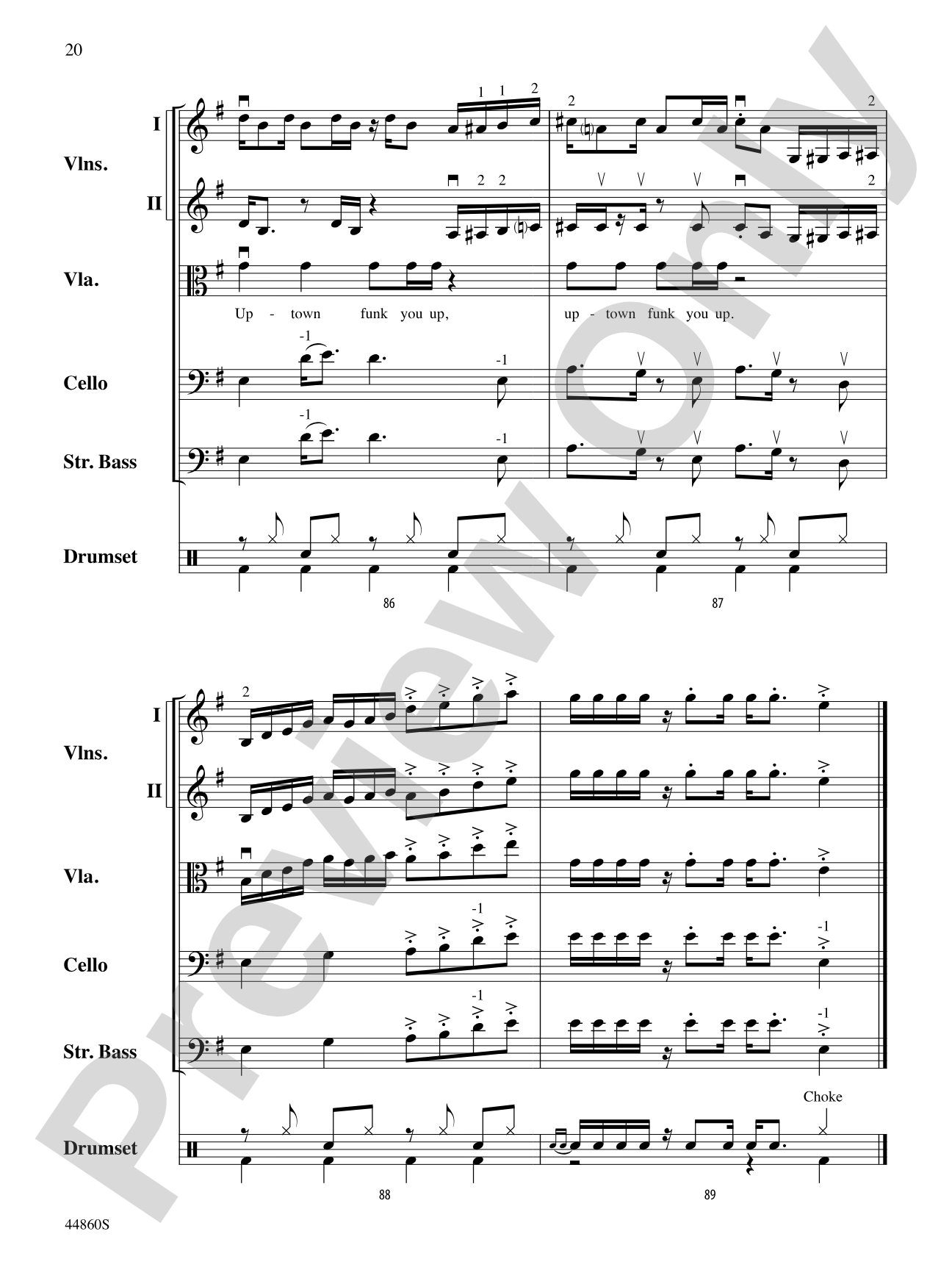

Uptown Funk: String Orchestra Conductor Score & Parts
As Performed by Bruno Mars
Words and music by Bruno Mars, Jeff Bhasker, Philip Lawrence, Devon Gallaspy, Mark Ronson, Nicholaus Williams, Lonnie Simmons, Ronnie Wilson, Charles Wilson, Rudolph Taylor, and Robert Wilson / arr. Dean Marshall and Bob Phillips
Grade: 3
Item: 00-PK-0007131

$64.00
One moment…
Description
One of the biggest hits of 2015 and the winner of the GRAMMY® Award for Record of the Year in 2016, this funky melody will be a blast! Enjoy the infectious groove of the original tune as covered by Barrage 8.


Don't just read it, hear it, play along with it, and watch your students grow with it. In MakeMusic Cloud, Uptown Funk: String Orchestra Conductor Score & Parts comes alive with professional accompaniment, adjustable tempo, and built-in practice tools that turn solo practice into real progress.
Open in the Player
Jump straight in and assign it today.
Start Your Free Trial
Open this title and explore the full library in minutes.
Sample Audio
1
Audio File
--:--
0:00
0:00
Sample Video
Additional Details
Series:
Pop Concert String Orchestra
Publisher:
Alfred Music
Page Count:
128
SKU:
00-PK-0007131
More about this title
About the Composer: Bruno Mars
Bruno Mars is a contemporary pop and R&B artist whose chart-topping singles and albums have defined pop music for over a decade. Known for his meticulous production, retro-influenced grooves, and infectious melodic sensibility, Mars has earned multiple GRAMMY Awards and achieved global commercial success that few artists reach.
For music educators, Mars represents a modern standard in popular music that students recognize and respond to immediately. His work demonstrates how contemporary songwriting can balance accessibility with craft, making it ideal repertoire for engaging ensemble students in music that matters to their generation.
Why we love this
String orchestras don't often get to play music that generates genuine excitement and instant recognition in a room. This arrangement captures everything that made "Uptown Funk" a phenomenon while sitting perfectly in the string idiom, giving your ensemble a showstopper that feels current and fun rather than educational.
What to expect
Infectious, groovy, and undeniably fun. The arrangement captures that "can't sit still" quality of the original, with the strings gliding through the syncopated rhythms and melodic hooks that get stuck in your head. It swings without being jazzy and feels modern without sounding dated.
Who it's for
String orchestra ensembles at the intermediate level who want to program something contemporary and energizing. This works equally well for middle school groups ready for funky grooves and high school ensembles looking for a crowd-pleasing concert moment.
How to get the most out of it
- Nail the rhythmic precision in the main groove. String players often want to play straight; this piece demands they lock into the syncopated funk feel, so use the audio recording as a reference for swing and pocket.
- Shape the melody with character and attitude. This isn't about beauty of tone alone; the phrasing should snap and have personality. Encourage players to listen to the original and notice how the melody sits slightly behind or ahead of the beat.
- Balance the section writing carefully. The accompaniment figures in violas and lower voices carry the funk; don't let them get buried under the violin melody. Rehearse the ensemble foundation before layering the lead parts.
- Let the arrangement breathe during structural breaks. The original has clear sections and dynamics shifts. Use silence and space as musical tools rather than filling every moment with sound.
How to use it
Open a pops concert with this, or use it as a palate cleanser between heavier classical selections. It pairs well with other contemporary arrangements and gives audiences permission to enjoy a concert without expecting formal concert behavior. The 128-page score and parts suggest a full, substantial arrangement that can stand as a major feature rather than a novelty.
Skills your students will build
- Syncopated rhythm reading across multiple parts (funk grooves with consistent sixteenth-note subdivisions)
- Stylistic interpretation of contemporary pop in orchestral context
- Rhythmic ensemble lock and groove pocket playing
- Balancing accompaniment textures with melodic lines
- Dynamic contrast and sectional independence within a single harmonic framework