Two Short Pieces for Baritone Saxophone and Piano Cover Image

Two Short Pieces for Baritone Saxophone and Piano: Baritone Saxophone Solo Book

$4.95 USD
Sale price  $4.95 USD Regular price 
Skip to product information
Two Short Pieces for Baritone Saxophone and Piano Cover Image

Two Short Pieces for Baritone Saxophone and Piano: Baritone Saxophone Solo Book

By Edmund J. Siennicki

Grade: 2

Item: 36-10470404

$4.95
Shipped

One moment…

Description
These two pieces written for the young musicians include VOCALISE, a singing andante in 4/4, and DANCE, an allegro with opportunities to transition between some easy meter changes.  Versions for bass clarinet, bassoon, baritone saxophone, trombone, baritone, mallet percussion (no accompaniment), and cello are available from the publisher.

Two Short Pieces for Baritone Saxophone and Piano: Baritone Saxophone Solo Book isn't in MakeMusic Cloud just yet...but it could be. Let us know you'd like to see it, and you'll help shape what comes next. In the meantime, start a free trial and dive into thousands of interactive titles your students can play along with today.

Sample Pages

No sample pages found.

Sample Audio
No sample audio found.
Sample Video
Additional Details
Series: LudwigMasters Woodwind Series
Publisher: Keiser Productions, Inc.
ISBN10: 1-63-887121-3
ISBN13: 978-1-63-887121-7
UPC: 735816017767
SKU: 36-10470404
Instrumentation: Baritone Saxophone and Piano

More about this title

About the Composer: Edmund J. Siennicki
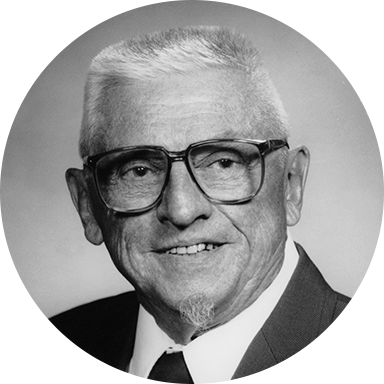
Edmund J. Siennicki

Edmund J. Siennicki (1920) grew up in Cleveland and was profoundly shaped by a childhood encounter with pianist Ignacy Jan Paderewski at age 12. He earned his Bachelor's degree from Kent State University, where he composed Fight On for KSU, a piece that remains part of the university's football tradition. He later completed his MA at Teachers College, Columbia University, studying composition with Herbert Elwell and electronic music with Sergio Barroso while consulting with Vincent Persichetti.

As both a performer and educator, Siennicki played bassoon and piano professionally while building a teaching career primarily in Cleveland's junior high schools. He also served on faculties at Michigan and Kent State University. His compositional output has been substantial and honored—roughly 200 works in print, multiple prizes in the National School Orchestra composition contests, two residencies at the MacDowell Colony, and consistent special awards from ASCAP for the past two decades. He remains active as a composer and clinician, visiting schools to share his work and experience.

Why we love this

Siennicki writes with young musicians genuinely in mind, crafting pieces that sing naturally on an instrument often relegated to accompaniment roles. VOCALISE and DANCE together offer a satisfying balance of musicality and technical accessibility, with the meter changes in DANCE providing just enough challenge without overwhelming players at this level.

What to expect

VOCALISE floats on the staff with the patient, breathing quality of a vocal line, inviting the player to listen to the piano for harmonic support and to shape phrases with intention. DANCE bounces with rhythmic energy and playful meter shifts that keep the ear engaged without demanding virtuosity.

Who it's for

Young baritone saxophone players working at early intermediate level who are ready for lyrical expression and simple metric flexibility. This solo book suits students in grades 2-3 who want recital material or concert solos that feel complete and performed, not formulaic.

How to get the most out of it

  • Approach VOCALISE with genuine phrasing rather than note-to-note articulation; a baritone saxophone should sing like a voice, so listen to how a vocalist would shape the andante melody and mirror that line.
  • In DANCE, prepare the meter transitions by counting carefully during rehearsal rather than relying on the ear alone; the allegro tempo makes the shifts manageable if students know exactly where the pulse lands.
  • Balance the tone between the two pieces to show the character shift; VOCALISE asks for a warm, round sound while DANCE benefits from crisp articulation and rhythmic clarity.

How to use it

Pair these two contrasting pieces in a student recital to showcase both the lyrical and rhythmic sides of baritone saxophone playing, or program VOCALISE alone on a concert where you want a moment of genuine singing from the low reeds. The accessibility and musicality also make them effective repertoire for young soloists preparing for regional or state solo contests.

Skills your students will build

  • Singing with tone and phrasing on an instrument often used for harmony
  • Reading and performing meter changes (3/4 and 4/4 transitions) in context
  • Balancing melody with piano accompaniment
  • Sustaining andante tempos with musical intention

You May Also Like