
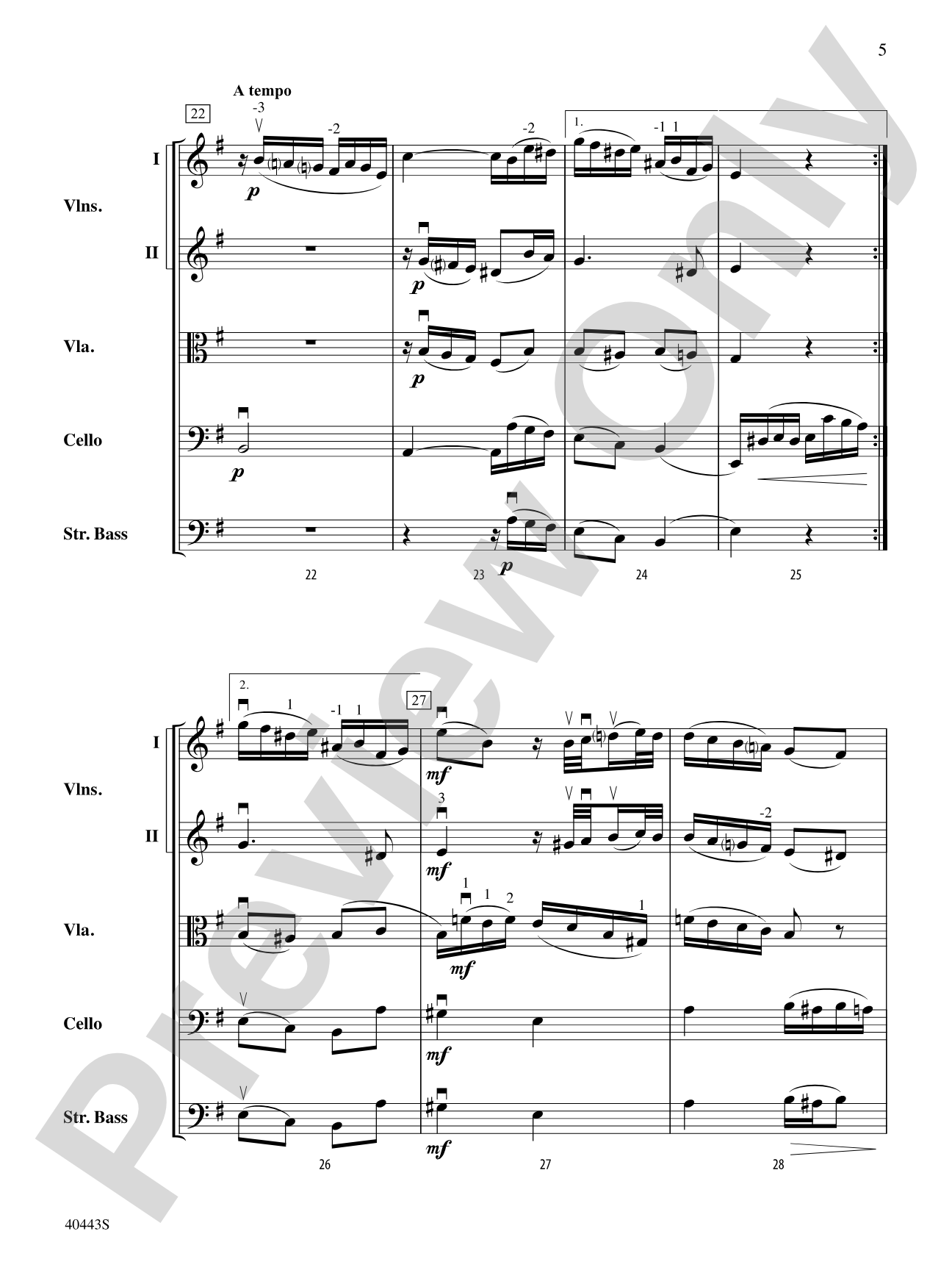
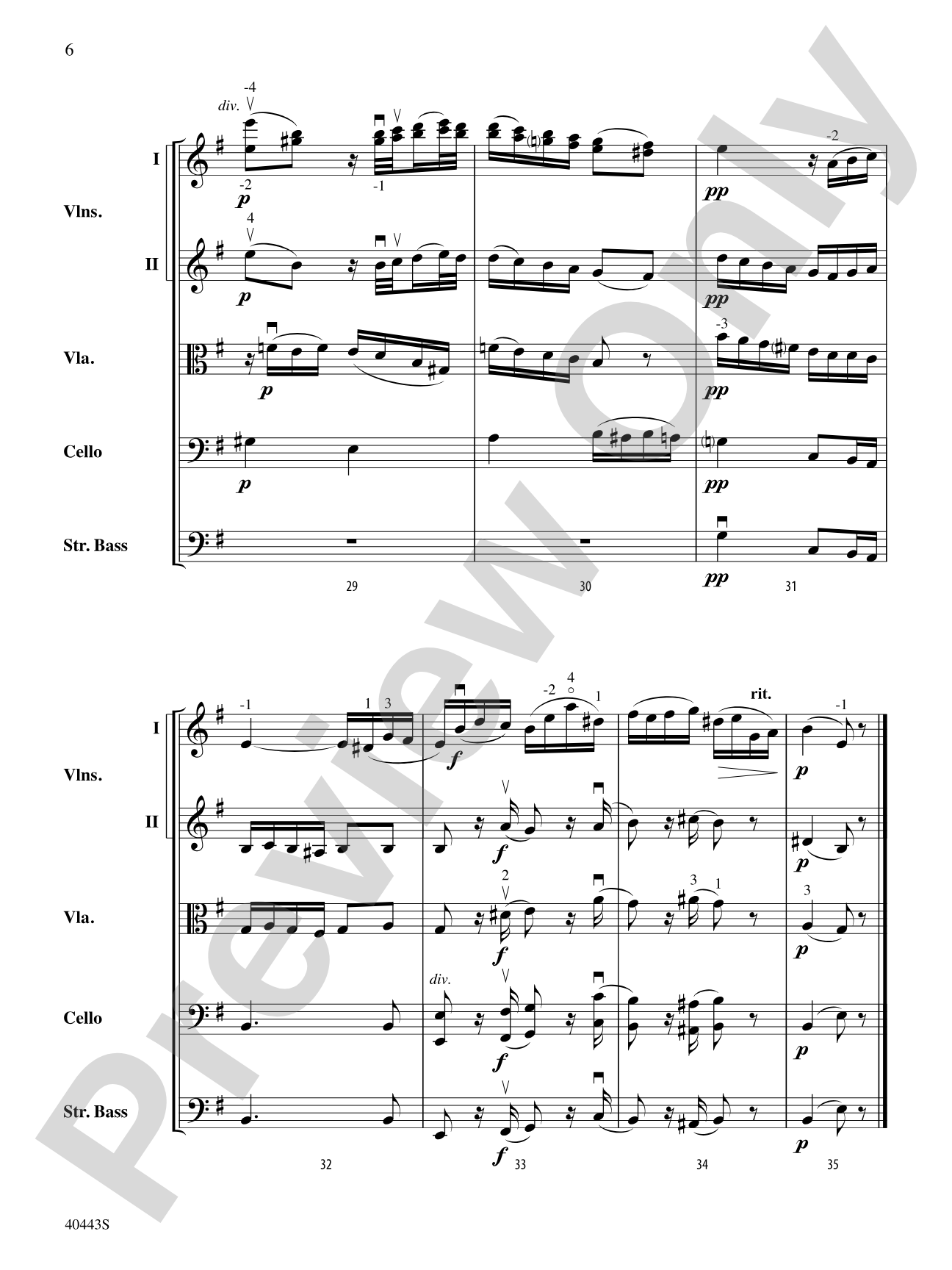
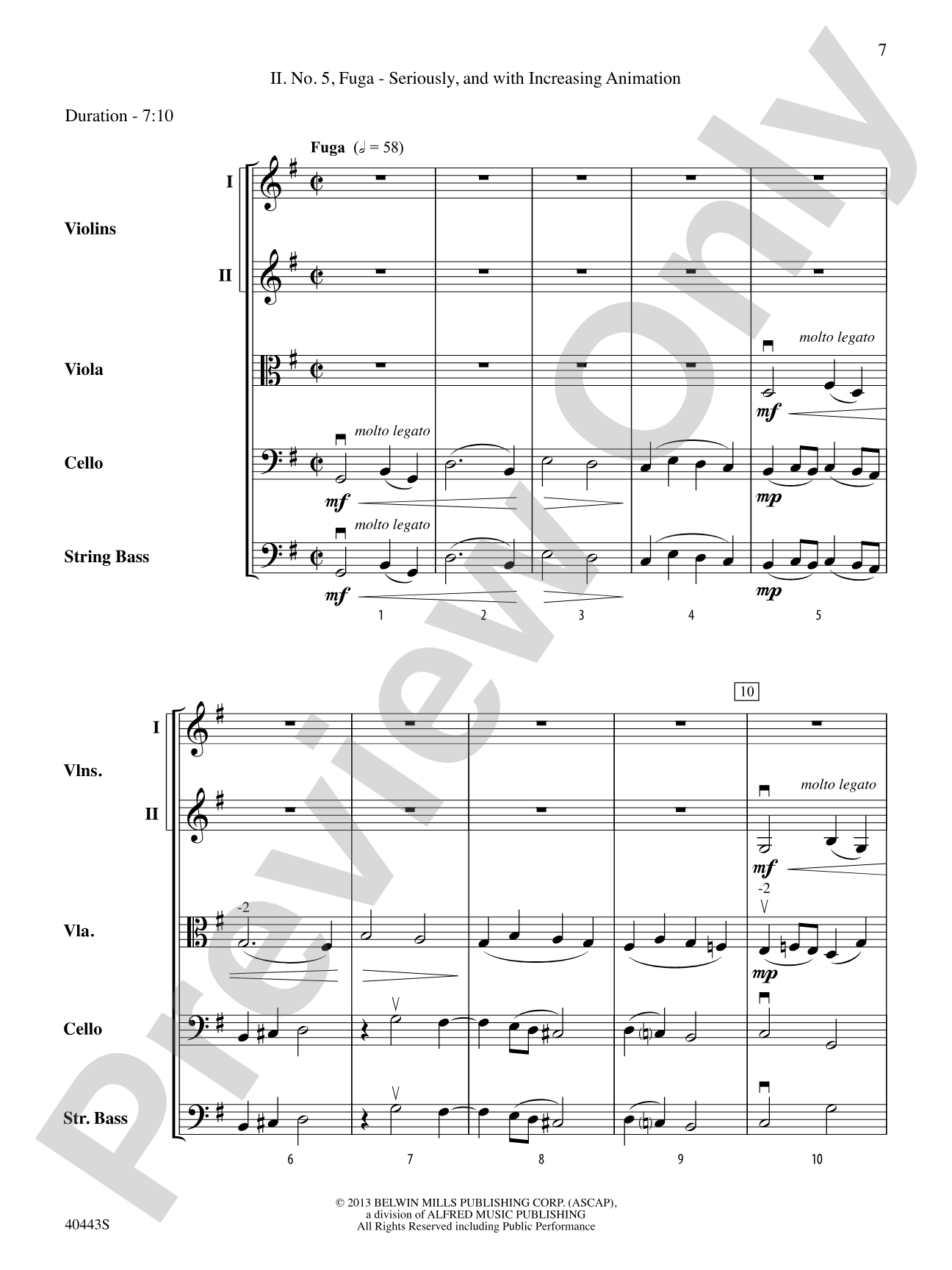
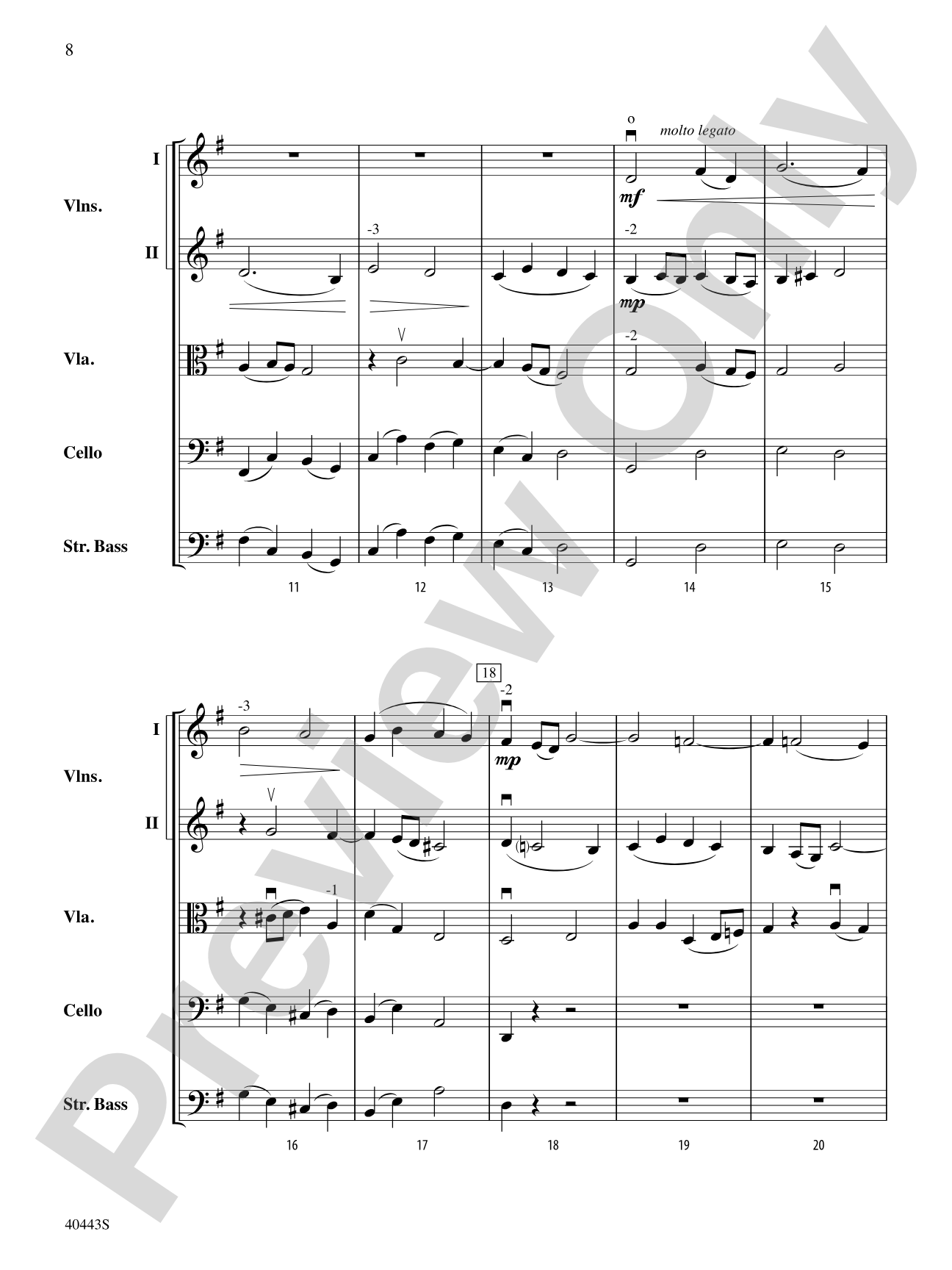
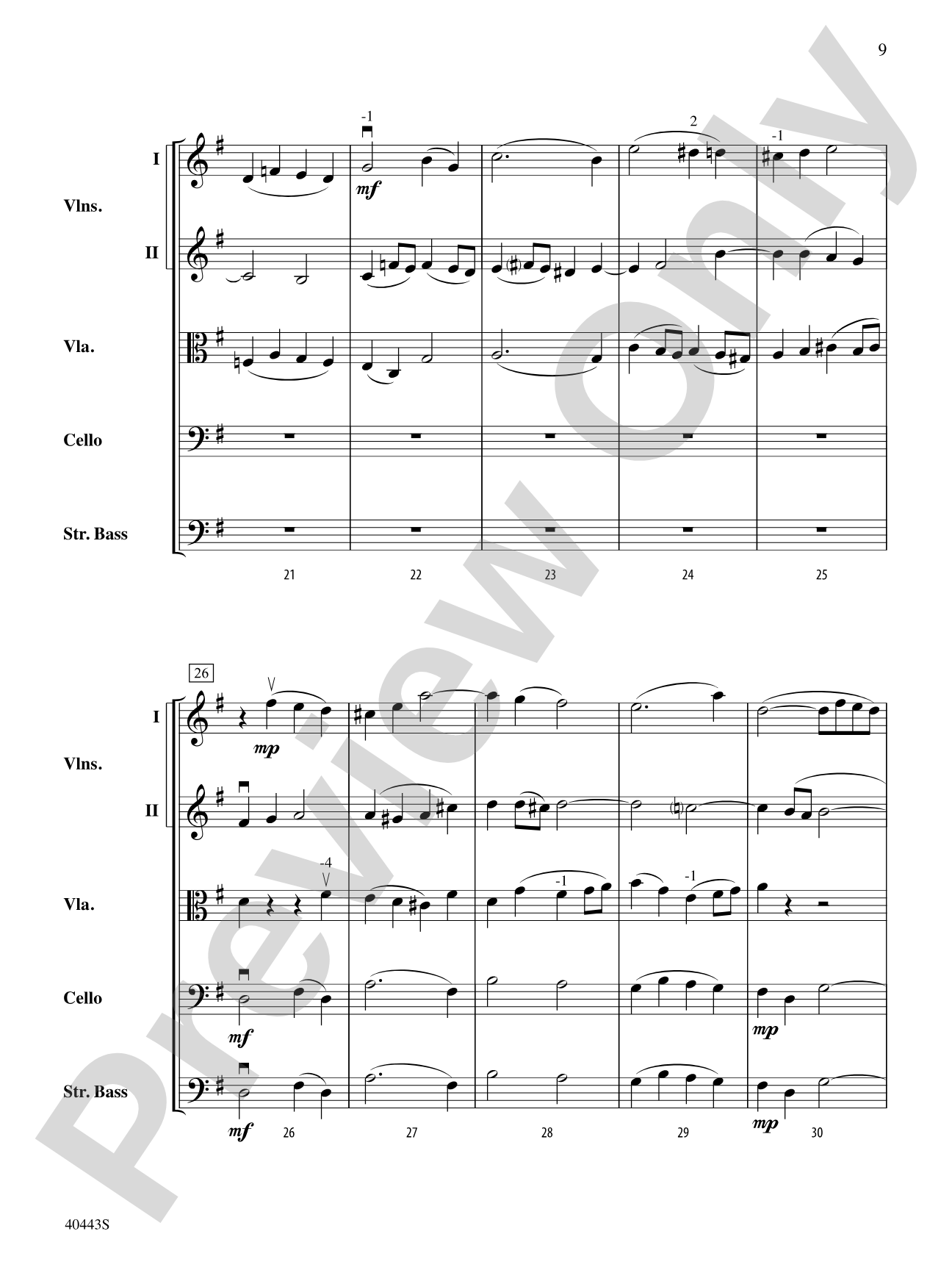
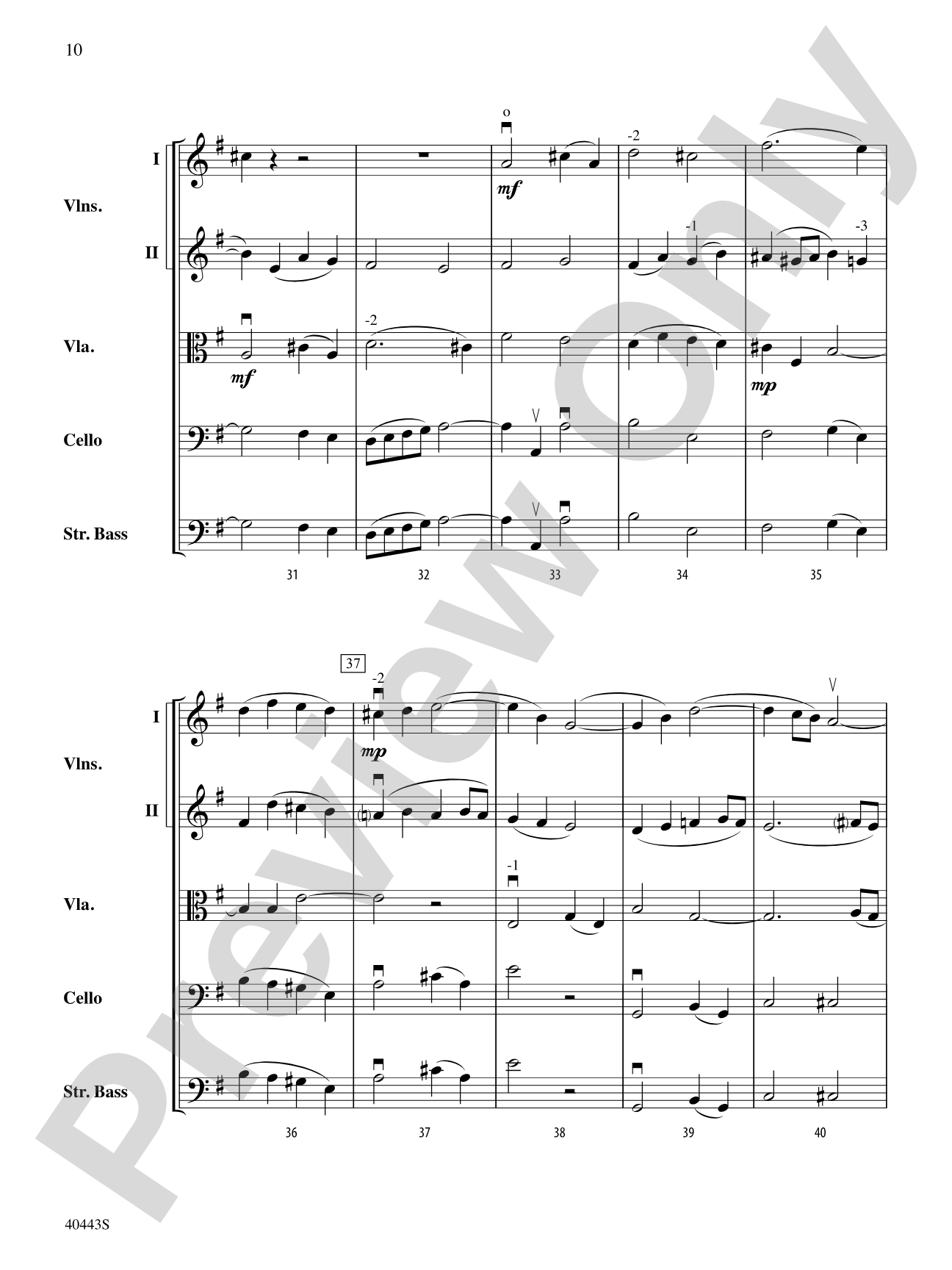
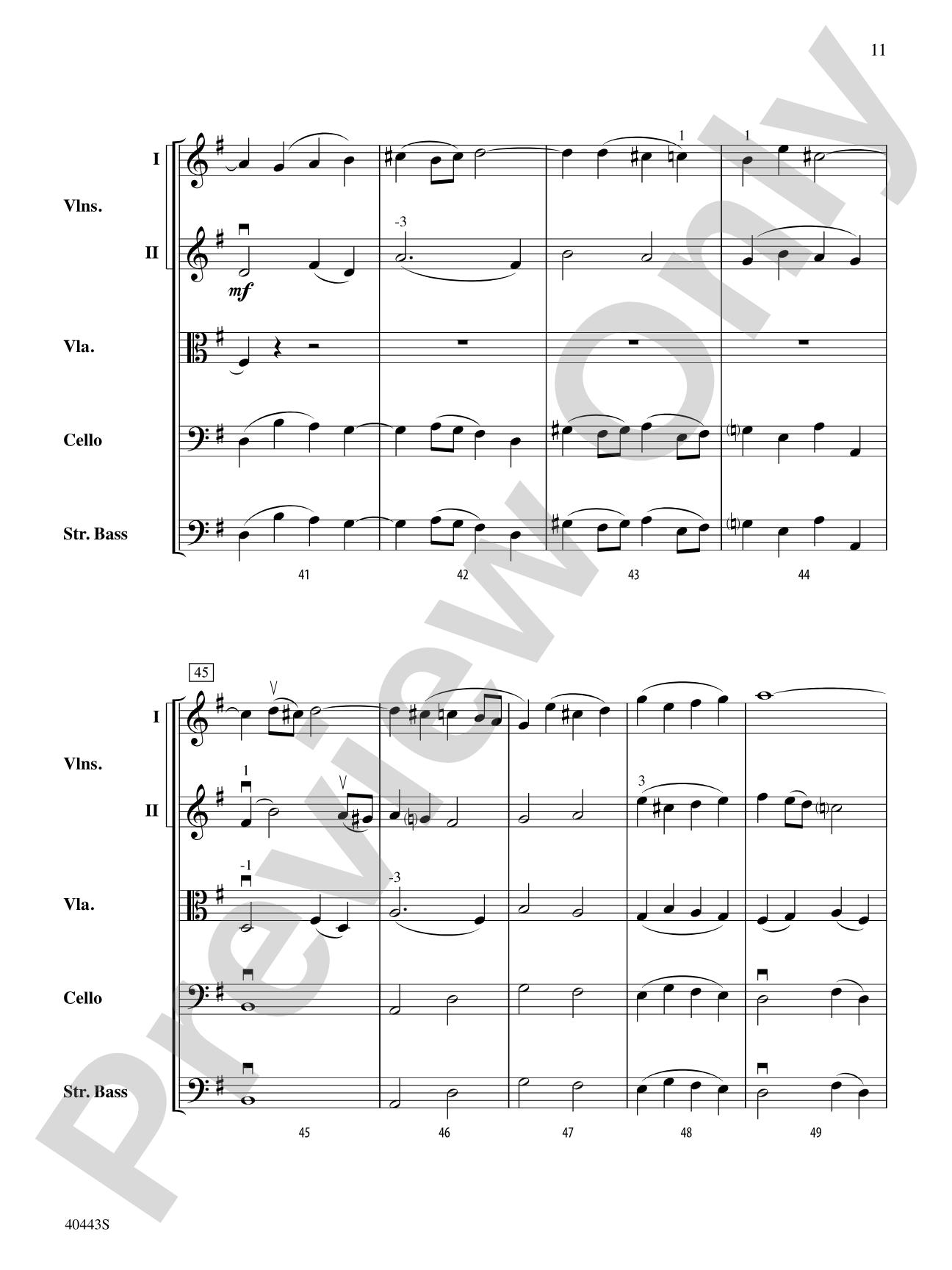
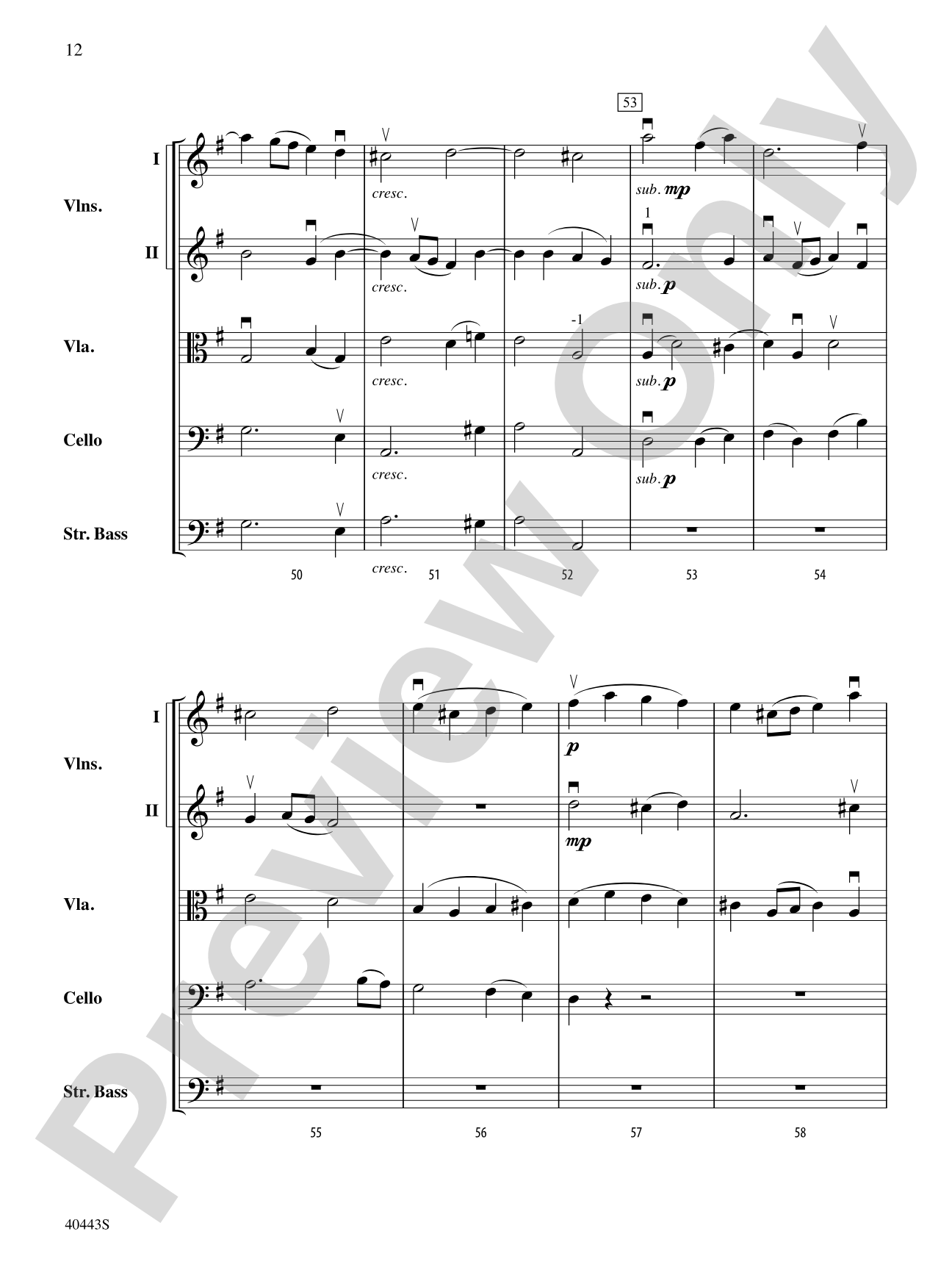
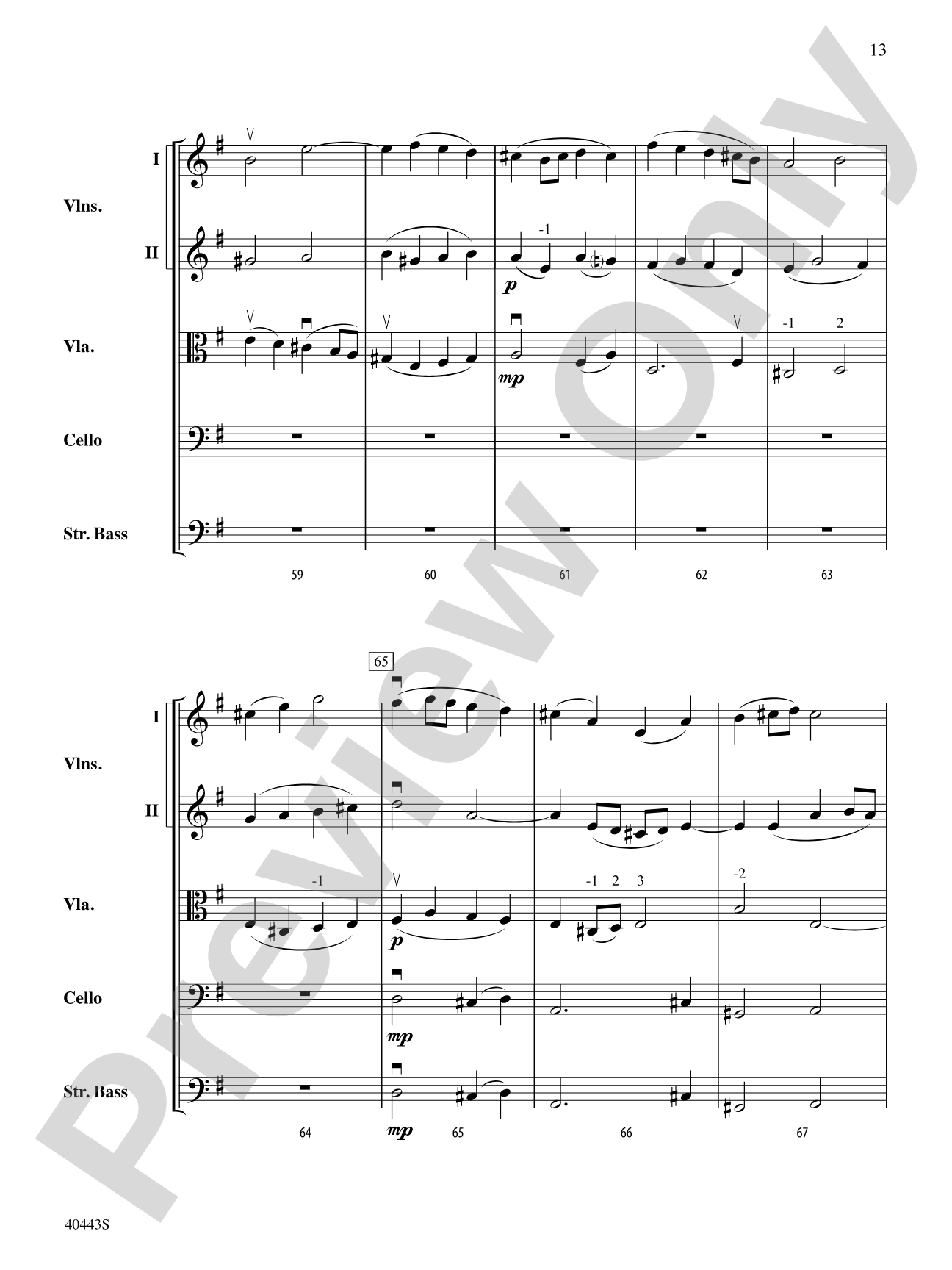
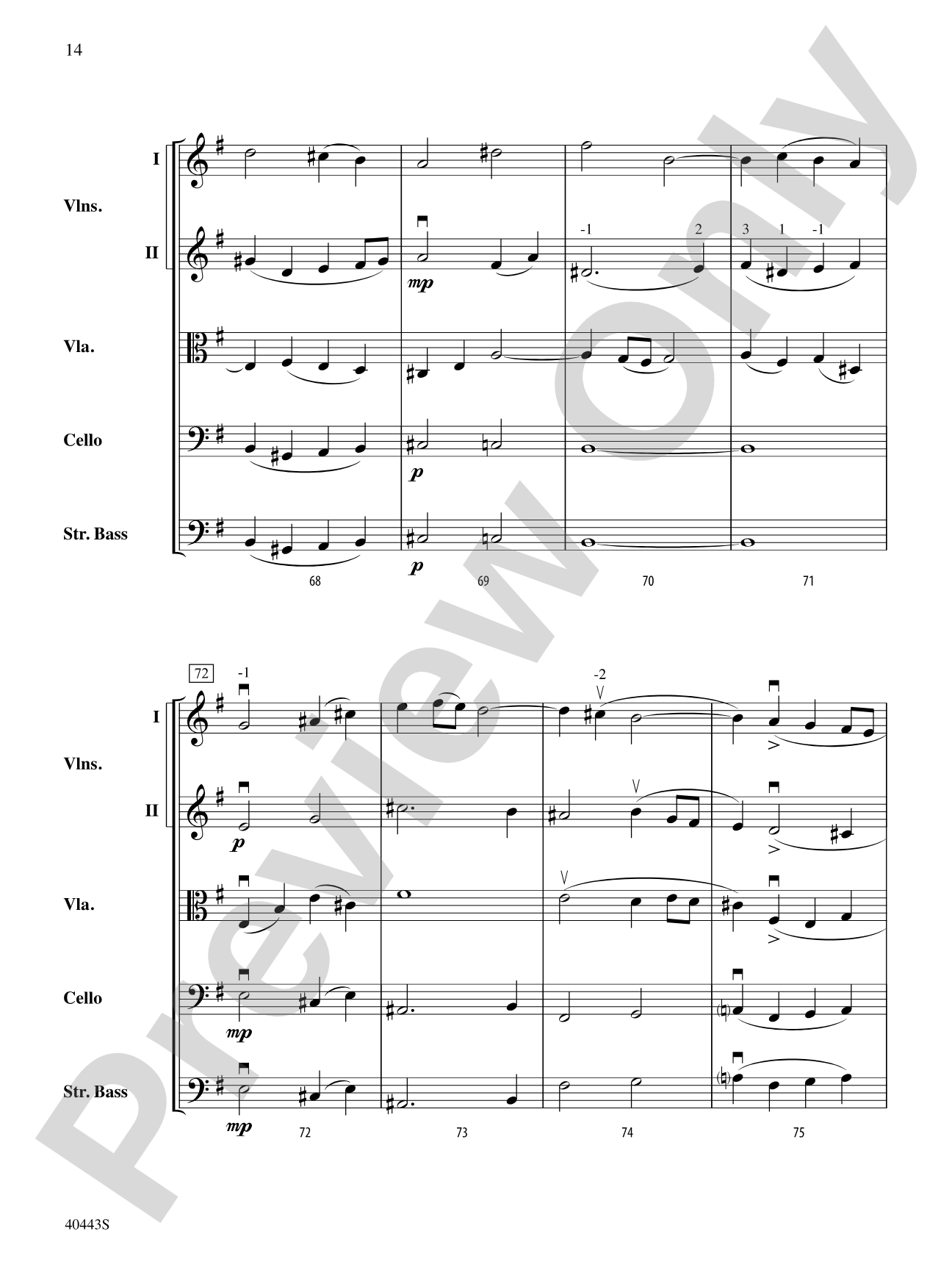
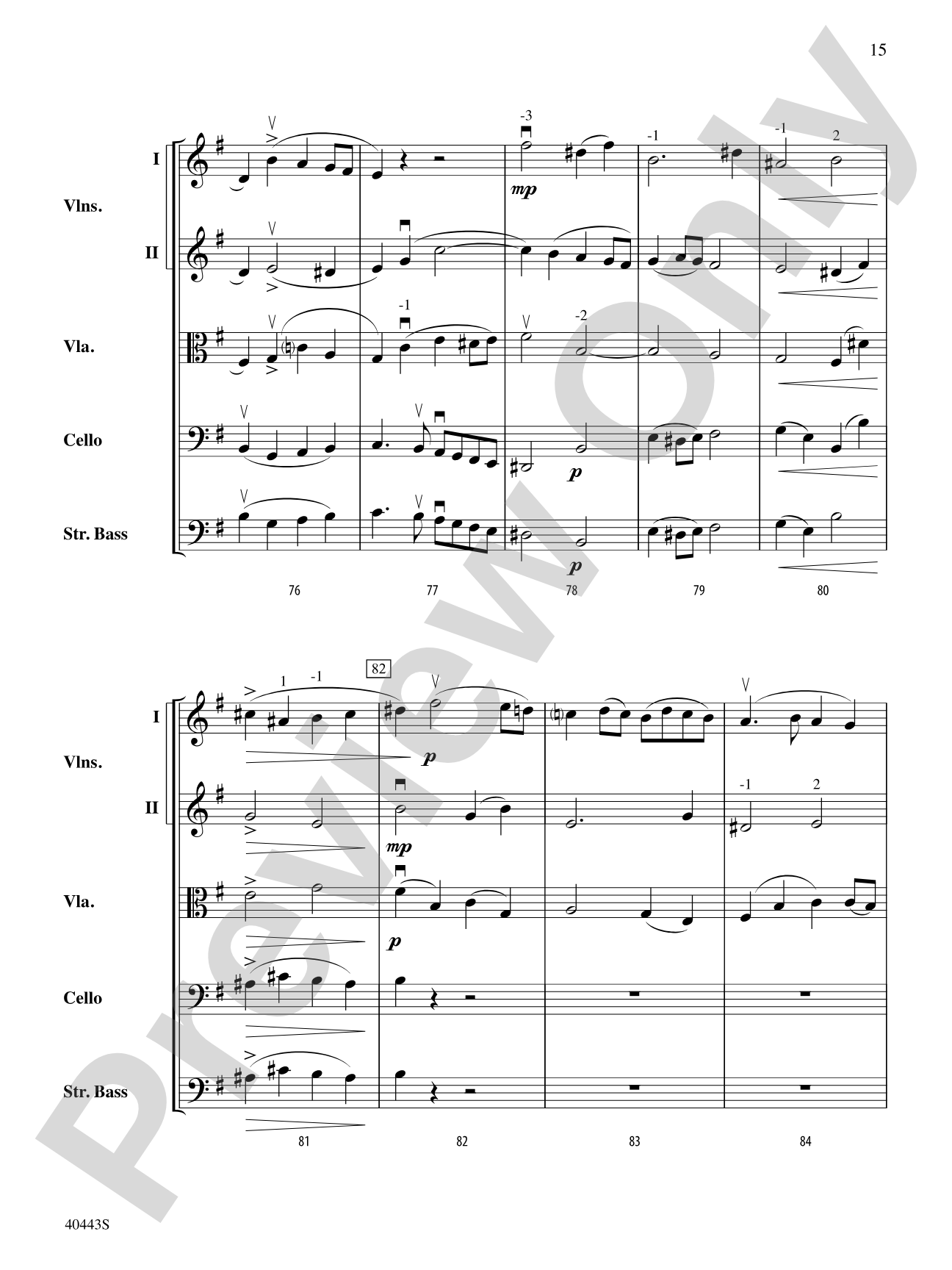
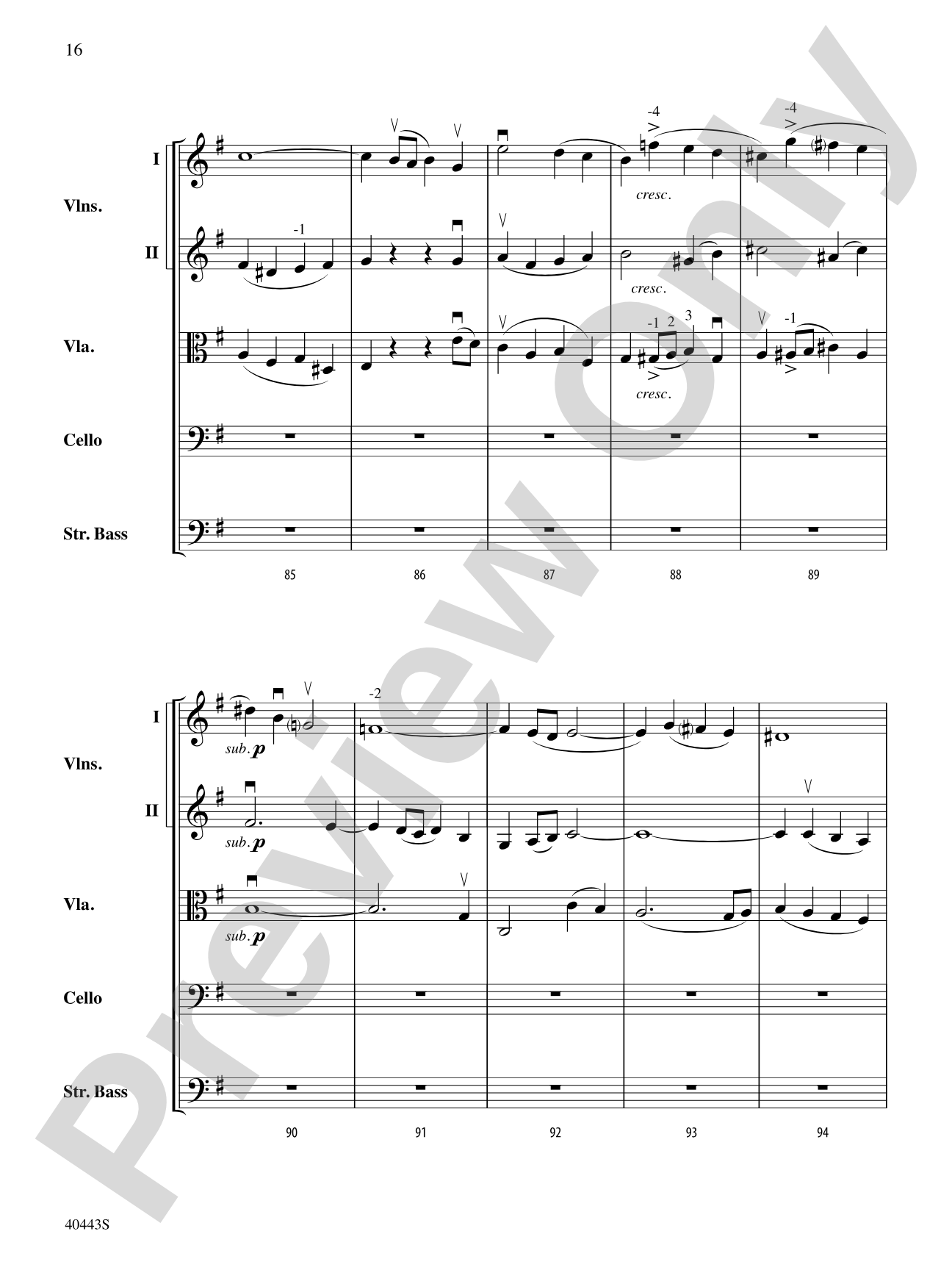
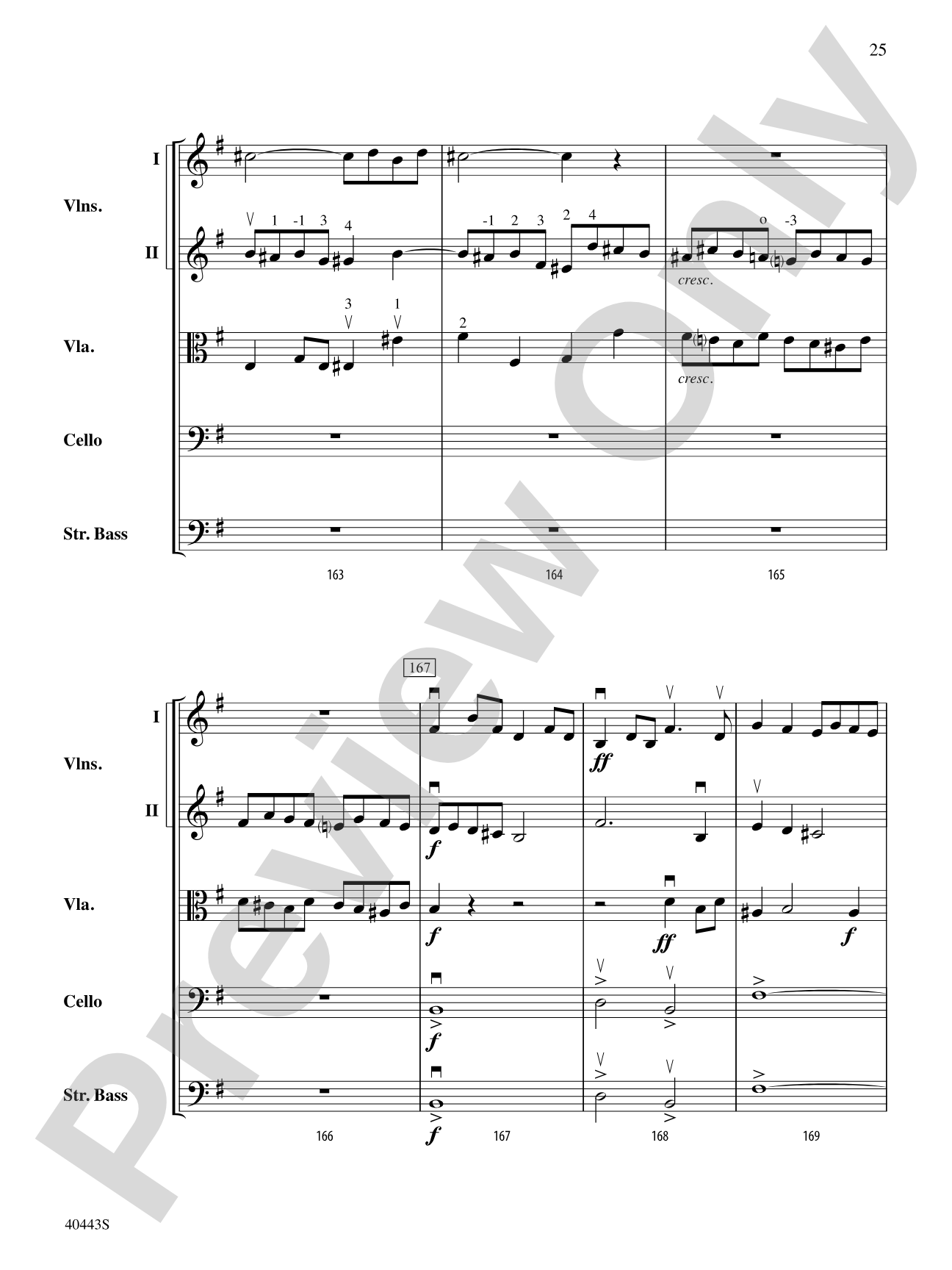
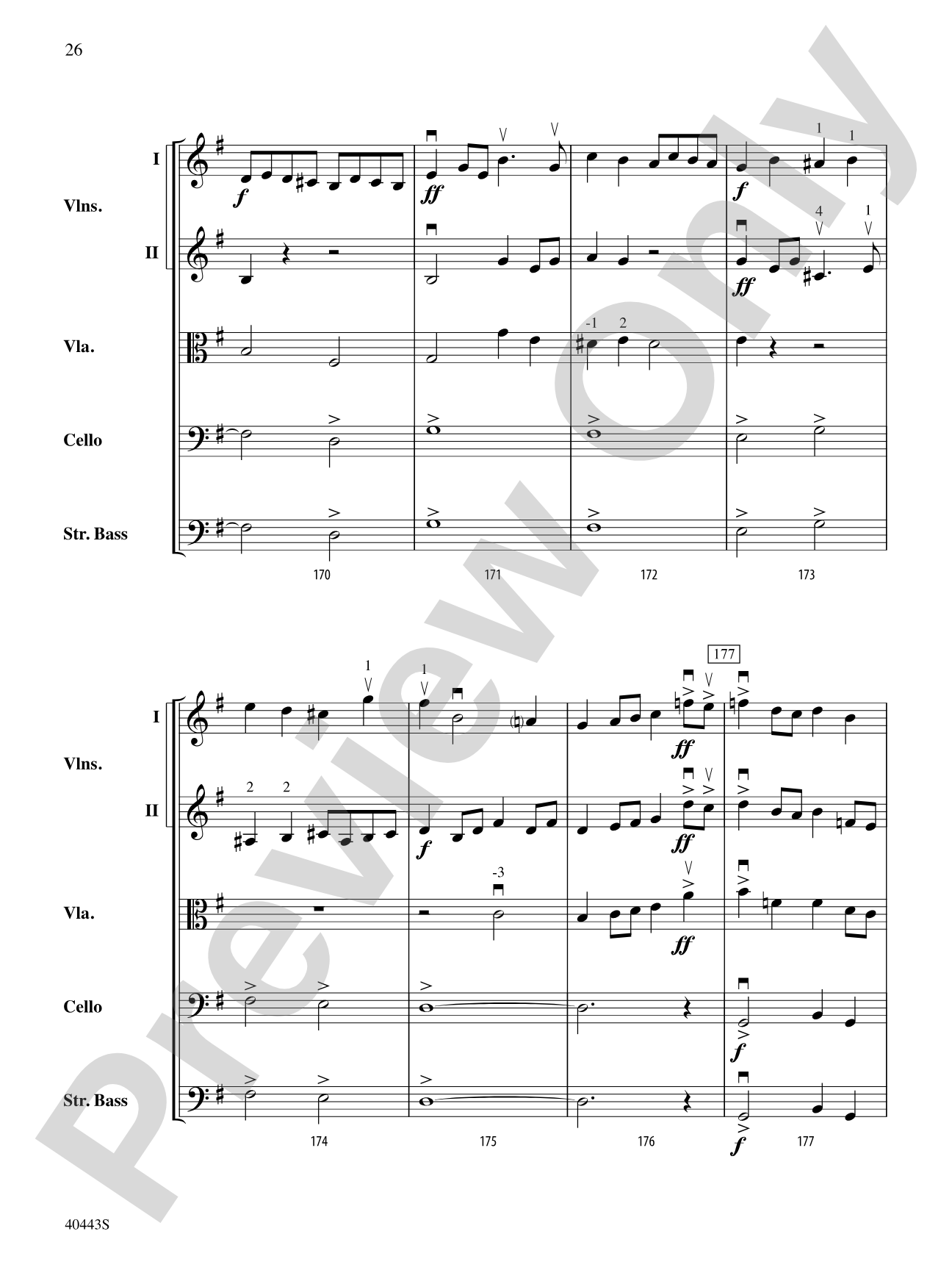
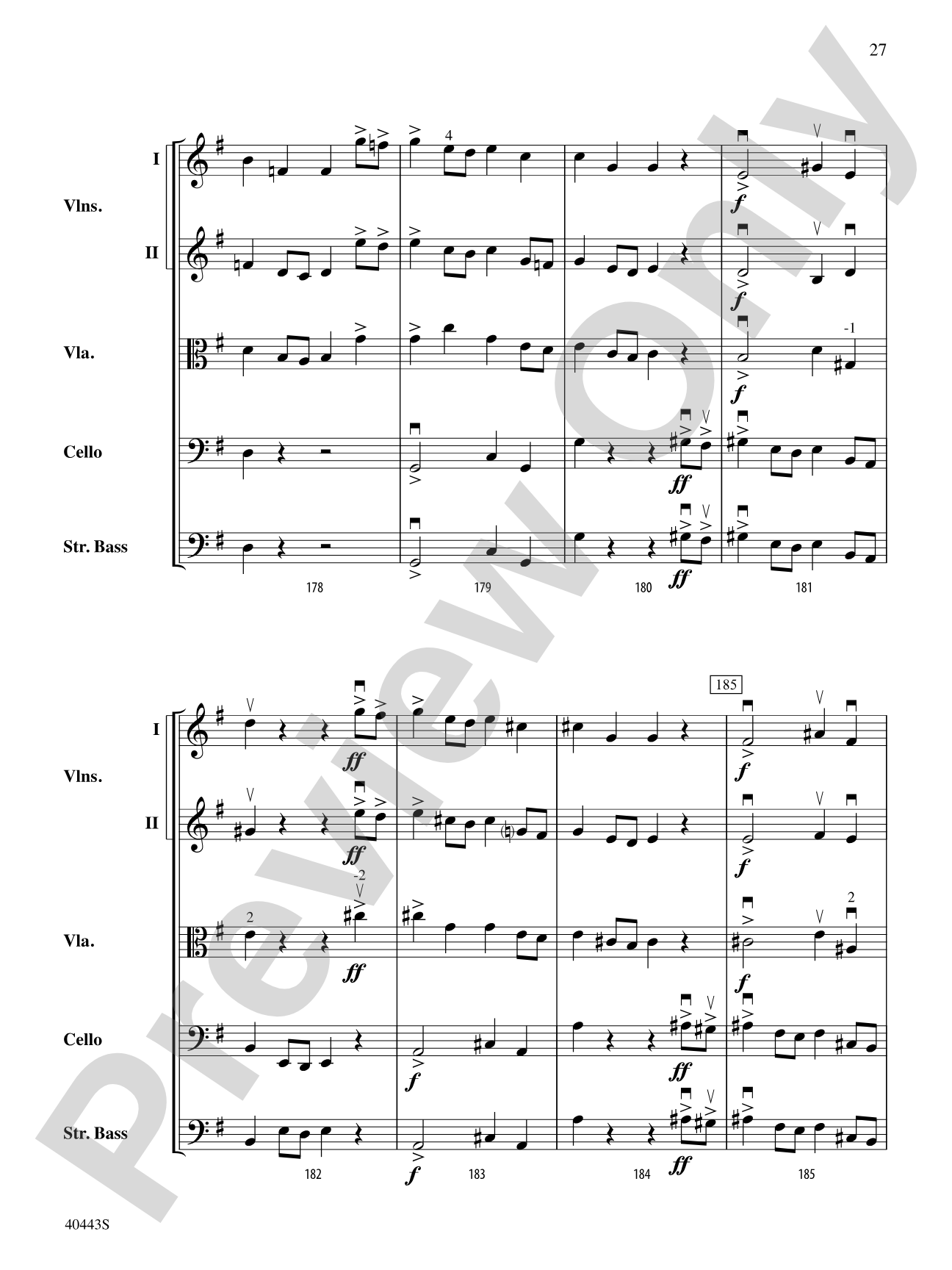
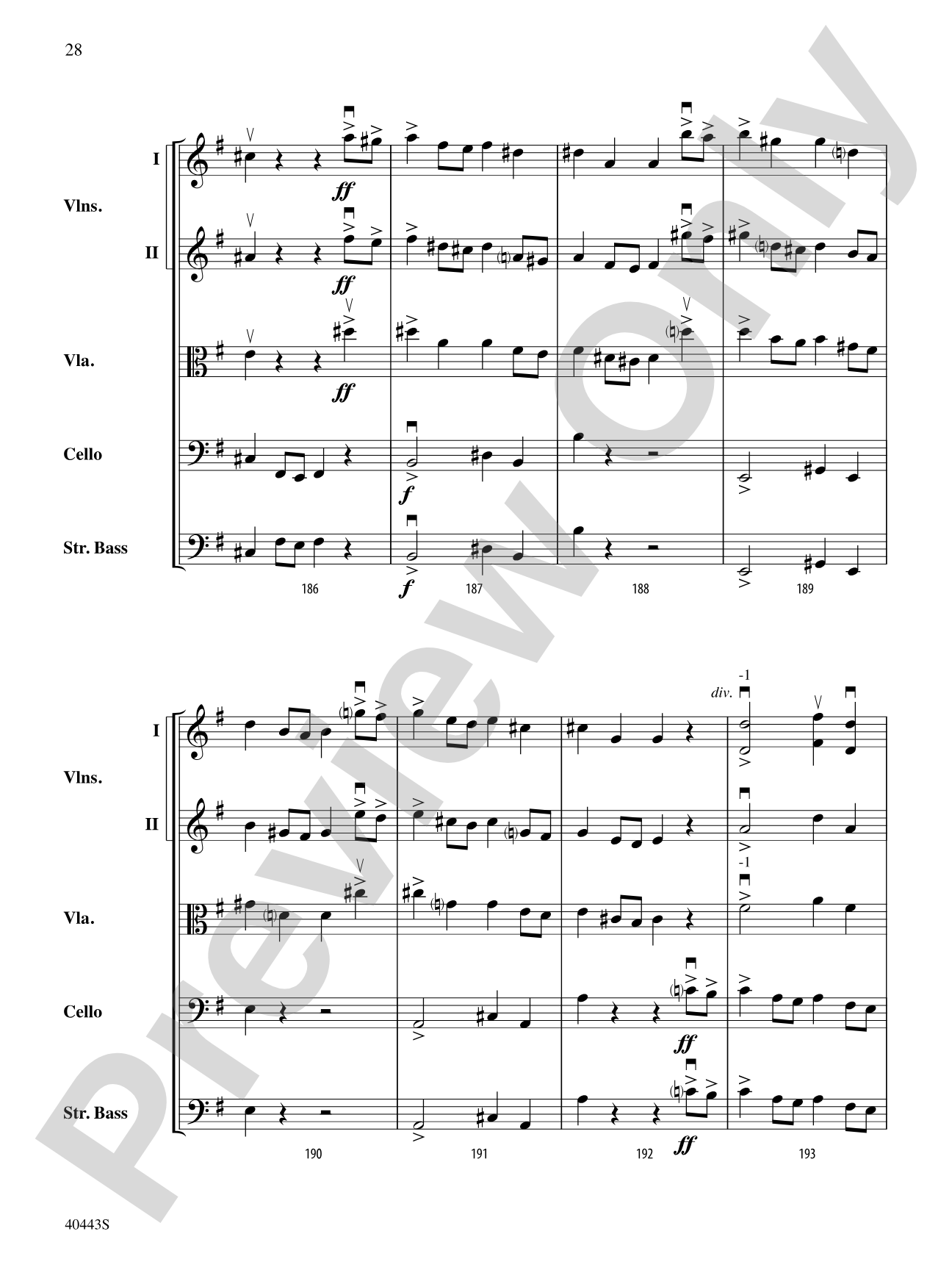
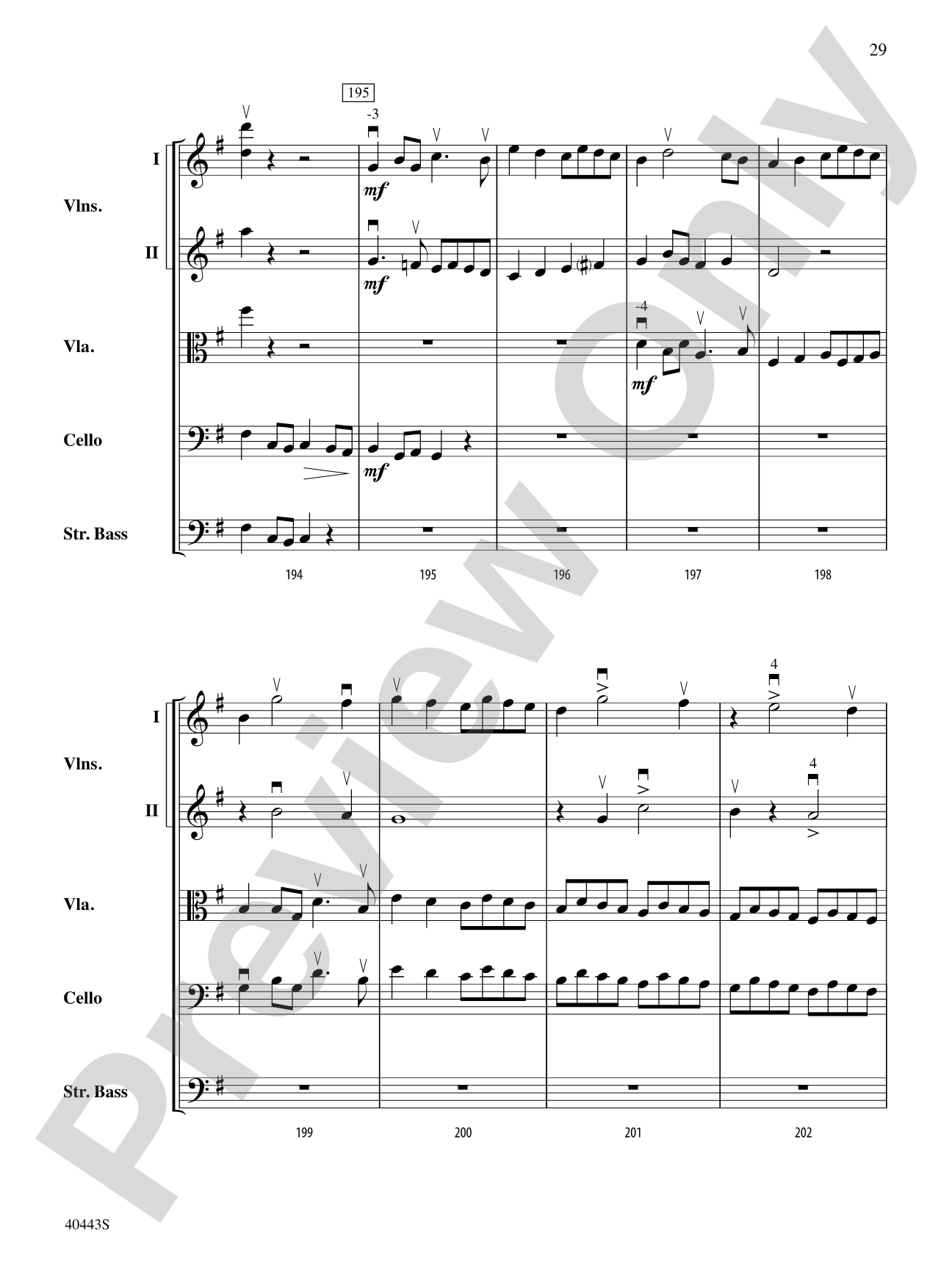
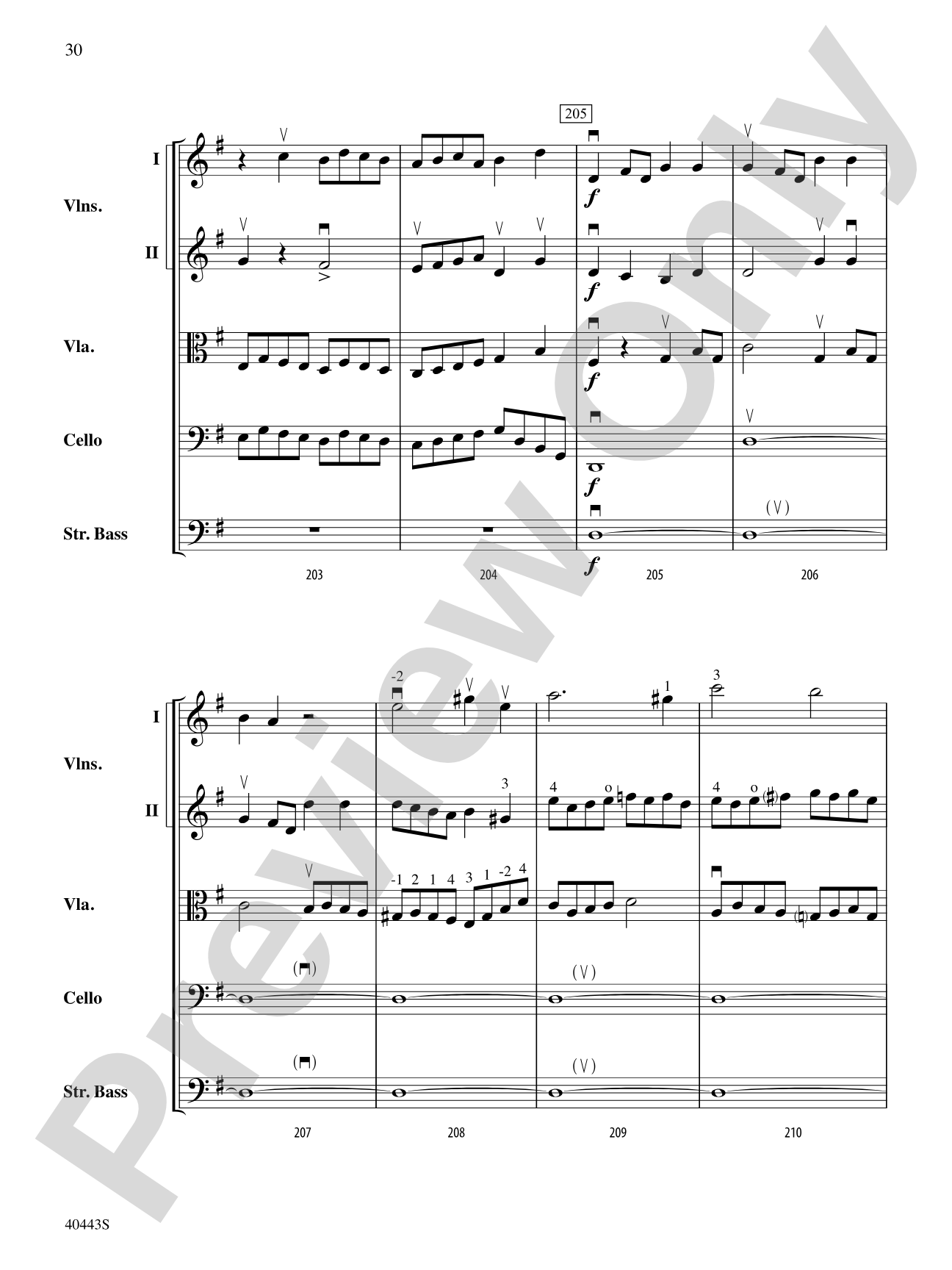
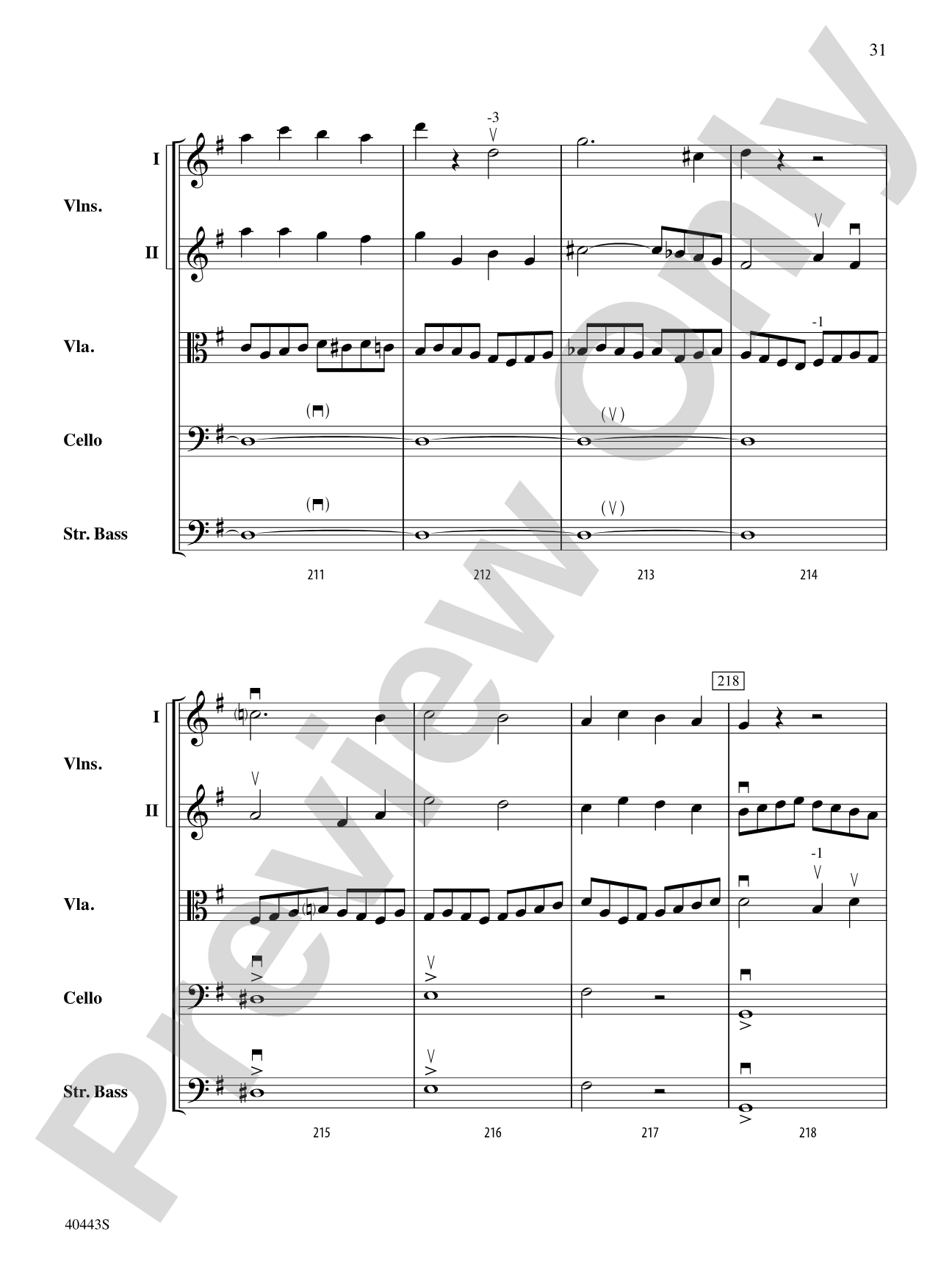
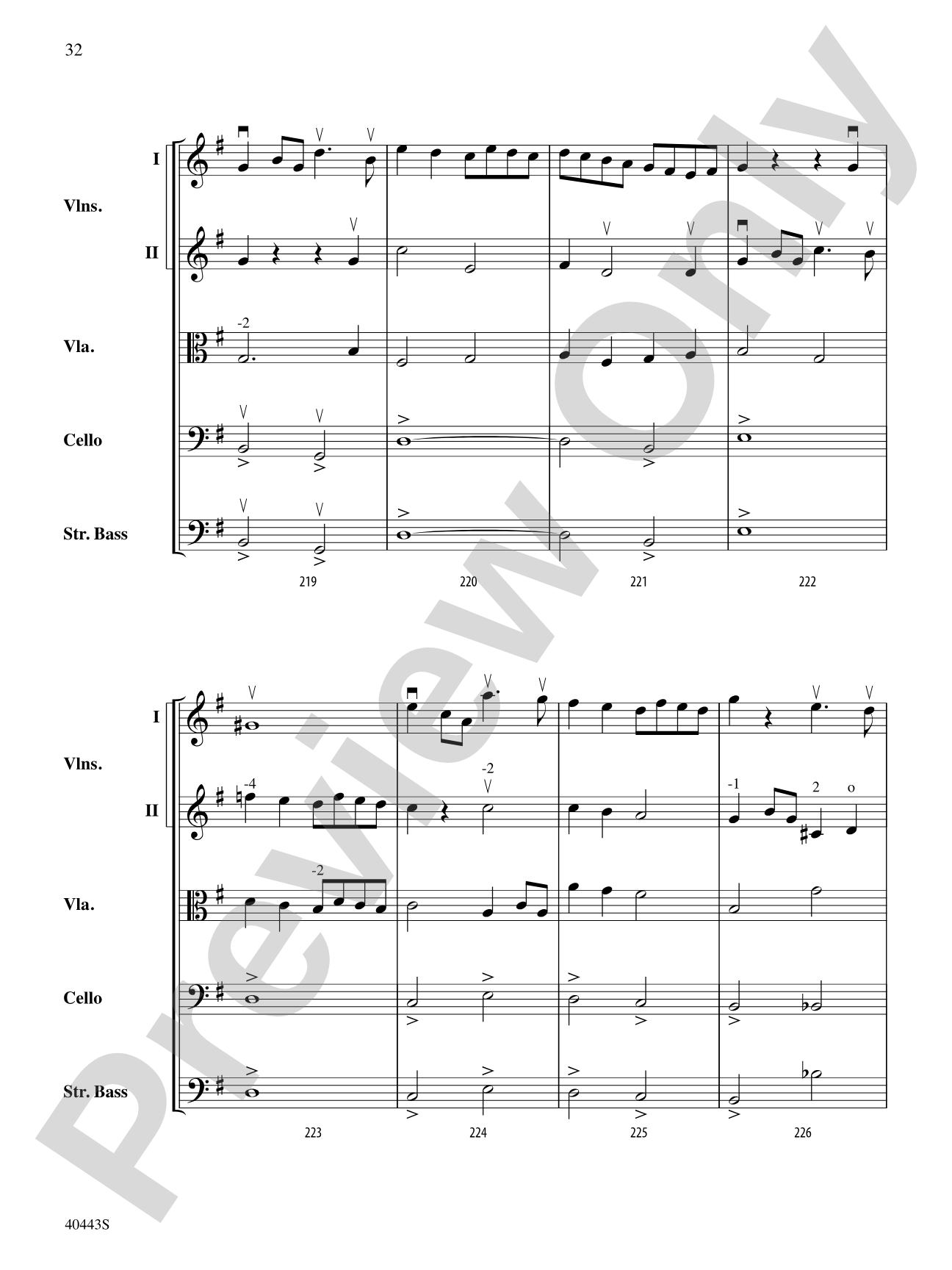


Two Movements from Seven Characteristic Pieces, Op. 7: String Orchestra Conductor Score & Parts
By Felix Mendelssohn / arr. Steven H. Brook
Grade: 4
Item: 00-PK-0005726

$59.00
Pickup currently not available
Buy Extra Parts (Digital PDF Download)
Parts Added to Cart!
Description
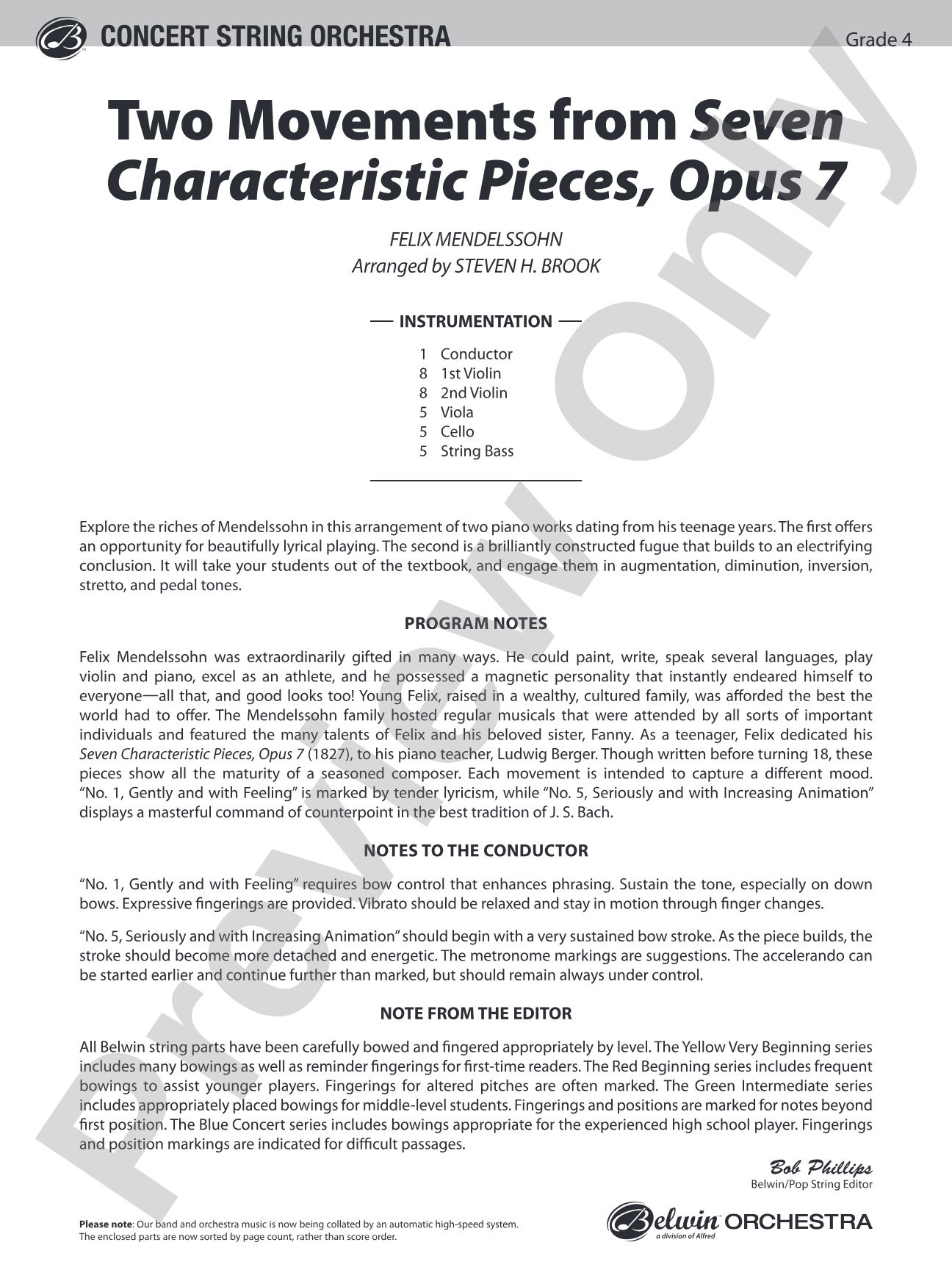
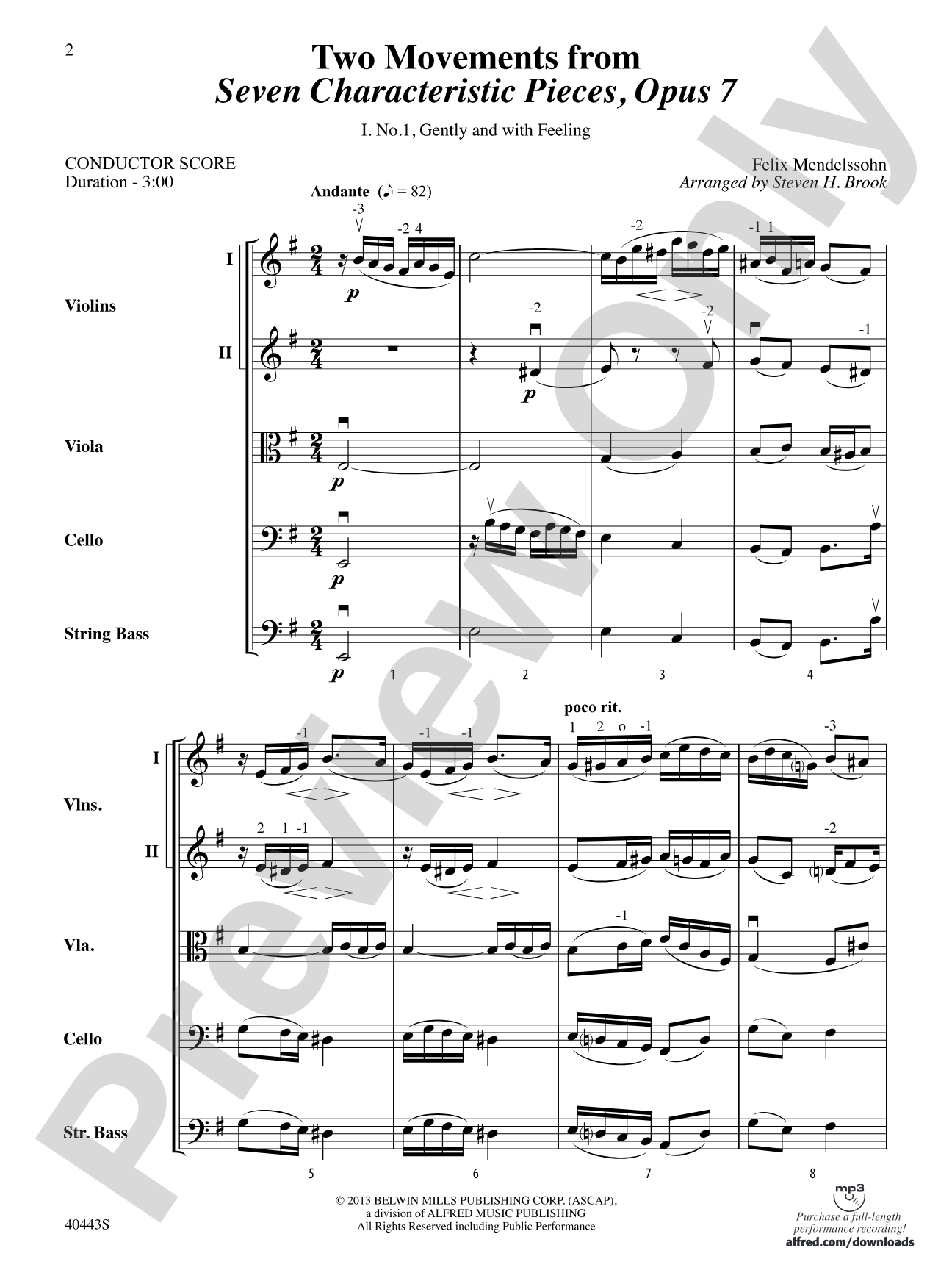
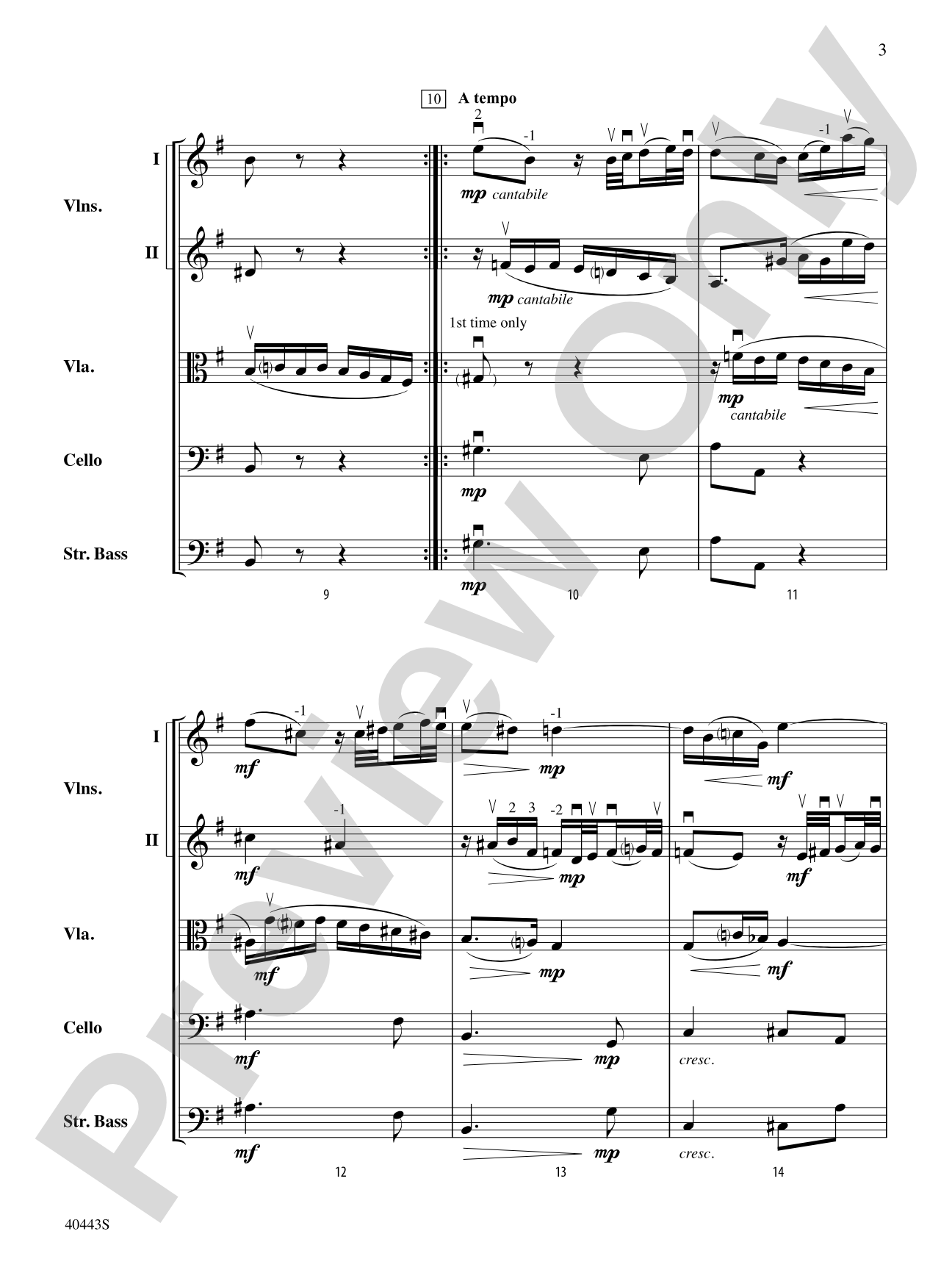
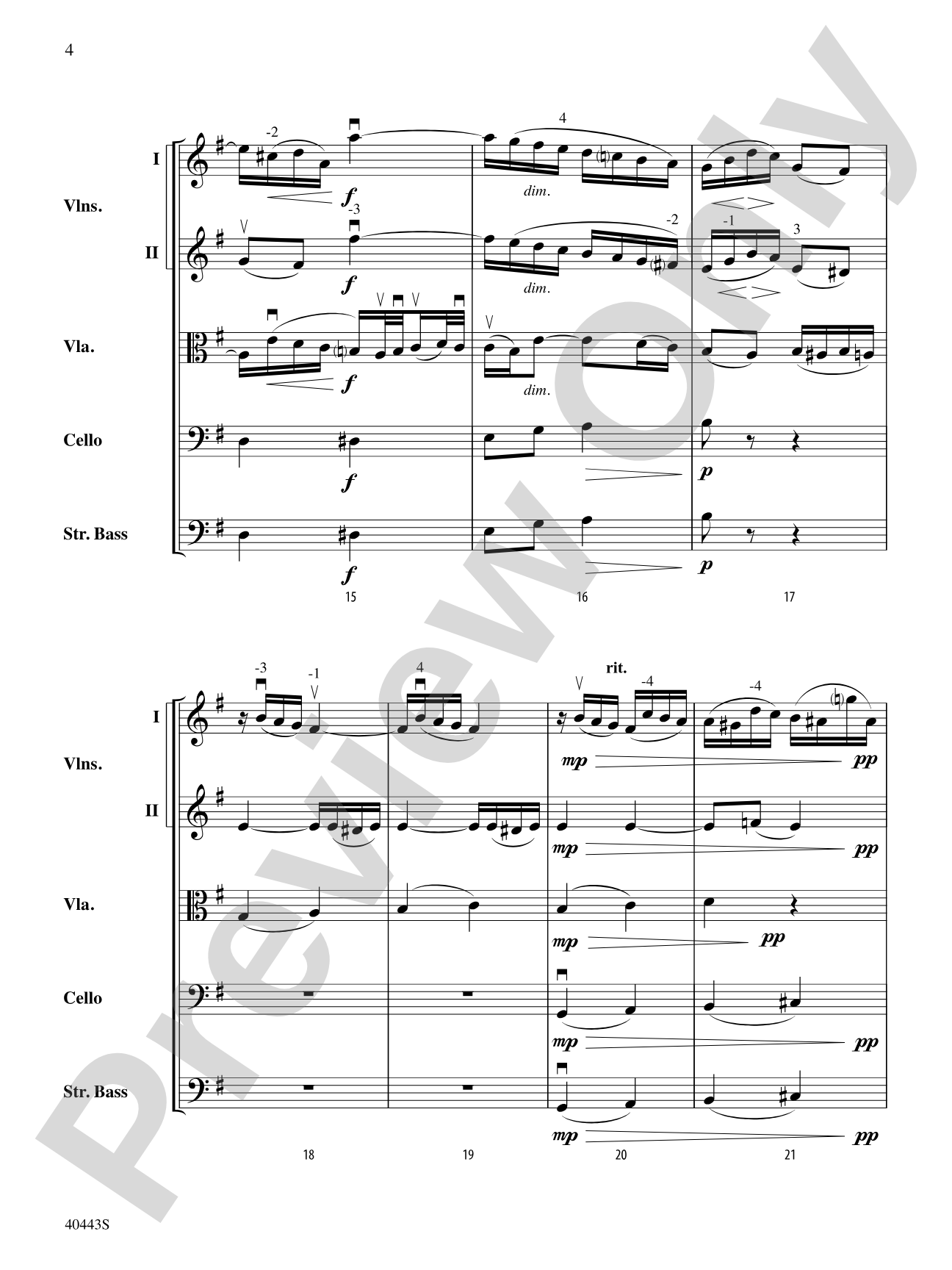
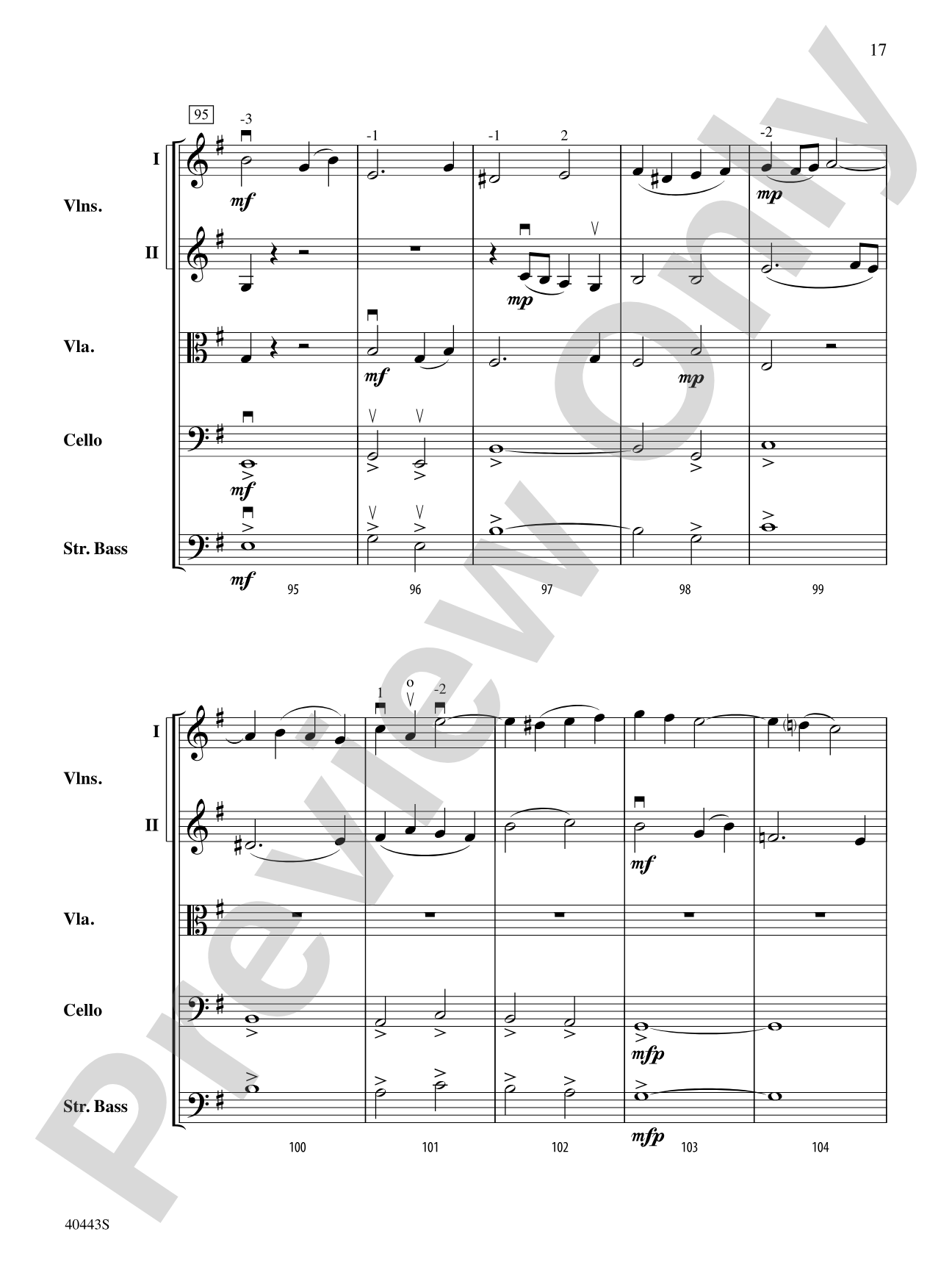
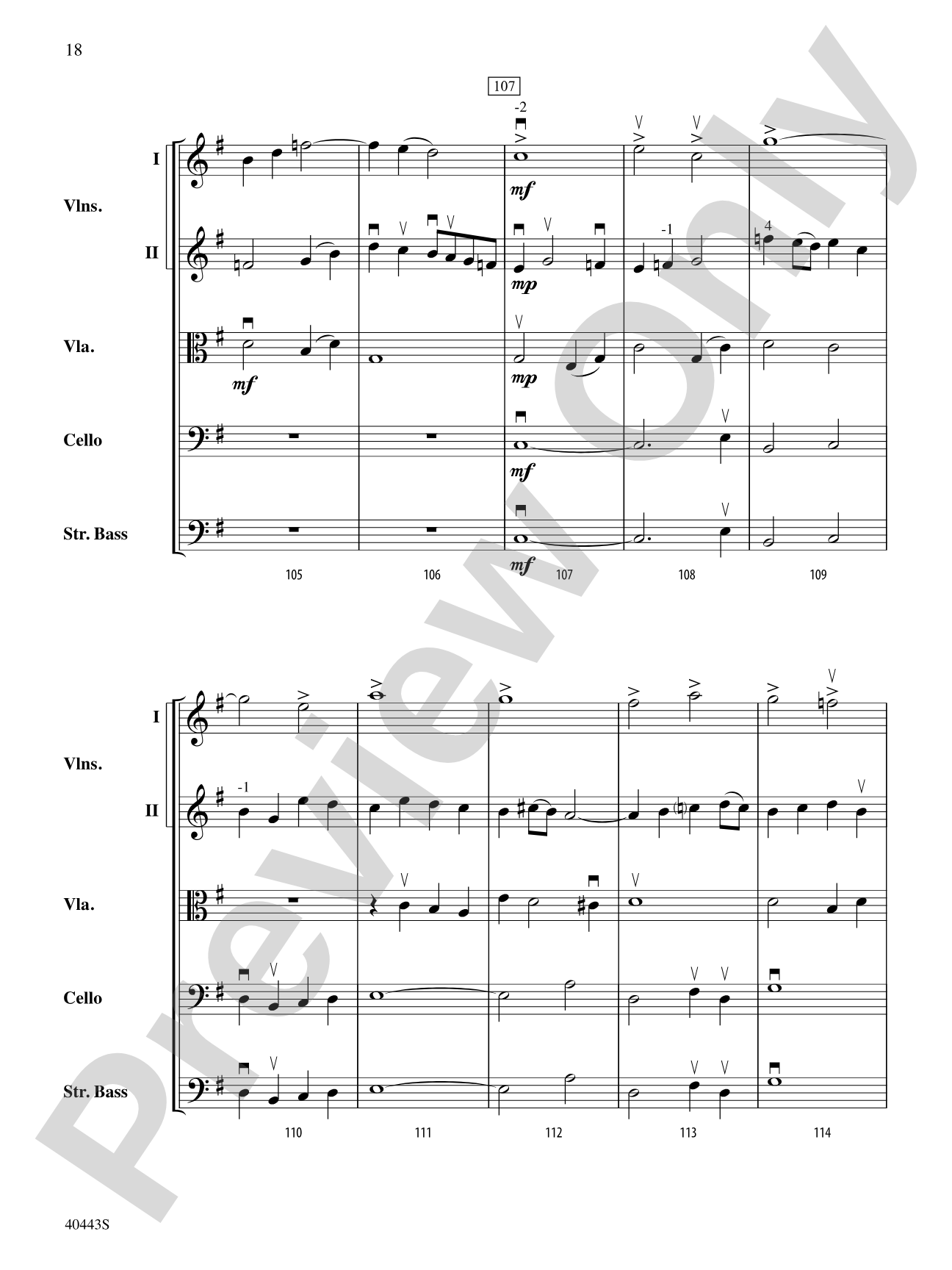
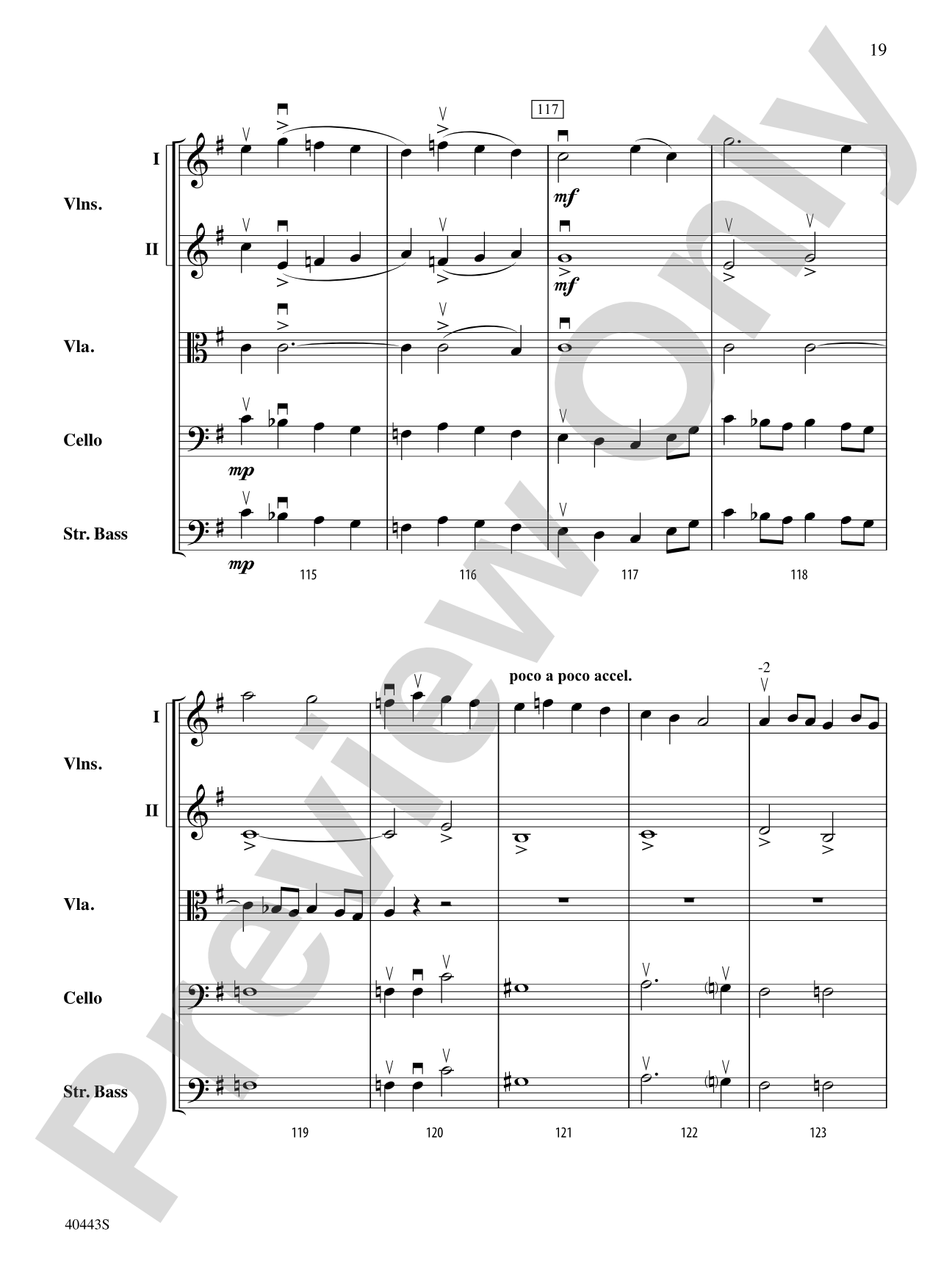
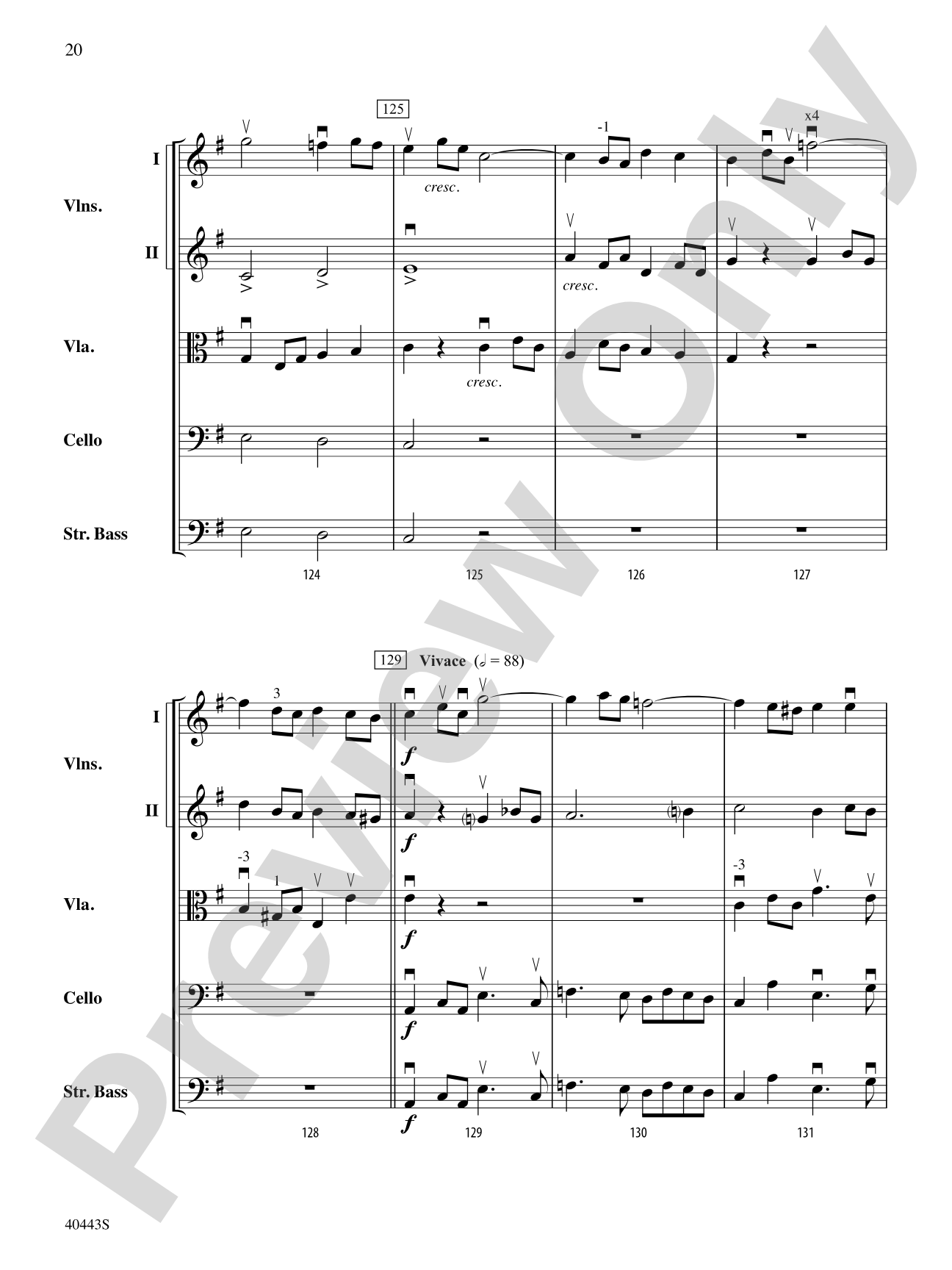
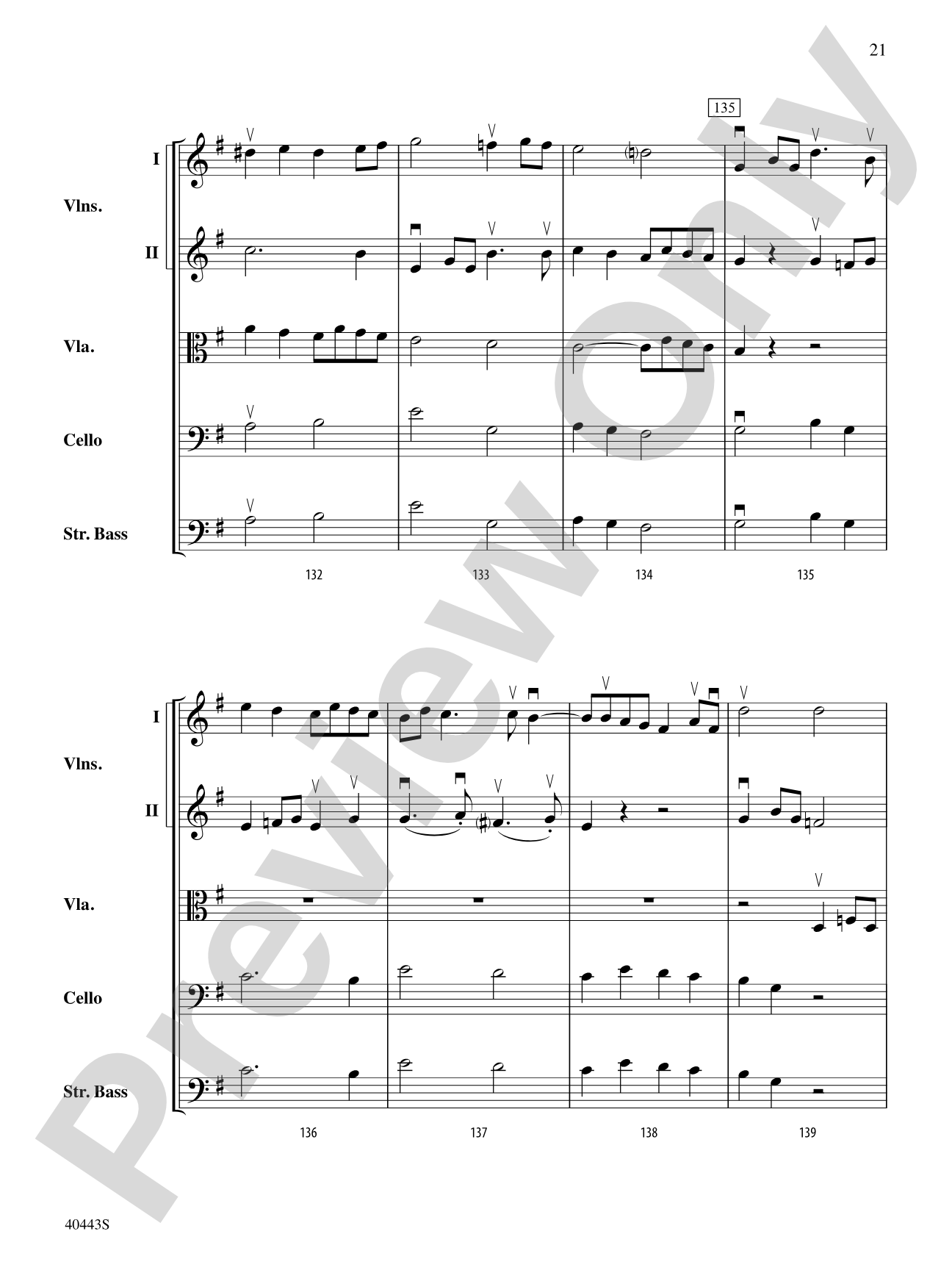
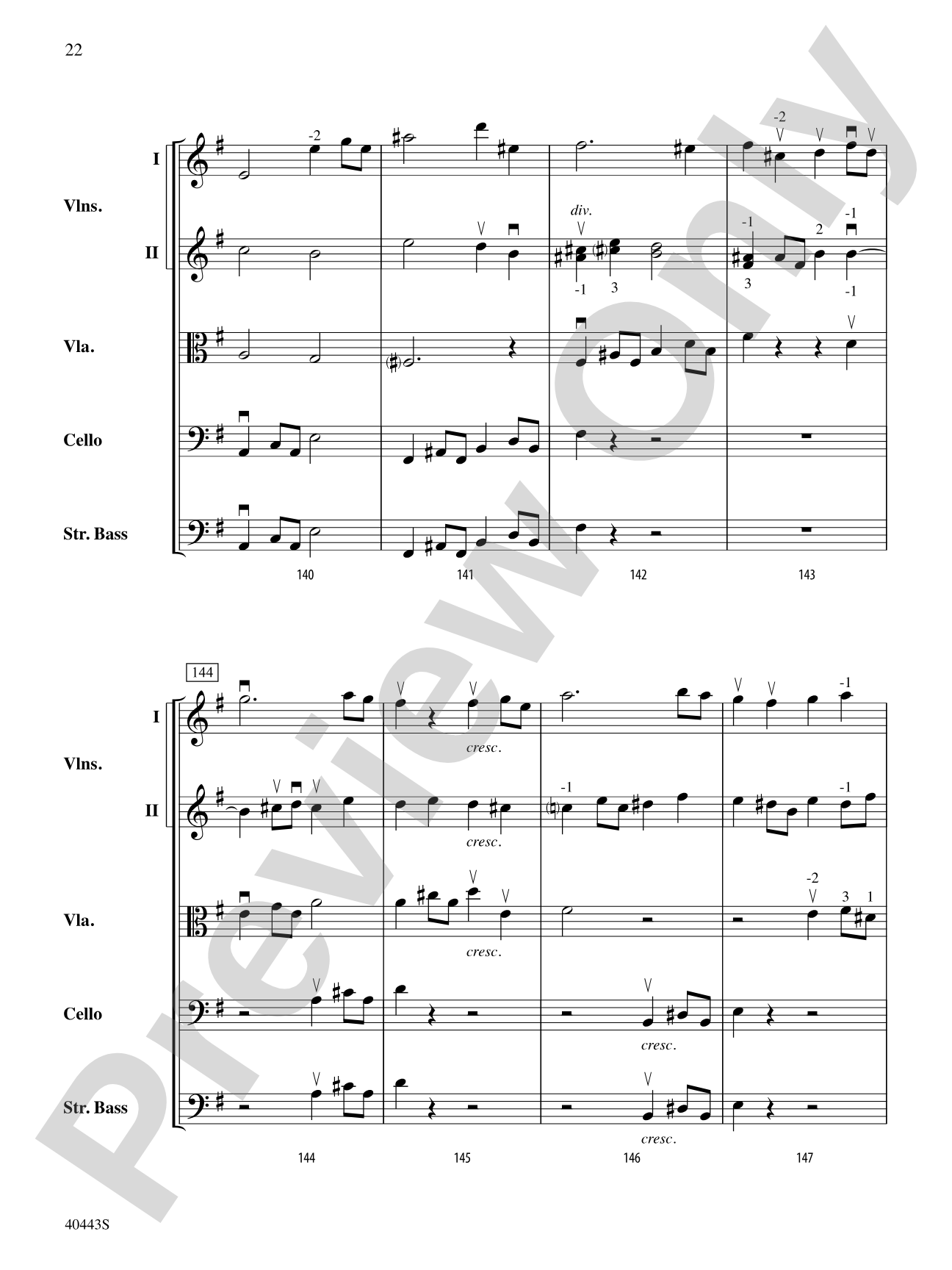
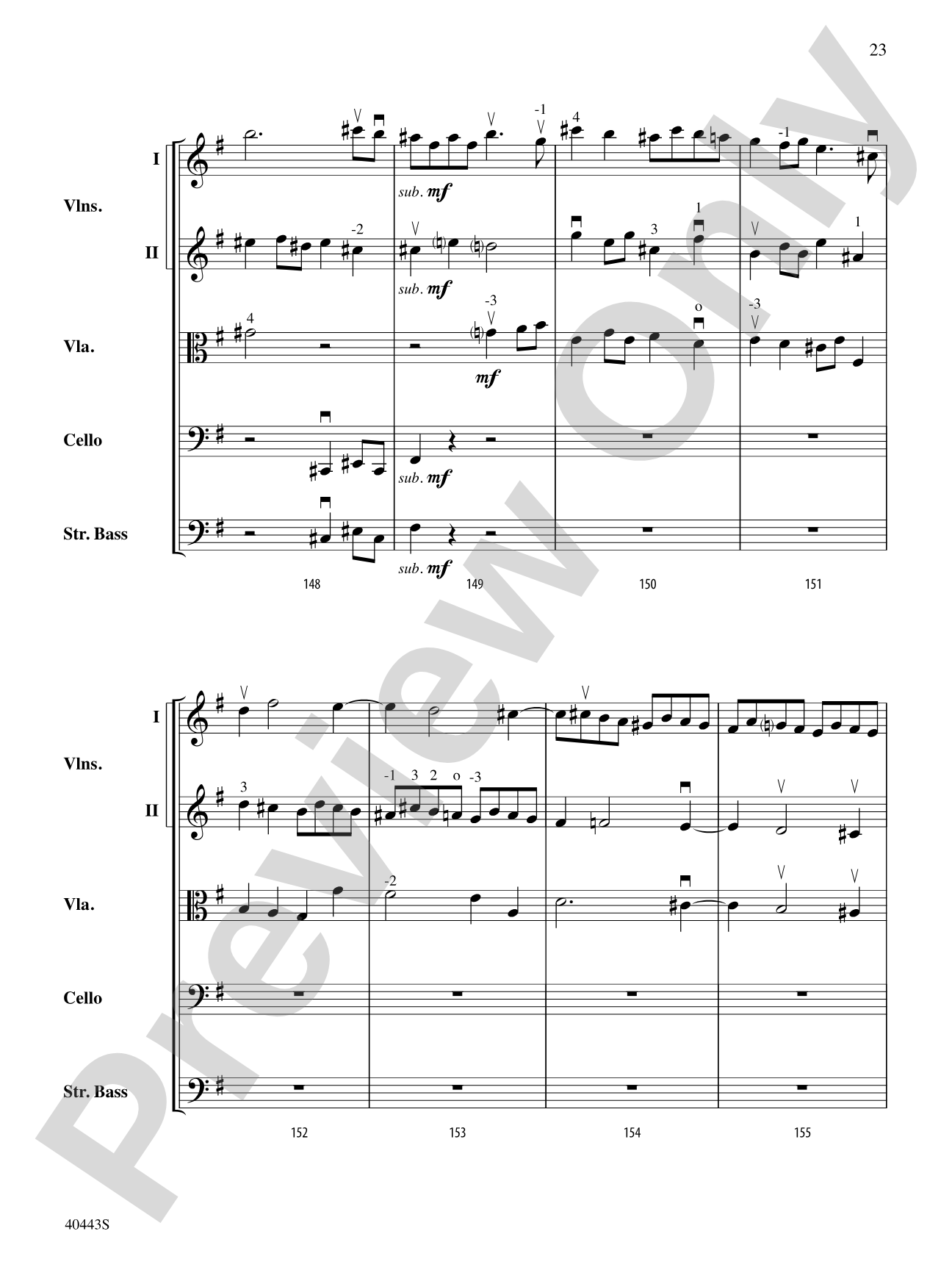
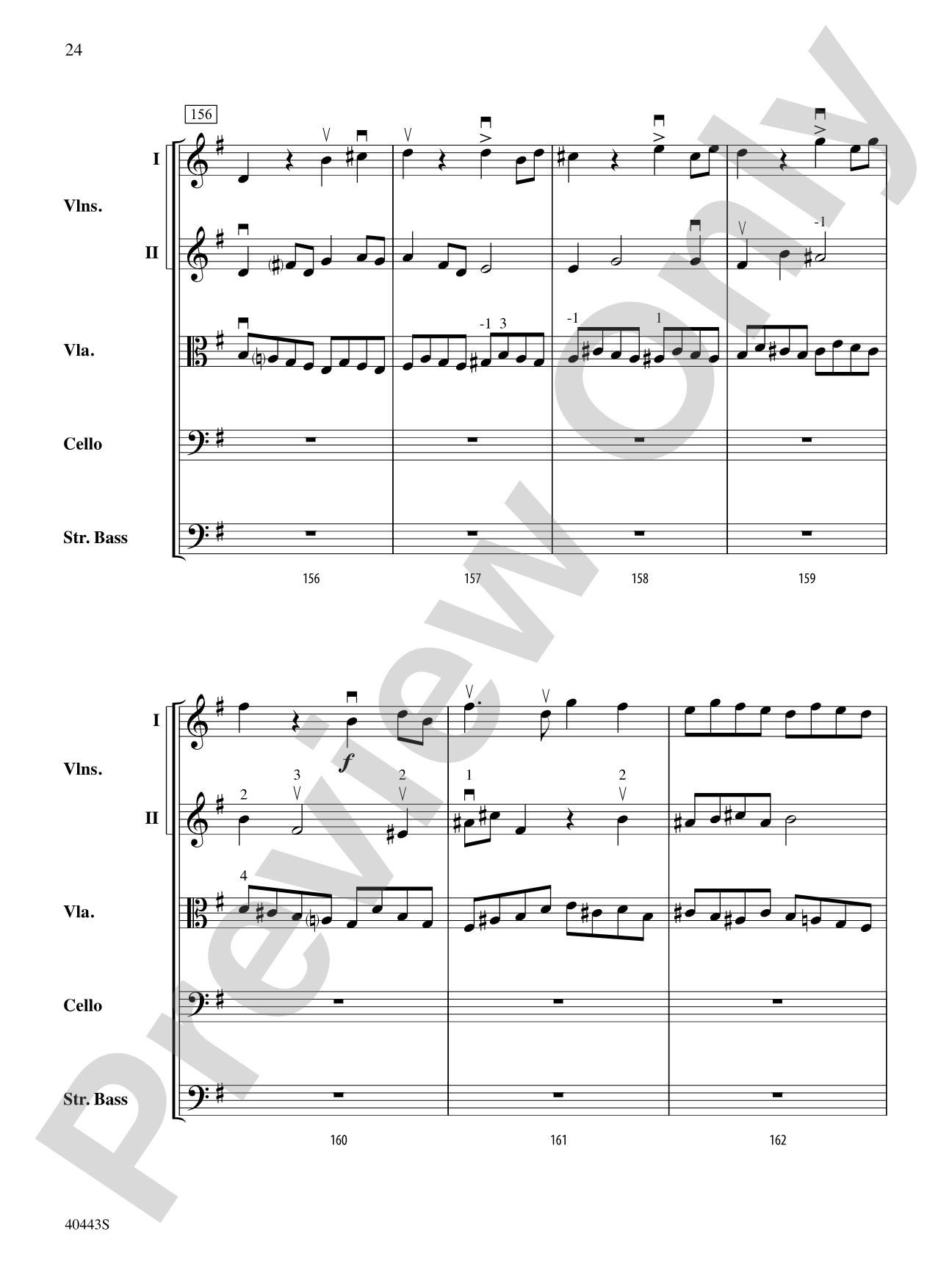
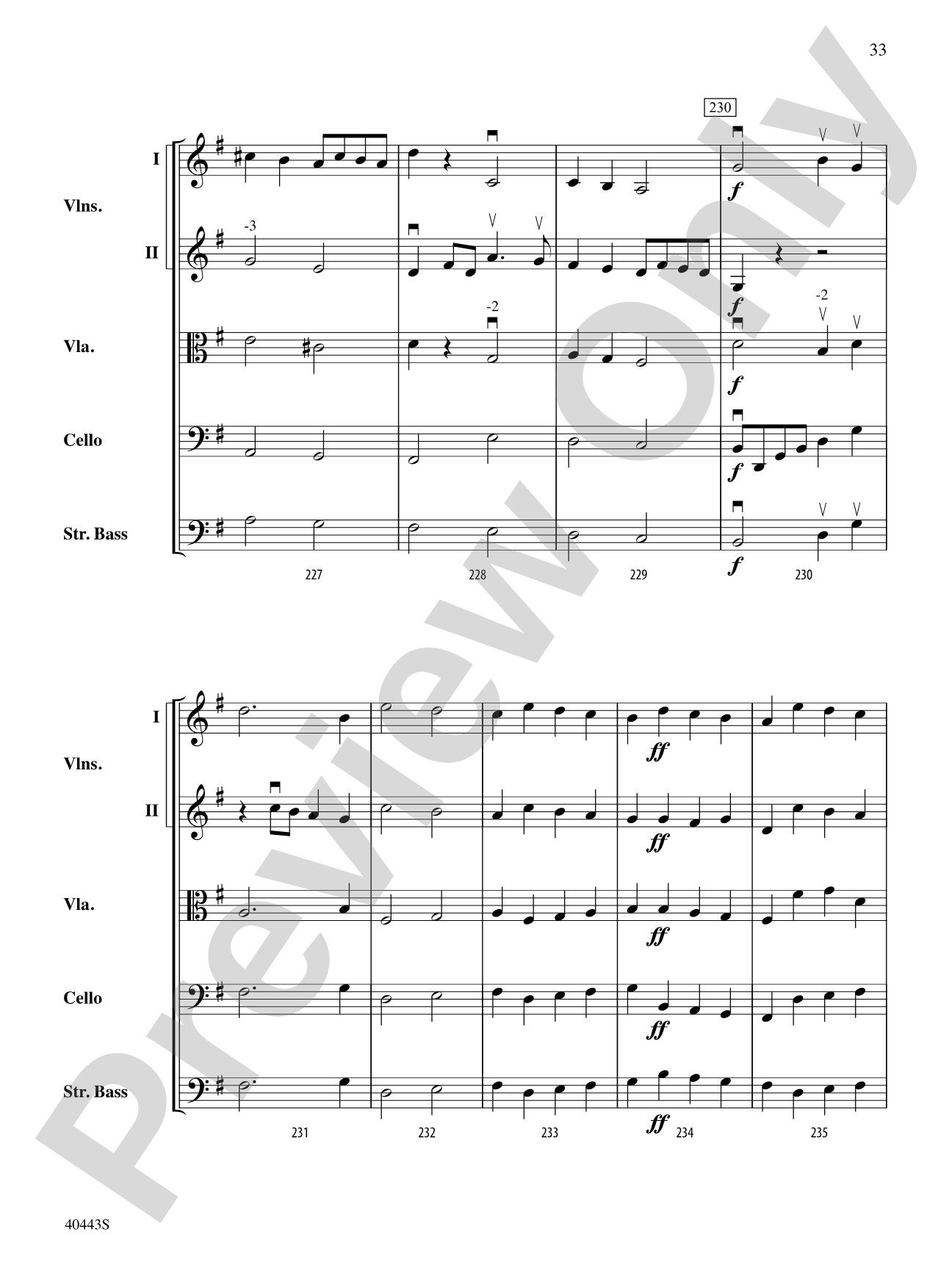
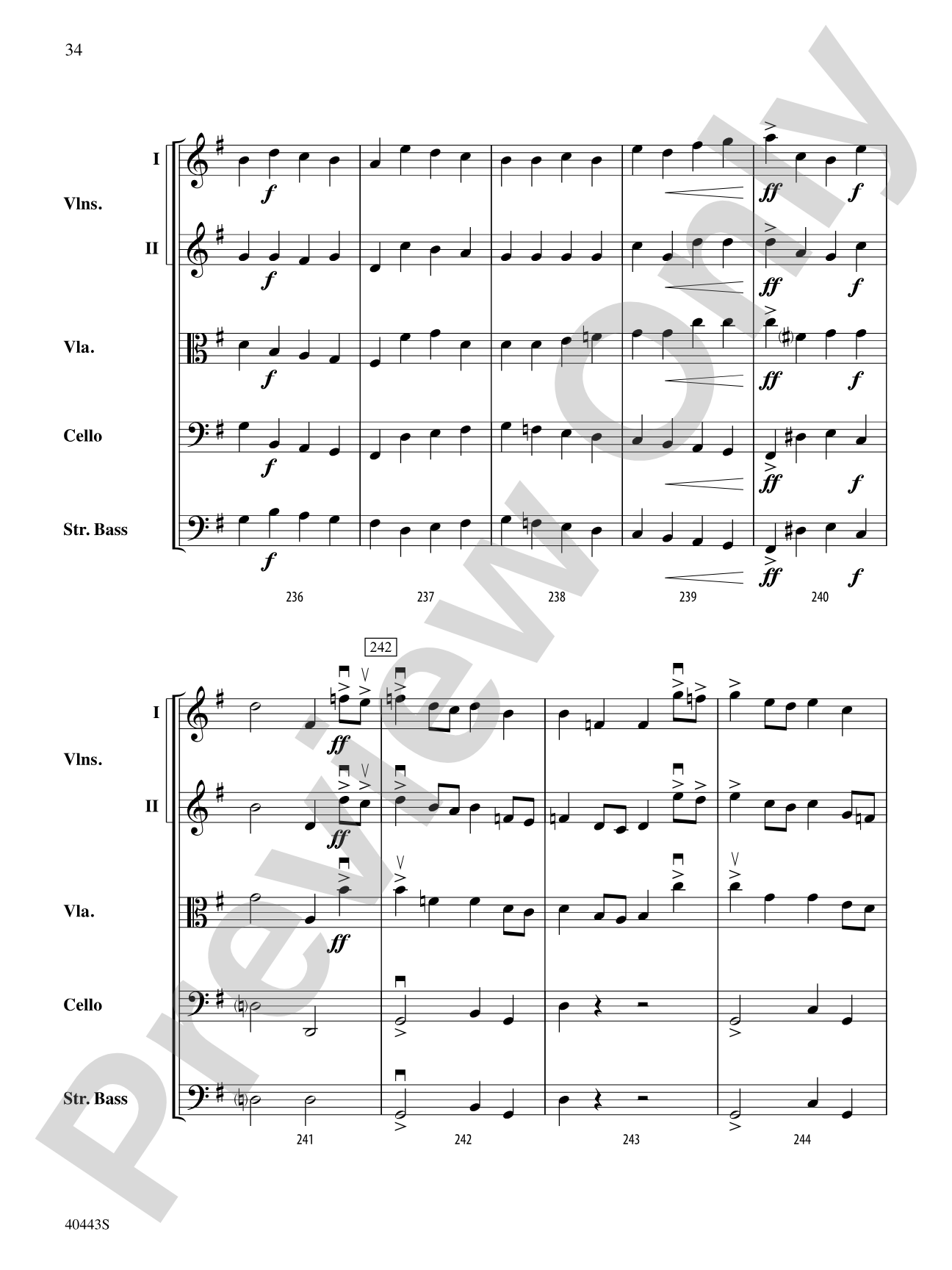
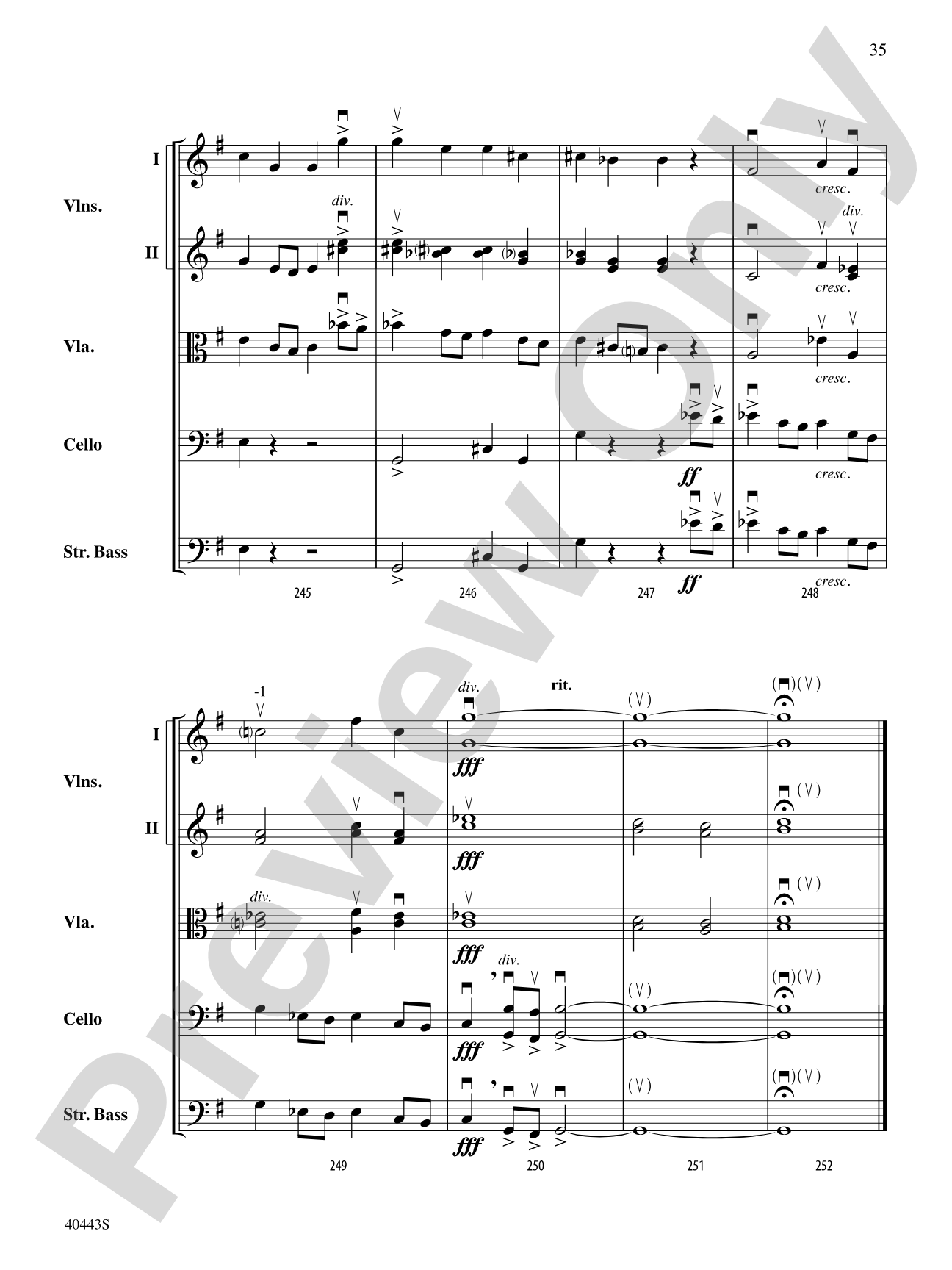
Explore the riches of Mendelssohn in this arrangement of two piano works dating from his teenage years. The first offers an opportunity for beautifully lyrical playing. The second is a brilliantly constructed fugue that builds to an electrifying conclusion. It will take your students out of the textbook, and engage them in augmentation, diminution, inversion, stretto, and pedal tones.


Don't just read it, hear it, play along with it, and watch your students grow with it. In MakeMusic Cloud, Two Movements from Seven Characteristic Pieces, Op. 7: String Orchestra Conductor Score & Parts comes alive with professional accompaniment, adjustable tempo, and built-in practice tools that turn solo practice into real progress.
Open in the Player
Jump straight in and assign it today.
Start Your Free Trial
Open this title and explore the full library in minutes.
Sample Audio
1
Audio File
--:--
0:00
0:00
Sample Video
No sample videos found.
Additional Details
Series:
Belwin Concert String Orchestra
Publisher:
Alfred Music
Page Count:
124
SKU:
00-PK-0005726
More about this title
About the Composer: Felix Mendelssohn
Felix Mendelssohn (1809, 1847) was a prodigy composer whose technical mastery and emotional sophistication emerged in his teenage years. These early piano works showcase the hallmarks that defined his mature style: crystalline counterpoint, harmonic refinement, and an instinctive sense of musical architecture. His influence on 19th-century music education was profound; his works became foundational repertoire for developing musicians and remain central to the canon.
Mendelssohn's approach to composition emphasized clarity and craft. He believed deeply in the pedagogical value of studying counterpoint and form, principles evident even in these youthful pieces. For string players and conductors, his music offers a masterclass in how to balance structural rigor with expressive warmth.
Why we love this
This arrangement strips away the piano texture while preserving Mendelssohn's harmonic sophistication and melodic elegance, allowing string players to experience a masterwork on their own terms. The pairing of a lyrical opening movement with a fugue that methodically unfolds contrapuntal techniques creates a compact but substantial concert piece. Grade 4 ensembles rarely get access to genuine contrapuntal study wrapped in such musicality.
What to expect
The opening movement breathes like a vocal solo, asking the ensemble to shape phrases with the sensitivity of a chamber group. When the fugue takes over, the music becomes architecturally transparent yet emotionally charged, building momentum through the layering of lines until the final statement feels inevitable and powerful.
Who it's for
String orchestra conductors programming a concert or festival set that includes both accessible lyricism and genuine musical substance. High school and early college string orchestras ready to engage with Romantic masterworks adapted to their instrumentation. Players who have progressed beyond early-level reading and are hungry for music that asks something of their musicianship.
How to get the most out of it
- Balance the opening movement's song-like quality by assigning principal players to carry phrases cleanly while supporting voices sustain harmonic warmth without drowning them out.
- Establish a steady, unrushed tempo in the fugue's exposition so the stretto passages that follow feel like legitimate acceleration rather than panic.
- Mark the entrance of each contrapuntal voice in individual parts so players understand where their line fits within the larger architecture, not just when to enter.
- Bring out the pedal tones in lower strings during the fugal development; these anchor the harmonic motion and help audiences hear the structure.
How to use it
Use this as a centerpiece for a concert exploring Romantic string writing, pairing it with a contemporary work and a lighter encore. The two-movement structure allows flexibility in longer programs, and the fugal conclusion provides a strong dramatic arc that works well either midprogram or as the final piece before a lighter closer.
Skills your students will build
- Reading and executing fugal entrances and contrapuntal voice independence
- Sustaining long phrases with consistent tone quality and intonation
- Understanding augmentation, diminution, inversion, and stretto as compositional tools
- Recognizing and playing through pedal tones in harmonic contexts
- Balancing individual voice clarity with ensemble blend in structured counterpoint