Two Bridges March Cover Image

Two Bridges March: Concert Band Conductor Score & Parts

$45.00 USD
Sale price  $45.00 USD Regular price 
Skip to product information
Two Bridges March Cover Image

Two Bridges March: Concert Band Conductor Score & Parts

By Mark Williams

Grade: 0.5 (Very Easy)

Item: 00-26788

makemusic Cloud badge

Need it now?

Buy Digital Version
$45.00
Shipped

One moment…

Description
This clever work for beginning bands combines two well-known folk songs about bridges---"Sur le pont d'Avignon" (On the Bridge at Avignon) and "London Bridge." Your students will have fun playing each tune separately first, and then both tunes are combined in a unique, follow-the-leader fashion.

Correlates with Accent on Achievement Book 1, page 15. This title is available in MakeMusic Cloud.

Don't just read it, hear it, play along with it, and watch your students grow with it. In MakeMusic Cloud, Two Bridges March: Concert Band Conductor Score & Parts comes alive with professional accompaniment, adjustable tempo, and built-in practice tools that turn solo practice into real progress.

Sample Pages

Sample Audio
0:00
0:00
Sample Video
Additional Details
Series: Accent on Achievement
Publisher: Alfred Music
Page Count: 60
UPC: 038081293349
SKU: 00-26788

More about this title

About the Composer: Mark Williams
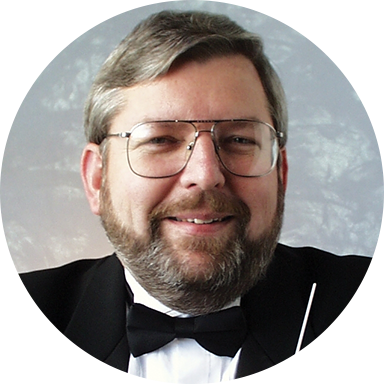
Mark Williams

Mark Williams shaped the landscape of beginning band repertoire through his work as composer and co-author of the Accent on Achievement Band Method. Over his career, he published more than 200 compositions for band, orchestra, and choir while maintaining an active schedule as a clinician and guest conductor throughout the United States, Canada, and Australia.

Based in Washington state for much of his career, Williams brought deep expertise in elementary band pedagogy to his writing. He held degrees from Eastern Washington University and performed professionally on bassoon, including service as a woodwind performer and arranger for the 560th Air Force Band. His contributions to music education earned recognition from the Western International Band Clinic's Gralia Competition and multiple ASCAP Special Awards.

Why we love this

This march teaches something essential about orchestration and form without feeling like a lesson. By introducing each folk tune separately before weaving them together in canon, students experience the logic of musical construction while staying engaged with recognizable melodies. It's the kind of piece that makes young players feel clever, which matters at this early stage.

What to expect

Bright and purposeful, with the charm of familiar melodies meeting the intrigue of musical experimentation. When the two tunes weave together, there's a satisfying puzzle-like quality that rewards listening and playing attention.

Who it's for

Beginning band conductors working with Grade 1/2 students who are ready for ensemble pieces with some harmonic complexity. This work suits programs aligned with the Accent on Achievement curriculum but works equally well as a standalone selection for any young concert band.

How to get the most out of it

  • Establish a steady march tempo and maintain it throughout both the separate tune sections and the combined finale; the follow-the-leader effect depends on rhythmic precision from the ensemble.
  • Balance the two melodies when they combine so neither overwhelms the other; this requires careful listening across all sections and may need sectional rehearsal to lock in the independence of parts.
  • Use the Accent on Achievement correlation as a foundation for understanding the technical requirements, then spend rehearsal time on musical clarity rather than just accuracy.

How to use it

Schedule this early in a concert to showcase your band's growing musicality and technical facility without heavy dramatic weight. It pairs naturally with other folk-based or lighter concert pieces and works well at festivals where audiences appreciate clear, accessible music-making.

Skills your students will build

  • Following independent melodic lines while maintaining ensemble unity
  • Recognizing and performing canon form
  • Maintaining tempo consistency across structural shifts
  • Balance and blend when multiple melodies sound simultaneously
  • Musical phrasing in march-style composition

You May Also Like
