Turbulence Cover Image

Turbulence: String Orchestra Conductor Score

$10.00 USD
Sale price  $10.00 USD Regular price 
Skip to product information
Turbulence Cover Image

Turbulence: String Orchestra Conductor Score

By William Owens

Grade: 2

Item: 98-ST6287S

$10.00
Shipped

One moment…

Description
The brisk tempo and progressive dissonances of this aggressive work suggest an atmosphere of unyielding tension and unrest. The introduction lashes out with driving rhythms and a stalwart melodic statement. The music then calms into a somber, flowing middle section before returning to the original themes and a brazen conclusion. Spectacular!

Turbulence: String Orchestra Conductor Score isn't in MakeMusic Cloud just yet...but it could be. Let us know you'd like to see it, and you'll help shape what comes next. In the meantime, start a free trial and dive into thousands of interactive titles your students can play along with today.

Sample Pages

Sample Audio
No sample audio found.
Sample Video
Additional Details
Series: FJH Developing Strings
Publisher: The FJH Music Company, Inc.
UPC: 241444568378
SKU: 98-ST6287S

More about this title

About the Composer: William Owens
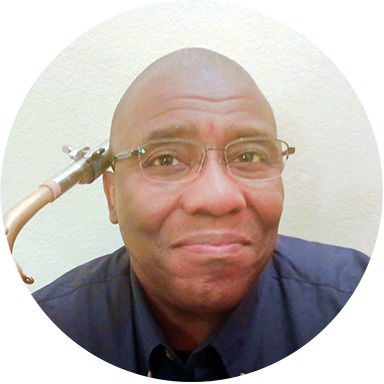
William Owens

William Owens has spent decades writing music that actually works in rehearsal rooms. A product of VanderCook College of Music and thirty years in the Texas classroom, he understands what young ensembles need: technically honest writing that challenges without frustrating, and rewarding material that students want to play.

Since 1993, Owens has compiled over 300 compositions across concert band, string orchestra, and chamber settings. His work appears on state required lists, has been analyzed in educational texts, and earned him recognition as a Distinguished Alumnus and recipient of the Texas Bandmasters Association's Meritorious Achievement Award. Based in Fort Worth, he remains active as a clinician and conductor throughout North America.

Why we love this

Owens gives you drama without melodrama here. The architecture is clean enough for Grade 2 players to execute but bold enough that audiences actually sit up and listen. That calculated balance between accessibility and impact is what separates his writing from generic educational fare.

What to expect

Turbulence opens with raw, kinetic energy that immediately establishes stakes. The initial aggressive material gives way to a thoughtful, introspective middle passage where the music breathes and settles, creating genuine emotional contrast. The return to those driving themes feels earned, arriving with even greater force before the piece crashes to its bold conclusion.

Who it's for

Grade 2 string orchestras ready to tackle something with genuine compositional substance. Players at this level have the technical foundation to handle the progressive dissonances, and directors need repertoire that competes well at contests without exhausting rehearsal time.

How to get the most out of it

  • Shape the introduction with clarity and precision on those driving rhythms; lean into them without rushing. Your strings need to feel locked together from measure one.
  • The middle section's somber character works best when players commit to a sustained, warm tone quality. Resist the urge to overstay it; the calm should feel deliberate, not sluggish.
  • Return to the original material with renewed aggression. The contrast between the middle section and the final statement makes the ending land harder.
  • Balance ensemble blend against the need for the melodic statement to ring out clearly throughout. Keep lines independent but unified in purpose.

How to use it

This is an excellent choice for festival programming where you want to make an impression in the first two minutes. Pair it with a lyrical piece in your concert order to highlight the dramatic range of your ensemble, or open a program with it to set an energetic tone.

Skills your students will build

  • Managing tension and release through dynamic control
  • Executing tightly synchronized rhythmic passages at tempo
  • Reading and responding to dissonant harmony
  • Sustaining long tones with consistent tone quality
  • Responding to conductor cues for structural transitions

You May Also Like