Tumbalalaika Cover Image

Tumbalalaika: TTBB Choral Octavo

$2.25 USD
Sale price  $2.25 USD Regular price 
Skip to product information
Tumbalalaika Cover Image

Tumbalalaika: TTBB Choral Octavo

Yiddish Folk Song / arr. Robert DeCormier

Item: 00-LG52388

makemusic Cloud badge

Need it now?

Buy Digital Version
$2.25
Shipped

One moment…

Description

Don't just read it, hear it, play along with it, and watch your students grow with it. In MakeMusic Cloud, Tumbalalaika: TTBB Choral Octavo comes alive with professional accompaniment, adjustable tempo, and built-in practice tools that turn solo practice into real progress.

Sample Pages

Sample Audio
No sample audio found.
Sample Video
Additional Details
Series: Alfred Archive Edition: Lawson-Gould Music Publishers
Publisher: Alfred Music
Page Count: 12
UPC: 783556015031
SKU: 00-LG52388

More about this title

About the Arranger: Robert DeCormier
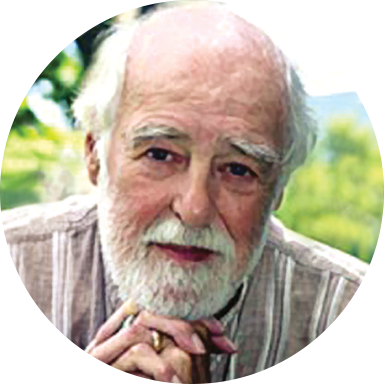
Robert DeCormier

Robert DeCormier studied at Juilliard and spent decades as a conductor, arranger, and educator across Broadway, opera, concert halls, and folk music. He served seventeen years as music director of the New York Choral Society, conducted and arranged for Harry Belafonte, and from 1978 to 2010 directed music for Peter, Paul and Mary. His work as an associate professor at the Eastman School of Music (1972-1977) shaped generations of conducting students.

Beyond his leadership roles, DeCormier was a prolific arranger whose catalog spans African-American spirituals, American folk songs, and international repertoire. He founded Counterpoint, a professional vocal ensemble based in Vermont that recorded extensively and mentored high school choirs throughout New England. His contributions to choral music earned him the Vermont Governor's Award for Excellence in the Arts (2002) and a Lifetime Achievement Award from the New England Choral Arts Foundation (2006).

Why we love this

DeCormier's arrangement captures the infectious energy and storytelling spirit of this beloved Yiddish folk song while crafting parts that sit naturally for men's voices. The writing balances accessibility with harmonic color, making it rewarding for singers at various experience levels while maintaining the cultural authenticity that gives the piece its power. It's a program-builder that sparks joy in audiences and singers alike.

What to expect

Energetic and celebratory, with a folk warmth that invites singers and audiences into a shared musical moment. The piece moves with natural buoyancy, layering voices in ways that feel organic rather than complex, creating the sense of a group gathered to sing together.

Who it's for

Men's choirs at intermediate to advanced levels seeking repertoire that combines cultural significance with straightforward musicality. Contest and festival choirs benefit from its folk authenticity and appeal, while community and educational ensembles value its accessibility and the joy it generates in performance.

How to get the most out of it

  • Bring out the rhythmic swing of the ostinato; this is a dance song, so keep the pulse alive and forward without rushing.
  • Shape the melody with attention to the text's story arc. The energy builds as the song develops, so allow dynamics and articulation to support that arc.
  • Balance the lower voices carefully when they carry the harmonic foundation; they anchor the piece and deserve clarity even when the tenors are singing the tune.
  • Consider the cultural context in rehearsal. Brief your singers on the Yiddish heritage and meaning of the text; singing with understanding deepens interpretation.

How to use it

Program this alongside other world music and folk traditions to create a diversified concert that honors multiple cultural voices. Its brisk, uplifting character makes it an excellent contrast piece when balancing a program with slower or more introspective works.

Skills your students will build

  • Rhythmic precision in folk idioms with syncopation and ostinato patterns
  • Layered part-singing where each voice line supports the overall harmonic color
  • Stylistic awareness of Jewish folk music traditions and Yiddish language phrasing
  • Dynamic control and balance across four voice parts in extended harmonic sections

You May Also Like
