
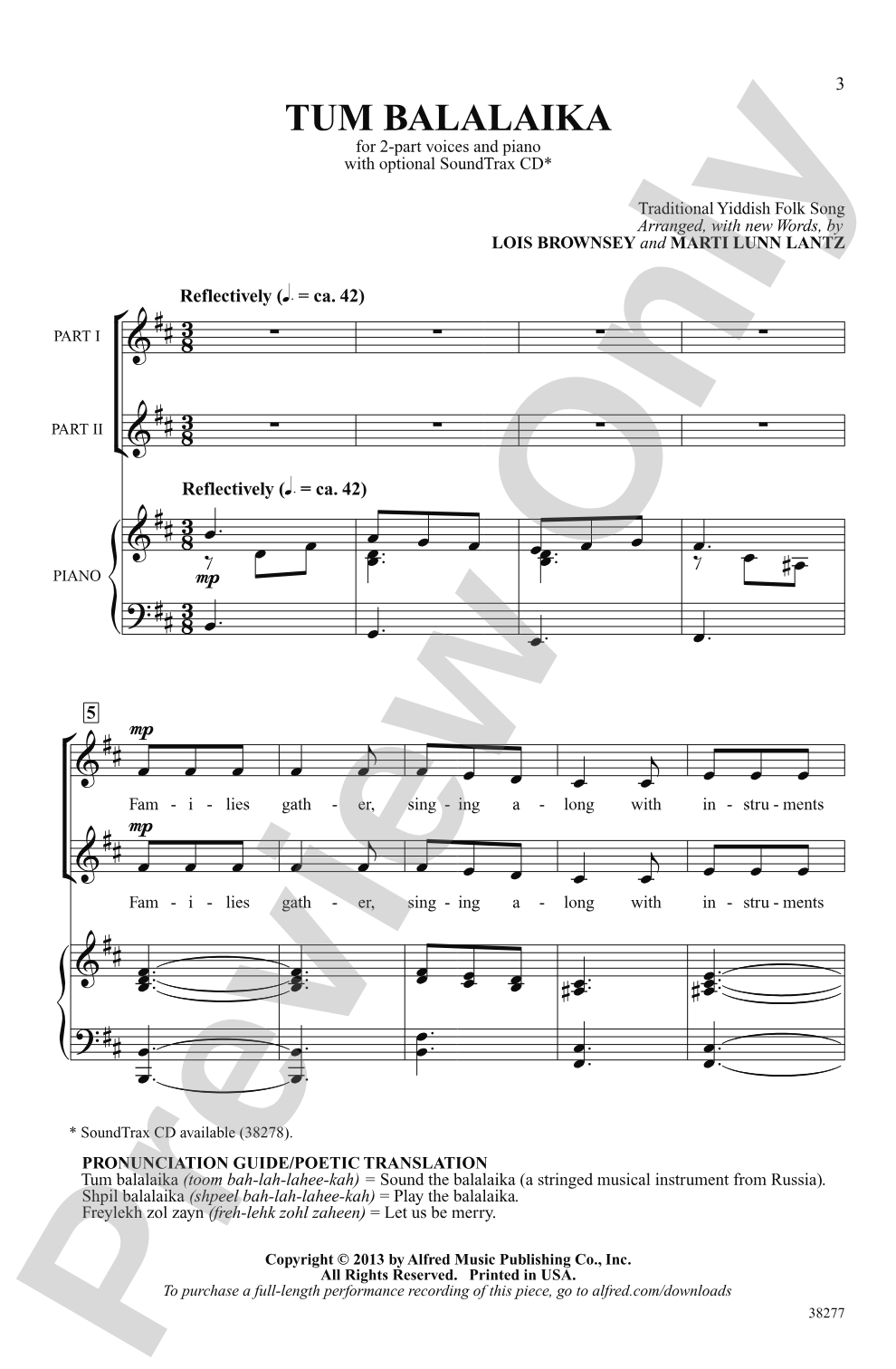
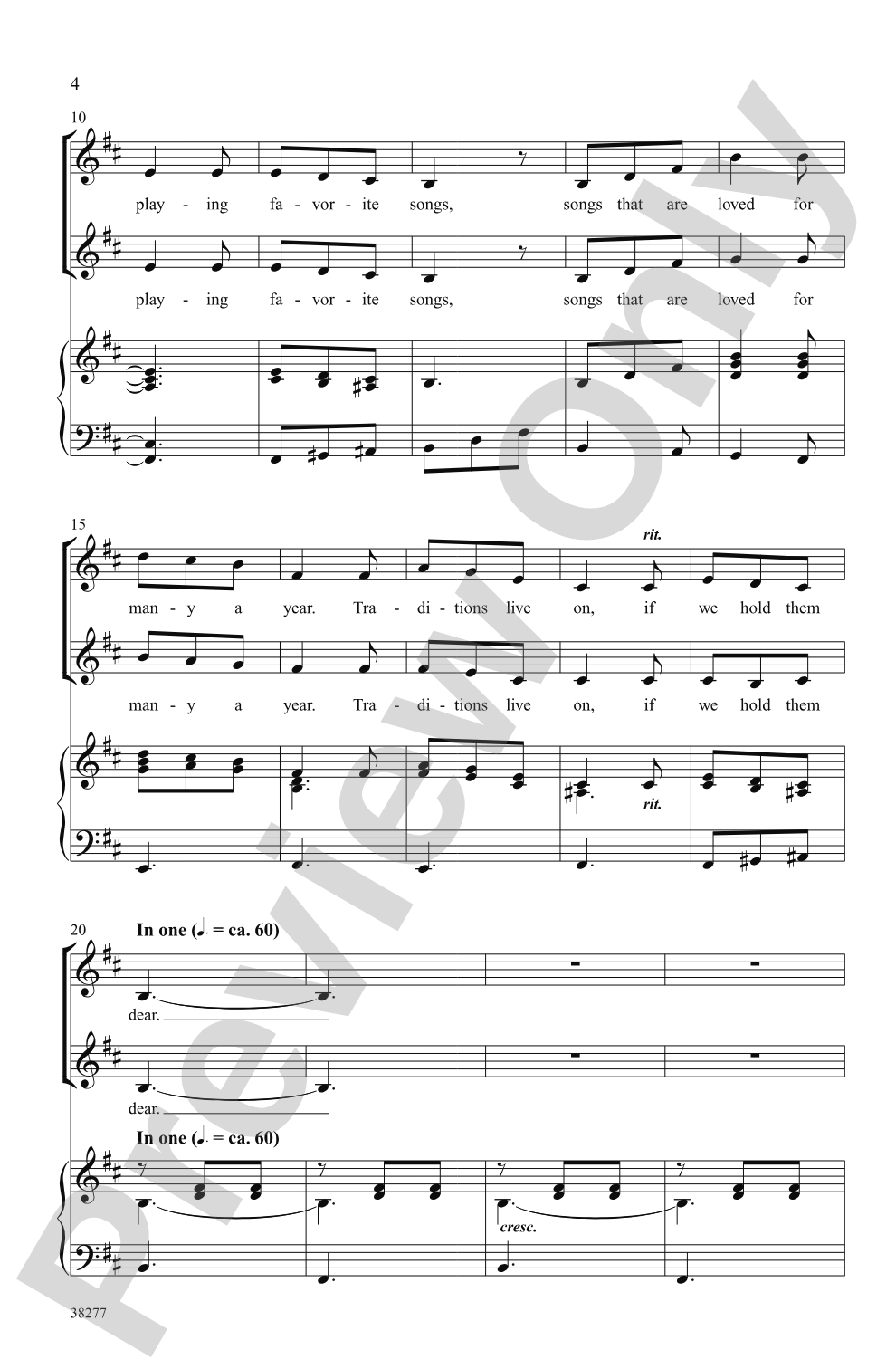

Tum Balalaika: 2-Part Choral Octavo
Traditional Yiddish Folk Song / arr., with new words, by Lois Brownsey and Marti Lunn Lantz
Item: 00-PO-0001517
$2.05
Minimum order quantity: 20 copies
Pickup currently not available
Description
A reflective opening sets the stage for this lively Klezmer-style setting in three. Fun-to-sing Yiddish lyrics celebrate the balalaika (a musical instrument from Russia), and new English words honor tradition. Appropriate year-round.


Tum Balalaika: 2-Part Choral Octavo isn't in MakeMusic Cloud just yet...but it could be. Let us know you'd like to see it, and you'll help shape what comes next. In the meantime, start a free trial and dive into thousands of interactive titles your students can play along with today.
Request This Title
Tell us you want it.
Start Your Free Trial
Explore everything that's ready to play right now.
Sample Audio
1
Audio File
--:--
0:00
0:00
Sample Video
No sample videos found.
Additional Details
Series:
Alfred Choral Designs
Publisher:
Alfred Music
Page Count:
12
SKU:
00-PO-0001517
More about this title
About the Arranger: Lois Brownsey
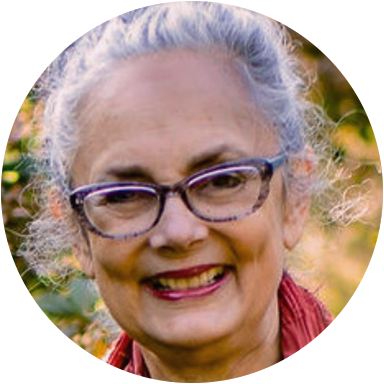
Lois Brownsey studied at Temple University and the Guitar Workshop in her native Philadelphia, where she developed skills across multiple genres including musical theatre, pop, rock, and blues. She performed actively in clubs and concerts across the United States and internationally until 1997, bringing firsthand experience in ensemble playing and vocal performance to her arranging work. Now based in the Pocono Mountains, she co-owns Red Rock Recording Studios with her husband Kent Heckman, a recording engineer whose technical expertise has shaped the sound of many Alfred projects.
Working with long-time collaborator Marti Lunn Lantz, Brownsey has built a catalog focused on multicultural repertoire and seasonal music. Their publications include Winter's Frost, Japanese Snow Song, The Colors of Winter, and several song collections celebrating global traditions and natural themes. She has also created commercial music for major clients and co-written sacred works with Sally K. Albrecht. Beyond music, Brownsey is active as a Celebrant and engaged in her local arts and political communities.
Why we love this
This arrangement opens with genuine reflection before launching into the infectious rhythmic energy of Klezmer style, giving singers room to find their musicality before the fun takes over. The pairing of original Yiddish lyrics with new English text means your choir can explore cultural authenticity while remaining accessible to audiences unfamiliar with the language. Brownsey and Lantz excel at making cross-cultural music feel natural rather than novelty.
What to expect
The arrangement opens with introspection, inviting quiet focus before the balalaika's spirit takes hold. Once the Klezmer pulse arrives, the music becomes buoyant and celebratory, capturing the playful joy of a traditional folk tradition while remaining approachable for singers of moderate experience.
Who it's for
This works beautifully for choirs seeking repertoire that expands cultural horizons without demanding advanced vocal technique. It fits equally well in school choirs, community ensembles, and congregational settings where multicultural programming matters.
How to get the most out of it
- Establish the three-feel early in rehearsal by tapping the underlying pulse rather than counting it; the lilting quality depends on your ensemble internalizing that lilt before words arrive.
- Let the recorded accompaniment guide your initial rehearsals, then gradually reduce reliance on it so singers own the rhythmic independence the arrangement requires.
- Treat the reflective opening as a genuine moment of musical attention. The contrast to what follows lands only if this section receives its own interpretive care.
- Encourage clear diction in Yiddish; even approximate authenticity builds connection to the cultural tradition you're sharing.
How to use it
Pair this with other folk traditions or Jewish heritage works to build a thematic concert segment, or program it as a tonal shift in a diverse concert to energize the second half. Its year-round appropriateness makes it ideal for spring or fall concerts where cultural celebration fits the season's spirit.
Skills your students will build
- Singing in three-feel meter and maintaining that pulse against simpler text rhythms
- Diction and cultural sensitivity in Yiddish pronunciation
- Coordinating two independent vocal lines while listening to recorded accompaniment
- Dynamic contrast between reflective and energetic musical sections