Tum Balalaika Cover Image

Tum Balalaika: Choral Octavo SoundTrax CD

$27.99 USD
Sale price  $27.99 USD Regular price 
Skip to product information
Tum Balalaika Cover Image

Tum Balalaika: Choral Octavo SoundTrax CD

Traditional Yiddish Folk Song / arr., with new words, by Lois Brownsey and Marti Lunn Lantz

Item: 00-38278

$27.99
Shipped

One moment…

Description
A reflective opening sets the stage for this lively Klezmer-style setting in three. Fun-to-sing Yiddish lyrics celebrate the balalaika (a musical instrument from Russia), and new English words honor tradition. Appropriate year-round.

Tum Balalaika: Choral Octavo SoundTrax CD isn't in MakeMusic Cloud just yet...but it could be. Let us know you'd like to see it, and you'll help shape what comes next. In the meantime, start a free trial and dive into thousands of interactive titles your students can play along with today.

Sample Pages

Sample Audio
0:00
0:00
Sample Video
Additional Details
Series: Alfred Choral Designs
Publisher: Alfred Music
UPC: 038081427485
SKU: 00-38278

More about this title

About the Arranger: Lois Brownsey
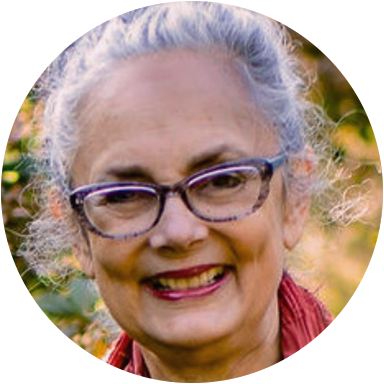
Lois Brownsey

Lois Brownsey brings a lifetime of performance experience to her arrangements, having played and sung in pop, rock, and blues ensembles across the United States and internationally before stepping back from live performance in 1997. Her musical foundation began at Temple University in Philadelphia, where she studied guitar and immersed herself in musical theatre before pursuing commercial work that included jingles for major clients like AT&T and GMC Truck Dealers.

Working alongside her long-time collaborative partner Marti Lunn Lantz, Brownsey has become known for creating accessible choral works that celebrate world cultures and seasonal themes. The pair's catalog with Alfred includes numerous popular titles, and they've also produced several song collections focused on global traditions and environmental themes. Based in the Pocono Mountains, Brownsey continues to be active in her arts community and, together with her husband Kent Heckman, operates Red Rock recording Studios, where many Alfred choral projects are engineered and produced.

Why we love this

The three-beat meter gives this arrangement an immediate sense of motion and playfulness that sits perfectly between reflective and celebratory. Brownsey and Lantz preserve the Yiddish text while layering in English lyrics that extend the work's accessibility without diluting its cultural authenticity, making it genuinely useful for mixed ensembles where language familiarity varies. The recorded accompaniment captures the warmth of klezmer tradition, letting your singers focus on ensemble blend and the joy of the text.

What to expect

Warm and spirited, with the kind of musical sincerity that comes from honoring folk traditions. The shift from the reflective opening to the joyful rhythmic section captures the range of human expression that klezmer music holds, and the Yiddish text grounds singers in something genuinely rooted.

Who it's for

This works for developing ensembles and experienced choirs alike. The straightforward vocal writing is accessible to high school and adult singers without condescending to stronger groups, and the year-round flexibility means it fits any concert context.

How to get the most out of it

  • Let the opening breathe. The reflective introduction should feel spacious before the rhythm section locks in; avoid rushing into the lively section.
  • Shape the three-beat phrasing by thinking in larger units rather than measuring beat by beat. This keeps the klezmer character from becoming square.
  • Balance the Yiddish and English text strategically. When both appear, the Yiddish can sit slightly forward in the mix without overwhelming the English speakers.
  • Lean into the recorded accompaniment's instrumentation to build context. The arrangement's character comes alive when singers respond to what they hear beneath them.

How to use it

Pair this with other world music or heritage pieces for a focused cultural programming unit, or slot it as a concert centerpiece that demonstrates your ensemble's ability to shift stylistic gears. Its accessibility and recorded accompaniment make it a reliable choice when rehearsal time is limited, and the seasonal neutrality means you can schedule it whenever it fits your concert calendar.

Skills your students will build

  • Singing in three-beat meter with forward motion and clarity
  • Text declamation in Yiddish with attention to pronunciation and natural phrasing
  • Blending independent melodic lines in a folk idiom
  • Responding to and singing with recorded accompaniment
  • Stylistic awareness of klezmer and Eastern European Jewish musical traditions

You May Also Like