Topsy-Turvy World Cover Image

Topsy-Turvy World: 2-Part Choral Octavo

$2.05 USD
Sale price  $2.05 USD Regular price 
Skip to product information
Topsy-Turvy World Cover Image

Topsy-Turvy World: 2-Part Choral Octavo

Words by William Brighty Rands, music by Christopher Fox

Item: 00-47681

makemusic Cloud badge

Need it now?

Buy Digital Version
$2.05
Shipped

One moment…

Description
This fanciful children's poem by William Brighty Rands is simply charming. Well-constructed for 2-part voices, this accomplished setting includes crisp rhythms and complementary counterlines that offer opportunities to work important elements of choral artistry. The whimsical words include blunders like “If the pony rode his master, if the buttercup ate the cow . . . the world would be upside down!”

Don't just read it, hear it, play along with it, and watch your students grow with it. In MakeMusic Cloud, Topsy-Turvy World: 2-Part Choral Octavo comes alive with professional accompaniment, adjustable tempo, and built-in practice tools that turn solo practice into real progress.

Sample Pages

Sample Audio
0:00
0:00
Sample Video
Additional Details
Series: Alfred Choral Designs
Publisher: Alfred Music
Page Count: 12
UPC: 038081543741
SKU: 00-47681

More about this title

About the Composer: Christopher Fox
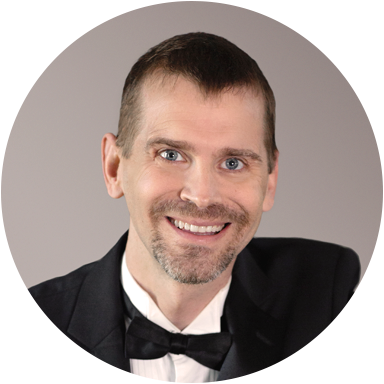
Christopher Fox

Christopher Fox directs the chorus program at Glenelg High School in Howard County, Maryland, where he has built a reputation for composing music that speaks directly to young singers. A prolific creator and clinician who has worked on more than one hundred projects in the past decade, Fox has earned multiple "Editor's Choice" awards from major publishers including Alfred Music, Hal Leonard, and Santa Barbara Music. His work has been commissioned by respected organizations such as the VCDA Junior All-State Treble Choir, the Virginia Organization of Kodály Educators, and several honors choirs across the tri-state region.

Fox holds a Bachelor of Science in Music Education from Indiana University of Pennsylvania and completed both his master's degree and Kodály certification at Loyola University Baltimore. He previously taught at the University of Mary Washington and has received the "Teacher of the Year" award twice during his career.

Why we love this

Fox's gift for writing accessible yet musically sophisticated choral music shines here. The counterlines feel naturally singable rather than imposed, and the rhythmic vitality keeps young singers engaged without overwhelming them. Programming this piece signals to your singers that whimsy and choral craftsmanship belong in the same room.

What to expect

Imagine a world where gravity works backwards and animals trade places with their owners. The music captures that topsy-turvy delight with bouncing rhythms and clever voice interplay that feels like a musical wink to the audience. There is genuine joy in the craftwork here, not condescension.

Who it's for

This piece works beautifully for middle school and early high school choirs, particularly those looking to program something that entertains audiences without sacrificing musical substance. It suits mixed treble ensembles and mixed choirs alike, making it a flexible choice for a range of group configurations.

How to get the most out of it

  • Lean into the quirky energy of the text by keeping rhythms crisp and precise; the humor lands hardest when the execution is clean.
  • Balance the two voice parts so the complementary counterlines come through clearly rather than one part drowning out the other.
  • Use dynamic contrast to highlight the successive "upside-down" images in the poem; each ridiculous scenario can get a slight push forward.

How to use it

This piece fits naturally into a concert that celebrates wit and imagination, perhaps alongside other folklore or humorous selections. It also serves well as a contest or festival entry where a lighter mood can reset the room between heavier fare.

Skills your students will build

  • Two-part voice independence and balance
  • Rhythmic precision with syncopated and varied rhythmic figures
  • Diction clarity in a playful text
  • Understanding how counterlines create musical texture
  • Phrasing and shaping within a short, strophic structure

You May Also Like
