To A Wild Rose Cover Image

To A Wild Rose: String Orchestra Conductor Score

$10.00 USD
Sale price  $10.00 USD Regular price 
Skip to product information
To A Wild Rose Cover Image

To A Wild Rose: String Orchestra Conductor Score

Arranged by Robert D. McCashin

Grade: 1.5

Item: 98-ST6293S

$10.00
Shipped

One moment…

Description
Based on a simple diatonic melody, this delightful arrangement includes MacDowell's interesting and slightly chromatic twists. It offers beautiful content for the development of bow control, tone and intonation. Entrancing music that will be recognized and enjoyed by audiences everywhere.

To A Wild Rose: String Orchestra Conductor Score isn't in MakeMusic Cloud just yet...but it could be. Let us know you'd like to see it, and you'll help shape what comes next. In the meantime, start a free trial and dive into thousands of interactive titles your students can play along with today.

Sample Pages

Sample Audio
No sample audio found.
Sample Video
Additional Details
Series: FJH Beginning Strings
Publisher: The FJH Music Company, Inc.
UPC: 241444568996
SKU: 98-ST6293S

More about this title

About the Arranger: Robert D. McCashin
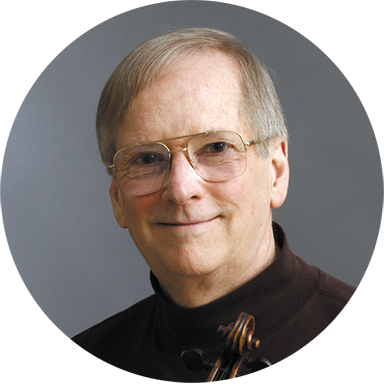
Robert D. McCashin

Robert D. McCashin brings four decades of orchestral conducting and string pedagogy to his work as an arranger and composer. After earning degrees in violin performance from Louisiana State University and a doctorate in conducting from the University of Arizona, he spent 43 years teaching at the university level, most recently as Professor Emeritus at James Madison University, where he directed the symphony, chamber, and opera orchestras and mentored conducting students at the master's and doctoral levels.

McCashin's arrangement catalog now includes nearly 80 educational works spanning grades 1 through 5, many of which have become standard repertoire in school string programs. His deep understanding of what young orchestras can accomplish, combined with his experience as a performing violinist and freelance musician in Texas, informs every detail of his writing. He co-authored the widely used string method books New Directions for Strings and A Scale in Time, solidifying his reputation as a thoughtful voice in string music education.

Why we love this

McCashin's arrangement honors MacDowell's gentle melody while using it as a vehicle for genuine musical growth. The chromatic inflections and harmonic details he weaves throughout demand careful listening from both players and listeners, transforming a familiar tune into an exercise in refined ensemble work. At grade 1.5, this hits the sweet spot where young orchestras can sound genuinely musical without drowning in technical demands.

What to expect

A gentle walk through a landscape where something beautiful appears around each corner. The melody sits comfortably in the hand while those chromatic surprises create moments of harmonic color that feel both natural and slightly mysterious.

Who it's for

Beginning string orchestras ready to move beyond unison melodies and simple harmonies. This arrangement works well for groups with mixed ability levels since the part writing gives everyone something meaningful to do.

How to get the most out of it

  • Isolate the chromatic passages in sectional rehearsals so violins and violas understand how those moments connect to the diatonic framework. This clarity prevents the twists from sounding accidental.
  • Shape the bow control work gradually across rehearsals rather than expecting polished tone from day one. Record yourself playing the piece at full tempo so students hear what you're aiming for.
  • Balance the string sections by ear, not just by counting players. A thin first violin line will undercut the melody's charm, while an overpowering cello section will bury the harmonic foundation.
  • Let the intonation work breathe naturally during rehearsals. Use the tuner strategically for problem spots, but trust that ensemble playing will reveal pitch issues that need addressing.

How to use it

Program this early in the concert season when you want to build bow control and tone without the pressure of a technically demanding piece. It also works beautifully on a festival or contest program as a contrasting selection against more dramatic or driving repertoire.

Skills your students will build

  • Sustained bow control across longer phrases
  • Refined intonation in diatonic and chromatic contexts
  • Dynamic shaping and tone production on open and intermediate positions
  • Listening for balance between melody and supporting voices
  • Recognizing and executing chromatic voice leading within a simple harmonic framework

You May Also Like