Time Out: The Dave Brubeck Quartet Cover Image

Time Out: The Dave Brubeck Quartet: Piano Book

$14.99 USD
Sale price  $14.99 USD Regular price 
Skip to product information
Time Out: The Dave Brubeck Quartet Cover Image

Time Out: The Dave Brubeck Quartet: Piano Book

50th Anniversary Edition

By Dave Brubeck, Iola Brubeck, and Paul Desmond / arr. Bruce Nelson

Level: Easy Piano

Item: 00-33312

$14.99
Shipped

One moment…

Description
The Dave Brubeck Quartet's 1959 album Time Out changed the sound of jazz and American music. Brubeck's experimentation with meter, harmony and even Turkish rhythms eventually earned him the cover of Time Magazine; the first jazz musician to achieve such a feat. Saxophonist Paul Desmond's composition "Take Five" went on to become the first million-selling jazz instrumental single on the Billboard Hot 100. This folio celebrates the album's 50th anniversary with full-color artwork from the original record, and a 10 page write-up from jazz historian Ted Gioia. All seven compositions from the monumental recording have been carefully arranged for Easy Piano. Titles: Blue Rondo à la Turk * Strange Meadow Lark * Take Five * Three to Get Ready * Kathy's Waltz * Everybody's Jumpin' * Pick Up Sticks.

Time Out: The Dave Brubeck Quartet: Piano Book isn't in MakeMusic Cloud just yet...but it could be. Let us know you'd like to see it, and you'll help shape what comes next. In the meantime, start a free trial and dive into thousands of interactive titles your students can play along with today.

Sample Pages

Sample Audio
No sample audio found.
Sample Video
Additional Details
Publisher: Alfred Music
Page Count: 40
ISBN10: 0-7390-6234-4
ISBN13: 978-0-7390-6234-0
UPC: 038081372068
SKU: 00-33312

More about this title

About the Composer: Dave Brubeck
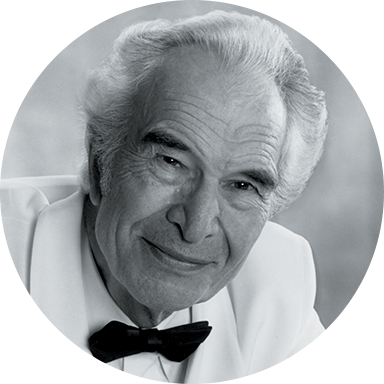
Dave Brubeck

Dave Brubeck built a career on the conviction that jazz and classical music could coexist and enrich each other. Beyond his improvisational gifts at the keyboard, he composed across multiple genres: choral works, orchestral pieces, chamber music, ballet suites, a string quartet, and large-scale works for chorus and orchestra. His formal training under Darius Milhaud at Mills College after World War II reinforced this dual perspective, and Milhaud's encouragement to blend jazz and classical languages shaped everything Brubeck created thereafter.

Brubeck's influence extended far beyond the concert hall and recording studio. He was instrumental in dismantling racial barriers in mid-20th-century American music, and his sacred works, including the mass To Hope! and the oratorios The Voice of the Holy Spirit and Beloved Son, have been performed and recorded internationally. His accolades include a Grammy Lifetime Achievement Award, the Presidential Medal of the Arts, induction into the American Classical Music Hall of Fame, and a lifetime achievement award from the London Symphony Orchestra.

Why we love this

This folio opens Time Out to piano students who might otherwise encounter it only through recordings. Bruce Nelson's easy piano arrangements preserve the melodic identity and harmonic sophistication of each composition while making them genuinely playable at an accessible level. Pairing the music with Ted Gioia's historical context and authentic album artwork transforms it into a teaching moment about jazz innovation, cultural impact, and the courage required to experiment with unconventional meters.

What to expect

These arrangements capture the restless innovation and lyrical warmth of the original album. You'll find unexpected harmonic turns, rhythmic asymmetries that challenge your sense of pulse, and melodic lines that sing with the clarity of a saxophone voice translated to the keyboard. The overall effect is sophisticated yet approachable, never condescending.

Who it's for

This book serves pianists at the early intermediate level who are ready to explore jazz beyond simplified lead sheets or chord charts. It appeals to students curious about jazz history, musicians preparing for recitals with jazz content, and teachers seeking authentic repertoire that combines accessibility with musical substance.

How to get the most out of it

  • Read through "Take Five" without worrying about the meter at first. Once the 5/4 pattern settles into your hands, the groove becomes natural rather than awkward.
  • Listen to the original quartet recording before and after learning each arrangement. You'll hear how the piano part interacts with Desmond's saxophone and Brubeck's improvisations, which informs your own phrasing choices.
  • Let the Turkish-influenced rhythms in "Blue Rondo à la Turk" breathe. Avoid rushing; the asymmetrical feel is part of the composition's character.
  • Balance the melody against the harmonic voicings. Even in easy arrangements, Brubeck's chord changes deserve clarity, so don't bury them under heavy pedal.

How to use it

Feature one or two pieces in a recital alongside classical repertoire to show the pianistic range of jazz composition. A "Music Then and Now" or "Breaking Boundaries" concert program benefits from the historical weight of Time Out. Alternatively, use individual pieces in master classes to discuss harmony, rhythm, and the relationship between composition and improvisation.

Skills your students will build

  • Playing in asymmetrical meters (5/4, 3/4, and 4/4) with confidence and steady pulse
  • Recognizing and executing jazz voicings and harmonic substitutions within a simplified texture
  • Balancing melody against harmonic support without oversimplifying the accompaniment
  • Translating recorded jazz phrasing and articulation to the written page
  • Understanding the historical and cultural context that shapes musical choices

You May Also Like