Three Cover Image

Three: 2 Trumpets & Keyboard Part(s)

$30.00 USD
Sale price  $30.00 USD Regular price 
Skip to product information
Three Cover Image

Three: 2 Trumpets & Keyboard Part(s)

By Bruce Broughton

Item: 81-TE14238

$30.00
Shipped

One moment…

Description
The title "Three" refers to three primary elements of the piece: a three- movement work, each of which is in three sections, performed by three players. The movements are composed in a conventional fast/slow/fast sequence. The trumpet parts are antiphonal, alternating phrases, and ideas between themselves throughout the piece, while the piano supports and compliments, but does not share the trumpets' themes. This is a brilliant work by talented and well-known film composer, Bruce Broughton. Powerful and challenging, this would make an excellent choice for a recital program.

Three: 2 Trumpets & Keyboard Part(s) isn't in MakeMusic Cloud just yet...but it could be. Let us know you'd like to see it, and you'll help shape what comes next. In the meantime, start a free trial and dive into thousands of interactive titles your students can play along with today.

Sample Pages

No sample pages found.

Sample Audio
0:00
0:00
Sample Video
Additional Details
Series: Eighth Note Publications
Publisher: Eighth Note Publications
ISBN10: 1-77157-187-X
ISBN13: 978-1-77157-187-6
UPC: 685462021888
SKU: 81-TE14238
Instrumentation: 2 Trumpets & Keyboard

More about this title

About the Composer: Bruce Broughton
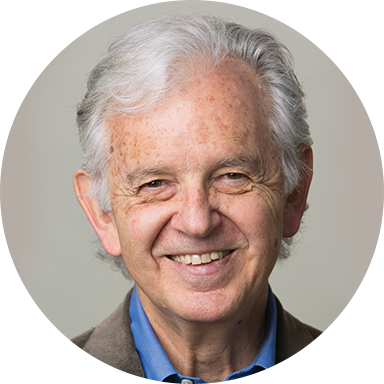
Bruce Broughton

Bruce Broughton has spent decades composing for film and television, creating scores for blockbuster movies including Silverado, Tombstone, The Rescuers Down Under, and Miracle on 34th Street. His work across broadcast television spans iconic series like JAG, Dinosaurs, and Hawaii Five-O, as well as Steven Spielberg's Tiny Toon Adventures, earning him ten Emmy Awards from twenty-three nominations. He has also received Oscar and Grammy nominations throughout his career.

Beyond the screen, Broughton is an accomplished concert composer whose works have been performed by major orchestras including the Cleveland Orchestra, Chicago Symphony, and Los Angeles Chamber Orchestra. He serves as a board member of ASCAP and has held leadership roles in both the Academy of Motion Picture Arts and Sciences and the Academy of Television Arts and Sciences. His contributions to music extend to Disney theme park attractions worldwide and pioneering work in video game scoring.

Why we love this

A composer of Broughton's stature rarely writes for chamber ensembles this intimate, making Three a special opportunity to program work by someone whose film and television scores have shaped American entertainment. The antiphonal dialogue between the two trumpets creates the kind of conversational interplay that keeps audiences engaged, while the keyboard writing is sophisticated enough to demand respect from the accompanist without overshadowing the brass. This is recital material with genuine star power.

What to expect

The texture shifts between moments of pointed brilliance and lyrical exchange, with the two trumpet voices playing off each other like characters in an intelligent conversation. The keyboard anchors the soundscape with harmonic support that complements rather than competes with the brass writing, creating space for the trumpets to soar. Across its three movements, the piece balances structural formality with genuine musical personality.

Who it's for

Advanced high school trumpet players and collegiate performers preparing for recital competitions or festival programs will find this work both musically rewarding and technically substantial. The piece demands security in both players, strong communication skills, and the interpretive maturity to balance technical demands with musical expression. Accompanists should have solid classical piano training and comfort with contemporary chamber repertoire.

How to get the most out of it

  • Shape the antiphonal phrases with clear character differentiation between the two trumpet parts; consider which voice leads in each exchange and allow that to inform your articulation and phrasing.
  • Balance the trumpet dialogue carefully with the keyboard accompanist during rehearsal, ensuring the piano's support role is heard without bleeding into the trumpets' thematic material.
  • Approach the fast movements with precision in rhythmic alignment between the two players; the formal structure of three movements and three sections per movement demands tight execution.
  • Explore the contrasts between movements as distinct musical statements rather than as a continuous narrative; the conventional fast/slow/fast architecture rewards clarity of transition.

How to use it

Program Three as the centerpiece of a recital segment featuring contemporary chamber music, or use it as a closer that leaves audiences with a strong impression of both ensemble skill and modern compositional style. Its contest and festival designation makes it equally suitable for adjudicated events where the work's technical demands and musical substance will impress judges.

Skills your students will build

  • Antiphonal phrasing and conversational dialogue between two equal voices
  • Rhythmic precision and alignment in fast movement writing
  • Balance and blend in duet playing without sacrificing individual voice clarity
  • Interpretation of contemporary chamber music with sophisticated harmonic language
  • Communication and musical independence while maintaining ensemble cohesion

You May Also Like