This Shall Be for Music Cover Image

This Shall Be for Music: 2-Part / SSA Choral Octavo

$2.05 USD
Sale price  $2.05 USD Regular price 
Skip to product information
This Shall Be for Music Cover Image

This Shall Be for Music: 2-Part / SSA Choral Octavo

Words by Robert Louis Stevenson, music and additional words by Mary Donnelly and George L. O. Strid

Item: 00-38003

makemusic Cloud badge

Need it now?

Buy Digital Version
$2.05
Shipped

One moment…

Description
Robert Louis Stevenson's beloved poem is artfully set with a lyrical melody, a flowing piano accompaniment, and a warm sentiment. Cue-sized middle notes are optional, but offer the opportunity for rich 3-part sonorities throughout. Accompaniment available on PianoTrax 4 CD (00-35870).

Don't just read it, hear it, play along with it, and watch your students grow with it. In MakeMusic Cloud, This Shall Be for Music: 2-Part / SSA Choral Octavo comes alive with professional accompaniment, adjustable tempo, and built-in practice tools that turn solo practice into real progress.

Sample Pages

Sample Audio
0:00
0:00
Sample Video
Additional Details
Series: Alfred Choral Designs
Publisher: Alfred Music
Page Count: 12
UPC: 038081424750
SKU: 00-38003

More about this title

About the Composer: Mary Donnelly
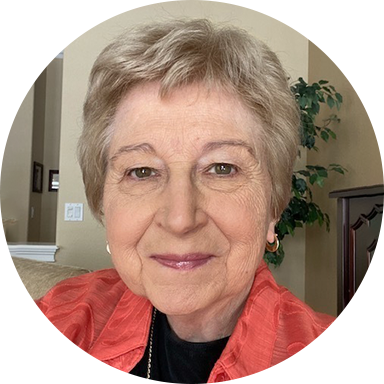
Mary Donnelly

Mary Donnelly grew up in Reno, Nevada, and studied English and French at the University of Nevada before discovering her passion for music education. After earning a Master's Degree in Education from Lesley College in Cambridge, Massachusetts, she spent thirty years teaching general music and choir in the Washoe County School District, where she focused on integrating the arts across the curriculum.

In 1985, Donnelly began collaborating with George L. O. Strid when their principal asked them to write a musical for Reading Week. That partnership sparked decades of prolific output: over two hundred songs and twenty-five musicals. Both are active members of ACDA, NEA, and ASCAP, and their work reflects a deep understanding of what resonates with young singers.

Why we love this

Donnelly and Strid have created something that feels effortless to teach but sounds polished in performance. The optional cue notes give you genuine flexibility: you can shape this as a pure 2-part piece, build it toward fuller three-part harmony, or adjust on the fly depending on your singers' readiness. Pairing a Robert Louis Stevenson poem with a lyrical melody and flowing accompaniment elevates the repertoire choices available at this level.

What to expect

Warm and reflective, with a melody that sits naturally in the voice and invites singers to connect emotionally with Stevenson's words. The flowing piano accompaniment creates a gentle, supportive landscape that keeps the focus on the singers' lines without overwhelming them.

Who it's for

This works beautifully for middle school choirs seeking literature that combines poetic substance with accessible voicing. It also suits elementary upper grades and emerging high school singers who need material that sounds mature without demanding advanced technique. The optional three-part texture makes it versatile across ability levels.

How to get the most out of it

  • Experiment with when you introduce the optional middle notes. You might keep them out entirely for the first run-through, then layer them in section by section as confidence grows.
  • Balance the vocal line against the flowing piano accompaniment by having singers think of their phrases as melodic, not rhythmic; let the piano's momentum carry the harmony underneath.
  • Shape the text through the melody rather than forcing dramatic interpretation. Stevenson's language does the emotional work, so invite singers to listen to how the music mirrors the poem's sentiment.
  • If using the PianoTrax accompaniment, rehearse with it early enough that singers internalize the tempo and feel before the final run-through.

How to use it

This pairs well with other secular choral selections for a concert focused on poetry and literature. It also makes a strong festival or contest choice, particularly for programs highlighting accessible but substantive middle school or beginning high school repertoire. Consider programming it early in your concert to establish a lyrical tone.

Skills your students will build

  • Singing sustained phrases with consistent breath support
  • Blending treble voices in two-part and three-part textures
  • Interpreting literary texts through melodic phrasing
  • Balancing vocal tone with piano accompaniment
  • Reading optional divisi notation and making in-the-moment voicing choices

You May Also Like
