
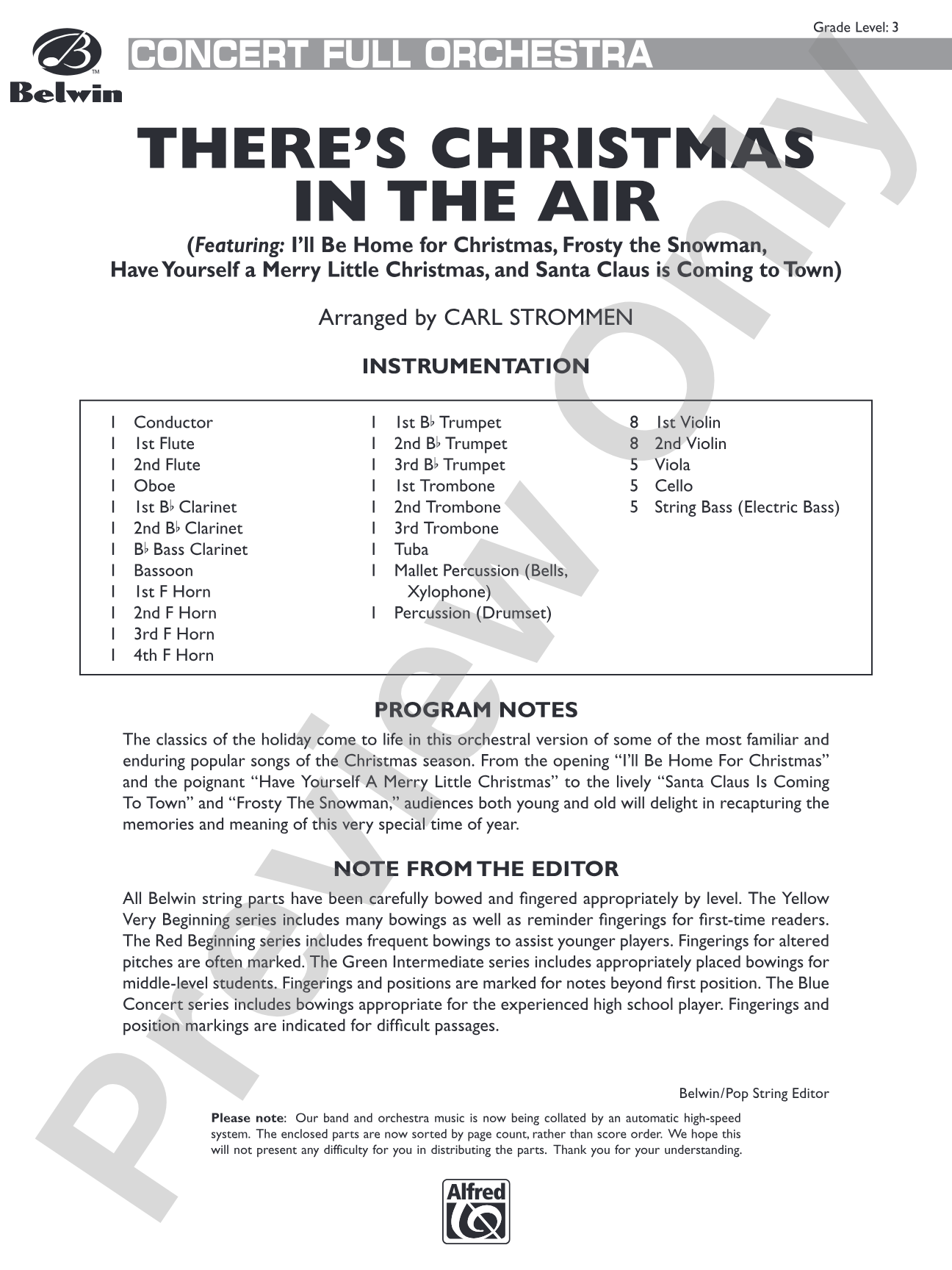
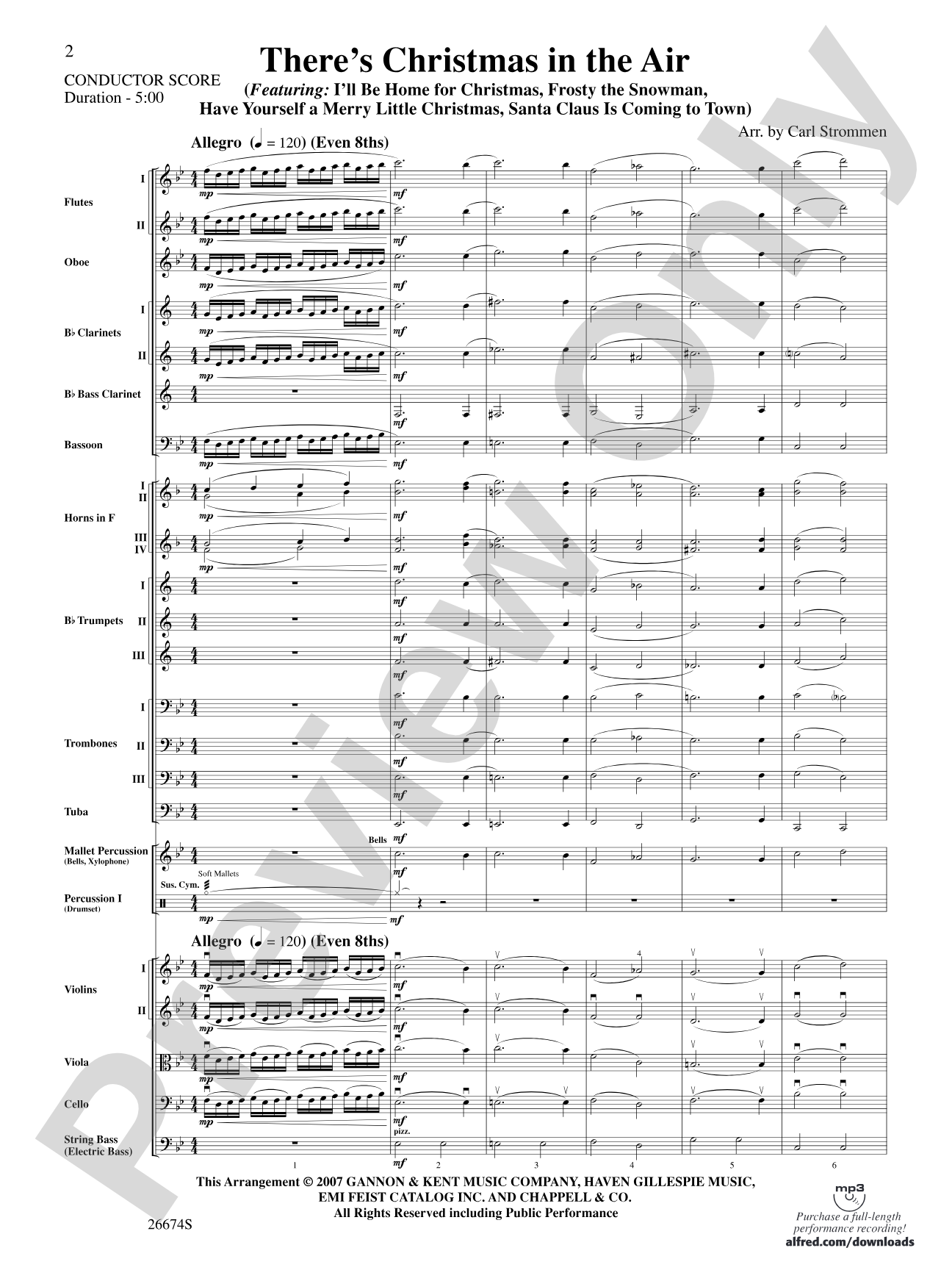
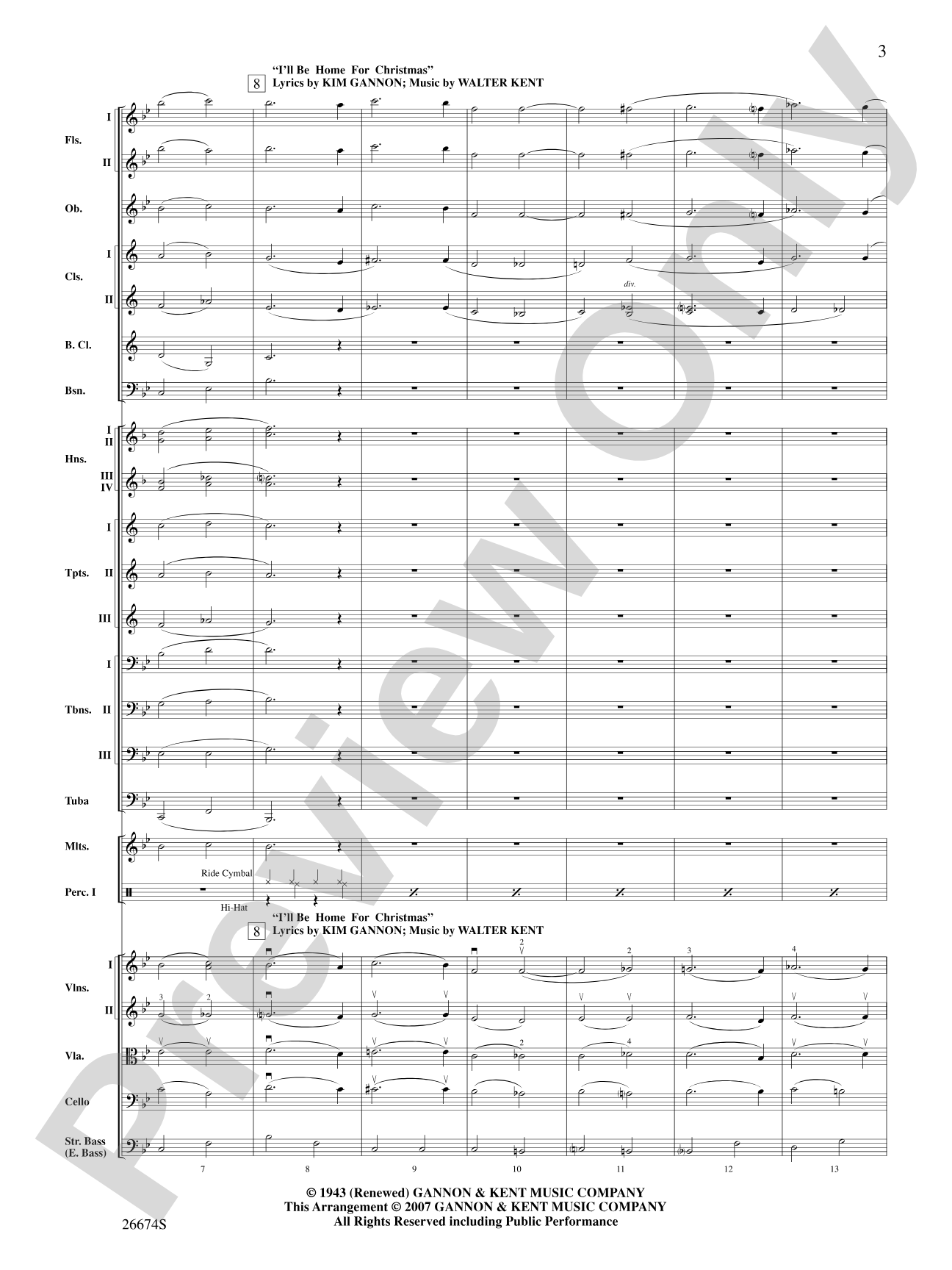
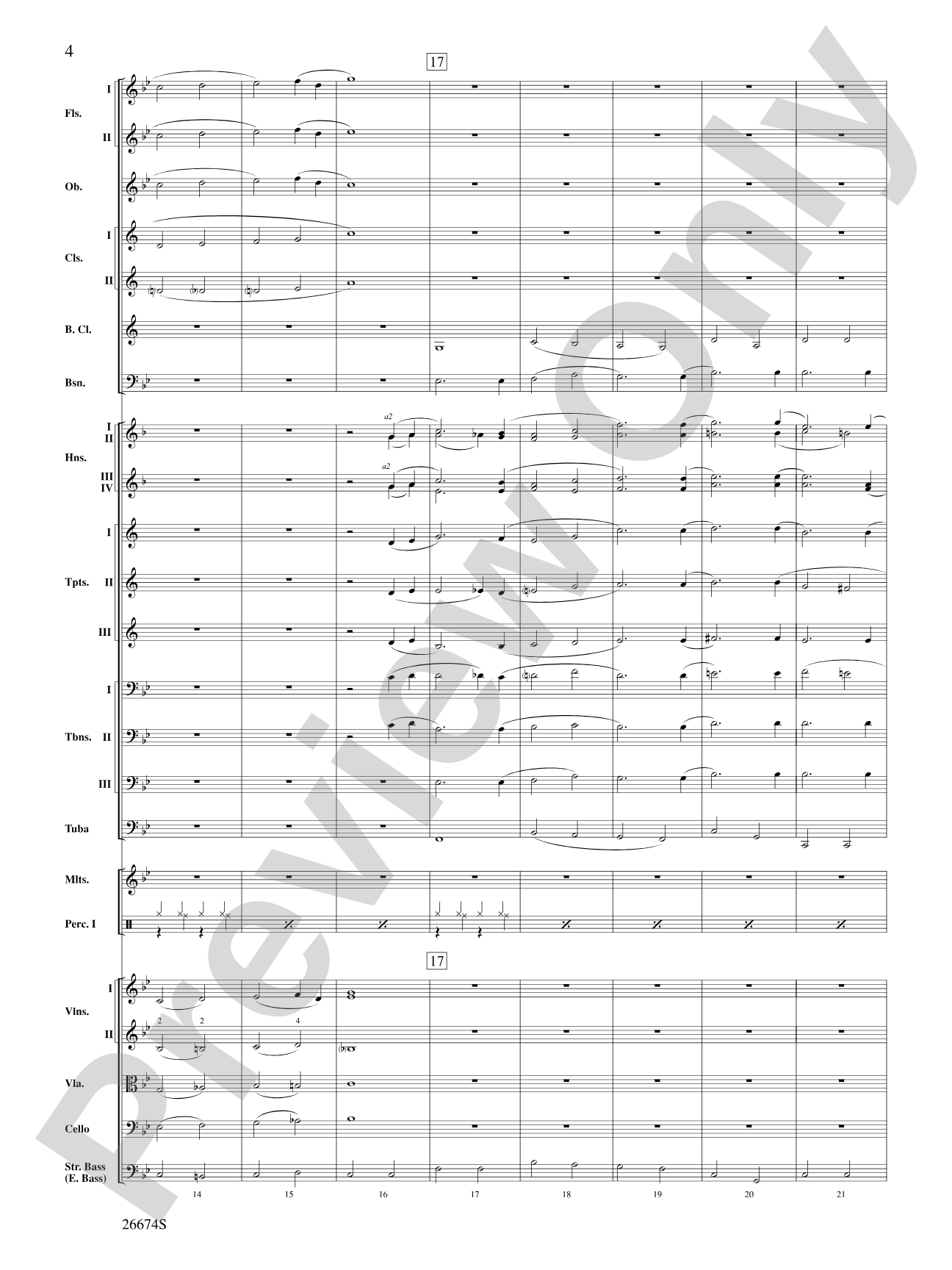
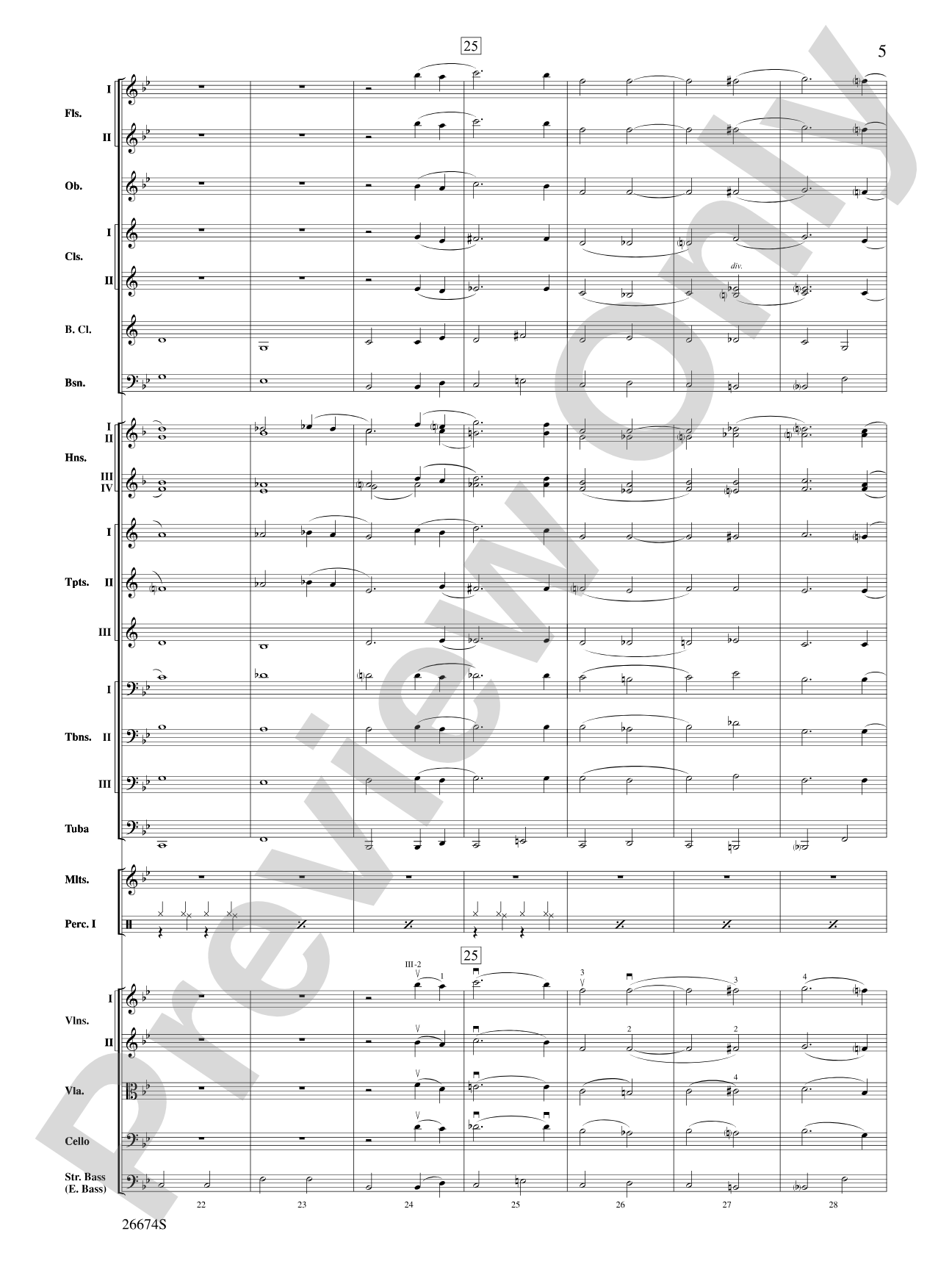
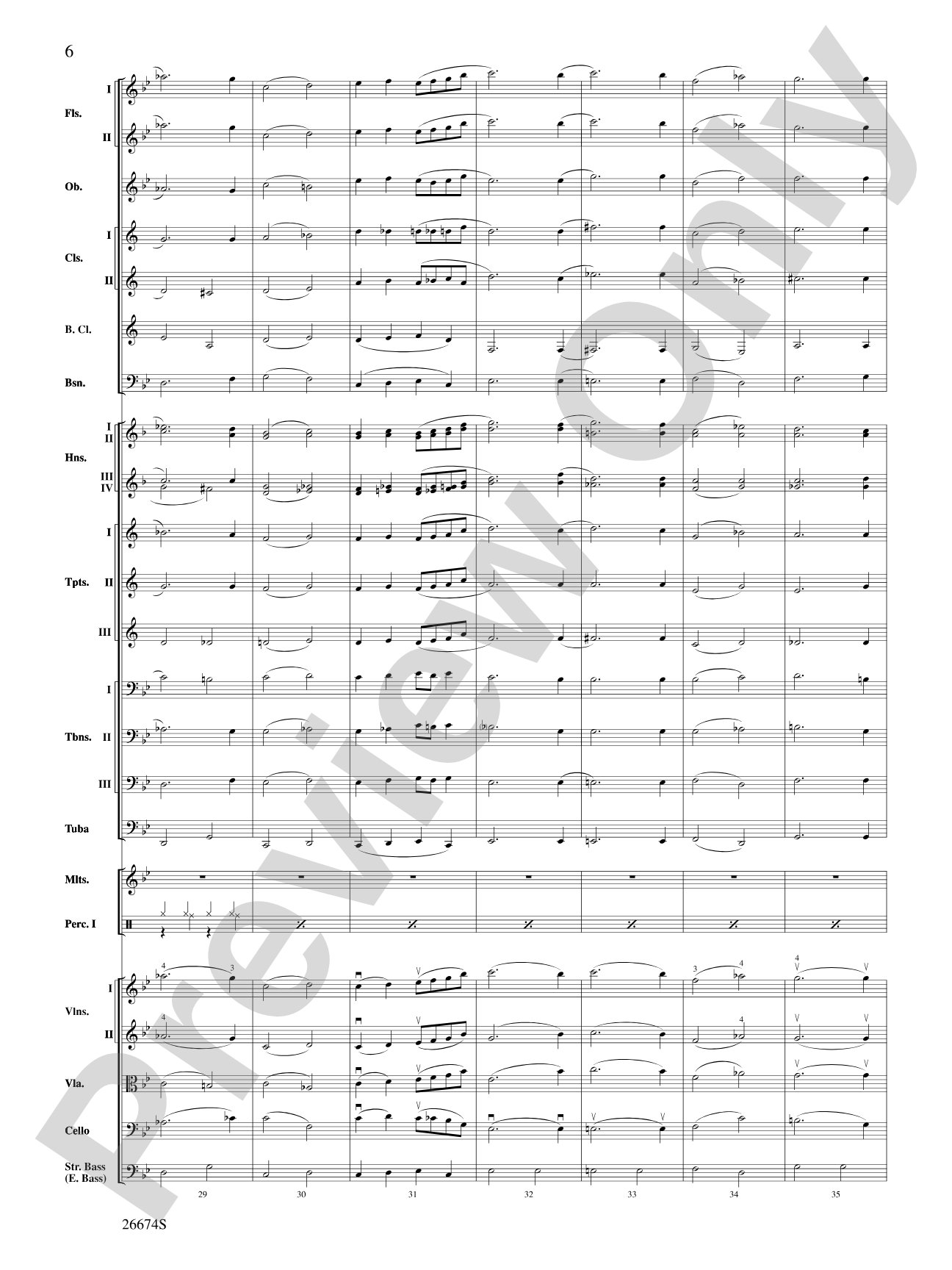
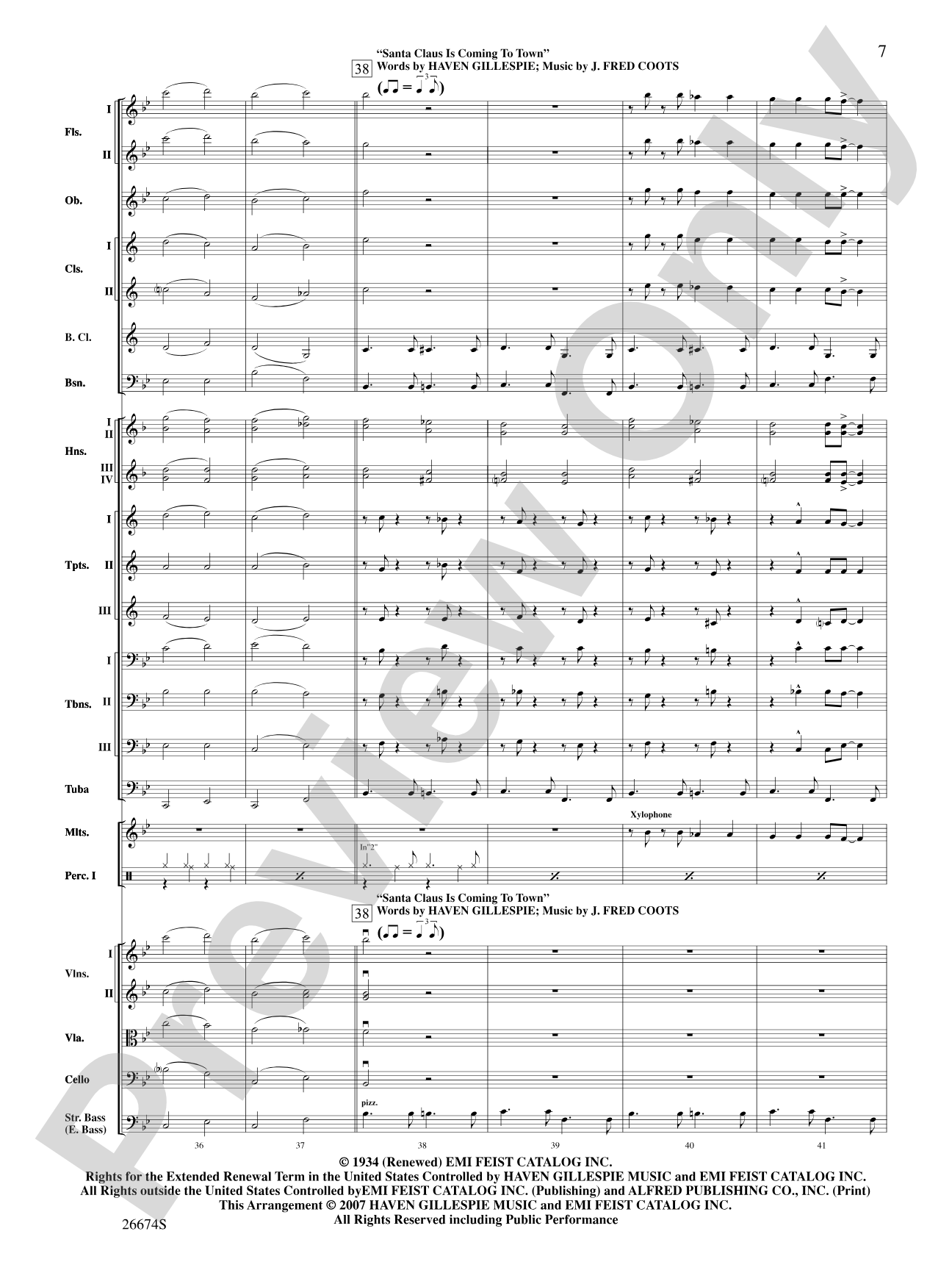
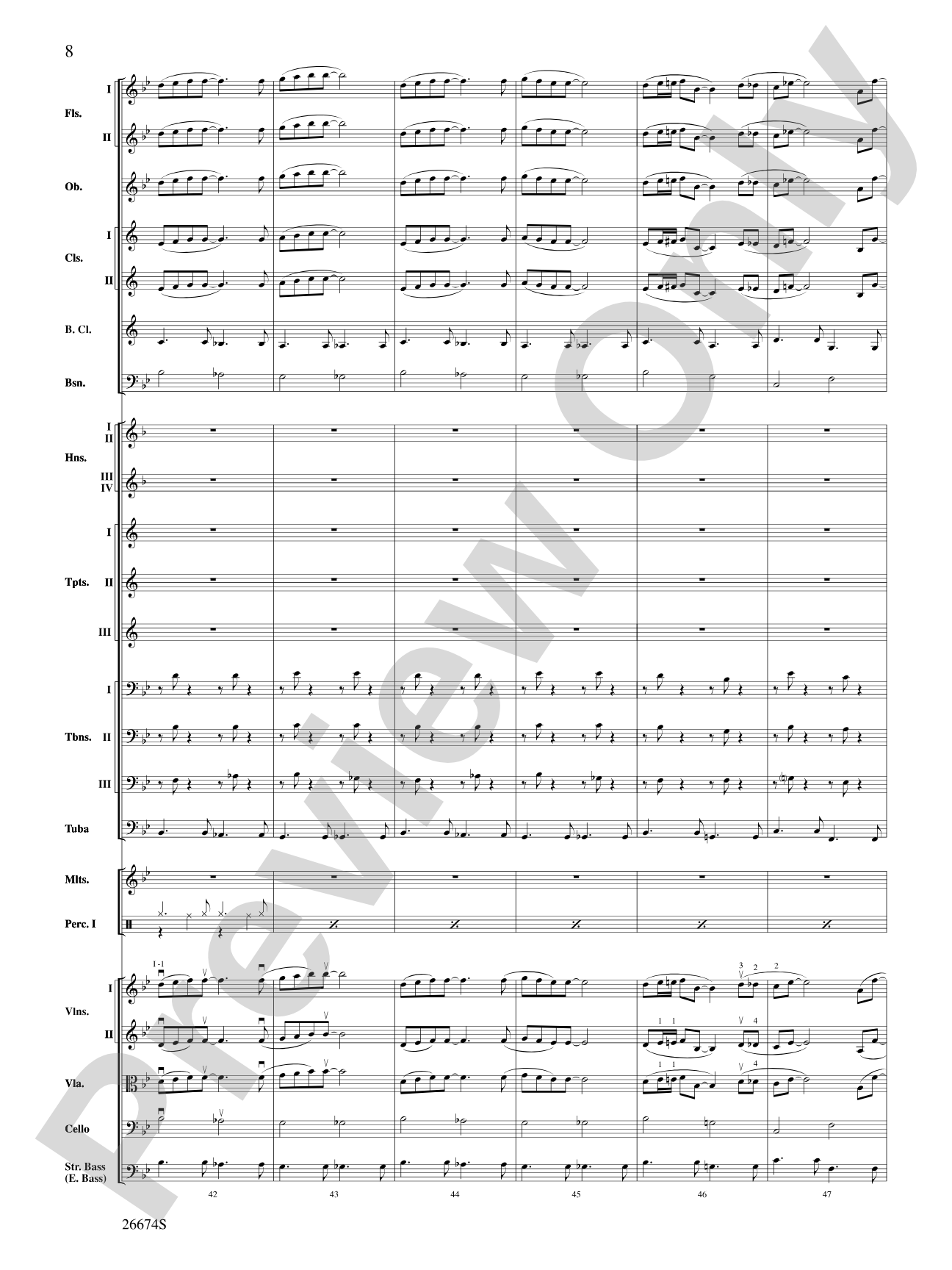
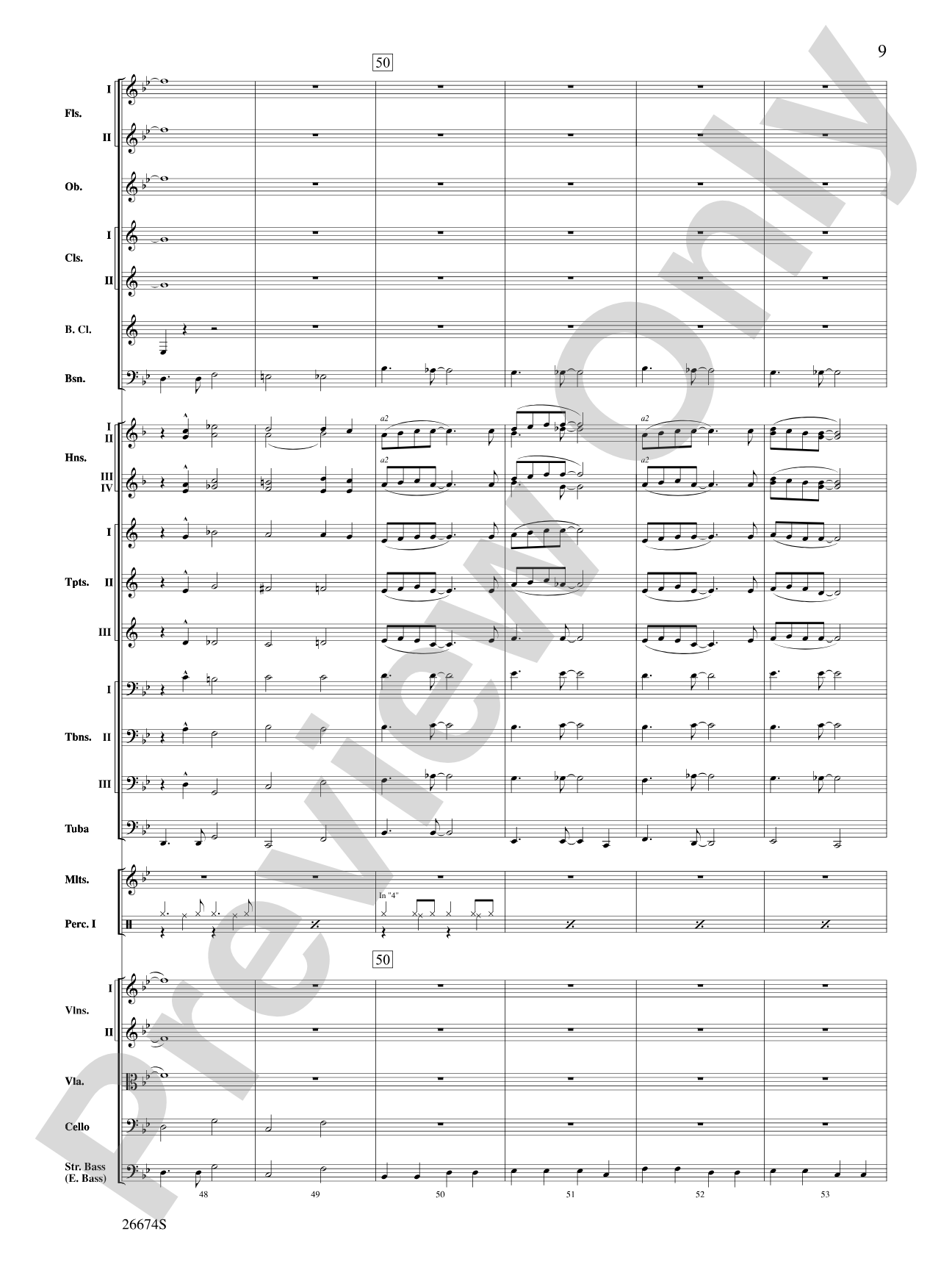
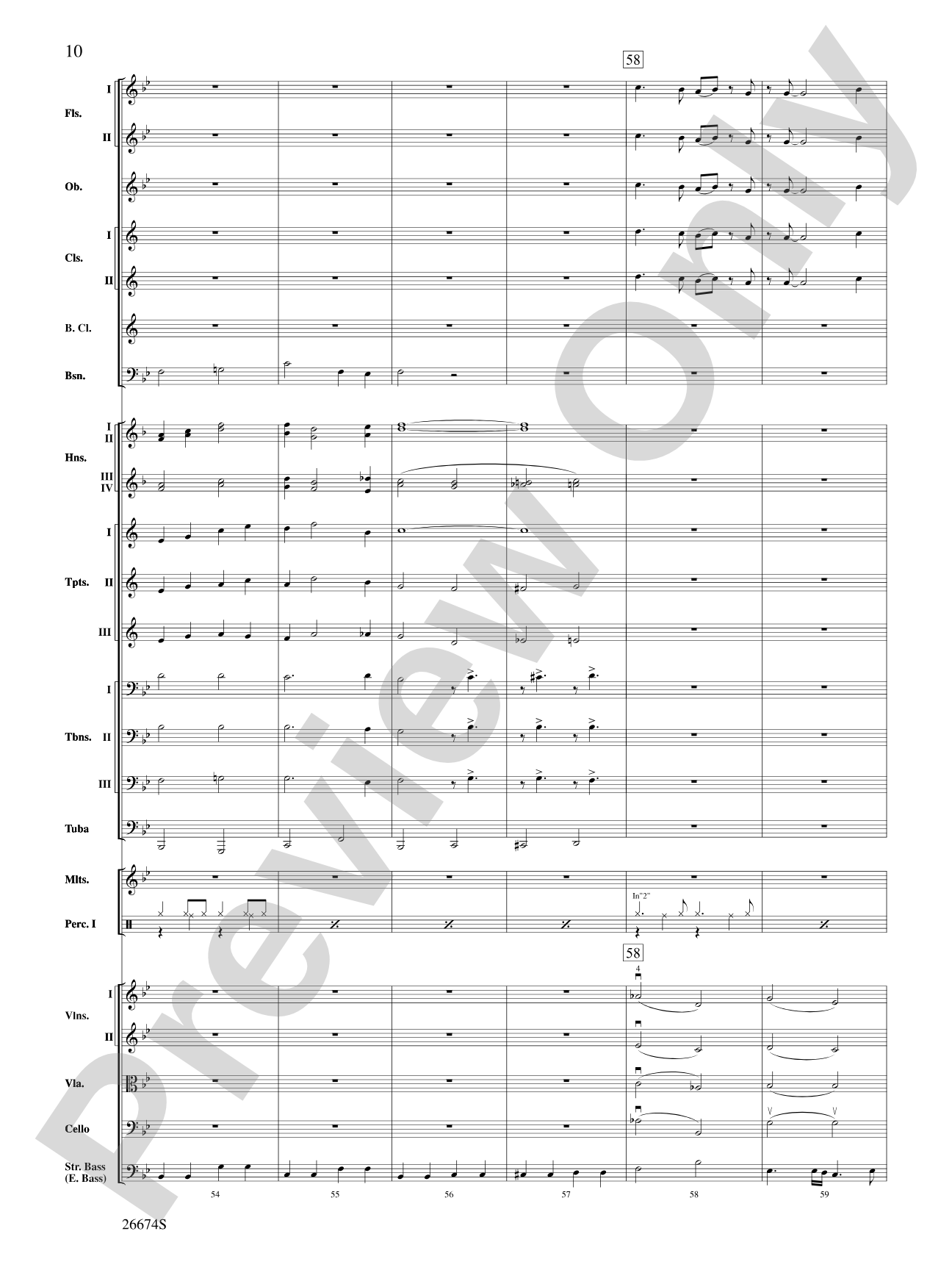
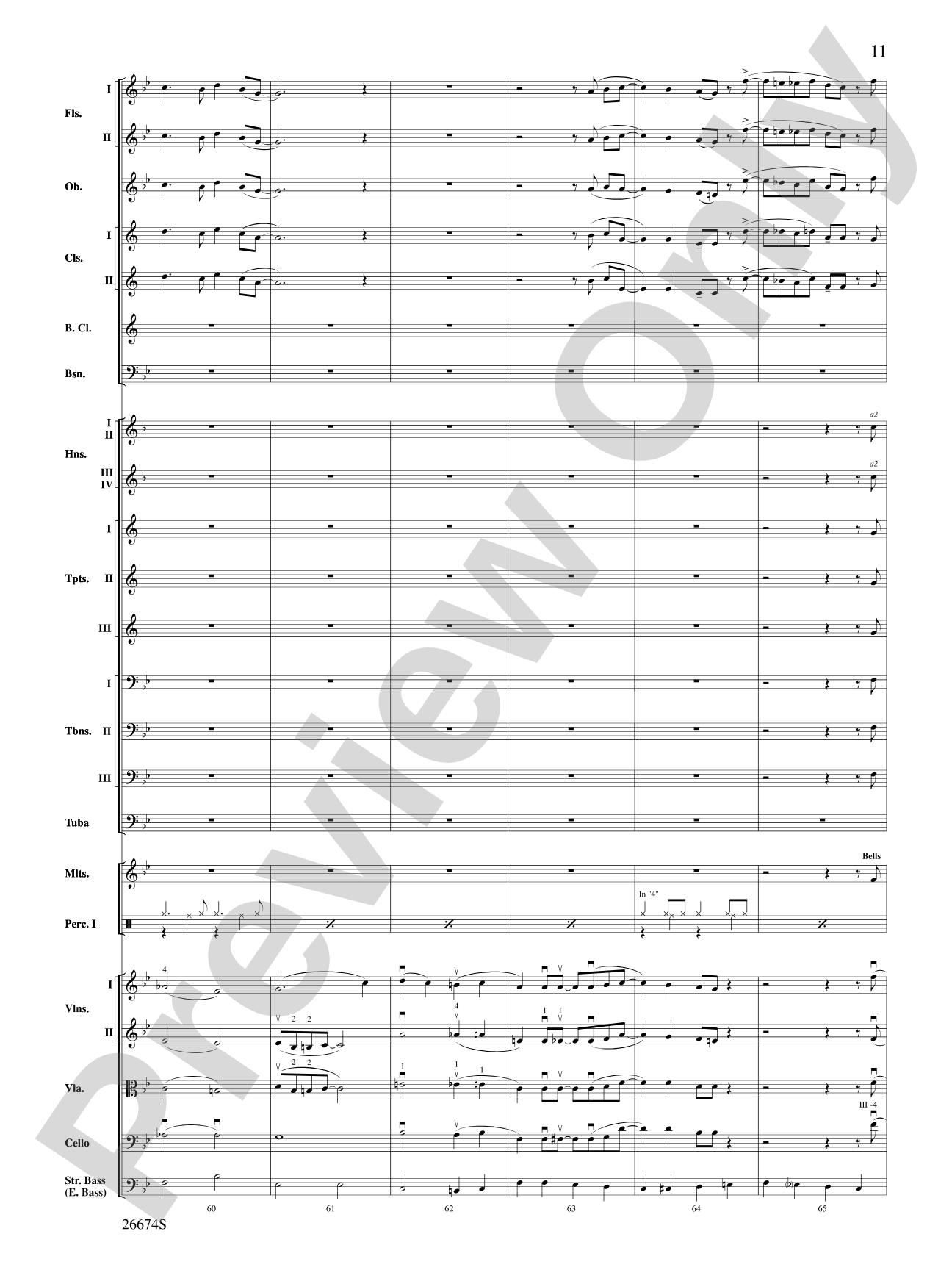
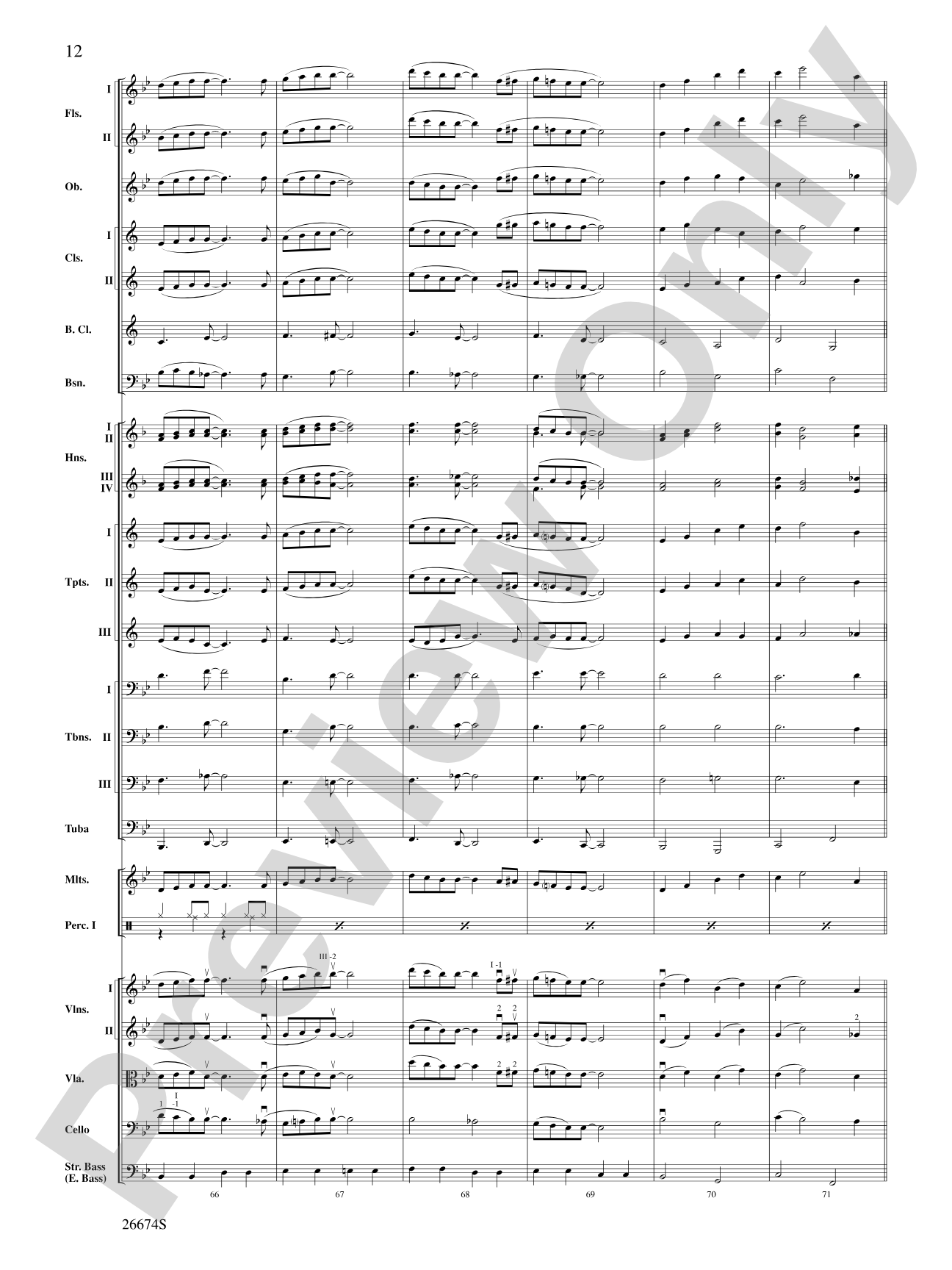
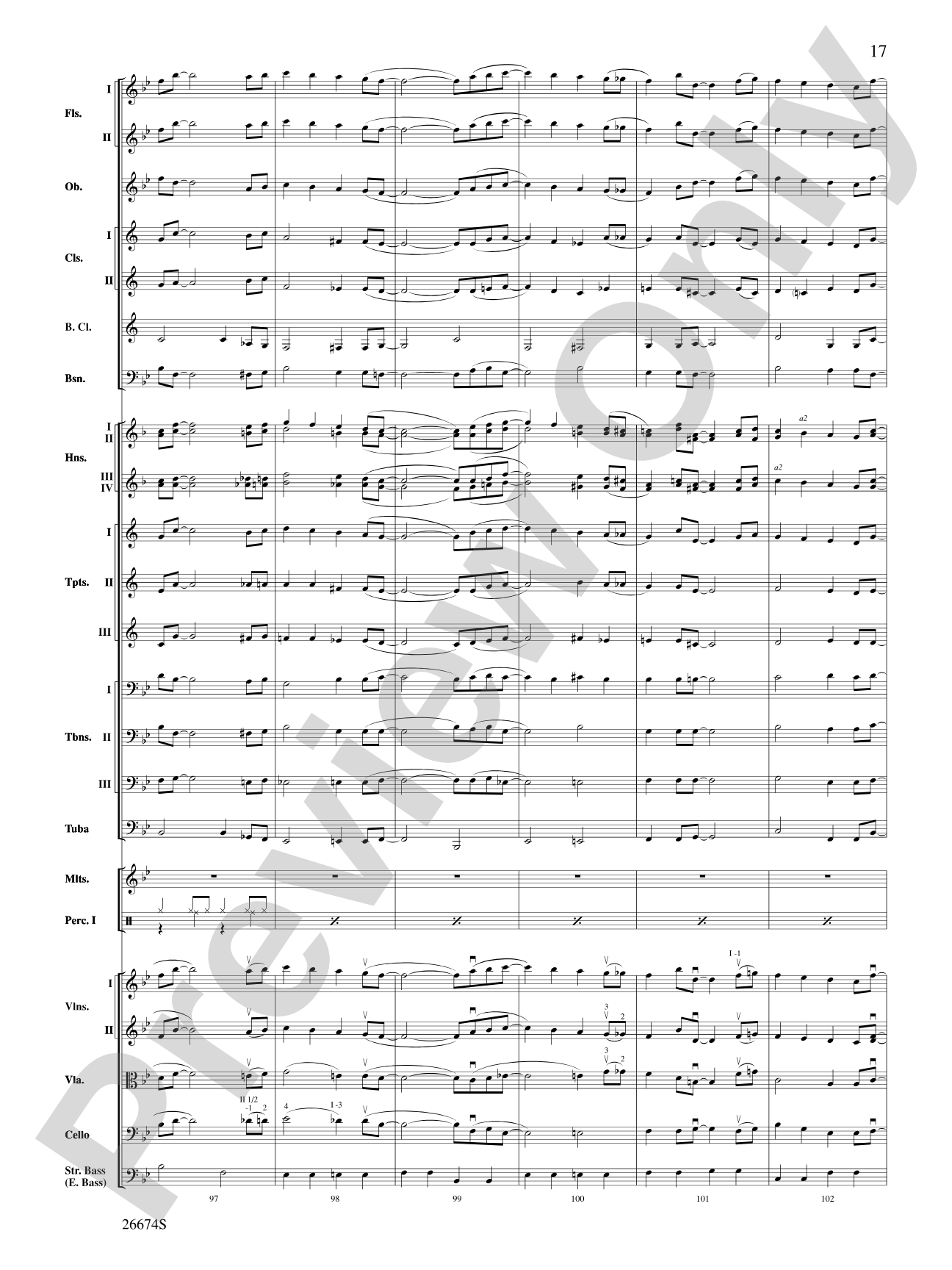
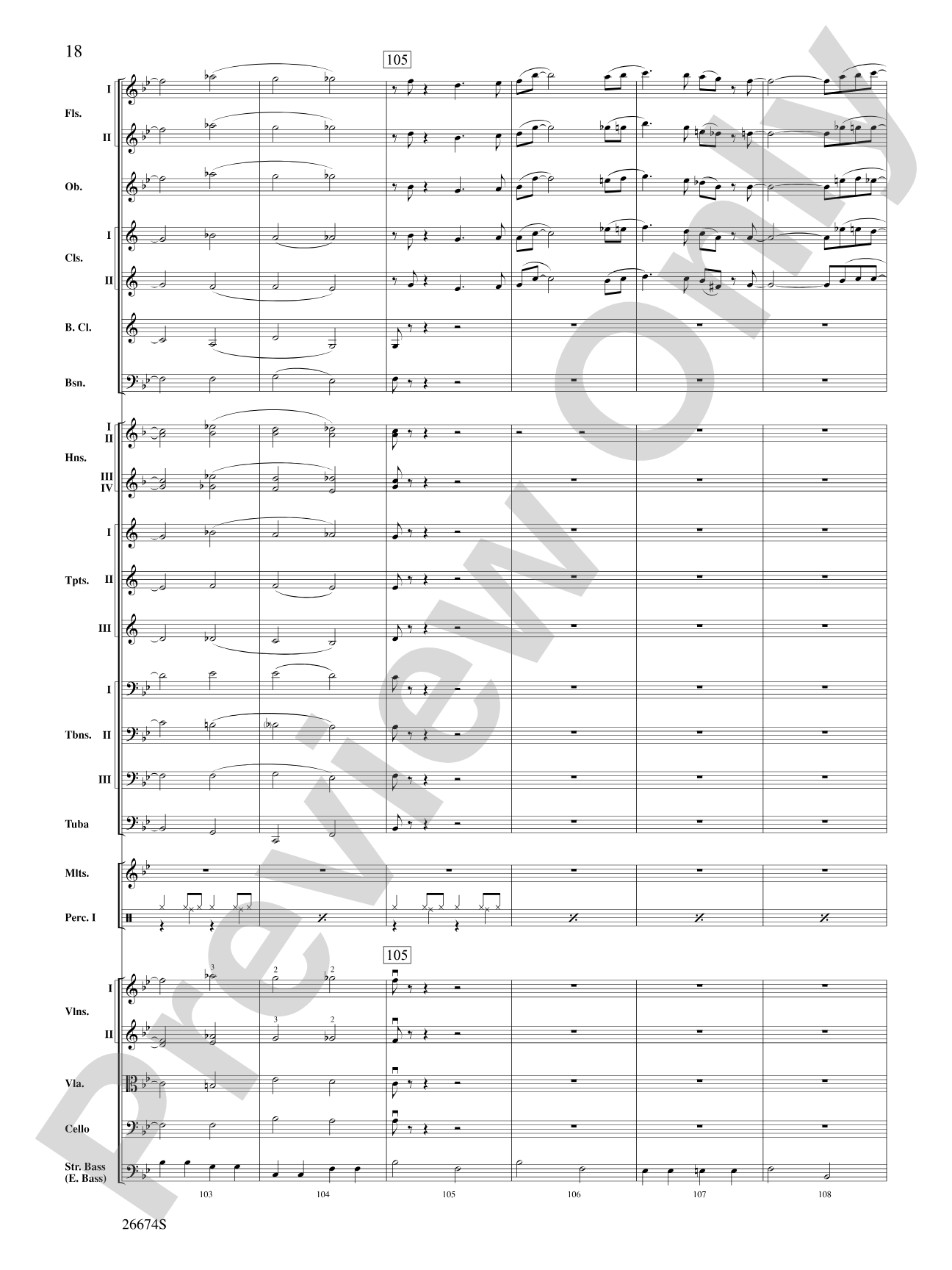
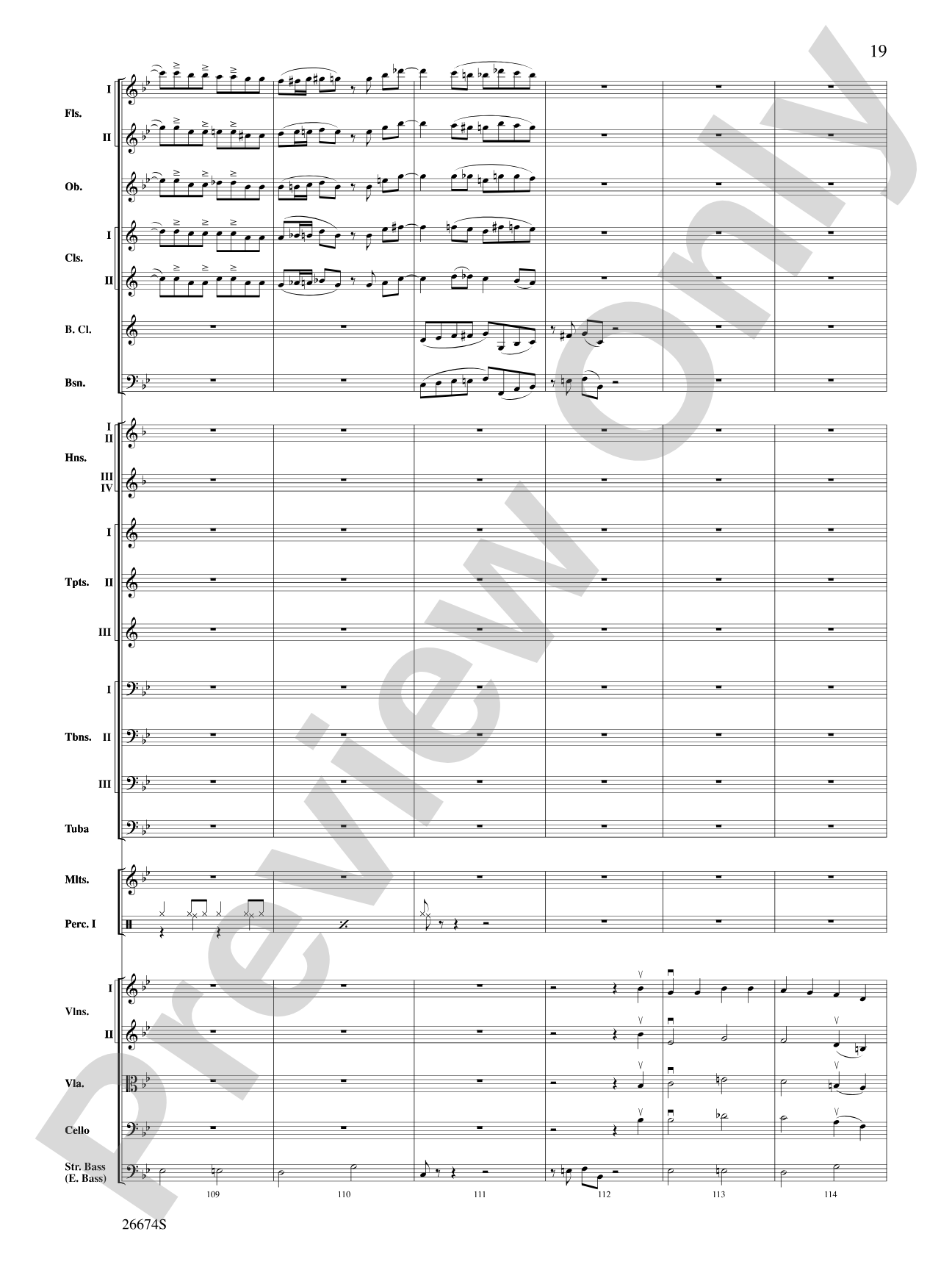
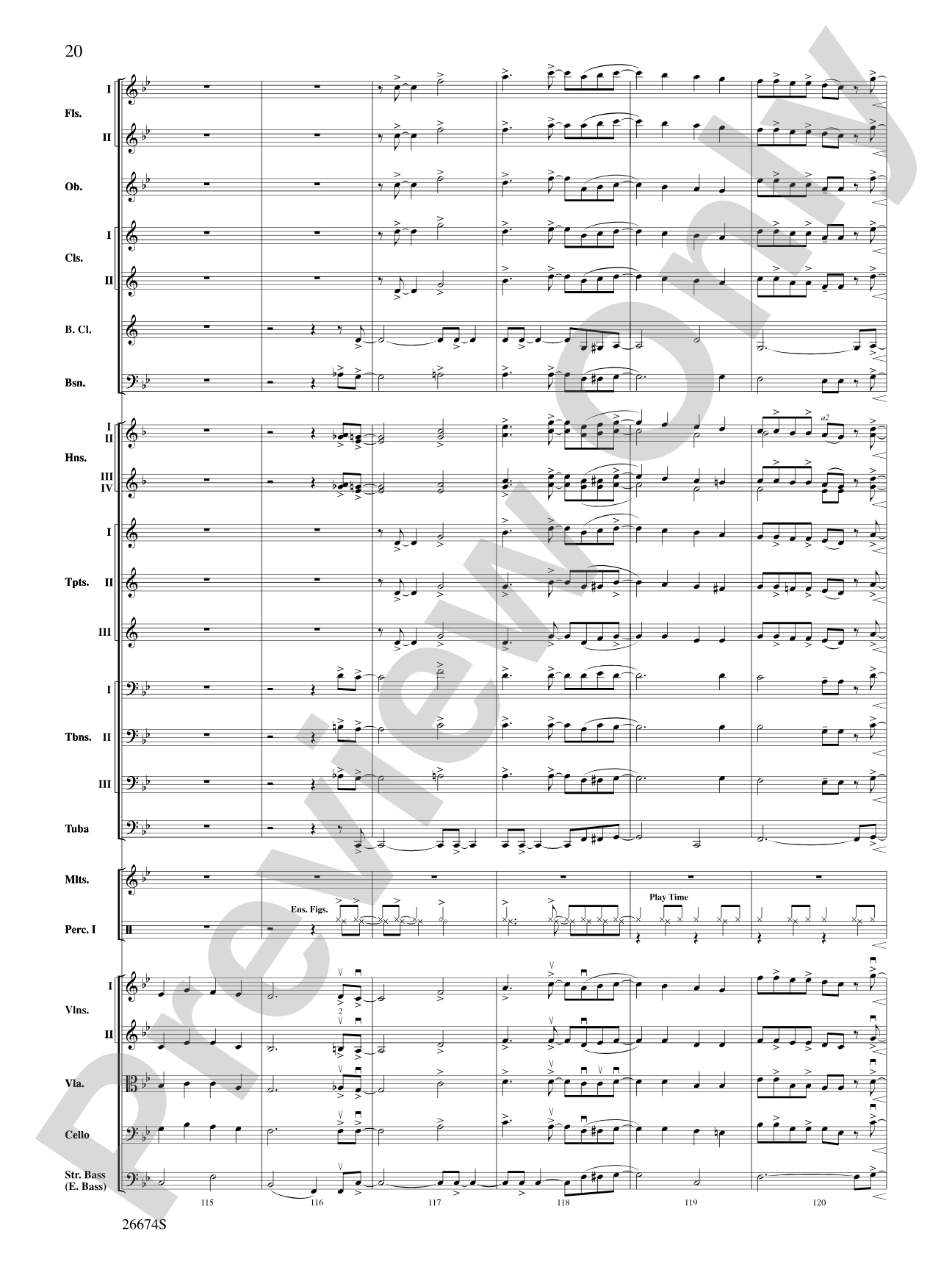
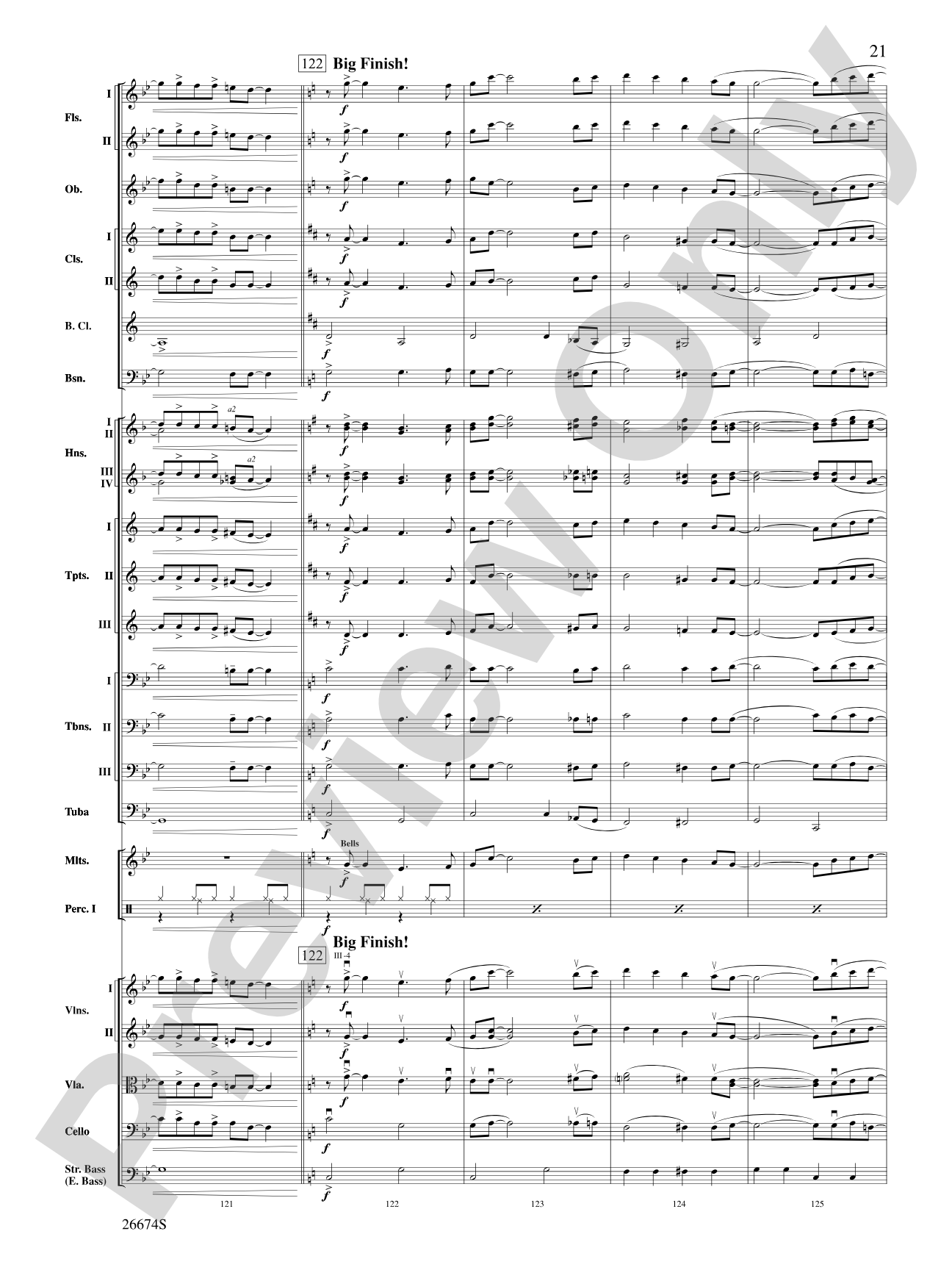
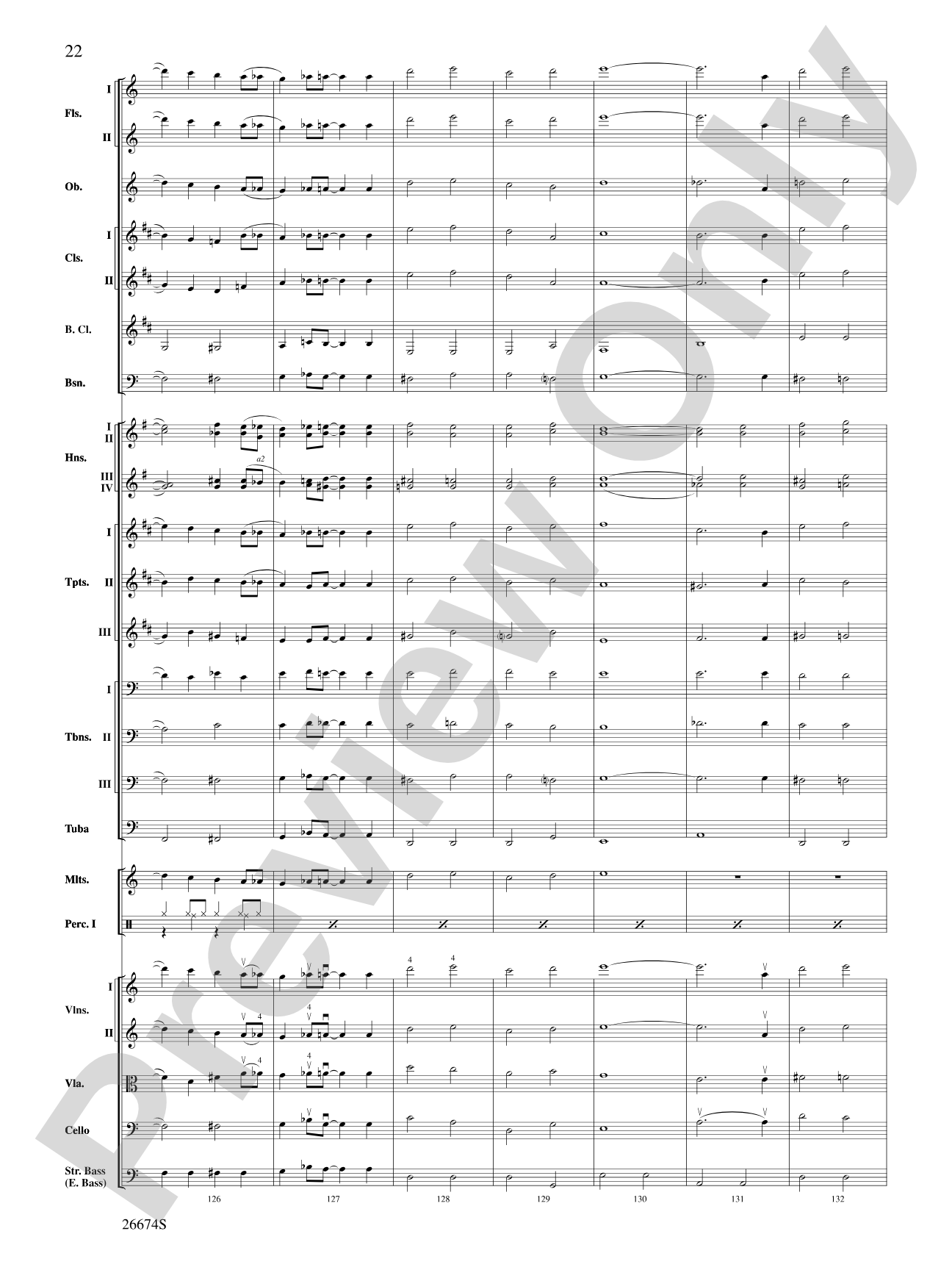
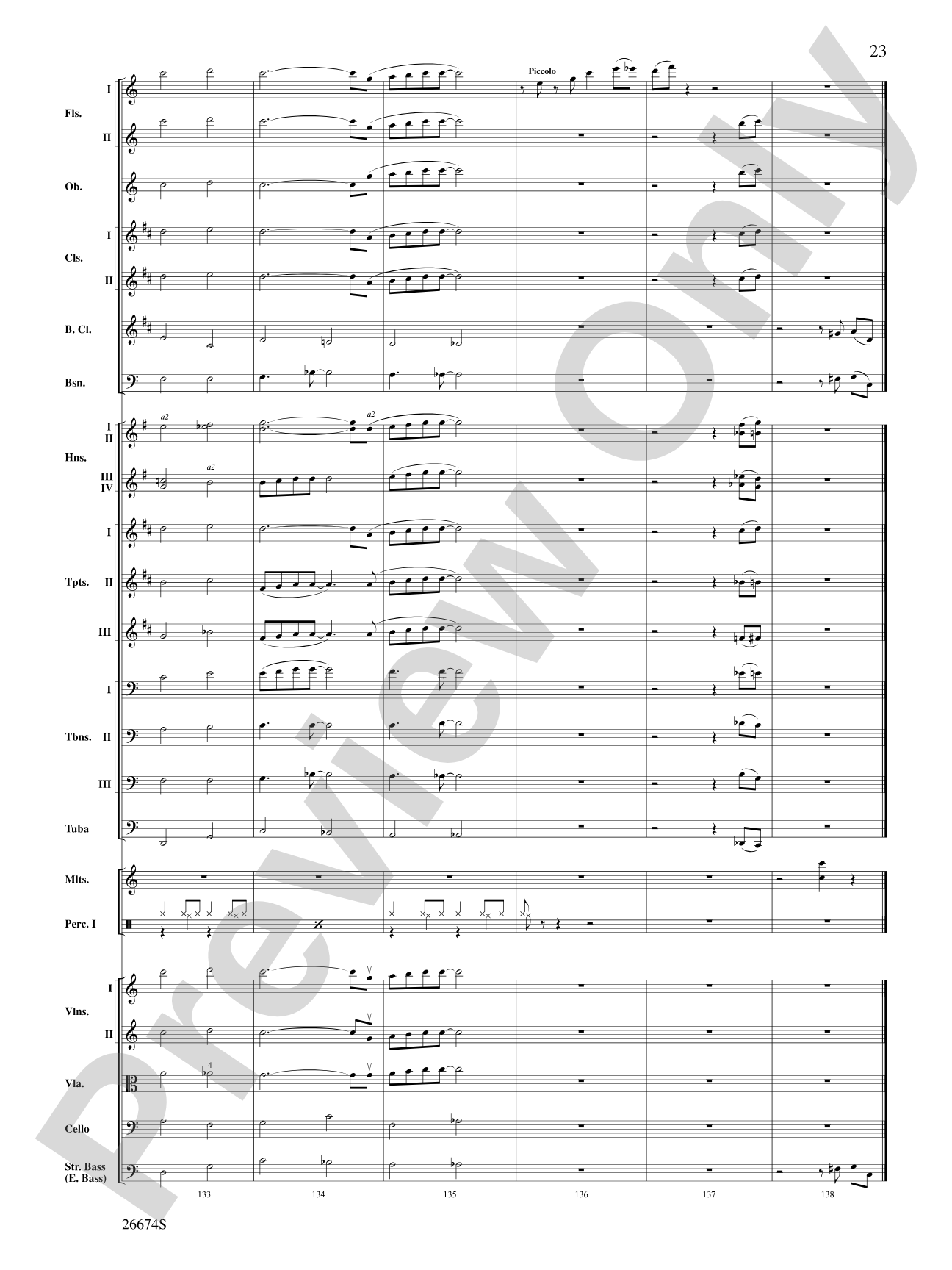


There's Christmas in the Air: Full Orchestra Conductor Score & Parts
Featuring: I'll Be Home for Christmas / Have Yourself a Merry Little Christmas / Santa Claus Is Coming to Town / Frosty the Snowman
By Kim Gannon, Walter Kent, Haven Gillespie, J. Fred Coots, Steve Nelson, Jack Rollins, Hugh Martin, and Ralph Blane / arr. Carl Strommen
Grade: 3
Item: 00-PK-0005420

$73.00
One moment…
Description
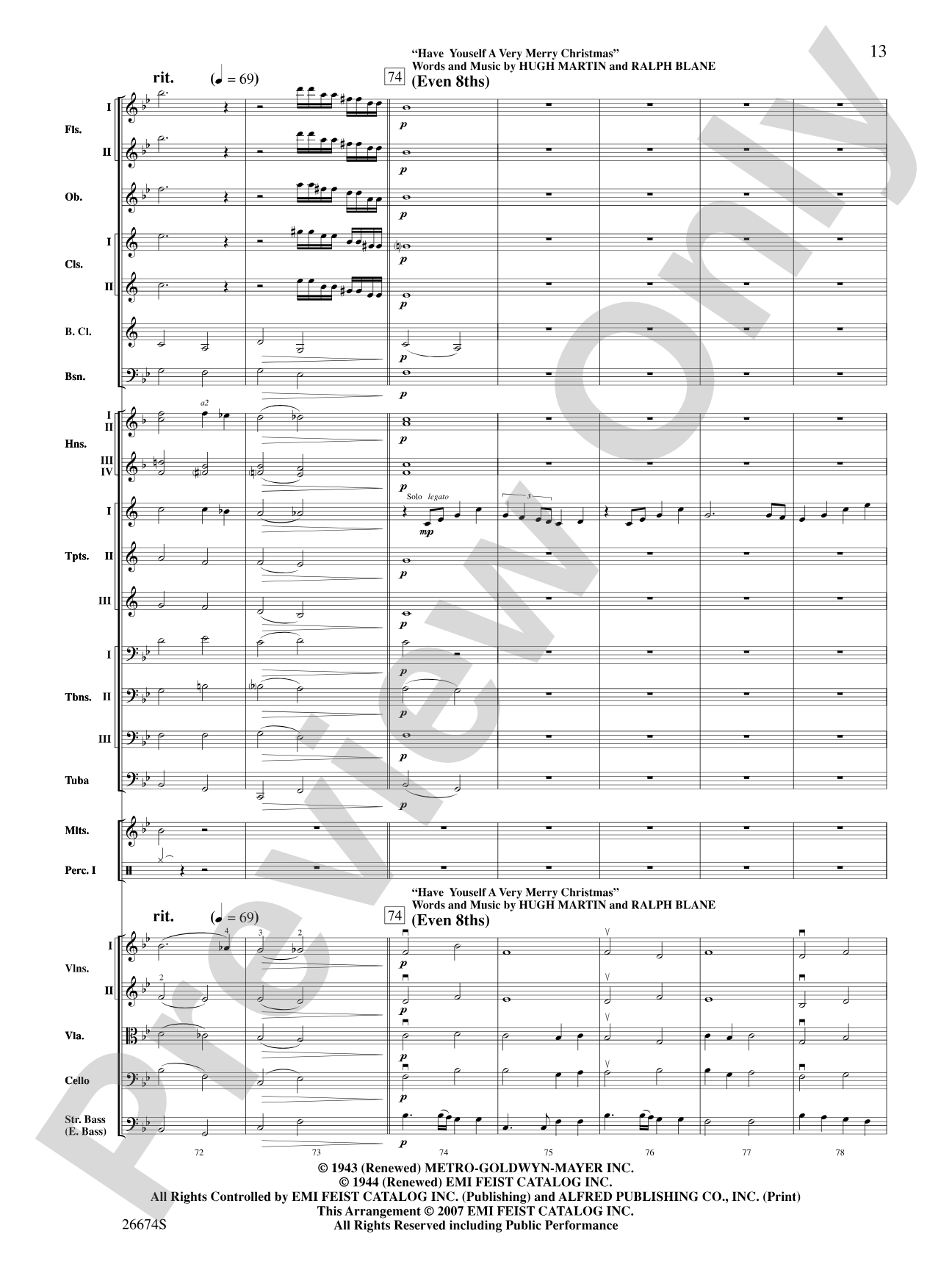
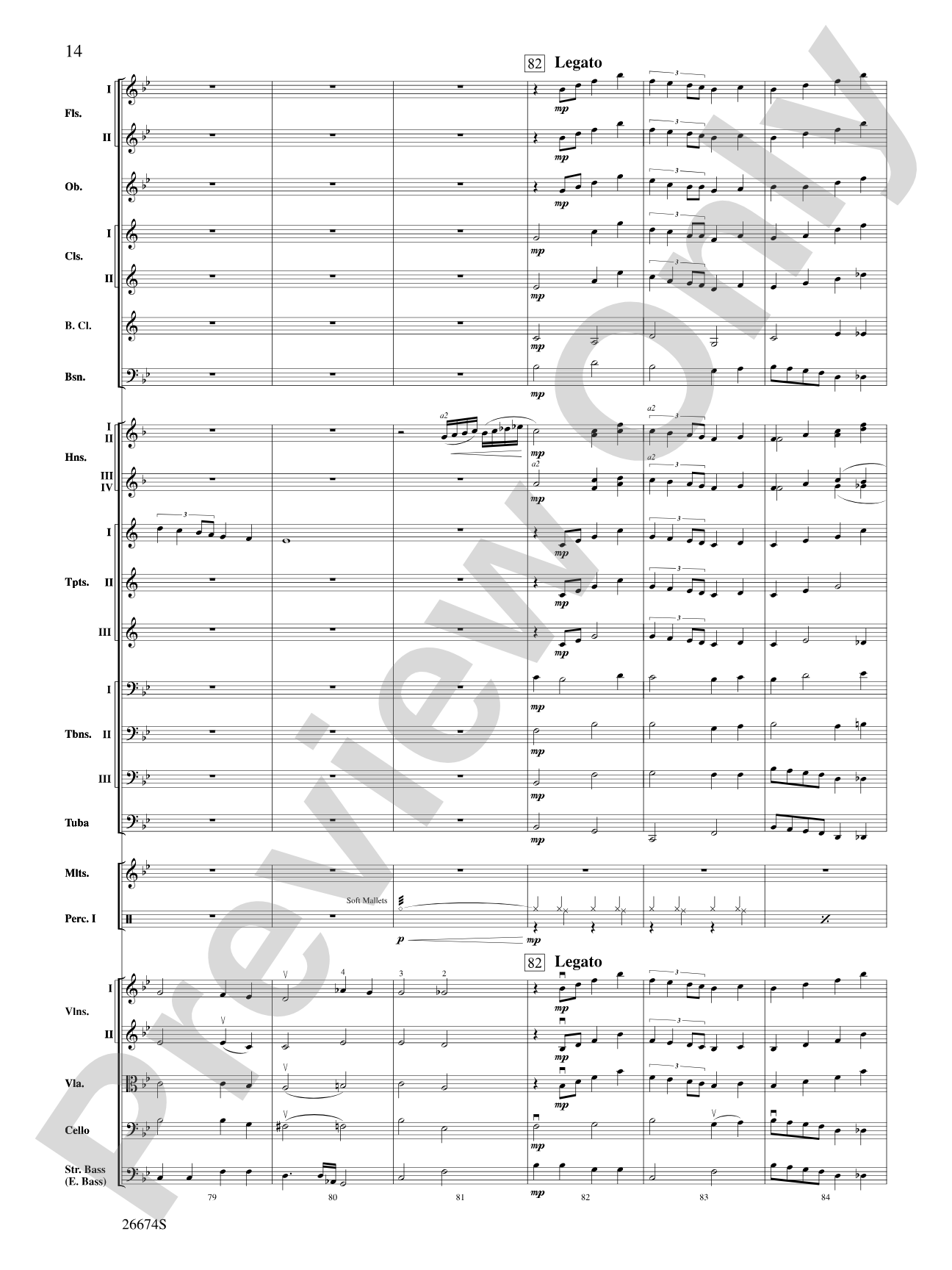
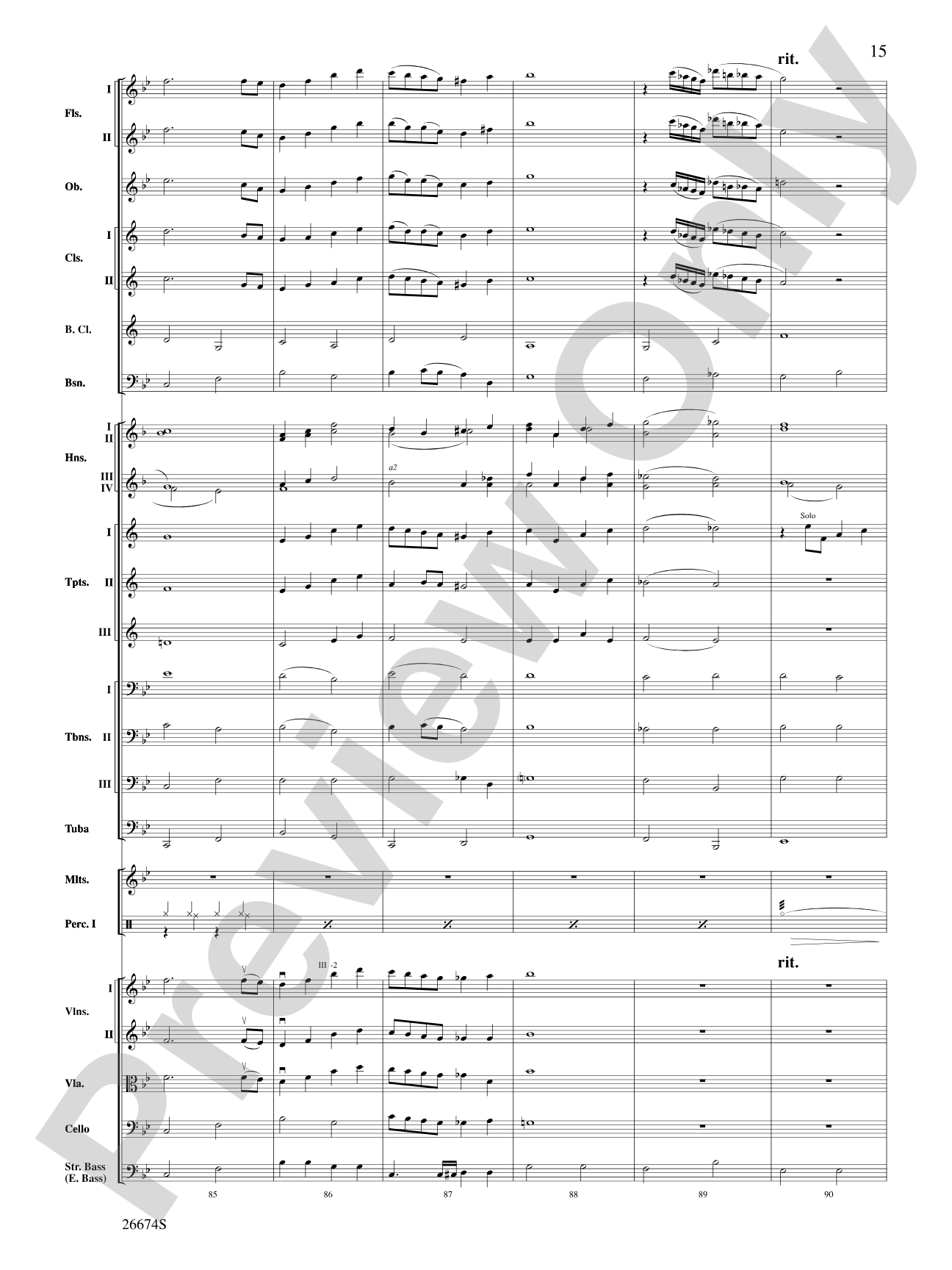
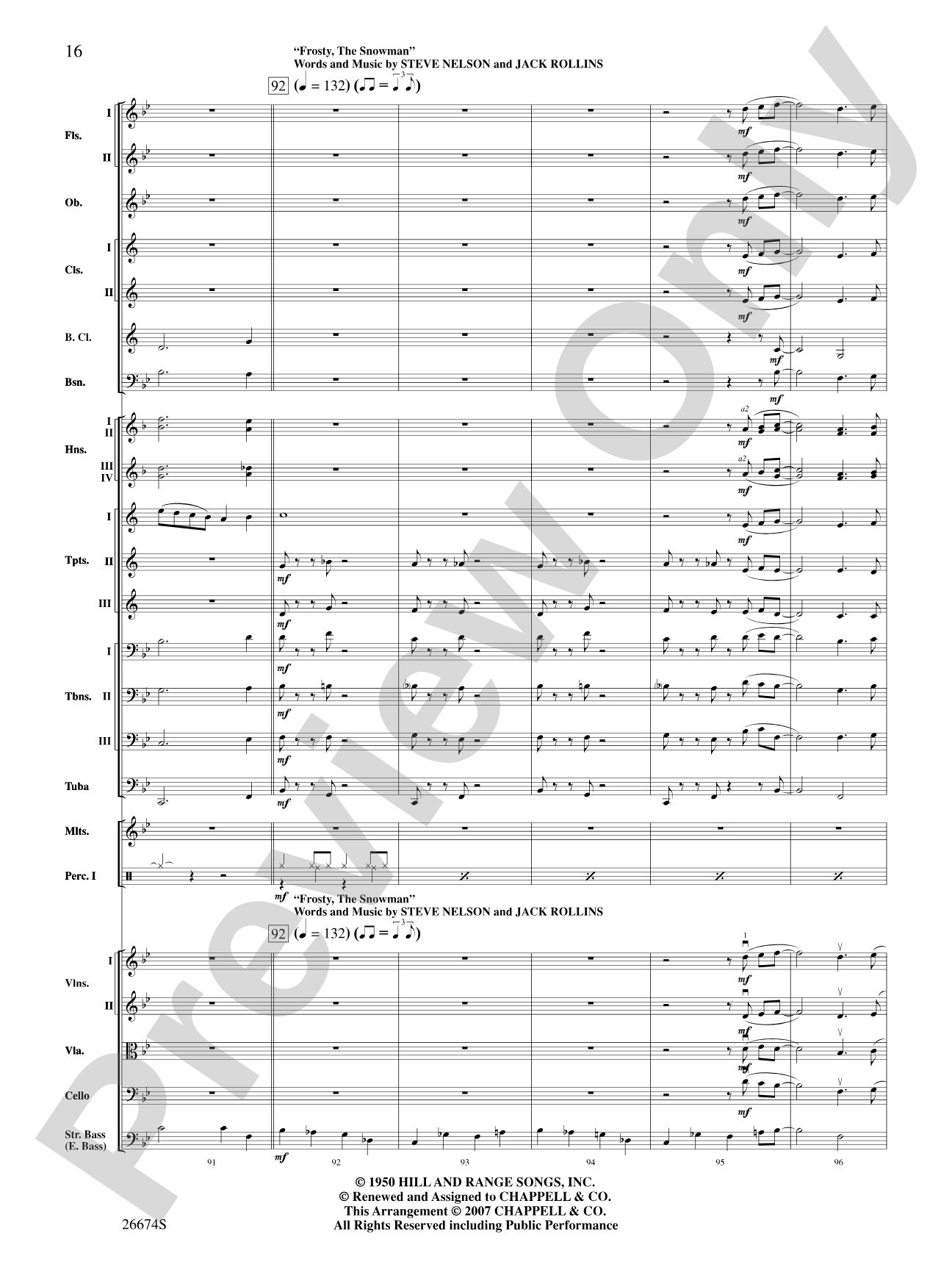
Holiday classics come to life in this orchestral version of some of the most familiar and enduring popular songs of the Christmas season. Featuring "I'll Be Home for Christmas," "Have Yourself a Merry Little Christmas," "Santa Claus Is Coming to Town," and "Frosty the Snowman." Audiences, young and old, will delight in recapturing the memories of this very special time of year. This title is available in MakeMusic Cloud.


Don't just read it, hear it, play along with it, and watch your students grow with it. In MakeMusic Cloud, There's Christmas in the Air: Full Orchestra Conductor Score & Parts comes alive with professional accompaniment, adjustable tempo, and built-in practice tools that turn solo practice into real progress.
Open in the Player
Jump straight in and assign it today.
Start Your Free Trial
Open this title and explore the full library in minutes.
Sample Audio
1
Audio File
--:--
0:00
0:00
Sample Video
Additional Details
Series:
Pop Concert Full Orchestra
Publisher:
Alfred Music
Page Count:
101
SKU:
00-PK-0005420
More about this title
About the Composer: Kim Gannon
Kim Gannon (1900-1974) was a prolific lyricist and composer whose songs became standards of American popular music. Working alongside composers like Walter Kent and Haven Gillespie, Gannon crafted lyrics that captured the warmth and nostalgia of the holiday season, creating melodies that have endured for generations. His gift for accessible, emotionally resonant songwriting made him a central figure in mid-twentieth-century popular music.
Why we love this
This collection transforms four beloved Christmas songs into fully realized orchestral arrangements at a manageable Grade 3 level, giving your orchestra the chance to tackle recognizable repertoire with genuine musical substance. The familiarity of these tunes means your ensemble can focus on ensemble balance, phrasing, and dynamic control rather than decoding unfamiliar melodies, while the orchestration provides every section meaningful material and color.
What to expect
Warm, nostalgic, and celebratory. These arrangements capture the sentimentality of classic Christmas songs while maintaining orchestral sophistication; the writing invites musicians to inhabit the emotional world of each tune rather than simply playing the notes.
Who it's for
Orchestra directors programming holiday concerts who want accessible yet substantial repertoire that engages both young musicians and audiences. This works equally well for Grade 3 high school orchestras seeking meaningful Christmas programming and for community or college orchestras looking for crowd-pleasing concert material.
How to get the most out of it
- Balance the melody against supporting voices in each arrangement; these songs live and breathe through their harmonic textures, so resist the temptation to let soloists or the top line dominate.
- Establish a steady, confident tempo early in rehearsal and hold it through the arrangement's natural ebb and flow; the Grade 3 writing rewards rhythmic clarity and precision.
- Shape each song's phrasing as if a vocalist were singing the melody, even though these are instrumental arrangements; breathing points and lyrical contours matter enormously.
How to use it
Program these as a medley or individually throughout your holiday concert; they pair well alongside traditional orchestral holiday works or as the entire second half of a winter concert. The Grade 3 accessibility makes them ideal for December performances when rehearsal time is compressed and you need music that lands with audiences without requiring months of preparation.
Skills your students will build
- Balanced orchestration and voice leading across multiple instrumental families
- Phrasing and shaping melodies with singing tone across a full ensemble
- Reading and interpreting standard orchestral textures and dynamic markings
- Ensemble coordination across changing accompaniment figures and rhythmic patterns