There's a Candle Cover Image

There's a Candle: Choral Octavo SoundTrax CD

$27.99 USD
Sale price  $27.99 USD Regular price 
Skip to product information
There's a Candle Cover Image

There's a Candle: Choral Octavo SoundTrax CD

Music by Mary Donnelly and George L. O. Strid

Item: 00-21723

$27.99
Shipped

One moment…

Description

There's a Candle: Choral Octavo SoundTrax CD isn't in MakeMusic Cloud just yet...but it could be. Let us know you'd like to see it, and you'll help shape what comes next. In the meantime, start a free trial and dive into thousands of interactive titles your students can play along with today.

Sample Pages

No sample pages found.

Sample Audio
0:00
0:00
Sample Video
Additional Details
Series: Alfred Choral Designs
Publisher: Alfred Music
UPC: 038081211176
SKU: 00-21723

More about this title

About the Composer: Mary Donnelly
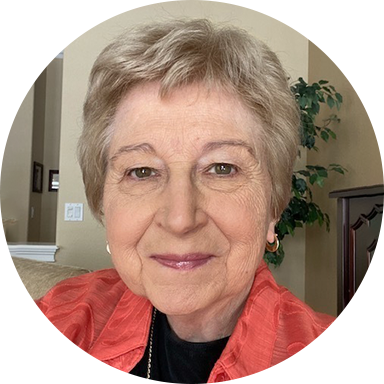
Mary Donnelly

Mary Donnelly grew up in Reno, Nevada, and initially pursued English and French at the University of Nevada, Reno. While still an undergraduate, she found herself drawn to music education after helping establish two children's choruses, a discovery that led her back to school for teacher certification. She completed a Master's Degree in Education at Lesley College in Cambridge, Massachusetts, where her coursework centered on integrating the arts across subjects. She taught general music and choir in elementary and middle schools throughout the Washoe County School District for three decades before retiring. A member of ACDA, NEA, and ASCAP, she continues to compose and arrange.

In 1985, Donnelly and George L. O. Strid began their collaborative partnership while team-teaching a sixth-grade general music class. Their principal challenged them to write a musical for Reading Week, and the result—The Million Dollar Mystery—sparked a creative relationship that has endured for decades. Together they have written over two hundred songs and twenty-five stage musicals, bringing accessible, singable music to young singers across the country.

Why we love this

This octavo captures the quiet reverence of candle-lighting traditions across multiple faiths and cultural celebrations, making it a genuinely inclusive choice for winter programming. The recorded accompaniment keeps rehearsal flexible while allowing singers to focus on blend and expression rather than fighting a piano part. It's the kind of piece that resonates long after the concert ends.

What to expect

Warmth. Contemplation. A moment of shared light in the darkness. The music moves with quiet certainty, never rushing, creating space for singers and listeners alike to sit with the universal power of flame and hope.

Who it's for

This octavo works beautifully for middle and high school choirs, community ensembles, and sacred music programs seeking repertoire that honors multiple winter traditions with equal reverence. It's accessible enough for developing singers yet sophisticated enough to reward careful musical attention from more experienced ensembles.

How to get the most out of it

  • Shape the phrasing around the emotional arc of the text rather than bar lines; let the candlelight imagery breathe between phrases
  • Use the SoundTrax accompaniment to establish tempo and harmonic foundation during early rehearsals, then gradually reduce reliance on it as singers internalize their parts
  • Balance treble and lower voices carefully in choral sections to highlight the piece's gentle character without losing definition between parts
  • Pay attention to dynamic nuance; the most powerful moments often come from restraint and control rather than volume

How to use it

Include this as a centerpiece in a multi-faith winter concert that celebrates Chanukah, Christmas, and Kwanzaa equally, or pair it with other candle-themed selections to create a thematic second half. Its accessible difficulty makes it ideal for mid-season programming when you want meaningful repertoire without extensive rehearsal time.

Skills your students will build

  • Singing with sustained legato phrasing
  • Blending treble and lower voices in close harmony
  • Interpreting text-driven dynamics and expression
  • Using recorded accompaniment to support independent part-singing

You May Also Like