The Winter Wind Cover Image

The Winter Wind: 2-Part Choral Octavo

$1.90 USD
Sale price  $1.90 USD Regular price 
Skip to product information
The Winter Wind Cover Image

The Winter Wind: 2-Part Choral Octavo

Words and music by Mary Donnelly and George L. O. Strid

Item: 00-45376

makemusic Cloud badge

Need it now?

Buy Digital Version
$1.90
Shipped

One moment…

Description
A delicate piano accompaniment and a chromatic flute obbligato set the wintry scene for this evocative treble choral with no mention of the holidays. Both the topic and tessitura are perfect for younger singers. A final Picardy third symbolizes the arrival of spring.

Don't just read it, hear it, play along with it, and watch your students grow with it. In MakeMusic Cloud, The Winter Wind: 2-Part Choral Octavo comes alive with professional accompaniment, adjustable tempo, and built-in practice tools that turn solo practice into real progress.

Sample Pages

Sample Audio
0:00
0:00
Sample Video
Additional Details
Series: Alfred Choral Designs
Publisher: Alfred Music
Page Count: 12
UPC: 038081511160
SKU: 00-45376
Instrumentation: with Flute Obbligato

More about this title

About the Composer: Mary Donnelly
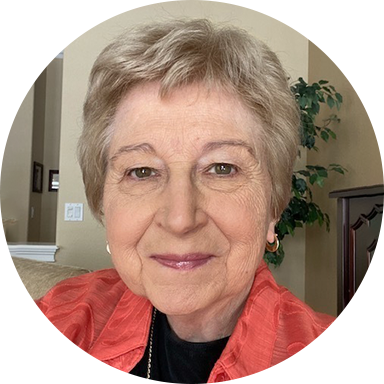
Mary Donnelly

Mary Donnelly grew up in Reno, Nevada, and initially pursued degrees in English and French at the University of Nevada, Reno. During her undergraduate years, she discovered her passion for music education by organizing children's choruses, which prompted her to return to school for music certification and eventually earn a Master's Degree in Education from Lesley College in Cambridge, Massachusetts, with a focus on arts integration.

In 1985, Donnelly began a prolific collaborative partnership with George L. O. Strid when they team-taught a sixth-grade general music class. Their principal's request to write a musical for Reading Week launched a creative career spanning over two hundred songs and twenty-five musicals. After thirty years of teaching general music and choir in the Washoe County School District, Donnelly retired while maintaining active membership in ACDA, NEA, and ASCAP.

Why we love this

The chromatic flute obbligato elevates this piece beyond typical treble repertoire, giving your advanced instrumentalists a genuine showcase while keeping vocal demands accessible for younger singers. The harmonic surprise of the Picardy third finale creates a memorable moment that sparks meaningful conversation about key relationships and compositional intent.

What to expect

Crystalline and contemplative, this piece captures winter's quiet beauty through its delicate piano writing and the drifting chromatic flute that suggests wind and frost. The unexpected major-key resolution arrives like a first warm day, creating an emotional arc that feels both intimate and hopeful.

Who it's for

This piece suits middle school choirs and upper elementary ensembles with treble voices, particularly programs that want to include an instrumentalist without overwhelming younger singers. Directors seeking non-holiday winter repertoire with literary merit will find this a thoughtful choice for concert and festival settings.

How to get the most out of it

  • Balance the flute obbligato so it weaves through the vocal lines rather than competing; the delicate piano accompaniment sets an intimate soundscape that allows even modest instrumental playing to register.
  • Shape the chromatic flute line with clear phrasing to reinforce the wintry imagery; treat it as a character in the story rather than mere decoration.
  • Prepare singers for the final harmonic shift by rehearsing the Picardy third in isolation, then contextualizing it as a symbolic warming and transition into spring.

How to use it

Position this as a feature for your flutist during a winter or seasonal concert, pairing it with other short works to build a thematic program around nature and change. Its accessible vocal writing makes it ideal for a mixed programming approach where you showcase both singers and musicians without requiring advanced choral technique.

Skills your students will build

  • Blending voices in a 2-part texture with independent instrumental accompaniment
  • Phrasing expressive lines with dynamic subtlety in a slower tempo
  • Understanding harmonic color and the effect of chromatic voice-leading
  • Singing with pitch security when accompanied by chromatic rather than strictly harmonic instrumental writing
  • Recognizing and contextualizing unexpected harmonic shifts (Picardy third)

You May Also Like
