The Wheel Cover Image

The Wheel: SSAATTBB Choral Octavo

$3.50 USD
Sale price  $3.50 USD Regular price 
Skip to product information
The Wheel Cover Image

The Wheel: SSAATTBB Choral Octavo

Music by Dave Brubeck, poem by Wendell Berry

Item: 00-32723

$3.50
Shipped

One moment…

Description

The Wheel: SSAATTBB Choral Octavo isn't in MakeMusic Cloud just yet...but it could be. Let us know you'd like to see it, and you'll help shape what comes next. In the meantime, start a free trial and dive into thousands of interactive titles your students can play along with today.

Sample Pages

Sample Audio
No sample audio found.
Sample Video
Additional Details
Series: Lawson-Gould: The Dave Brubeck Series
Publisher: Alfred Music
Page Count: 24
UPC: 038081356075
SKU: 00-32723

More about this title

About the Composer: Dave Brubeck
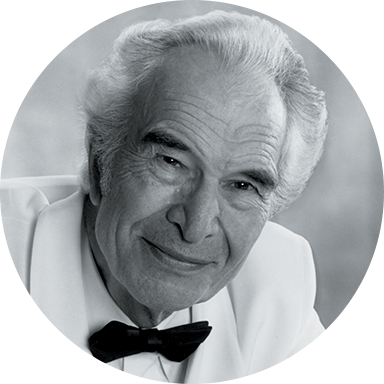
Dave Brubeck

Dave Brubeck brought the language of jazz into the concert hall with the same conviction he brought to the piano. A classically trained musician who studied with Darius Milhaud at Mills College, Brubeck refused the false choice between jazz improvisation and composed art music, weaving both into symphonies, chamber works, ballets, and choral pieces. His 1959 album "Time Out" became the first jazz recording to sell over a million copies, and his composition "Take Five" remains one of the most recognizable pieces in American music.

Beyond his groundbreaking artistry, Brubeck was a pioneering figure in civil rights, actively working to break racial barriers in mid-century America. His sacred and secular choral works, including the mass "To Hope!" and the oratorios "The Voice of the Holy Spirit" and "Beloved Son," have been performed and recorded internationally. He received the Presidential Medal of the Arts from President Clinton, a Grammy Lifetime Achievement Award, and in 2007 was honored with a lifetime achievement award by the London Symphony Orchestra.

Why we love this

Brubeck's choral writing carries the rhythmic sophistication and harmonic color he pioneered in jazz, yet remains fully accessible to mixed choir singers. This octavo gives your ensemble a chance to inhabit a distinctly American voice that sits comfortably between jazz idiom and concert music, something rarely found at this level with this much musical substance.

What to expect

The music carries a conversational warmth, with voices trading ideas and building on each other the way jazz musicians do in real time. There's sophistication in the harmony and a lightness in the touch, never heavy-handed, with moments of genuine swing that make the piece feel alive and spontaneous.

Who it's for

Choirs with intermediate to advanced musicianship looking to expand beyond traditional classical or sacred repertoire. The eight-part voicing demands mature blend and independent part-singing, making this ideal for college choirs, community ensembles, or well-developed high school groups.

How to get the most out of it

  • Listen closely to recordings of Brubeck's jazz trio work before rehearsing. Understanding how his piano voice moves and breathes will illuminate how the choral voices should articulate and phrase.
  • Give attention to the rhythmic precision the piece demands. Brubeck's syncopation and metric play require clean ensemble attacks and releases, especially in passages where the eight voices move in different rhythmic patterns.
  • Shape the harmonies with a gentle rubato rather than metronomic strictness. Jazz-influenced writing benefits from flexibility at cadences and phrase endings.
  • Balance the upper voices (soprano and alto) clearly against the lower voices (tenor and bass). The piece's harmonic color depends on hearing how each pair of voices relates to the others.

How to use it

Pair this with other American secular choral works to create a program exploring the meeting of jazz and classical traditions. It works equally well as a concert opener that establishes an accessible, contemporary tone or as a mid-program piece that breaks the formal mood without losing musical substance.

Skills your students will build

  • Reading eight-part SATB voicing independently
  • Rhythmic precision in syncopated and polyrhythmic passages
  • Jazz-influenced phrasing and articulation
  • Harmonic awareness across distributed chord voices
  • Ensemble balance with non-traditional voice distributions

You May Also Like