
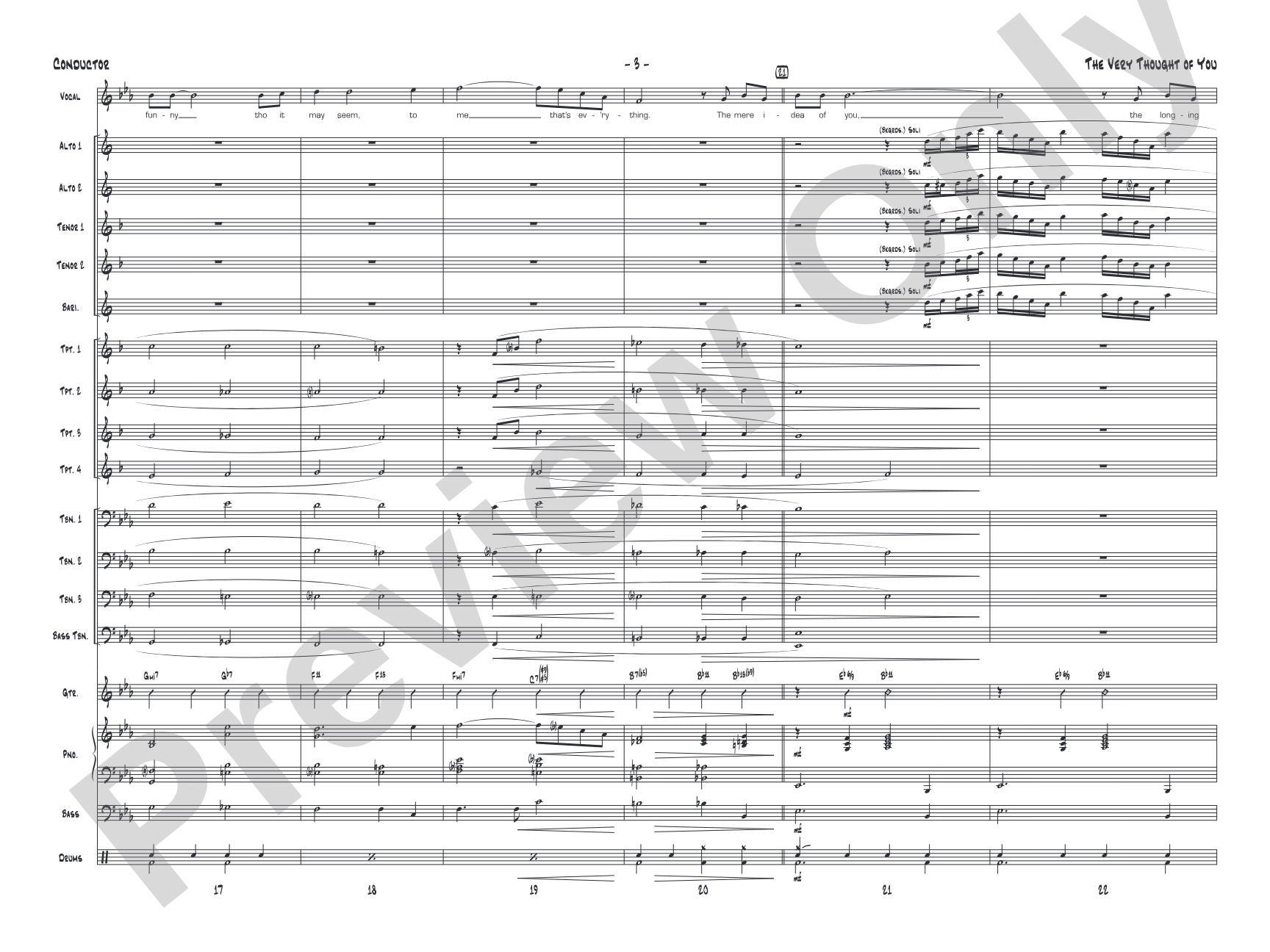
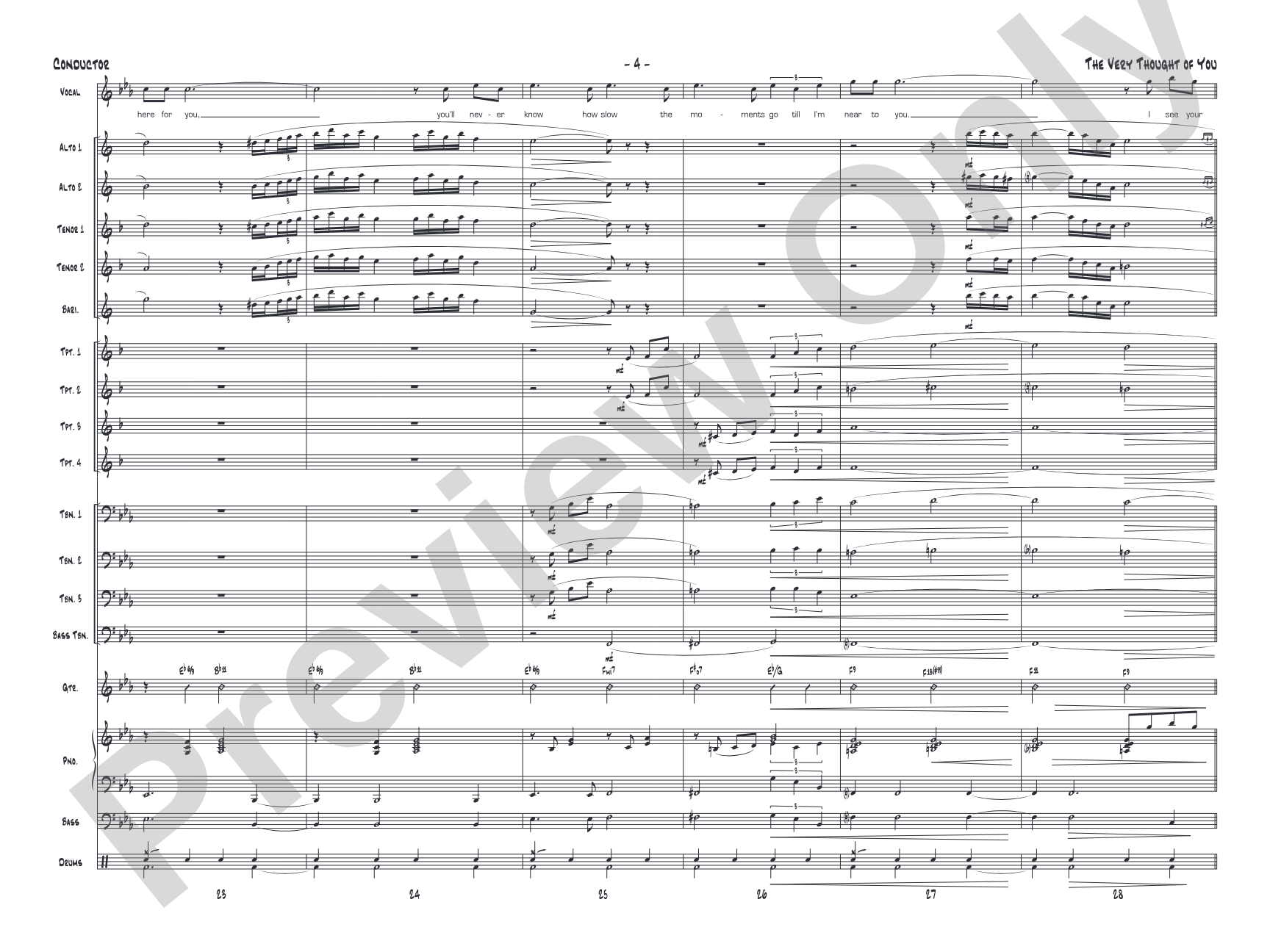
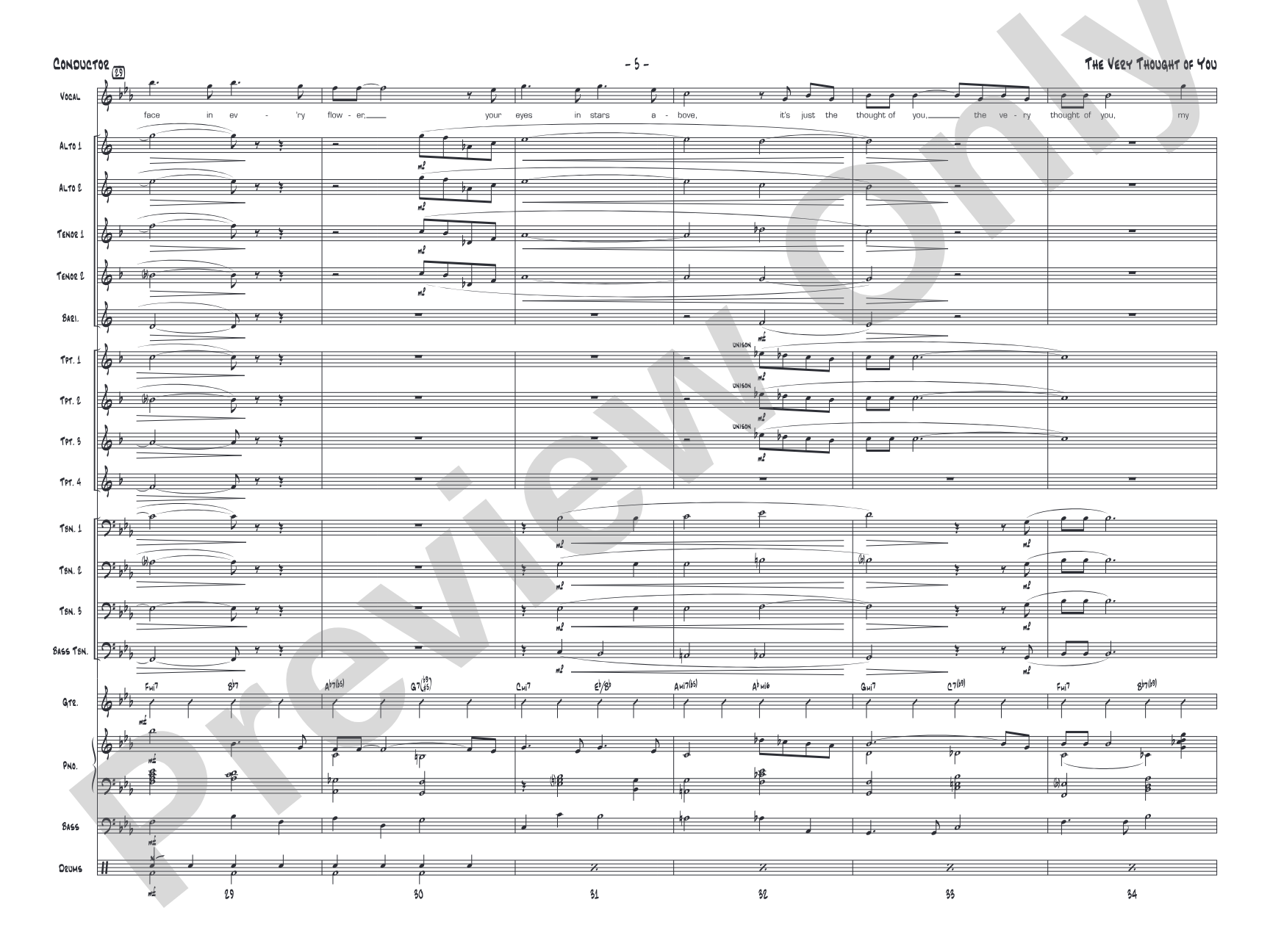
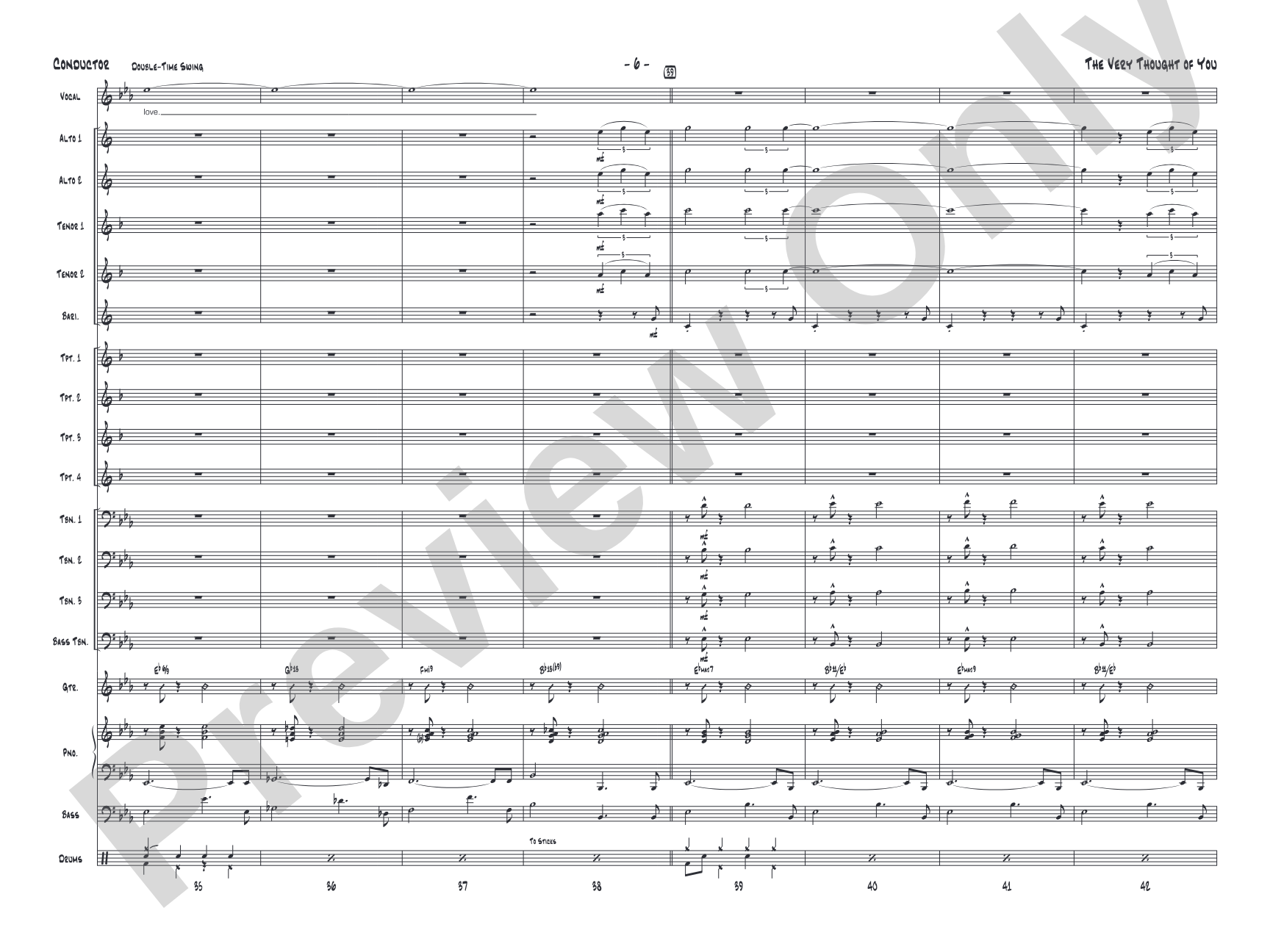

The Very Thought of You: Jazz Ensemble Conductor Score & Parts
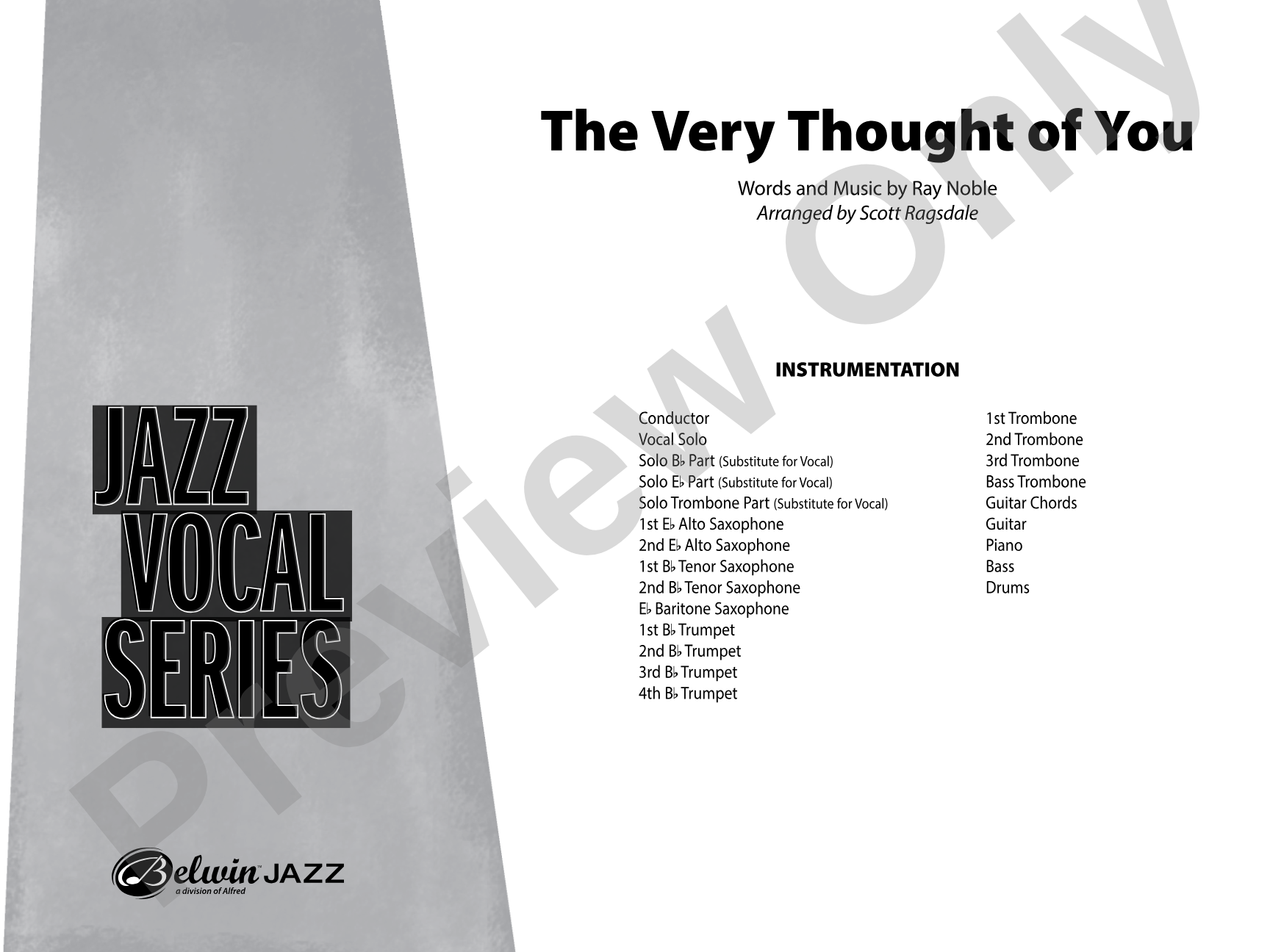
Words and music by Ray Noble / arr. Scott Ragsdale
Grade: 3.5 (Medium)
Item: 00-PK-0007724

$54.00
One moment…
Description
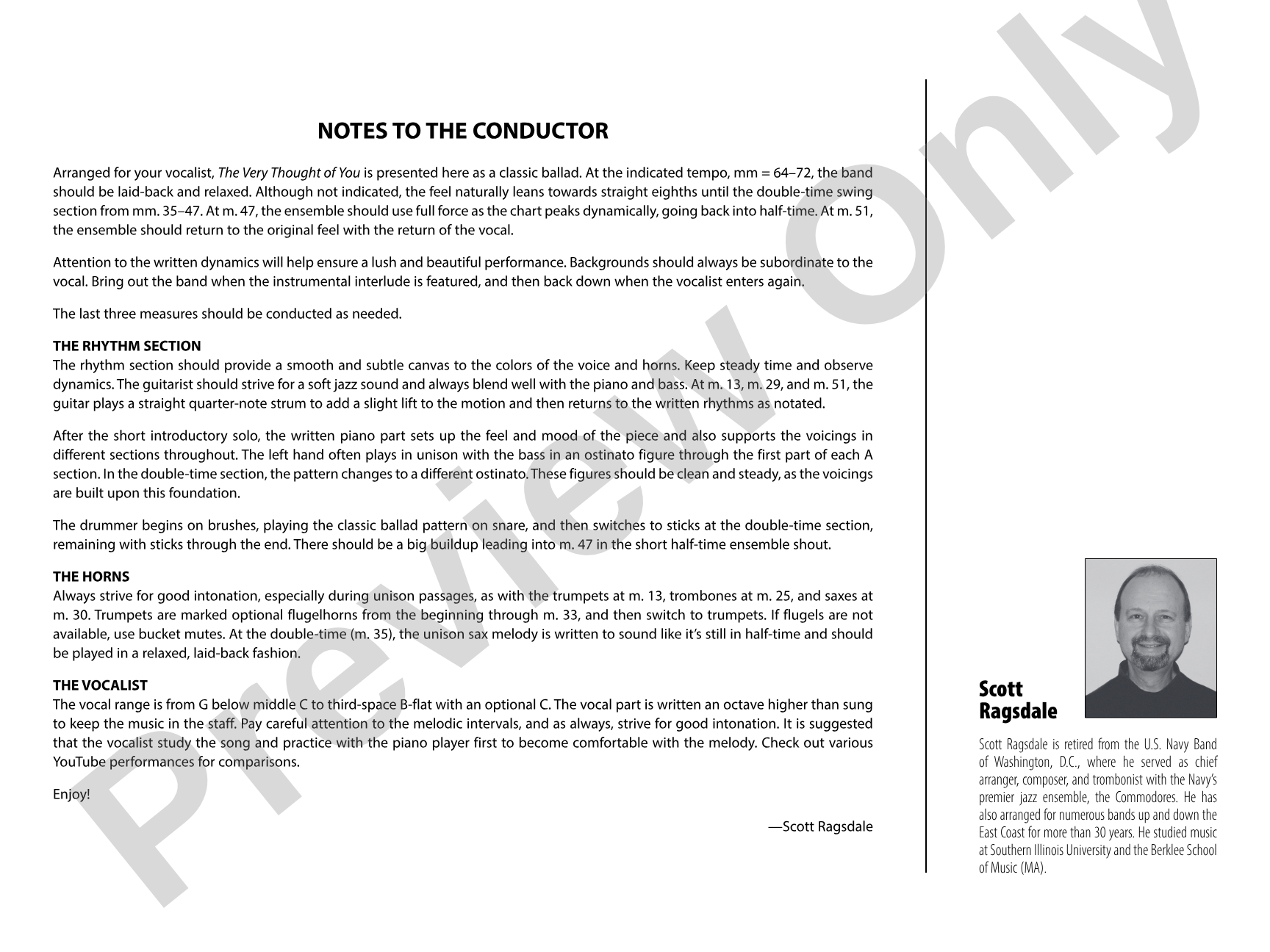
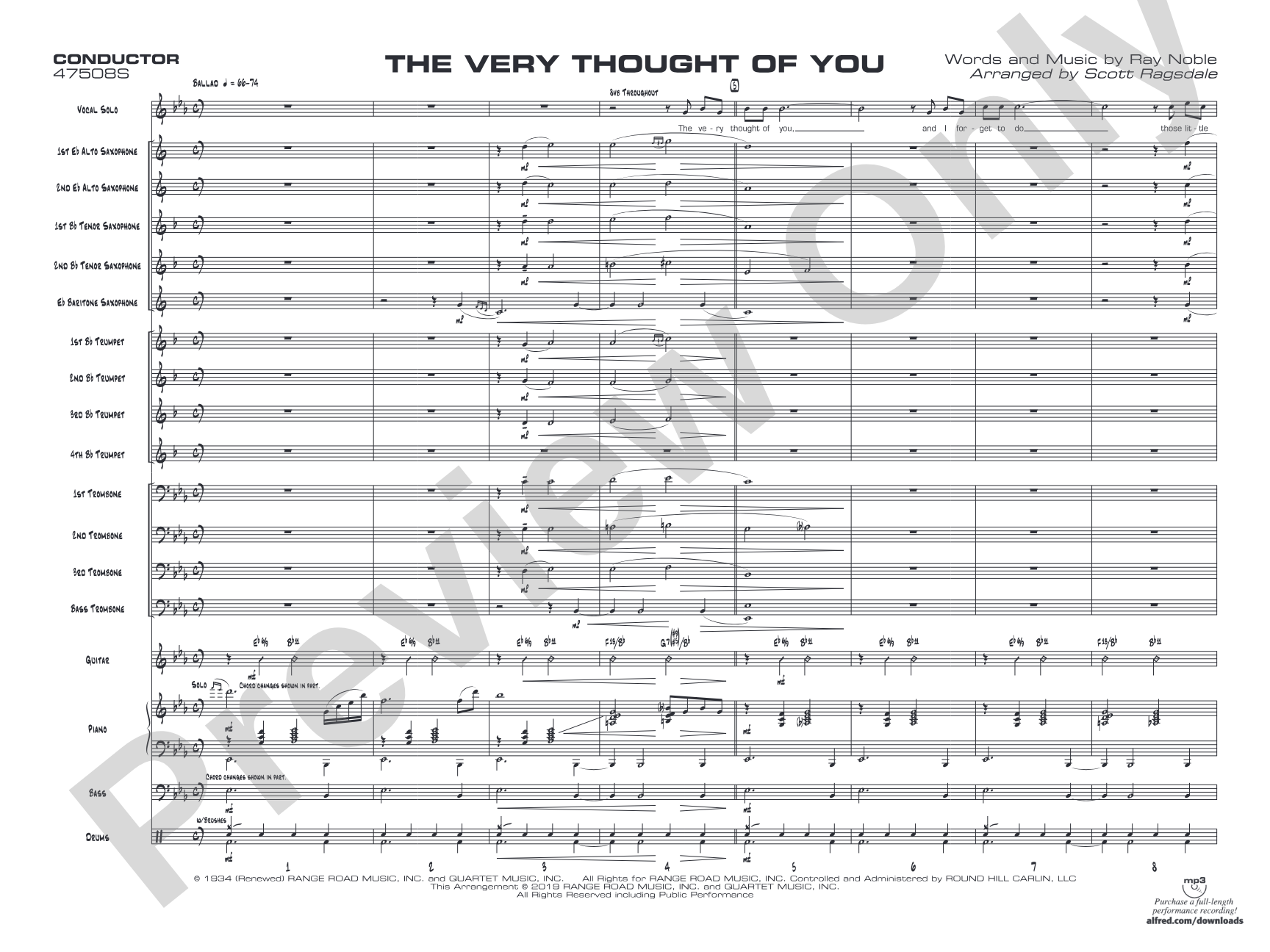
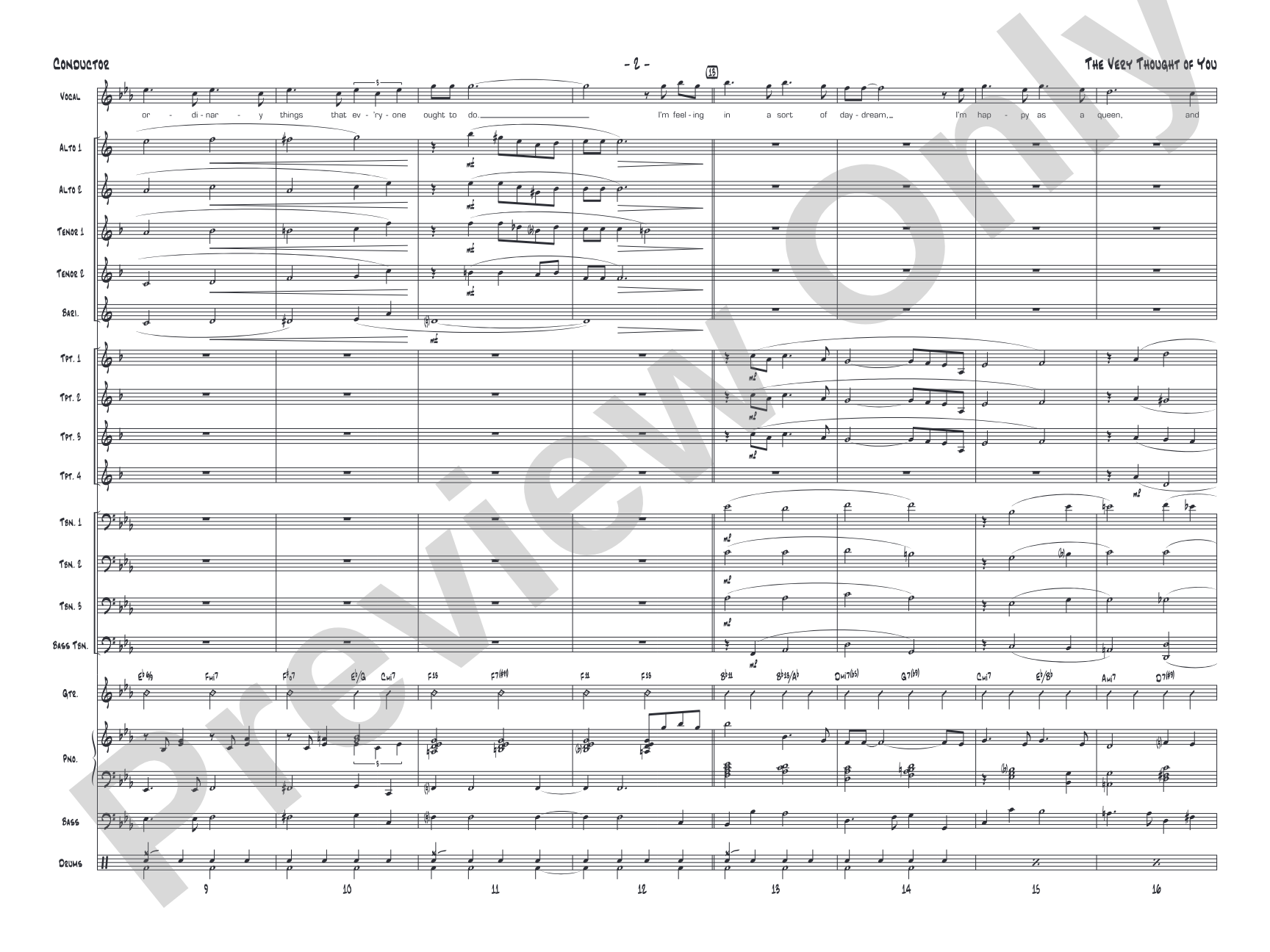
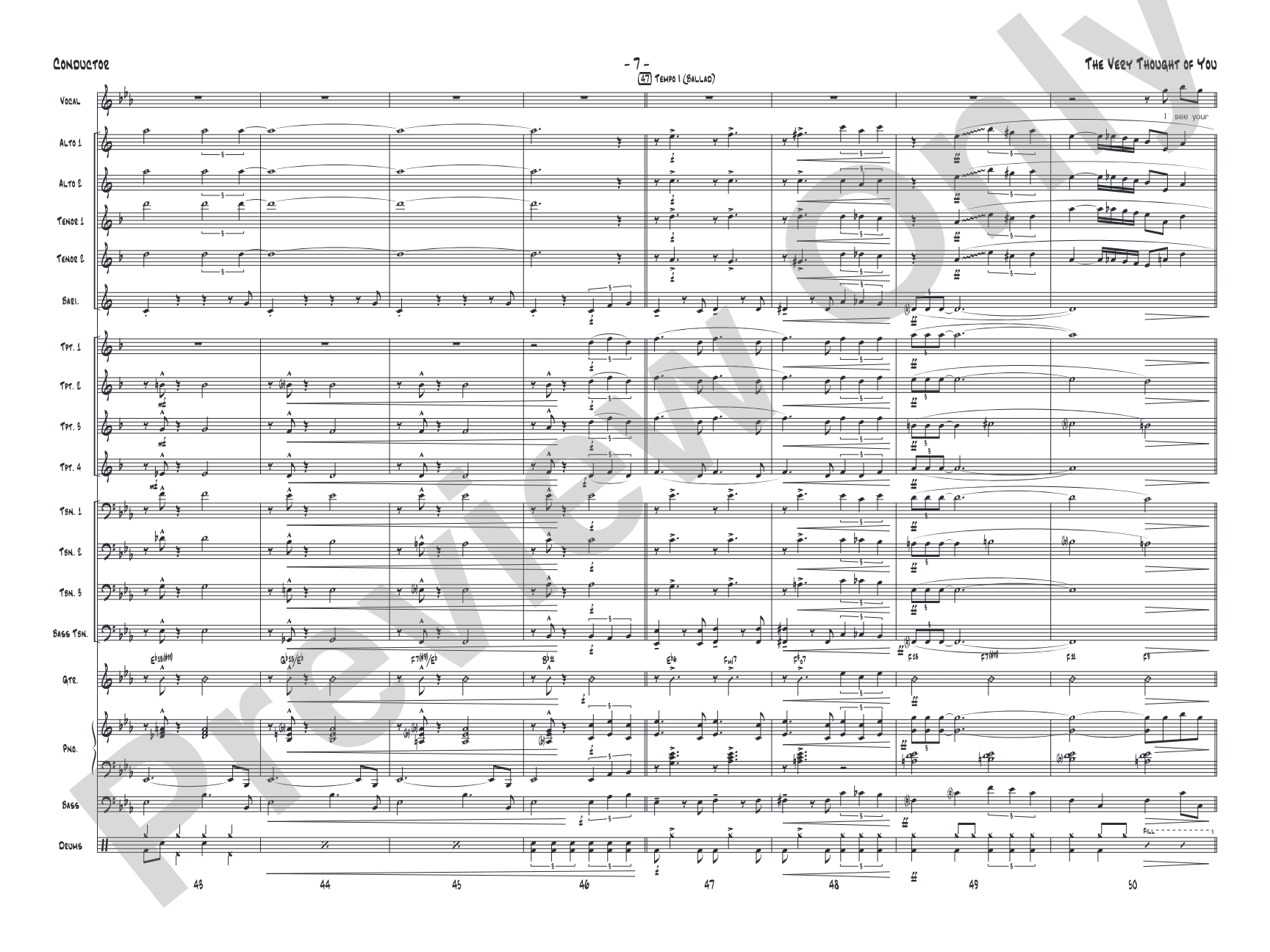
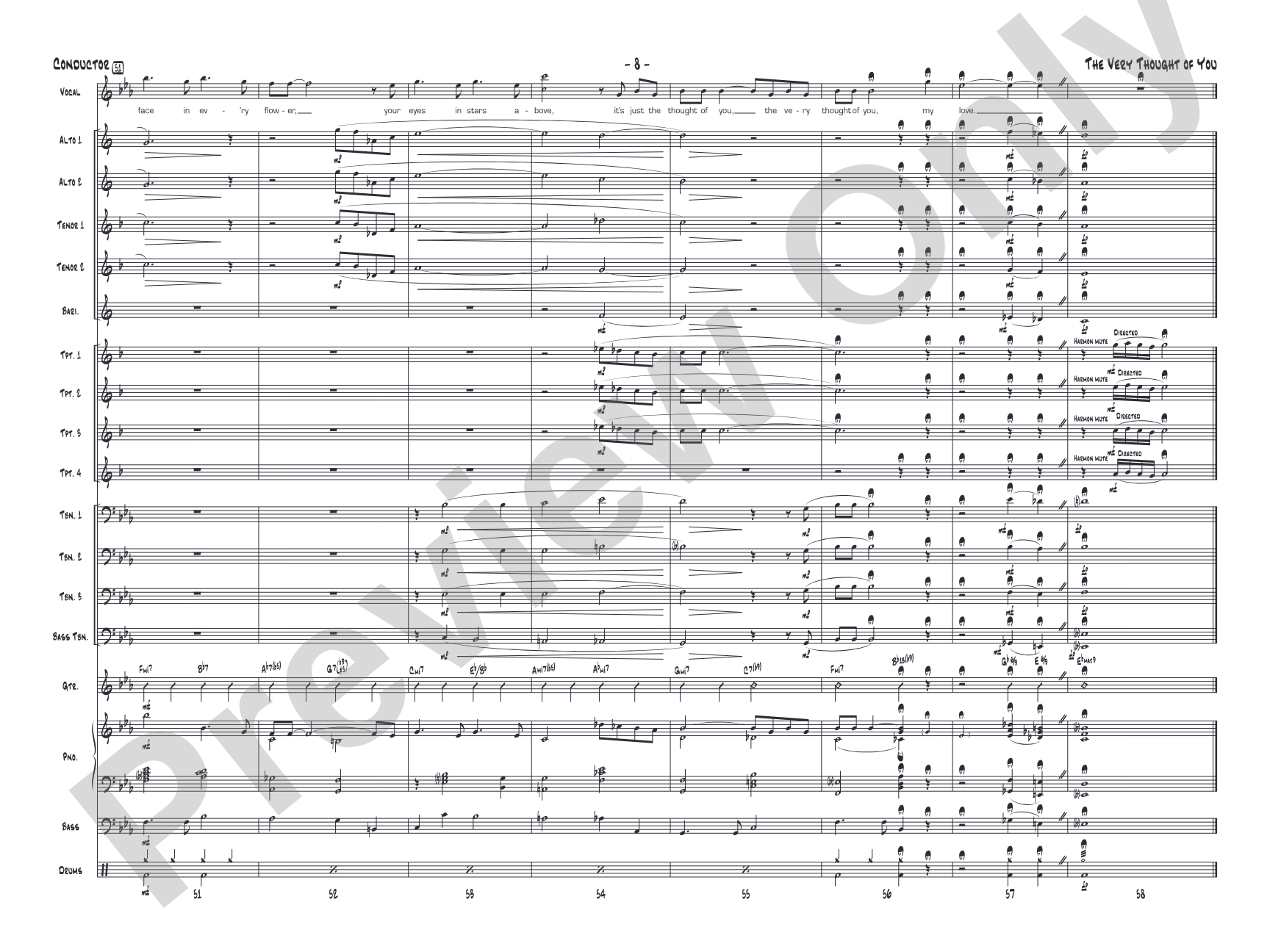
A lush ballad for your vocalist on a great standard played at 74 BPM. The vocal range is from G below middle C to third line B-flat, with an optional C. Lead trumpet range is to written A above the staff. Optional instrumental lead parts are included for B-flat and E-flat instruments and trombone. A gorgeous chart.


Don't just read it, hear it, play along with it, and watch your students grow with it. In MakeMusic Cloud, The Very Thought of You: Jazz Ensemble Conductor Score & Parts comes alive with professional accompaniment, adjustable tempo, and built-in practice tools that turn solo practice into real progress.
Open in the Player
Jump straight in and assign it today.
Start Your Free Trial
Open this title and explore the full library in minutes.
Sample Audio
1
Audio File
--:--
0:00
0:00
Sample Video
Additional Details
Series:
Jazz Vocal Series
Publisher:
Alfred Music
Page Count:
52
SKU:
00-PK-0007724
More about this title
About the Composer: Ray Noble
Ray Noble (1903-1978) was a British composer and bandleader who became one of the most prolific songwriters of the 1930s and 1940s. His melodies combined accessibility with harmonic sophistication, and his songs were recorded by everyone from Billie Holiday to Frank Sinatra. Noble's ability to craft memorable yet musically substantial standards made him a fixture in both popular and jazz repertoire.
Why we love this
Scott Ragsdale's orchestration captures the intimate sophistication of this standard while giving your vocalist room to breathe and interpret. The optional instrumental leads provide flexible casting without sacrificing the lush harmonic landscape that makes this ballad so rewarding to perform.
What to expect
A slow-dance velvet ballad that lets every note linger. The harmonies are warm and complex without feeling overstuffed, and the tempo creates space for the vocalist to inhabit each phrase with intention and emotion.
Who it's for
This chart is designed for jazz ensembles with a strong vocalist and solid section musicianship. It works for groups that want to feature a soloist on a standard without sacrificing ensemble sophistication or musicality.
How to get the most out of it
- Balance the vocal line above the ensemble at 74 BPM; the slower tempo allows rubato and phrasing, so encourage your vocalist to stretch and compress time for emotional effect rather than metronomic strictness.
- Feature the lead trumpet as your primary alternative to the vocal; its written high A gives the section a singing quality that complements rather than competes.
- Work the voicings in rehearsal as a unit; the parts are written to blend, and intonation across the jazz voicings will shape how rich this arrangement sounds.
- Use the optional B-flat and E-flat instrumental leads to rotate soloists if your ensemble rotates leads, or to double the vocal line for select phrases to build intensity.
How to use it
Program this as a feature for your lead vocalist on a concert where you want to showcase both individual artistry and ensemble craft. It pairs well with more uptempo swingers and gives audiences a moment to settle into the sophistication of the standard repertoire.
Skills your students will build
- Balancing vocal and instrumental textures in a small ensemble
- Sustaining tuning and blend at slow tempos
- Playing jazz voicings with sensitivity to harmonic color
- Comping and accompaniment in a ballad setting
- Flexible rhythm section playing that supports rubato phrasing