
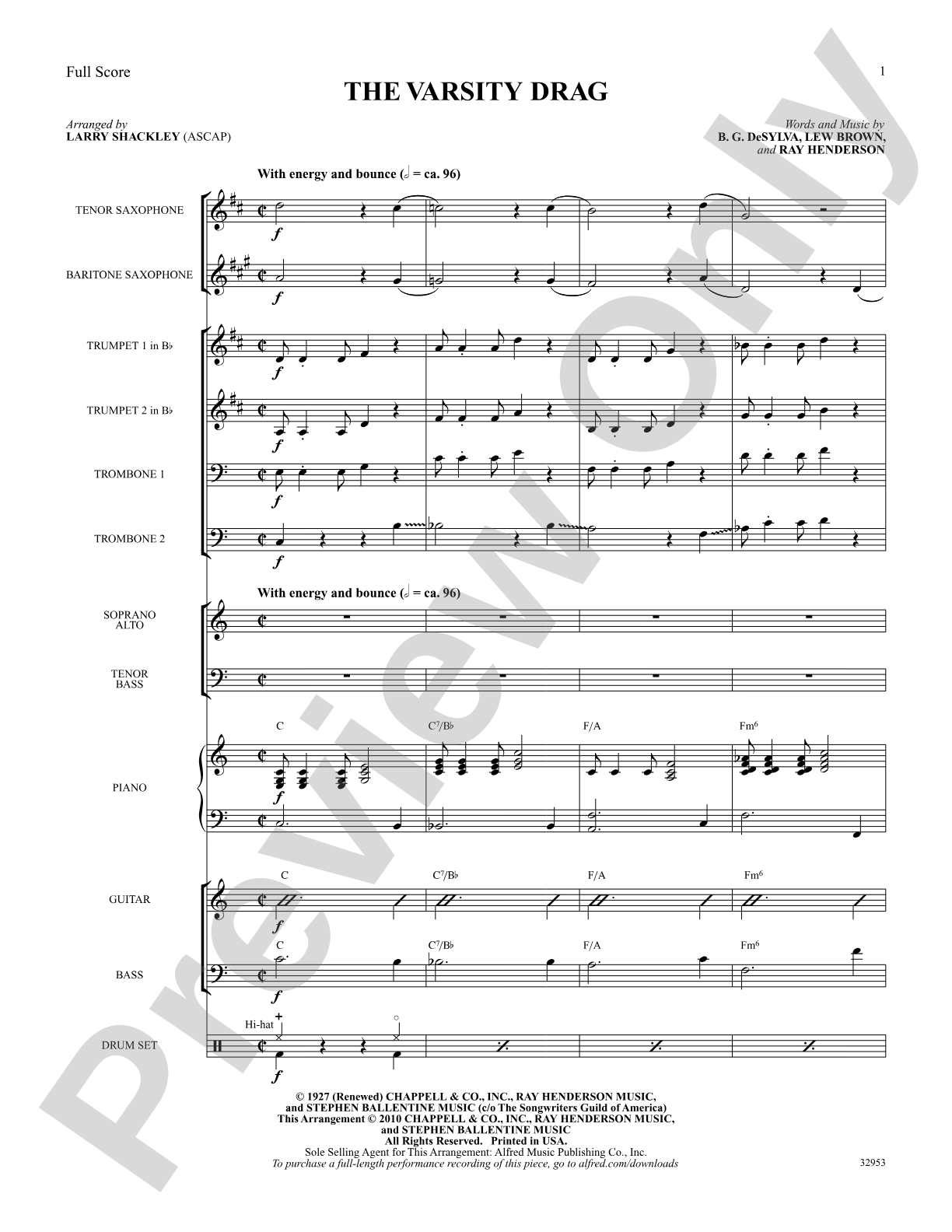
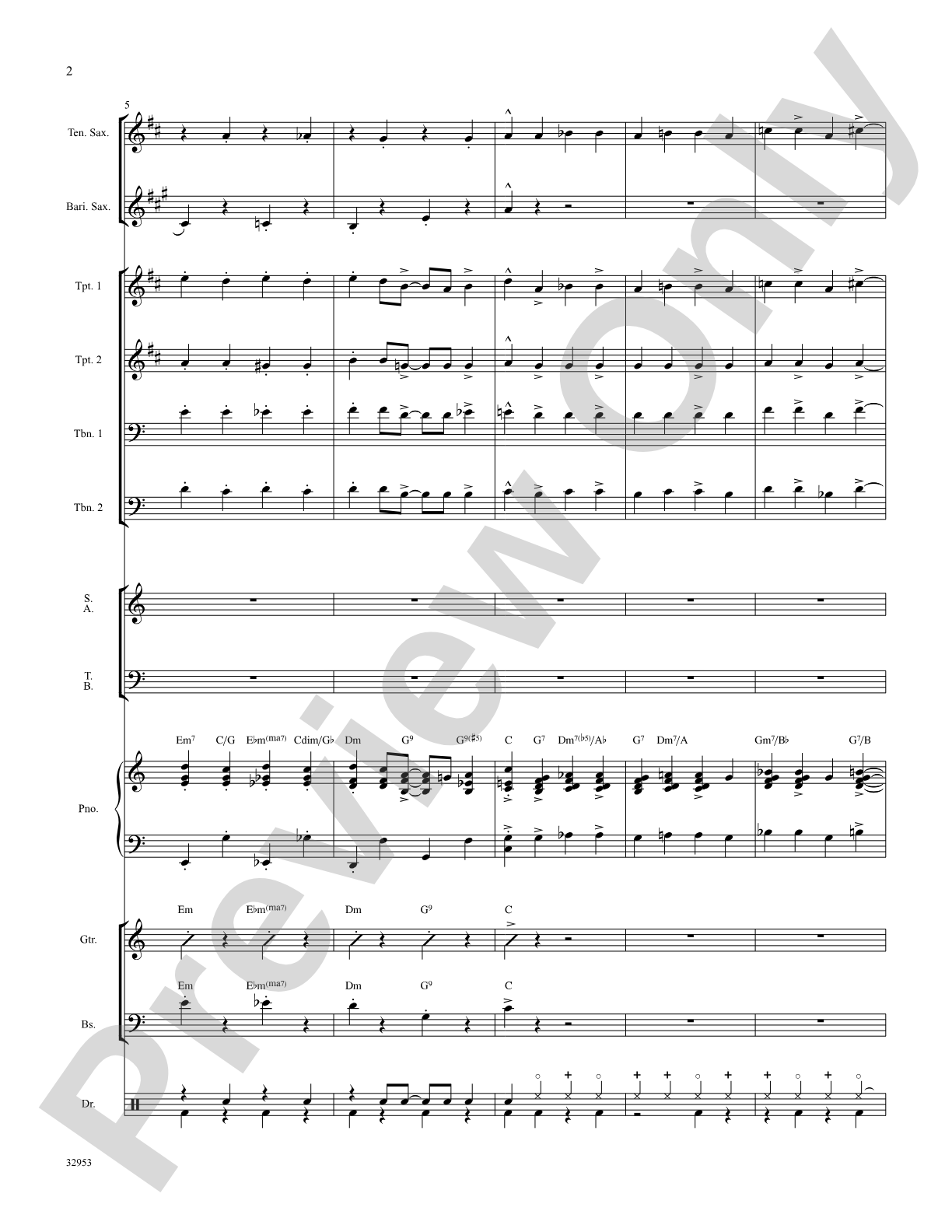
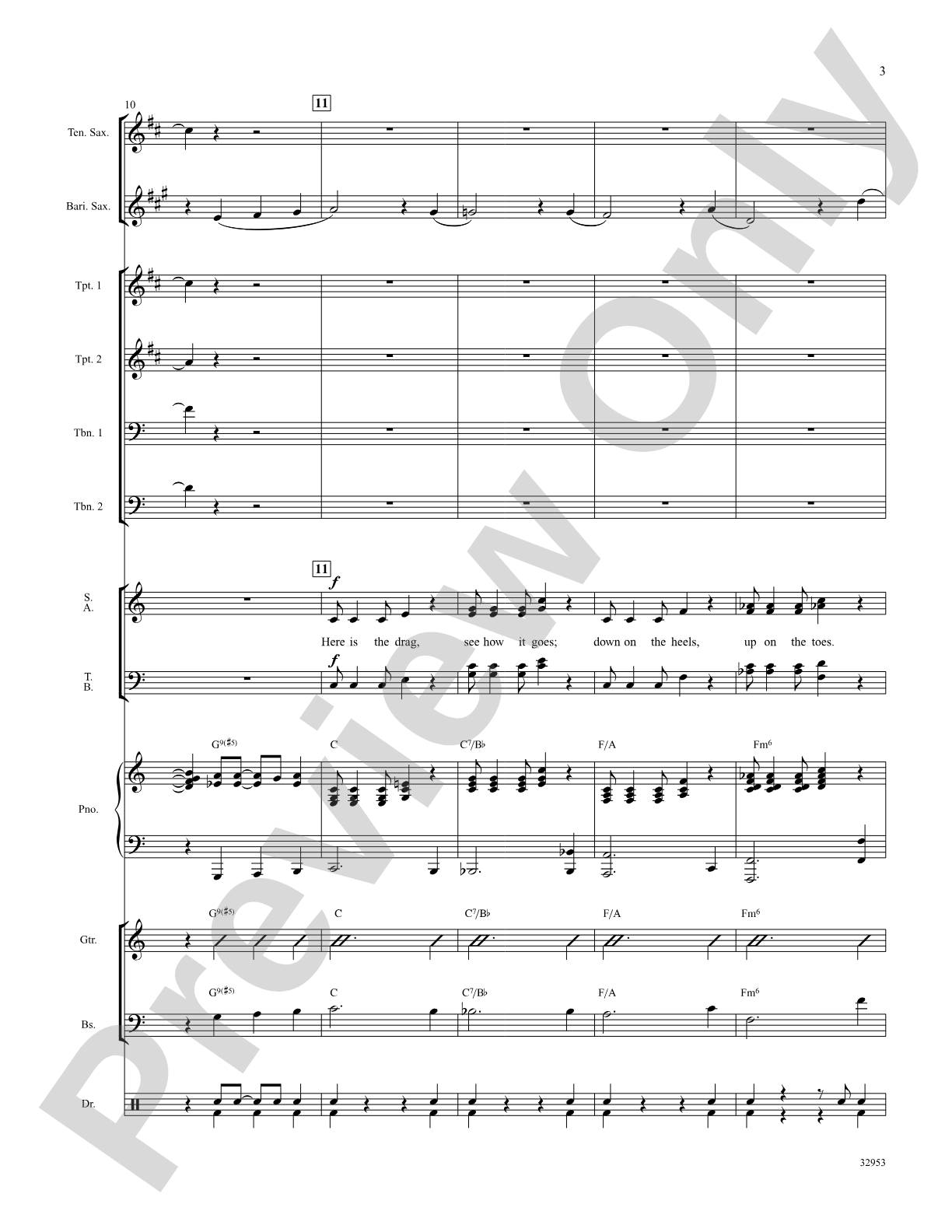
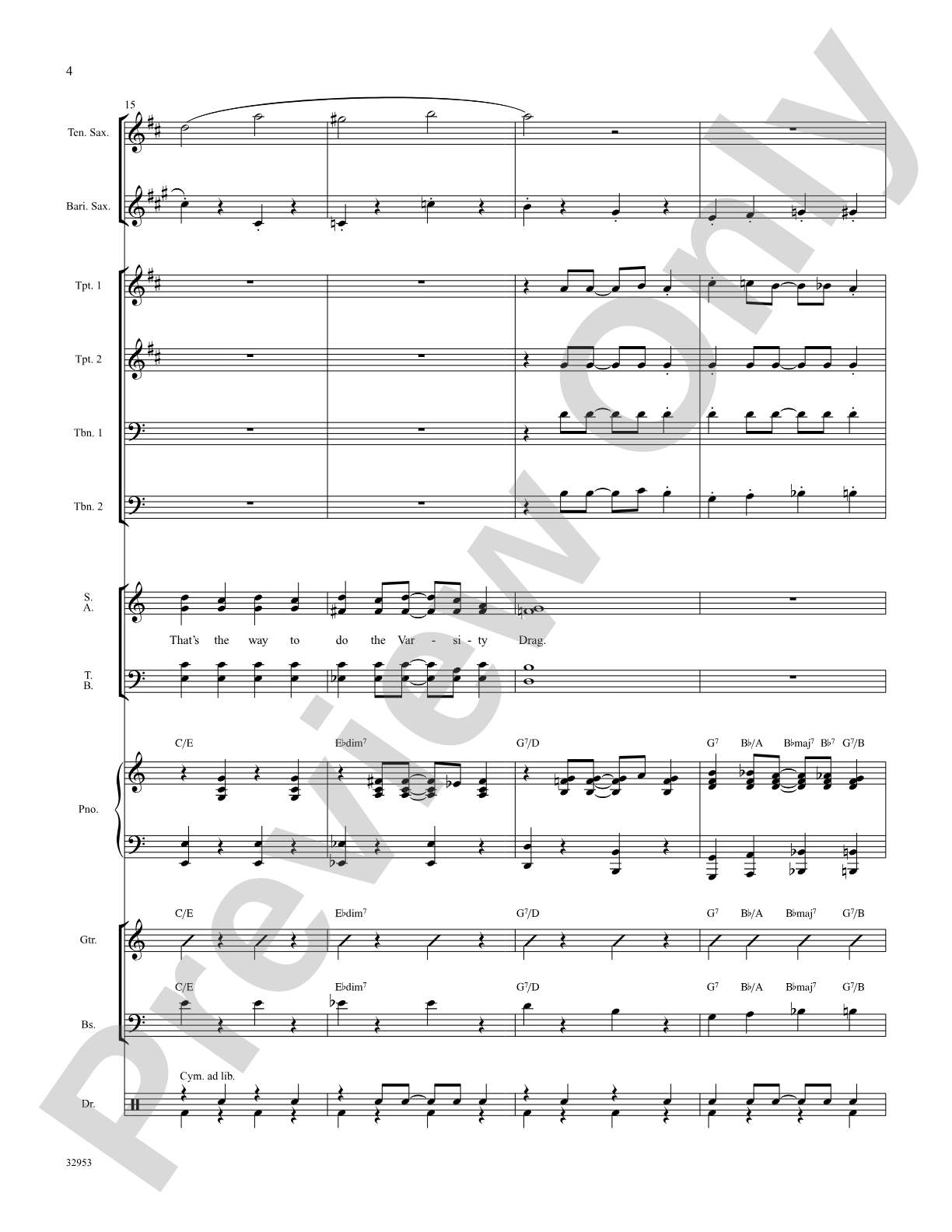
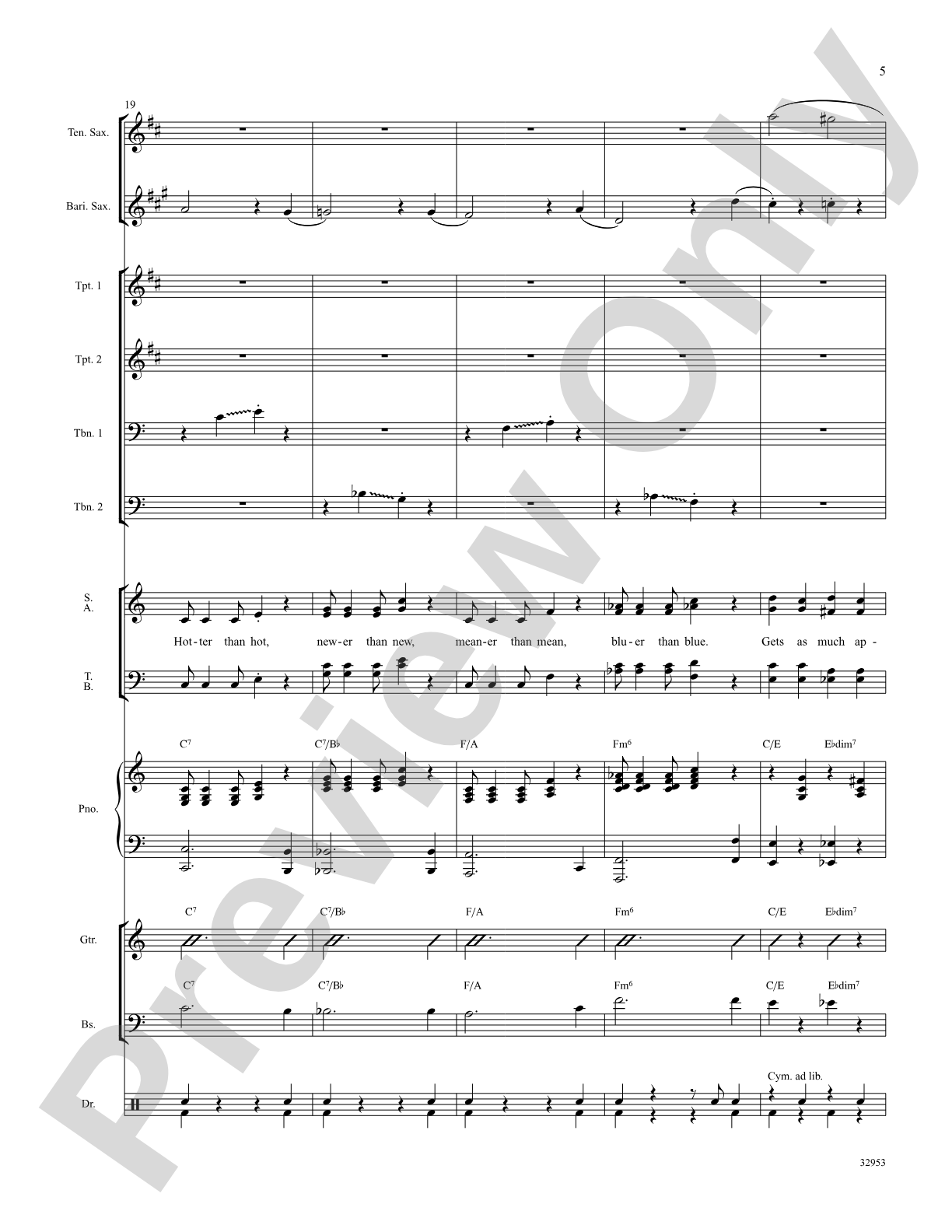
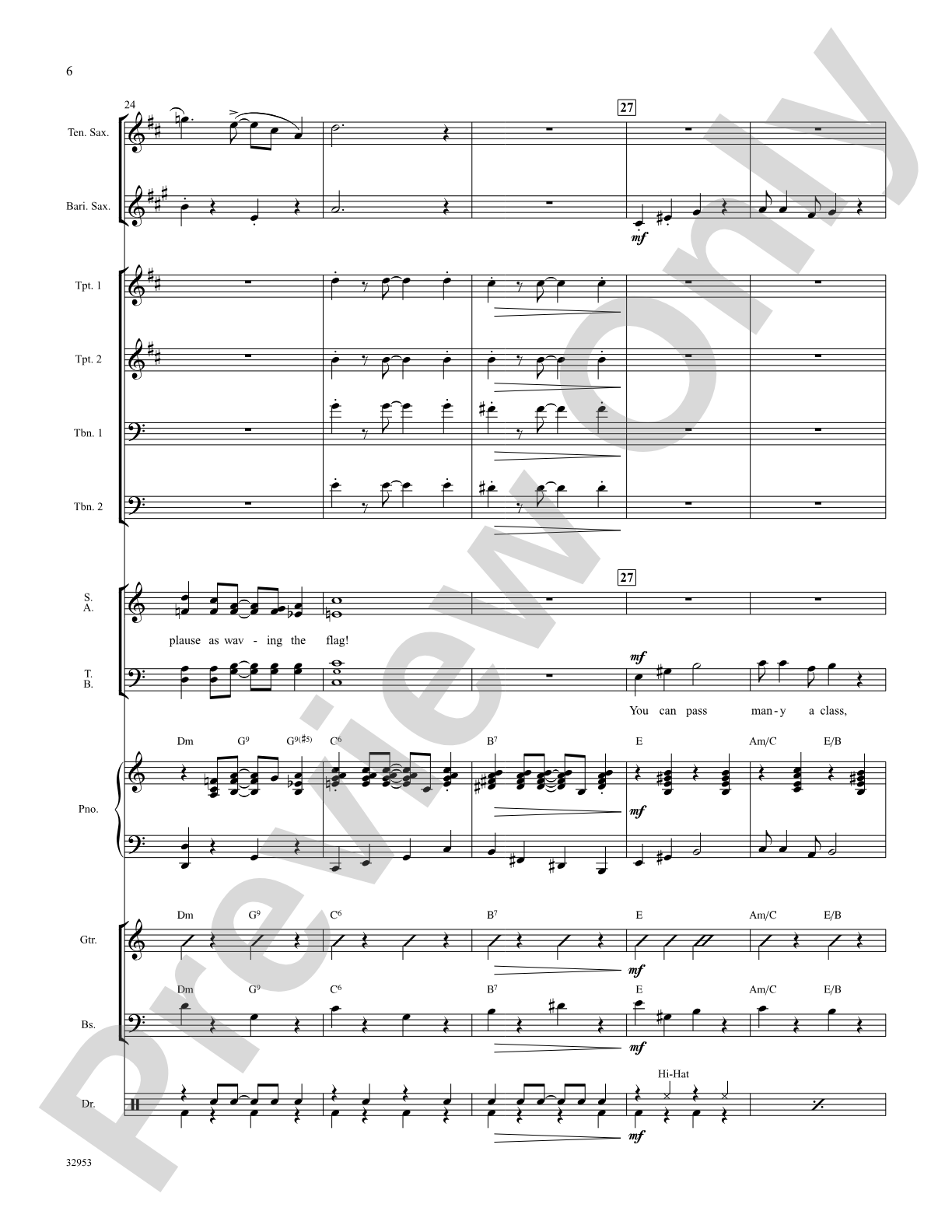
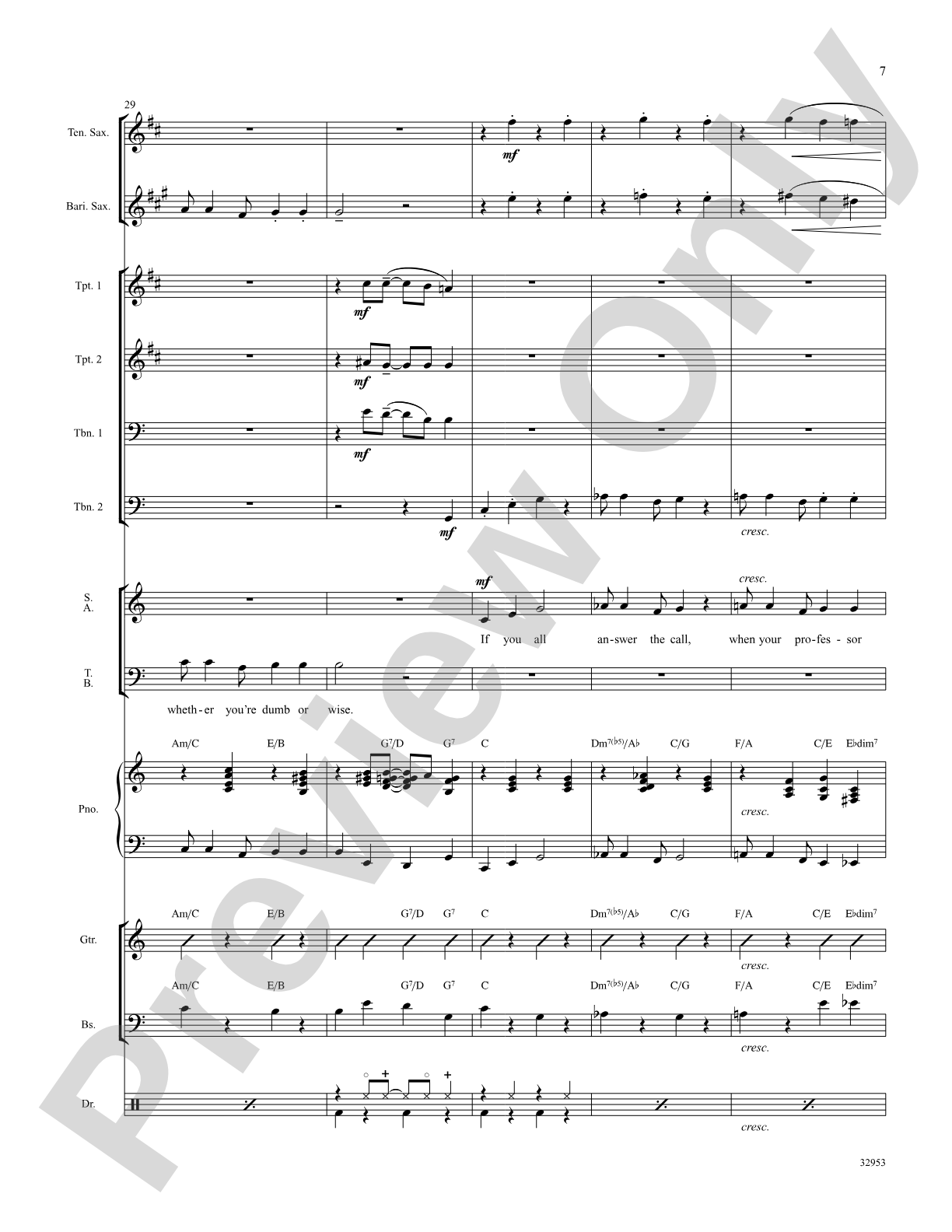
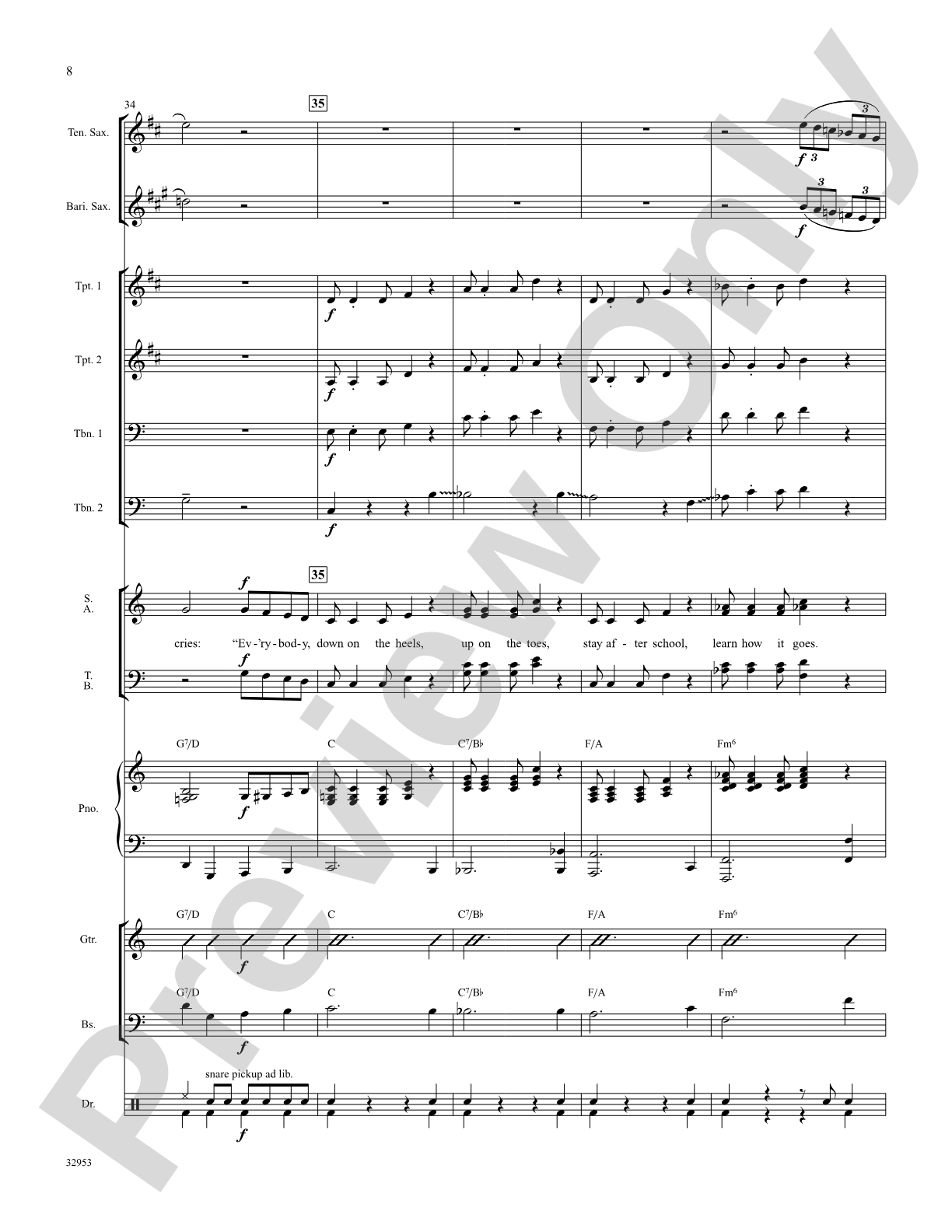
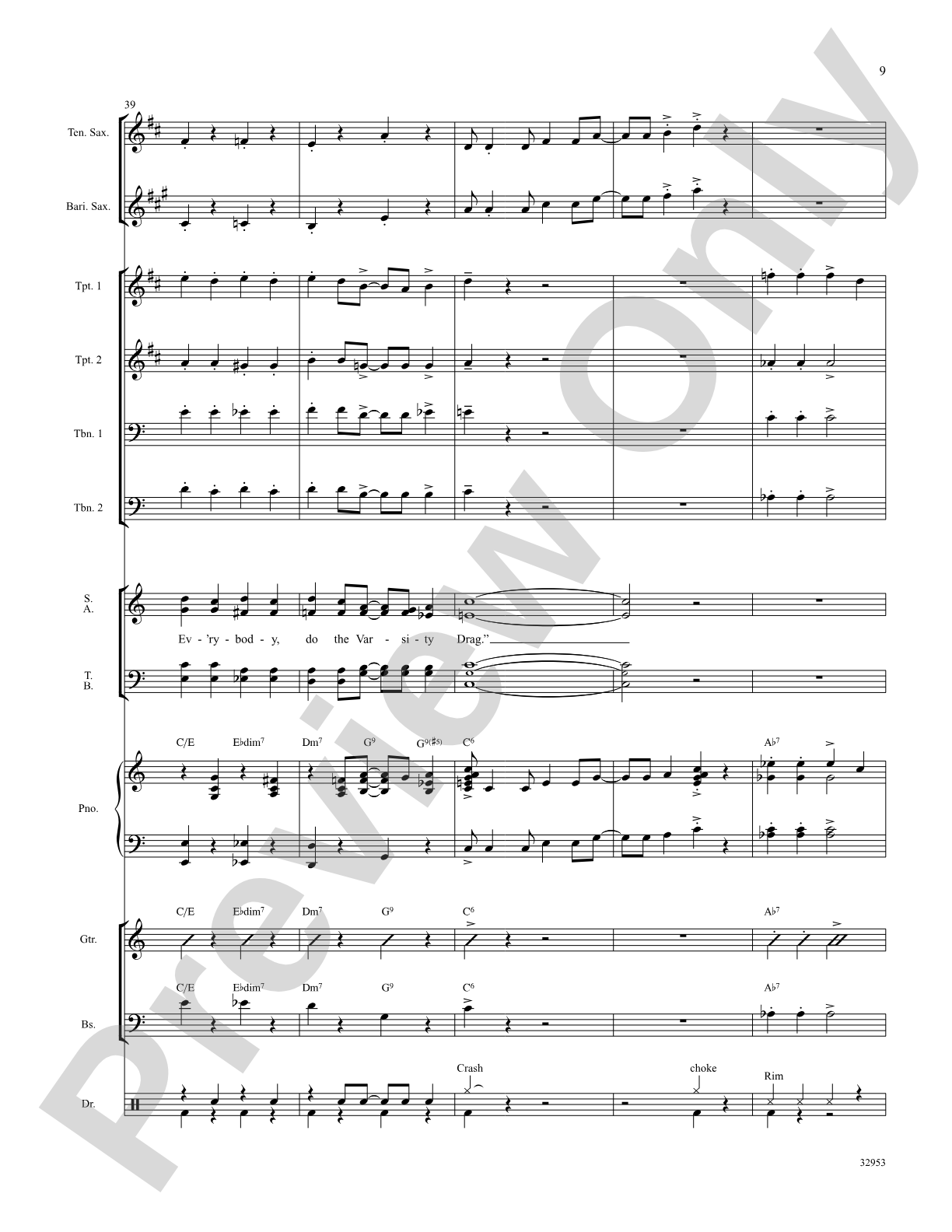
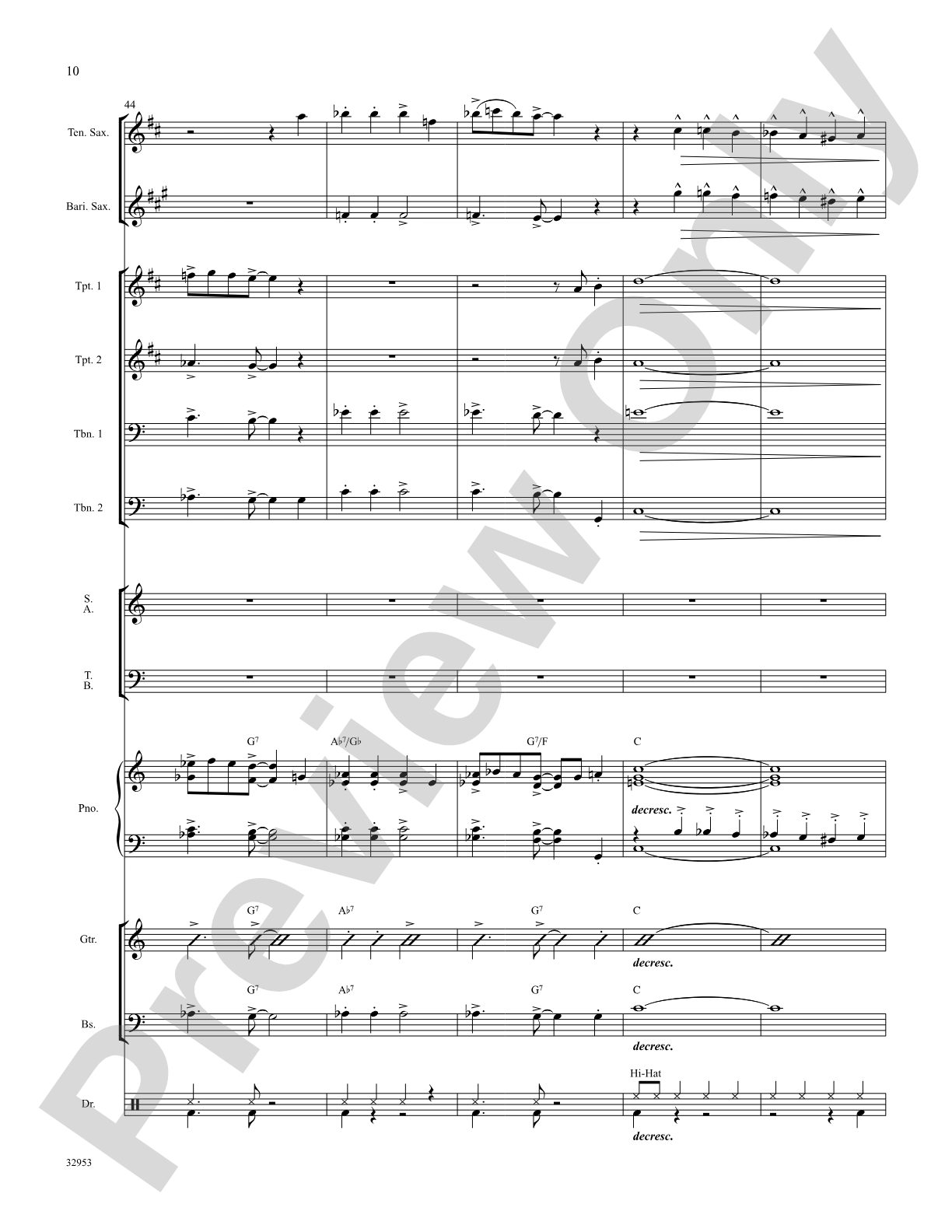
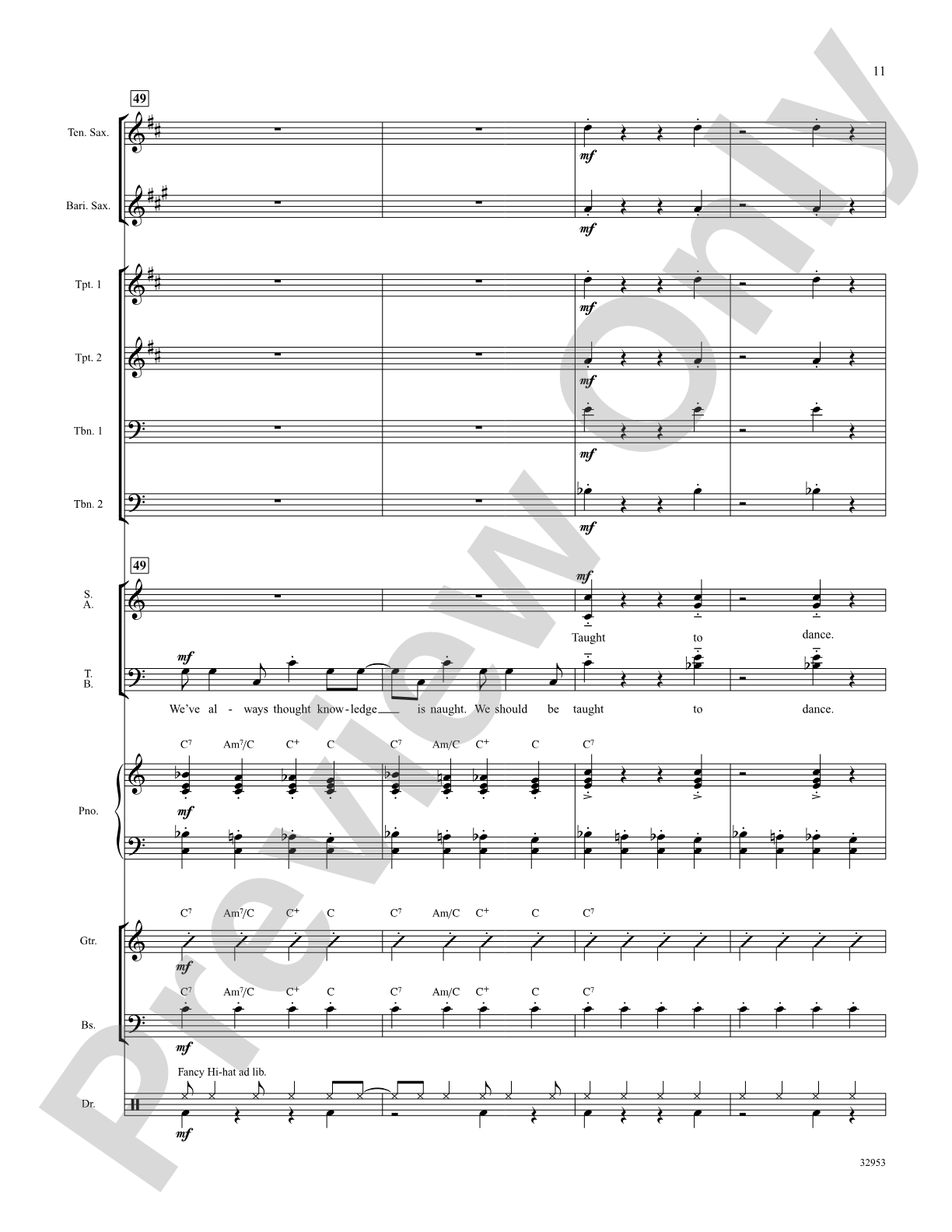
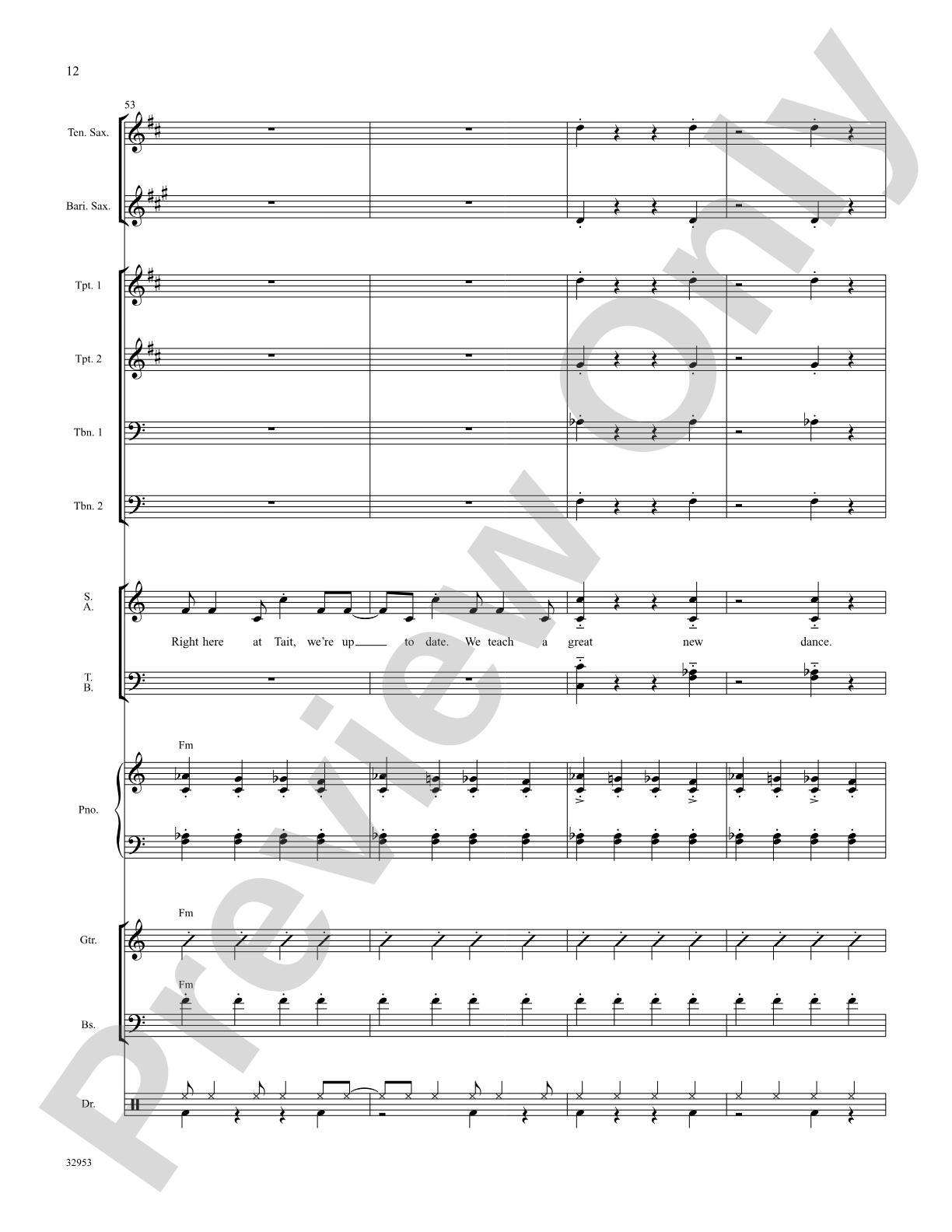
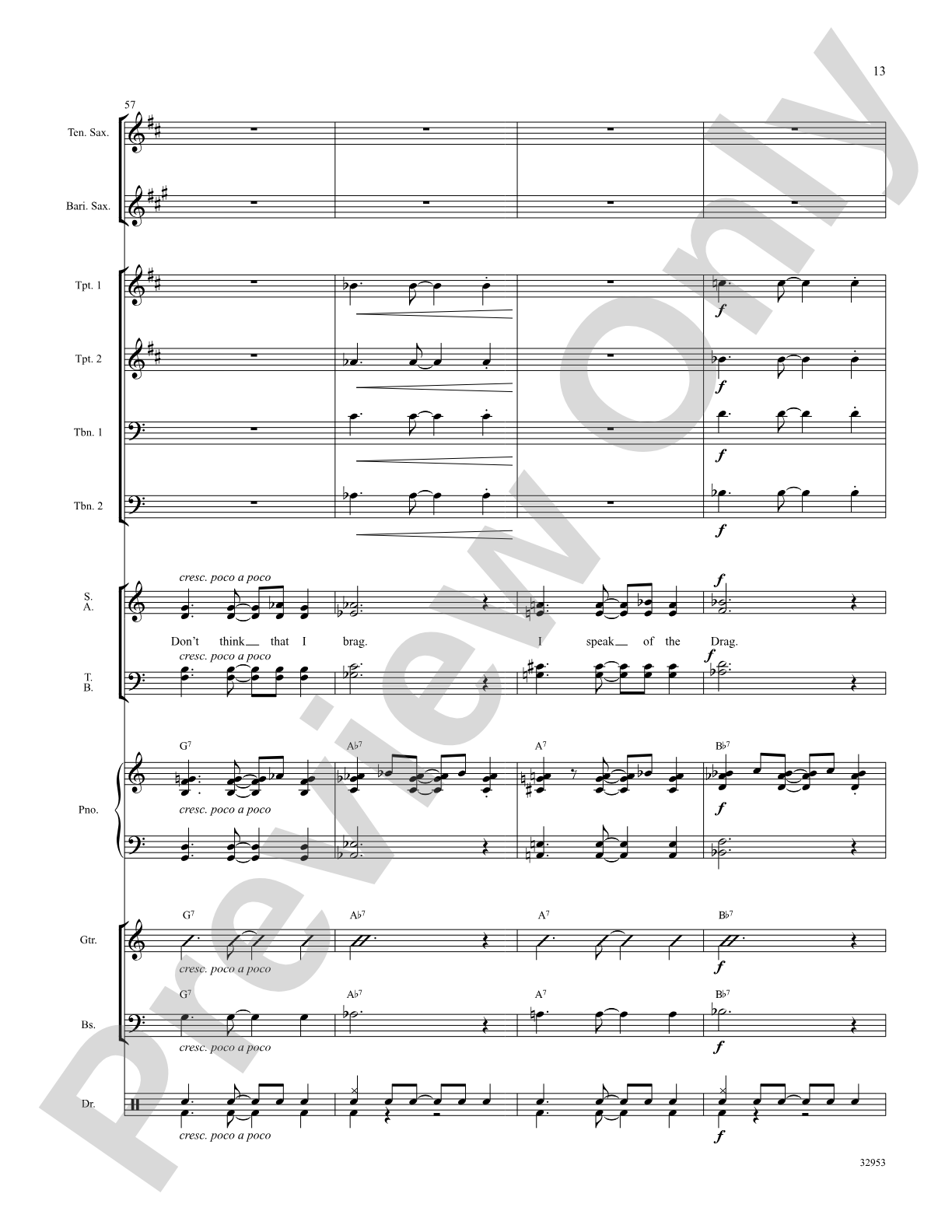
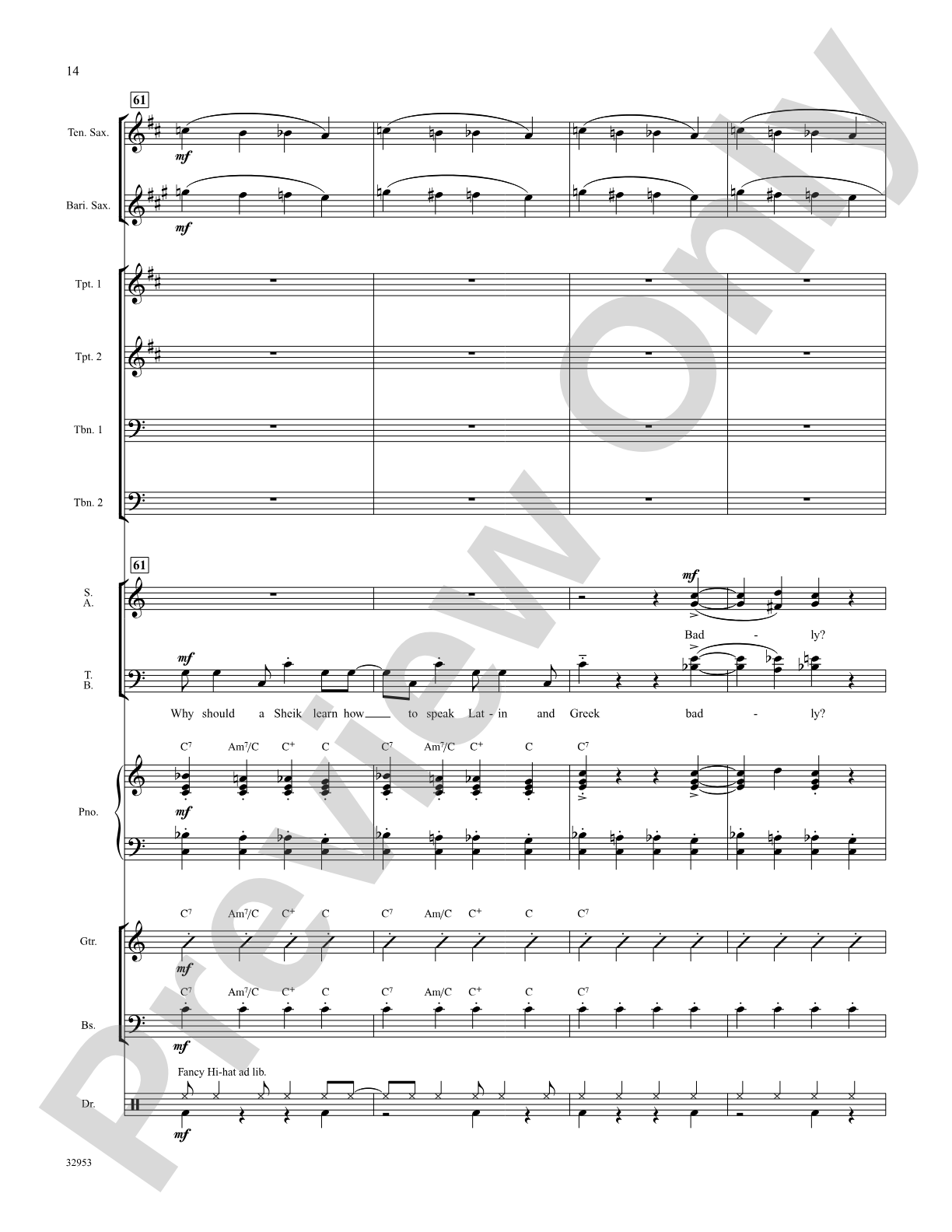
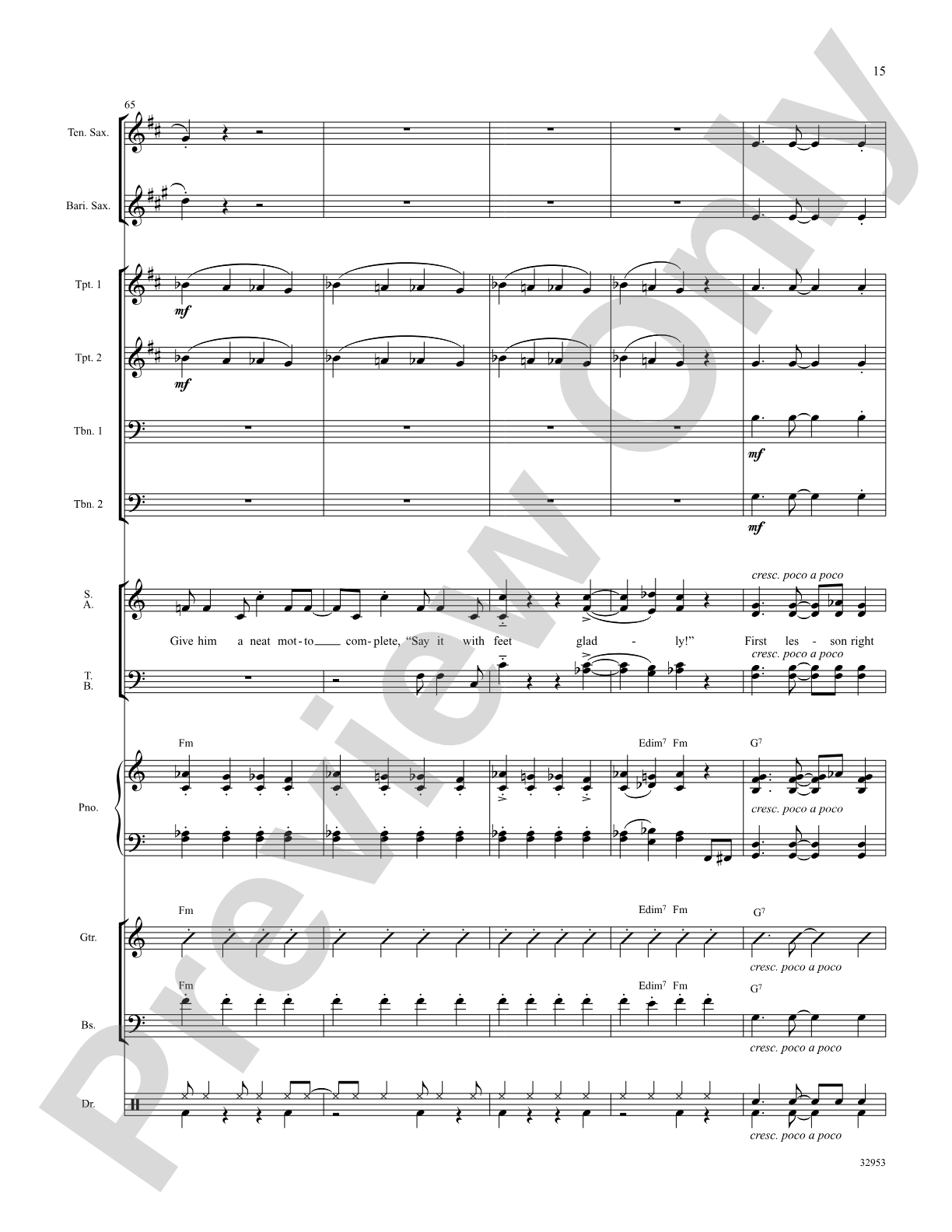
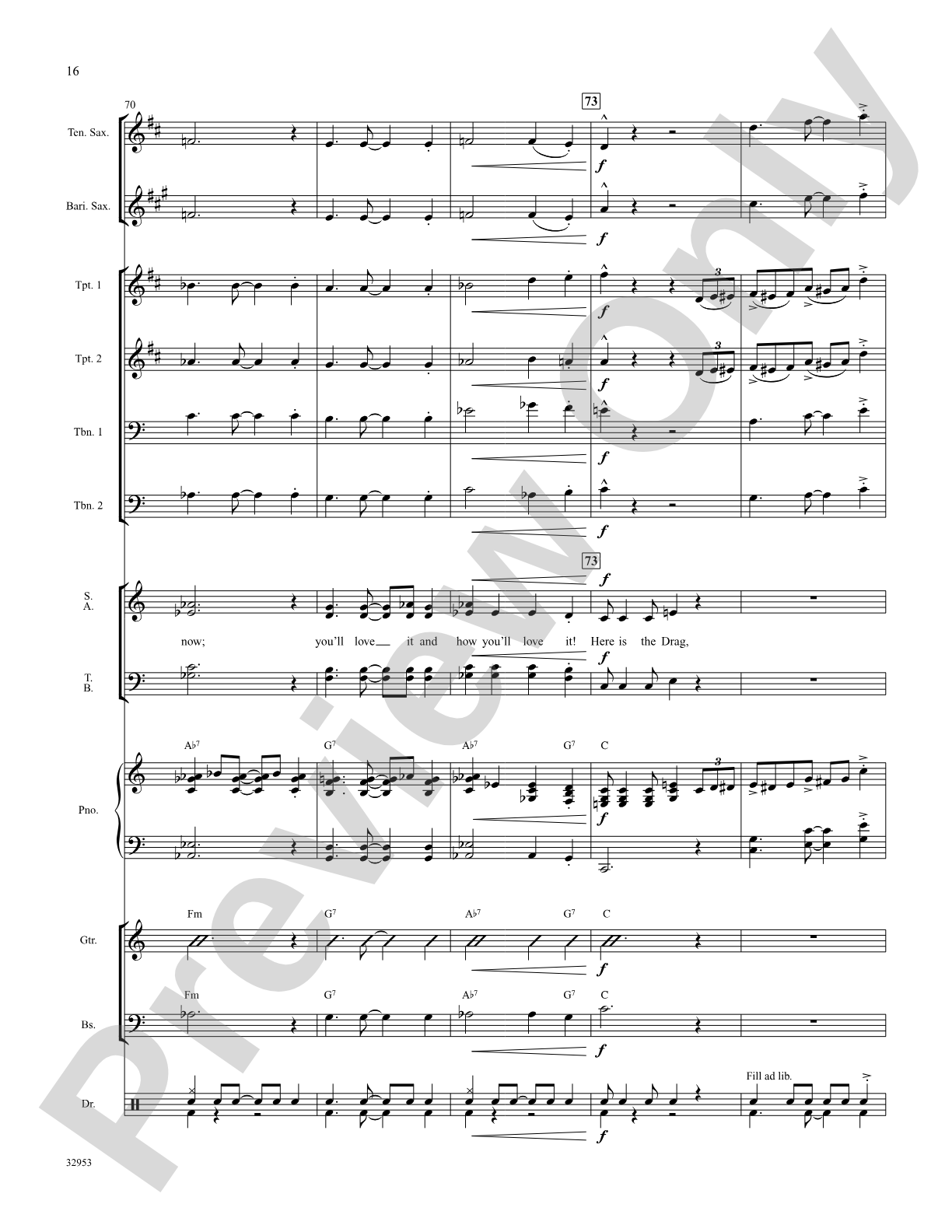
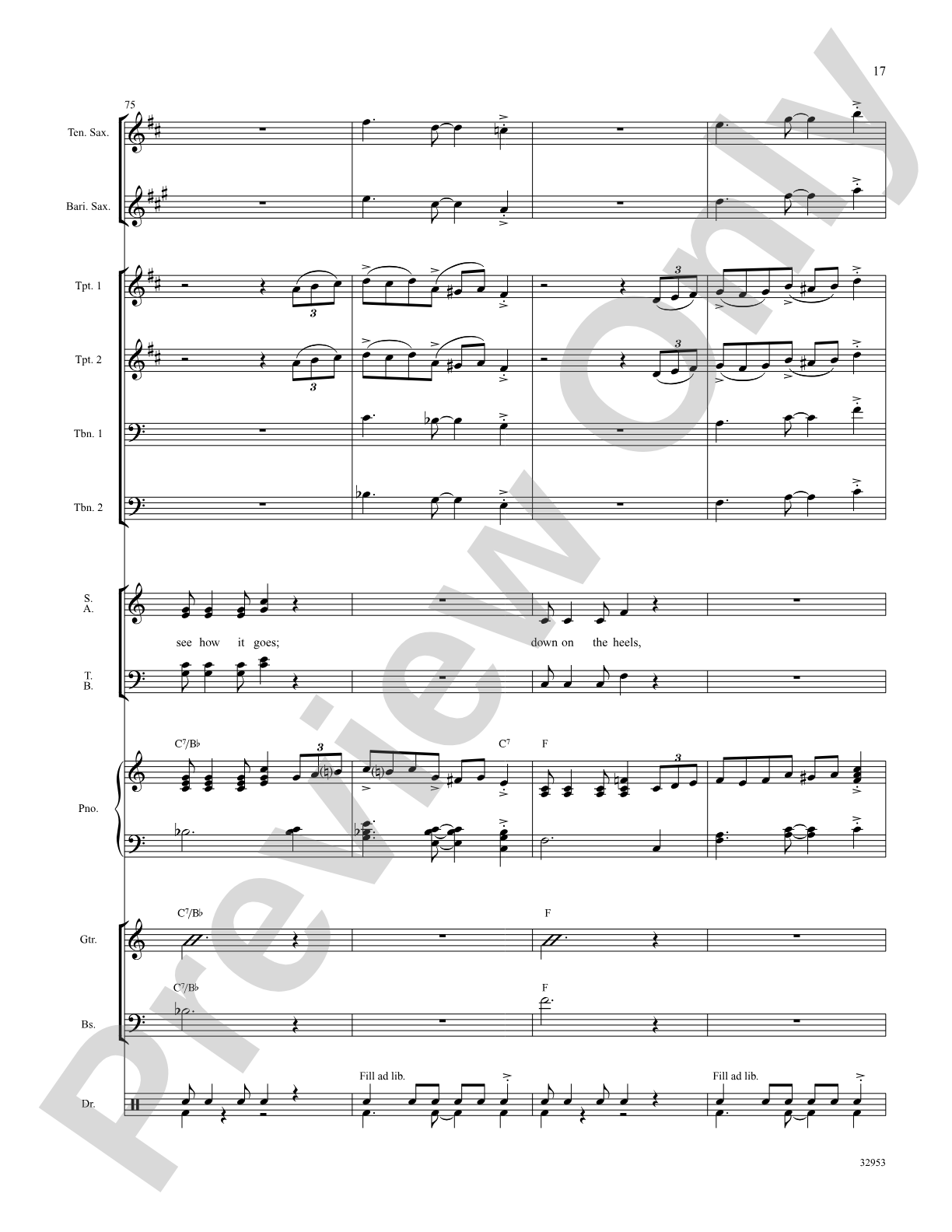
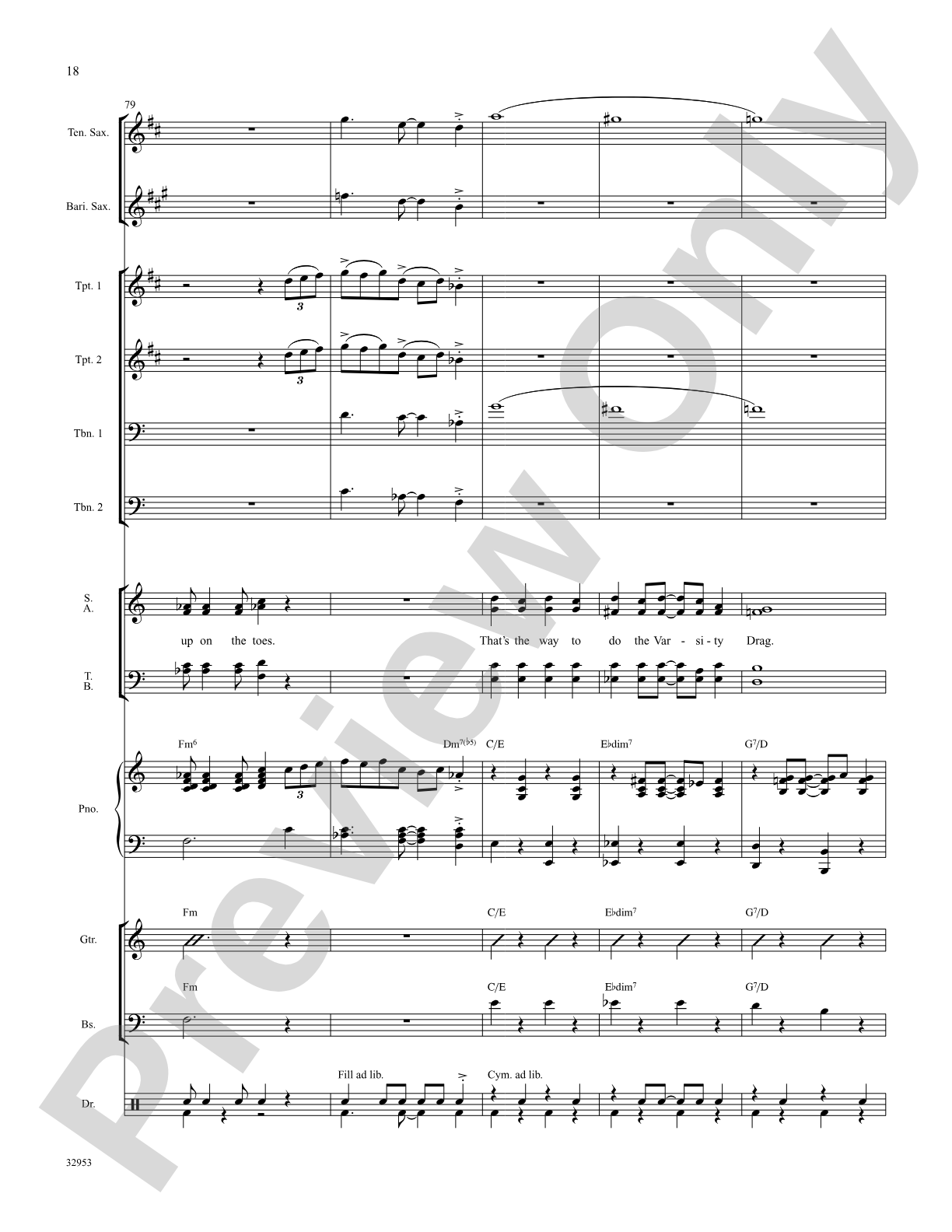
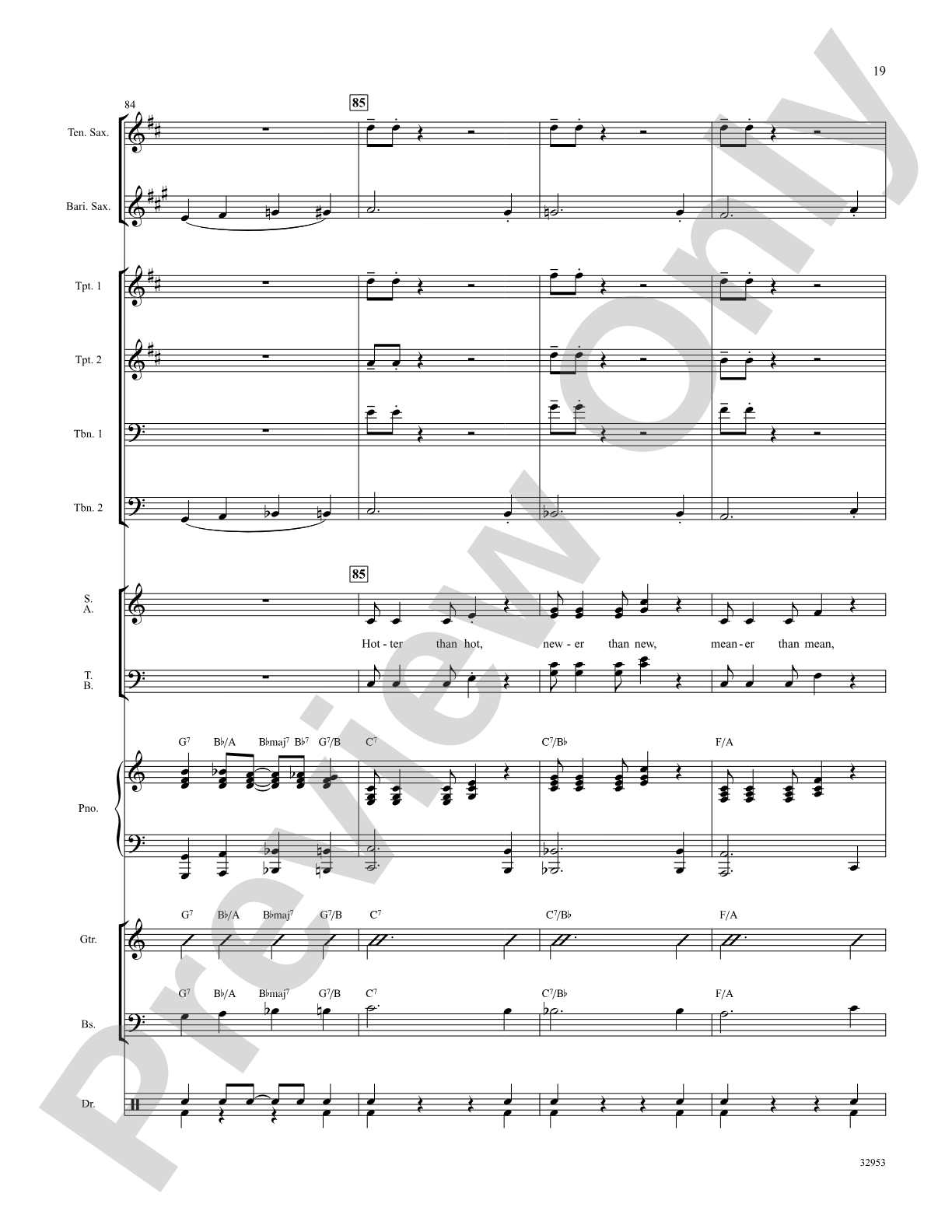
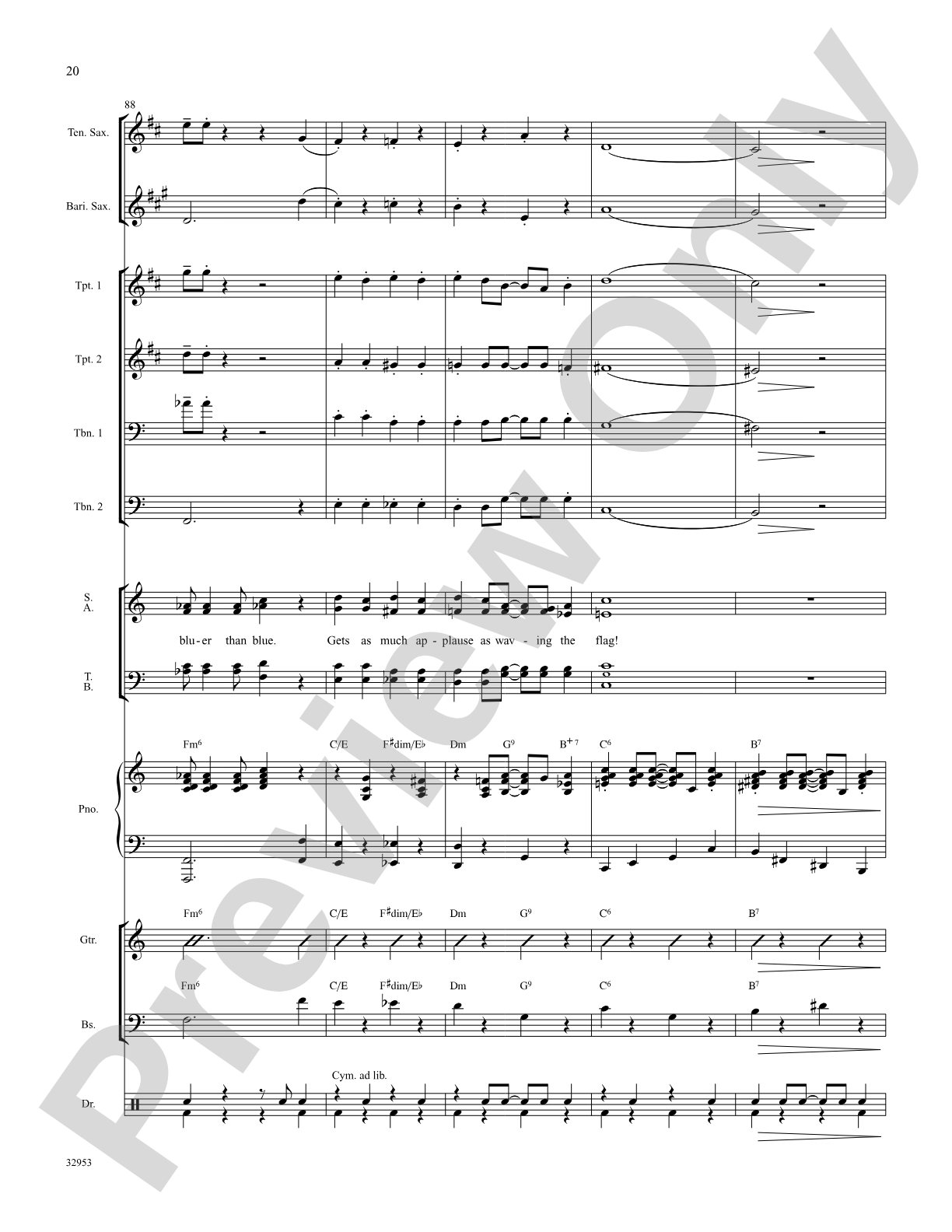
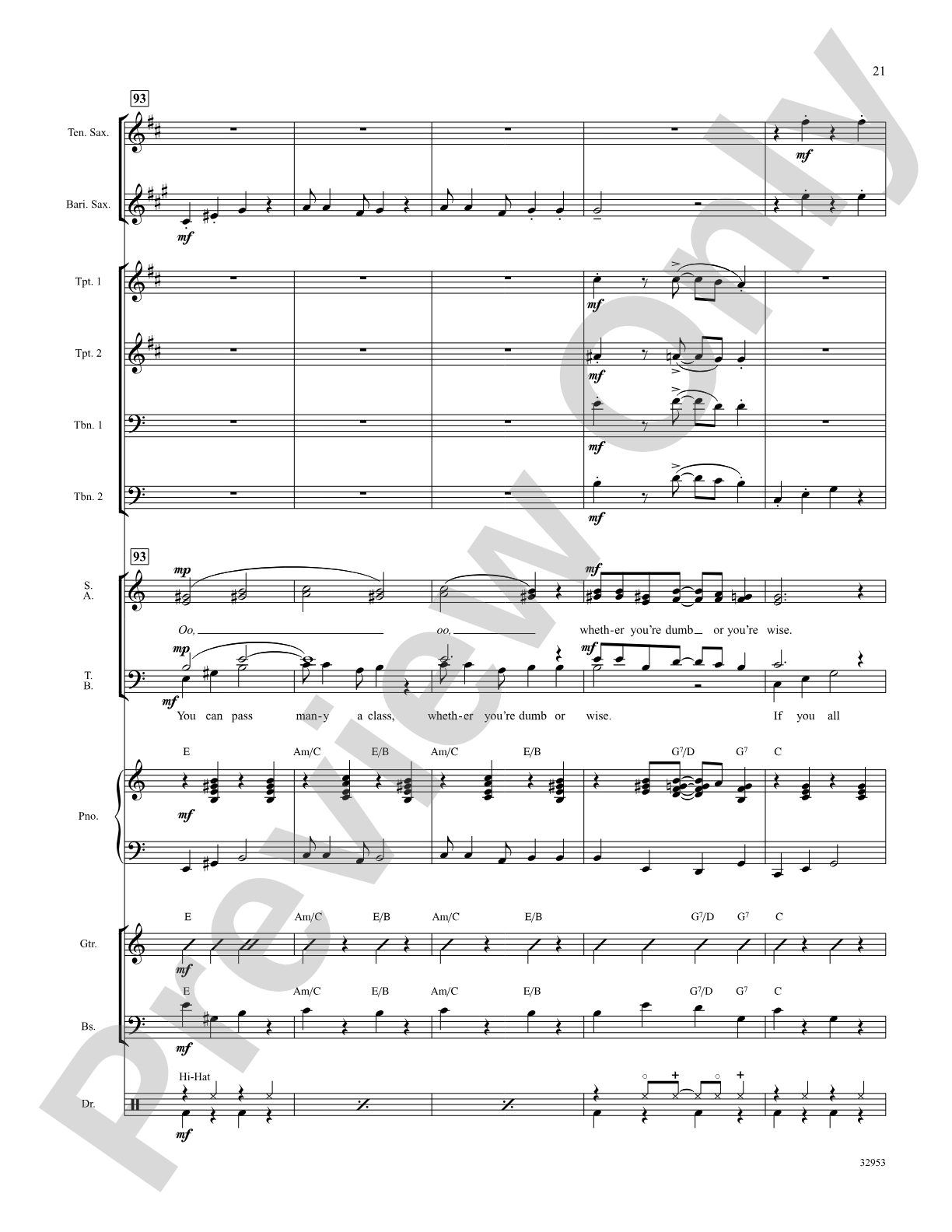
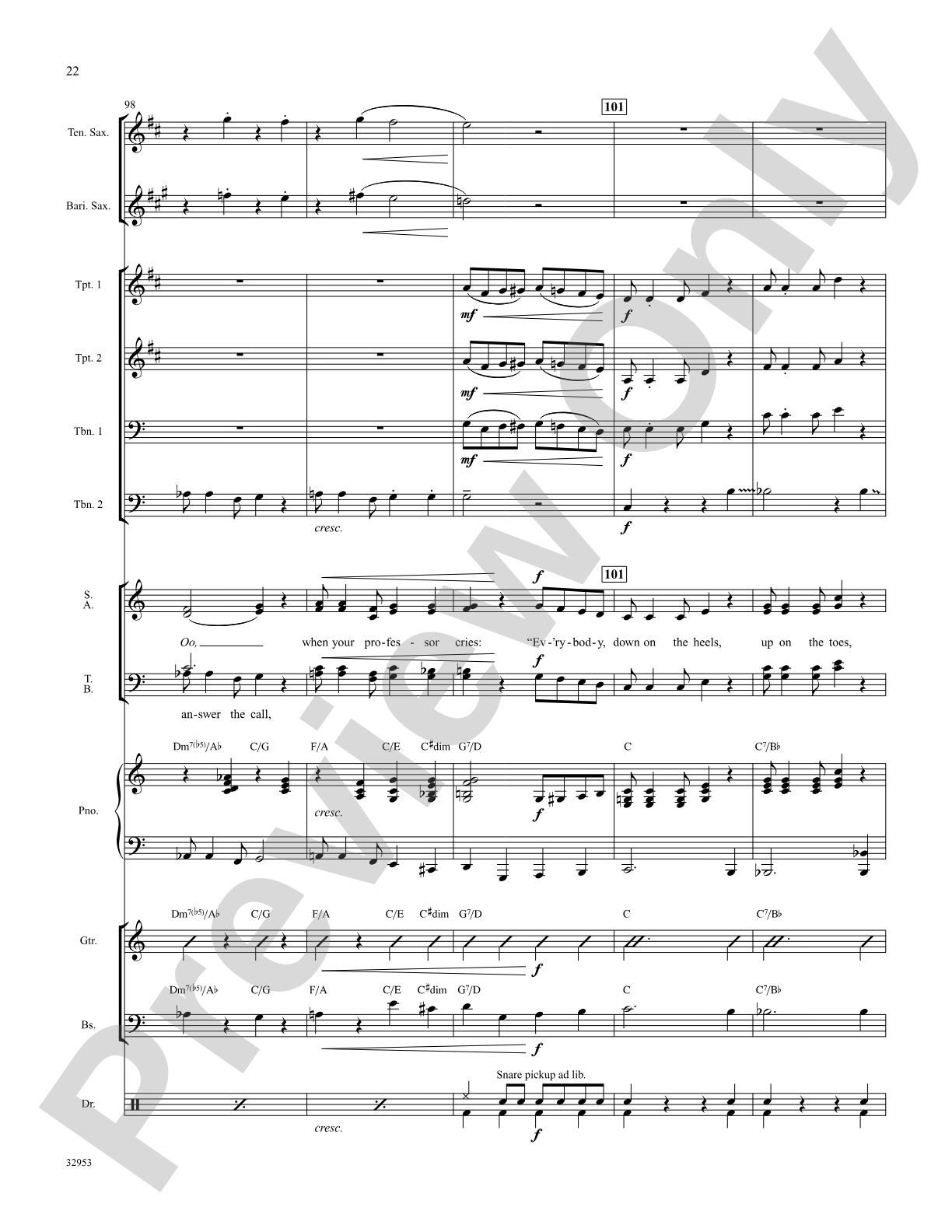
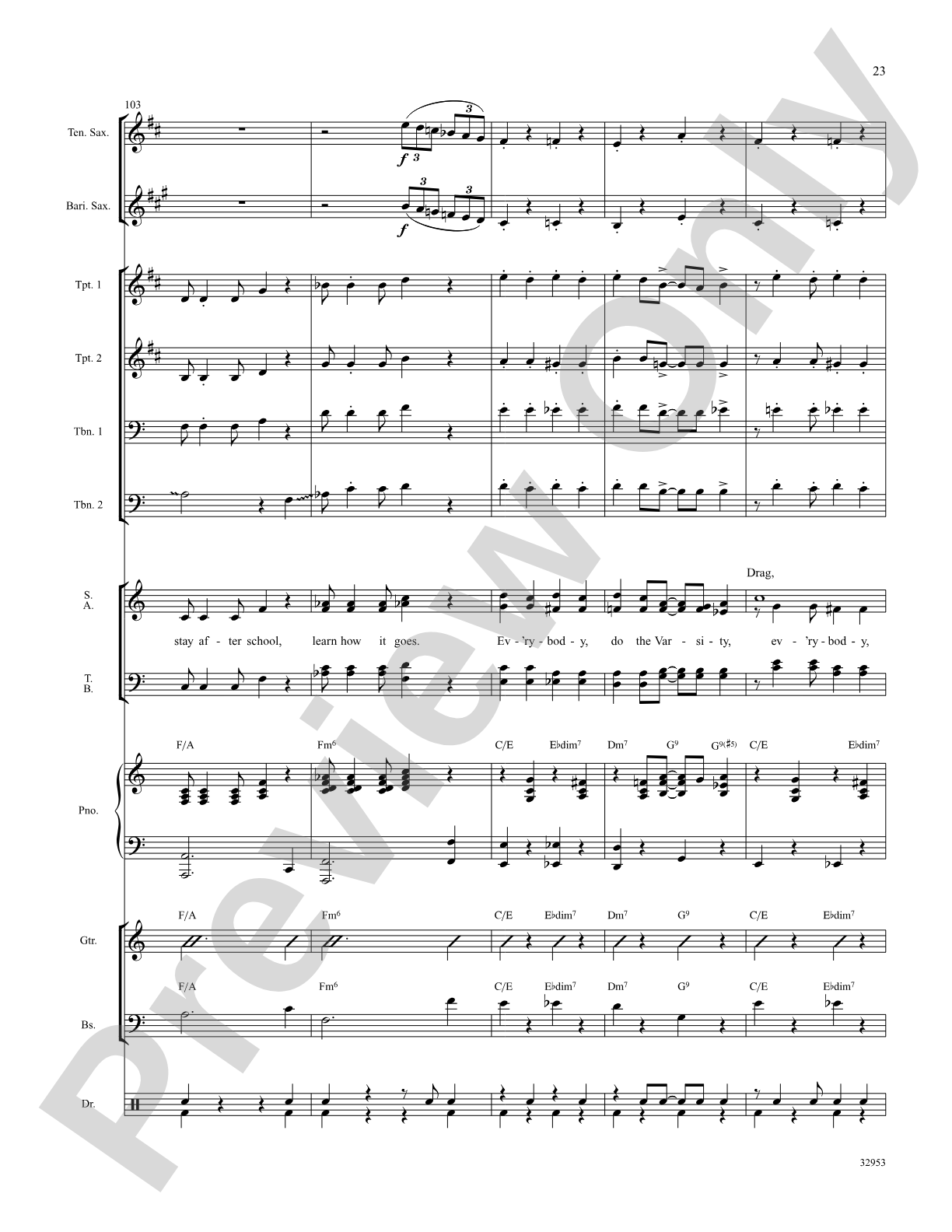
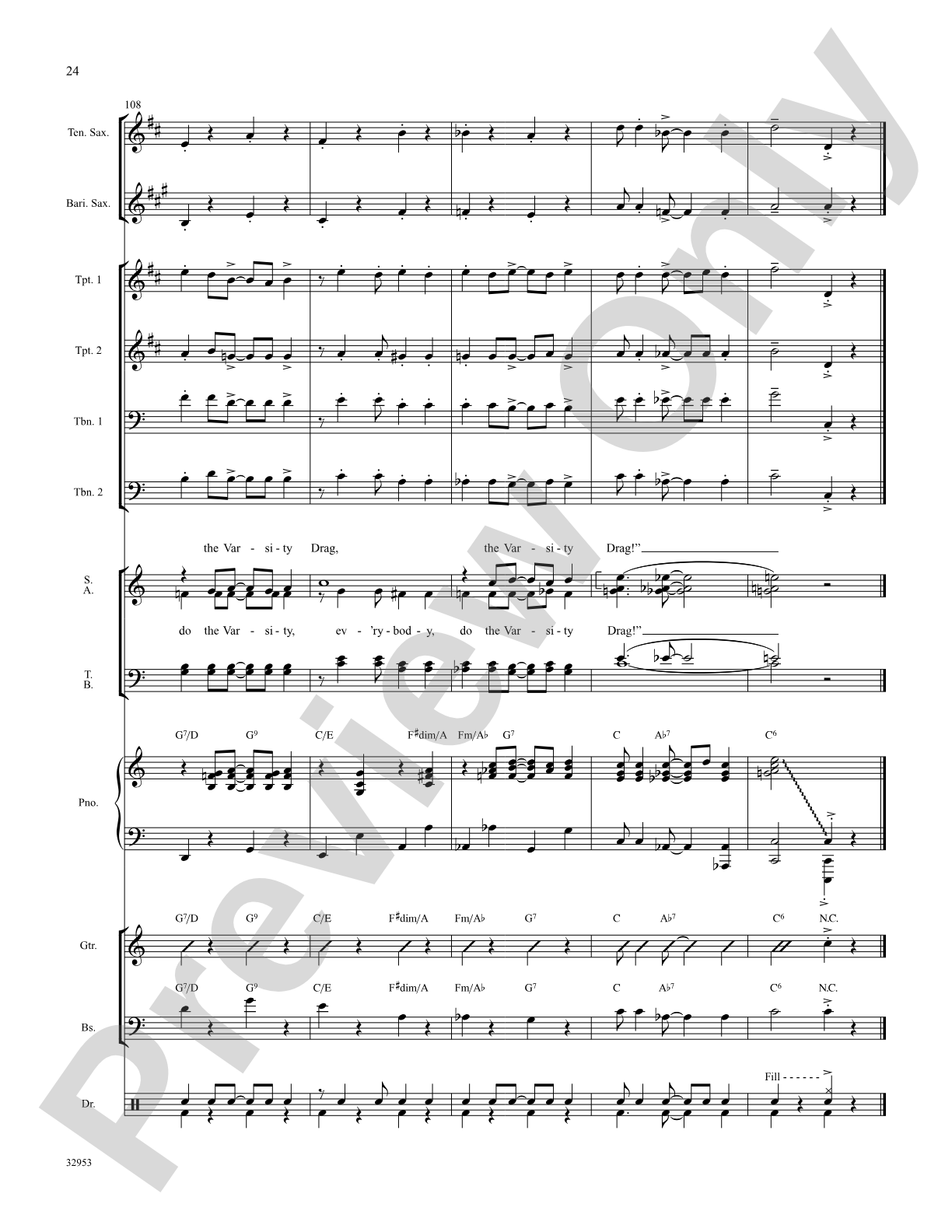

The Varsity Drag (from the musical Good News): Choral SoundPax
From the Musical Good News
Words and music by B. G. DeSylva, Lew Brown, and Ray Henderson / arr. Larry Shackley
Item: 00-PK-0004126

$40.00
One moment…
Related Items
The Varsity Drag: SoundTrax Digital Audio Download |
$24.99
|
View | |
The Varsity Drag: SATB Choral Octavo |
$1.85
|
View | |
The Varsity Drag: SAB Choral Octavo |
$1.85
|
View | |
The Varsity Drag: SSA Choral Octavo |
$1.85
|
View | |
The Varsity Drag: Choral Octavo SoundTrax CD |
$24.99
|
View | |
The Varsity Drag: Choral SoundPax |
$40.00
|
View |
Description
"Down on the heels, up on the toes, stay after school, and learn how it goes!" Here's the song that started the dance craze of the Roaring '20s!


Don't just read it, hear it, play along with it, and watch your students grow with it. In MakeMusic Cloud, The Varsity Drag (from the musical Good News): Choral SoundPax comes alive with professional accompaniment, adjustable tempo, and built-in practice tools that turn solo practice into real progress.
Open in the Player
Jump straight in and assign it today.
Start Your Free Trial
Open this title and explore the full library in minutes.
Sample Audio
1
Audio File
--:--
0:00
0:00
Sample Video
No sample videos found.
Additional Details
Series:
Alfred Pop Choral Series
Publisher:
Alfred Music
Page Count:
36
SKU:
00-PK-0004126
Instrumentation:
SoundPax
More about this title
About the Composer: B. G. DeSylva
B. G. DeSylva was a composer and lyricist who shaped the sound of American musical theater in the 1920s and 1930s. Working alongside Lew Brown and Ray Henderson, he crafted some of Broadway's most enduring melodies, including the score for Good News (1927), which introduced "The Varsity Drag" to audiences who danced to it for decades. His gift for writing catchy, singable tunes made him a central figure in the transition from operetta to modern musical comedy.
DeSylva's influence extended beyond the stage into film and popular music of the era. His melodies had an infectious quality that appealed to both trained singers and the general public, a hallmark of his compositional approach. Songs from his catalog remain staples in choral repertoire because they combine theatrical energy with genuine musicality.
Why we love this
This is Broadway energy that your singers will actually want to perform. The melody is so instantly recognizable that audiences connect immediately, but Larry Shackley's arrangement gives choirs real musical moments to dig into. You get the nostalgia and fun of the 1920s with a piece that works for intermediate to advanced high school and college choirs.
What to expect
Pure theatrical joy with a retro wink. The melody bounces along with an irresistible lightness, while the arrangement respects the dancers' legacy that made this song iconic. There's humor in the lyrics and sophistication in the harmonies, creating a piece that entertains without sacrificing musicianship.
Who it's for
High school and college choirs looking for repertoire that feels current and fun despite its 1920s origins. Directors seeking a showstopper with authentic theatrical roots and strong harmonic writing that challenges singers without overwhelming them.
How to get the most out of it
- Balance the rhythmic precision of the ensemble with the natural swing the melody demands. The "down on the heels, up on the toes" lyric mirrors the actual dance steps; let your singers feel that physical impulse in how they phrase and breathe.
- Keep the recorded accompaniment driving without letting it overwhelm the vocal lines. Use it to lock in rhythmic accuracy during rehearsal, then trust your singers to own the groove in performance.
- Shape the dynamics to highlight the contrast between lighter, tossed-off verses and fuller, more spirited choruses. This variety sustains energy across all 36 pages.
How to use it
Pair this with other standards or contemporary pop selections for a concert that spans eras, or build a full program around 1920s-1930s American musical theater. It works equally well as a concert closer (guaranteed applause and energy) or as a bridge between classical and pop repertoire, especially if you're programming around dance, social history, or the evolution of American music.
Skills your students will build
- Swing rhythm and syncopation interpretation
- Stylistic interpretation of early musical theater
- Ensemble rhythmic precision and entrances
- Phrasing and shaping over longer melodic lines
- Balancing legibility of text with musical line