
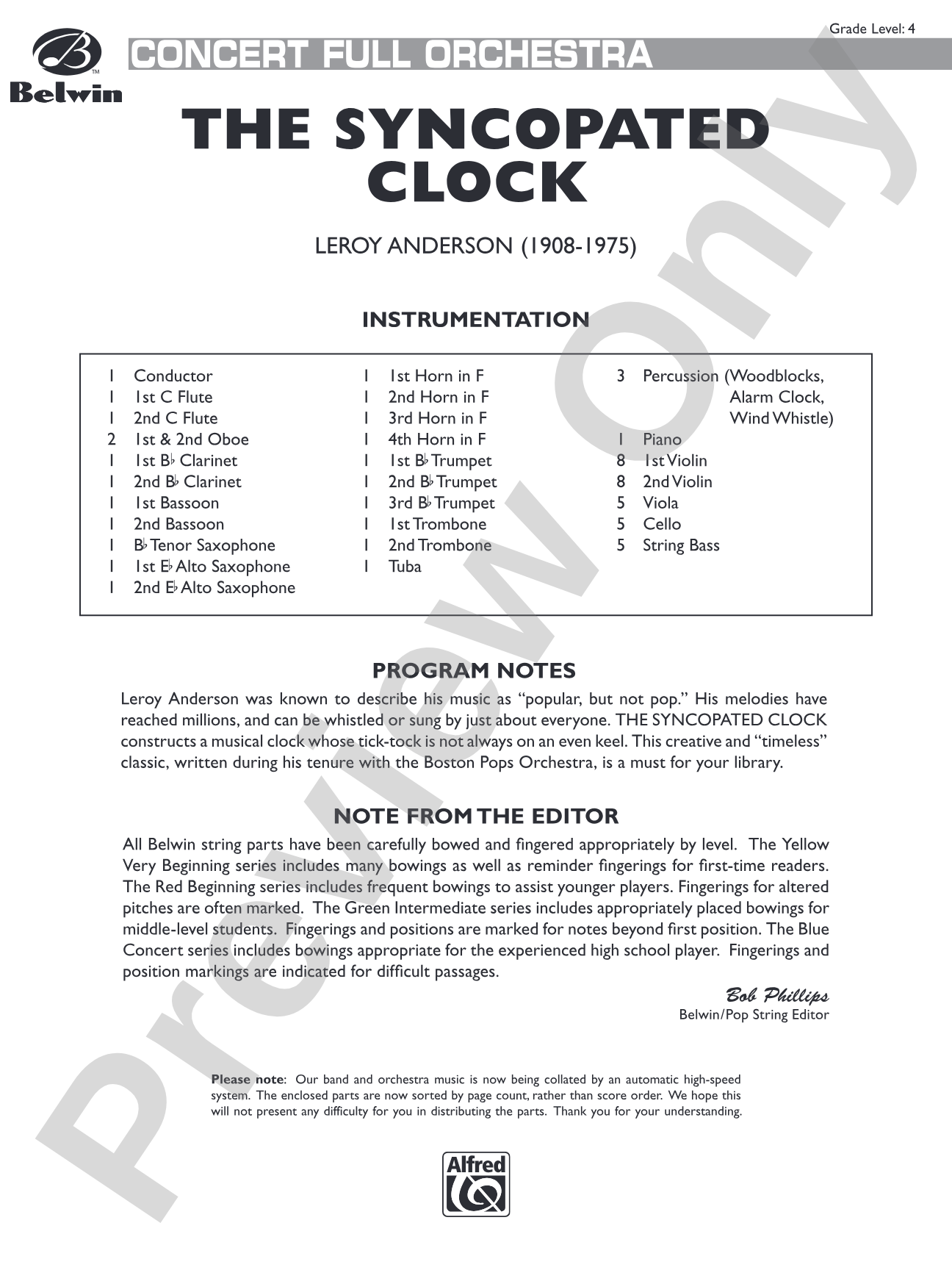
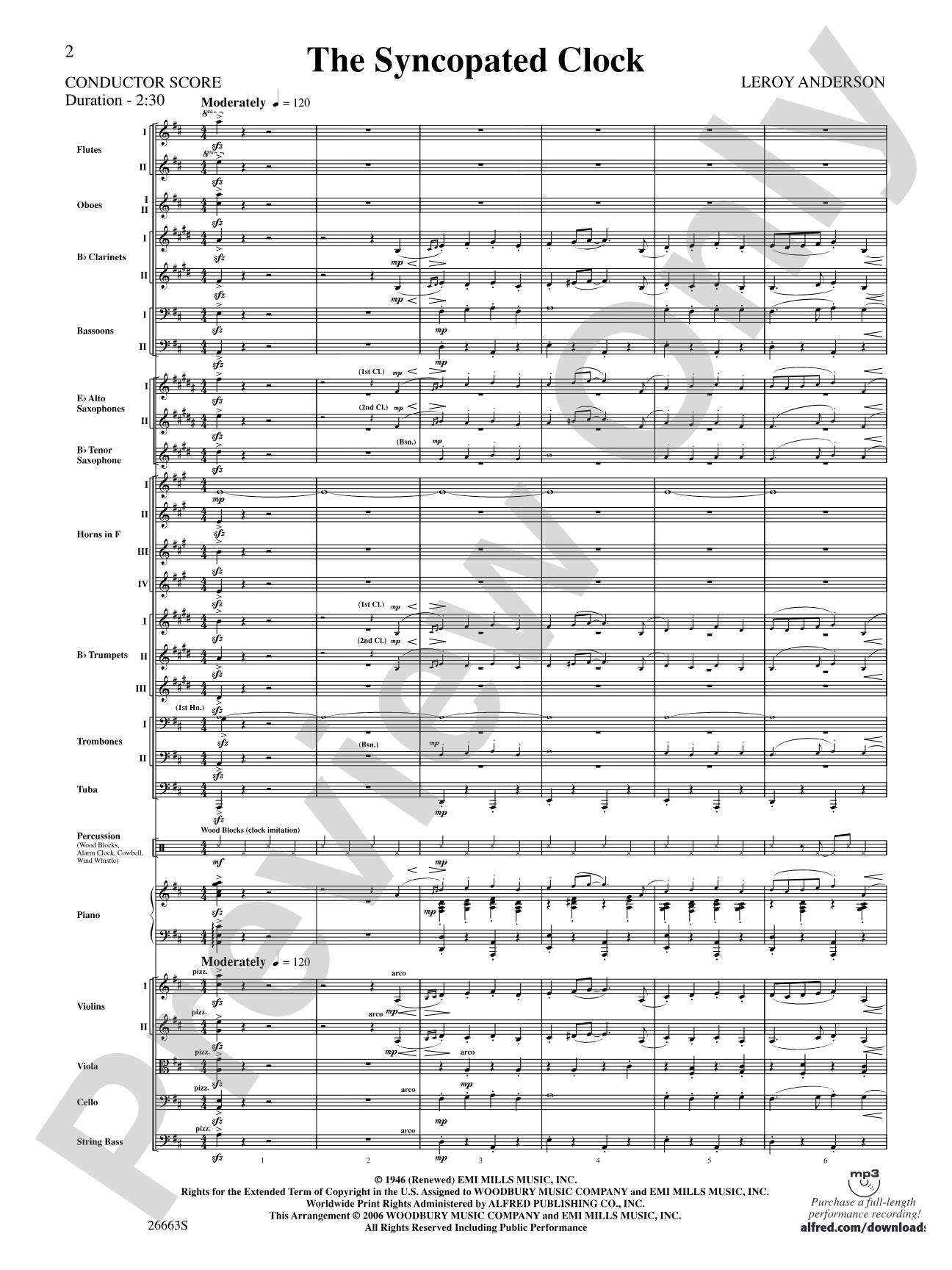
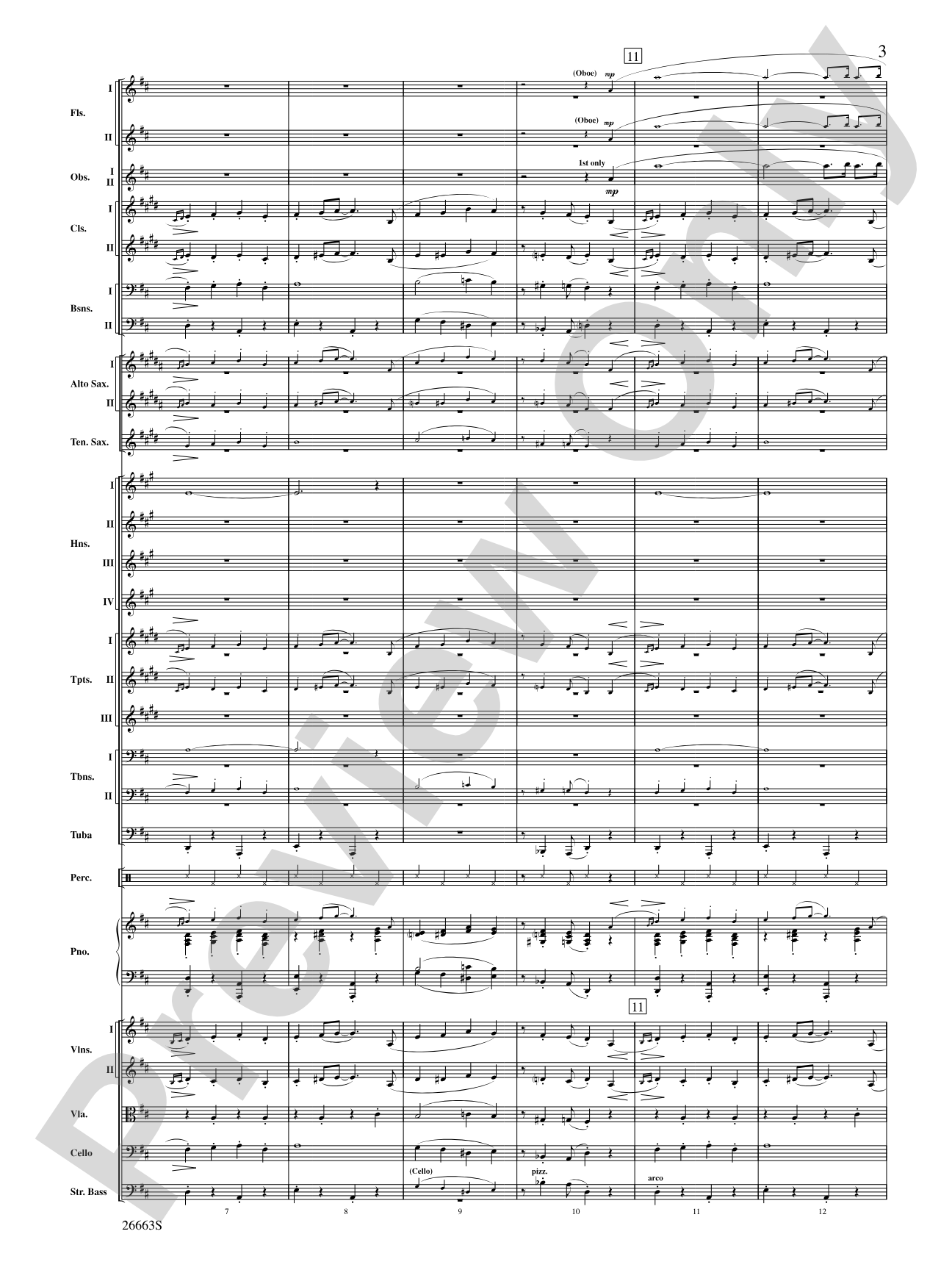
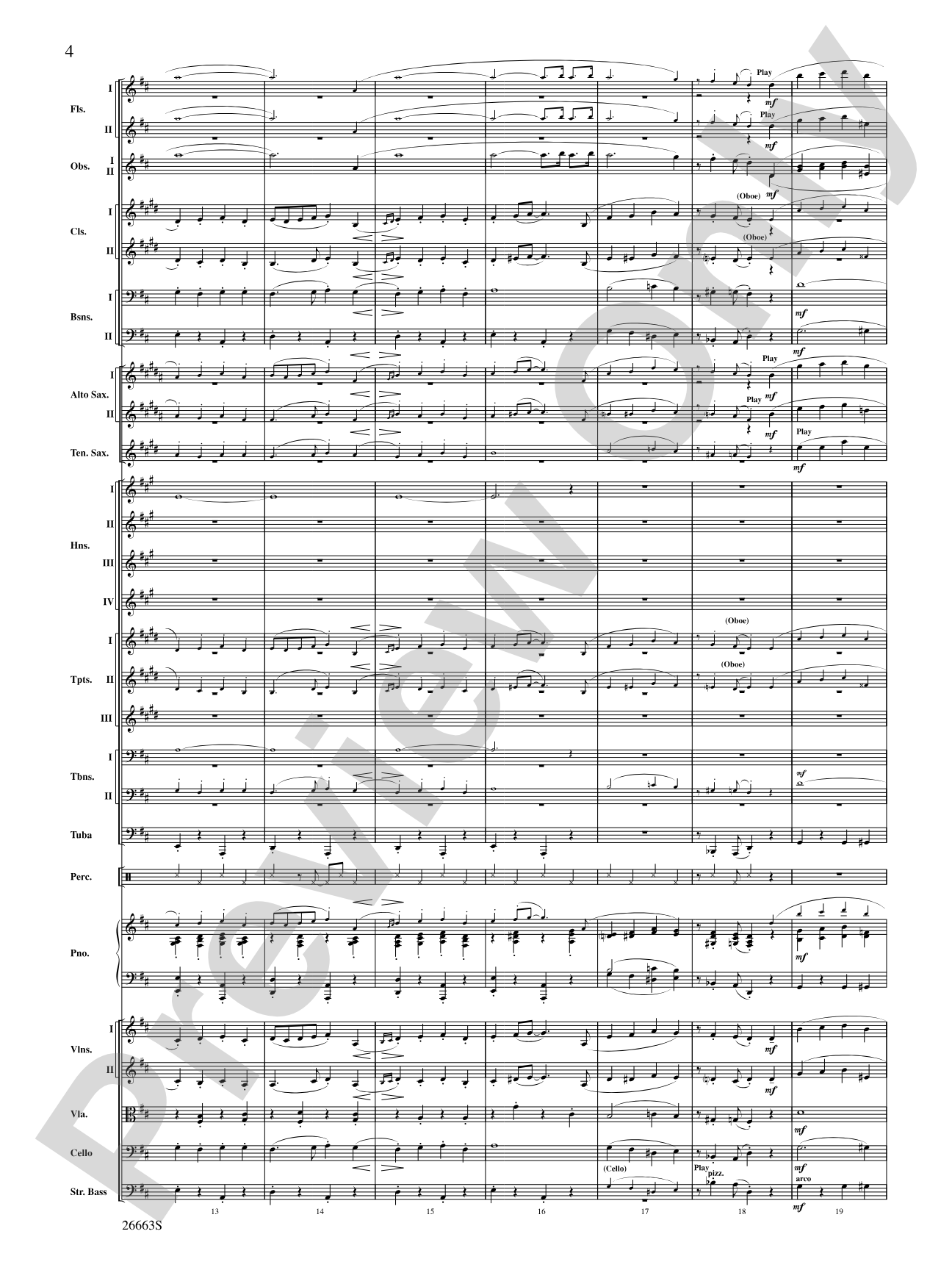
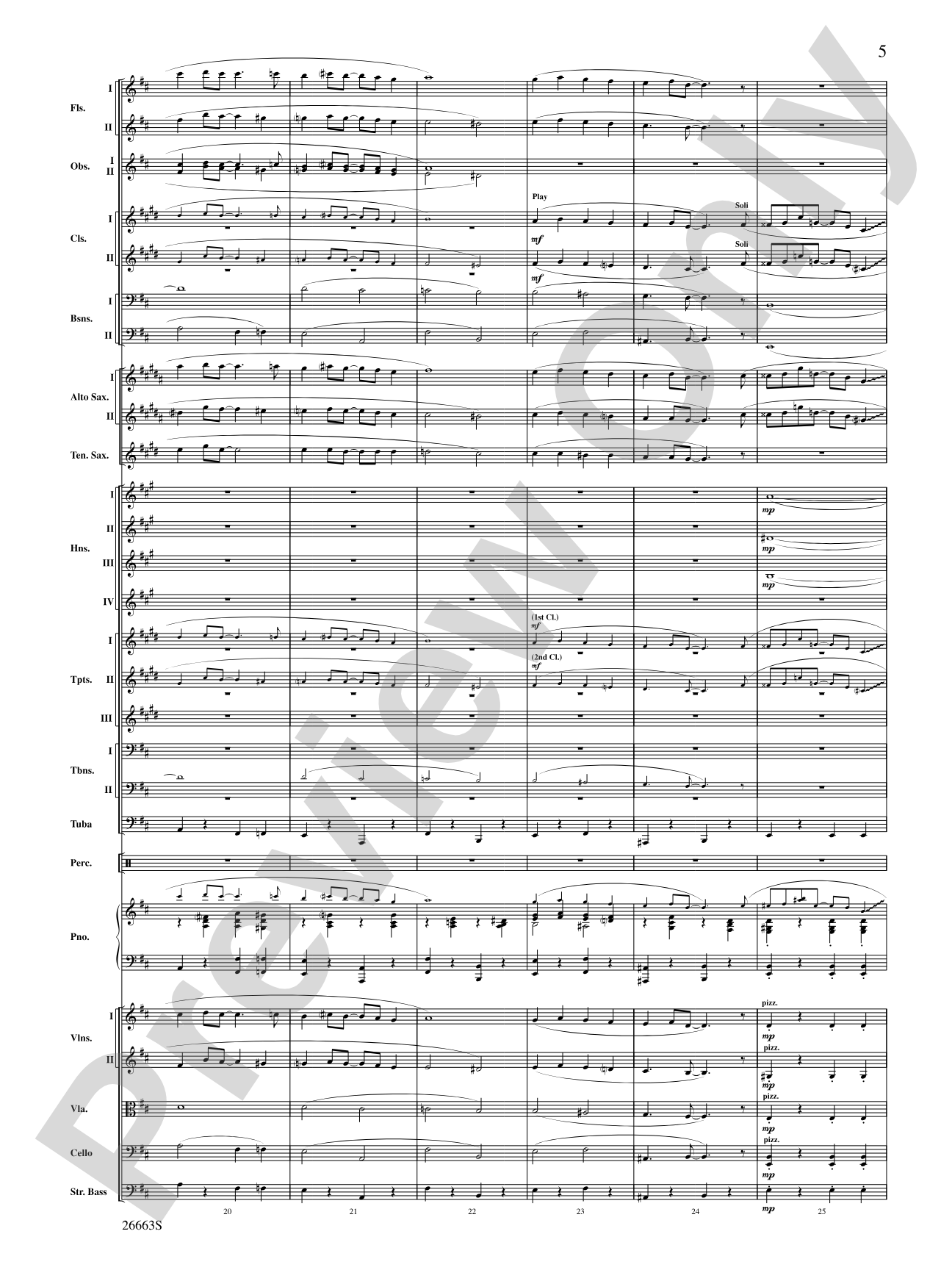
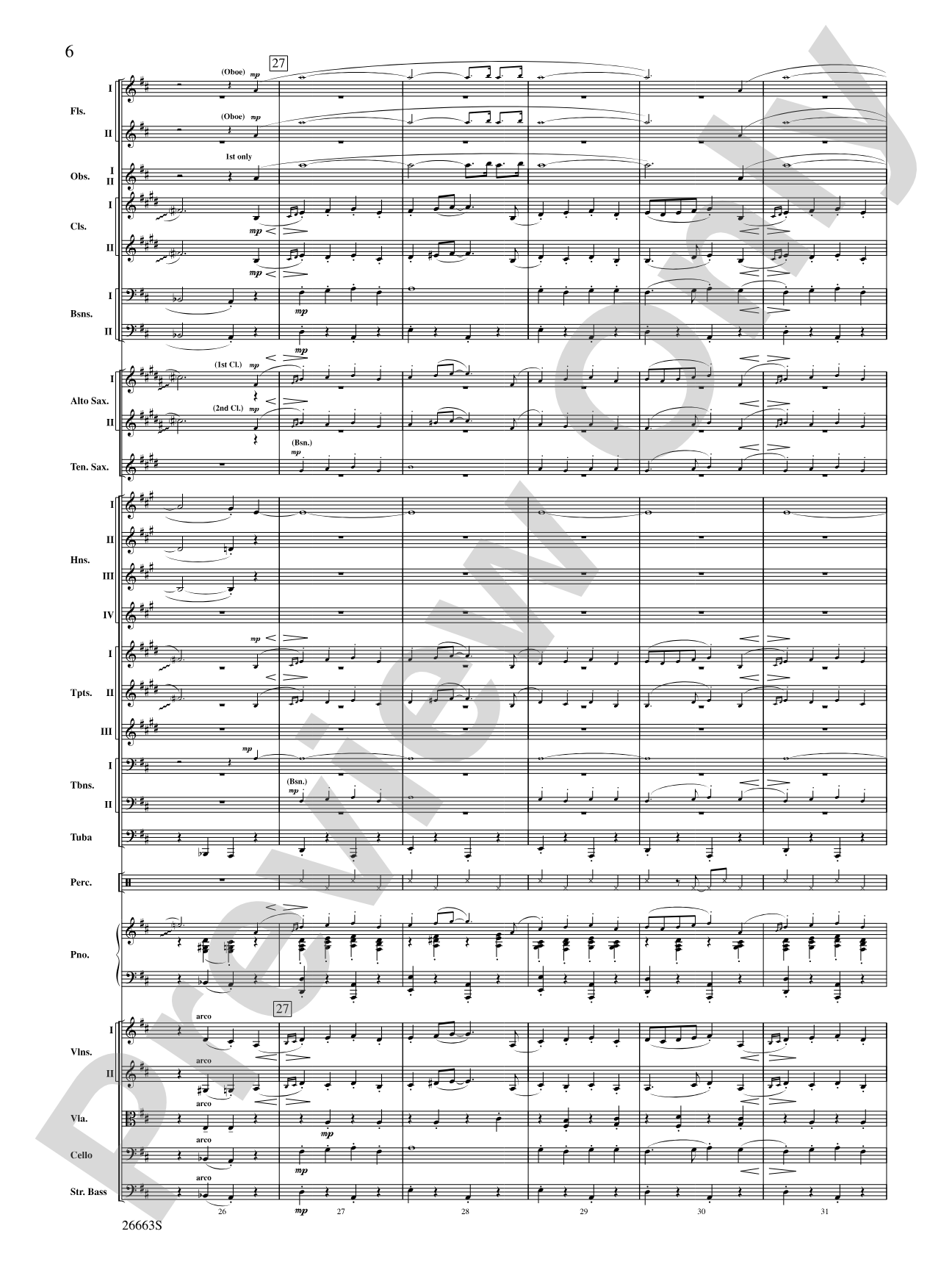
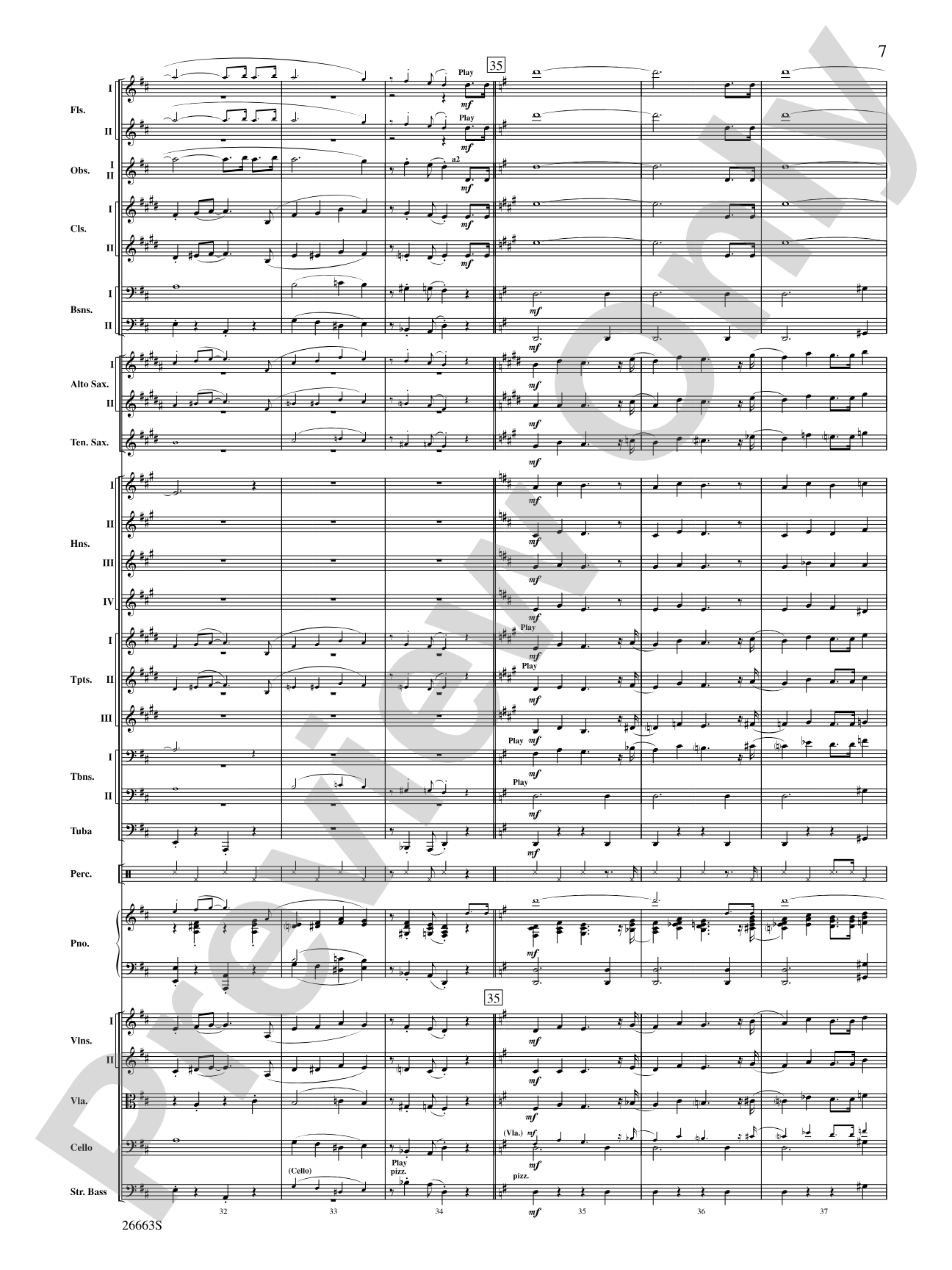
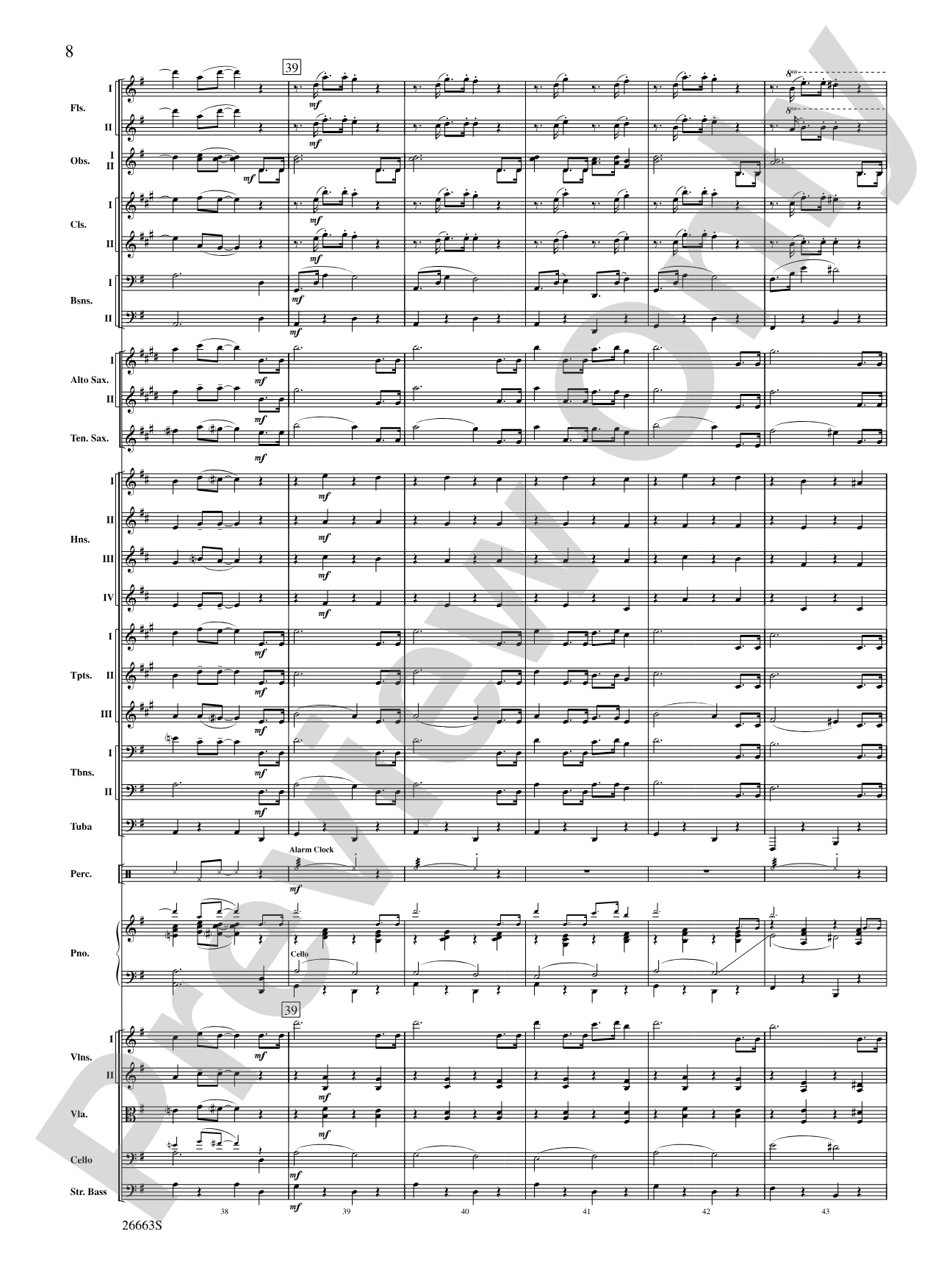
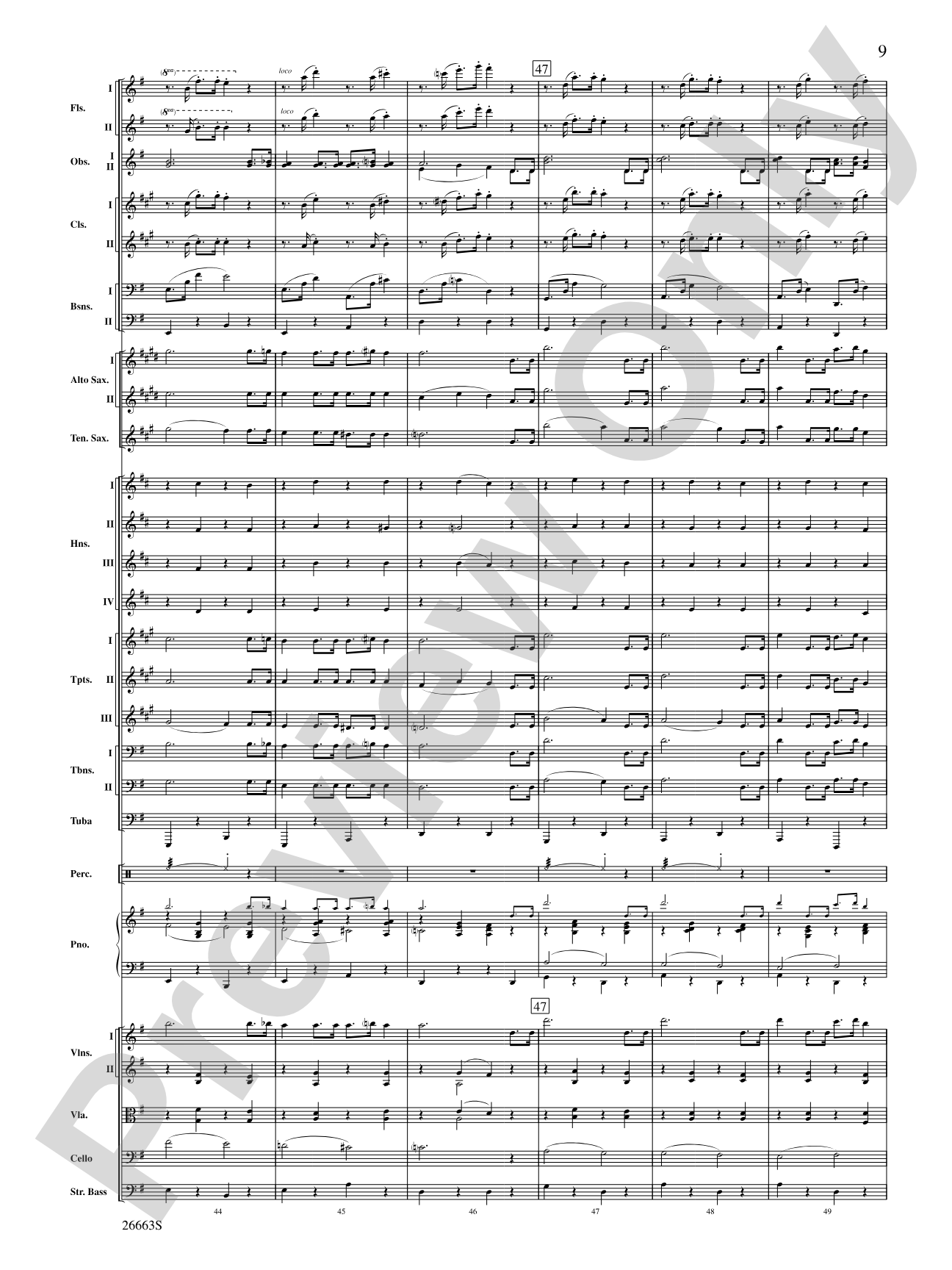
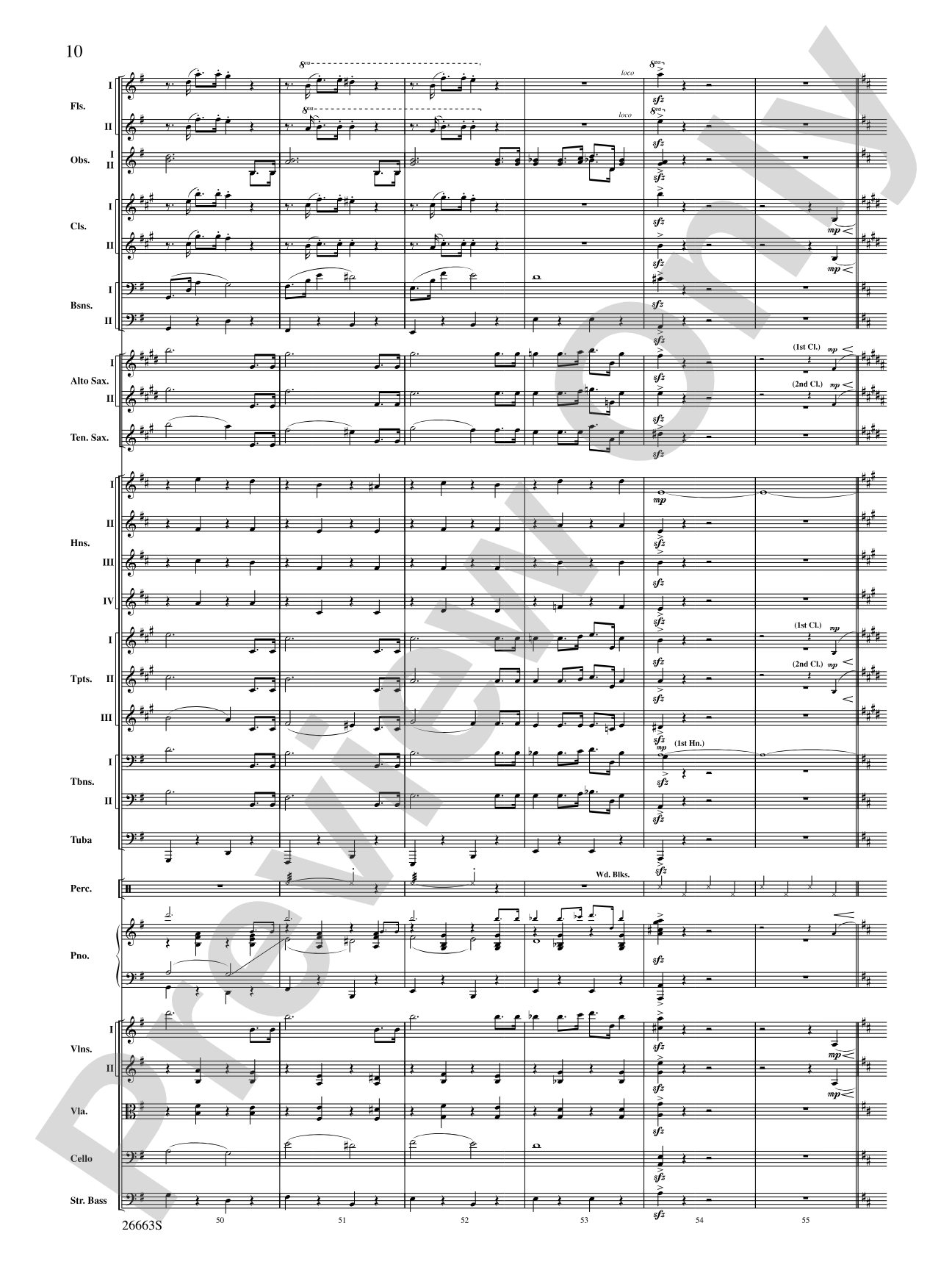
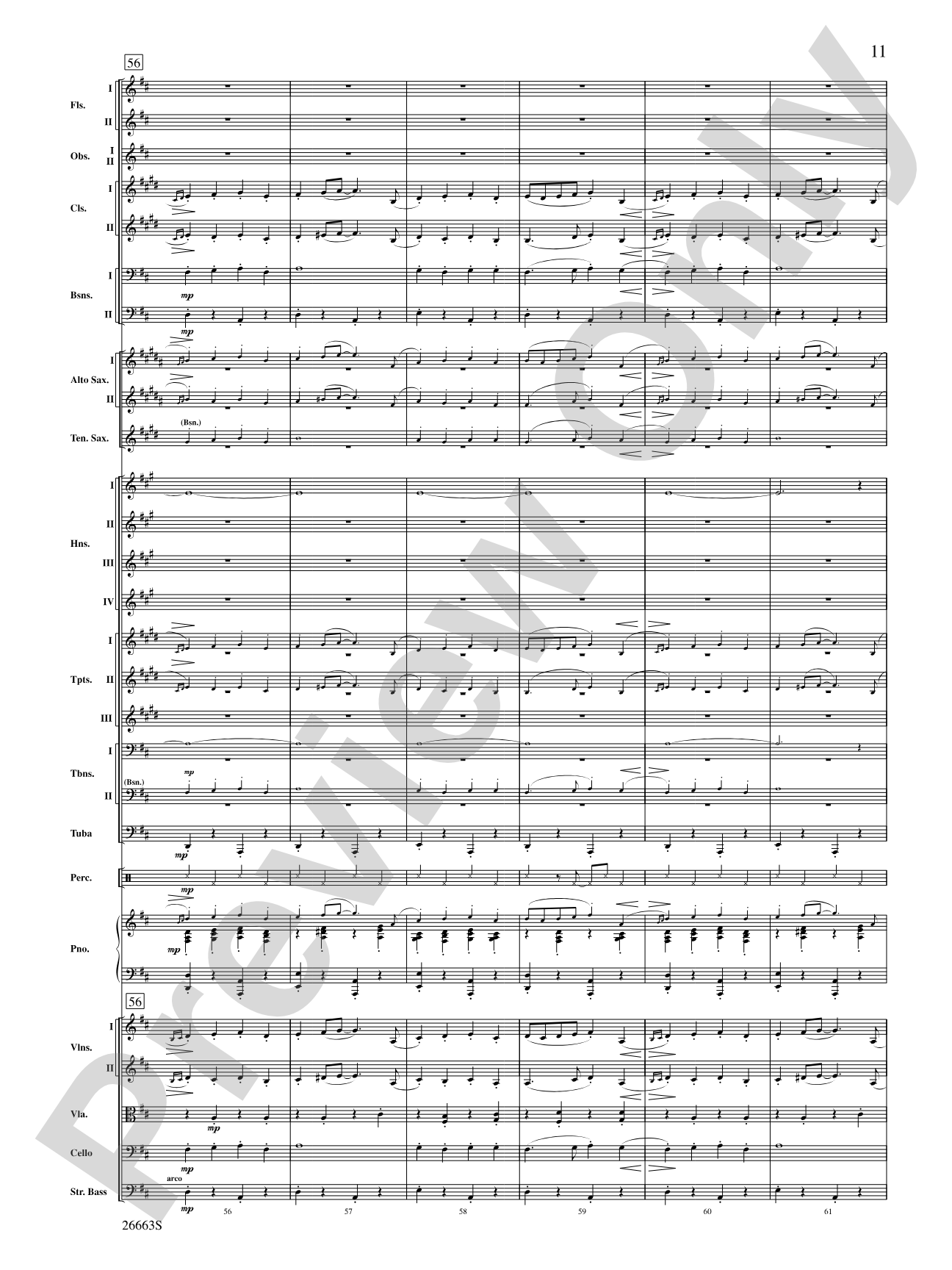
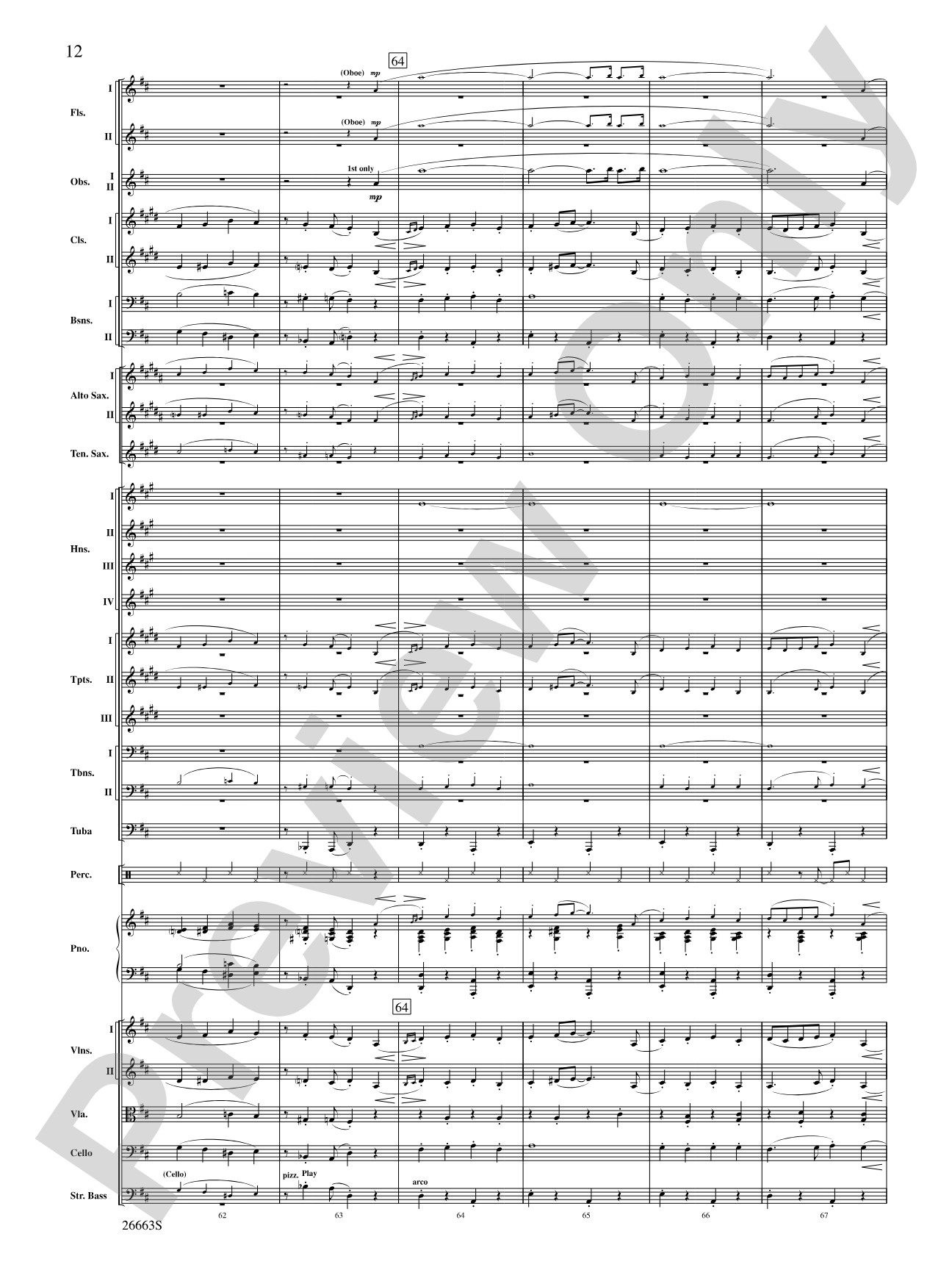
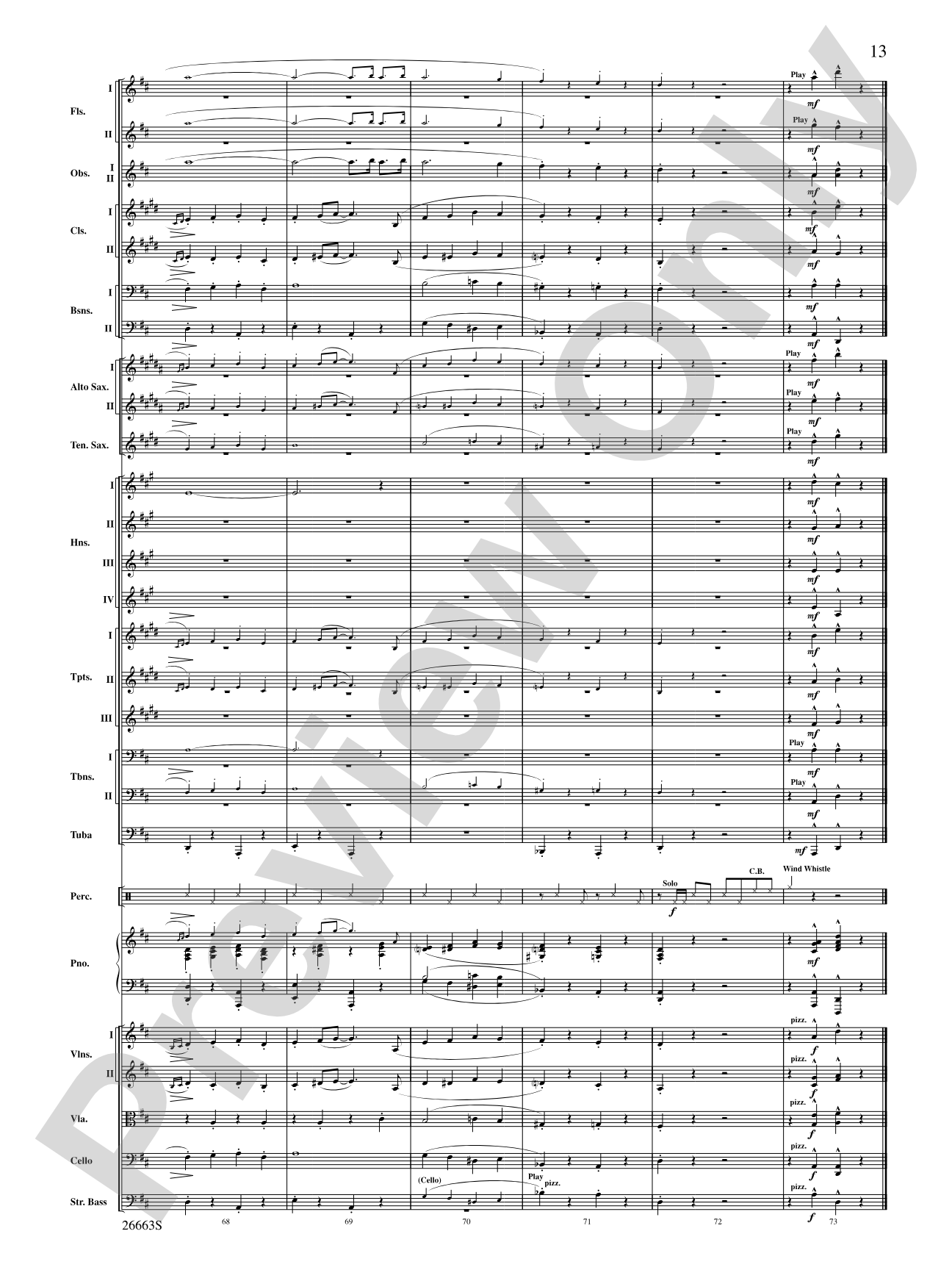




The Syncopated Clock: Full Orchestra Conductor Score & Parts
By Leroy Anderson
Grade: 4
Item: 00-PK-0001164

$75.00
Pickup currently not available
Buy Extra Parts (Digital PDF Download)
Parts Added to Cart!
Related Items
The Syncopated Clock: Full Orchestra Conductor Score & Parts |
$69.00
|
View | |
The Syncopated Clock: Concert Band Conductor Score & Parts |
$85.00
|
View | |
The Syncopated Clock: Guitar Quartet Conductor Score & Parts |
$14.99
|
View | |
The Syncopated Clock: Full Orchestra Conductor Score & Parts |
$75.00
|
View | |
The Syncopated Clock: Full Orchestra Conductor Score |
$10.00
|
View | |
The Syncopated Clock: Full Orchestra Conductor Score & Parts |
$66.00
|
View | |
The Syncopated Clock: Full Orchestra Conductor Score |
$9.00
|
View | |
The Syncopated Clock: Concert Band Conductor Score & Parts |
$85.00
|
View | |
The Syncopated Clock: Concert Band Conductor Score |
$9.00
|
View |
Description
This creative 'timeless' classic by Leroy Anderson is a must for your library. Perfect for concert or show, this unique novelty number is destined to be a favorite of your audience. A masterpiece! This title is available in MakeMusic Cloud.


Don't just read it, hear it, play along with it, and watch your students grow with it. In MakeMusic Cloud, The Syncopated Clock: Full Orchestra Conductor Score & Parts comes alive with professional accompaniment, adjustable tempo, and built-in practice tools that turn solo practice into real progress.
Open in the Player
Jump straight in and assign it today.
Start Your Free Trial
Open this title and explore the full library in minutes.
Sample Audio
1
Audio File
--:--
0:00
0:00
Sample Video
No sample videos found.
Additional Details
Series:
Pop Concert Full Orchestra
Publisher:
Alfred Music
Page Count:
107
SKU:
00-PK-0001164
More about this title
About the Composer: Leroy Anderson
Leroy Anderson (1908, 1975) was an American composer and conductor who became the master of the light concert piece. Born in Cambridge, Massachusetts, Anderson studied at Harvard and developed an ear for orchestration that made him one of the most recorded composers of the mid-twentieth century. His gift was finding humor, warmth, and genuine musicality in everyday subjects, clocks, typewriters, plink-plank sounds, transforming them into concert pieces that audiences loved as much as musicians enjoyed playing them.
Anderson's output was prolific: over 140 compositions, many for orchestra, many originally written for radio and television. His skill lay in clever orchestration, memorable melodies, and an instinct for what makes an audience smile without condescension. He understood that light music demands the same compositional craft as any other genre, and his pieces endure because they are genuinely well-written.
Why we love this
Audiences respond to this piece with immediate delight, the clock mechanism becomes a character, and the orchestra brings it to life with charm and precision. It's the kind of novelty number that actually respects the ensemble and the listener, delivering genuine musicality alongside the wit. Programming it signals that your orchestra can handle sophistication and fun in equal measure.
What to expect
Charming and ingenious, The Syncopated Clock ticks along with infectious energy and playful orchestral color. Anderson's orchestration sparkles with personality, creating moments of surprise and delight that keep listeners grinning while musicians work through satisfying musical challenges.
Who it's for
This score and parts work for full orchestras at the intermediate to advanced beginner level who want a crowd-pleasing programmatic work with substance. Directors seeking a novelty piece that develops genuine orchestral skills rather than relying on gimmick alone will find this a thoughtful addition to their library.
How to get the most out of it
- Establish a steady internal pulse before rehearsal begins; the syncopated figures in the melody demand absolute rhythmic precision from all sections, especially strings and woodwinds working in tandem.
- Balance the prominent clock sounds (often handled by percussion) so they remain playful rather than jarring; they're conversation starters, not drowning-out devices.
- Shape the melodic line with subtle rubato in the more lyrical passages to let the tune breathe between sections of stricter rhythmic control.
- Encourage the brass section to deliver their entrances with crisp articulation and character; their punctuations drive much of the piece's comedic timing.
How to use it
Use this as a centerpiece pops concert selection or sandwich it between more serious repertoire to lighten the second half of a formal concert program. Its narrative quality and immediate appeal make it ideal for family concerts, school assembly performances, or festival competitions where you want to showcase both orchestral polish and musical personality.
Skills your students will build
- Rhythmic precision in syncopated and offset melodic figures
- Balance and blend between sustained harmonic parts and featured melodic lines
- Coordination between percussion effects and orchestral texture
- Stylistic control of legit classical technique applied to light music
- Dynamic shaping and phrasing in both spirited and lyrical passages