The Stars Are with the Voyager Cover Image

The Stars Are with the Voyager: 2-Part Choral Octavo

$2.05 USD
Sale price  $2.05 USD Regular price 
Skip to product information
The Stars Are with the Voyager Cover Image

The Stars Are with the Voyager: 2-Part Choral Octavo

Words by Thomas Hood, music by Mary Donnelly and George L. O. Strid

Item: 00-46749

makemusic Cloud badge

Need it now?

Buy Digital Version
$2.05
Shipped

One moment…

Description
An optional flute obbligato floats dreamily above throughout this lovely treble setting of the famous poem by Thomas Hood. Both melody and harmony are written in ideal vocal ranges, and subtle changes in tempo and dynamics encourage choral artistry.

Don't just read it, hear it, play along with it, and watch your students grow with it. In MakeMusic Cloud, The Stars Are with the Voyager: 2-Part Choral Octavo comes alive with professional accompaniment, adjustable tempo, and built-in practice tools that turn solo practice into real progress.

Sample Pages

Sample Audio
0:00
0:00
Sample Video
Additional Details
Series: Alfred Choral Designs
Publisher: Alfred Music
Page Count: 12
UPC: 038081532042
SKU: 00-46749

More about this title

About the Composer: Mary Donnelly
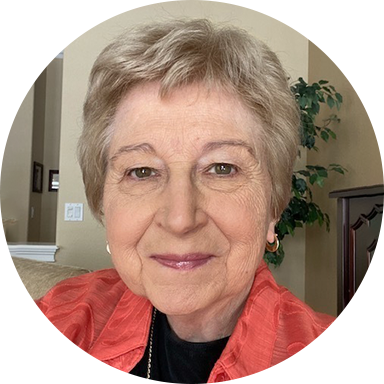
Mary Donnelly

Mary Donnelly's path to composition began with practical classroom needs. After earning a BA in English and French from the University of Nevada, Reno, she trained as a music educator and spent thirty years teaching general music and choir in the Washoe County schools. Her master's degree from Lesley College focused on integrating arts across the curriculum, a philosophy that shapes her approach to writing music for young singers.

In 1986, Donnelly and George L. O. Strid began collaborating when their principal challenged them to write a musical for Reading Week. That first project launched a partnership that has produced over two hundred songs and twenty-five full musicals. The pair's work reflects Donnelly's deep understanding of what students can accomplish when the writing serves both musical and educational goals. She is an active member of ACDA, NEA, and ASCAP.

Why we love this

The flute obbligato transforms what could be a straightforward 2-part setting into something genuinely atmospheric. Donnelly and Strid trust their singers with real artistry: the tempo and dynamic markings aren't decorative but compositional choices that ask the choir to listen and respond to one another. This works beautifully at concert or festival because the vocal ranges feel natural rather than cramped.

What to expect

Dreamy and wistful, with a quality of longing that the flute captures perfectly. The piece invites stillness and introspection rather than projection, creating an intimate moment even in a large concert hall. Hood's meditation on fate and travel becomes lyrical rather than heavy in Donnelly and Strid's hands.

Who it's for

Middle school and early high school choirs looking for repertoire that balances accessibility with musical substance. The Thomas Hood text adds literary weight without requiring advanced vocal maturity. Any director programming a poetry-themed concert or festival will find this a natural fit.

How to get the most out of it

  • Balance the flute obbligato as a floating presence, not a competing line. The choir holds the emotional weight; the flute adds shimmer.
  • Shape the tempo changes deliberately during rehearsal so they feel purposeful rather than accidental. Mark them clearly in your score.
  • Let the two-part writing breathe. With just two lines, every entrance and rest matters; small lapses in ensemble cohesion become obvious.
  • Check your sopranos and altos separately on their individual phrases before bringing sections together. Donnelly's part-writing rewards this attention.

How to use it

Place this mid-concert where you need a textural shift from the surrounding pieces. The optional flute arrangement also allows you to feature a solo student instrumentalist alongside your singers, building connection across your music program. It works equally well as a contest selection or as part of a thematic program exploring poetry and music.

Skills your students will build

  • Singing in a narrow vocal range without strain (emphasis on placement and breath management)
  • Listening to independent lines while maintaining your own part
  • Responding to subtle dynamic and tempo markings as interpretive choices
  • Blending with a solo instrument and adjusting to its timbre

You May Also Like
