The Southeast Sixstep Cover Image

The Southeast Sixstep: Jazz Ensemble Conductor Score

$10.00 USD
Sale price  $10.00 USD Regular price 
Skip to product information
The Southeast Sixstep Cover Image

The Southeast Sixstep: Jazz Ensemble Conductor Score

By Eric Richards

Grade: 5 (Advanced / Difficult)

Item: 00-30661S

$10.00
Shipped

One moment…

Description
Composer Eric Richards offers a creative, challenging and effective original in 6/4 time, with a straight eighth groove that moves into a swing feel, but still in 6. You'll discover that this chart feels great in 6 with features such as a sax soli, solo space for tenor sax and trumpet 2, lots of ensemble shout chorus, and lead trumpet range to written C, above the staff. An excellent chart with a hint of Metheny. (7:26)

The Southeast Sixstep: Jazz Ensemble Conductor Score isn't in MakeMusic Cloud just yet...but it could be. Let us know you'd like to see it, and you'll help shape what comes next. In the meantime, start a free trial and dive into thousands of interactive titles your students can play along with today.

Sample Pages

No sample pages found.

Sample Audio
No sample audio found.
Sample Video
Additional Details
Series: Premier Jazz Series
Publisher: Alfred Music
Page Count: 32
UPC: 038081343457
SKU: 00-30661S

More about this title

About the Composer: Eric Richards
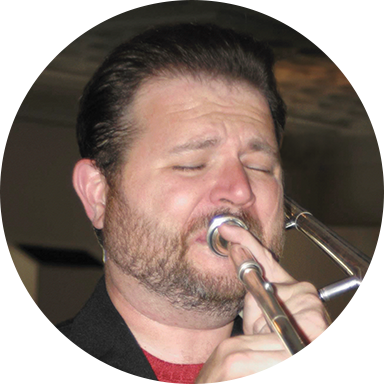
Eric Richards

Eric Richards brings decades of experience across composition, arranging, conducting, and performance. His works have premiered at prestigious venues worldwide including Carnegie Hall and major jazz festivals (Montreux, Nice, North Sea), with performances by ensembles ranging from the US Army Field Band to the National Symphony Orchestra and USAF Airmen of Note. He currently serves on the composition faculty at the University of Nebraska-Lincoln School of Music.

From 1984 through 2004, Richards held the position of composer and arranger with the US Army Field Band, where he developed the sophisticated arranging voice evident in pieces like The Southeast Sixstep. His music crosses classical, jazz, and contemporary idioms with equal facility.

Why we love this

Richards solves a real problem for advanced jazz programs: finding an original chart that feels genuinely comfortable in an unusual meter rather than fighting it. The 6/4 framework here isn't a gimmick; the piece breathes naturally in six, swinging hard without reverting to 4/4. The solo and section writing gives soloists real estate while keeping the ensemble engaged through shout choruses and a lead trumpet line that sits high but stays singable.

What to expect

Modern and grounded at once. The piece opens with a straight eighth pocket that feels almost contemporary, then shifts into genuine swing while holding the six/four framework. There's a floating, open quality to the solo sections that hints at Pat Metheny's harmonic approach, balanced by punchy ensemble statements that keep the band in control.

Who it's for

Advanced jazz ensembles (Grade 5) ready to tackle meter and swing feel simultaneously. This score works best with groups that have solid tenor sax and trumpet soloists and an ensemble that can lock a groove without falling back on predictable 4/4 habits.

How to get the most out of it

  • Establish the 6/4 pulse early in rehearsal by conducting in two (three beats per side) rather than six. This keeps the straight eighth groove locked and prevents the ensemble from subdividing into 2/4 plus 2/4.
  • Balance the sax soli so the section voice reads clearly over the accompaniment. Since this is an ensemble chart, make sure the horns behind the soli support without overwhelming the featured line.
  • Encourage the trumpet 2 and tenor sax soloists to stay grounded in the groove during their solo space. The Metheny influence suggests a more atmospheric, conversational approach than hard-driving changes.
  • Bring out the shout chorus sections with precision; these unison moments define the chart's energy and give the band collective ownership of the tune.

How to use it

This chart demands a spot on a jazz festival or concert where it can command full attention. The 7:26 length and advanced demands pair well with a program built around exploring contemporary jazz language; follow it with a straightahead blues or precede it with a Latin standard to show different approaches to the same vocabulary.

Skills your students will build

  • Reading and performing in 6/4 time with swing feel
  • Maintaining groove in a non-standard meter across the full ensemble
  • Trading solos (tenor sax and trumpet 2) within a fixed harmonic structure
  • Balancing section work (sax soli) with accompaniment density
  • Producing lead trumpet range at written C above the staff with clarity and control

You May Also Like