
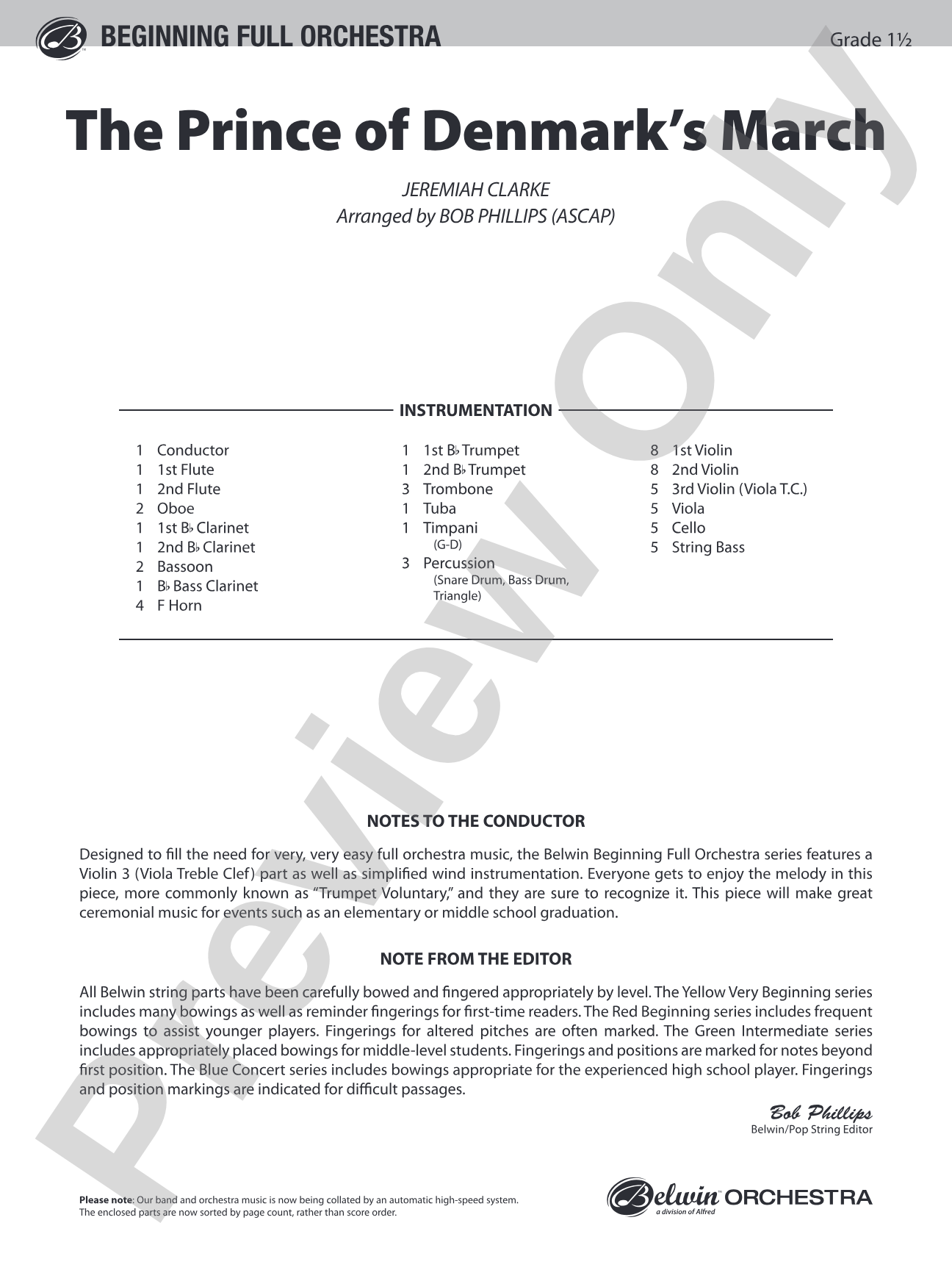
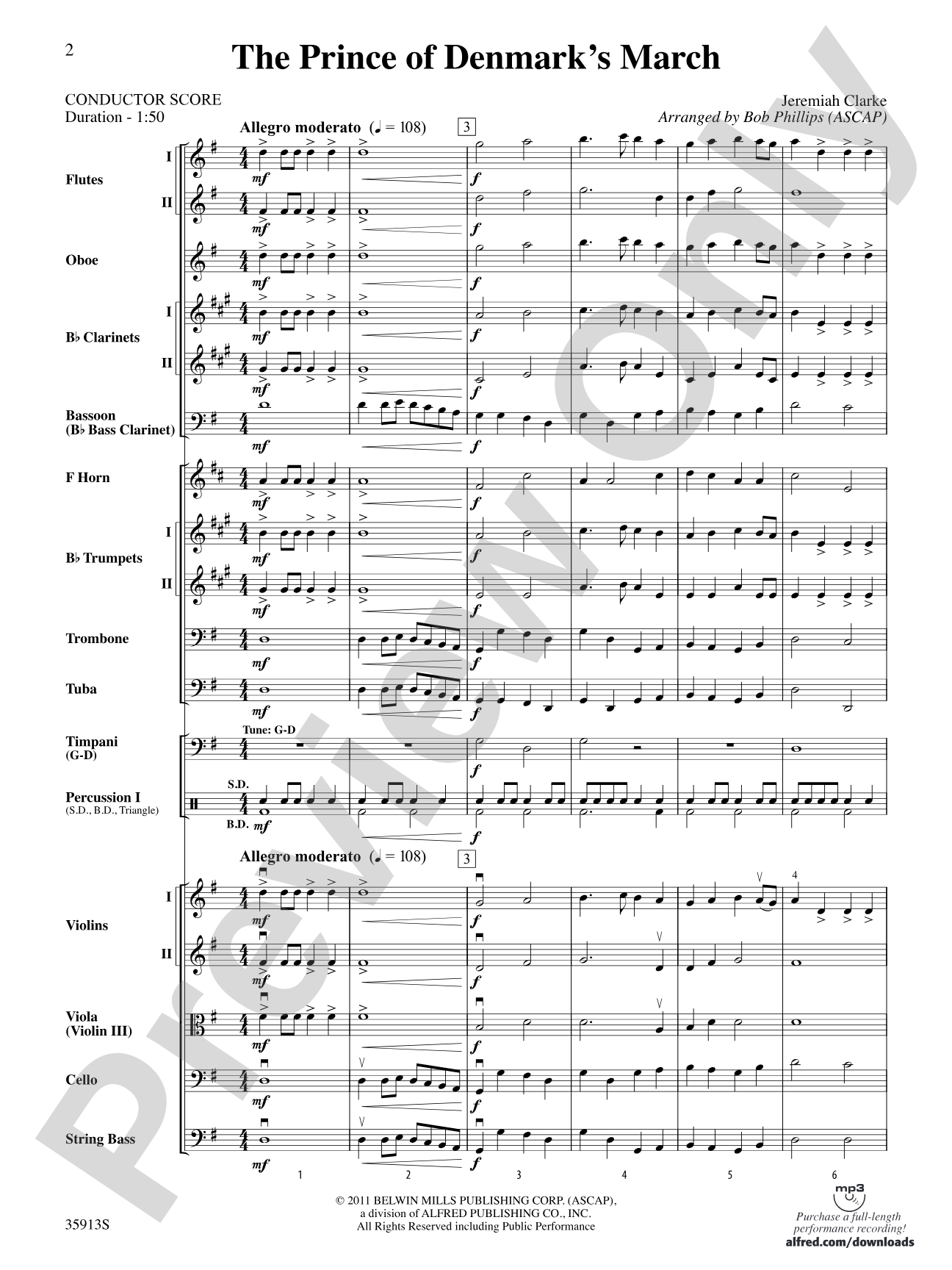
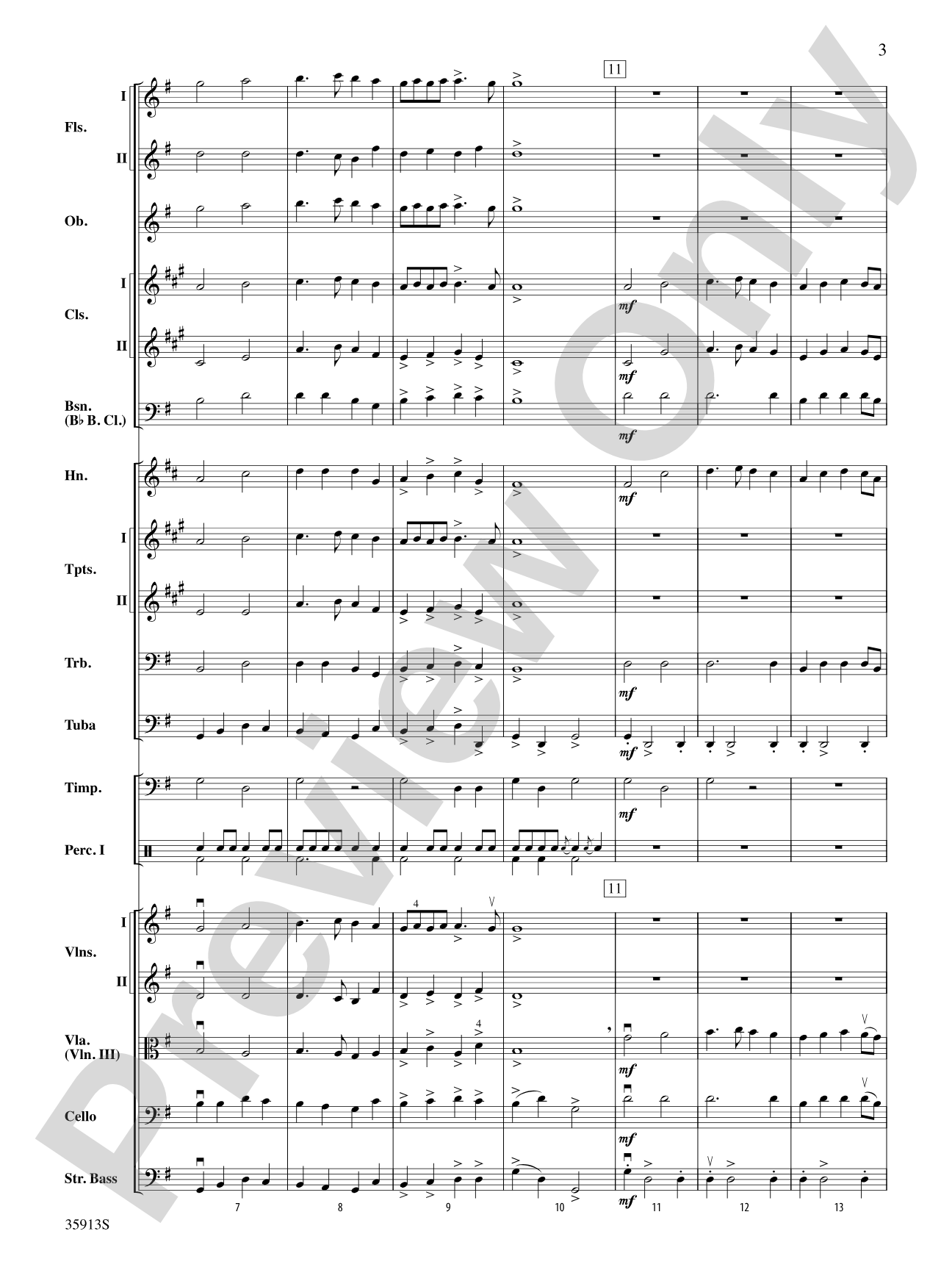
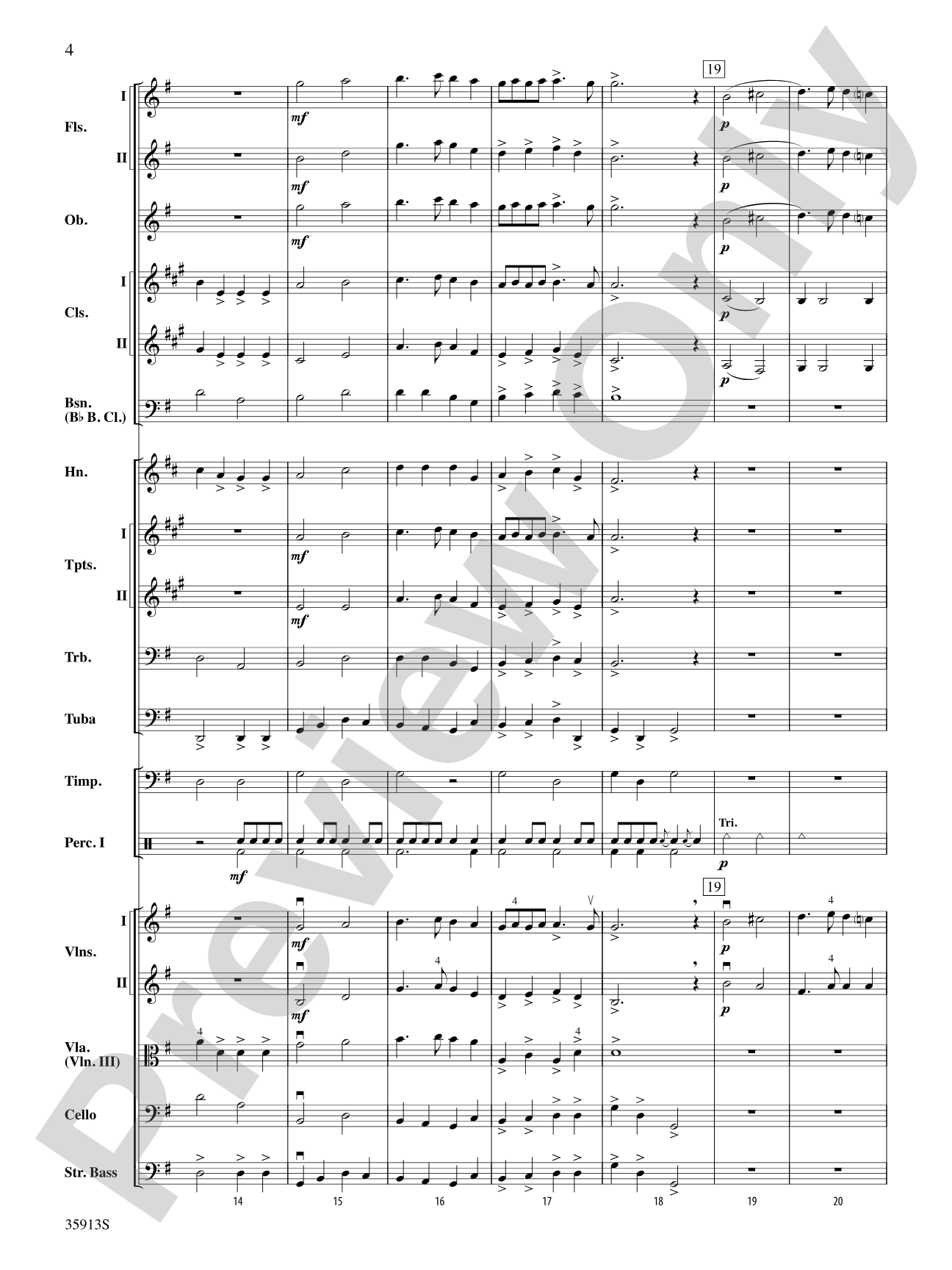
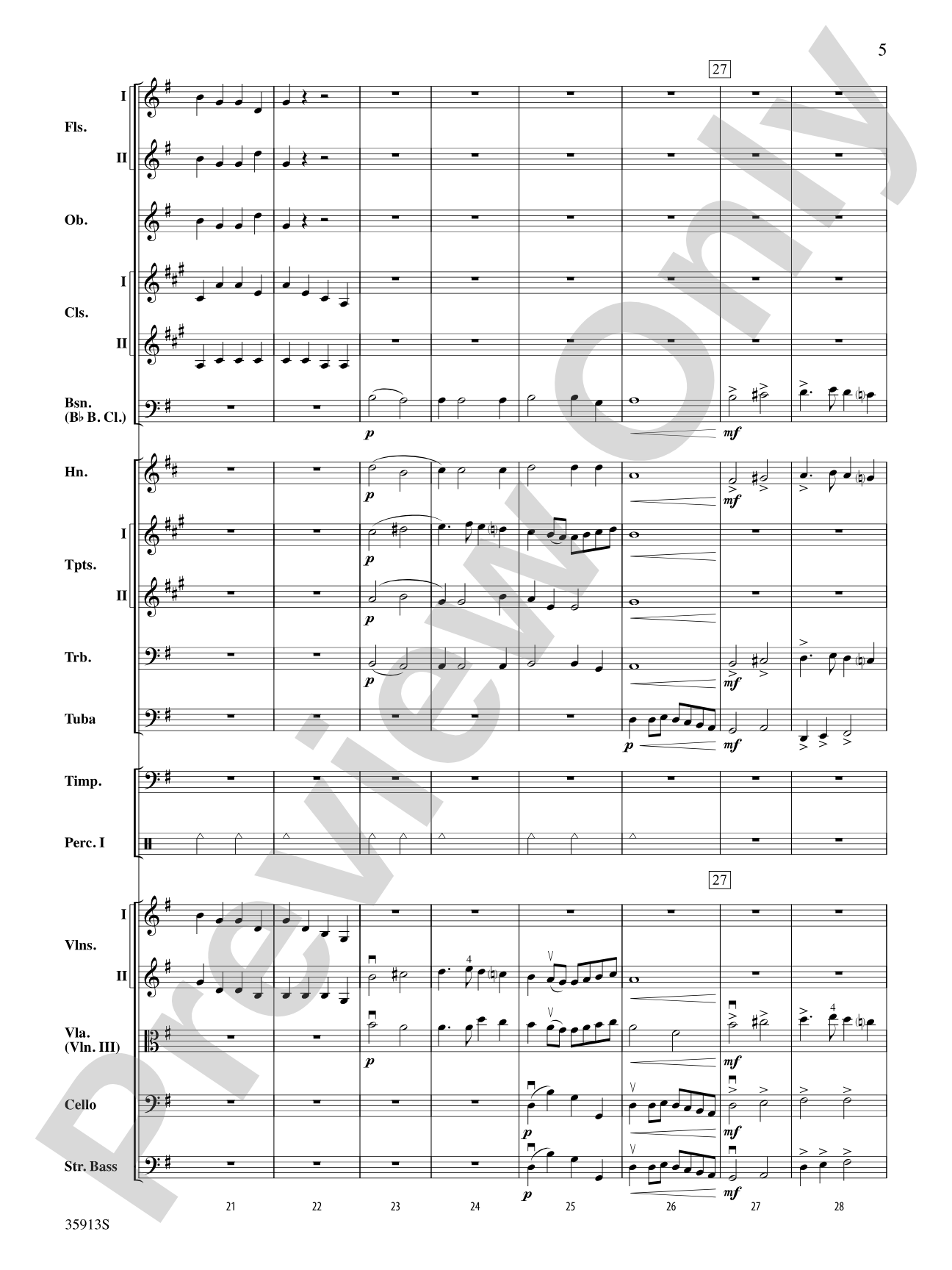
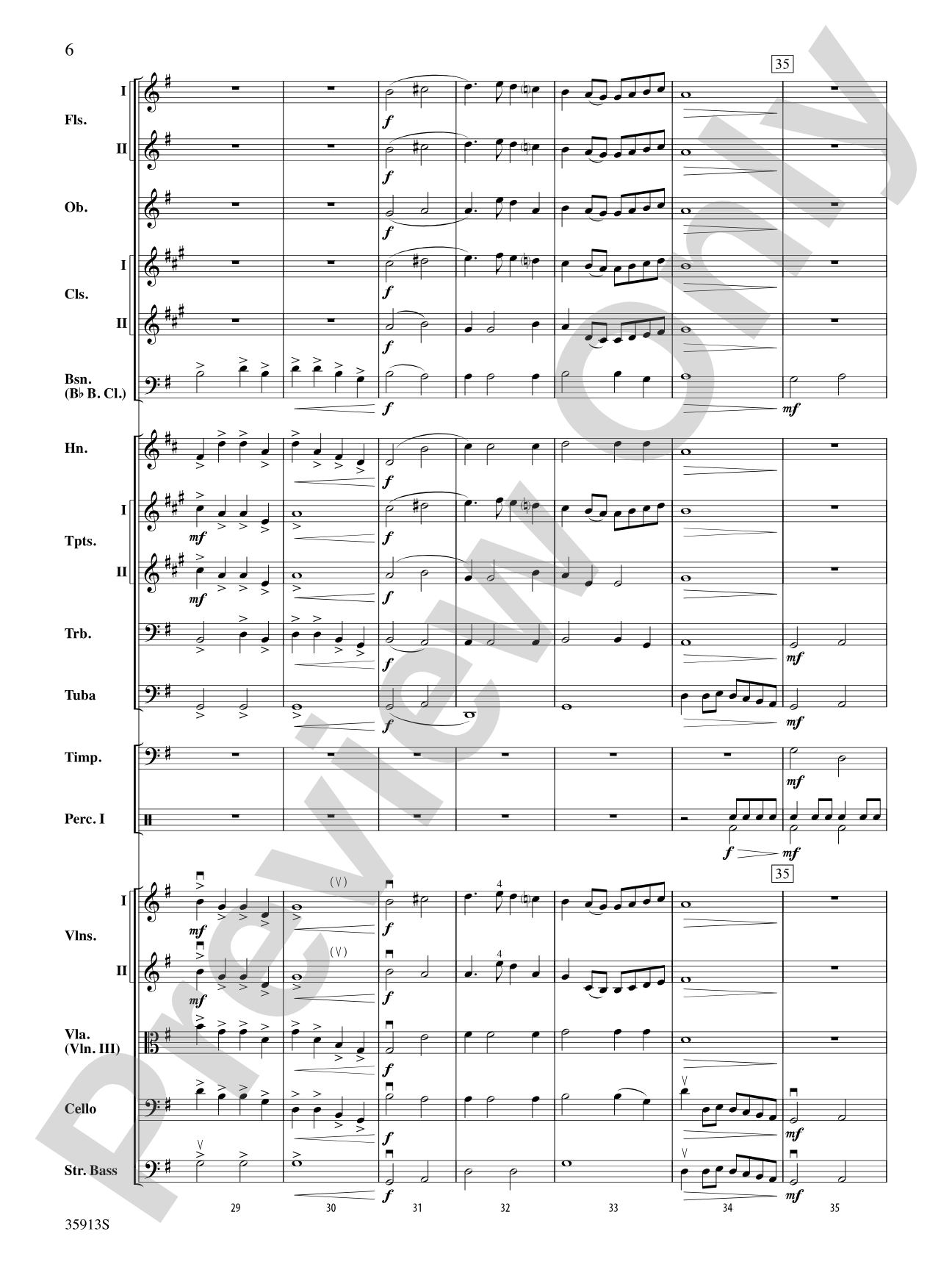
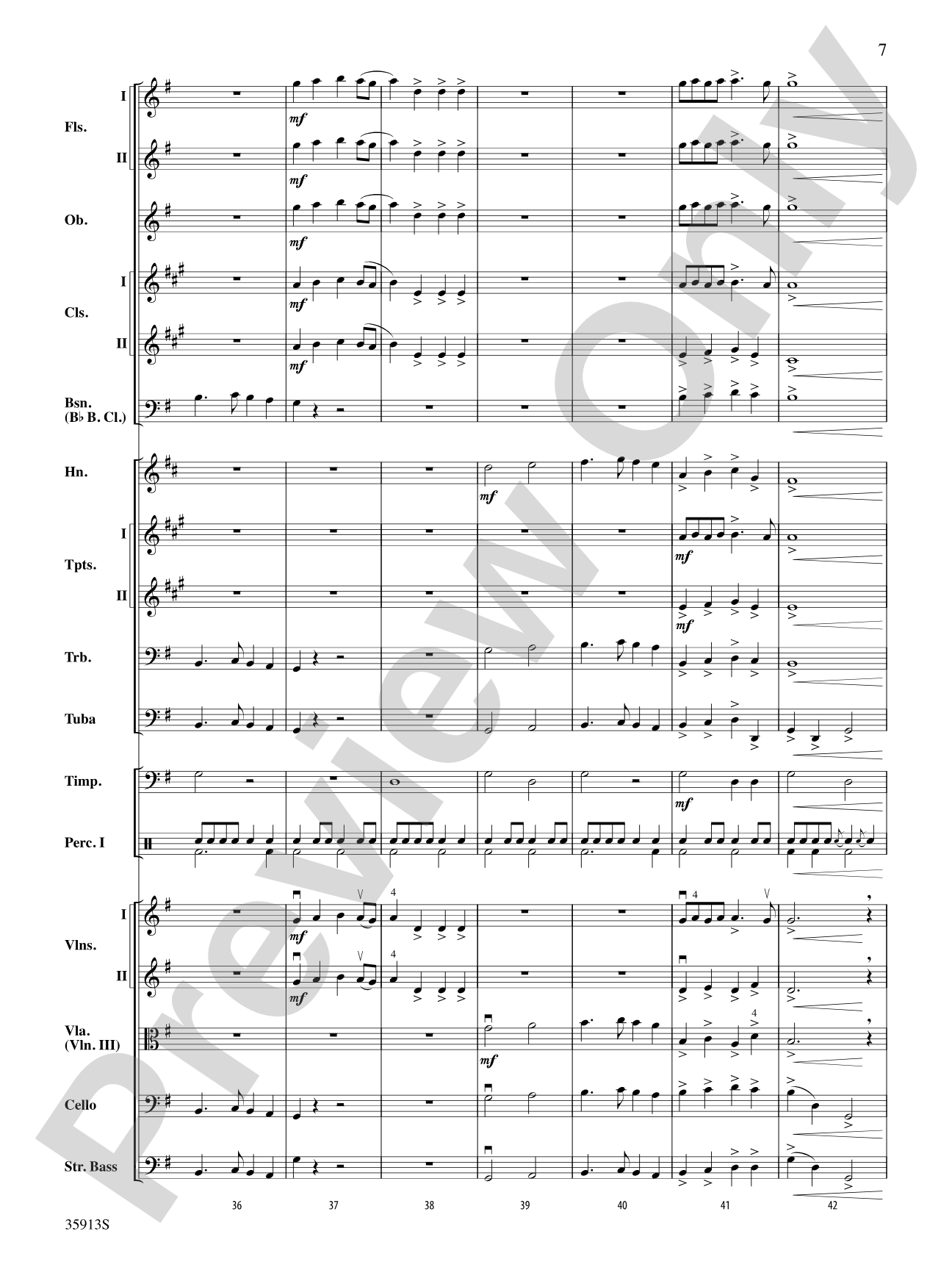
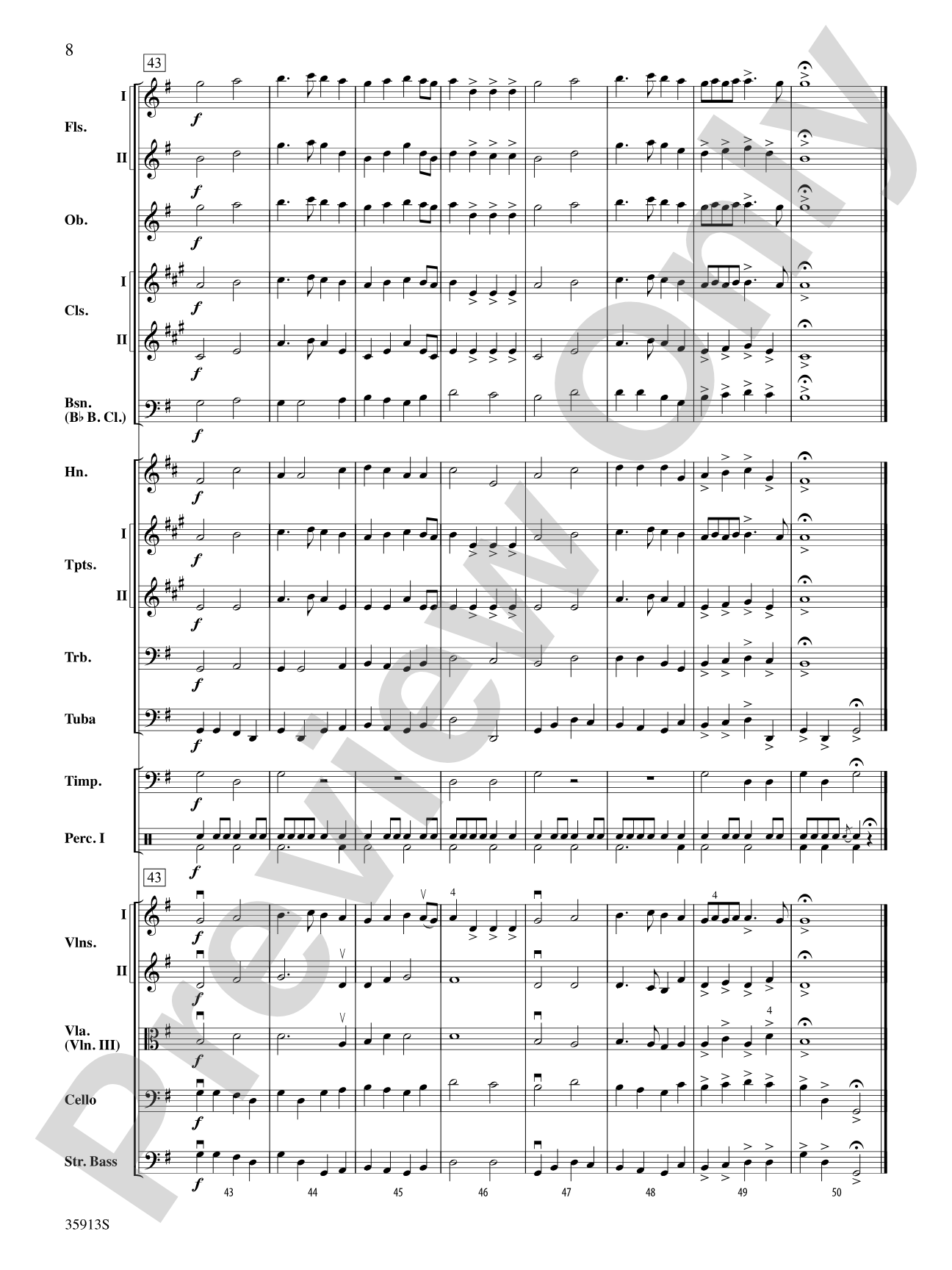

The Prince of Denmark's March: Full Orchestra Conductor Score & Parts
By Jeremiah Clarke / arr. Bob Phillips
Grade: 1.5
Item: 00-PK-0004709

$60.00
Pickup currently not available
Buy Extra Parts (Digital PDF Download)
Parts Added to Cart!
Related Items
The Prince of Denmark's March: String Orchestra Conductor Score & Parts |
$45.00
|
View | |
The Prince of Denmark's March: Concert Band Conductor Score & Parts |
$48.00
|
View | |
The Prince of Denmark's March: String Orchestra Conductor Score |
$6.00
|
View | |
The Prince of Denmark's March: Concert Band Conductor Score |
$6.00
|
View | |
The Prince of Denmark's March: Full Orchestra Conductor Score & Parts |
$60.00
|
View | |
The Prince of Denmark's March: Full Orchestra Conductor Score |
$7.00
|
View |
Description
Everyone gets to enjoy the melody in this piece, more commonly known as "Trumpet Voluntary," and they are sure to recognize it. This very easy full orchestra arrangement features a Violin 3/Treble Clef Viola part as well as simplified wind instrumentation. Perfect ceremonial music for events such as an elementary or middle school graduation! This title is available in MakeMusic Cloud.


Don't just read it, hear it, play along with it, and watch your students grow with it. In MakeMusic Cloud, The Prince of Denmark's March: Full Orchestra Conductor Score & Parts comes alive with professional accompaniment, adjustable tempo, and built-in practice tools that turn solo practice into real progress.
Open in the Player
Jump straight in and assign it today.
Start Your Free Trial
Open this title and explore the full library in minutes.
Sample Audio
1
Audio File
--:--
0:00
0:00
Sample Video
Additional Details
Series:
Belwin Beginning Full Orchestra
Publisher:
Alfred Music
Page Count:
118
SKU:
00-PK-0004709
Instrumentation:
full (timpani, Snare drum, bass drum, triangle, vln3)
More about this title
About the Composer: Jeremiah Clarke
Jeremiah Clarke (1674-1707) was an English Baroque composer and organist who served at the Chapel Royal during the reign of Queen Anne. Though he lived only 33 years, he left a substantial body of keyboard and vocal music that exemplifies the English Baroque style. His most enduring work, this march, has outlasted centuries of musical fashion and remains instantly recognizable to modern audiences.
Why we love this
This arrangement captures everything that makes Clarke's march so memorable while keeping the orchestration accessible for young ensembles. Every section gets a turn with the iconic melody, which builds ensemble unity and keeps younger players engaged throughout. The simplified wind parts and addition of a Violin 3/Treble Clef Viola line ensure that mixed-ability orchestras can perform it successfully without sacrificing the piece's ceremonial dignity.
What to expect
The piece radiates formality and pageantry without a hint of preciousness. Its bright, confident melody feels both noble and accessible, evoking processions, celebrations, and moments of school pride. There is warmth in the harmony and a sense of occasion that even young players instinctively understand.
Who it's for
This arrangement is ideal for elementary and middle school orchestras, beginning full orchestra classes, and festivals where young ensembles need ceremony music that works reliably. It also suits community orchestras, school band programs adding a one-time orchestral piece, or any group seeking accessible Baroque repertoire with built-in recognition factor.
How to get the most out of it
- Balance the melody across sections as it passes from strings to winds and back. Young players often play their solos too loudly; encourage them to play confidently but let the overall line sing.
- Use the timpani and percussion as structural anchors rather than color. They should support harmonic changes and punctuate phrases without overwhelming the melodic sections.
- Take the opening measures at a steady, processional tempo. This piece works best when it feels stately and unhurried, giving each phrase room to breathe.
- Attend to clean articulation in the wind parts, especially when they have rapid figures. Even at this easy level, clarity makes the difference between sounding polished and muddled.
How to use it
Program this as the opening or closing number for a graduation, awards ceremony, or end-of-year concert where you want a piece that speaks to the occasion without requiring extensive rehearsal time. It pairs well with other accessible orchestral arrangements of familiar material, or as a bridge between a lighter opening set and more challenging repertoire.
Skills your students will build
- Playing melody as an ensemble section (strings and winds alternating)
- Responding to conductor gesture while maintaining steady pulse
- Balancing independent parts against a sustained harmonic foundation
- Performing with stylistic awareness of Baroque articulation and phrasing
- Reading simplified orchestral score layouts with multiple clefs