
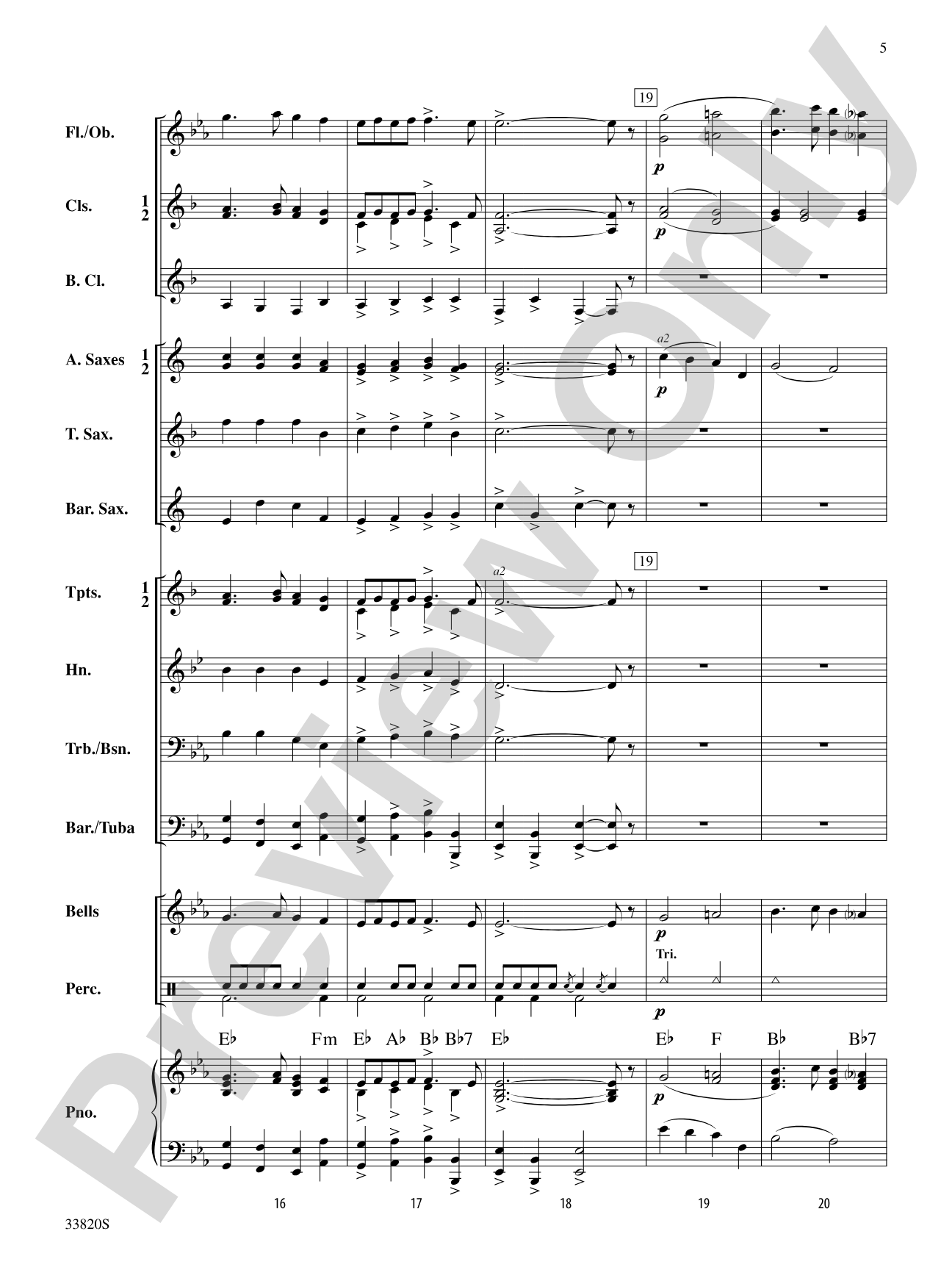
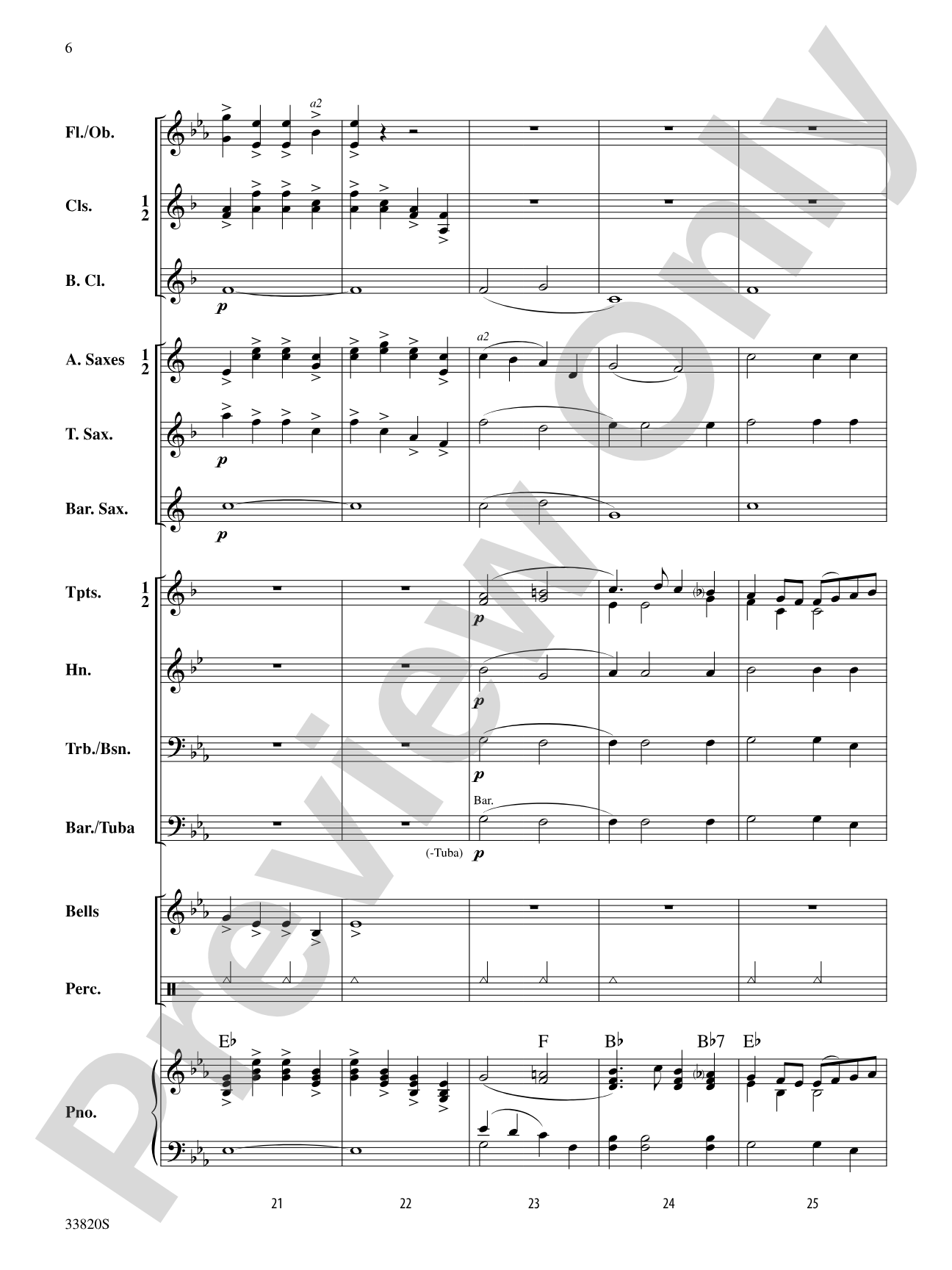
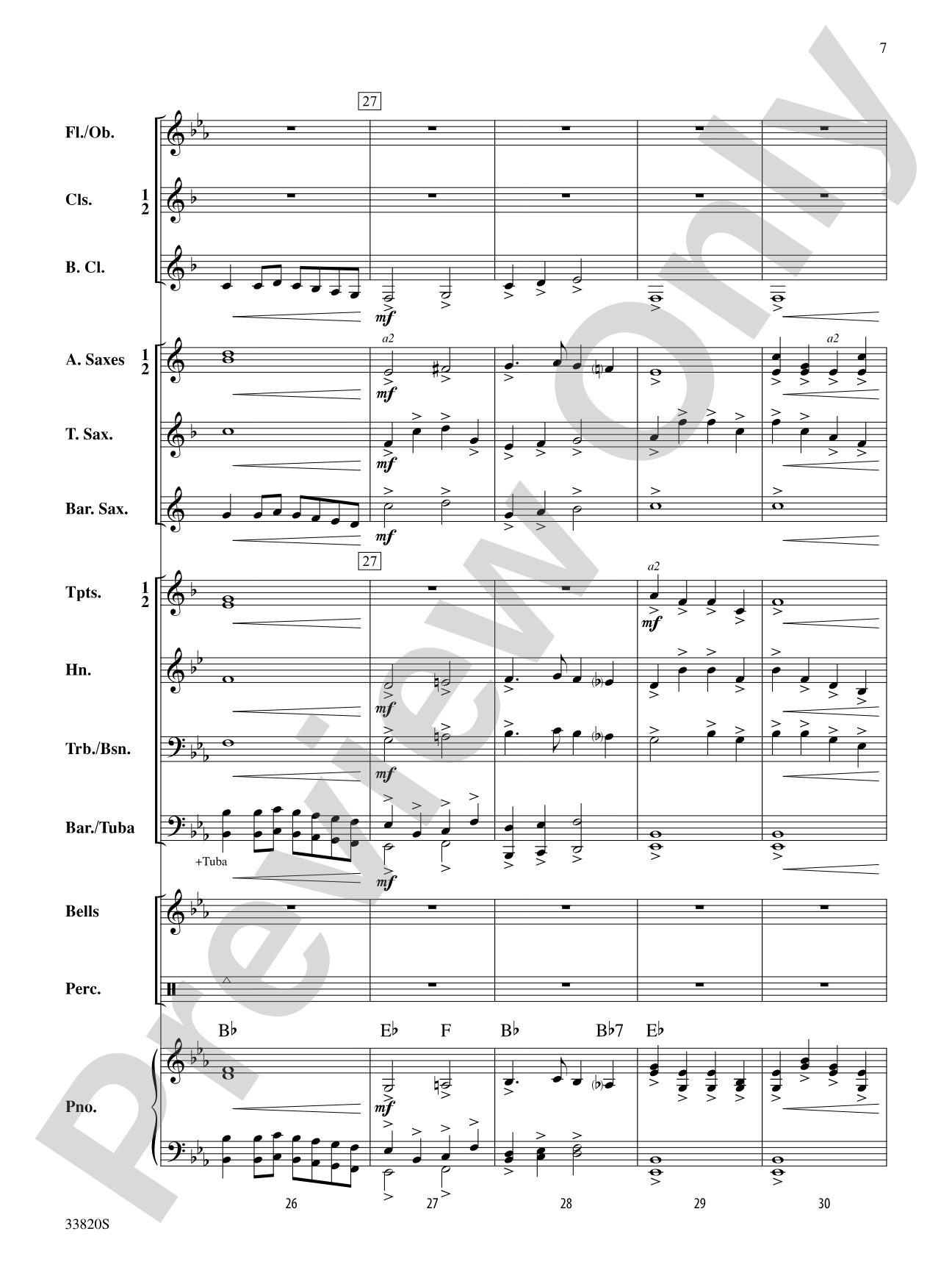
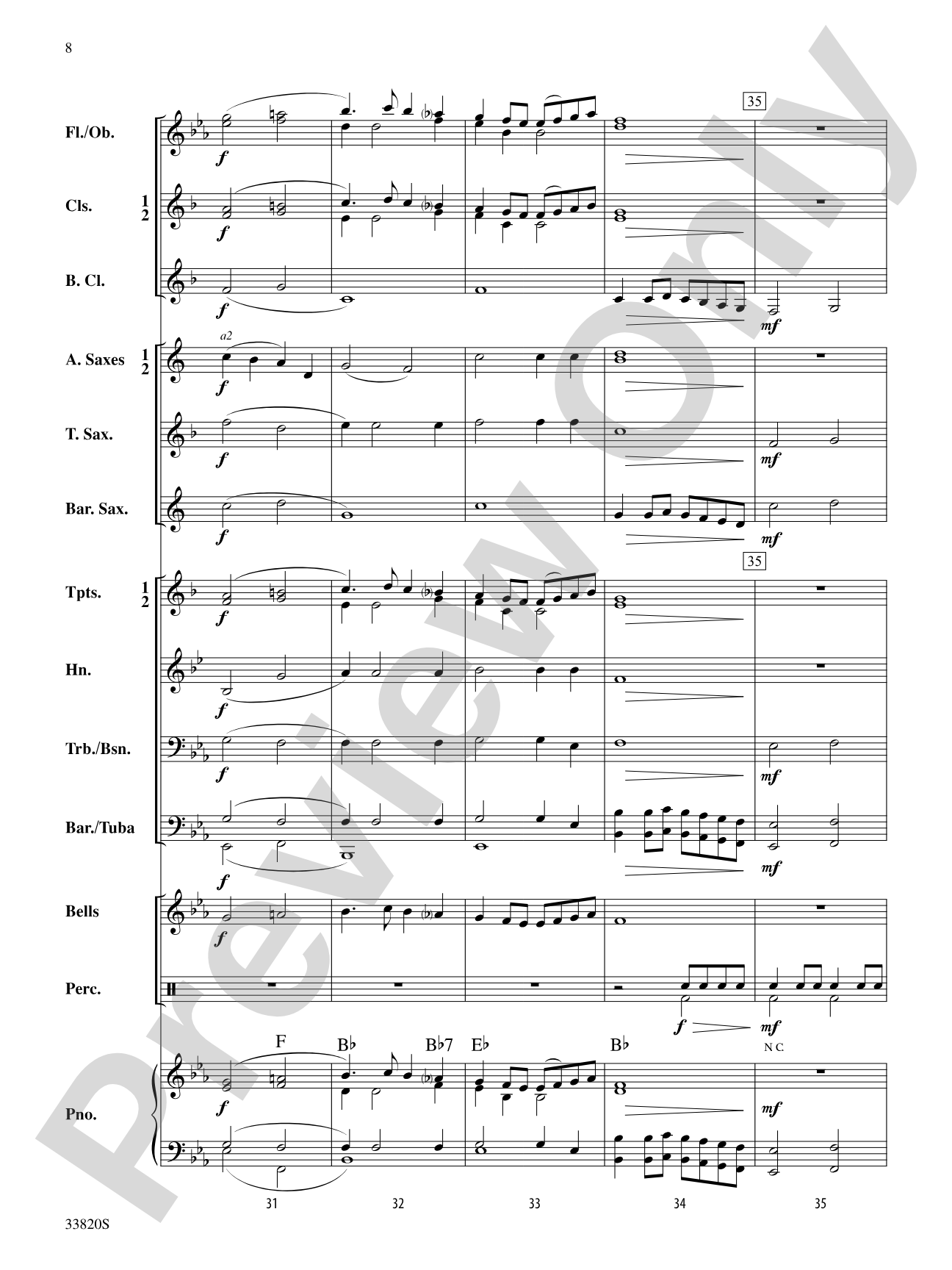
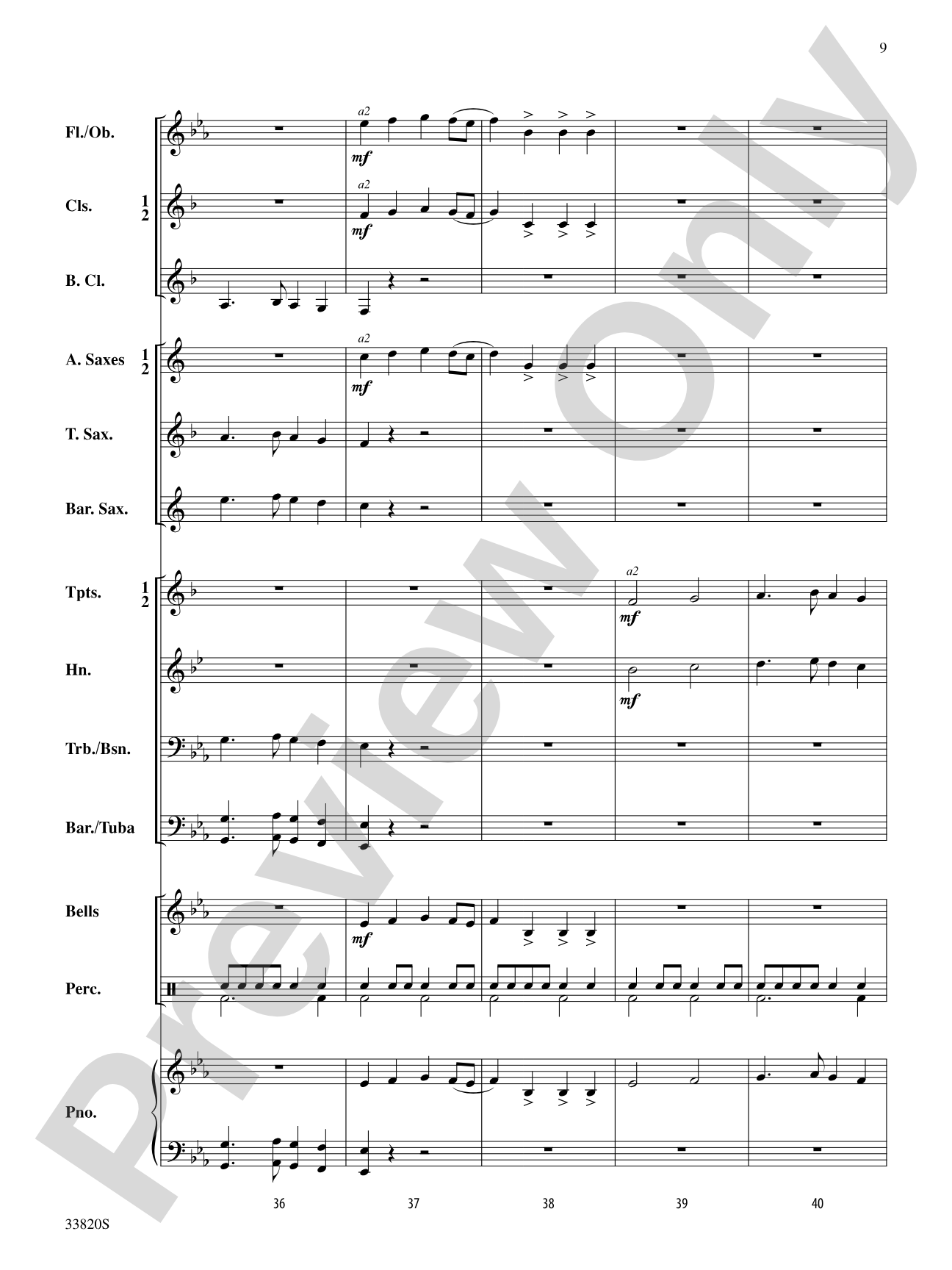
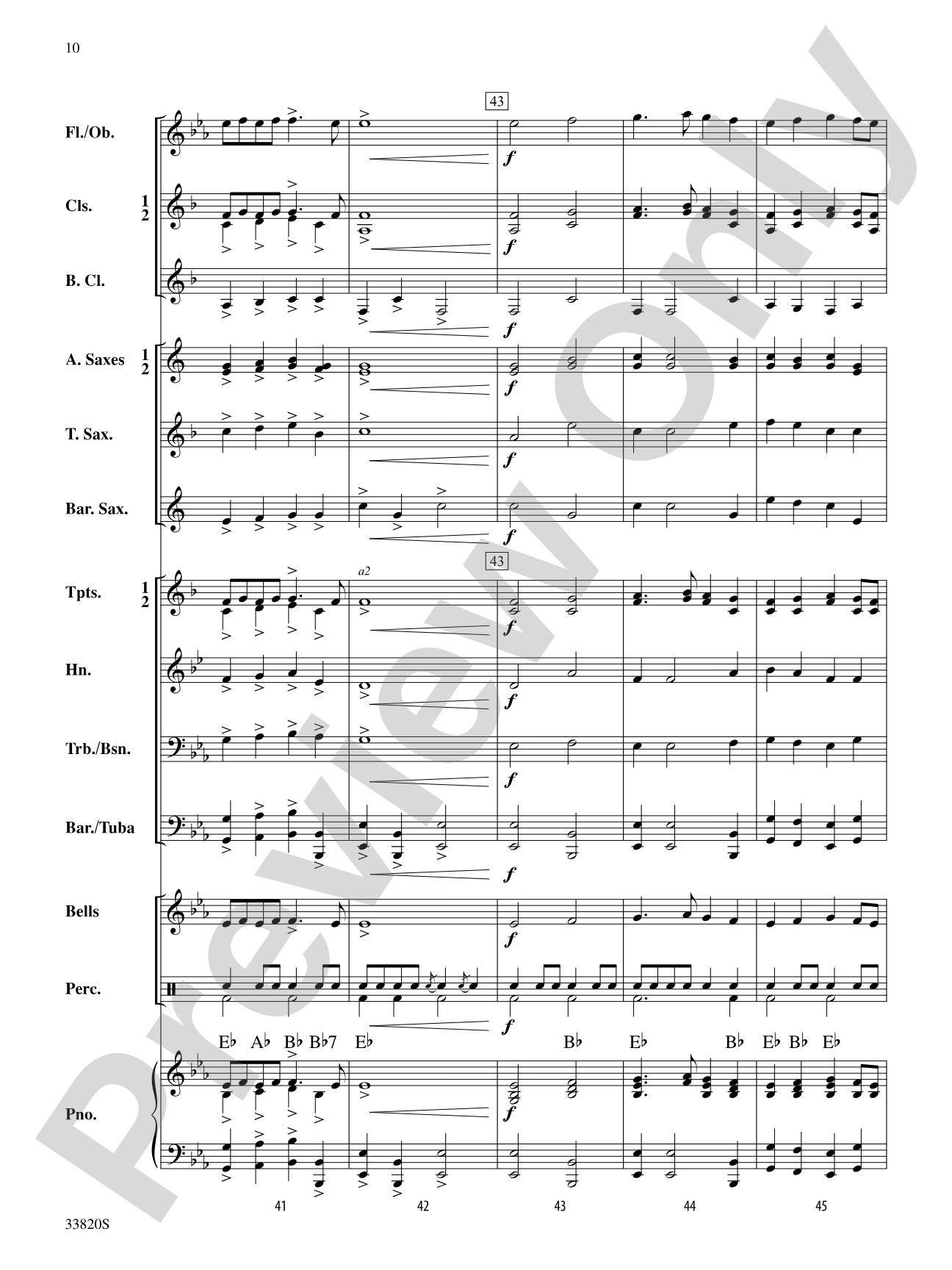
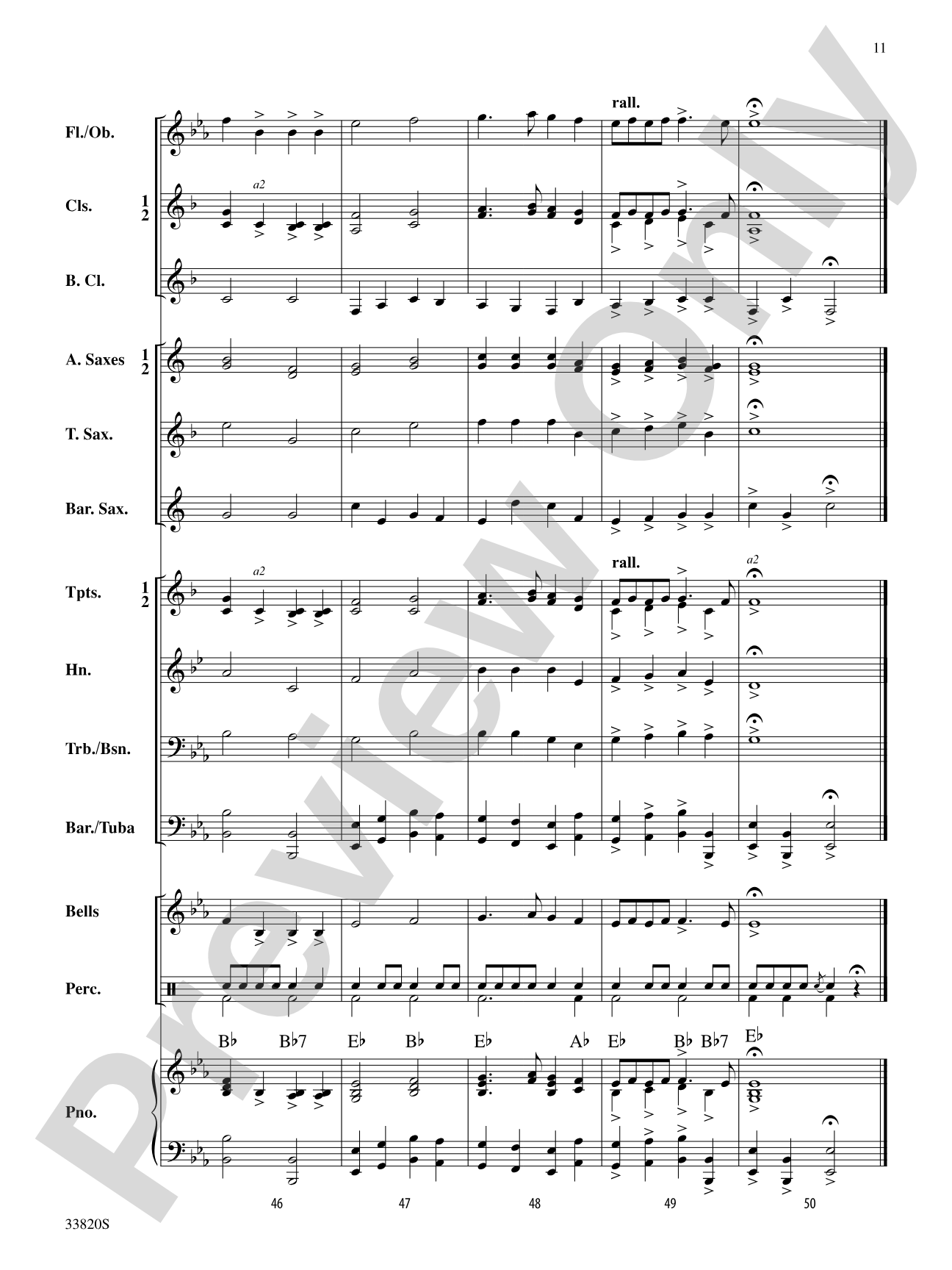


The Prince of Denmark's March: Concert Band Conductor Score & Parts
By Jeremiah Clarke / arr. Bob Phillips
Grade: 1 (Very Easy)
Item: 00-PK-0004255

$48.00
Pickup currently not available
Buy Extra Parts (Digital PDF Download)
Parts Added to Cart!
Related Items
The Prince of Denmark's March: String Orchestra Conductor Score & Parts |
$45.00
|
View | |
The Prince of Denmark's March: Full Orchestra Conductor Score & Parts |
$60.00
|
View | |
The Prince of Denmark's March: String Orchestra Conductor Score |
$6.00
|
View | |
The Prince of Denmark's March: Concert Band Conductor Score |
$6.00
|
View | |
The Prince of Denmark's March: Full Orchestra Conductor Score & Parts |
$60.00
|
View | |
The Prince of Denmark's March: Full Orchestra Conductor Score |
$7.00
|
View |
Description
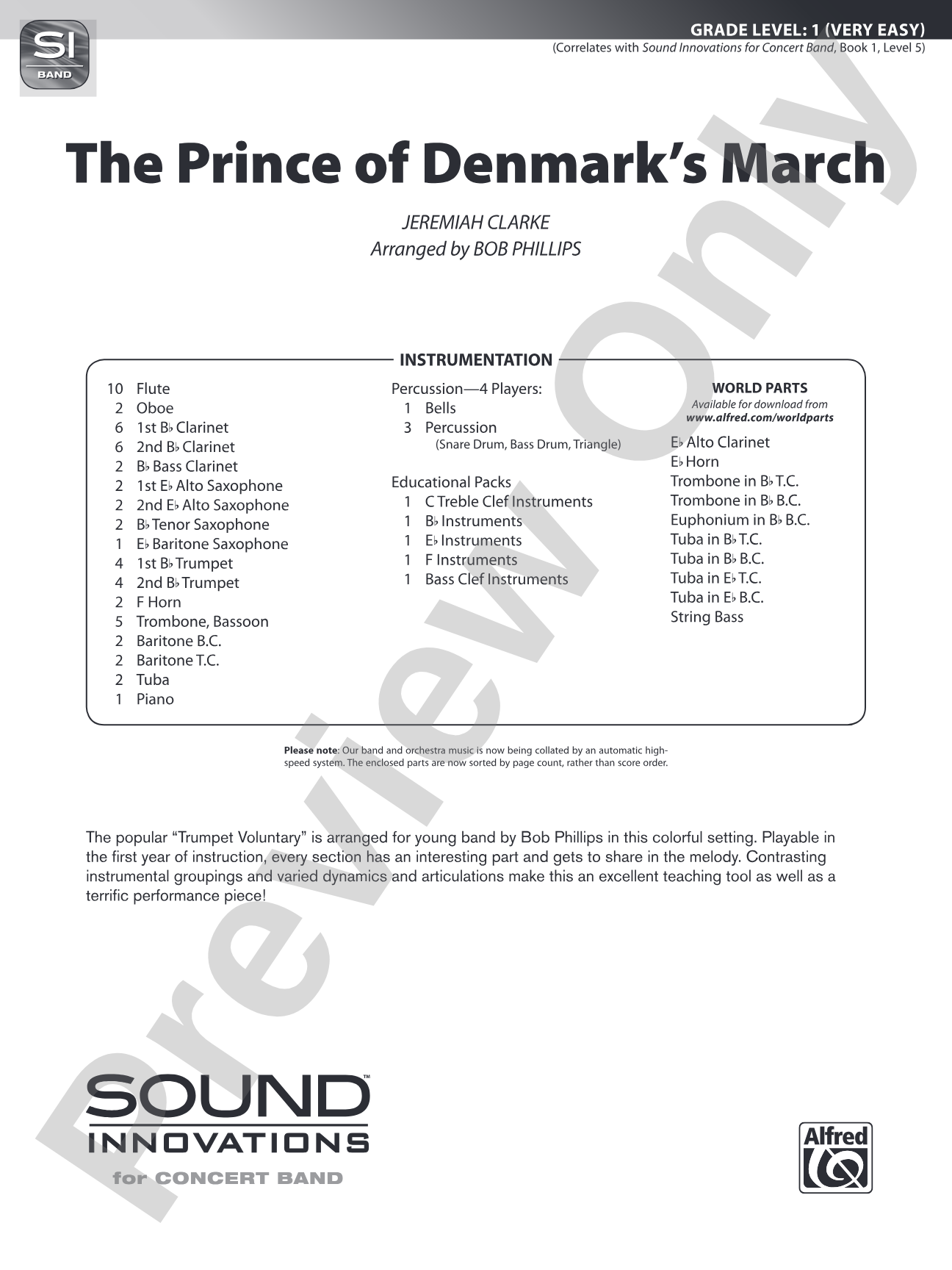
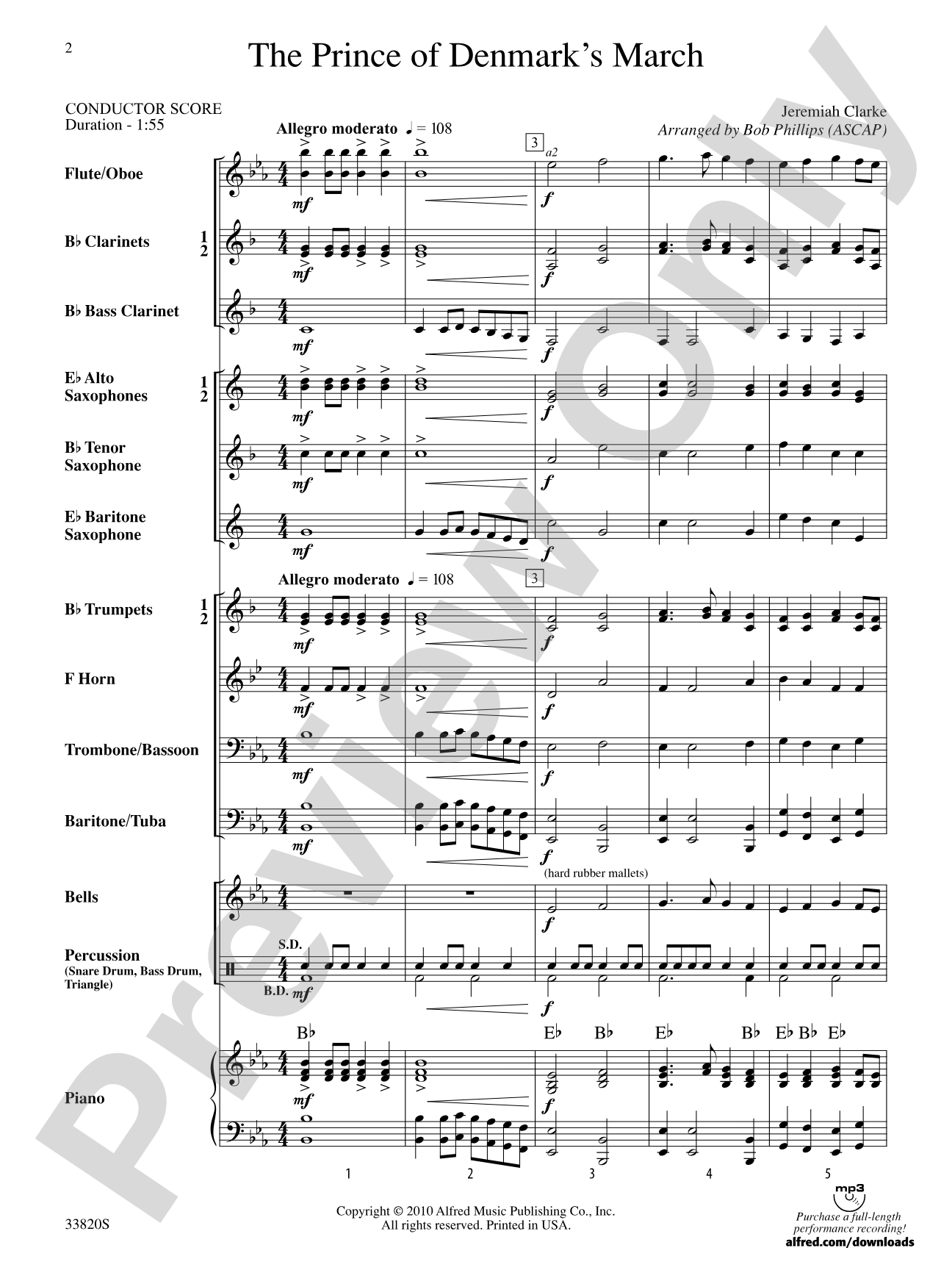
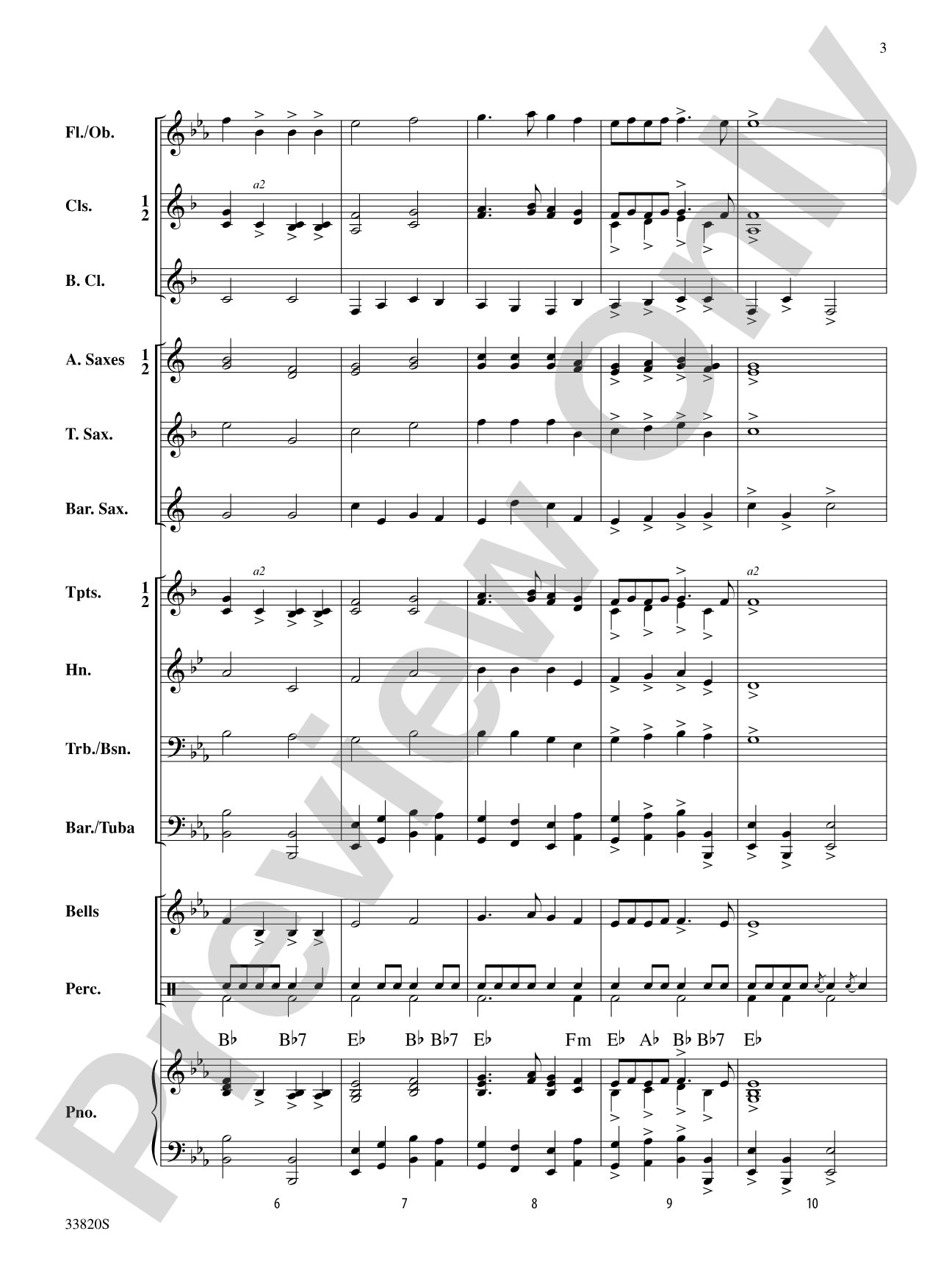
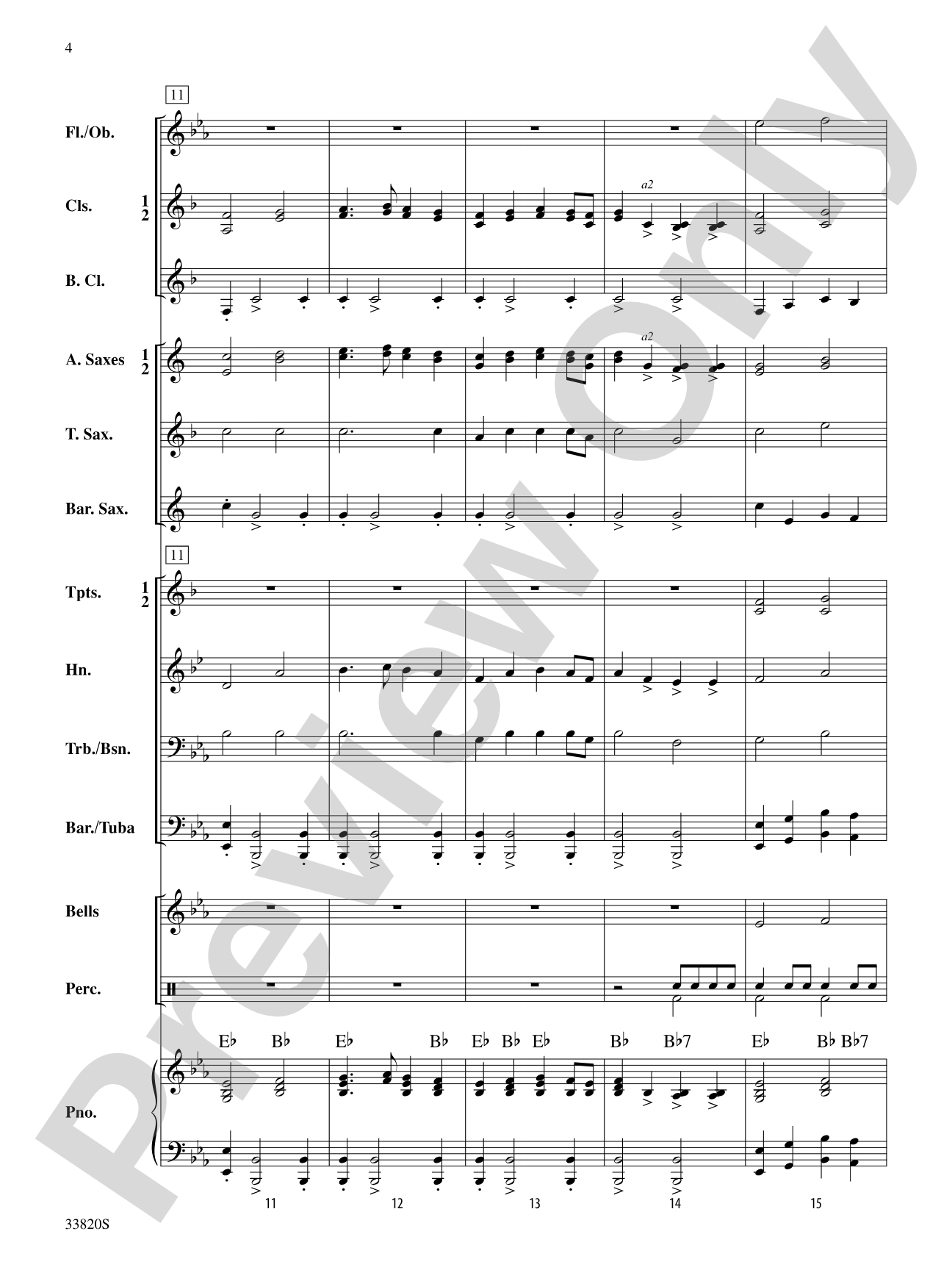
The popular "Trumpet Voluntary" is arranged for young band by Bob Phillips in this colorful setting. Playable in the first year of instruction, every section has an interesting part and gets to share in the melody. Contrasting instrumental groupings and varied dynamics and articulations make this an excellent teaching tool as well as a terrific performance piece! Correlates to Sound Innovations for Concert Band, Book 1 Level 5.


Don't just read it, hear it, play along with it, and watch your students grow with it. In MakeMusic Cloud, The Prince of Denmark's March: Concert Band Conductor Score & Parts comes alive with professional accompaniment, adjustable tempo, and built-in practice tools that turn solo practice into real progress.
Open in the Player
Jump straight in and assign it today.
Start Your Free Trial
Open this title and explore the full library in minutes.
Sample Audio
1
Audio File
--:--
0:00
0:00
Sample Video
No sample videos found.
Additional Details
Series:
Sound Innovations for Concert Band
Publisher:
Alfred Music
Page Count:
130
SKU:
00-PK-0004255
More about this title
About the Composer: Jeremiah Clarke
Jeremiah Clarke (c. 1674, 1707) was an English Baroque composer and organist whose career spanned the reigns of William III and Queen Anne. Though he died in his early thirties, Clarke left behind a substantial body of keyboard and vocal music that exemplifies the English Baroque style. His most enduring work, the Prince of Denmark's March (popularly known as the "Trumpet Voluntary"), became one of the most recognizable melodies of the era and remains a staple of concert band and brass band repertoire today.
Clark's gift for writing singable, memorable melodies made his music accessible to both amateur and professional musicians of his time. The Prince of Denmark's March showcases his talent for crafting stately, dignified lines with clear harmonic support, qualities that have ensured its survival for over three centuries. For young musicians, his work provides an introduction to Baroque compositional clarity and the rhetorical power of a strong melodic idea.
Why we love this
Bob Phillips has crafted an arrangement that honors the grandeur of Clarke's original while remaining entirely accessible to young musicians. Every section receives genuine musical material rather than filler parts, which builds confidence and ensemble awareness across your band. The contrasting instrumental groupings and dynamic variety transform what could be a simple tune into a compelling teaching vehicle for phrasing, balance, and articulation.
What to expect
Stately and ceremonial, with the dignified bearing of English court music. The melody unfolds with natural grace, and the supporting orchestration provides richness without complexity, creating a performance that feels polished and substantial despite the accessible technical demands.
Who it's for
First-year band students and young ensembles ready to move beyond strictly unison material. This arrangement works equally well for students on Sound Innovations Book 1 Level 5 and for established young bands seeking manageable repertoire with legitimate musical depth.
How to get the most out of it
- Shape the primary melody with a clear arc from statement to climax, resisting the urge to overstate dynamics in early rehearsals. Young players often interpret "play louder" as "play harder," so model singing tone at all dynamic levels.
- Balance the supporting parts carefully during passages where multiple sections share thematic material. Assign a section leader or ask the conductor to assign internal balance points during sectional rehearsals so students self-monitor.
- Attend to the articulation markings as primary tools for achieving the Baroque character. Crisp tonguing on marked notes and legato phrasing on slurred passages define the style far more than tempo adjustments.
- Use the contrasting instrumental groupings as opportunities to rehearse independent ensemble listening. When brass drops out for a woodwind passage, the band learns to hear the full texture, not just their own part.
How to use it
This works beautifully as an opening piece on a concert, its familiarity and formal character set a welcoming tone without demanding technical fireworks. It pairs well with folk-based arrangements or other early-level works in a concert designed to showcase ensemble cohesion and melodic clarity.
Skills your students will build
- Sustaining tone quality across dynamic changes (pp to ff)
- Balancing melody and harmony within section groupings
- Reading and executing Baroque articulation conventions
- Following conductor cues across contrasting instrumental textures
- Maintaining steady pulse while supporting featured melodic lines
- Responding to sudden changes in instrumental texture and density