
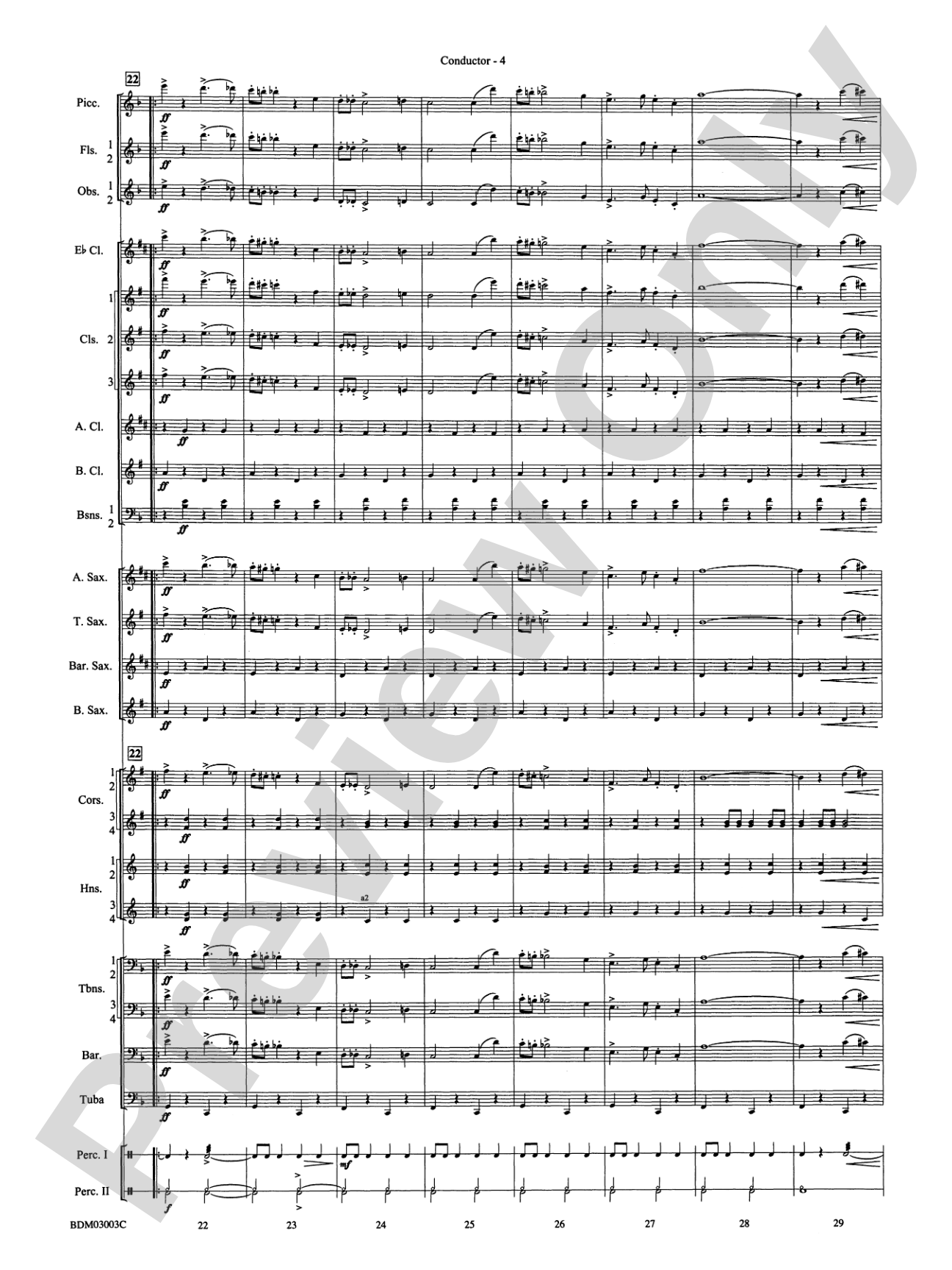
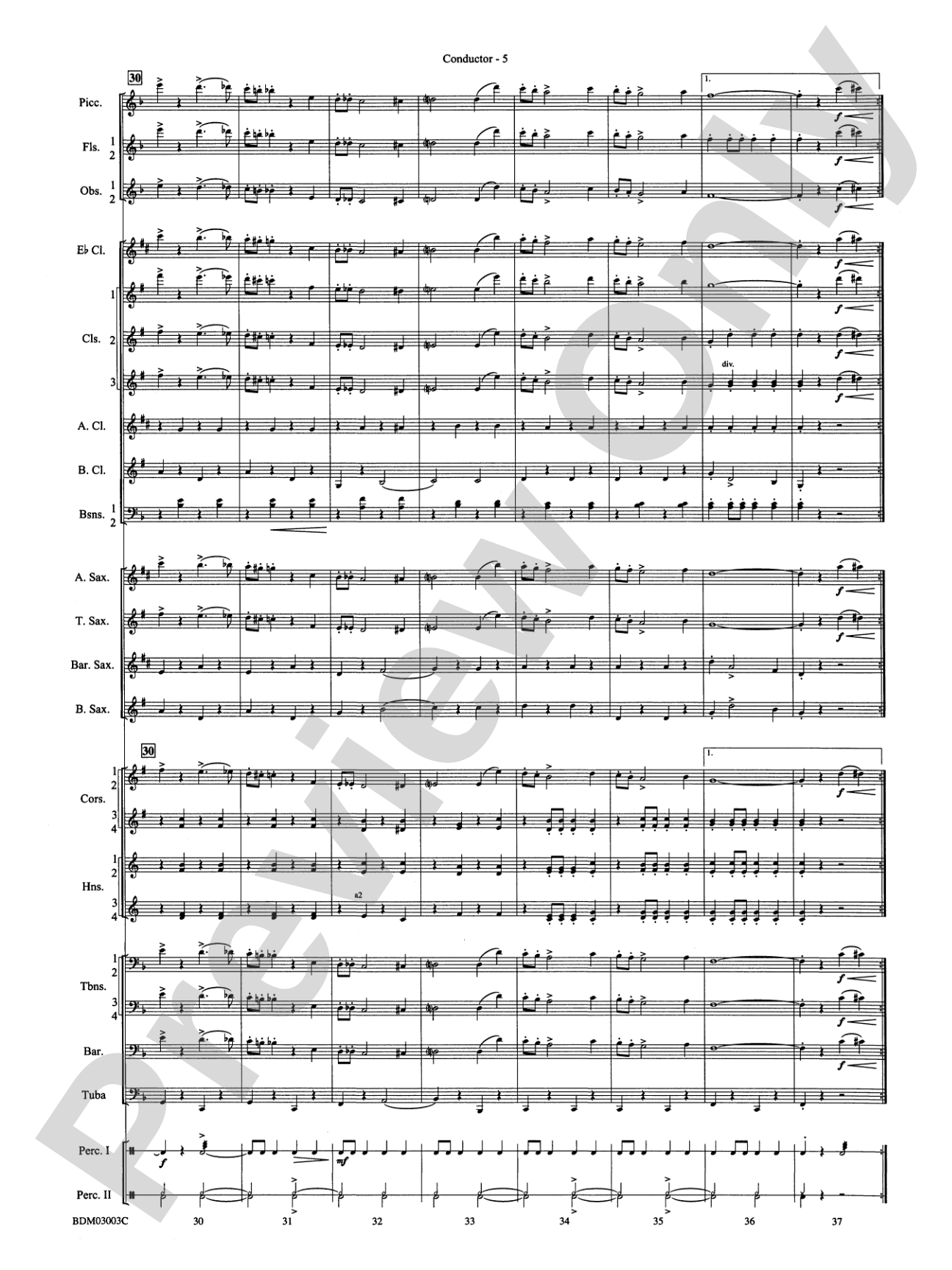
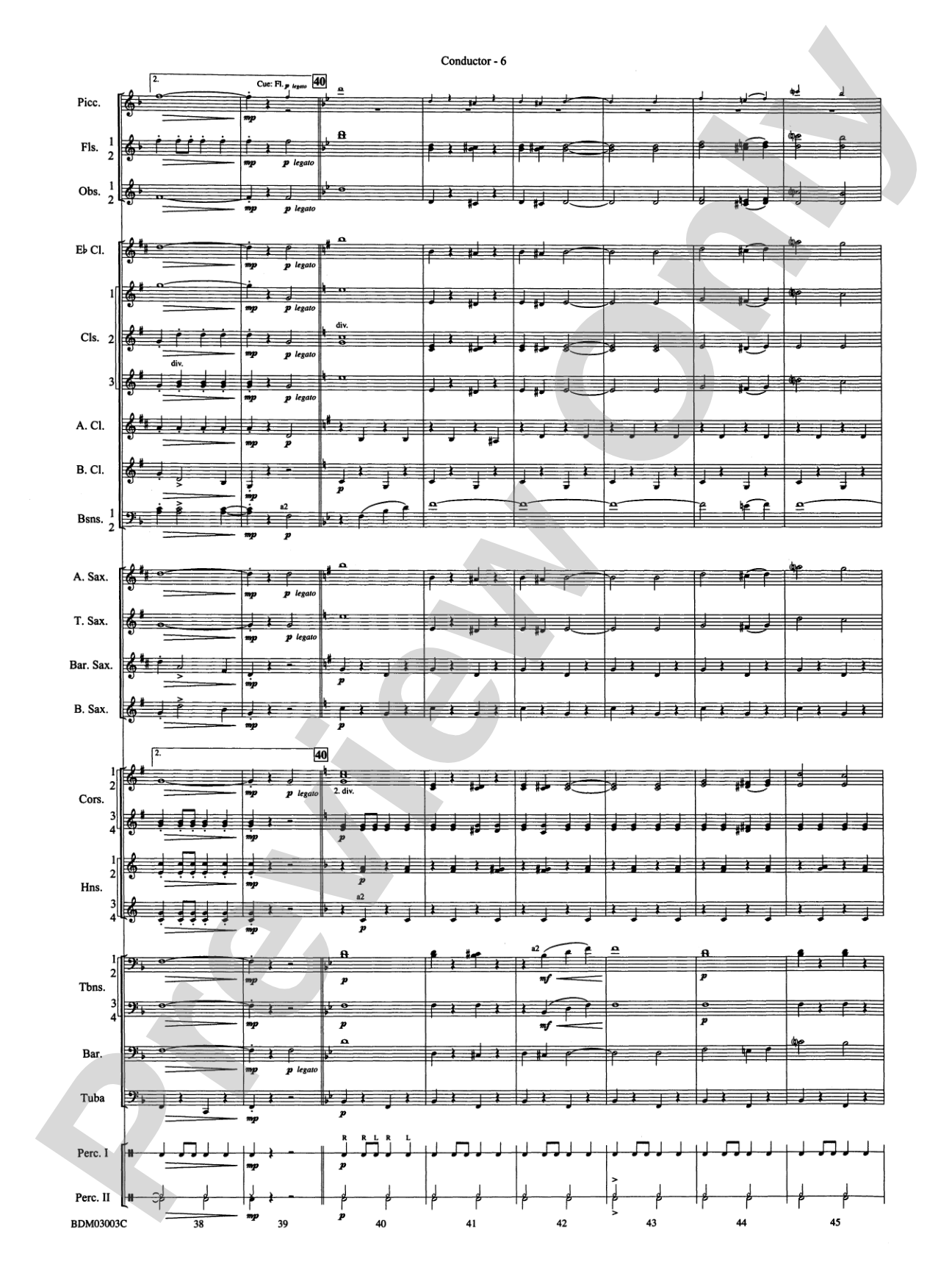
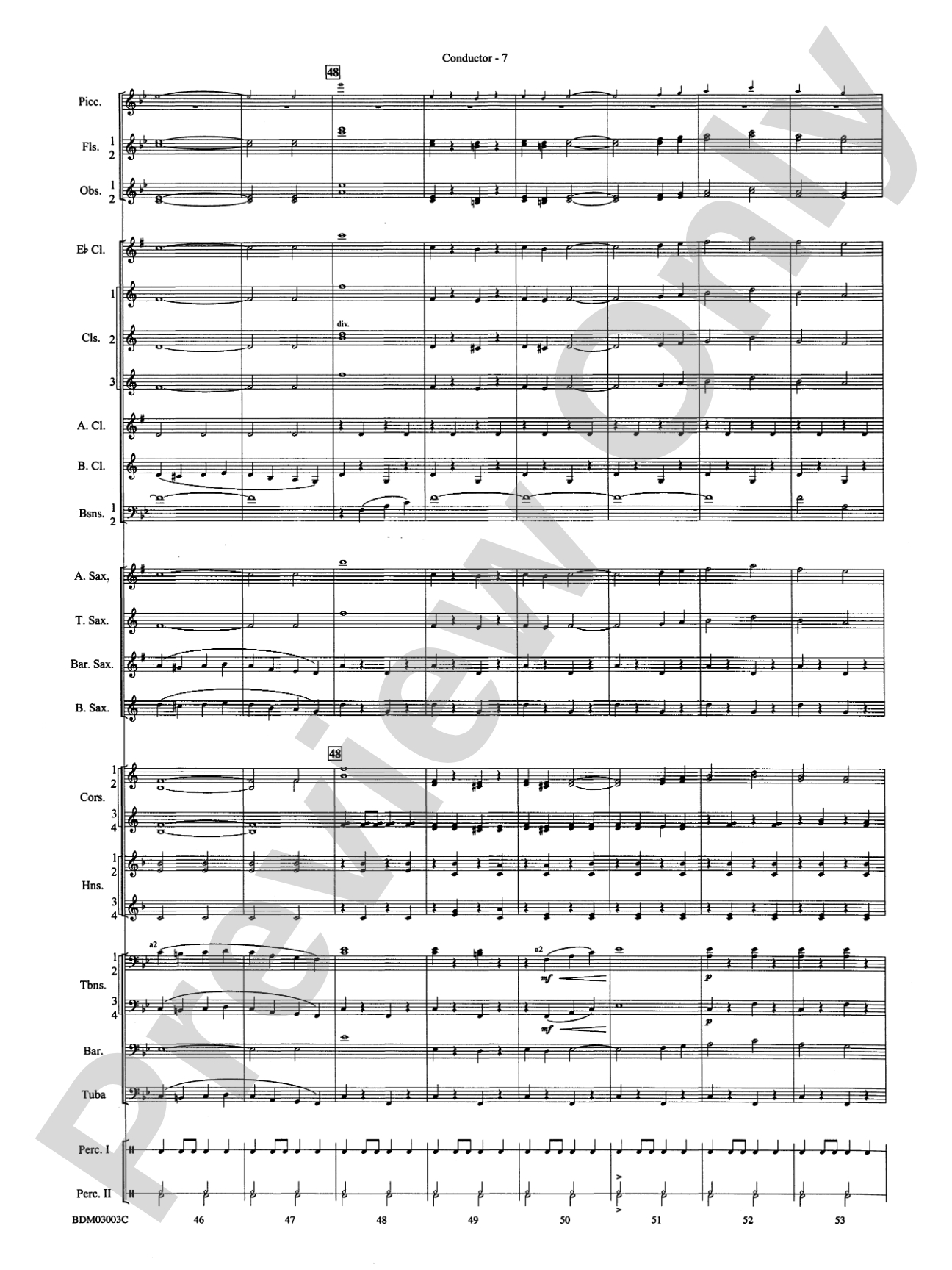
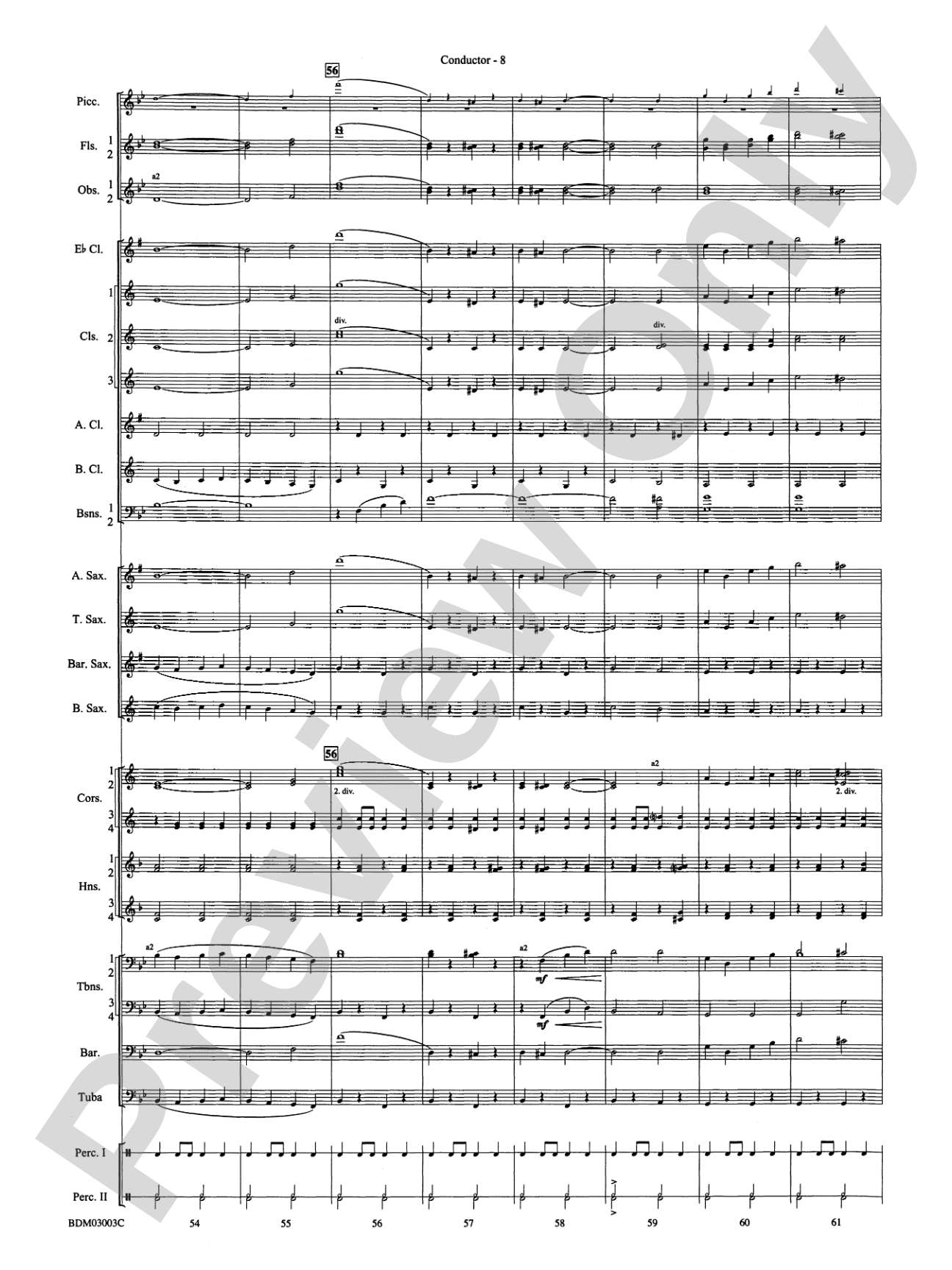
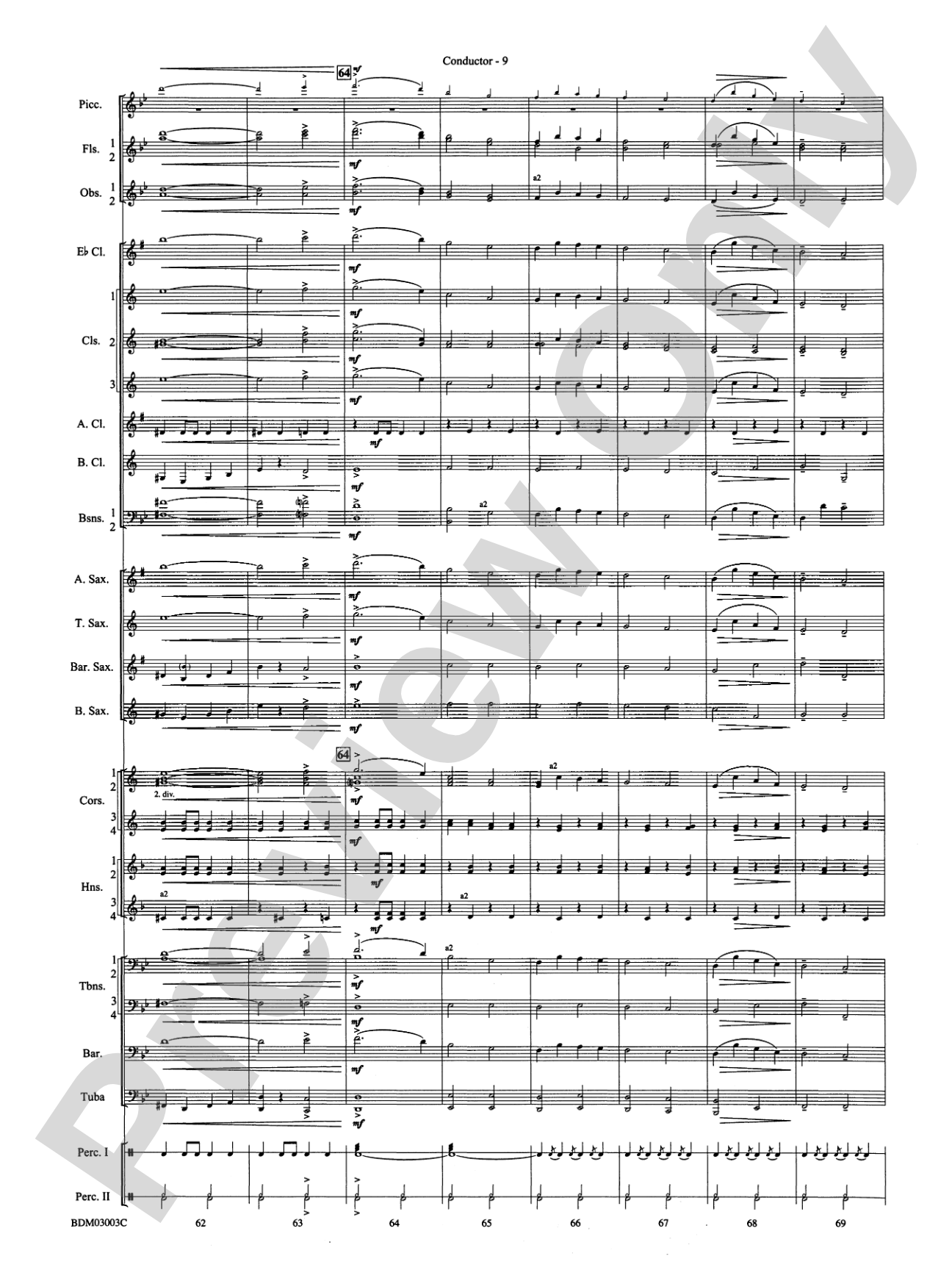
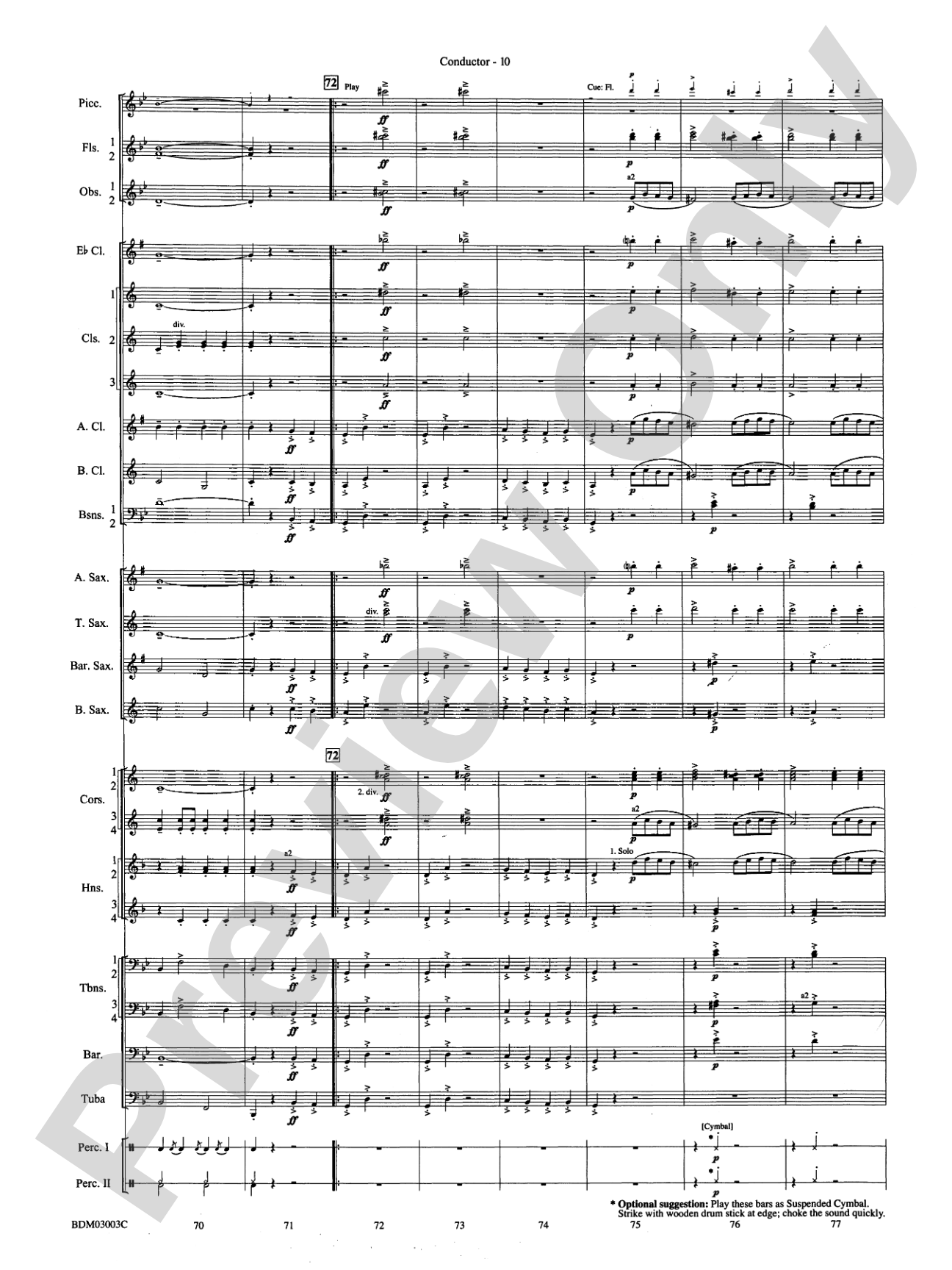
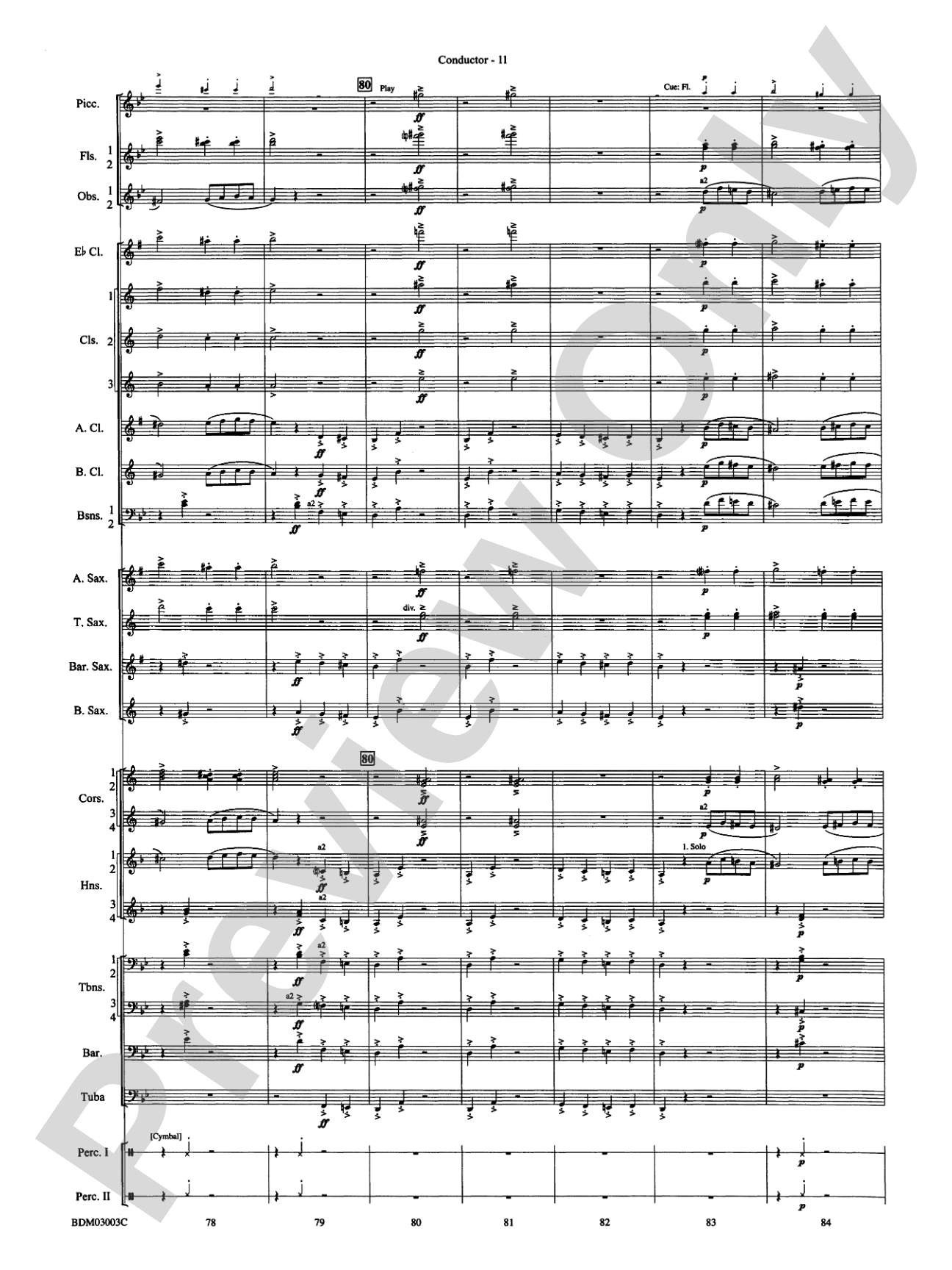
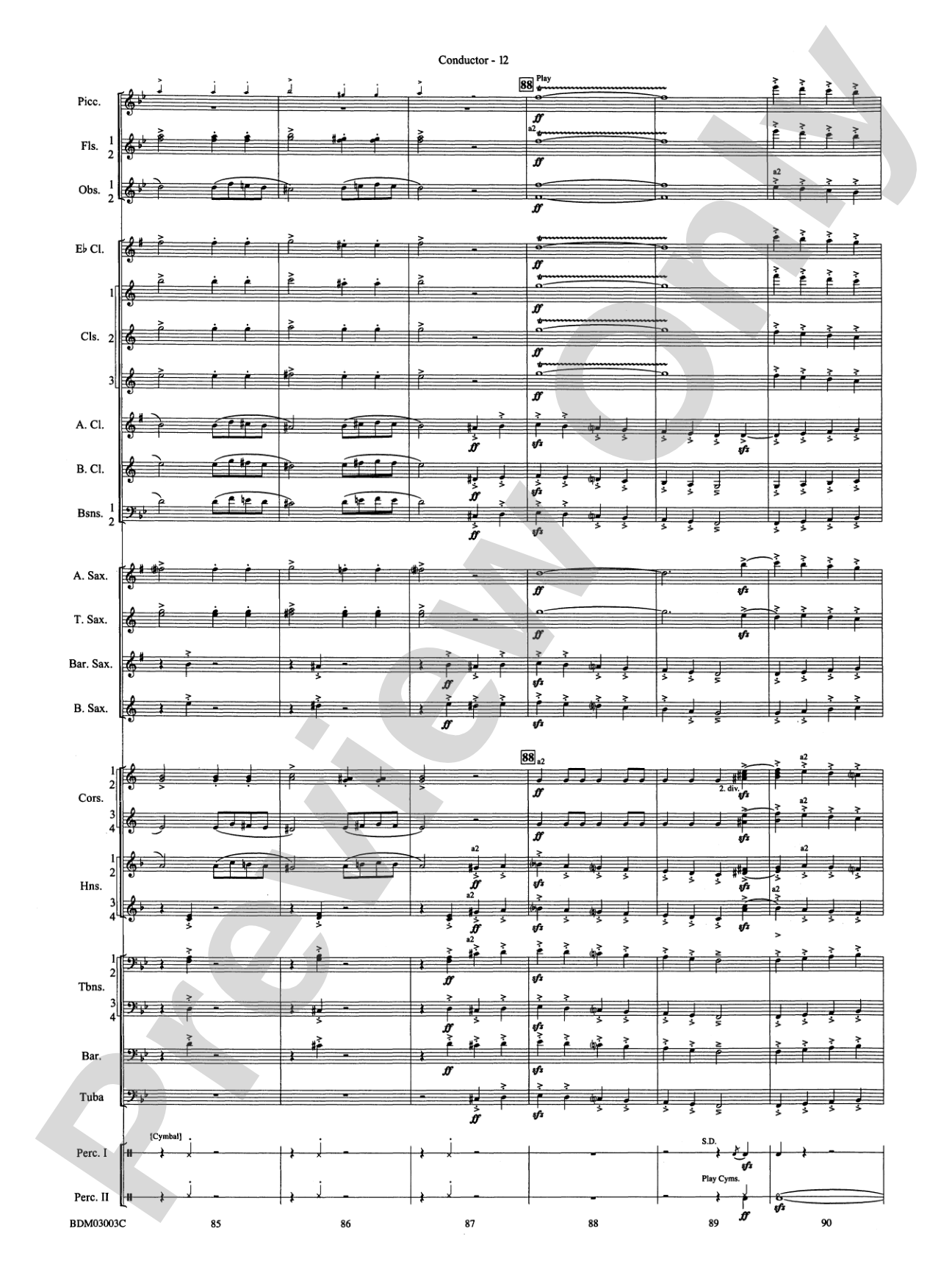
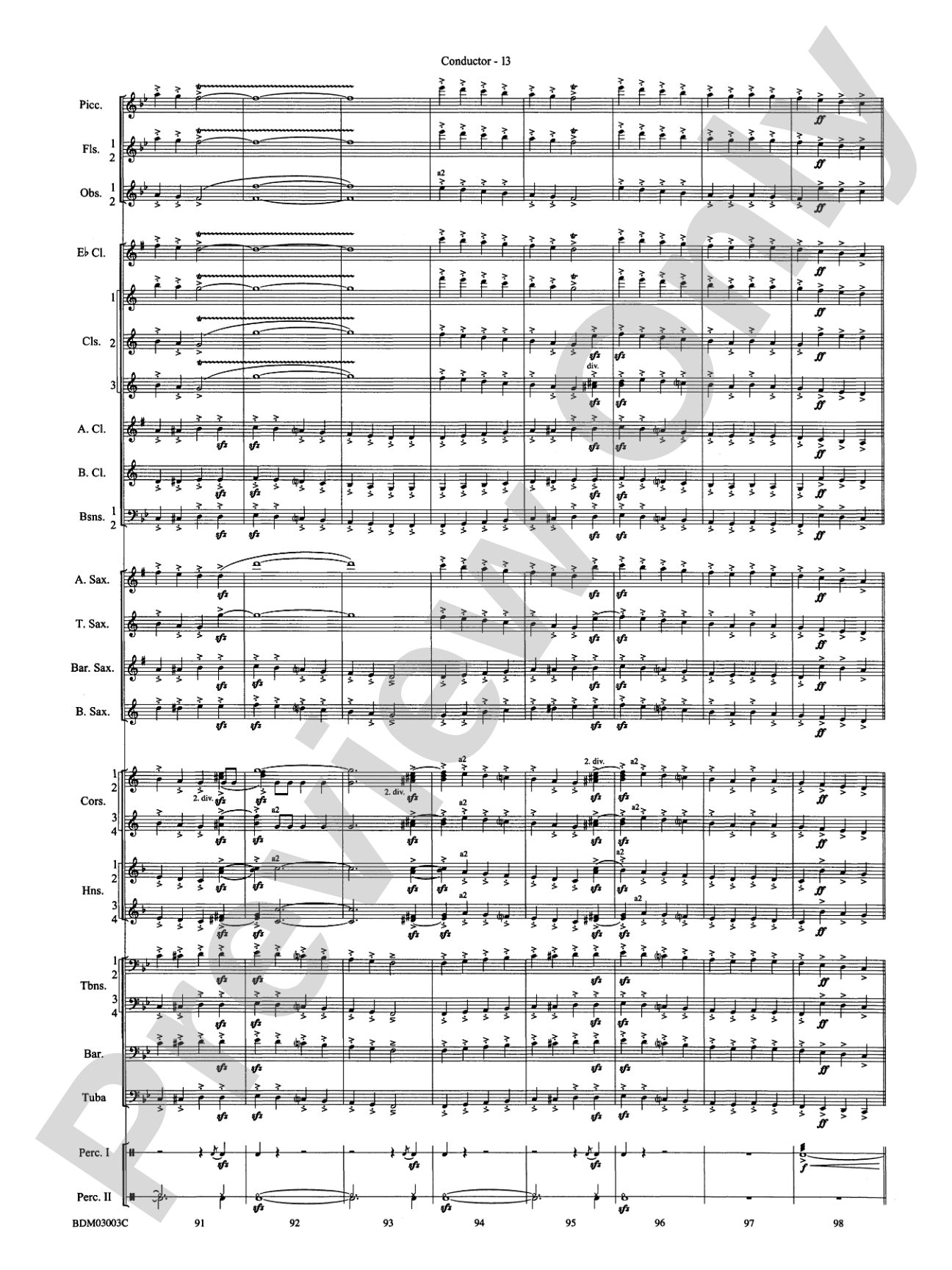
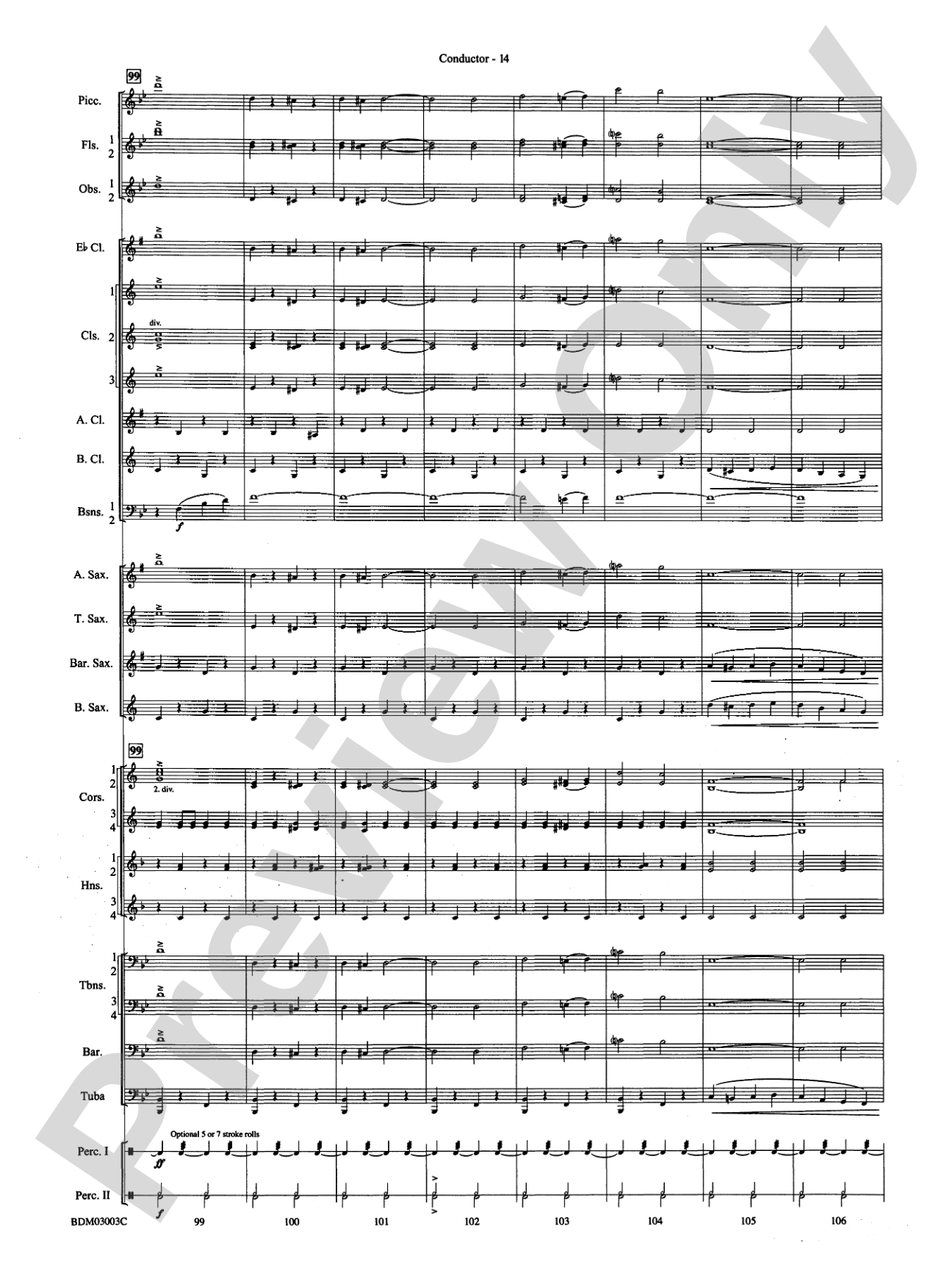
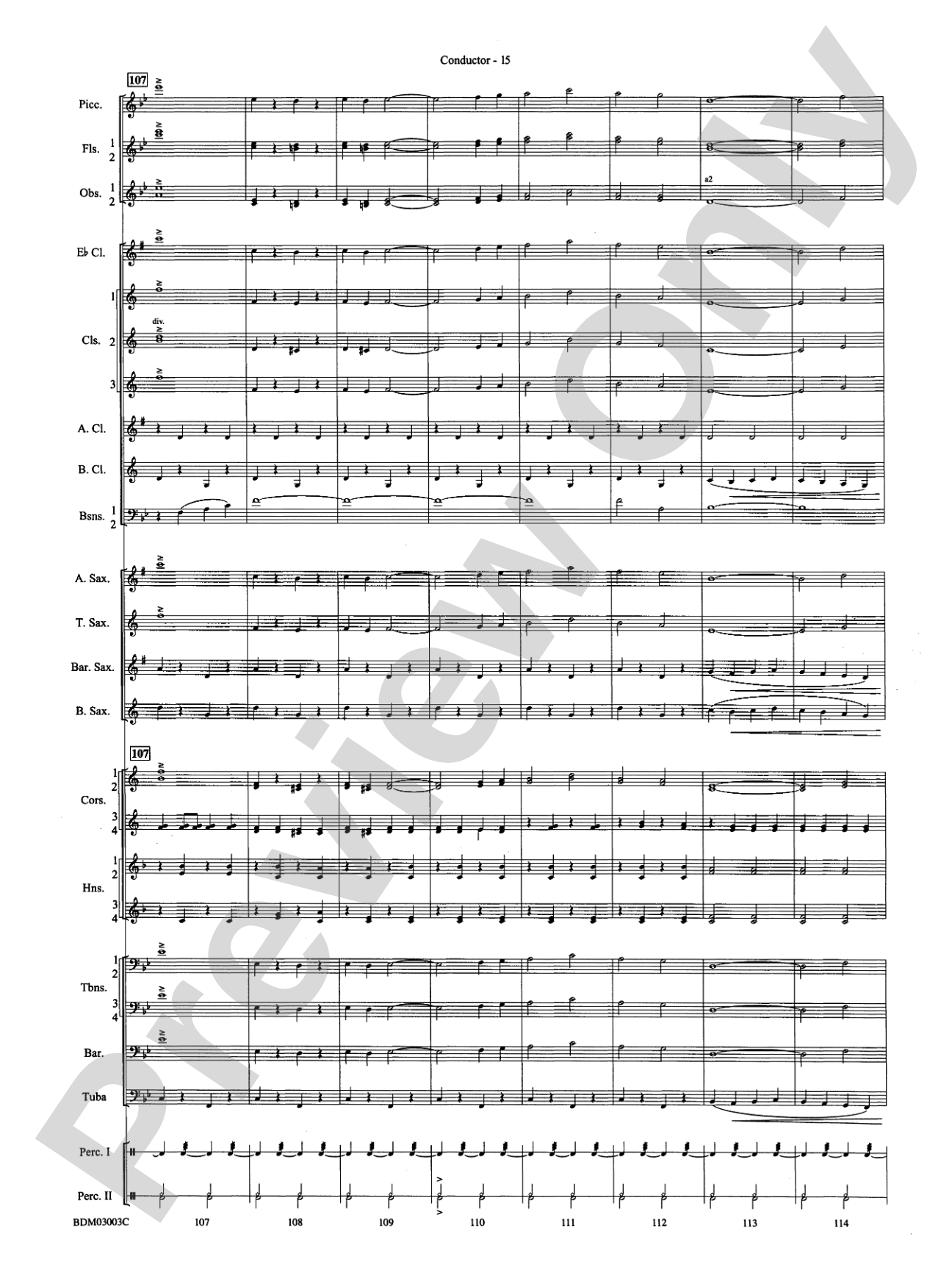
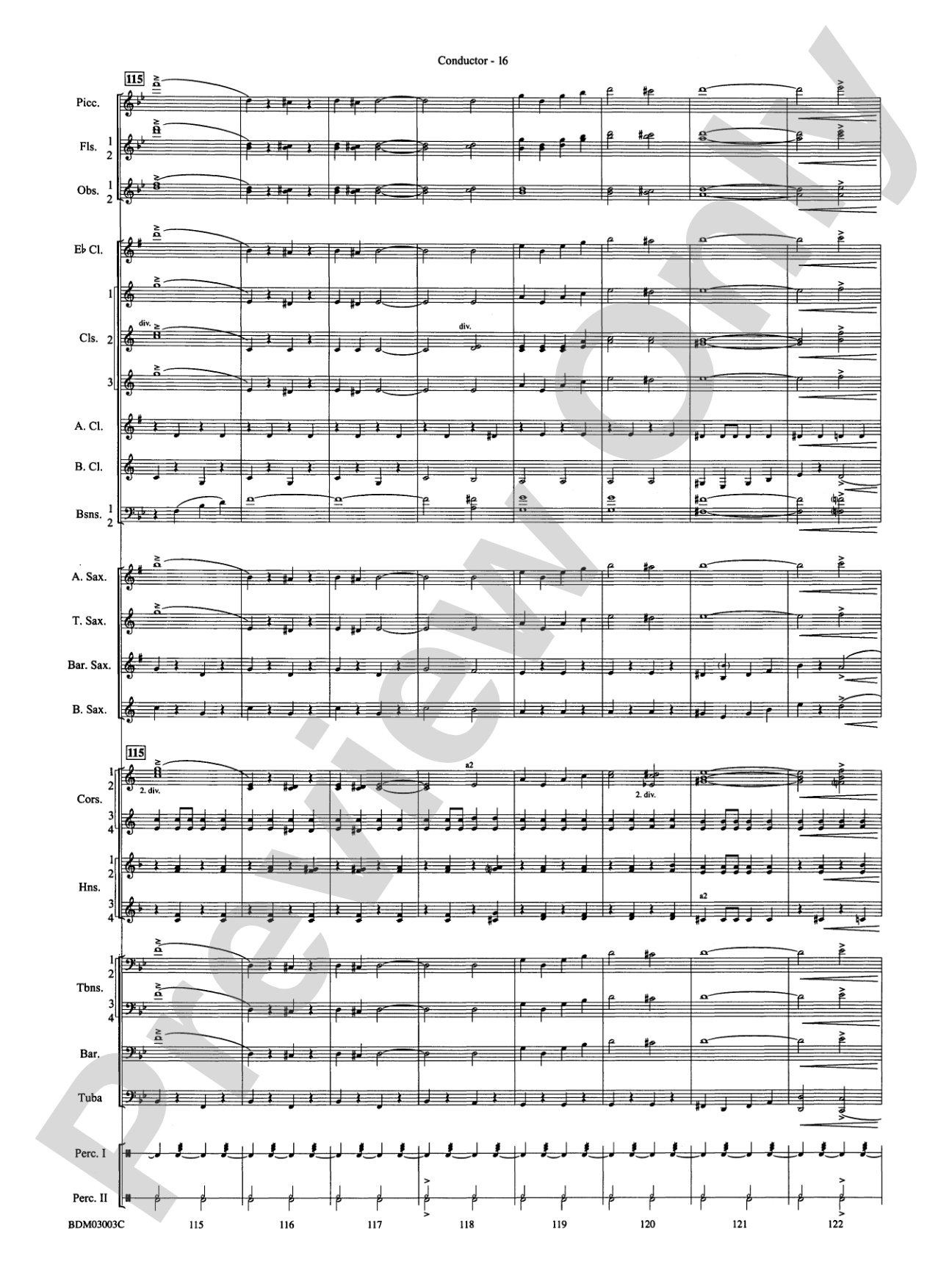
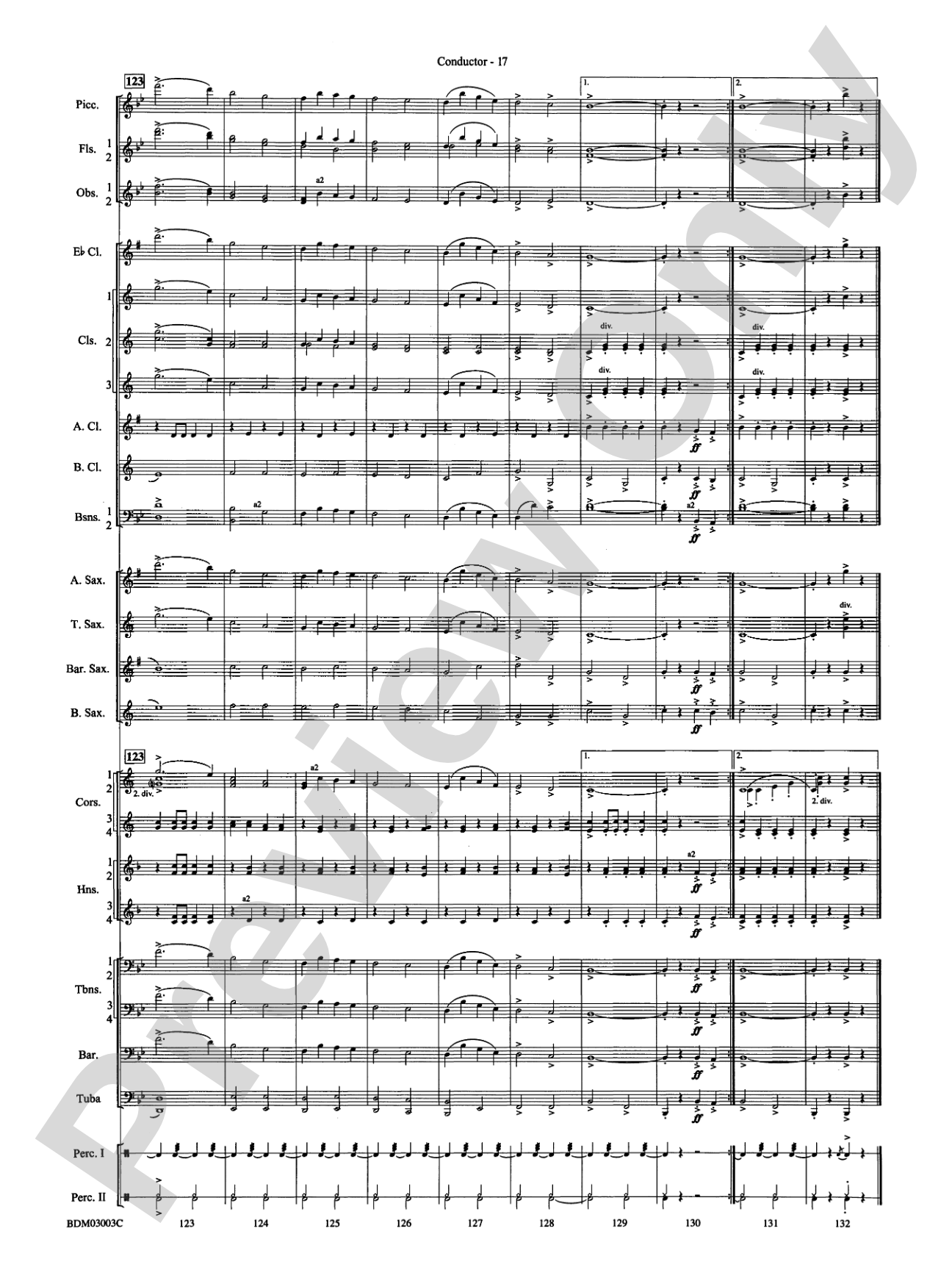

The Pride of the Wolverines: Score
By John Philip Sousa / ed. Frederick Fennell
Grade: 3 (Medium Easy)
Item: 00-PR-0008097
$12.00
Pickup currently not available
Description
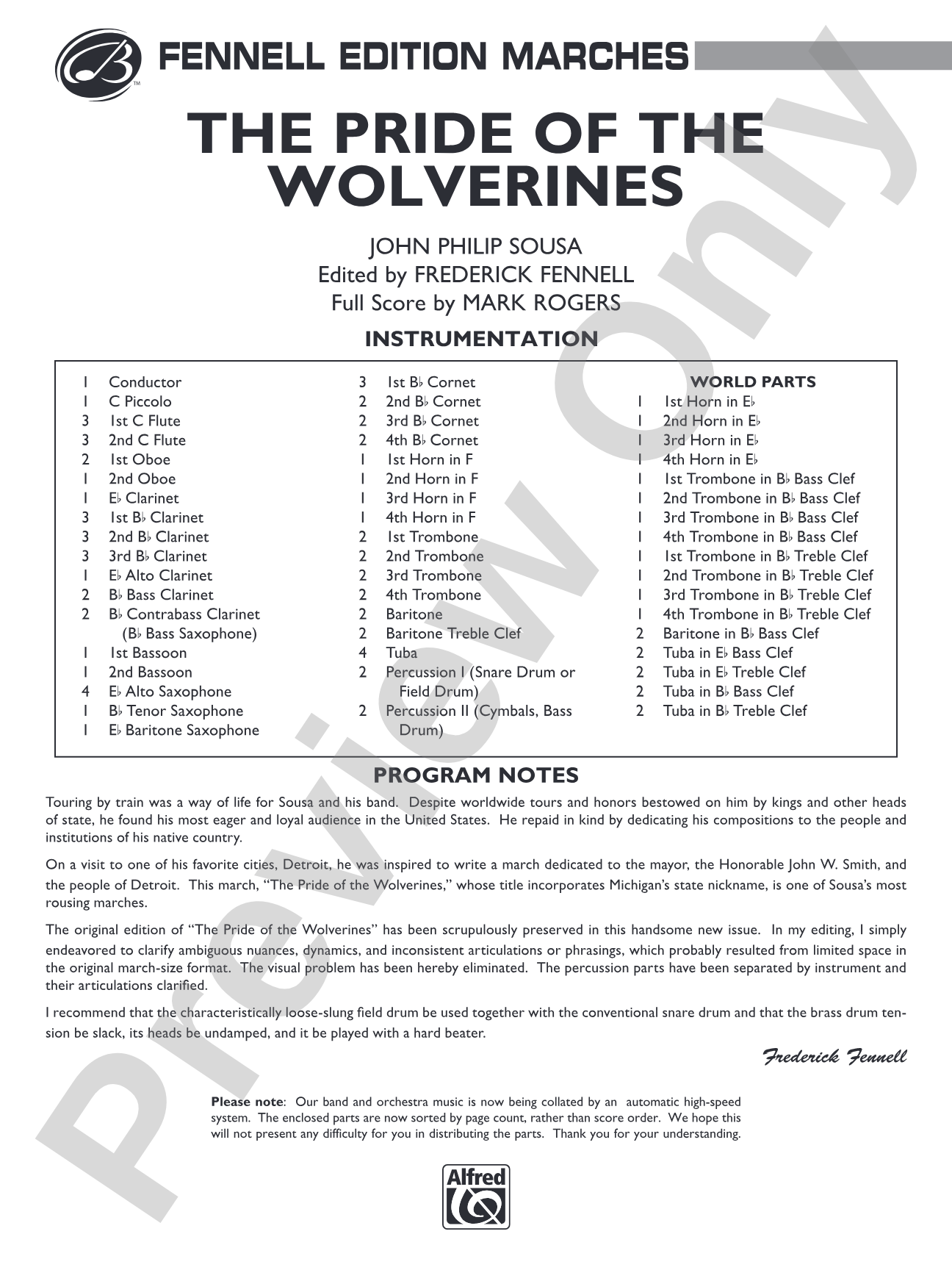
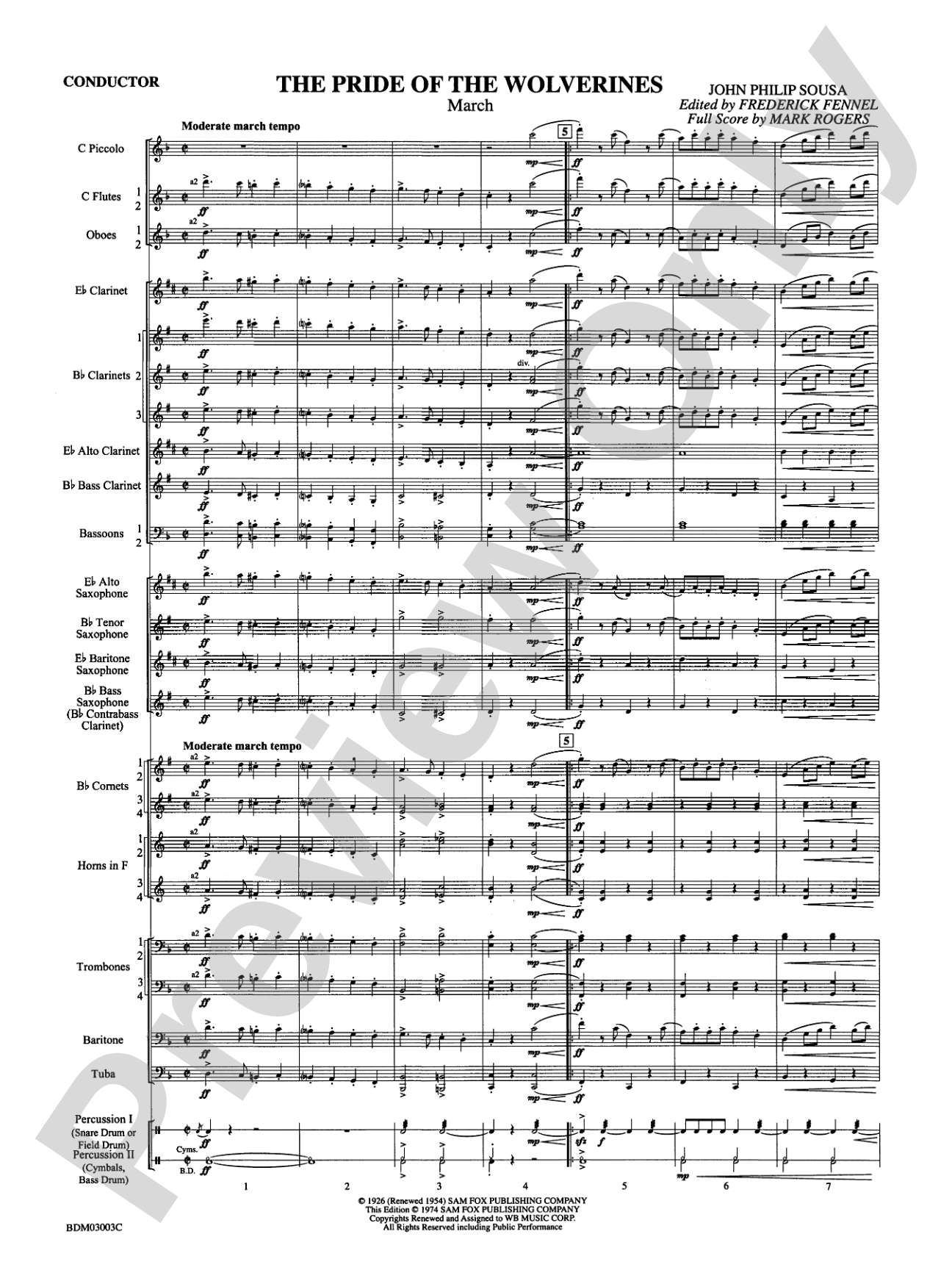
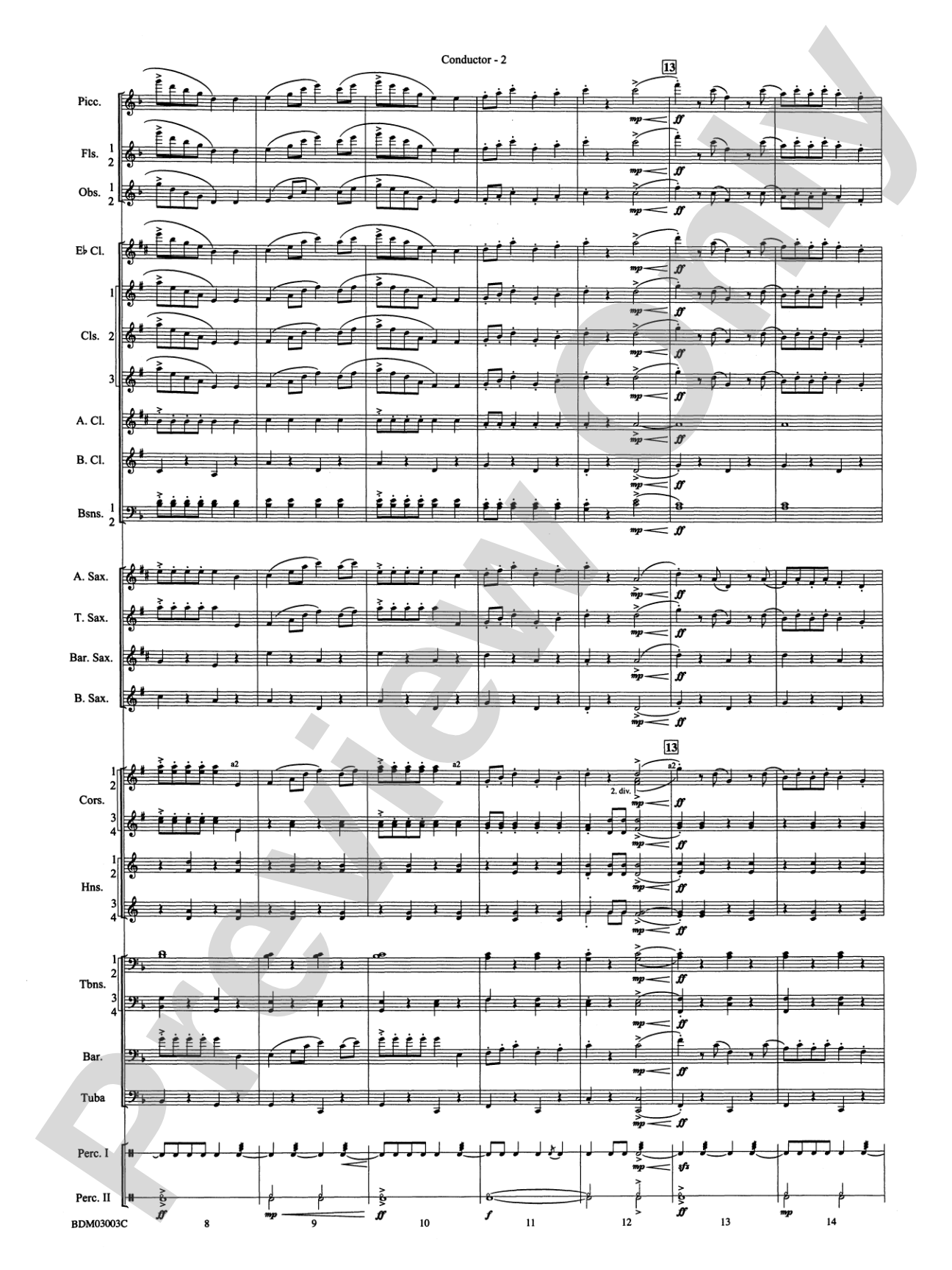
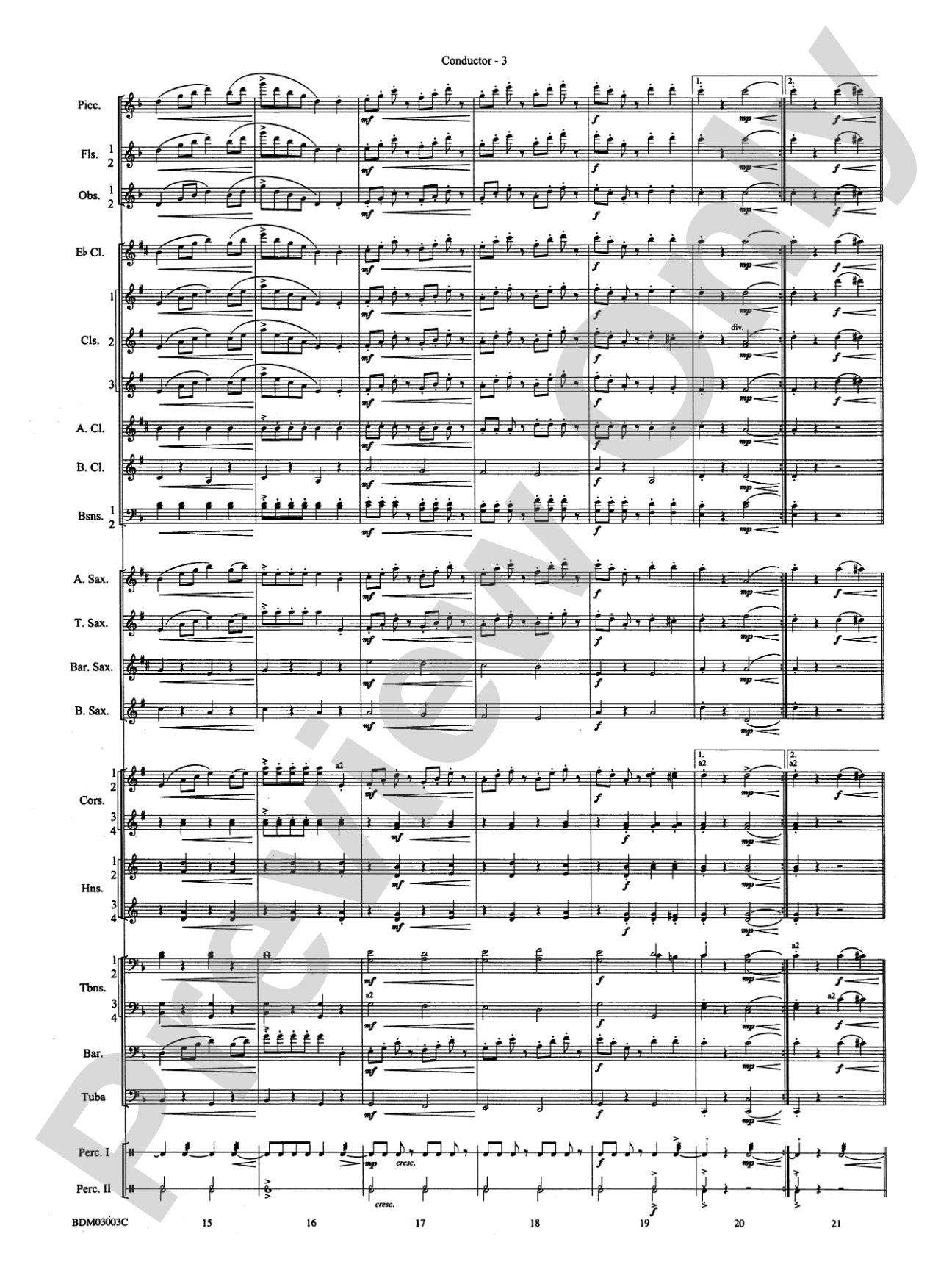
Here's one that's often forgotten. Written in 1926 by John Philip Sousa at the request of Detroit's mayor, this charming cut-time march in typical Sousa style is dedicated to Mayor John W. Smith and the people of Detroit. The Pride of the Wolverines now comes with a full score! (3:43)


The Pride of the Wolverines: Score isn't in MakeMusic Cloud just yet...but it could be. Let us know you'd like to see it, and you'll help shape what comes next. In the meantime, start a free trial and dive into thousands of interactive titles your students can play along with today.
Request This Title
Tell us you want it.
Start Your Free Trial
Explore everything that's ready to play right now.
Sample Audio
1
Audio File
--:--
0:00
0:00
Sample Video
No sample videos found.
Additional Details
Series:
Fennell Edition Marches for Band
Publisher:
Alfred Music
Page Count:
264
SKU:
00-PR-0008097
More about this title
About the Composer: John Philip Sousa
John Philip Sousa (1854–1932) shaped the American band tradition as both composer and conductor. His marches remain the gold standard for concert band repertoire, combining memorable melodies, clear formal structure, and writing that sits perfectly under student hands.
Why we love this
Most bands reach for "The Stars and Stripes Forever" or "Semper Fidelis," leaving The Pride of the Wolverines in obscurity. This march deserves regular rotation: it's genuinely engaging, sits comfortably at Grade 3, and gives your band a fresh Sousa experience without the weight of his most famous works. The Fennell Edition score is a gift for conductors who want to see every color clearly.
What to expect
Bright, purposeful, and distinctly civic in character. The march moves with the confidence of a mayoral dedication while remaining unpretentious; it invites the listener in rather than overwhelming them. There's genuine charm here beneath the structure.
Who it's for
Concert bands at the Grade 3 level looking for a Sousa march that isn't an overcrowded standard. This works equally well for groups building their classical pops repertoire or exploring American band literature with fresh material.
How to get the most out of it
- Keep the cut-time pulse steady and business-like; resist the urge to drag. Sousa's marches live in their forward momentum.
- Balance the solo cornets and first trumpet in the main melody against the full band. They should sing, not get swallowed.
- Mark the key changes and section transitions in parts so students know exactly where they are in the form. This march's structure is logical, but young players benefit from explicit signposts.
- Let the low brass lock in early. The foundation determines whether the entire march breathes or sits.
How to use it
Pair this with other Sousa marches for an all-American concert, or program it as the opener for a patriotic or community-focused concert. It also sits well in a concert band fundamentals concert where you're showcasing march form and the clarity of Sousa's writing.
Skills your students will build
- Cut-time conducting and pulse stability
- Balanced inner voice writing and melodic support
- March form recognition and sectional clarity
- Intonation across key changes
- Dynamic independence between melody and accompaniment