

The Power of Love: SAB Choral Octavo
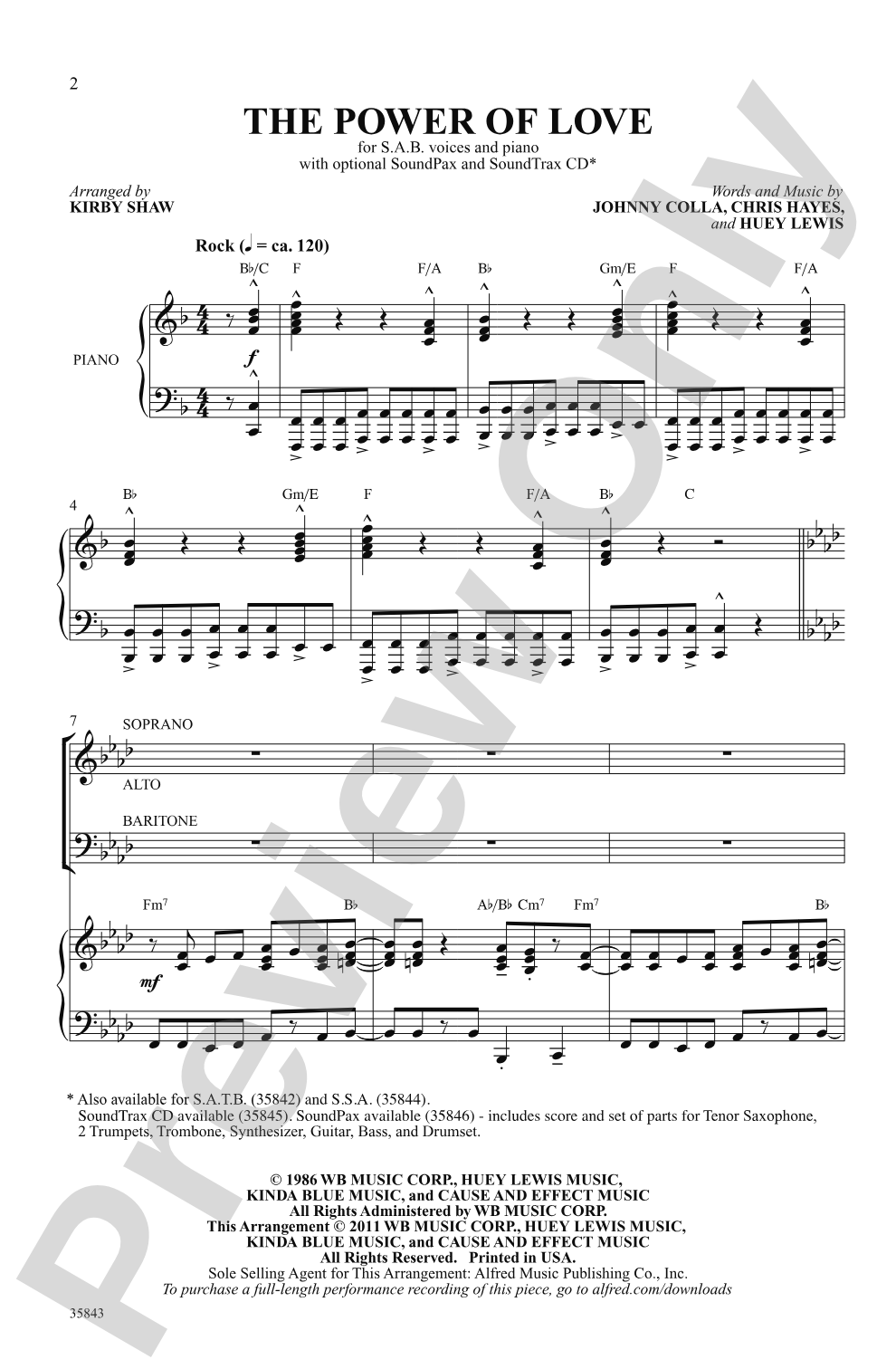
Words and music by Johnny Colla, Chris Hayes, and Huey Lewis / arr. Kirby Shaw
Item: 00-PO-0001125
$1.90
Minimum order quantity: 20 copies
One moment…
Related Items
The Power of Love: SATB Choral Octavo |
$2.10
|
View | |
The Power of Love: SSA Choral Octavo |
$1.90
|
View | |
The Power of Love: Choral SoundPax |
$30.00
|
View | |
The Power of Love: SoundTrax Digital Audio Download |
$29.99
|
View | |
The Power of Love: SATB Choral Octavo |
$2.10
|
View | |
The Power of Love: SAB Choral Octavo |
$1.90
|
View | |
The Power of Love: SSA Choral Octavo |
$1.90
|
View | |
The Power of Love: Choral Octavo SoundTrax CD |
$29.99
|
View | |
The Power of Love: Choral SoundPax |
$30.00
|
View |
Description
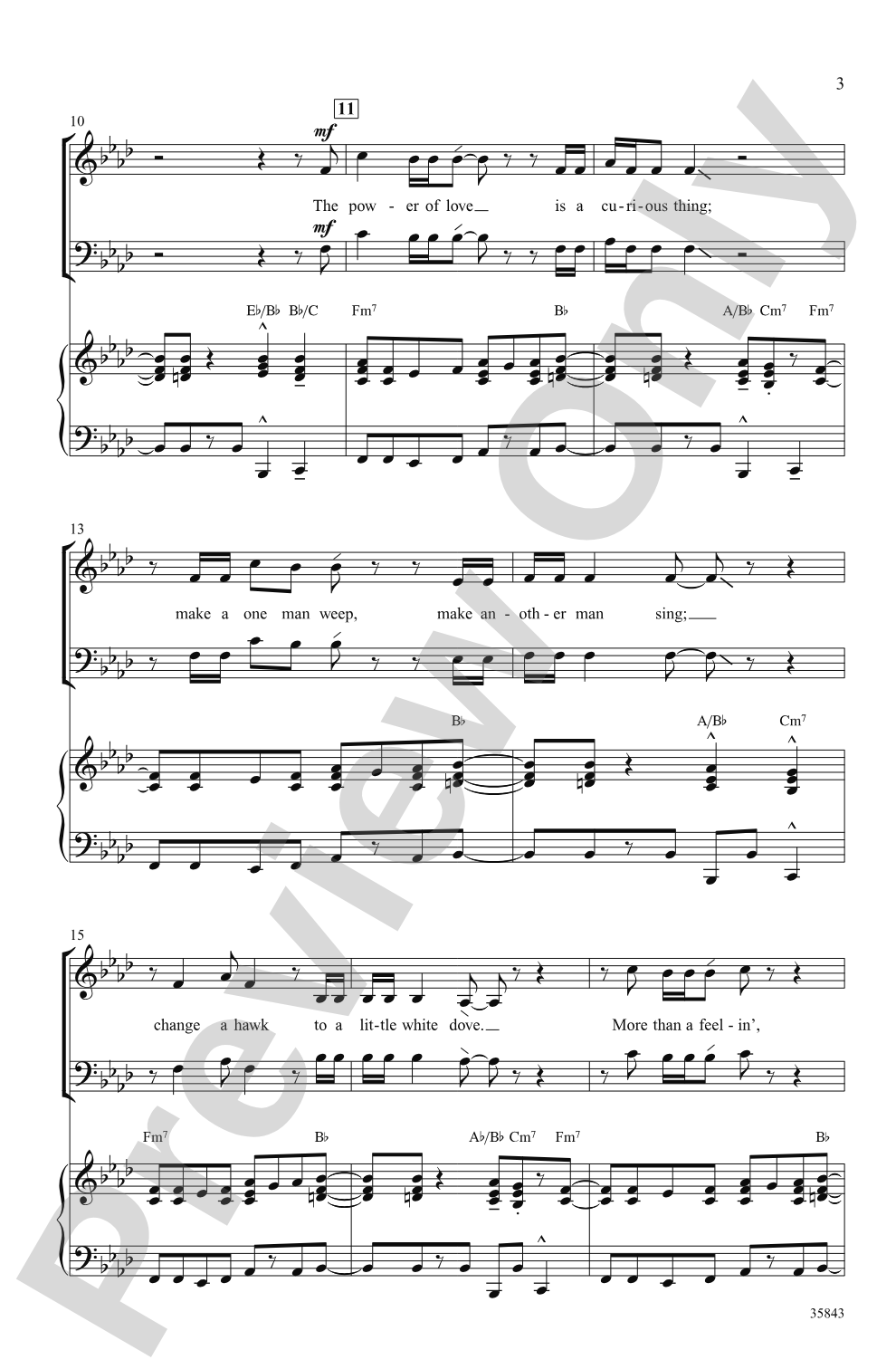
Huey Lewis and The News wrote and sang this hit single in the 1985 blockbuster film Back to the Future. Their first #1 hit on the Billboard Hot 100!


The Power of Love: SAB Choral Octavo isn't in MakeMusic Cloud just yet...but it could be. Let us know you'd like to see it, and you'll help shape what comes next. In the meantime, start a free trial and dive into thousands of interactive titles your students can play along with today.
Request This Title
Tell us you want it.
Start Your Free Trial
Explore everything that's ready to play right now.
Sample Audio
1
Audio File
--:--
0:00
0:00
Sample Video
No sample videos found.
Additional Details
Series:
Alfred Pop Choral Series
Publisher:
Alfred Music
Page Count:
12
SKU:
00-PO-0001125
More about this title
About the Composer: Johnny Colla
Johnny Colla is a guitarist, saxophonist, and composer best known for his work with Huey Lewis and The News, the American rock band that dominated the 1980s pop and rock charts. As a core member of the band, Colla co-wrote some of their most recognizable hits, including "The Power of Love," which became a cultural touchstone through its featured placement in Back to the Future. His contributions to the band's sound combined skilled musicianship with accessible, radio-friendly songwriting that appealed to mainstream audiences.
Colla's work with Huey Lewis and The News earned the band multiple Grammy nominations and established them as one of the defining acts of the decade. "The Power of Love" stands as a testament to his ability to craft emotionally resonant melodies that have endured in popular culture for decades, making his compositions valuable additions to contemporary choral repertoire.
Why we love this
This arrangement captures the infectious energy and emotional directness of one of the 1980s' most enduring rock hits while making it accessible to three-part mixed choirs. Kirby Shaw's orchestration preserves the song's memorable melody and driving rhythm without overcomplicating the vocal parts, allowing singers to connect immediately with material they likely know and enjoy. Programming a recognizable pop hit alongside classical or contemporary work energizes audiences and validates student singers' musical tastes.
What to expect
Energetic and emotionally open, with the kind of earnest sincerity that makes 1980s rock ballads so effective. The arrangement balances the song's driving rhythmic momentum with vulnerable, soaring melodic moments that invite genuine connection from singers and listeners alike.
Who it's for
Choirs at the high school and adult community level looking to program contemporary rock music alongside more traditional repertoire. This SAB voicing works particularly well for ensembles with stronger soprano sections or those adding depth to an existing two-part women's choir arrangement.
How to get the most out of it
- Lock the rhythm section into the recorded accompaniment during rehearsal; the groove drives everything, so a solid tempo foundation prevents the arrangement from dragging during performance.
- Balance the melody clearly in the soprano line while keeping alto and bass parts supportive rather than competitive; this keeps the song's infectious hook front and center.
- Shape phrases with dynamic swells rather than maintaining a flat rock sound; the emotional core of "The Power of Love" lives in the lyrical moments between the rhythmic peaks.
- Mark any divisi spots in alto and bass parts to ensure singers understand their role in each section and can blend seamlessly when parts rejoin.
How to use it
Position this as a contemporary opener or closer on a concert that mixes genres, especially in a "Music Through the Decades" program or a pops concert. Pairing it with instrumental rock covers or other film soundtrack selections creates a thematic block that resonates with audiences across generations.
Skills your students will build
- Singing with rhythmic precision in a rock idiom (straight eighths, syncopation, groove awareness)
- Balancing melody and harmony in three-part voicing without doubling the lead
- Responding to recorded accompaniment cues and maintaining ensemble cohesion with pre-recorded tracks
- Sustaining vocal energy and emotional commitment through a repetitive, radio-friendly song structure