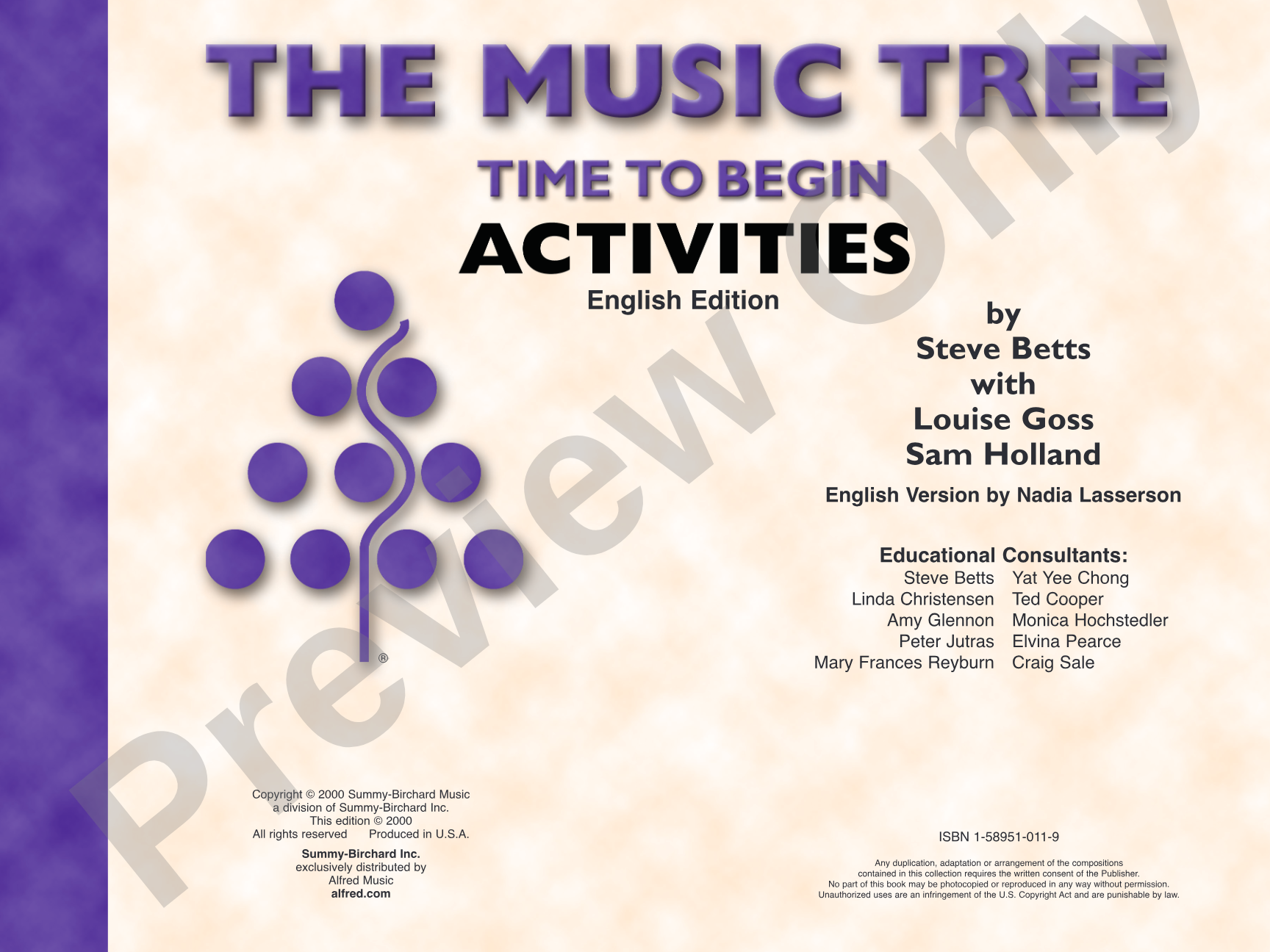
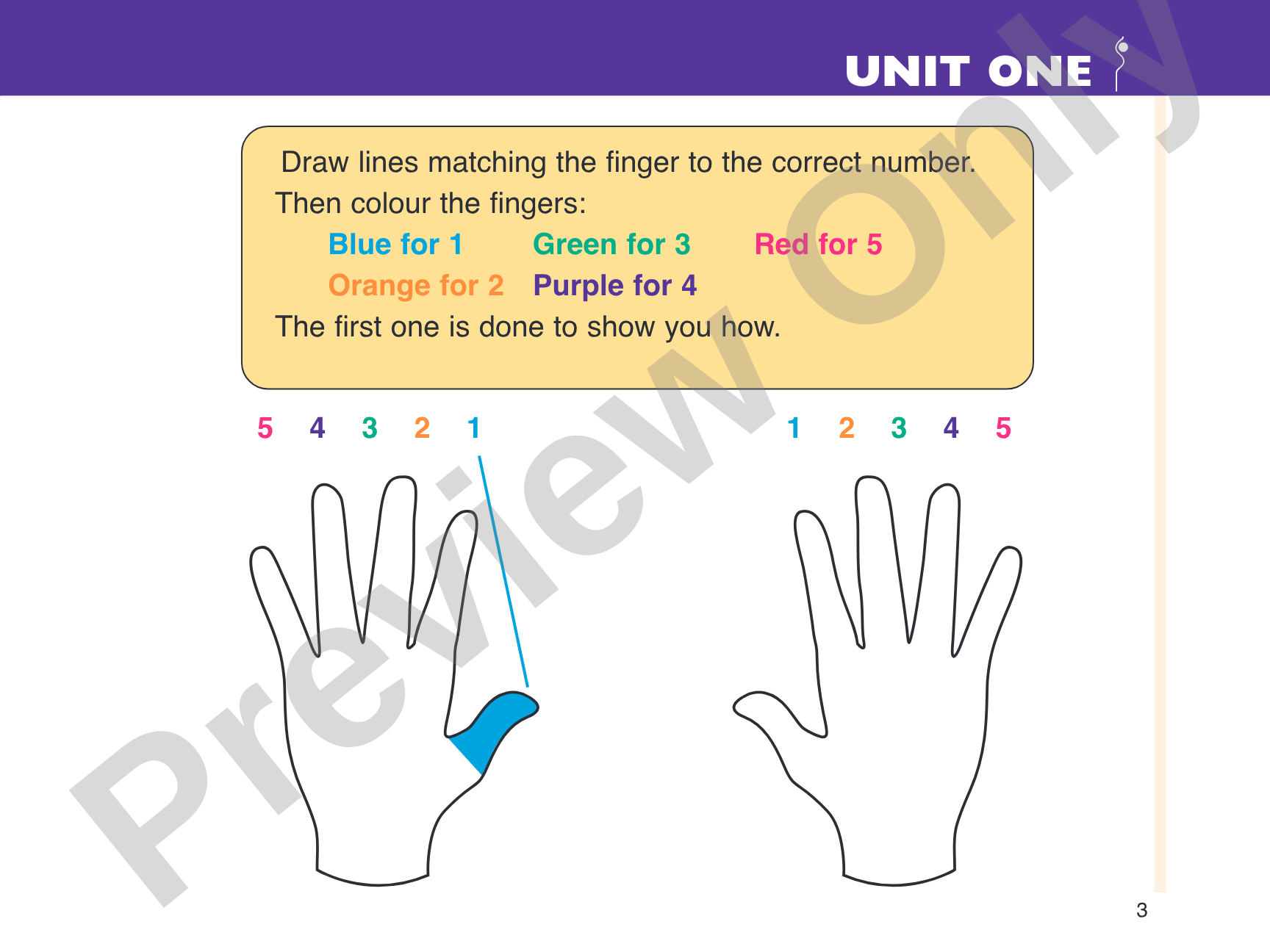
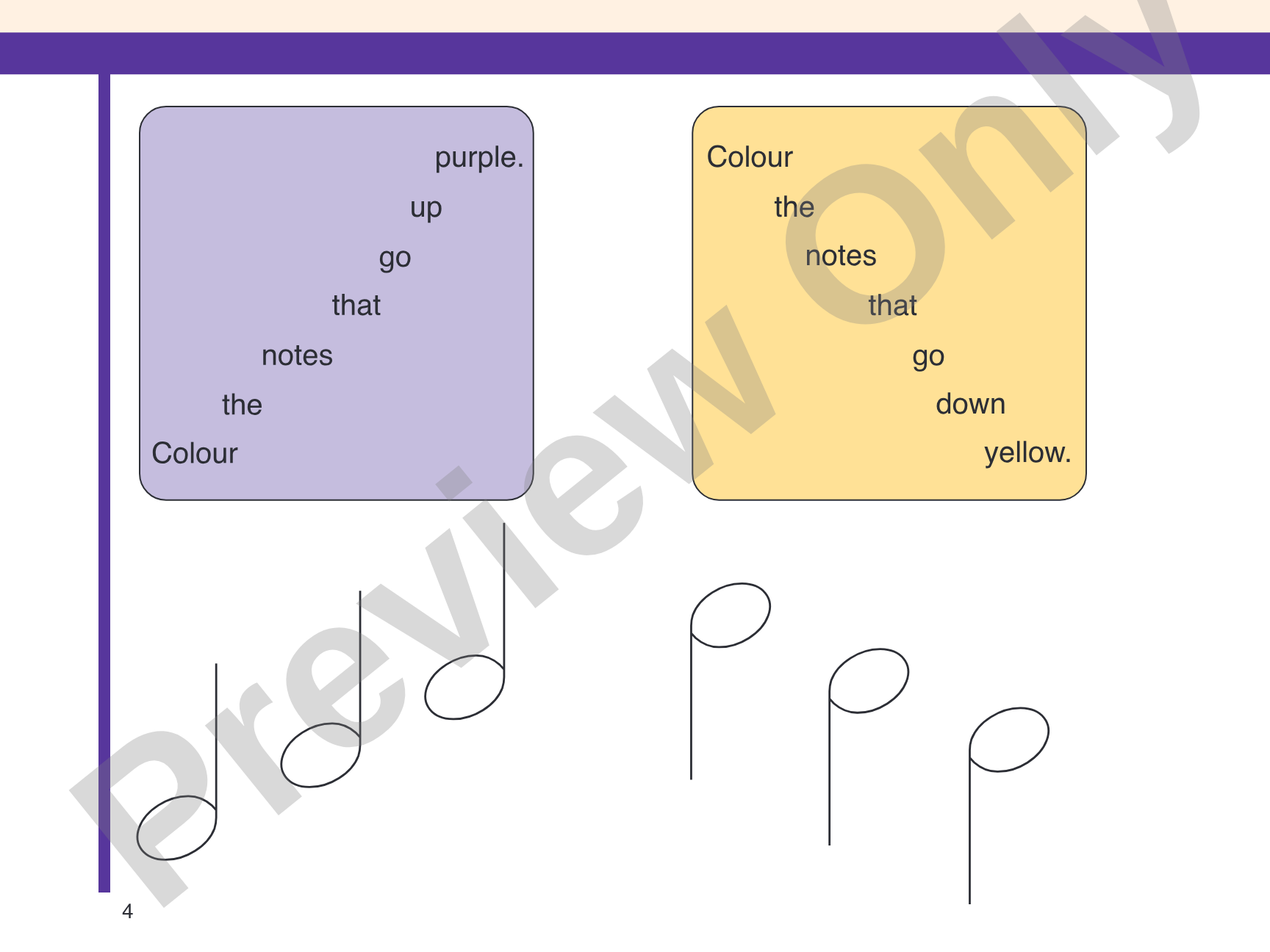
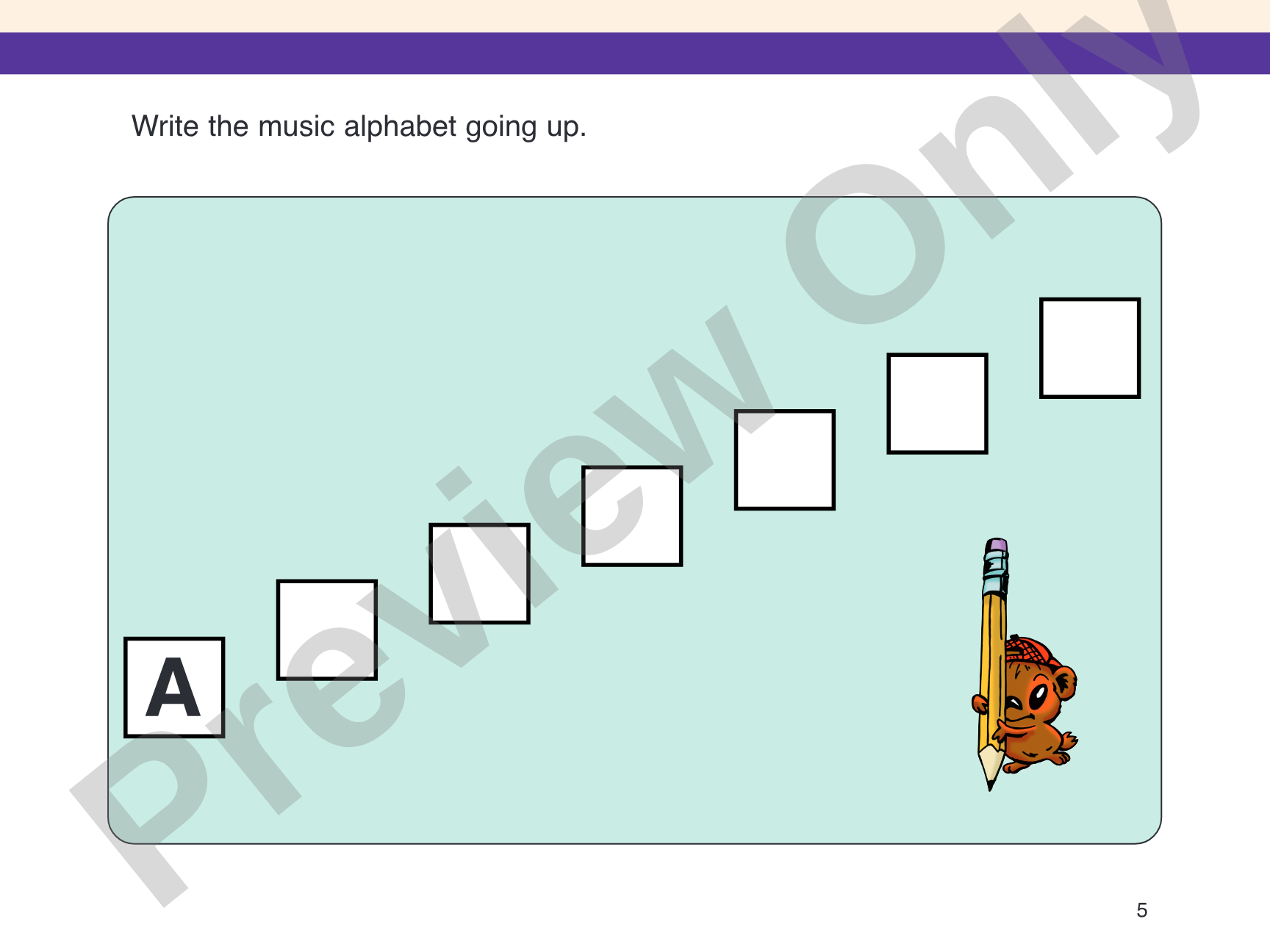
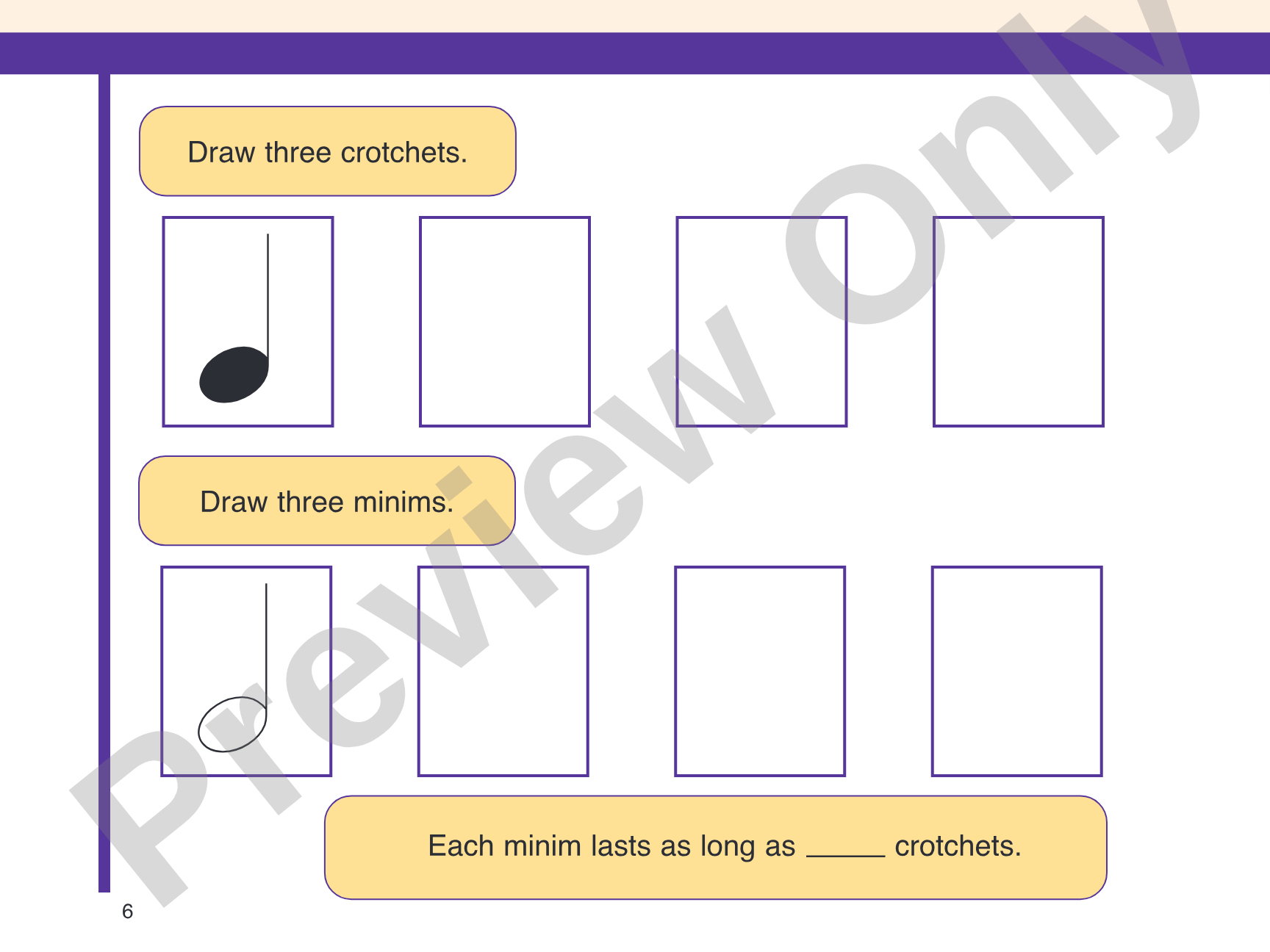
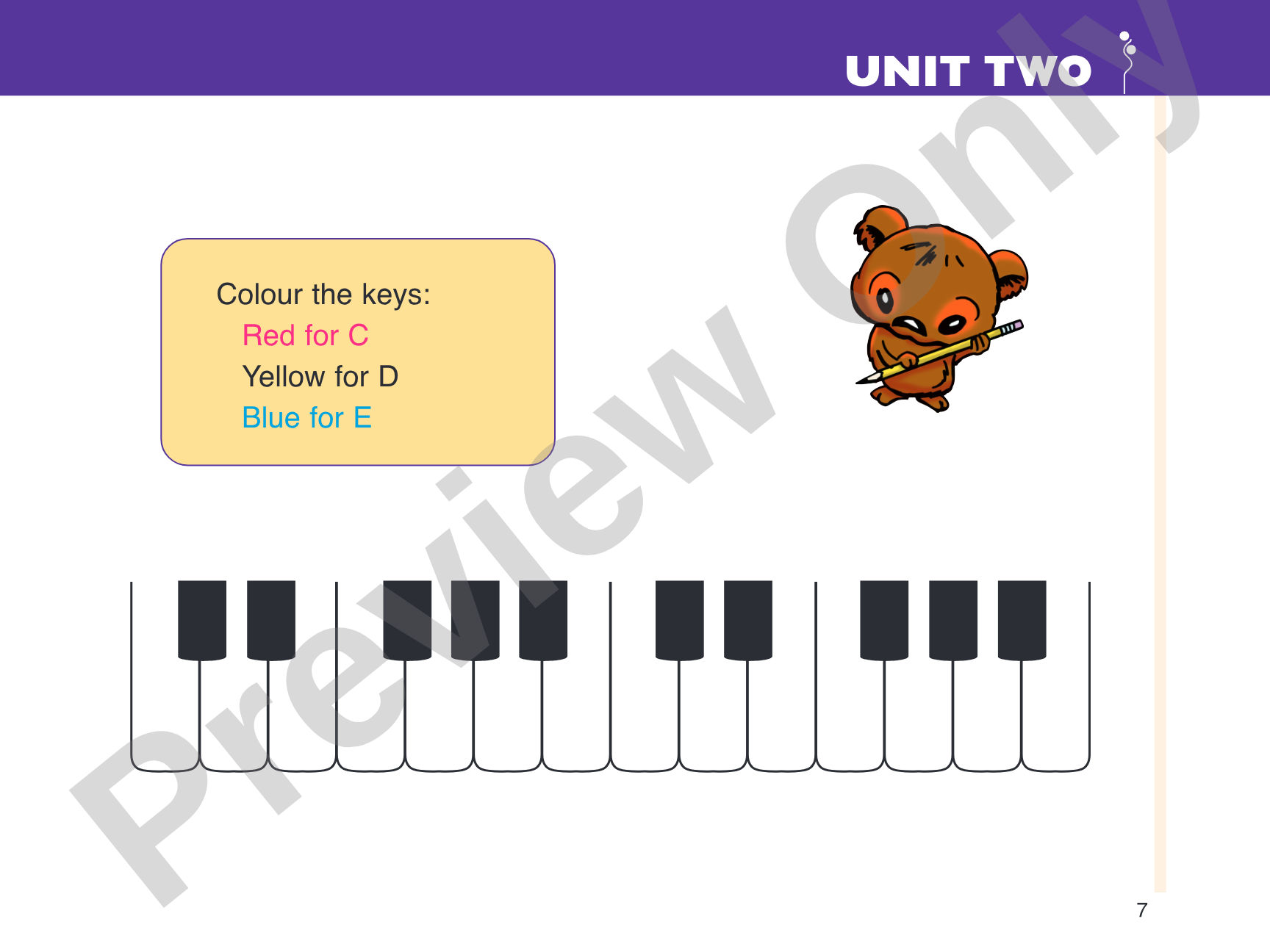
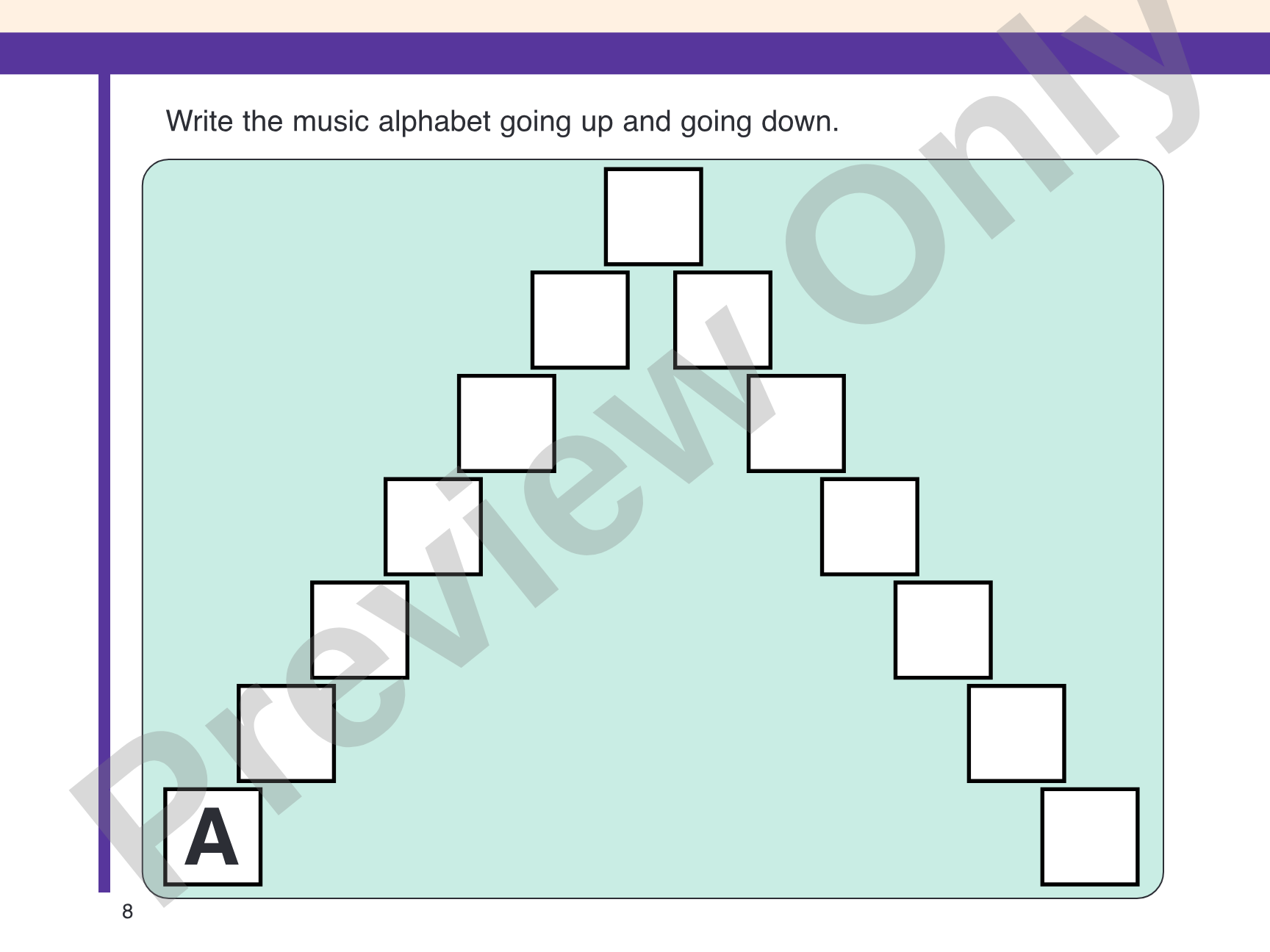
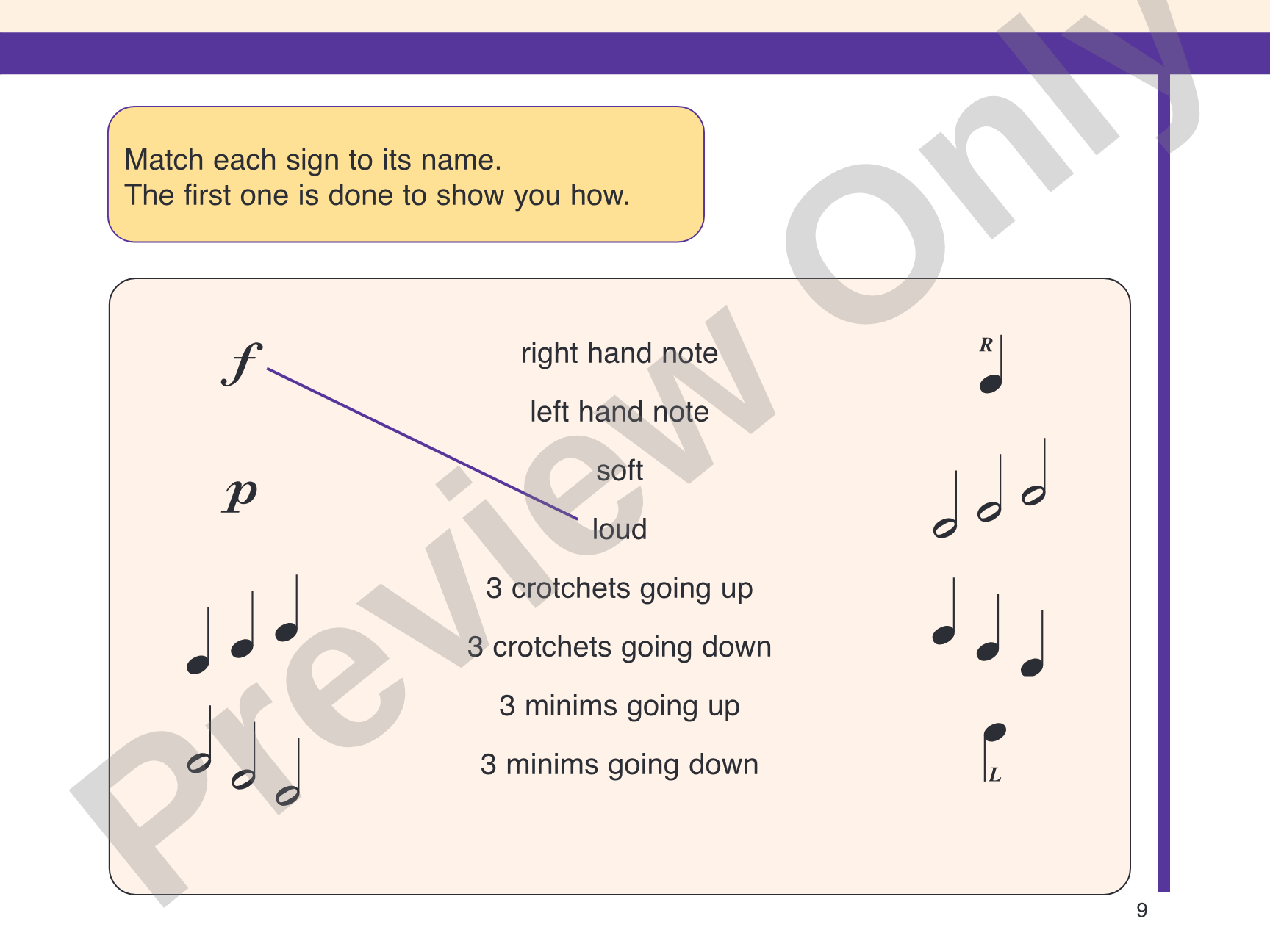
Edition adapted for British and Australian students. "Time to Begin Activities" is colorful, cheerful and a delight for students to complete either at the lesson or at home. Activities reinforce reading, rhythm and theory introduced in Time to Begin. Each unit includes at least one game-like activity. As students near the grand staff, note names direction and intervals become an integrated activity.
Discover MakeMusic Cloud: thousands of interactive titles your students can play along with today.
Steve Betts is a composer and pedagogue deeply invested in early piano instruction. His work on The Music Tree series reflects decades of classroom experience, where he observed which activities actually stick with young students and which ones feel like busywork.
Why we love this
This workbook doesn't just assign theory problems; it wraps foundational concepts in activities that students actually want to complete. The progression from isolated skills to integrated grand staff work mirrors how young pianists' brains develop pattern recognition, making the step to five-line notation feel like discovery rather than memorization.
What to expect
Cheerful and inviting, these pages feel more like puzzles to solve than drills to complete. The colorful design draws students in, while the progression from simple reading and rhythm exercises into more integrated grand staff work keeps their engagement steady as concepts layer together.
Who it's for
Early elementary piano students working through The Music Tree's beginner sequence, whether in private lessons or group settings. Teachers in British and Australian schools will appreciate the localized language and cultural context throughout.
How to get the most out of it
Complete at least one activity per lesson while the concept is fresh, rather than saving them all for home practice
Let students color or personalize the game-like activities; ownership makes them more likely to remember the learning embedded inside
Use the interval and note-name activities as quick five-minute warm-ups before moving to repertoire work
How to use it
Assign one or two activities weekly alongside your primary lesson material to reinforce that week's new reading or rhythm concept. Many teachers use these as homework scaffolding, then review completed work at the start of the next lesson to check understanding before introducing the next level.
Skills your students will build
Reading note names on the treble and grand staff
Rhythm recognition and notation across simple meters
Interval identification and labeling
Directional awareness of stepwise and skipping motion
Integration of multiple concepts into single problem-solving activities
You May Also Like
Scan to Complete Your Purchase
Use your phone's camera to scan the code below
You'll log in on your phone and the order will be added to your account