
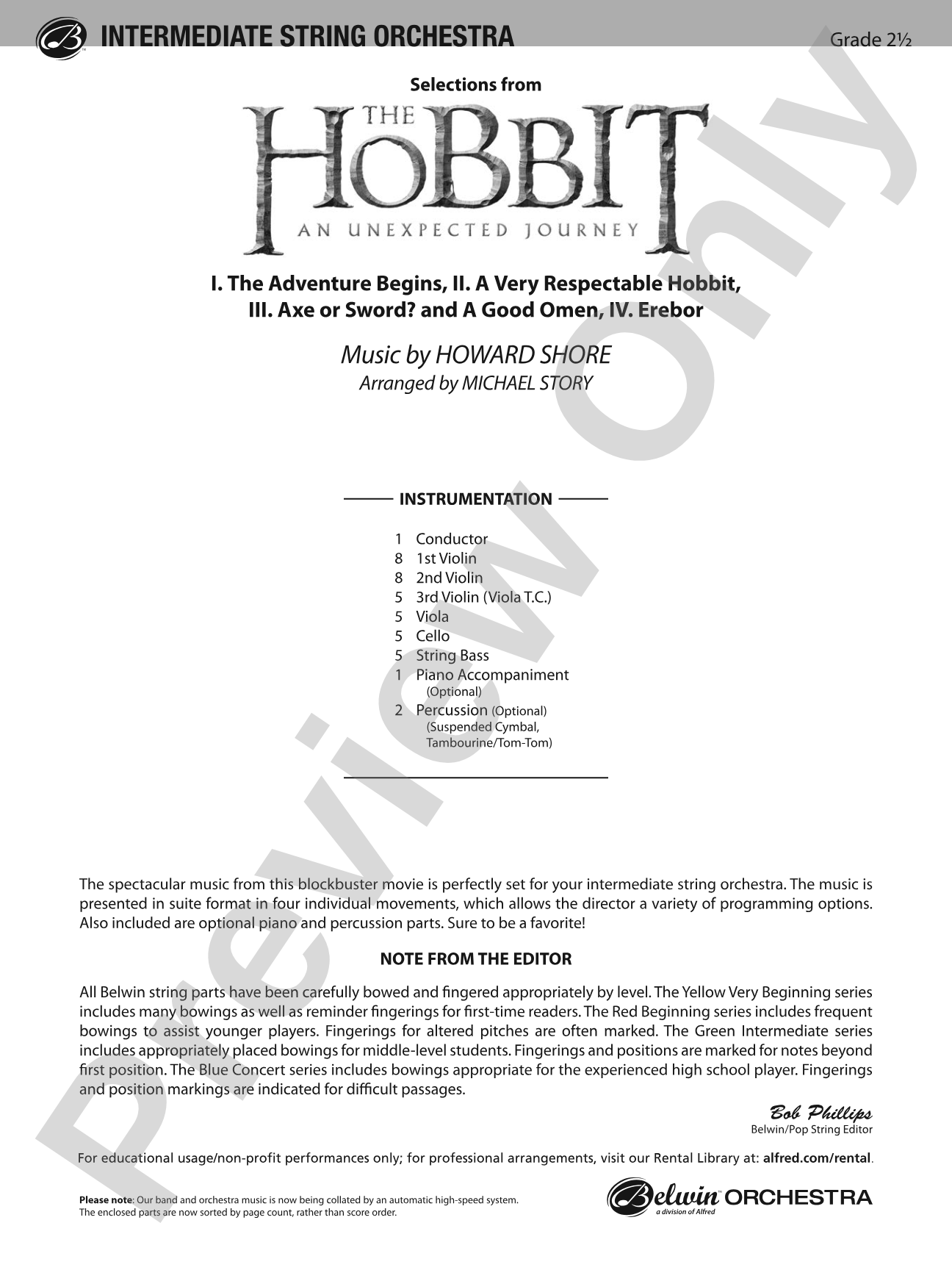
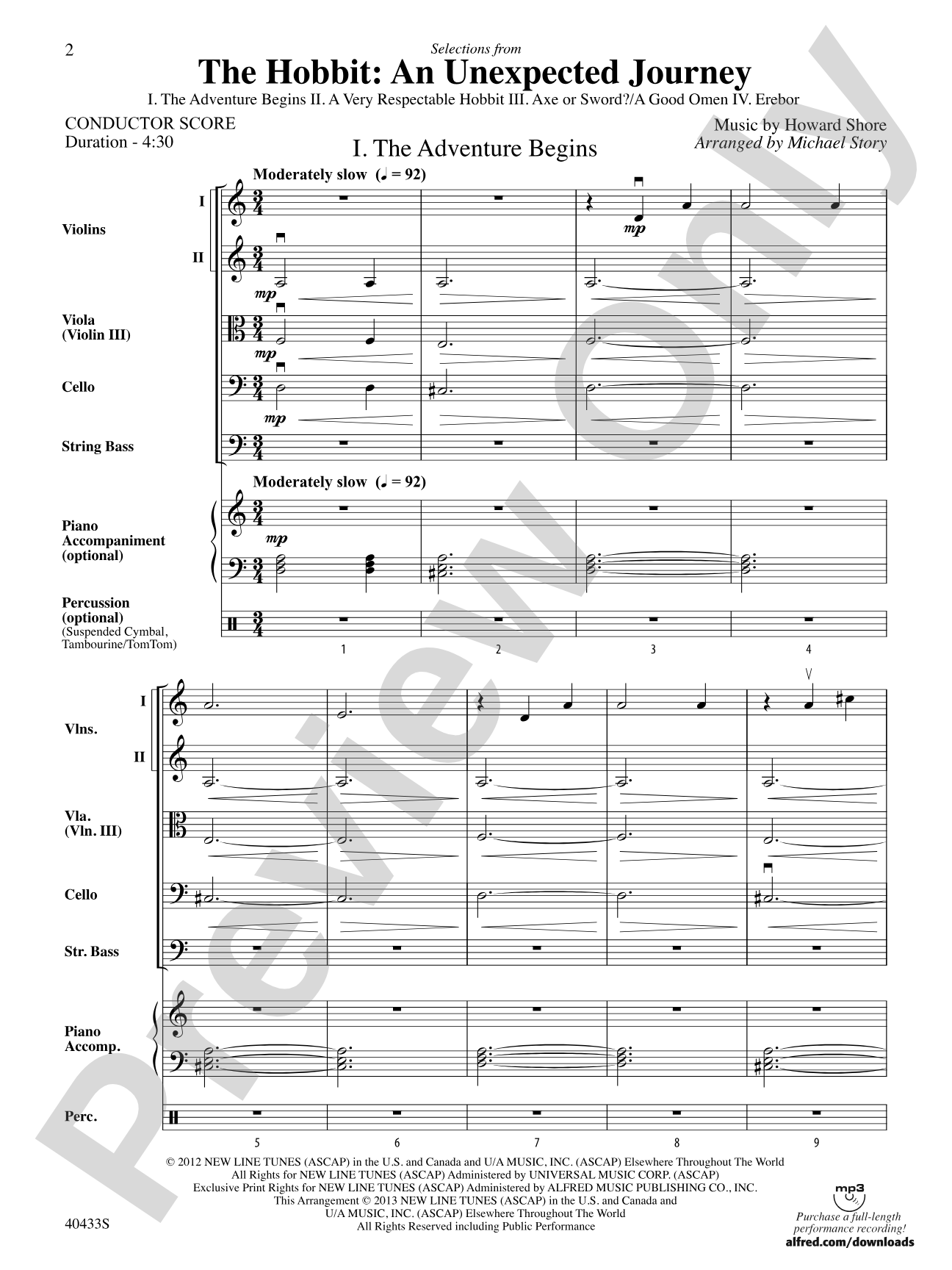
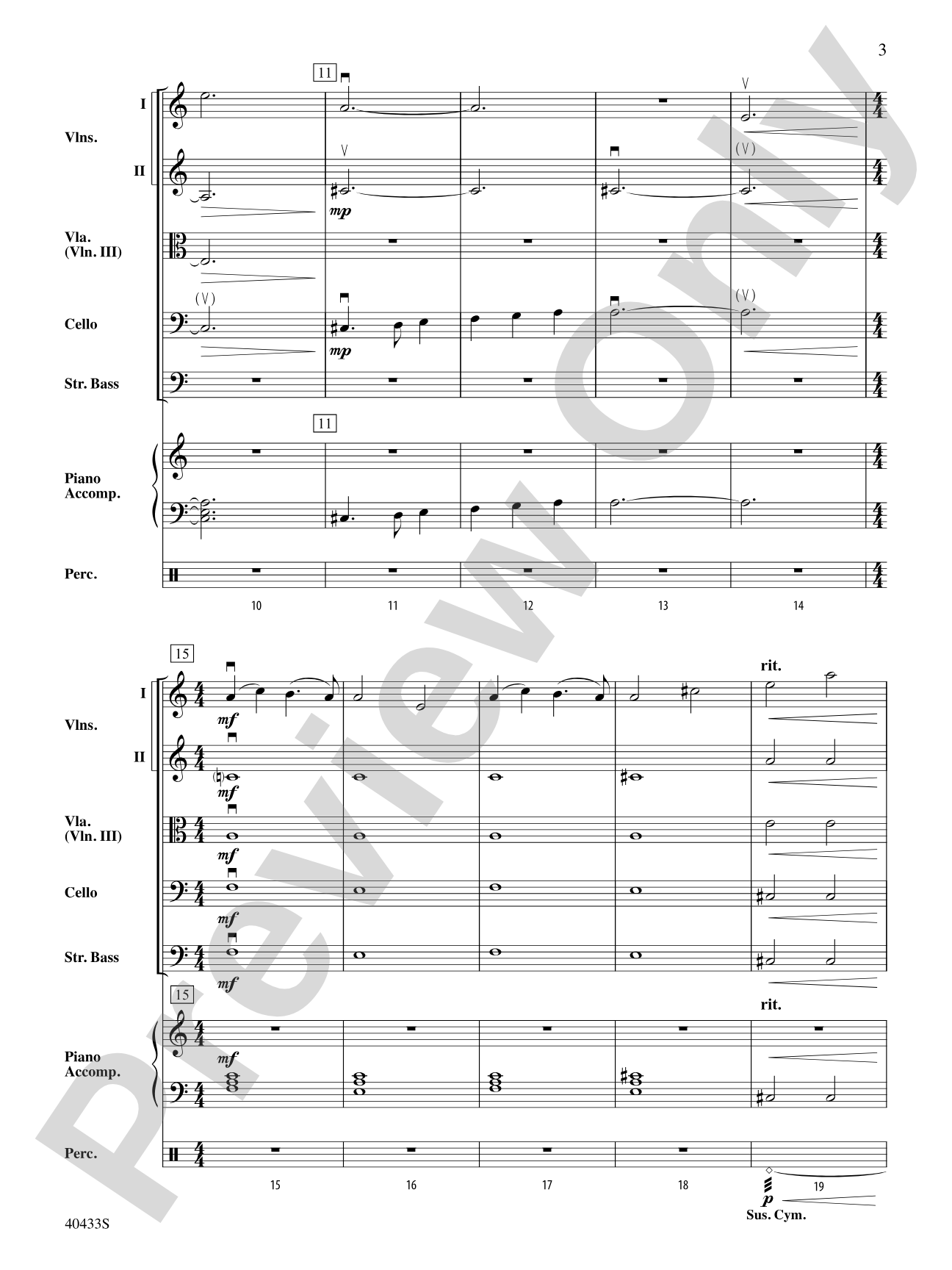
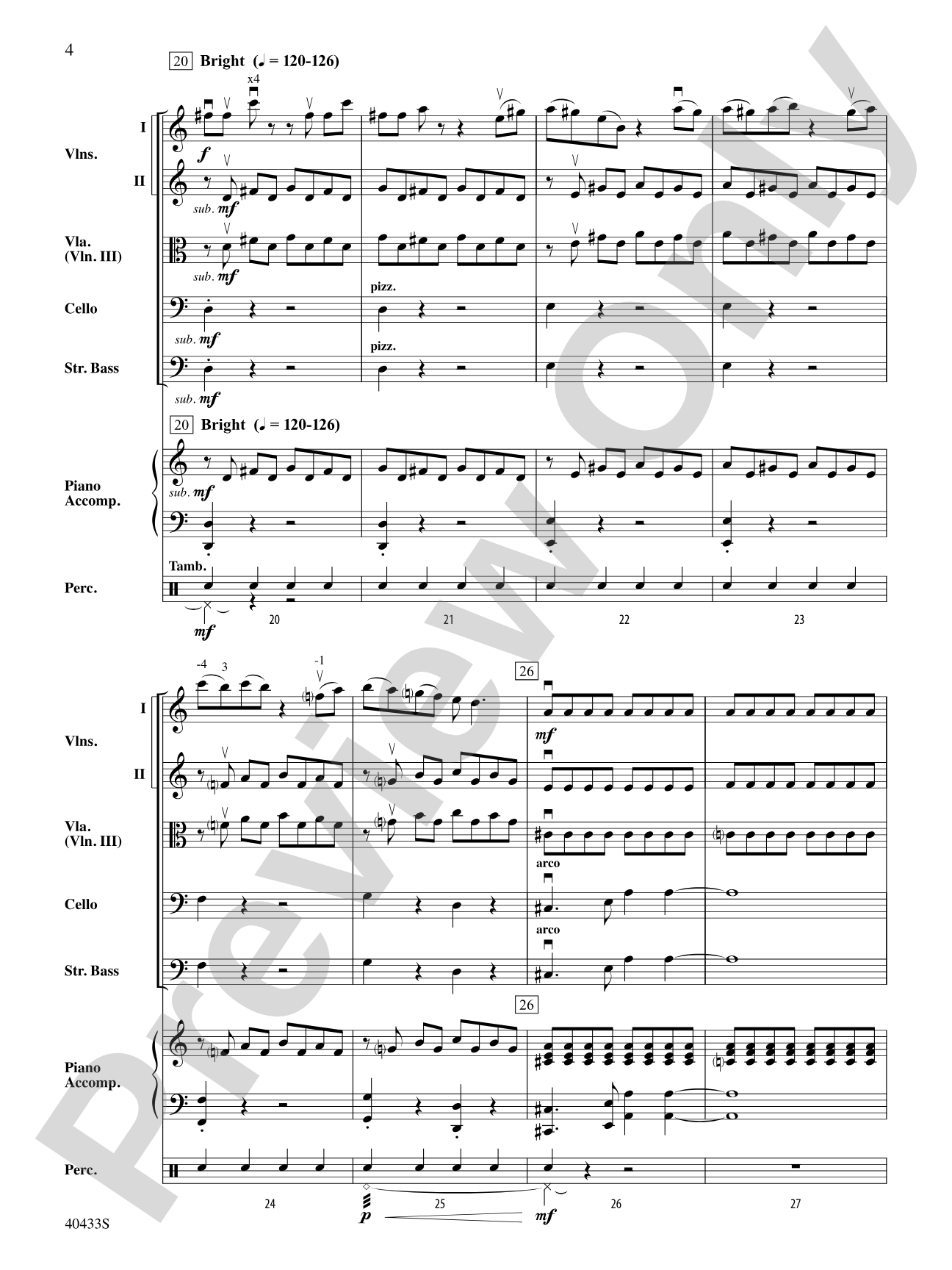
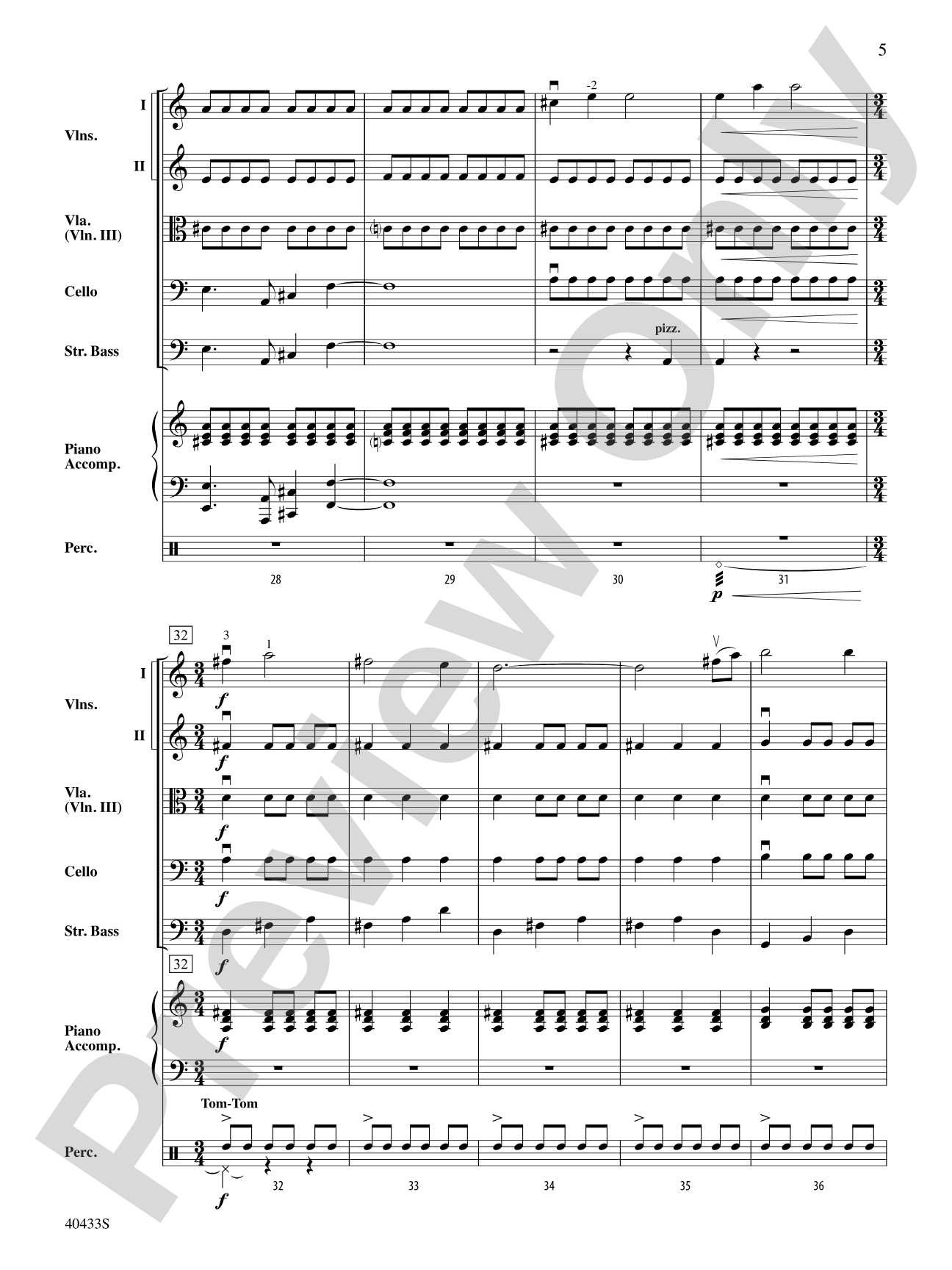
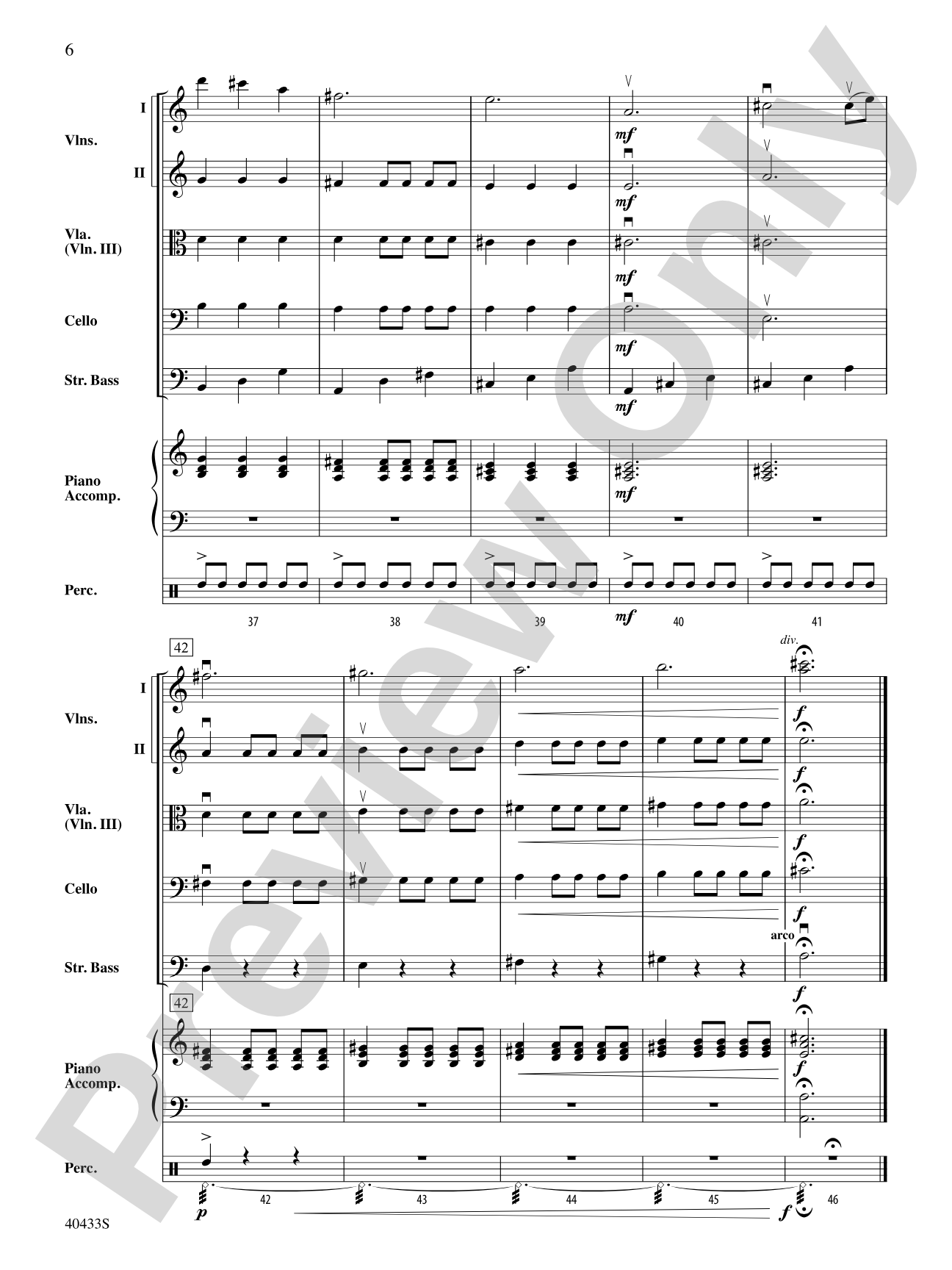
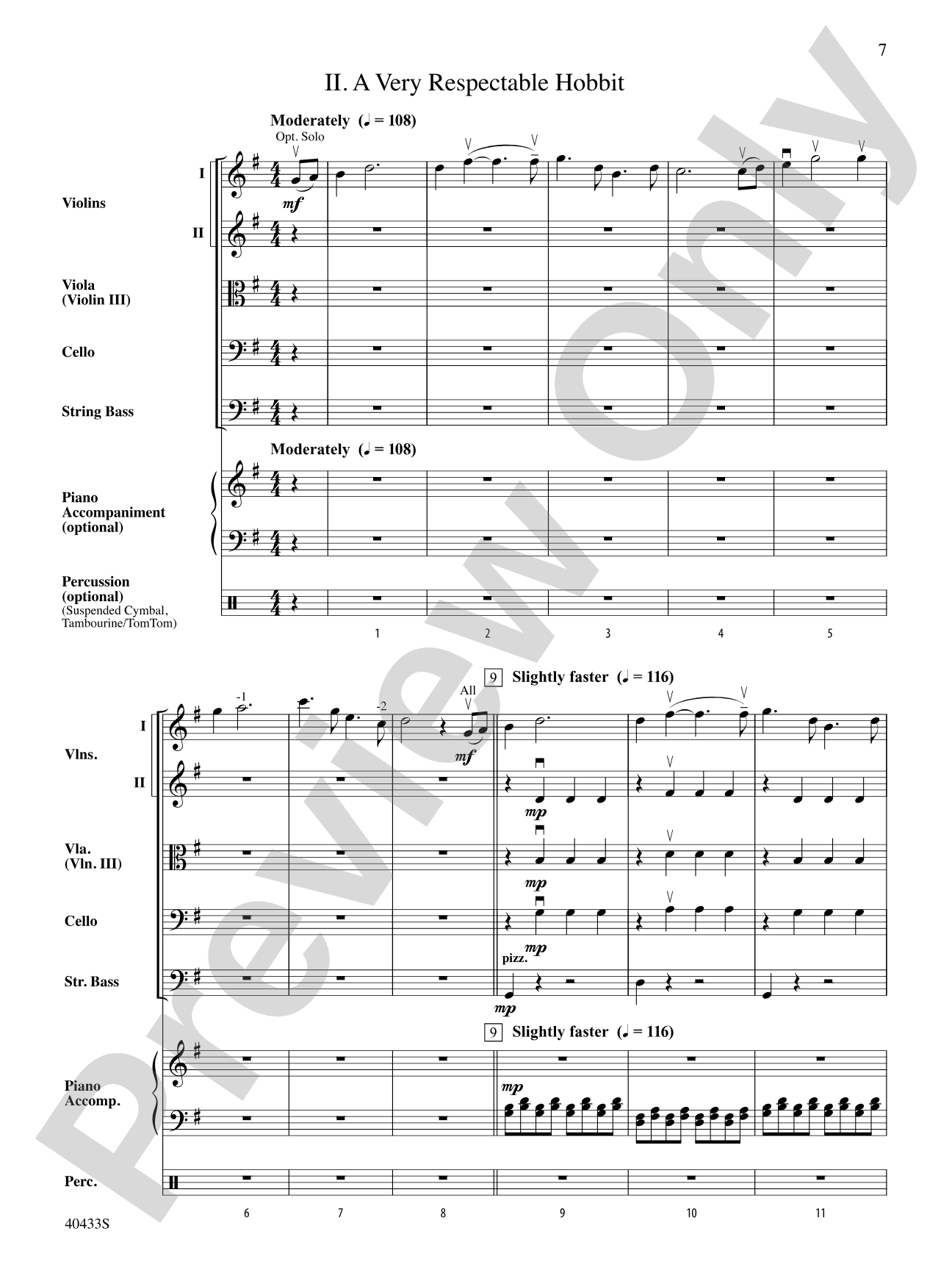
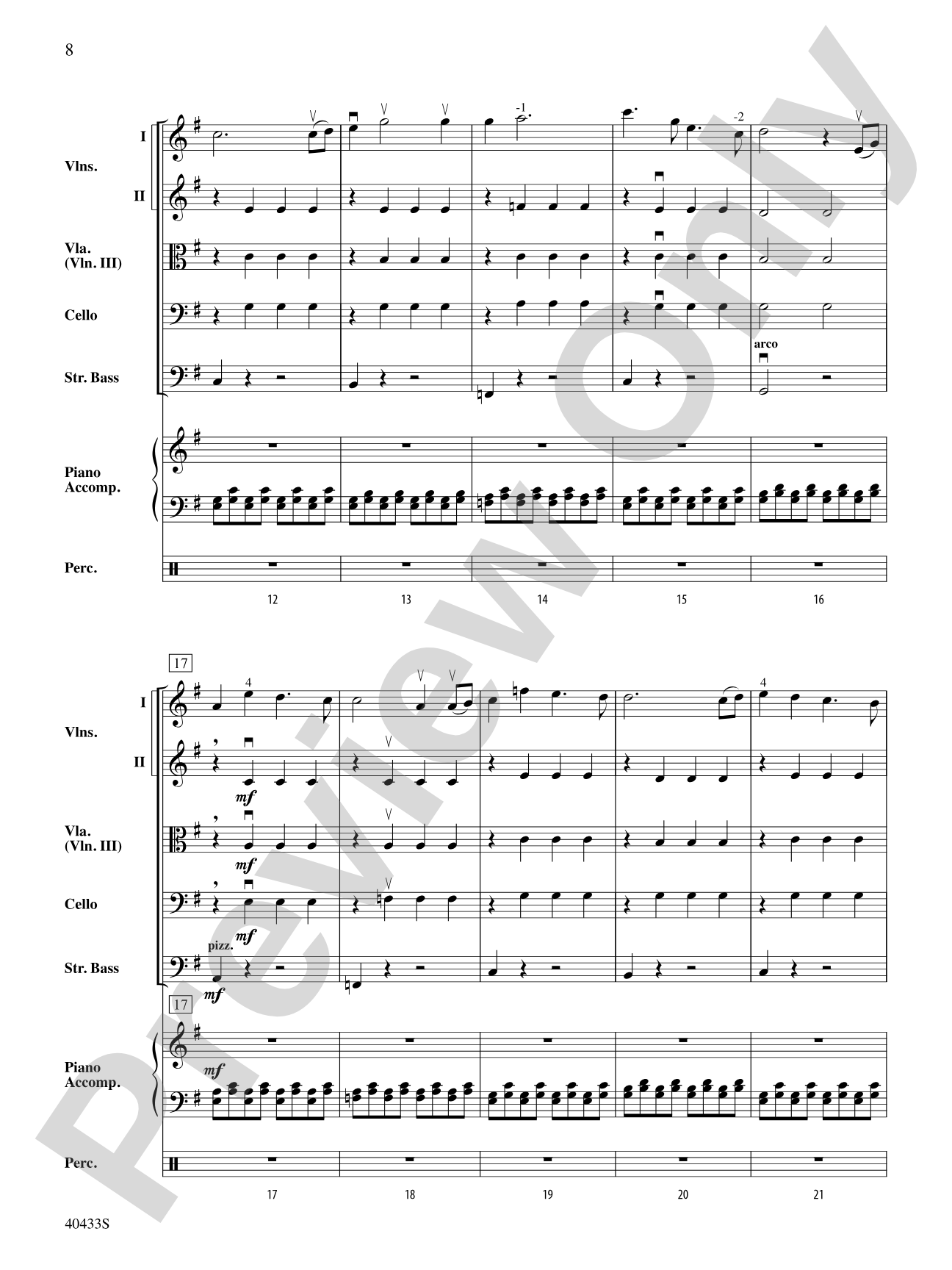
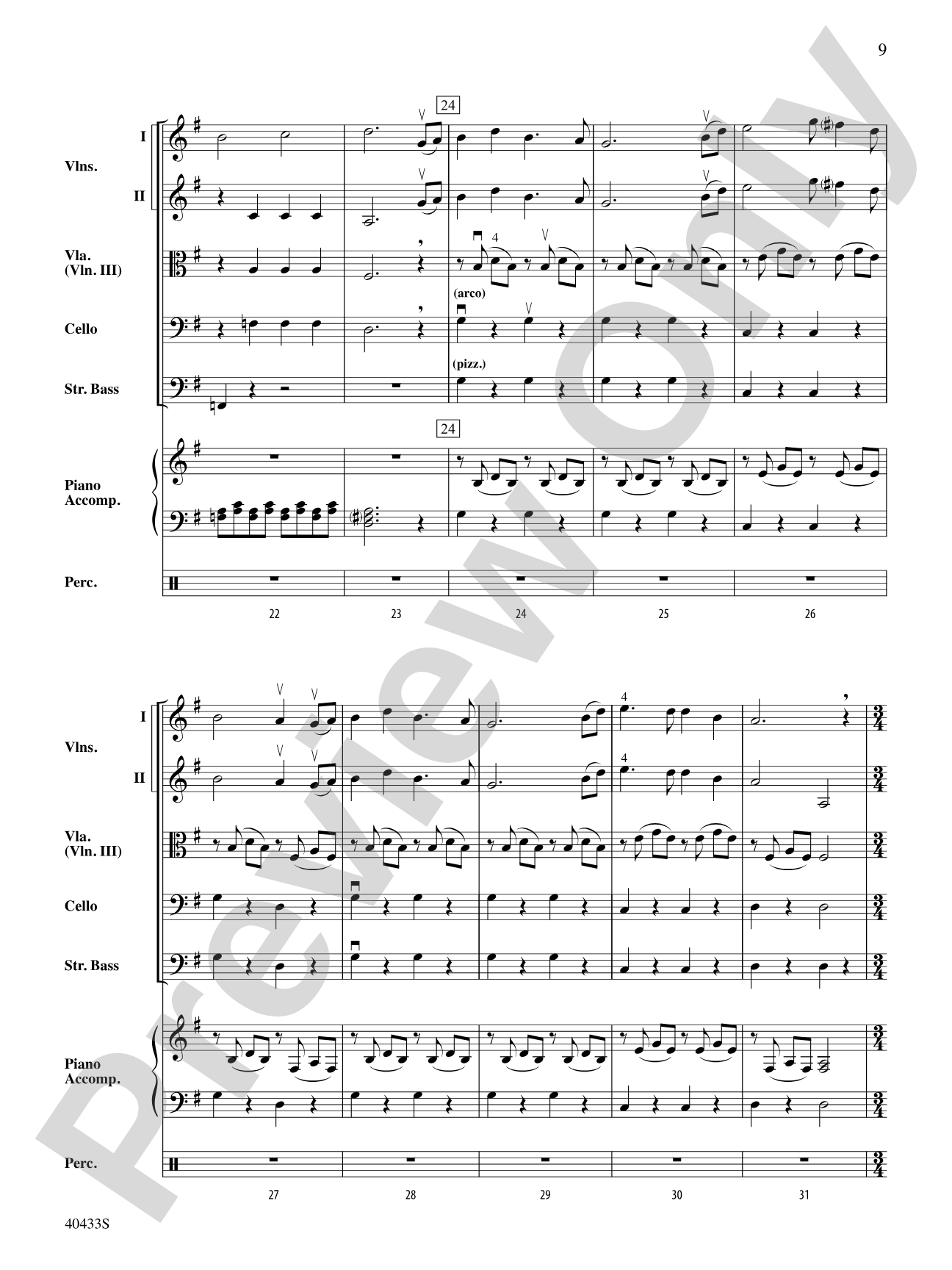
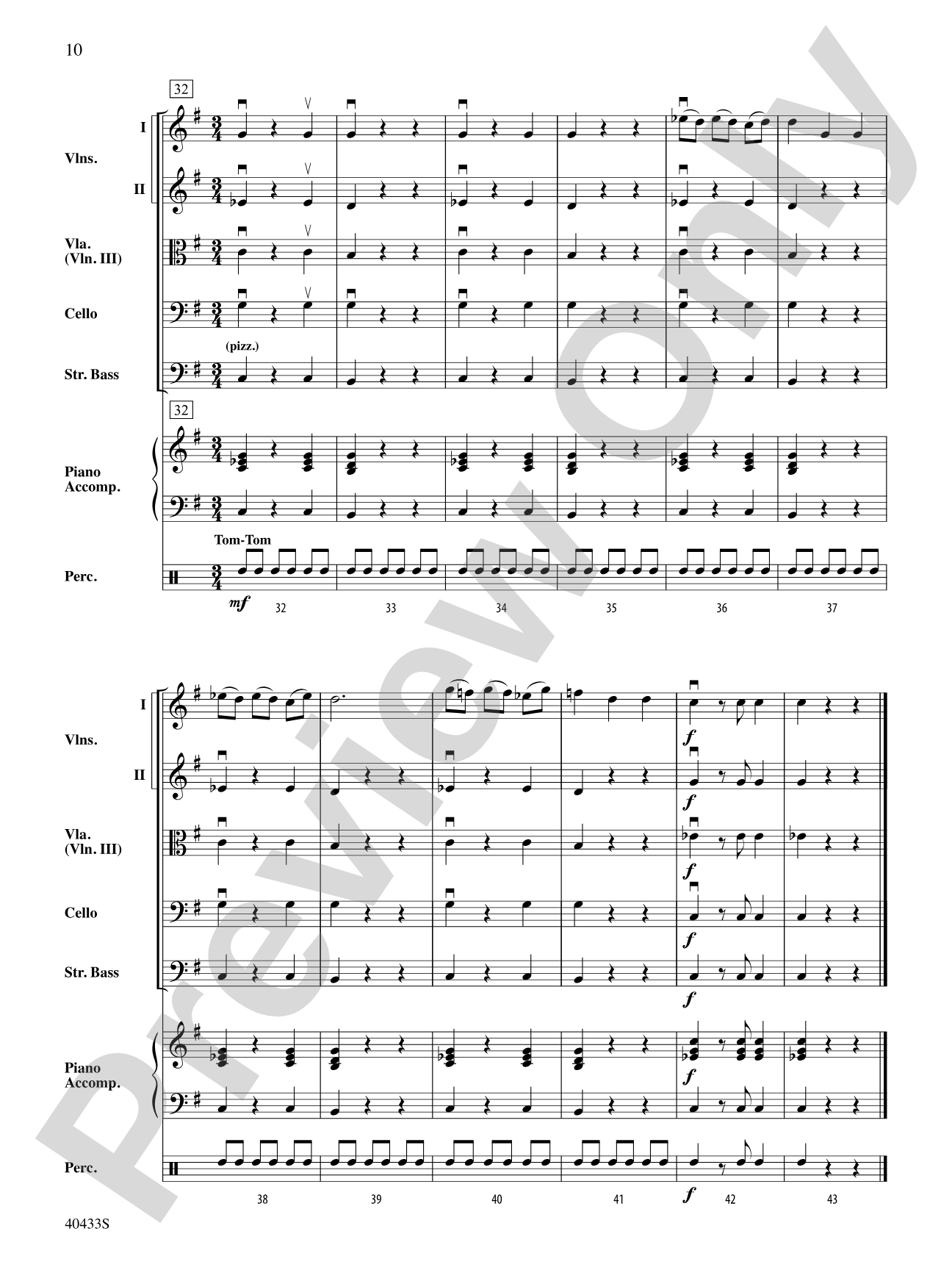
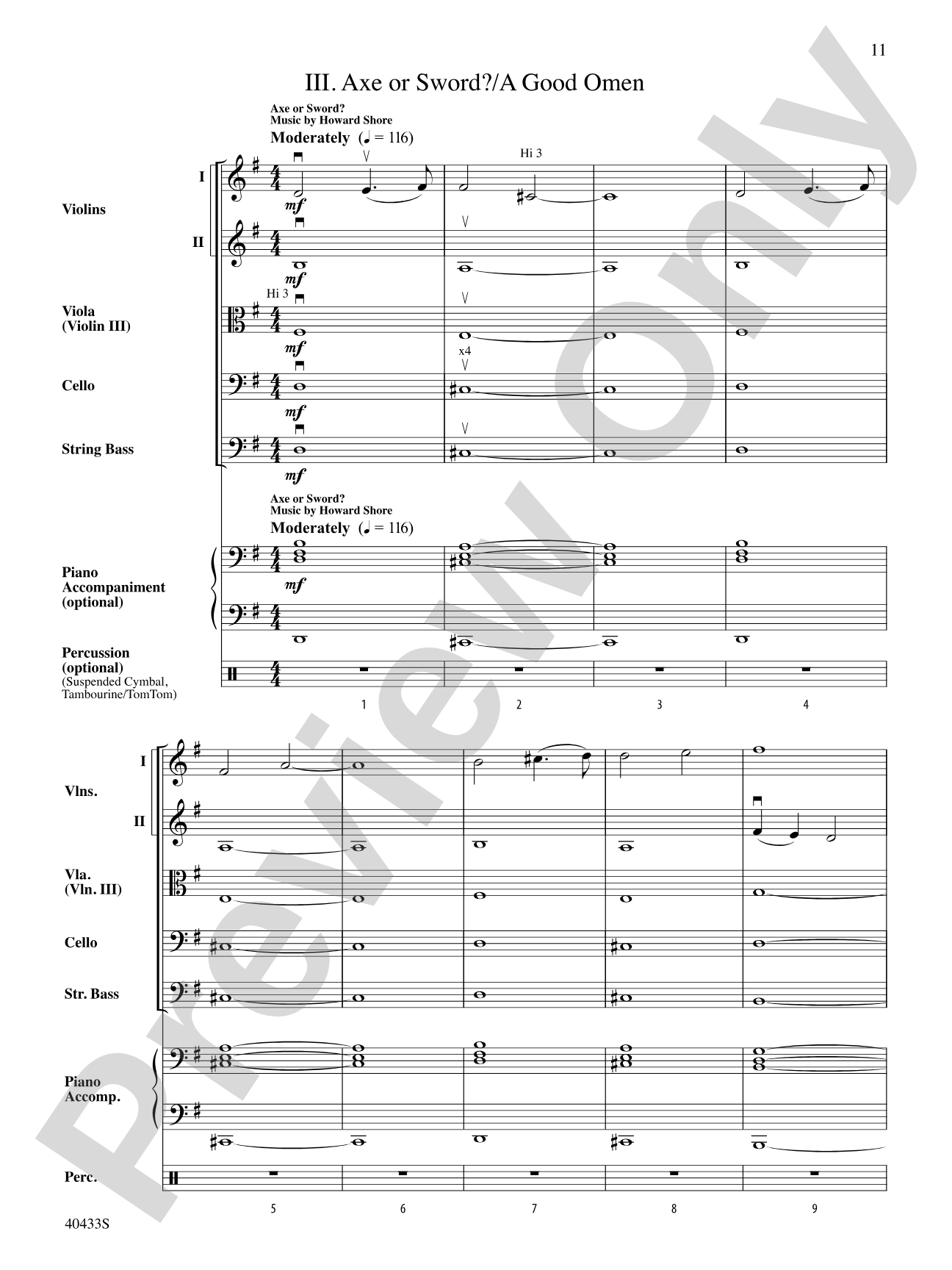
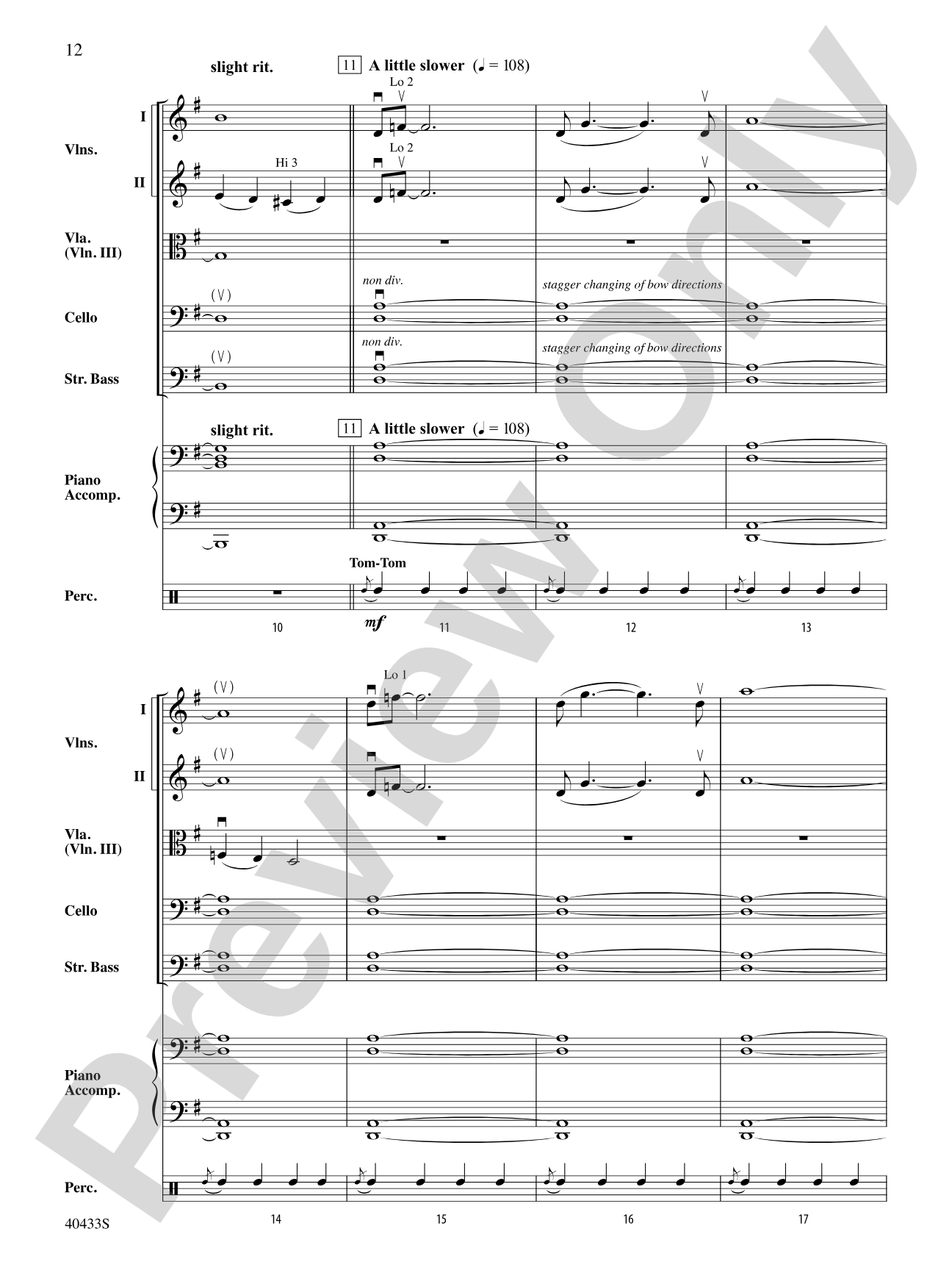
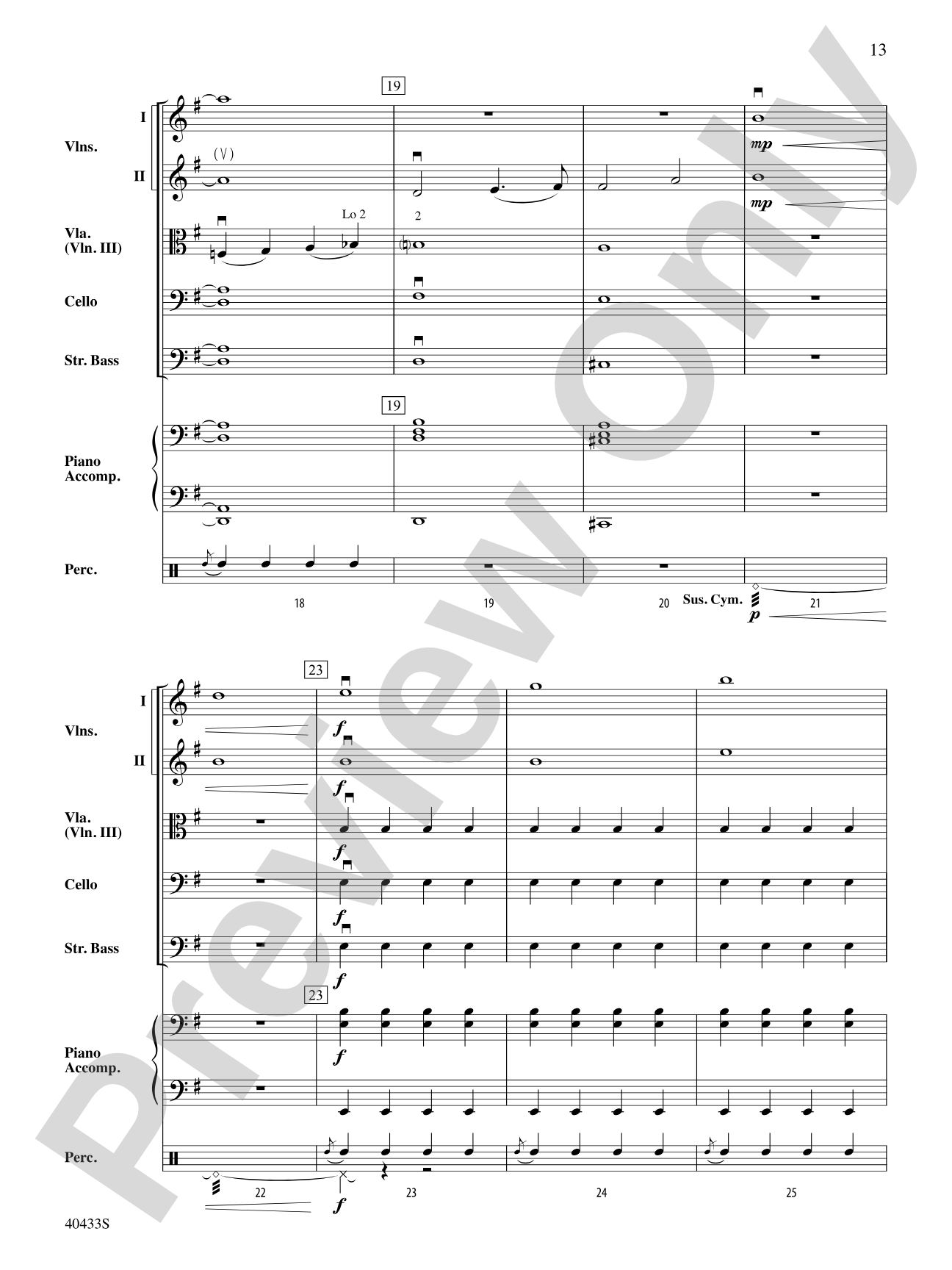
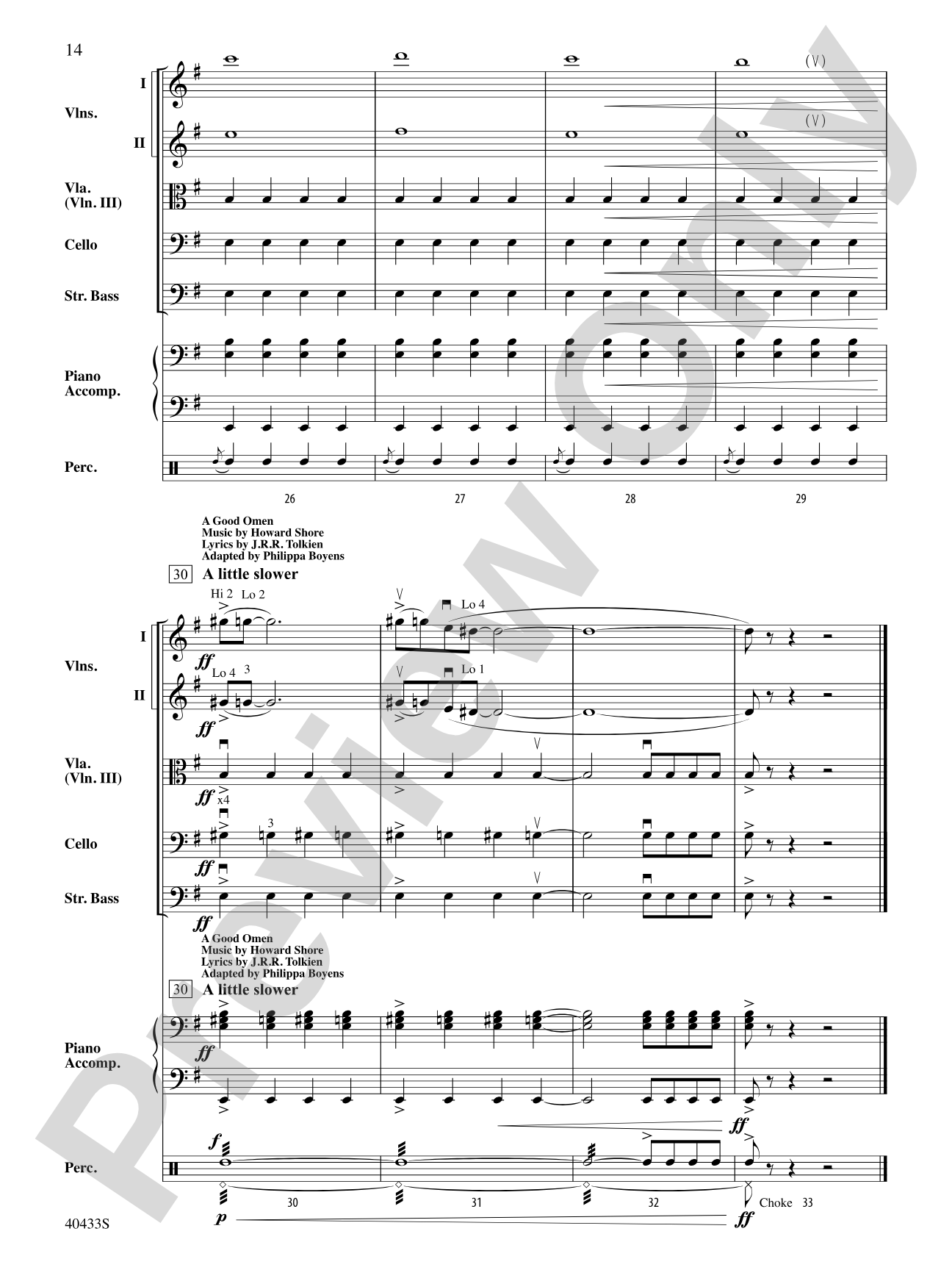
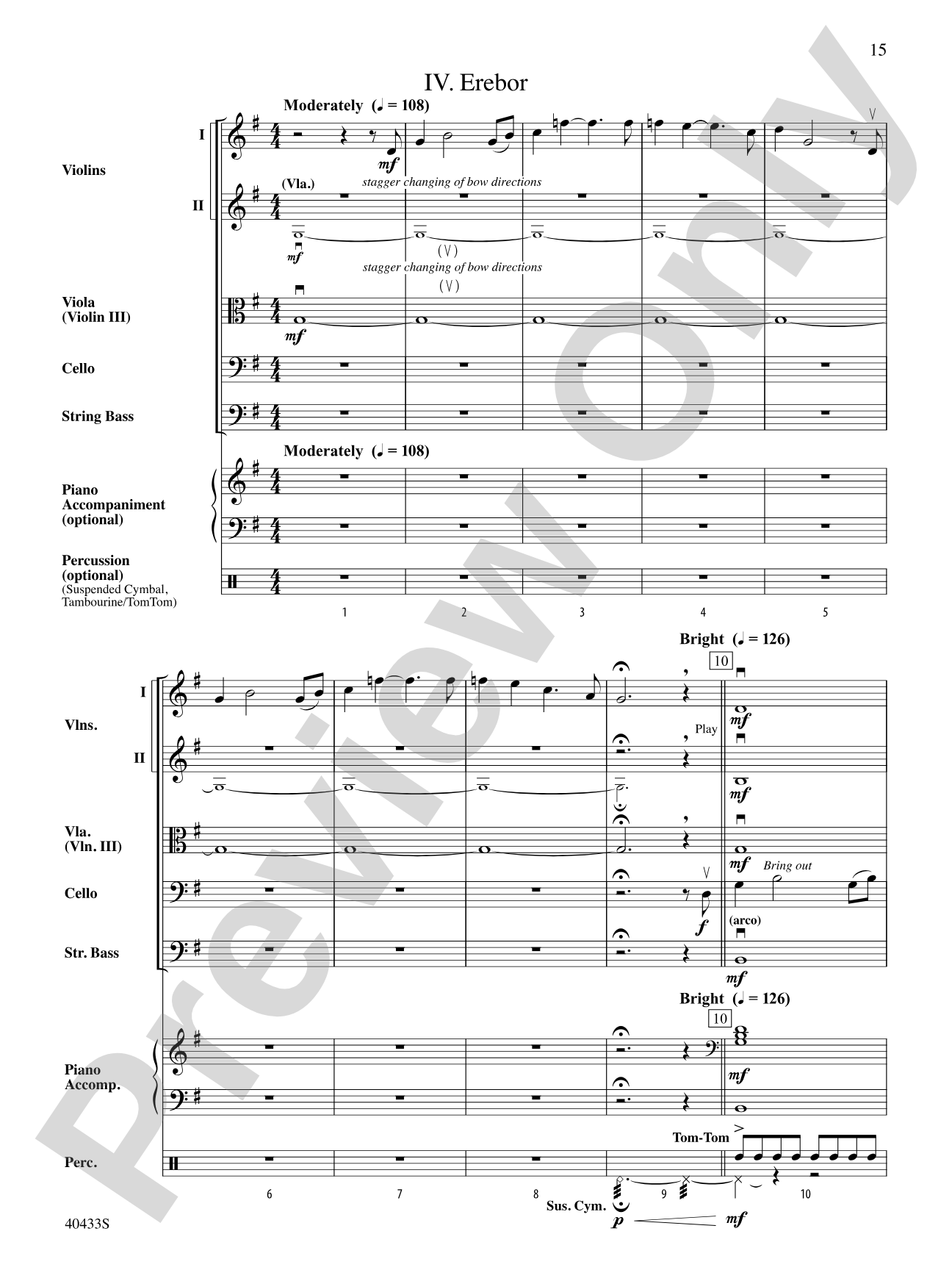
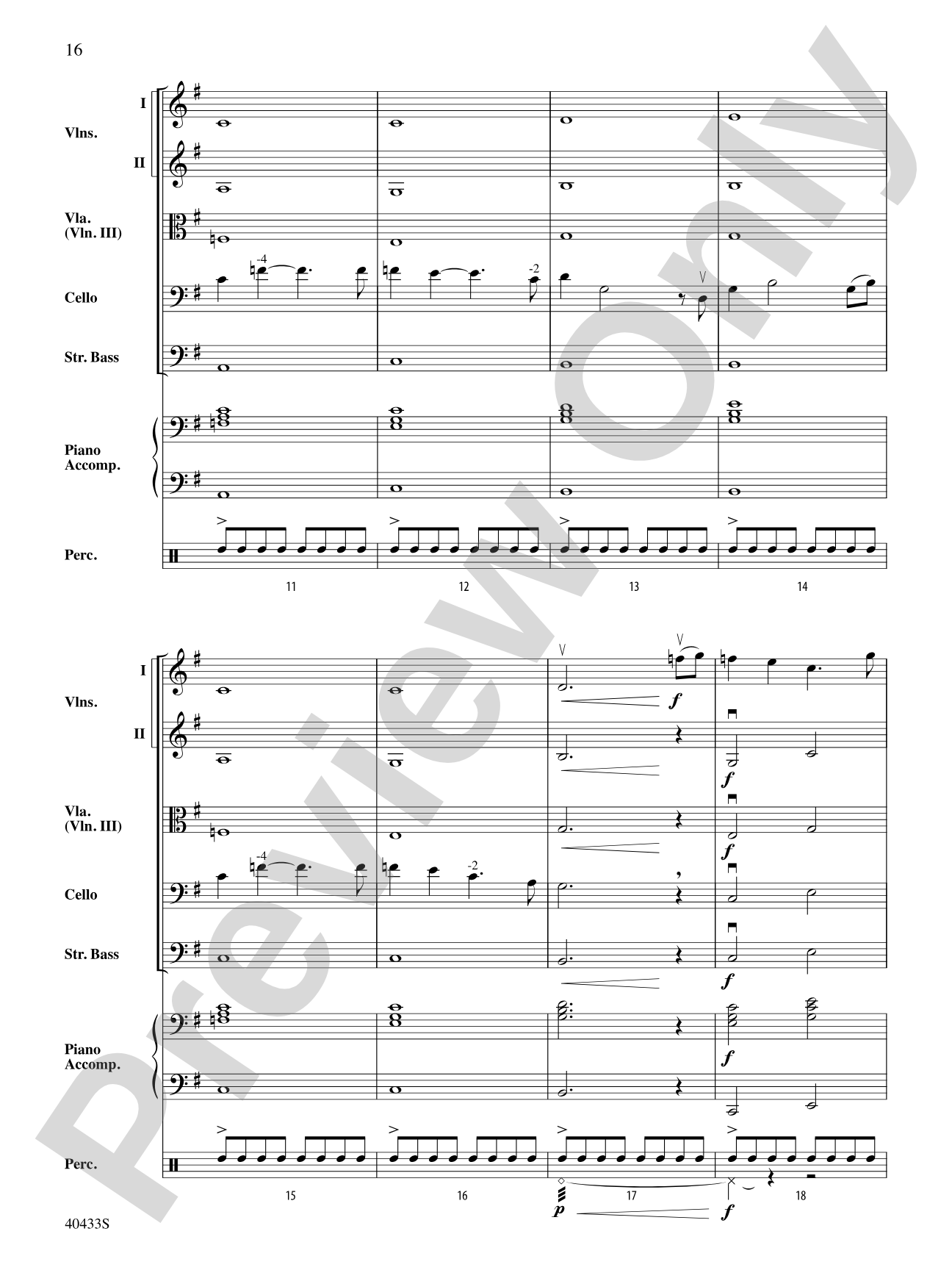
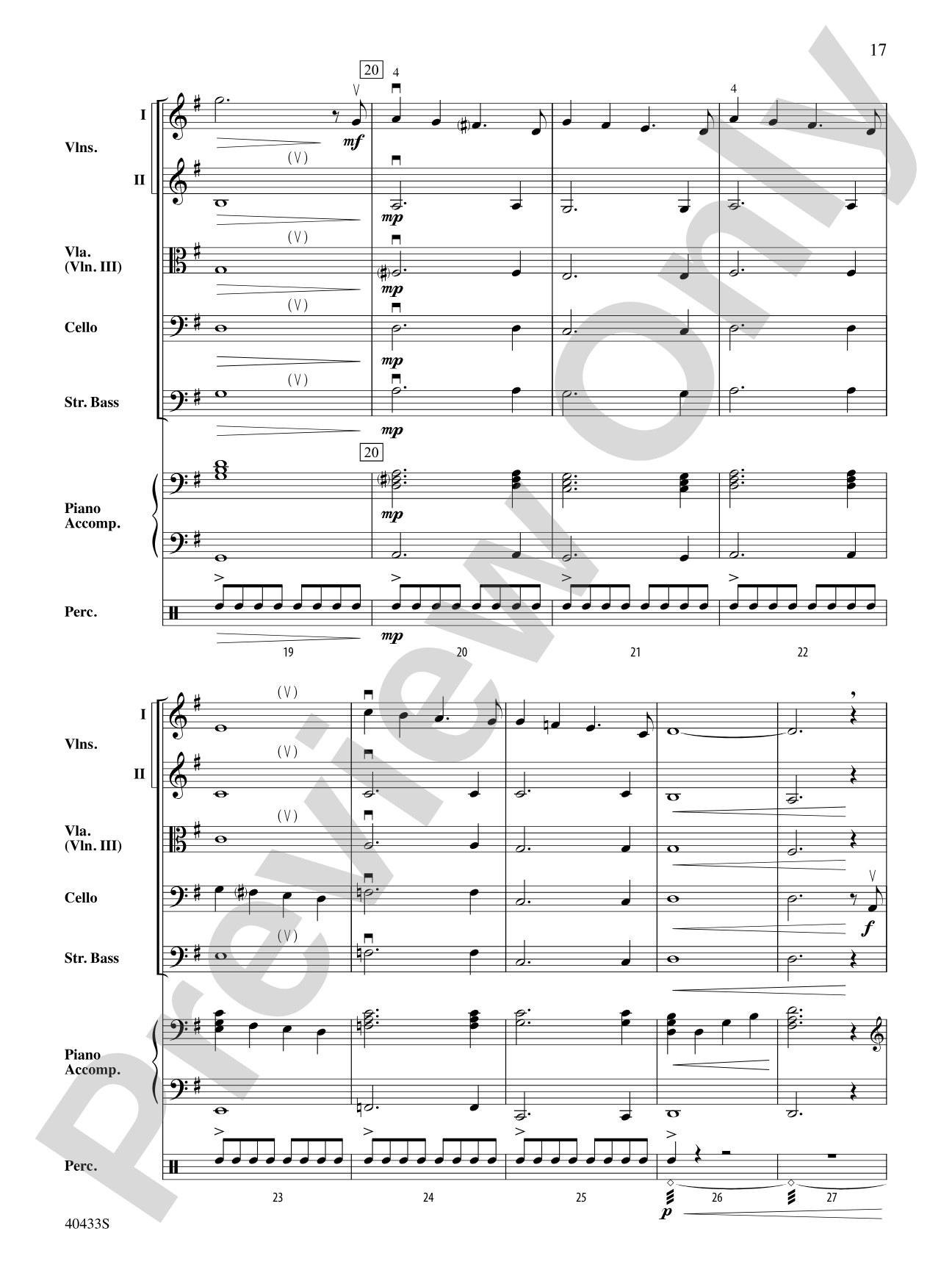
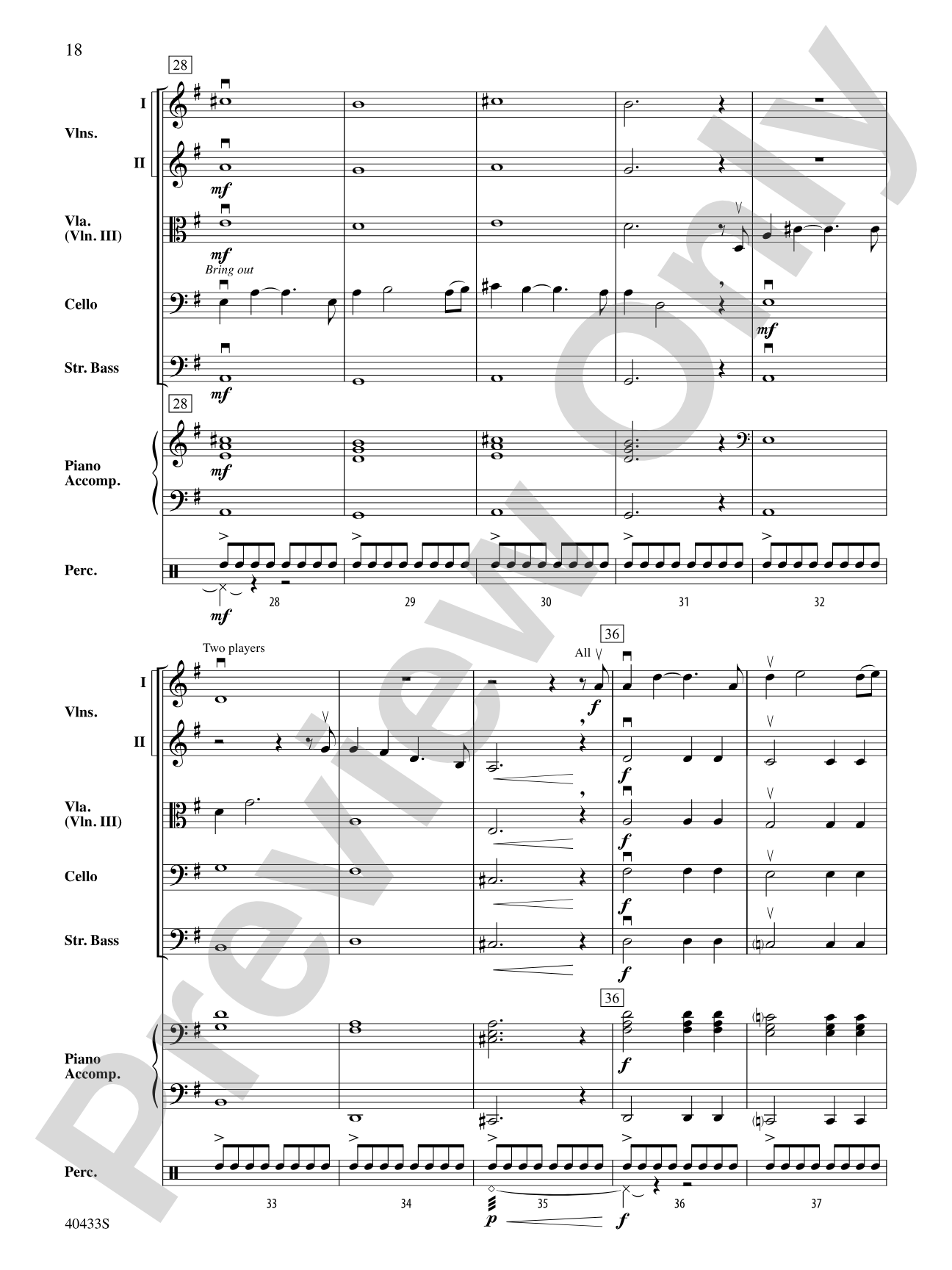
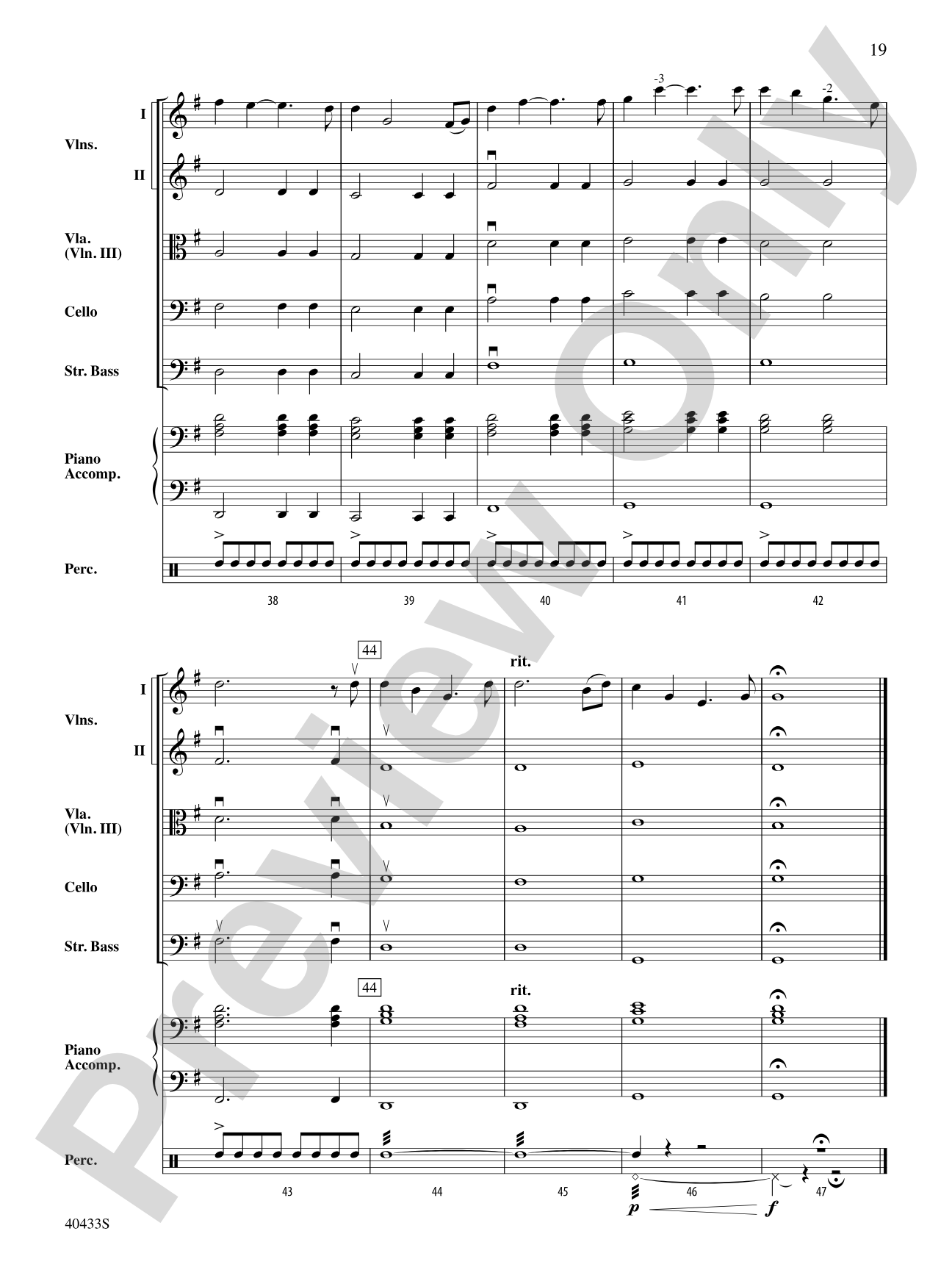


The Hobbit: An Unexpected Journey, Selections from: String Orchestra Conductor Score & Parts
I. The Adventure Begins / II. A Very Respectable Hobbit / III. Erebor
Music by Howard Shore / arr. Michael Story
Grade: 2.5
Item: 00-PK-0005716

$61.00
One moment…
Related Items
The Hobbit: An Unexpected Journey, Selections from: Concert Band Conductor Score & Parts |
$75.00
|
View | |
The Hobbit: An Unexpected Journey, Selections from: Concert Band Conductor Score & Parts |
$75.00
|
View | |
The Hobbit: An Unexpected Journey, Selections from: Concert Band Conductor Score |
$10.00
|
View | |
The Hobbit: An Unexpected Journey, Selections from: String Orchestra Conductor Score & Parts |
$61.00
|
View | |
The Hobbit: An Unexpected Journey, Selections from: String Orchestra Conductor Score |
$9.00
|
View |
Description
The spectacular music from this blockbuster movie is perfectly set for your intermediate string orchestra. The music is presented in suite format in four individual movements, which allows the director a variety of programming options. Also included are optional piano and percussion parts. Sure to be a favorite! (5:55)
For educational usage/non-profit performances only; for professional arrangements, visit our rental library at alfred.com/rental.


For educational usage/non-profit performances only; for professional arrangements, visit our rental library at alfred.com/rental.
Don't just read it, hear it, play along with it, and watch your students grow with it. In MakeMusic Cloud, The Hobbit: An Unexpected Journey, Selections from: String Orchestra Conductor Score & Parts comes alive with professional accompaniment, adjustable tempo, and built-in practice tools that turn solo practice into real progress.
Open in the Player
Jump straight in and assign it today.
Start Your Free Trial
Open this title and explore the full library in minutes.
Sample Audio
1
Audio File
--:--
0:00
0:00
Sample Video
No sample videos found.
Additional Details
Series:
Pop Intermediate String Orchestra
Publisher:
Alfred Music
Page Count:
160
SKU:
00-PK-0005716
More about this title
About the Composer: Howard Shore
Howard Shore is a film composer whose work has defined the sound of contemporary fantasy and adventure cinema. His orchestral scores combine sweeping melodic lines with intricate harmonic writing, creating music that serves both the narrative and the listener's emotional journey. Shore's ability to write for large ensembles while maintaining clarity and accessibility has made his film music a natural fit for educational arrangements.
Why we love this
Michael Story's arrangement captures the grandeur and adventure of Shore's film score while remaining completely playable at the Grade 2.5 level. The suite format gives you genuine programming flexibility; you can program all four movements as a unified concert work or select individual movements to pair with other repertoire. The optional piano and percussion parts allow you to scale the instrumentation to match what your program has available.
What to expect
The Hobbit suite sweeps you from moments of intimate wonder into scenes of action and heroism, all anchored by Shore's gift for memorable melody. The string writing sits comfortably under the fingers while maintaining the emotional weight of the film's orchestration.
Who it's for
String orchestra directors working with intermediate-level ensembles who want to program something contemporary and engaging without scaling down the sense of adventure and scope. Students who have solid intonation and can balance independent voices will find this arrangement deeply rewarding to perform.
How to get the most out of it
- Balance the principal melodic voices across your first violins and violas; Shore's writing often divides the main theme between these sections, and clarity of line matters more than volume.
- Use the optional percussion parts strategically rather than automatically. Timpani and cymbals enhance the dramatic peaks in movements 2 and 4; consider whether they strengthen your overall sound or muddy textures in the gentler passages.
- Shape the transitions between movements deliberately. Since this is a four-movement suite drawn from a larger film, each seam between movements is an opportunity to reset the emotional tone rather than rush forward.
How to use it
This works beautifully as the centerpiece of a concert built around film music or contemporary scores. You might open a concert with one movement as an overture, use another as the finale, or perform the complete suite as a unified set. The four-movement structure also makes it ideal for a spring or winter concert where you want a single substantial work that showcases your ensemble's range.
Skills your students will build
- Sustaining long melodic phrases with consistent tone quality
- Balancing independent string parts within a full section
- Reading and executing dynamic and articulation markings that serve narrative expression
- Coordinating with optional winds and percussion parts (if included)