
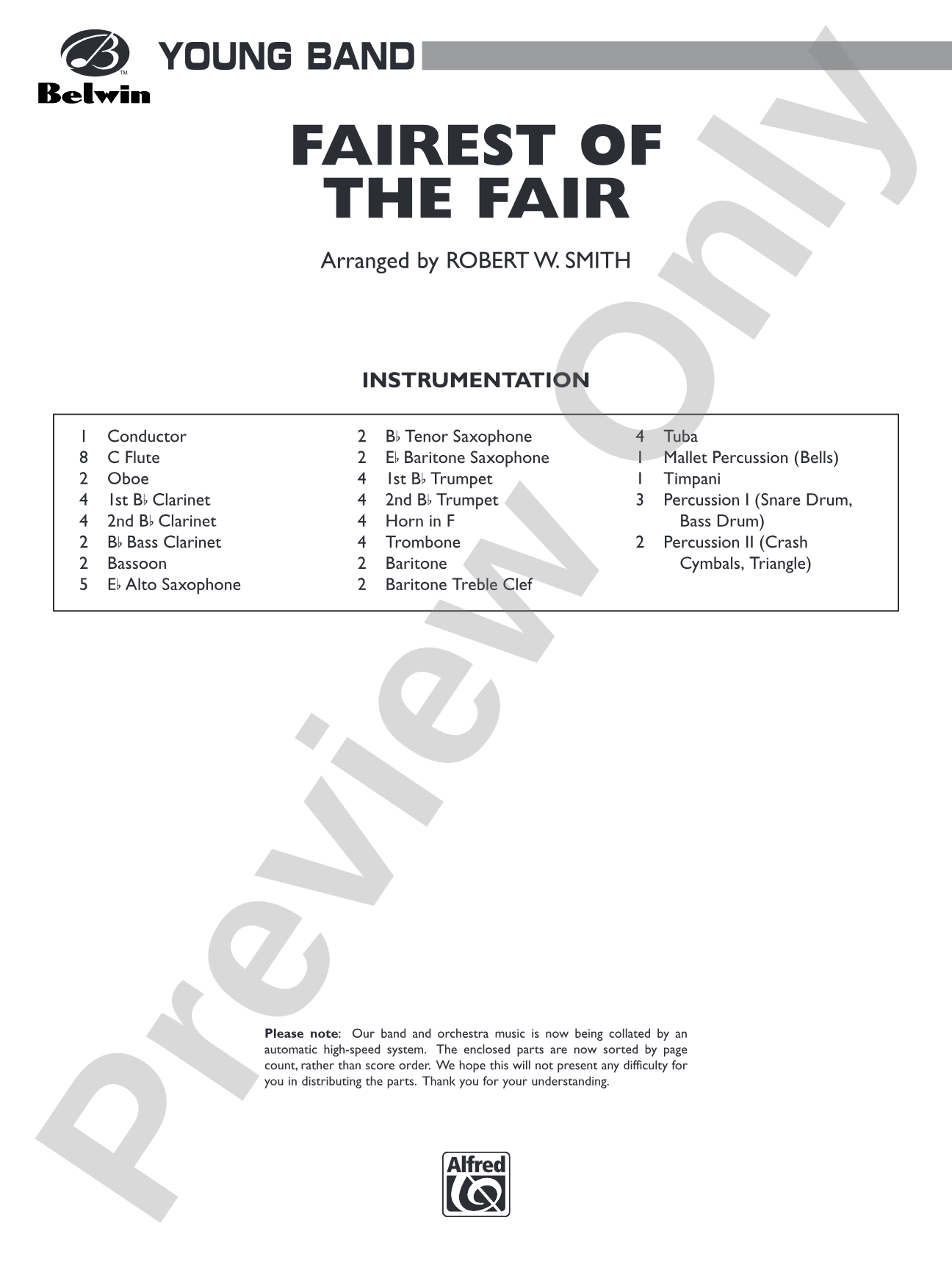

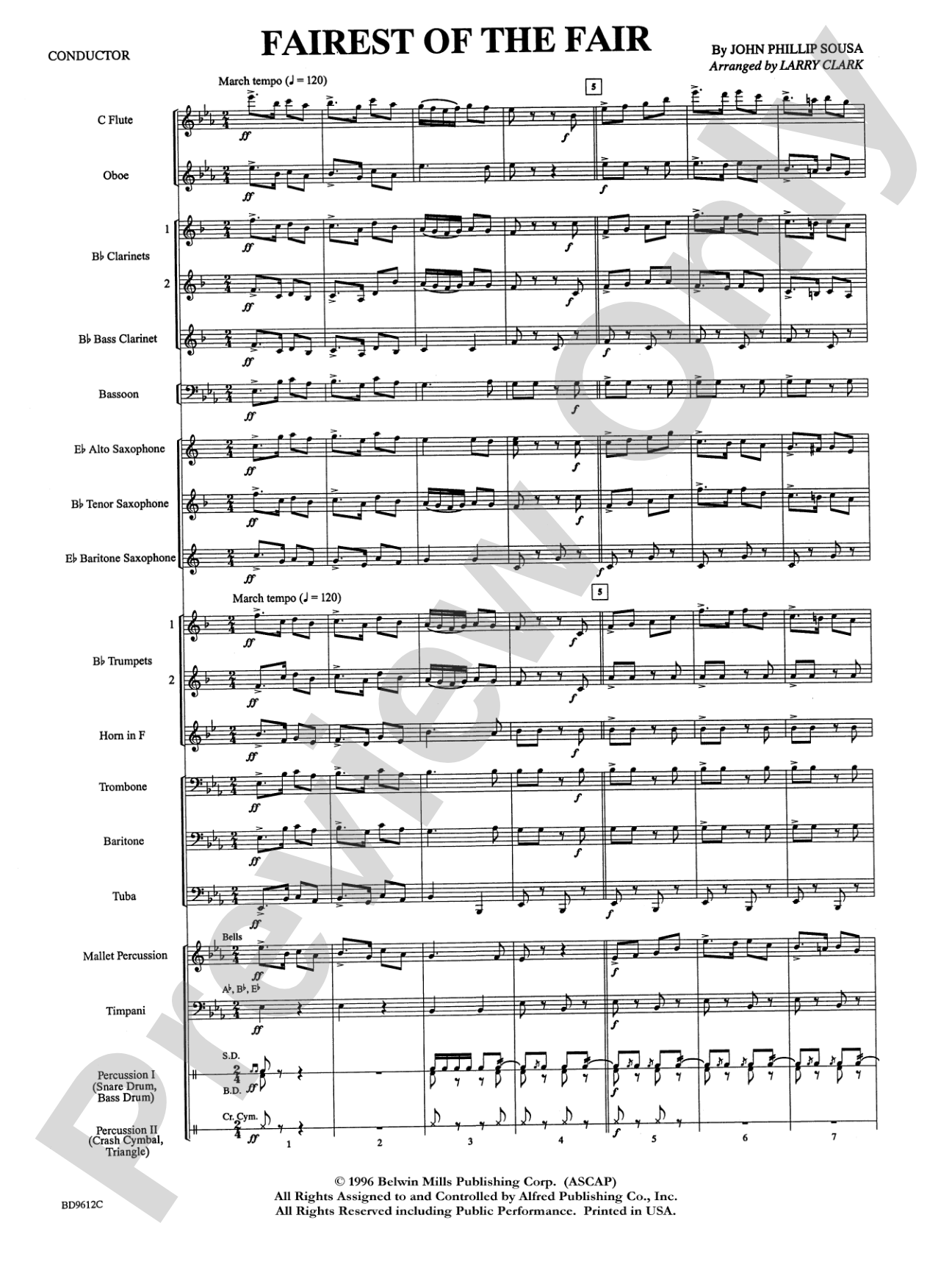
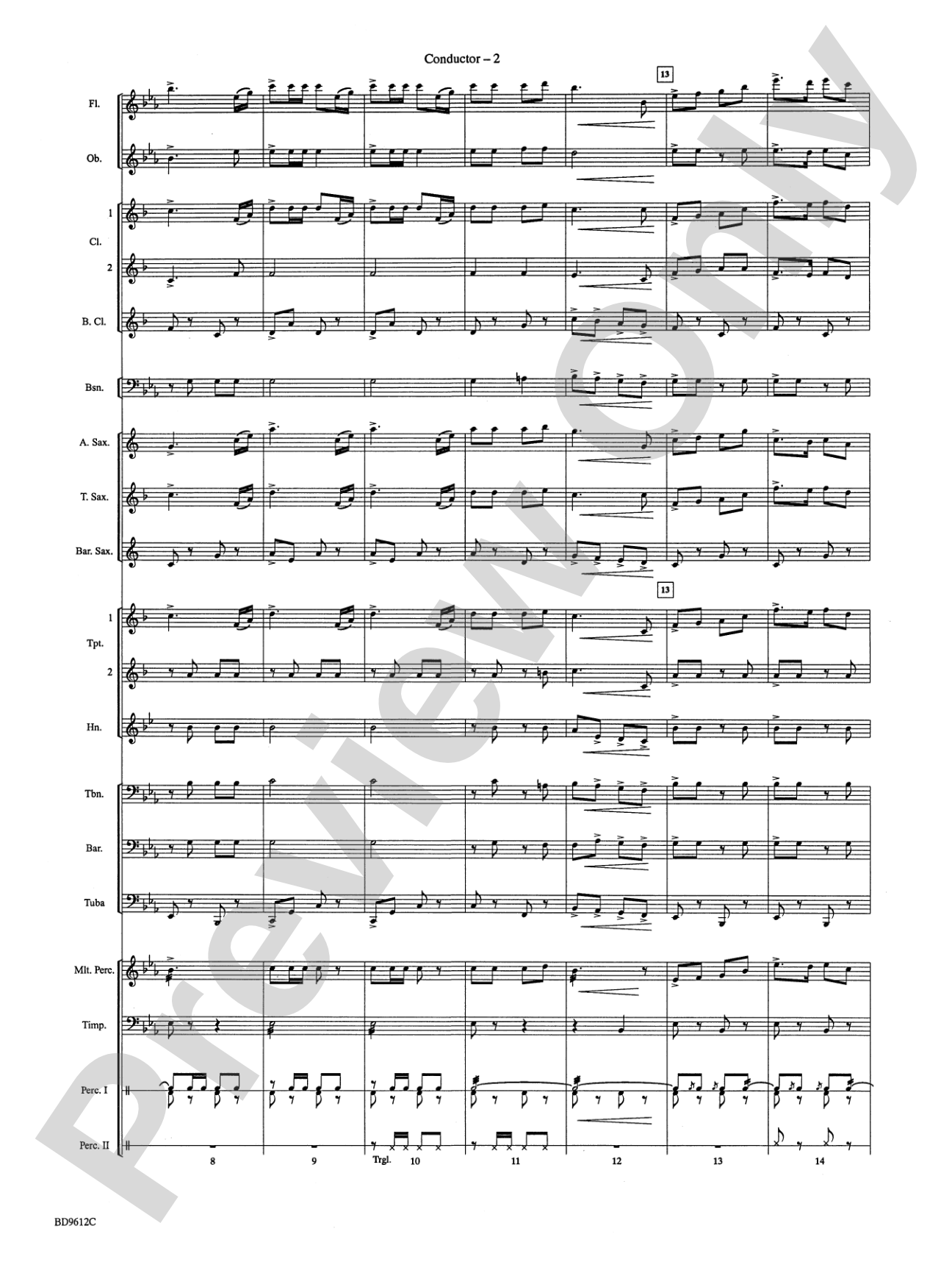
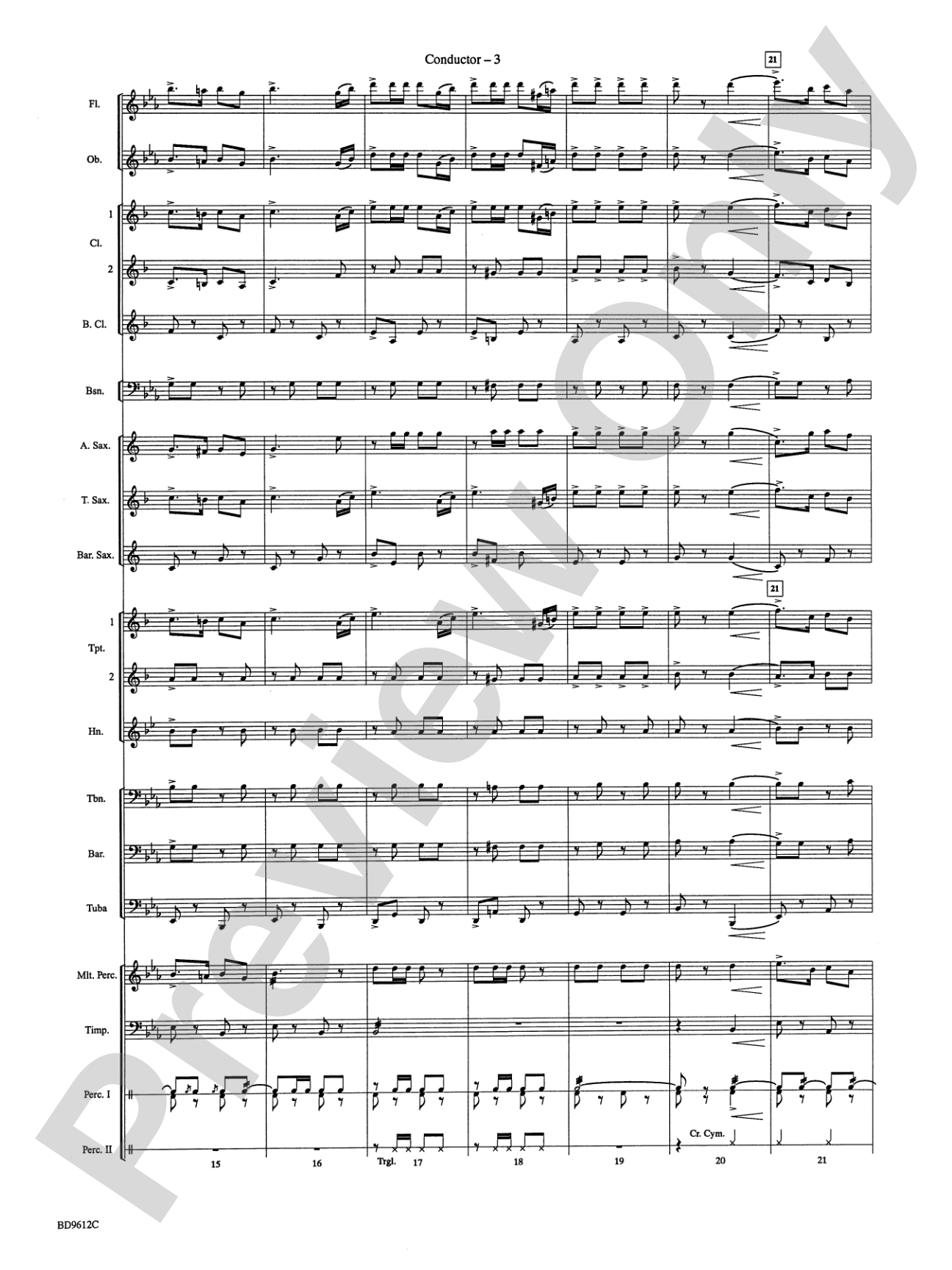
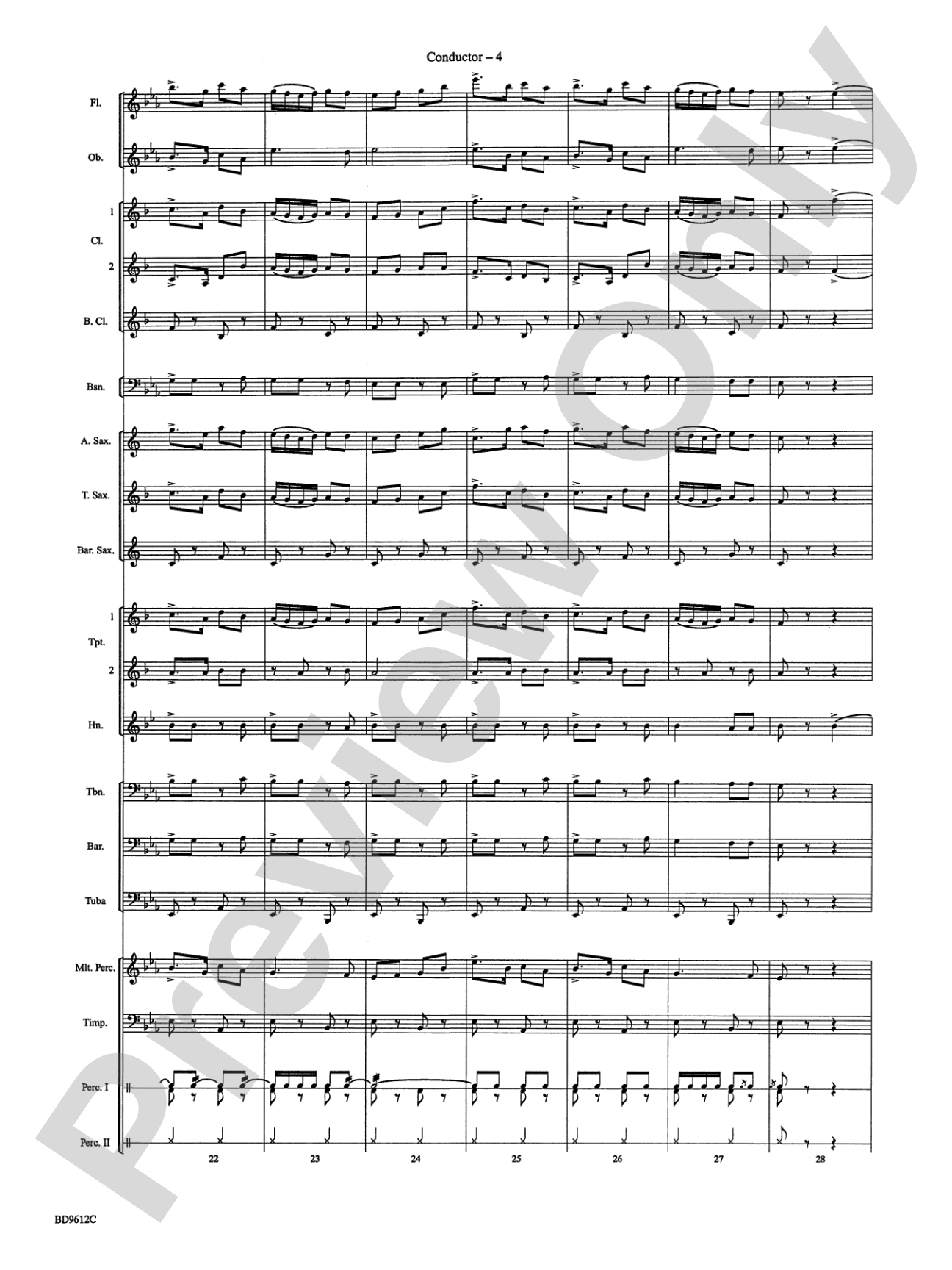
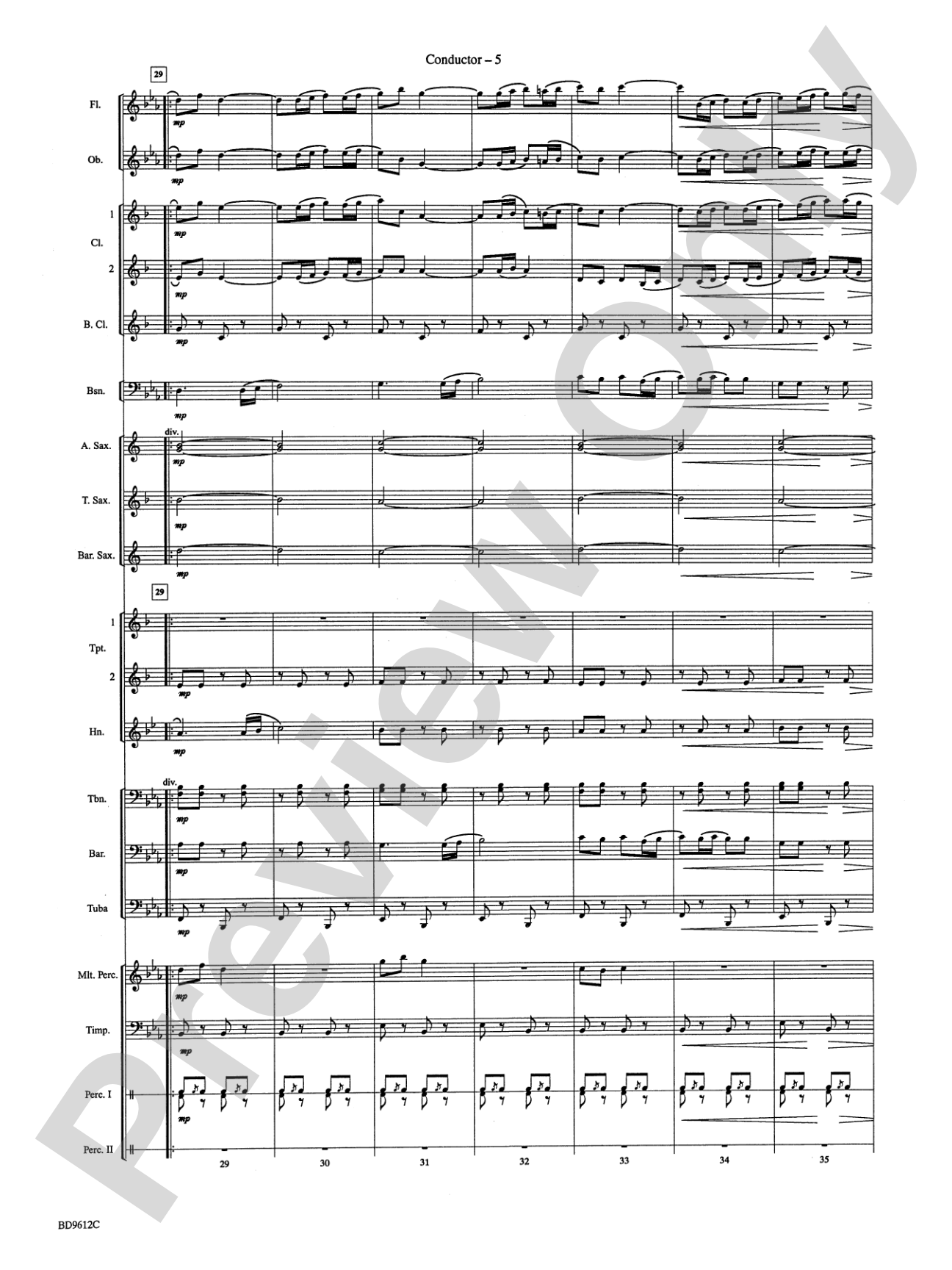
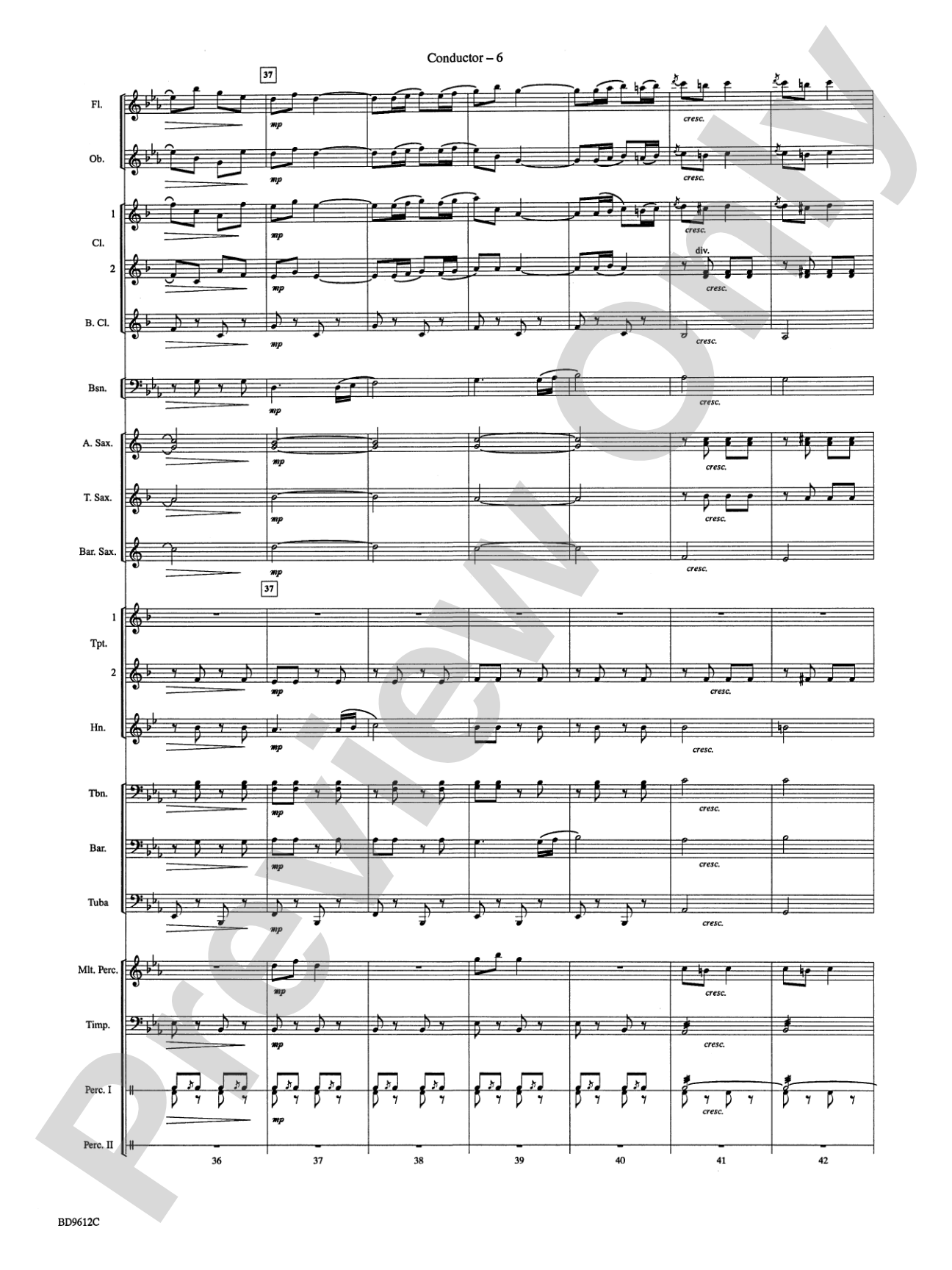
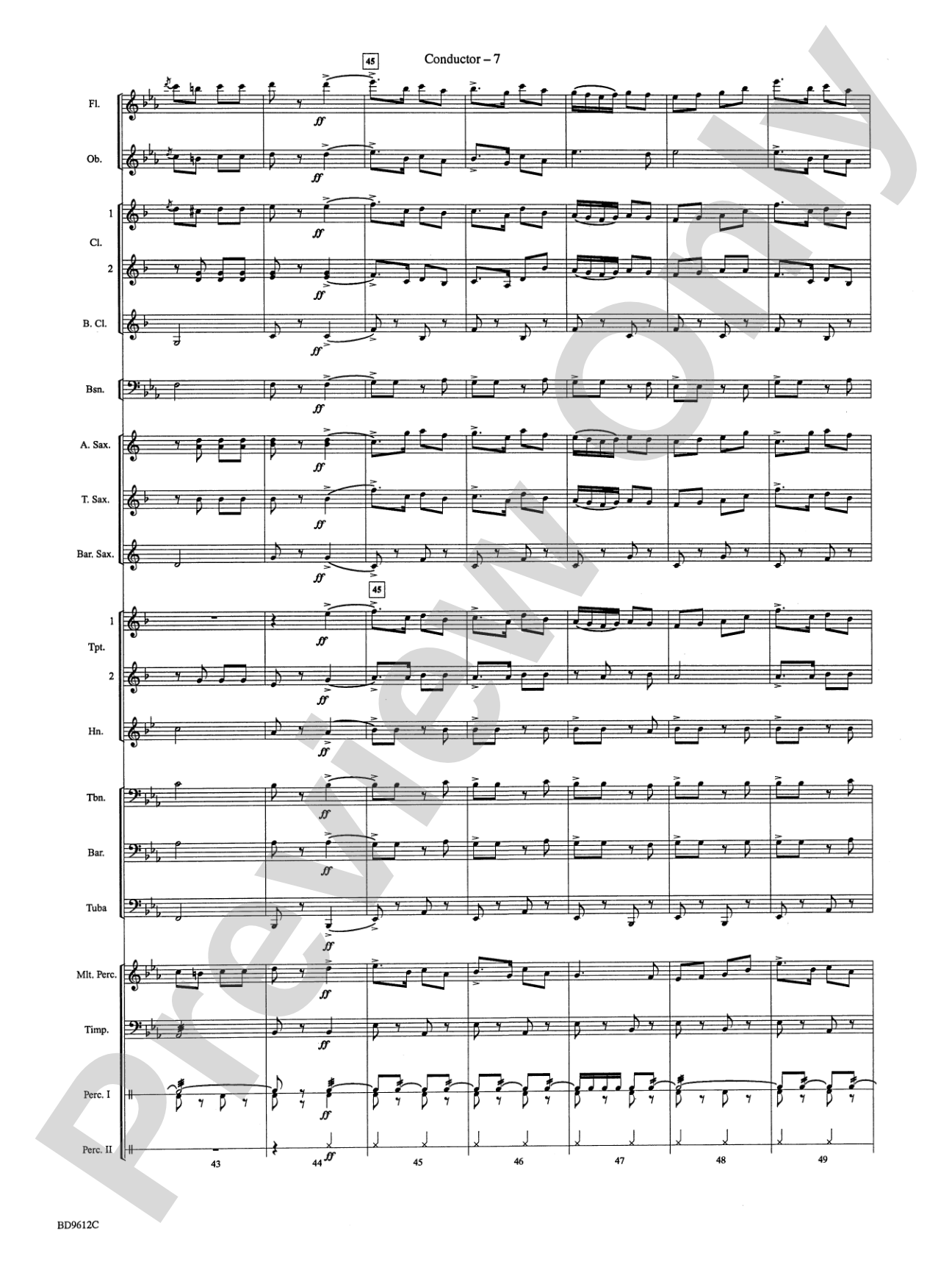
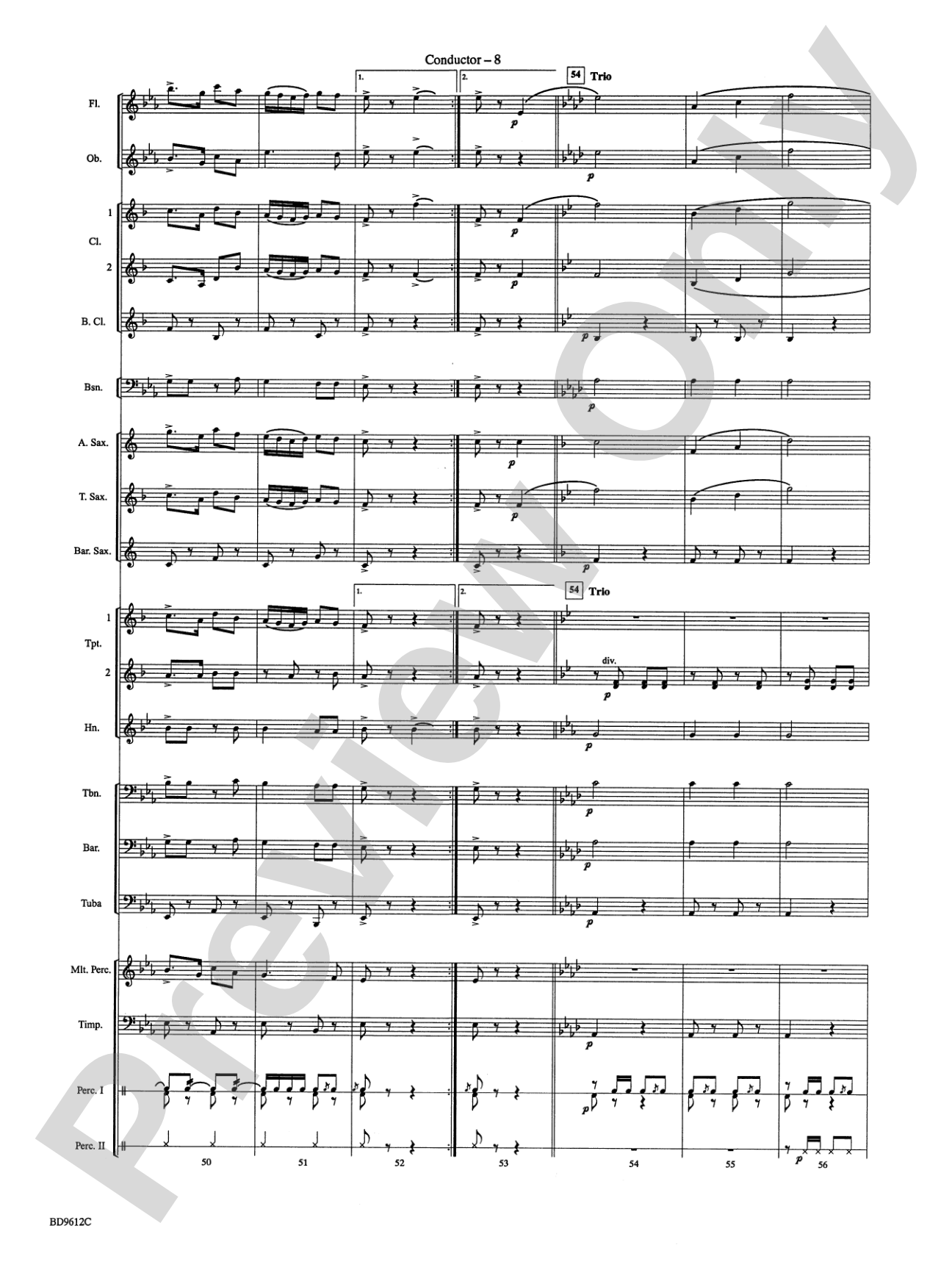
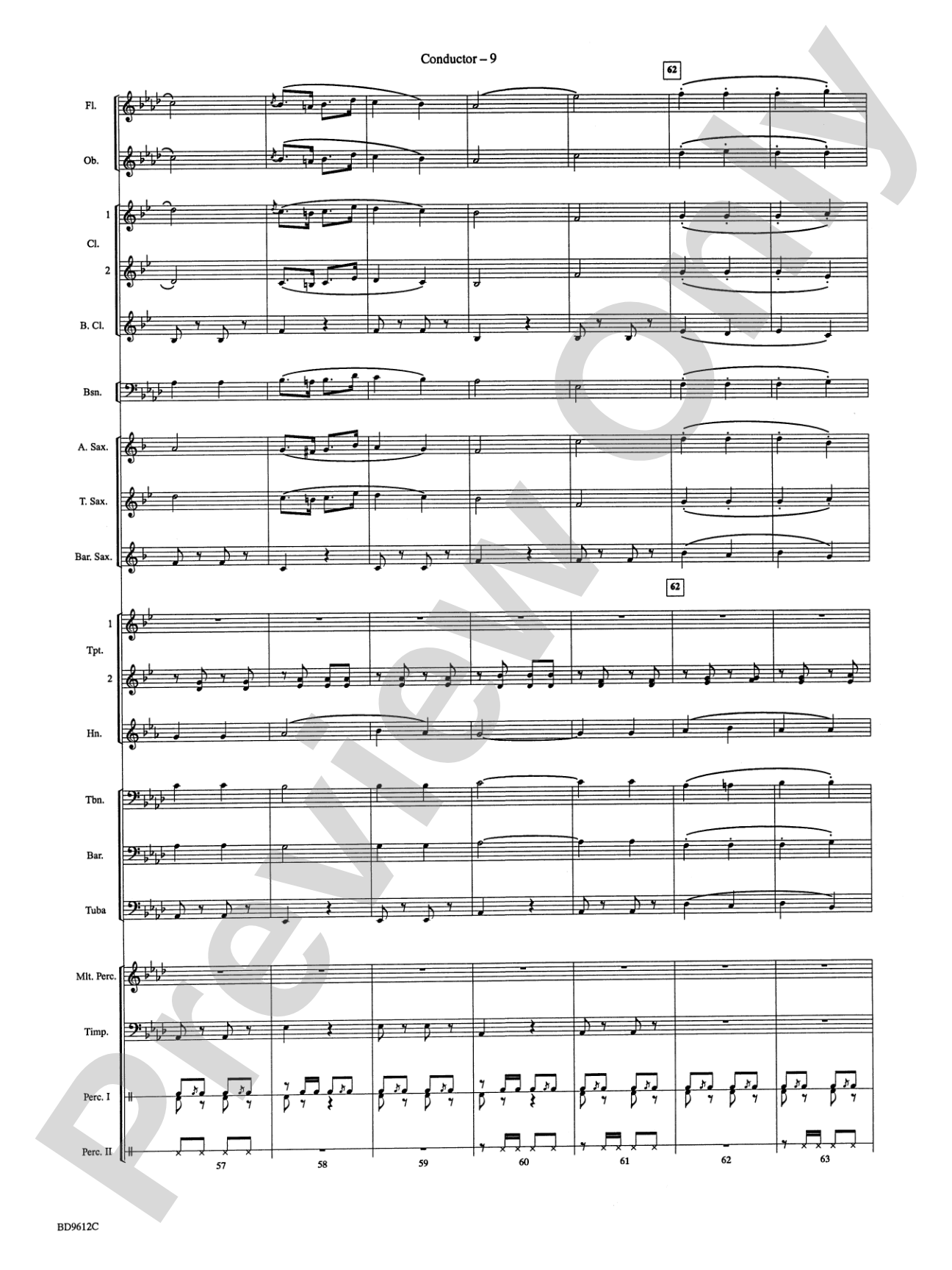
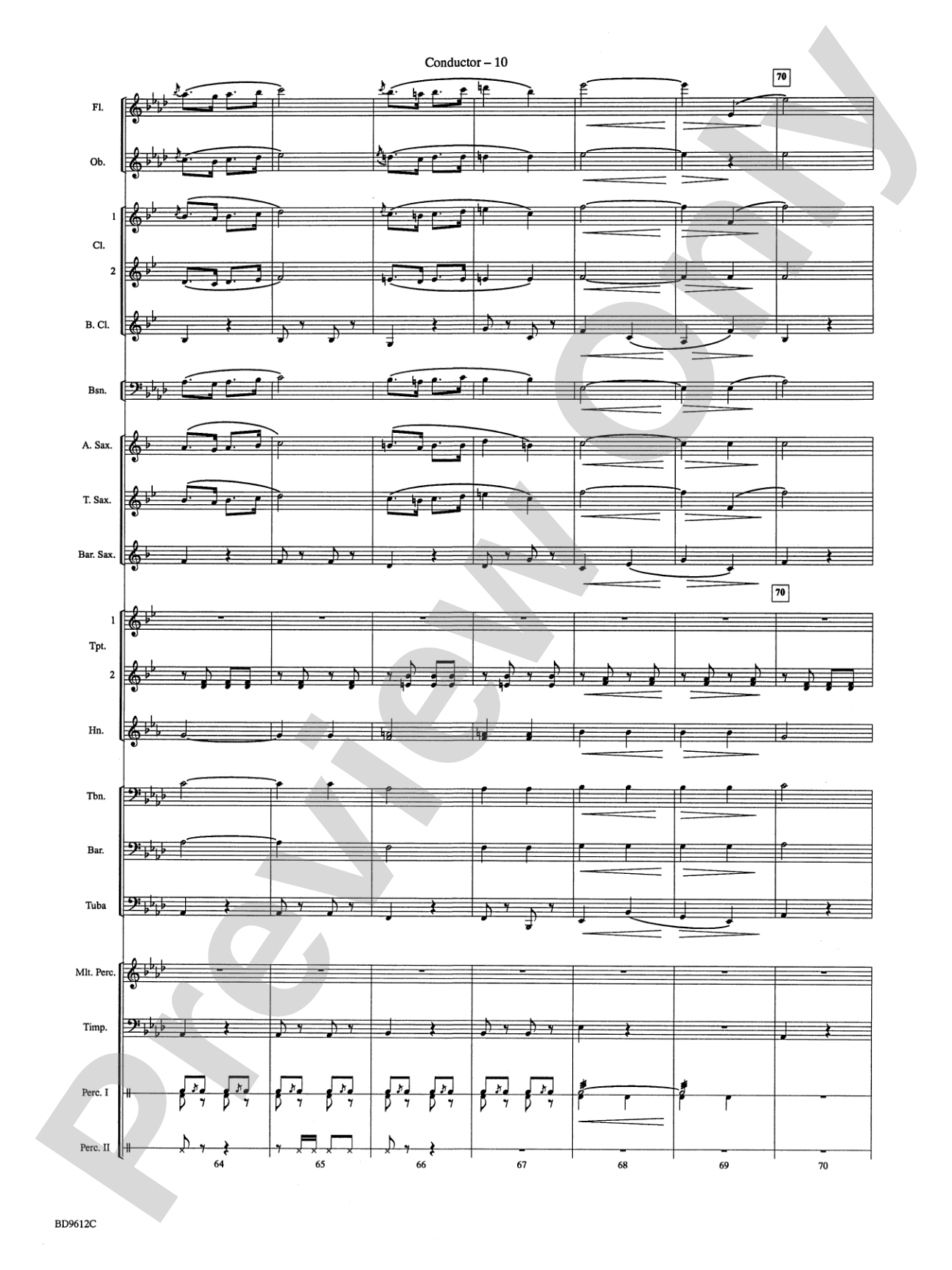
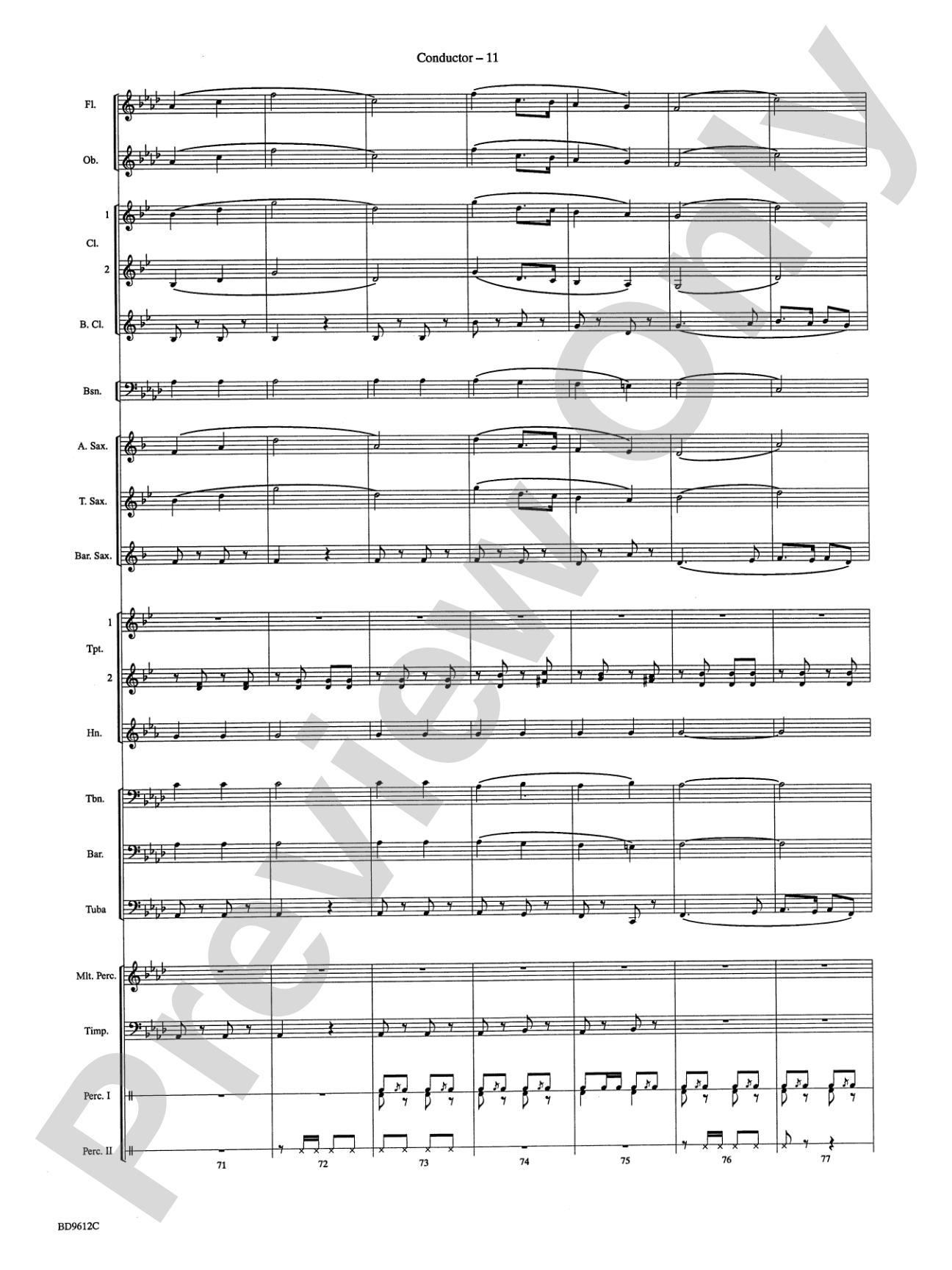
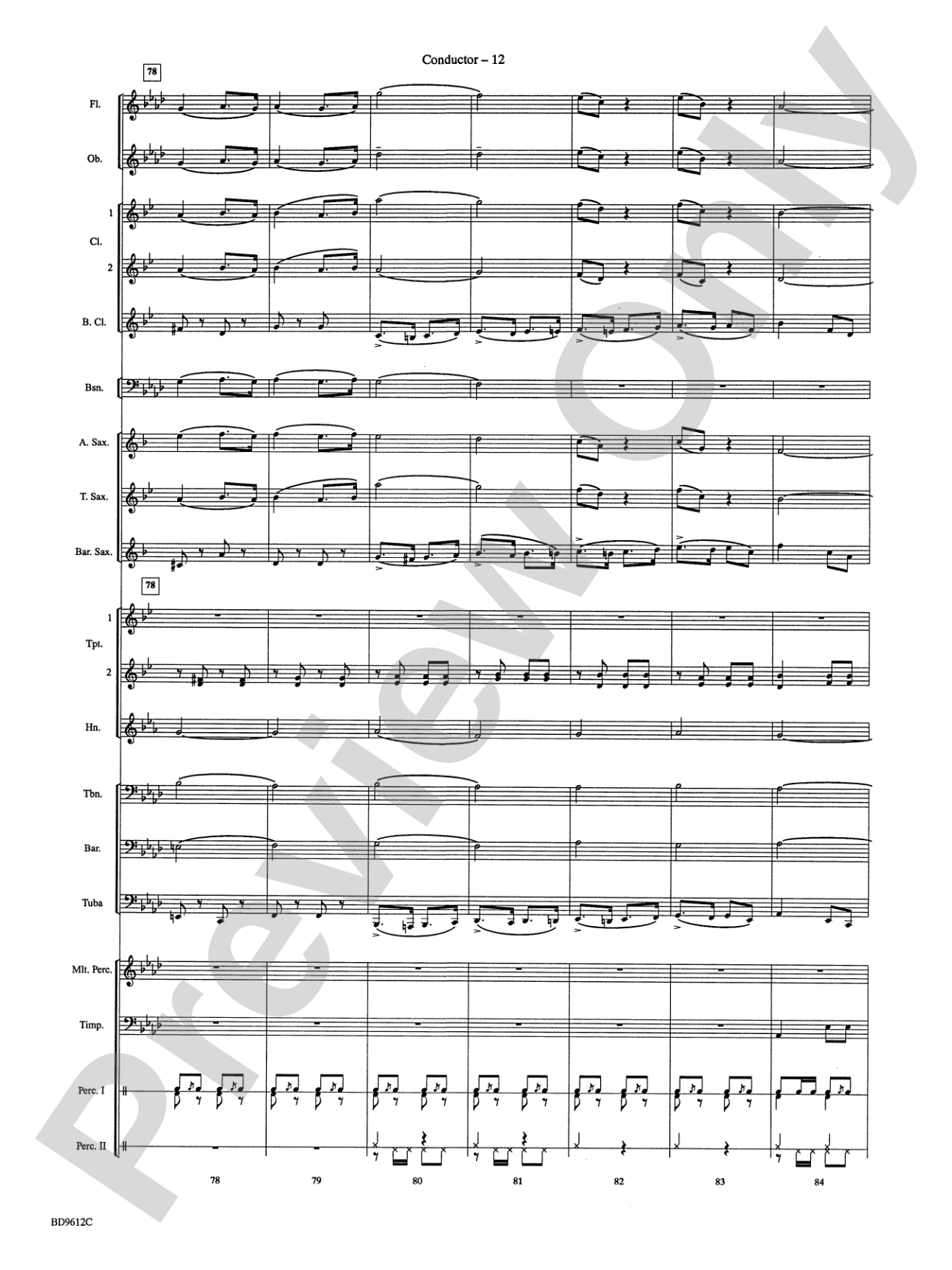
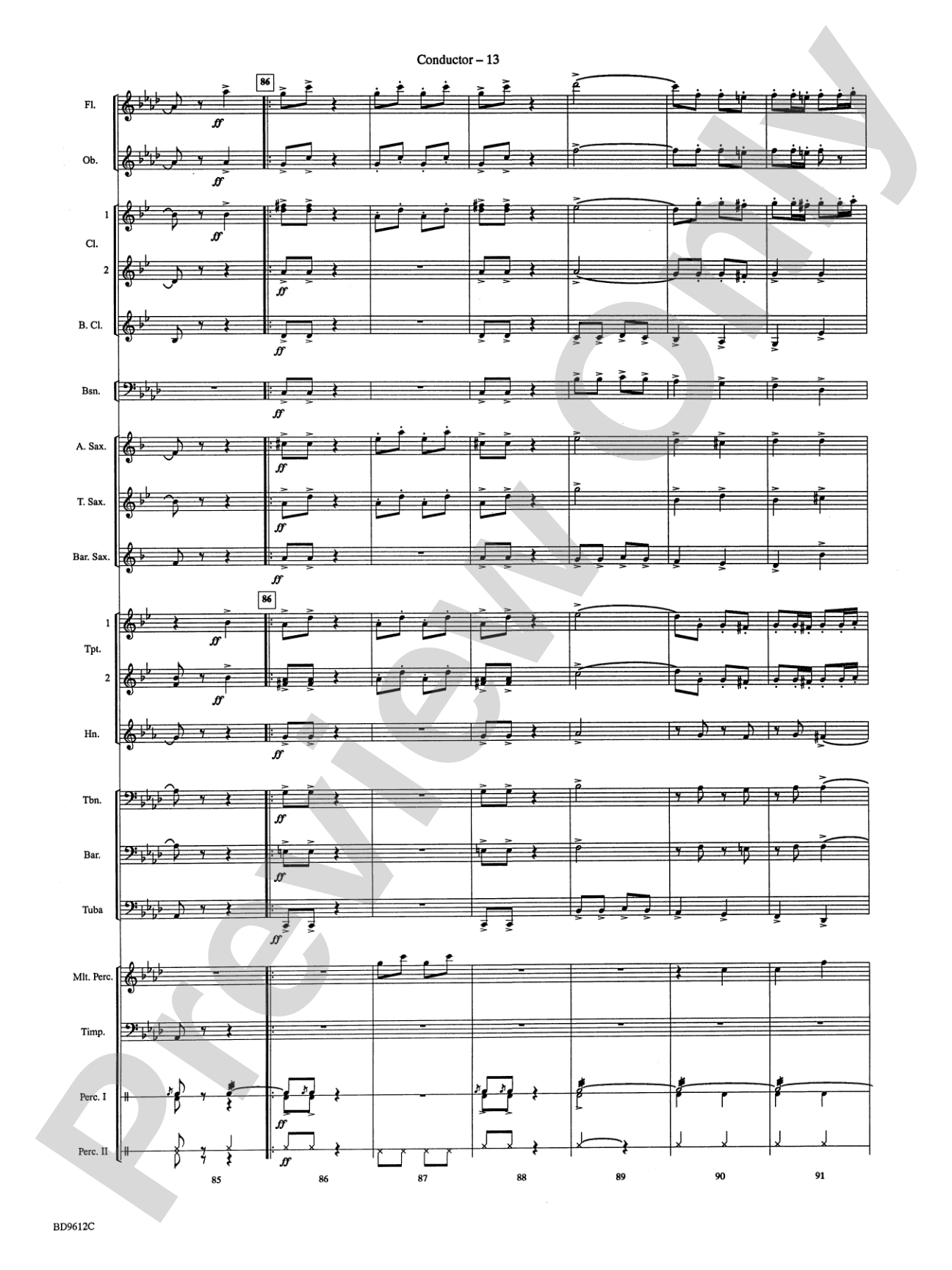
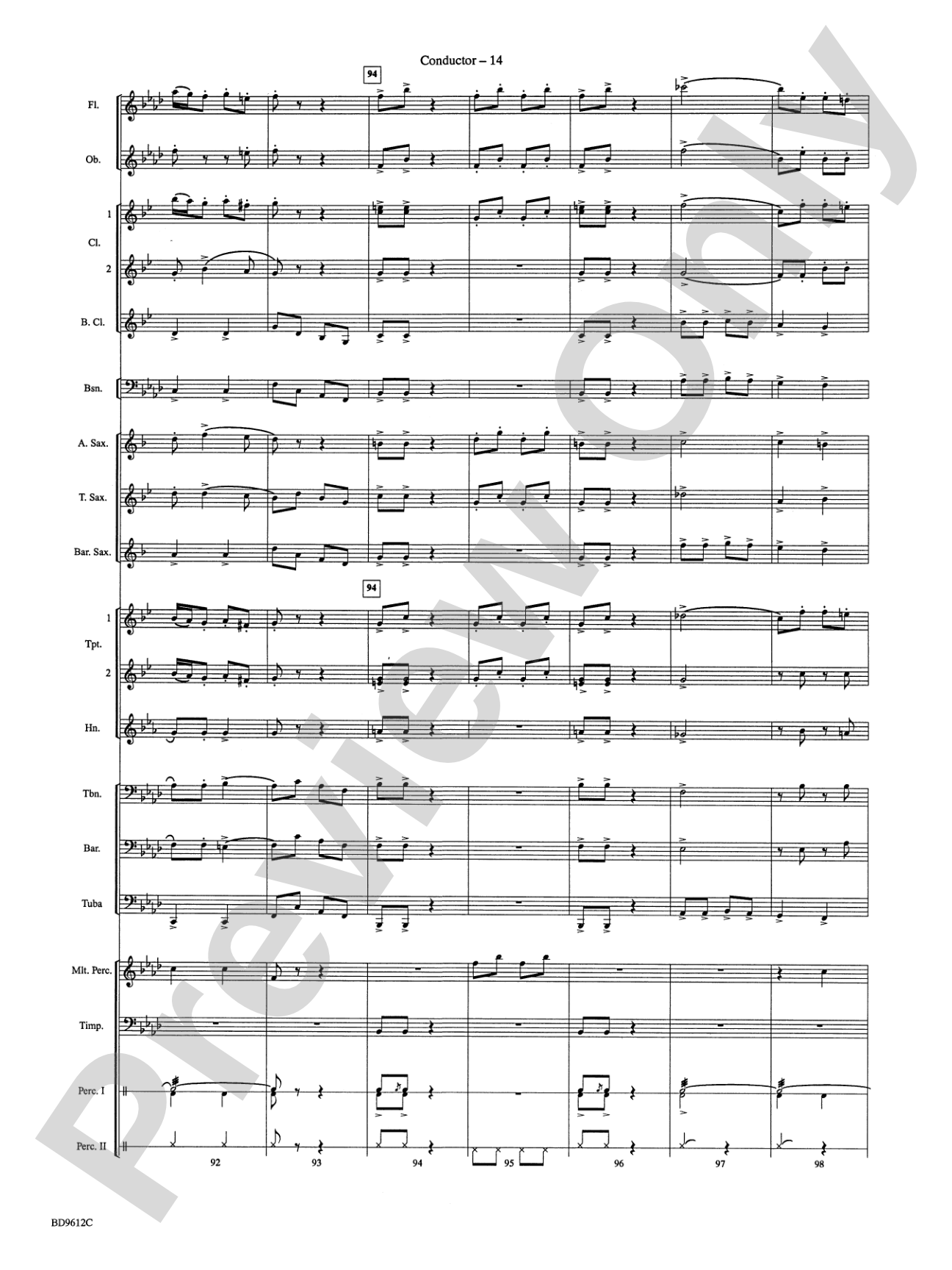
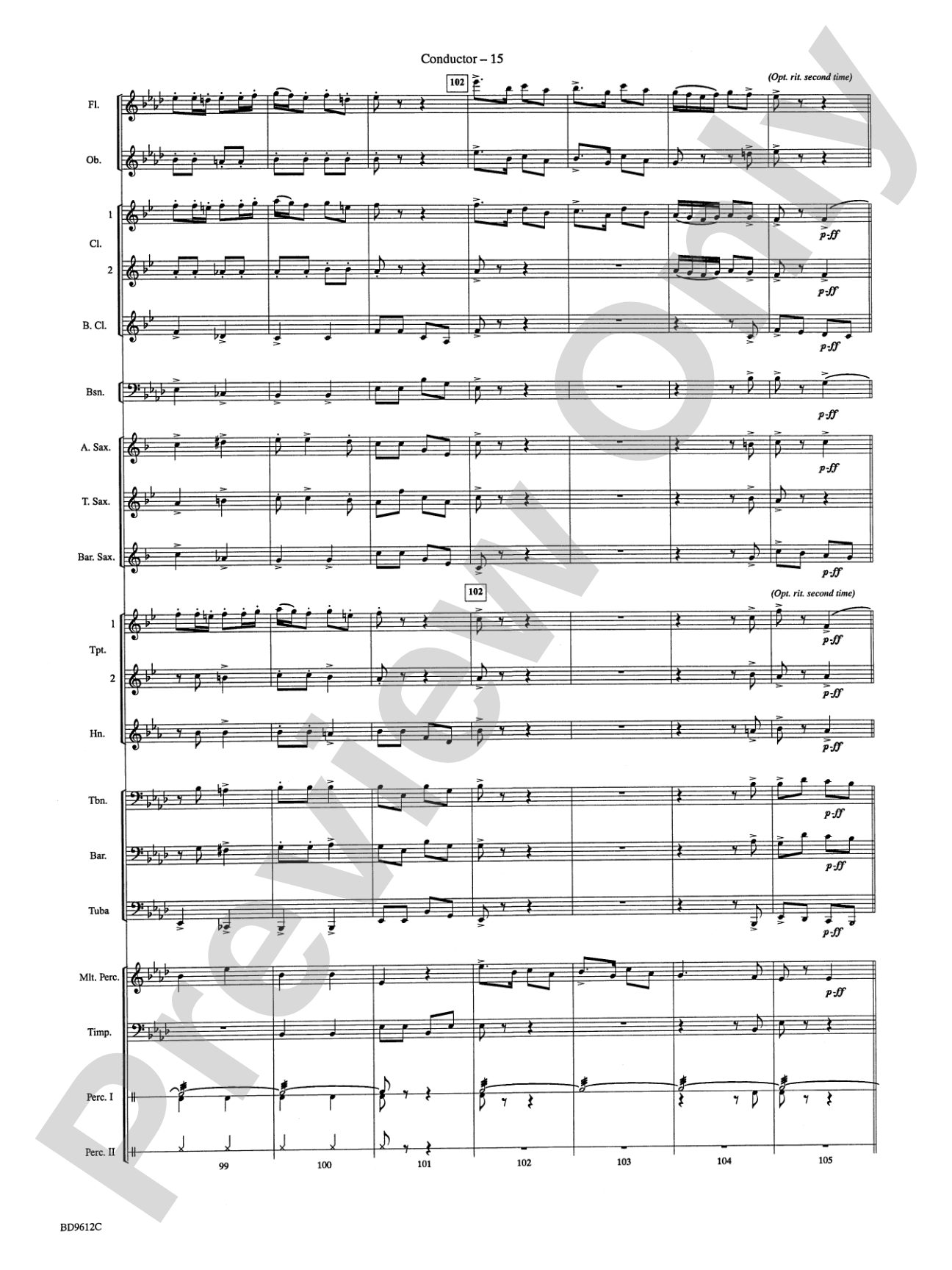
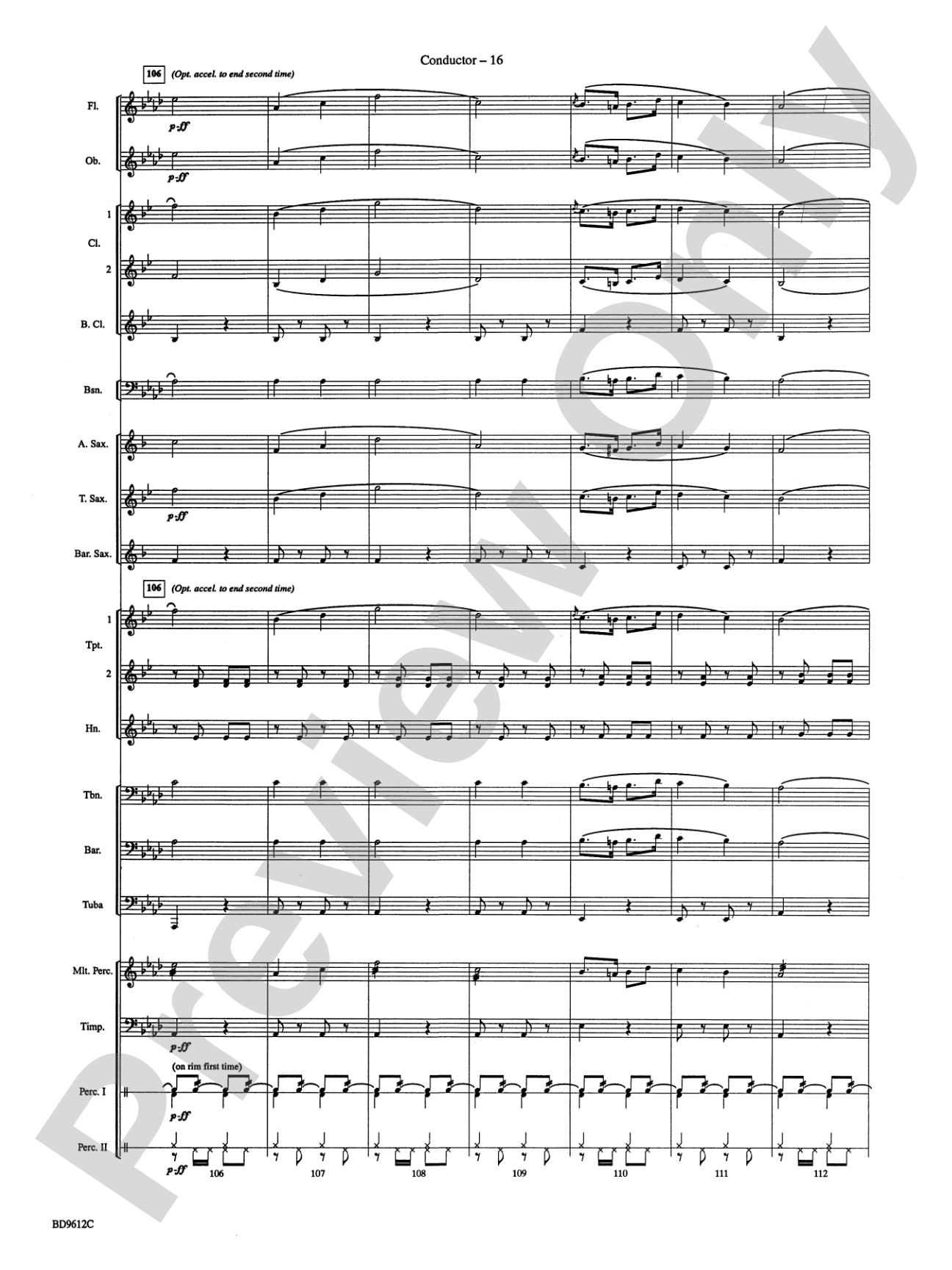
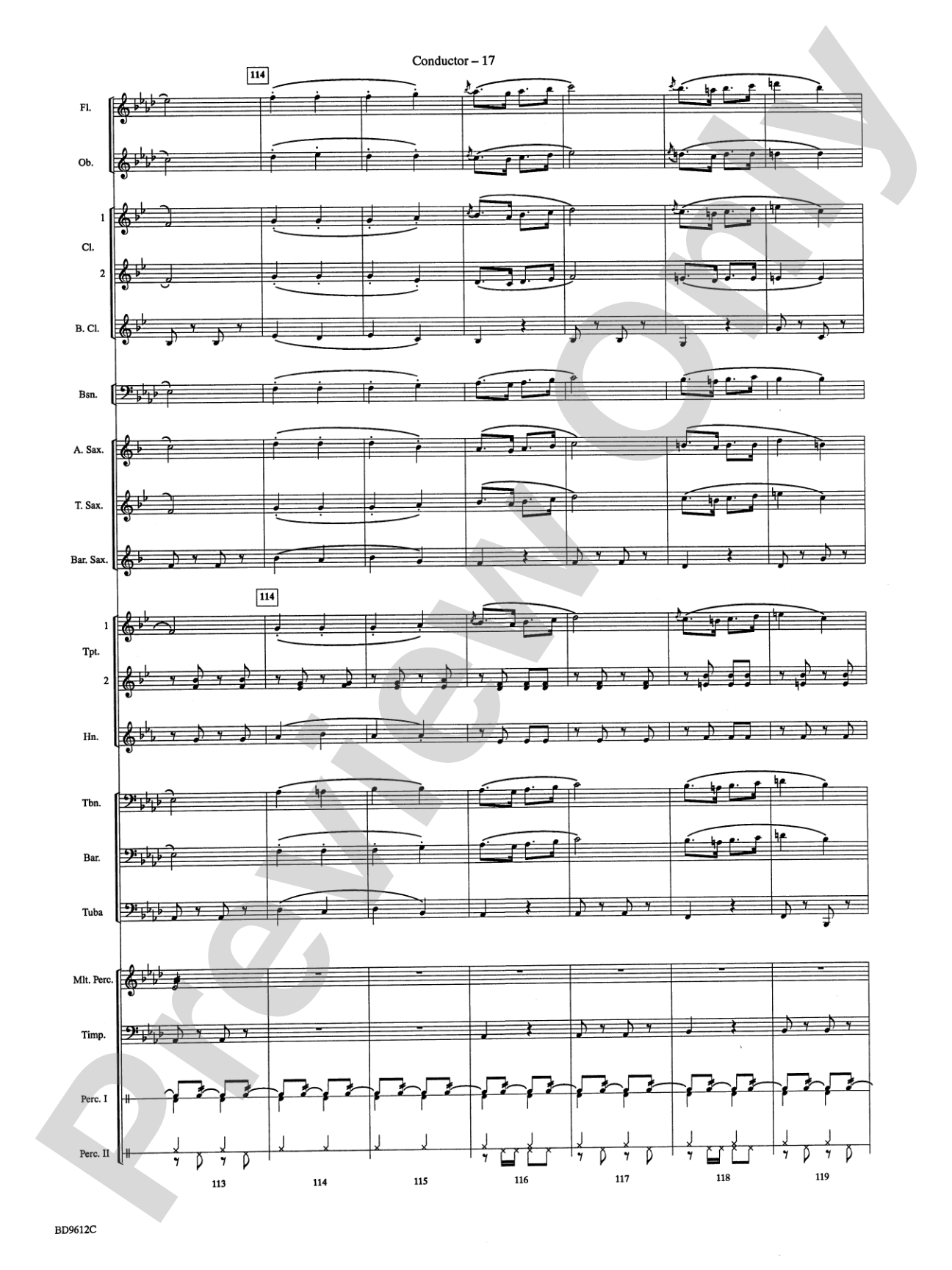
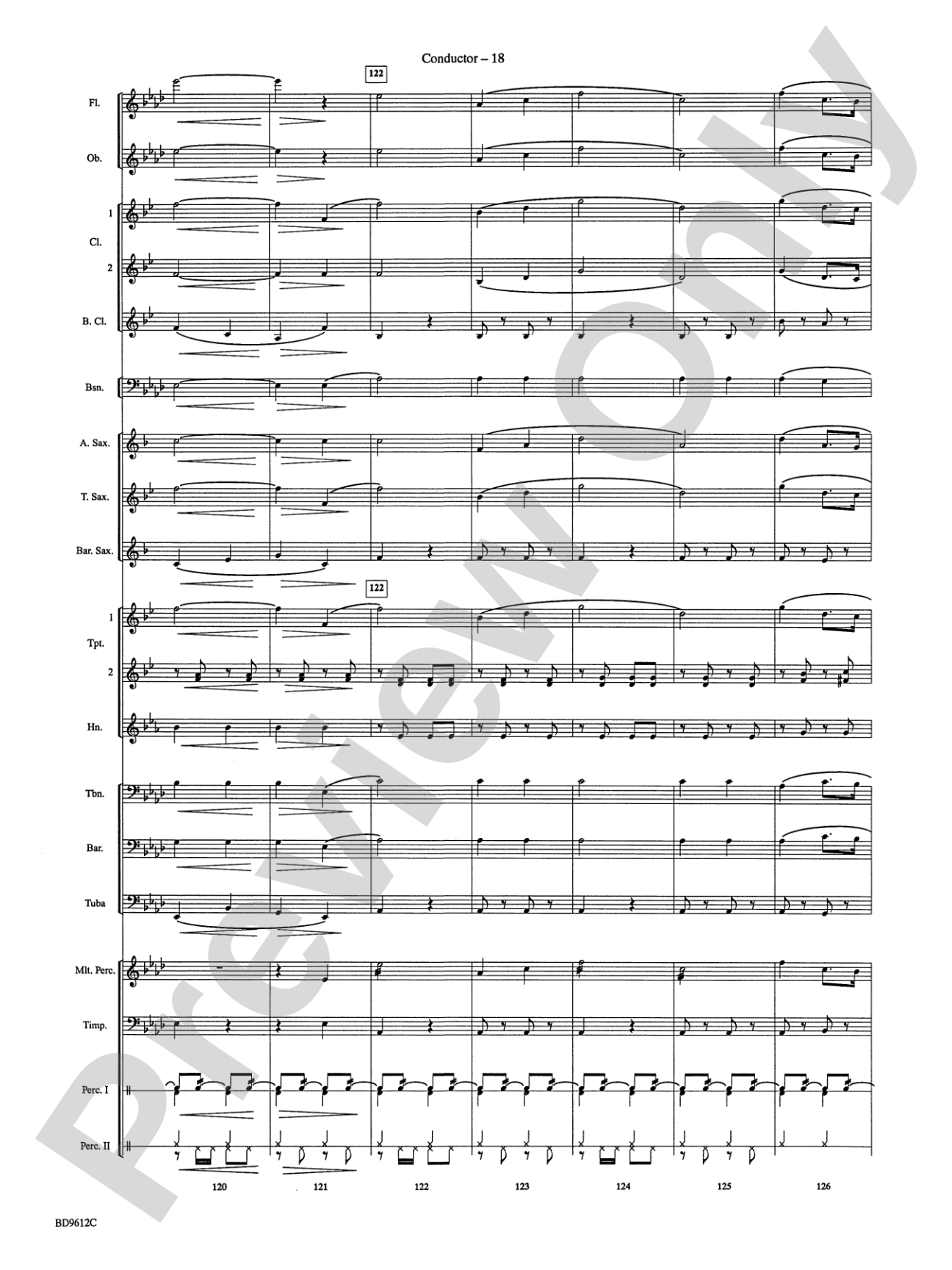
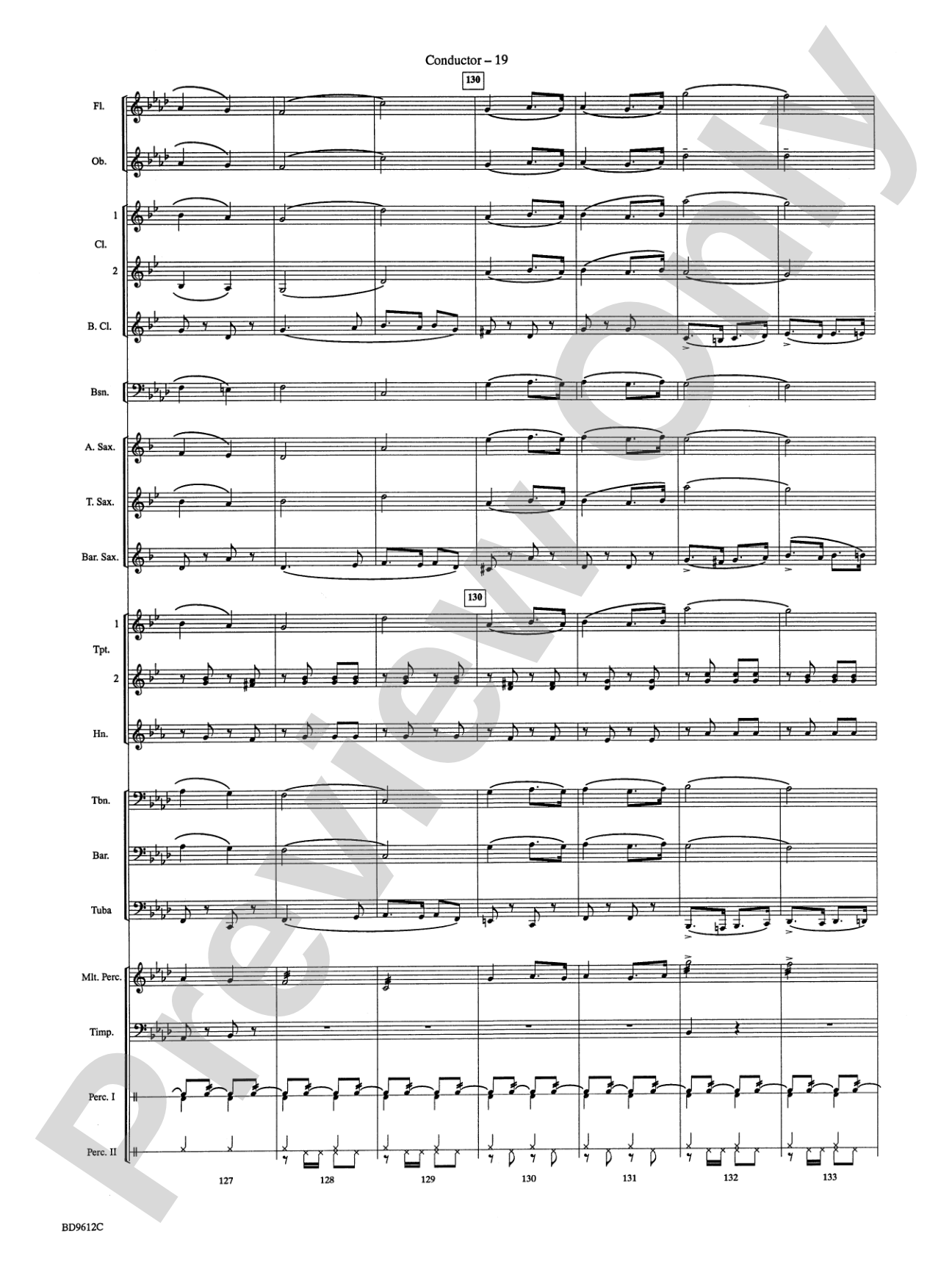
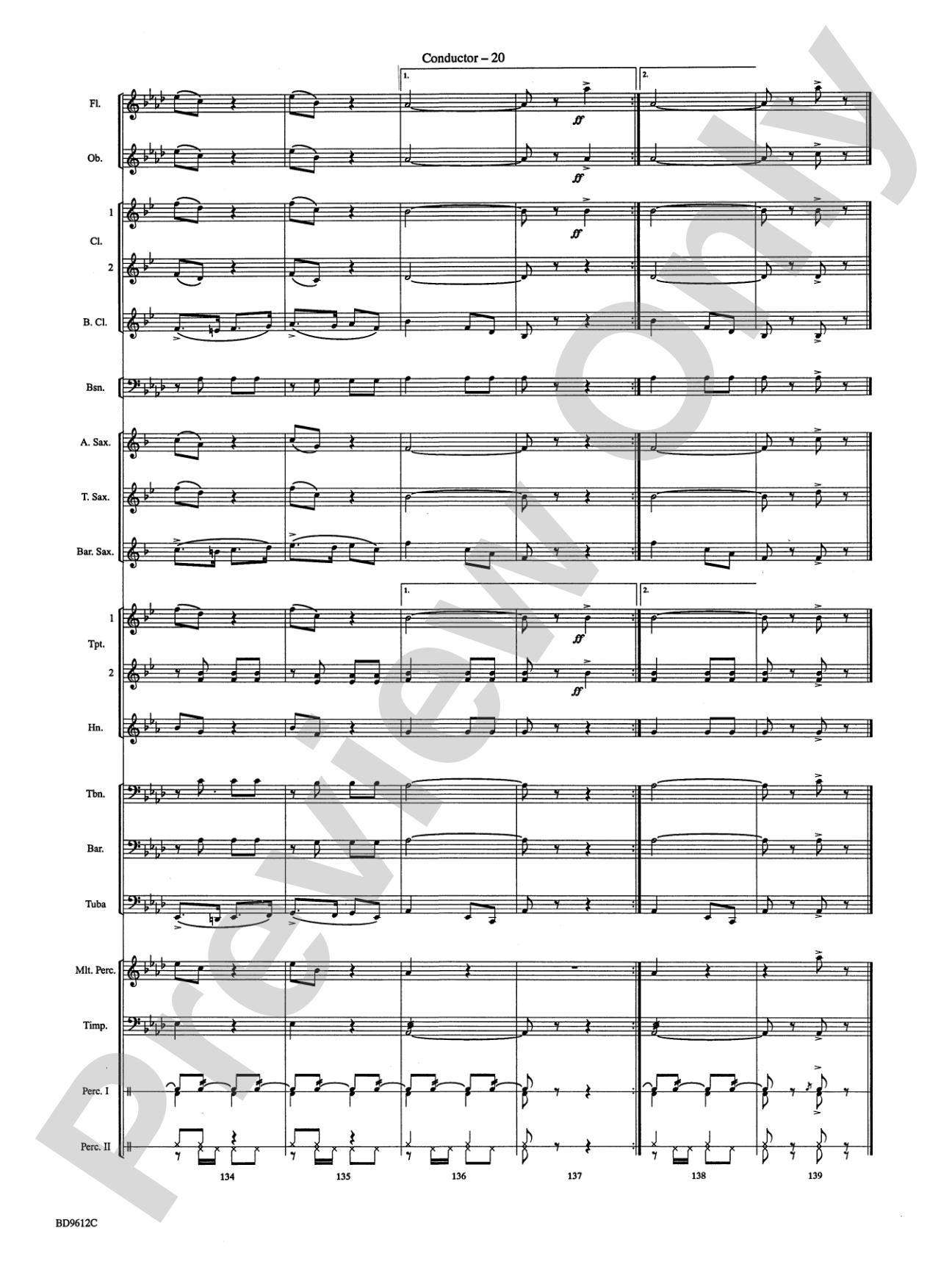



The Fairest of the Fair: Concert Band Conductor Score & Parts
By John Philip Sousa / arr. Larry Clark
Grade: 2 (Easy)
Item: 00-PK-0002042

$62.00
Pickup currently not available
Buy Extra Parts (Digital PDF Download)
Parts Added to Cart!
Description
From the time that he entered the Marine Band at age 13 as an apprentice musician to today, the name John Philip Sousa has immediately brought to the minds of millions of us the musical form of the march. We've whistled, sung or played his music for over a hundred years. Arranger Larry Clark provides a fresh opportunity for the young player to experience the joy of playing one of the greatest works from the pen of 'The March King.'


Don't just read it, hear it, play along with it, and watch your students grow with it. In MakeMusic Cloud, The Fairest of the Fair: Concert Band Conductor Score & Parts comes alive with professional accompaniment, adjustable tempo, and built-in practice tools that turn solo practice into real progress.
Open in the Player
Jump straight in and assign it today.
Start Your Free Trial
Open this title and explore the full library in minutes.
Sample Audio
No sample audio found.
Sample Video
No sample videos found.
Additional Details
Series:
Belwin Young Band
Publisher:
Alfred Music
Page Count:
250
SKU:
00-PK-0002042
More about this title
About the Composer: John Philip Sousa
John Philip Sousa (1854–1932) shaped American concert music and military band tradition more profoundly than any single composer of his era. As conductor of the United States Marine Band and later his own ensemble, Sousa elevated the march from functional military music to a sophisticated artistic form, creating works of genuine melodic invention and structural integrity. His marches remain standard repertoire in bands worldwide, and his influence on American musical identity remains unmatched.
Beyond his 136 marches, Sousa composed operettas, suites, and instrumental works that demonstrated his gift for memorable melody and orchestration. He was a fierce advocate for musicians' rights and copyright protection, testifying before Congress and shaping early American music law. For generations of young musicians, learning Sousa is learning American music at its most direct, optimistic, and musically rewarding.
Why we love this
This arrangement opens the March King's most jubilant work to Grade 2 ensembles without sacrificing the harmonic richness and structural clarity that make Sousa's writing endure. Clark's scoring respects the original's melodic architecture while distributing parts wisely across developing sections, making the piece genuinely rewarding rather than merely playable. It's the kind of accessible arrangement that lets students hear themselves making real music from the first rehearsal.
What to expect
Confidence and joy. The Fairest of the Fair radiates optimism through its broad melodies, spirited march rhythm, and transparent orchestration that lets every voice be heard. There's a timeless American exuberance in this piece; students feel the tradition of the march form while making it their own.
Who it's for
Grade 2 concert bands seeking accessible yet musically substantial repertoire for contest festivals or concert programs. Young musicians at this level benefit from Sousa's straightforward harmonic language and memorable melodies, which reward consistent practice and clear conducting without demanding advanced technical facility. Directors programming mixed-ability sections will find parts that challenge developing players while remaining comfortable for those still building fundamental skills.
How to get the most out of it
- Establish the march's rhythmic backbone in the low brass and woodwinds before layering in the countermelodies; a metronome helps the ensemble find their collective swagger without rushing.
- Shape the dynamic arc across the full form rather than playing each strain at the same volume; the piece gains momentum when sections step back slightly before a new theme enters.
- Balance the melodic lines between parts so the principal tune is always clear, even when secondary voices have interesting material; Sousa wrote singable lines, and singers in the audience should follow the story.
- Give the ensemble room to breathe at phrase endings, especially in the grandioso sections; brief air space lets the audience hear the craftsmanship in the modulations.
How to use it
Program this as an opening piece on a concert or contest festival set to establish ensemble energy and audience goodwill before exploring more complex repertoire. It pairs naturally with lighter concert band literature from the same era and provides an ideal capstone to rehearsals focused on rhythmic precision and balanced part writing. Consider pairing it with another march or a patriotic suite for a thematic concert program.
Skills your students will build
- Maintaining steady march tempo and subdivision without rushing
- Balancing multiple melodic lines while keeping the primary tune prominent
- Understanding sectional form and how composers develop themes across a march structure
- Executing clear articulation across the full ensemble in moderate to fast passages
- Responding to dynamic nuance and phrase shaping within a straightforward harmonic context