
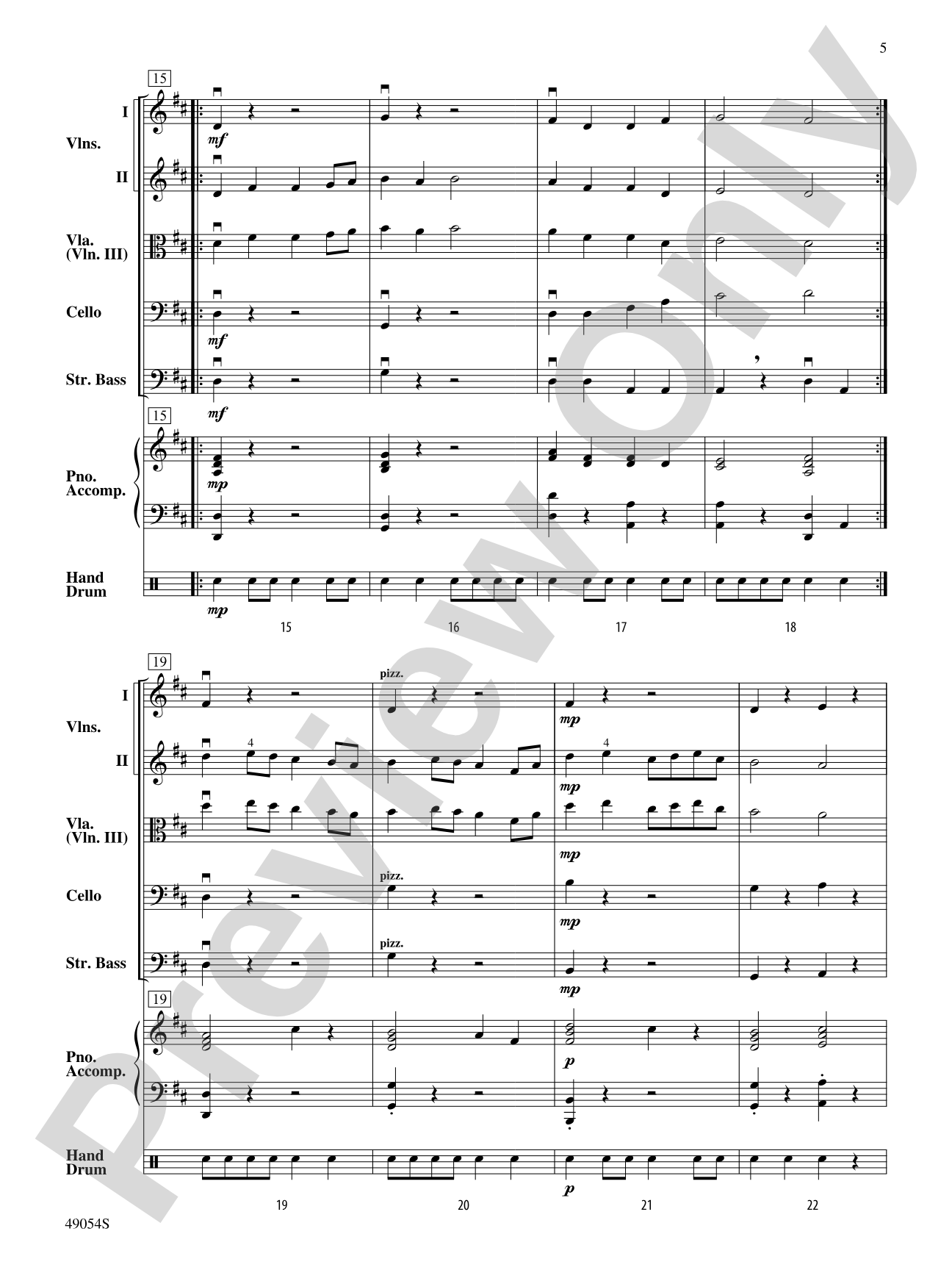
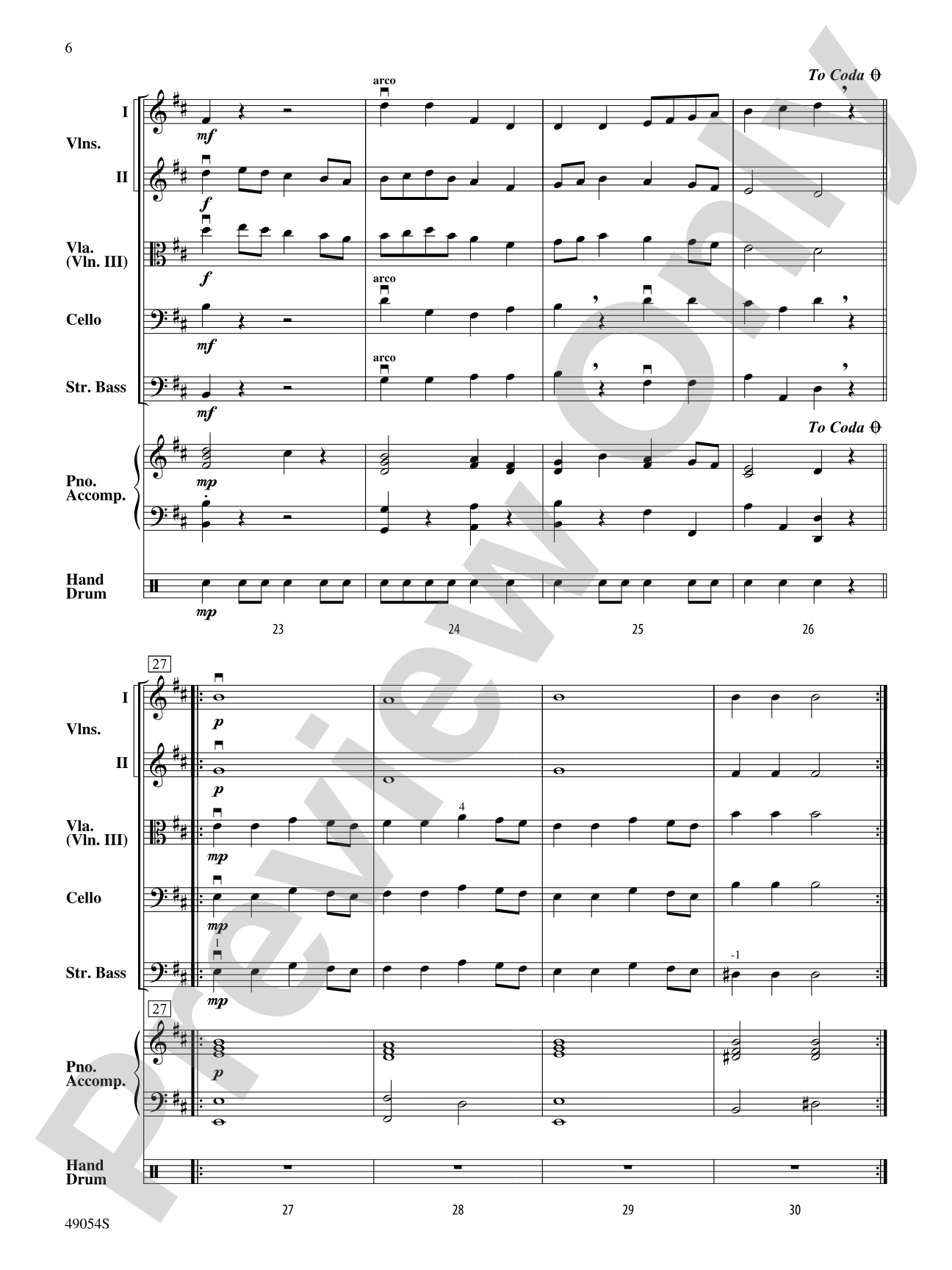
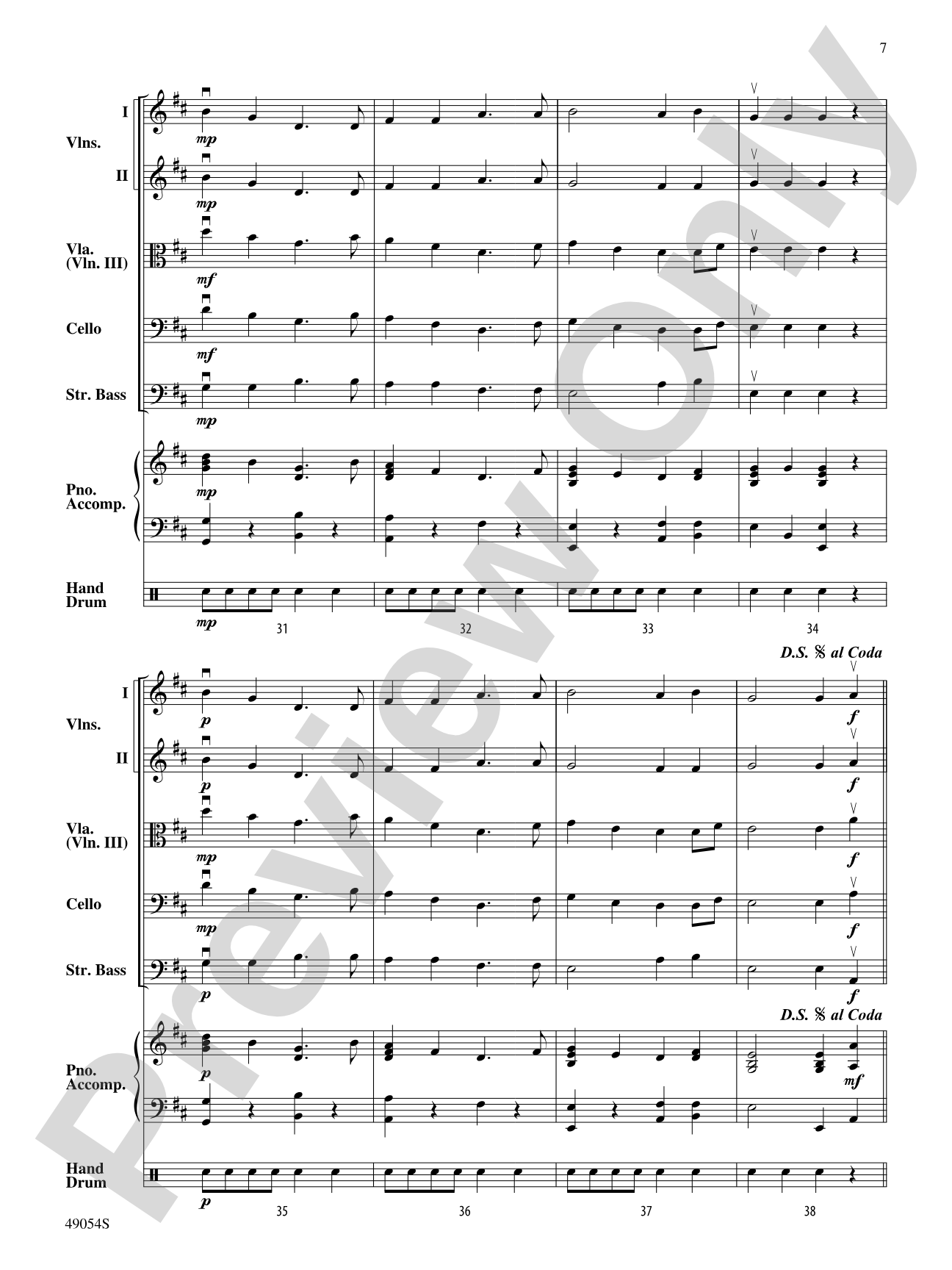
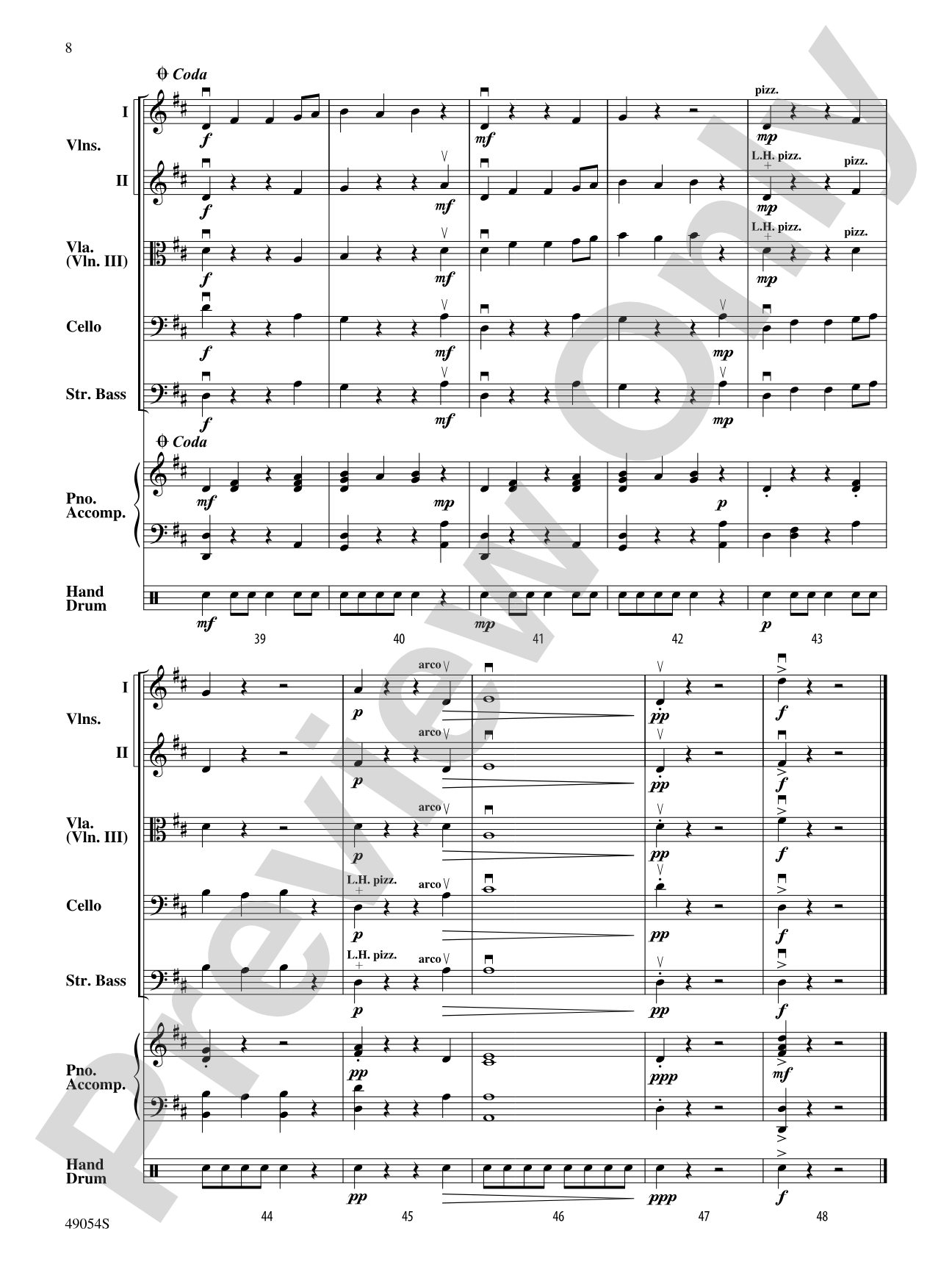

The Dancing Master: String Orchestra Conductor Score & Parts
By John Playford / arr. Andrew H. Dabczynski
Grade: 2
Item: 00-PK-0008359

$50.00
Pickup currently not available
Buy Extra Parts (Digital PDF Download)
| Product | Price | Quantity |
|---|---|---|
| The Dancing Master: Score | $9.00 | |
| The Dancing Master: 1st Violin | $3.00 | |
| The Dancing Master: 2nd Violin | $3.00 | |
| The Dancing Master: 3rd Violin (Viola [TC]) | $3.00 | |
| The Dancing Master: Viola | $3.00 | |
| The Dancing Master: Cello | $3.00 | |
| The Dancing Master: String Bass | $3.00 | |
| The Dancing Master: 1st Percussion | $3.00 | |
| The Dancing Master: Piano Accompaniment | $3.00 |
Parts Added to Cart!
Description
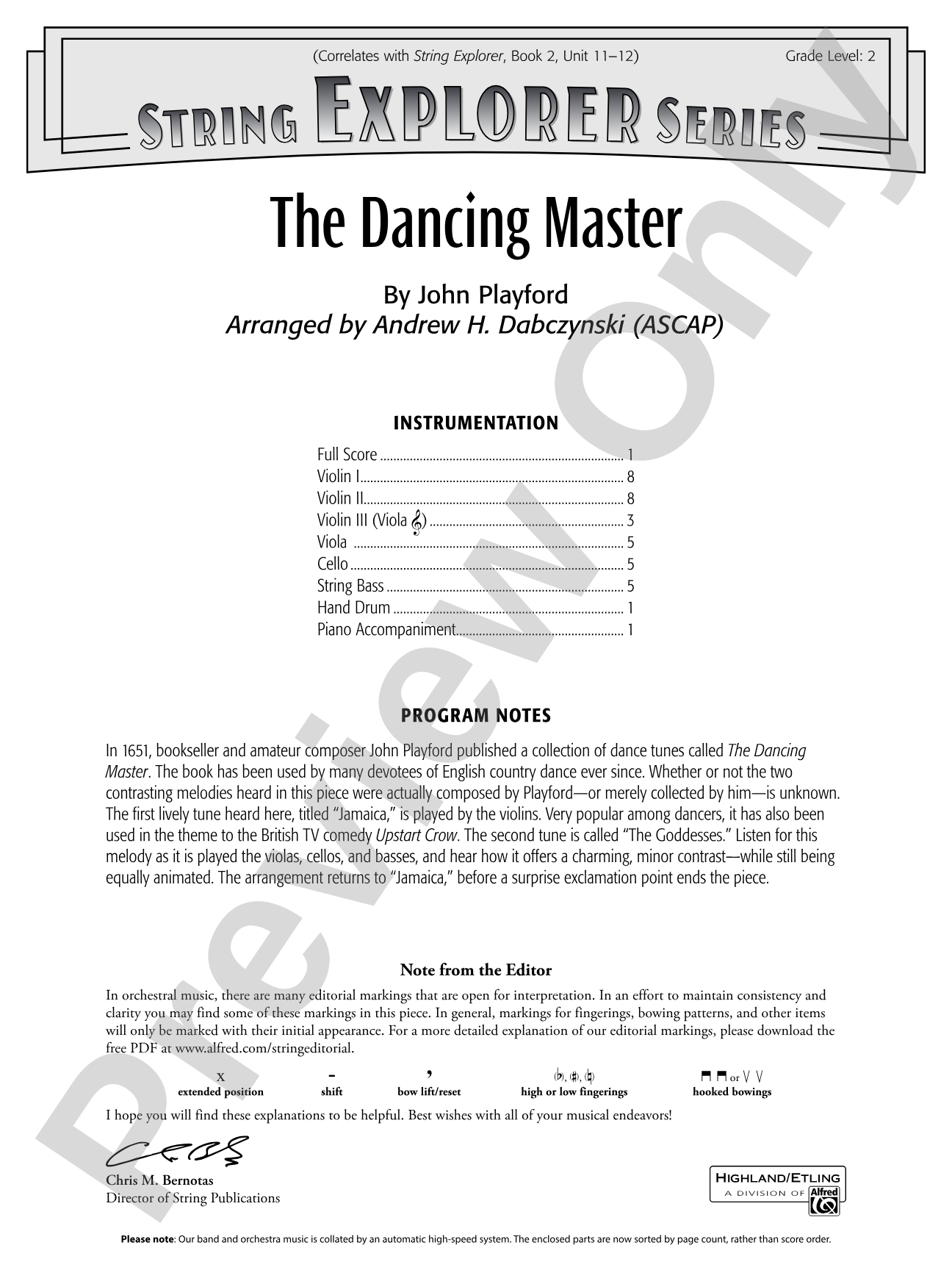
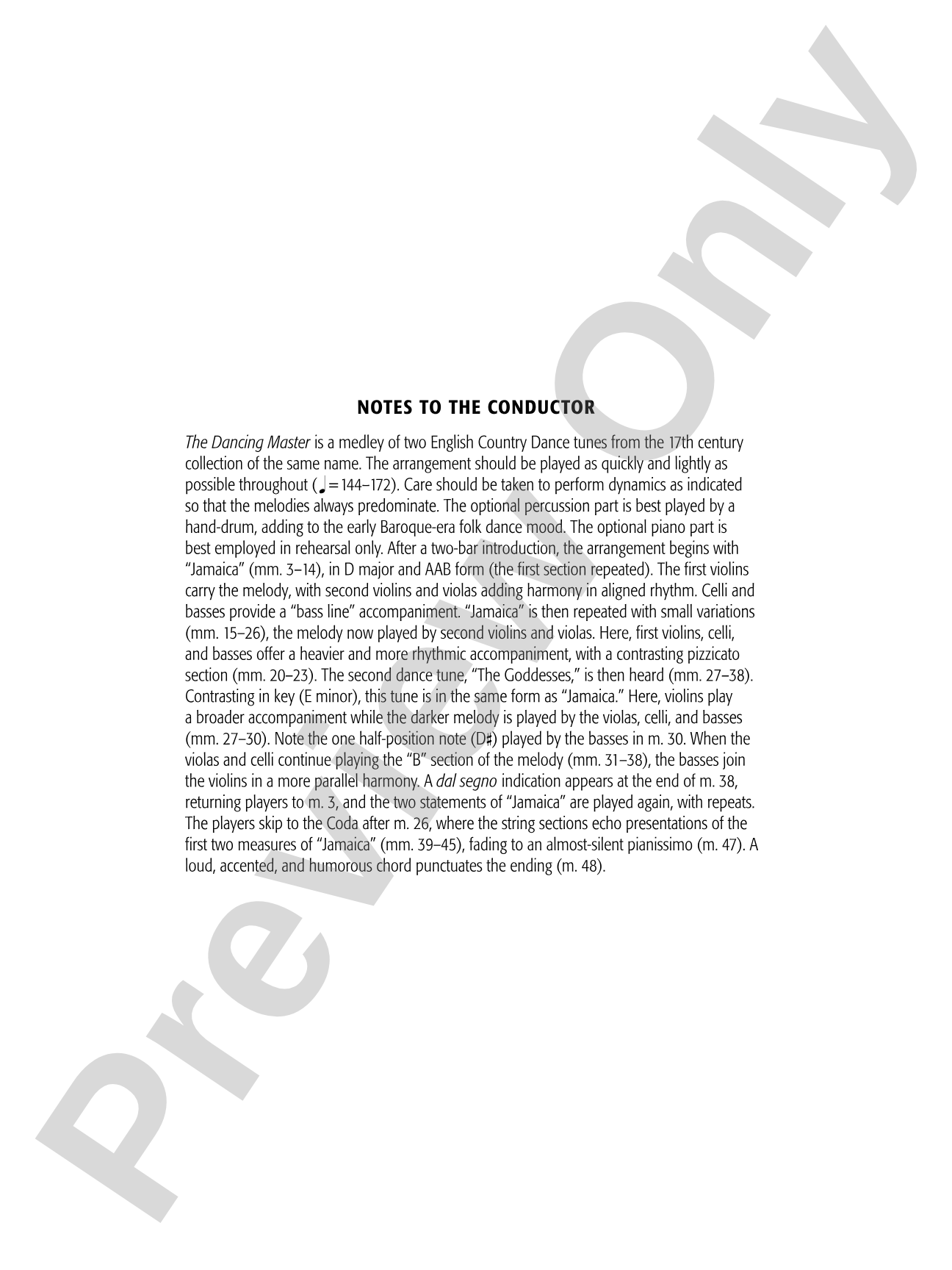
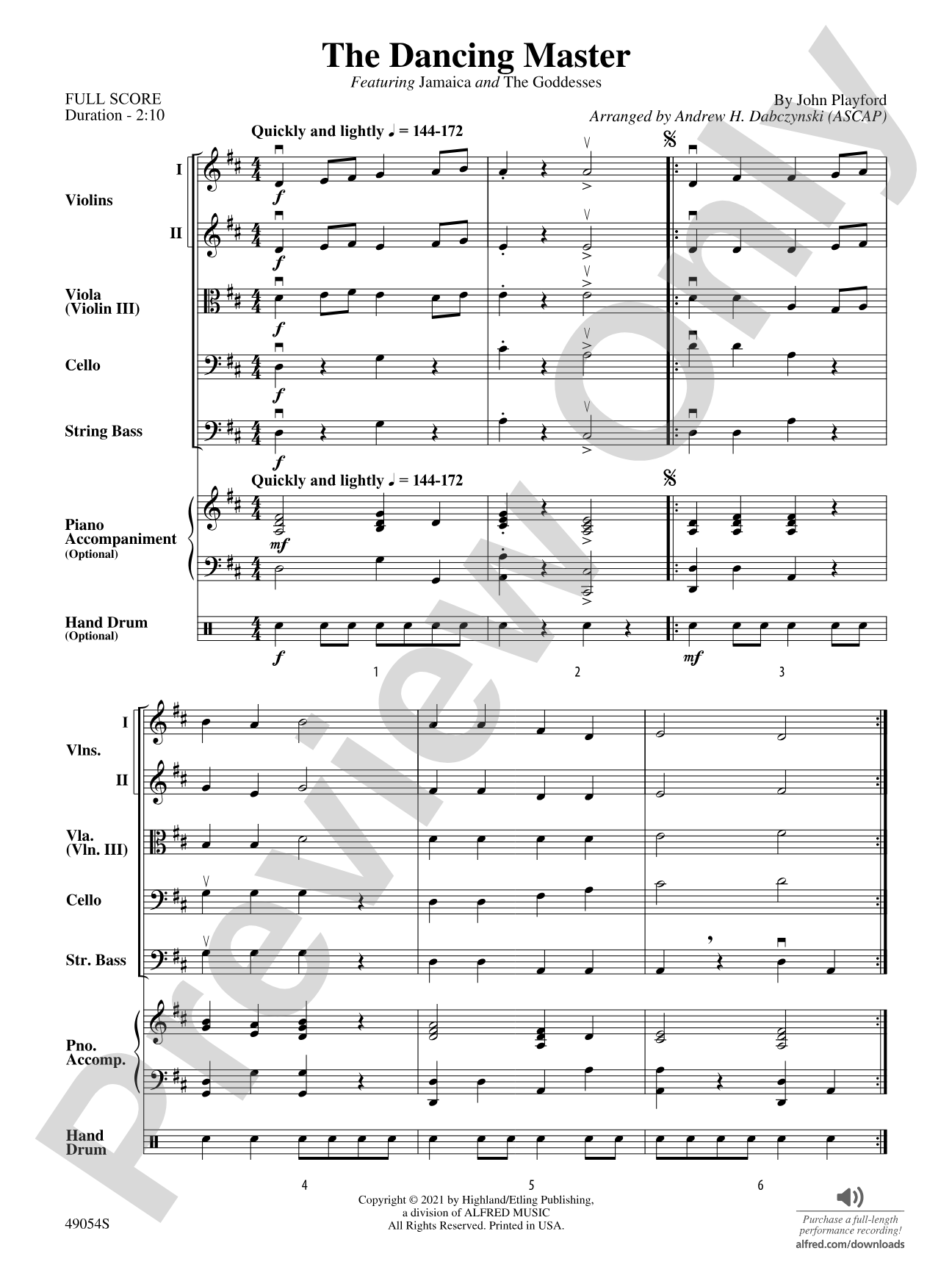
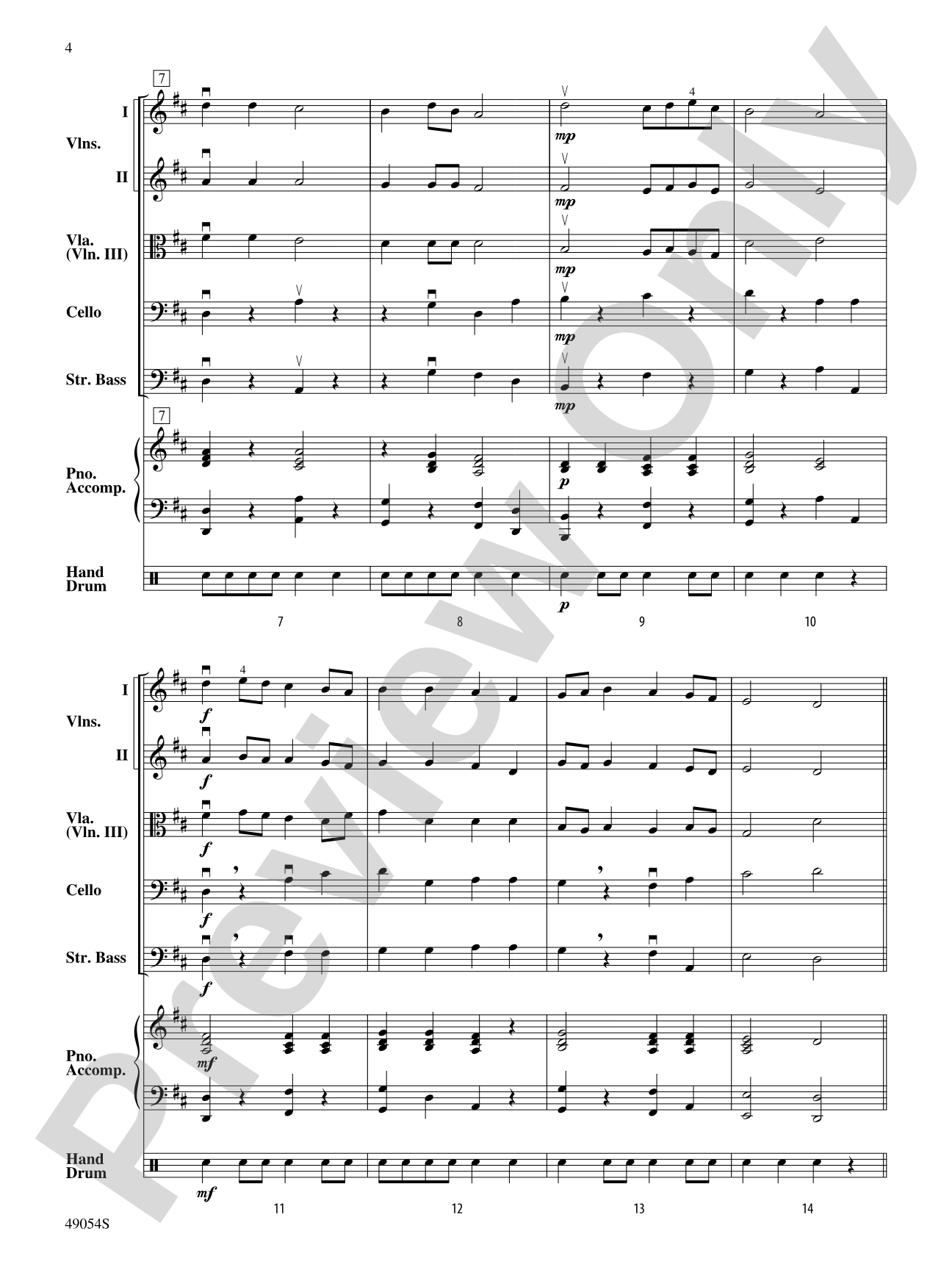
English country dancing has been popular for over 300 years, and The Dancing Master features two delightful folk tunes in that timeless style arranged by Andrew H. Dabczynski. The first lively tune, "Jamaica," has been used in the theme to the British TV comedy, Upstart Crow, and the second, "The Goddesses," offers a charming contrast. Attributed to John Playford, these melodies fall under the fingers of beginning string students with interesting, rhythmic parts for all players. An optional hand-drum part adds to the upbeat 17th century dance atmosphere. (2:10)


Don't just read it, hear it, play along with it, and watch your students grow with it. In MakeMusic Cloud, The Dancing Master: String Orchestra Conductor Score & Parts comes alive with professional accompaniment, adjustable tempo, and built-in practice tools that turn solo practice into real progress.
Open in the Player
Jump straight in and assign it today.
Start Your Free Trial
Open this title and explore the full library in minutes.
Sample Audio
1
Audio File
--:--
0:00
0:00
Sample Video
Additional Details
Series:
Highland/Etling String Explorer
Publisher:
Alfred Music
Page Count:
47
SKU:
00-PK-0008359
More about this title
About the Composer: John Playford
John Playford (1623-1686) was an English music publisher and dancing master whose collections shaped British musical taste for generations. His publication "The English Dancing Master" (first issued in 1651) documented country dances with such care and completeness that it became the foundational source for English folk choreography and melody. Playford's work preserved dances that might otherwise have disappeared, making him essential to understanding the social music of 17th century England.
Why we love this
Dabczynski's arrangement captures the infectious charm of period dance music while keeping the writing accessible for developing string players. The pairing of "Jamaica" (familiar to audiences through its use in the British television comedy Upstart Crow) with the graceful "The Goddesses" gives you a program-ready pair that feels both substantial and approachable. The optional hand drum part invites creative flexibility and adds authentic period flavor without complicating the core string writing.
What to expect
Spirited and light without being trivial; these melodies have the bounce and character of music meant for actual dancing. The 17th century English countryside comes alive through straightforward, sing-able lines and the rhythmic snap that makes these tunes memorable.
Who it's for
Beginning string orchestra students ready for concert repertoire with personality and historical flavor. This arrangement fits ensembles in grades 2-4 looking for material that engages audiences while reinforcing fundamental string technique and ensemble balance.
How to get the most out of it
- Establish a steady, dance-like pulse from the opening; these melodies need forward momentum to breathe authentically. Avoid dragging the tempo even in slower passages.
- Balance the melody between first and second violins carefully, especially where parts divide. The two tunes should feel like distinct characters, so adjust dynamics intentionally between movements.
- If using the hand drum part, integrate it from rehearsal one so players hear the rhythmic layer that anchors the period feel. This transforms the piece from quaint to genuinely lively.
- Encourage clean articulation in the rhythmic figures rather than smooth legato throughout. Country dance writing thrives on rhythmic clarity and crisp note separation.
How to use it
Pair this with other folk-based or light concert pieces to create an "English musical traditions" segment, or open a concert with it to establish a welcoming, unpretentious tone. The 2-minute-10-second duration makes it ideal as a standalone short work or as a palette cleanser between heavier pieces.
Skills your students will build
- Maintaining a steady pulse in dance-like rhythms
- Balancing melody and accompaniment across violin parts
- Clean articulation in rhythmic figures
- Ensemble coordination with optional percussion
- Musical characterization and stylistic contrast between two distinct melodies