
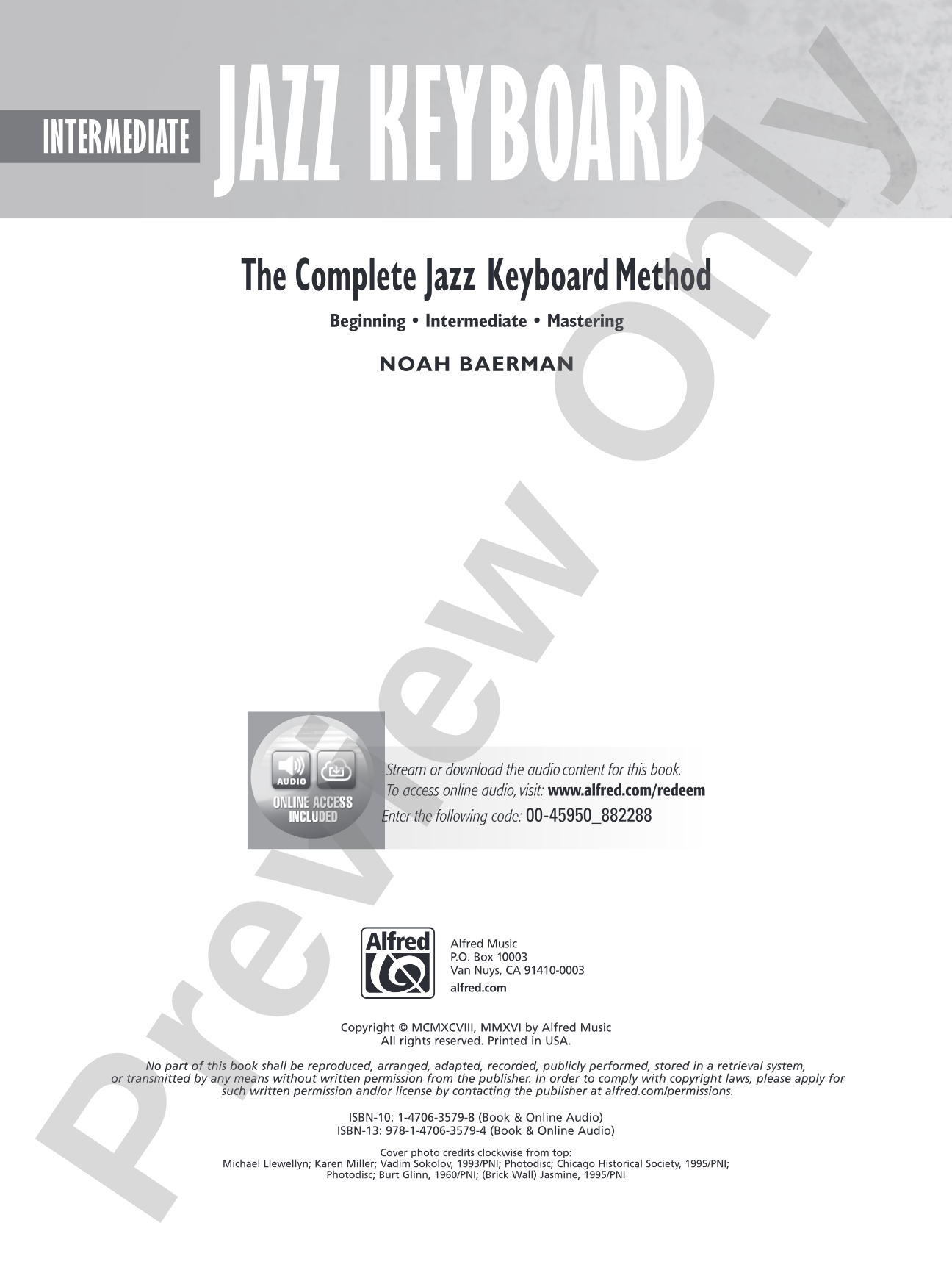

The Complete Jazz Keyboard Method: Intermediate Jazz Keyboard: Piano
By Noah Baerman
Item: 00-PB-0001874
$19.99
Pickup currently not available
Description
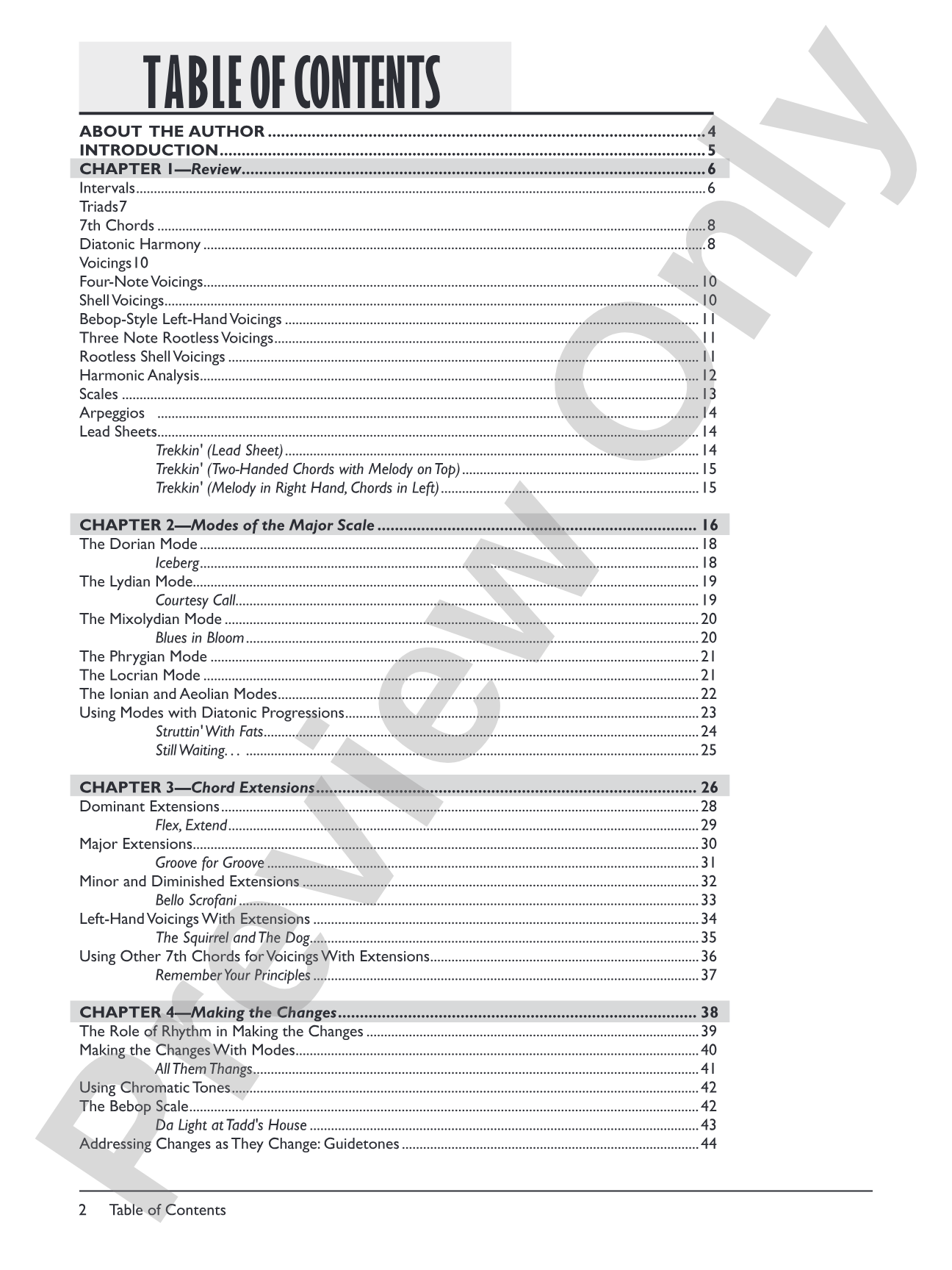
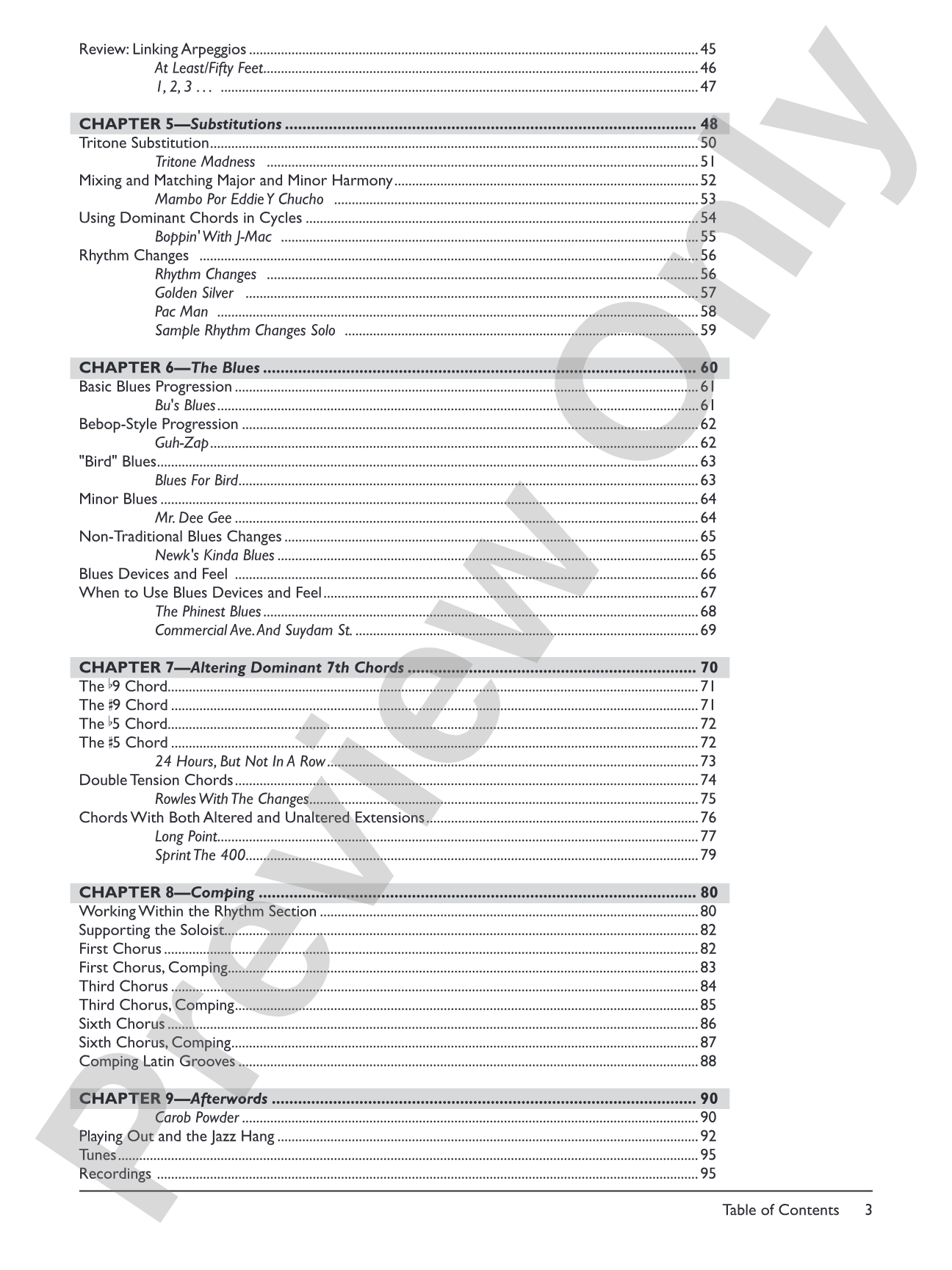
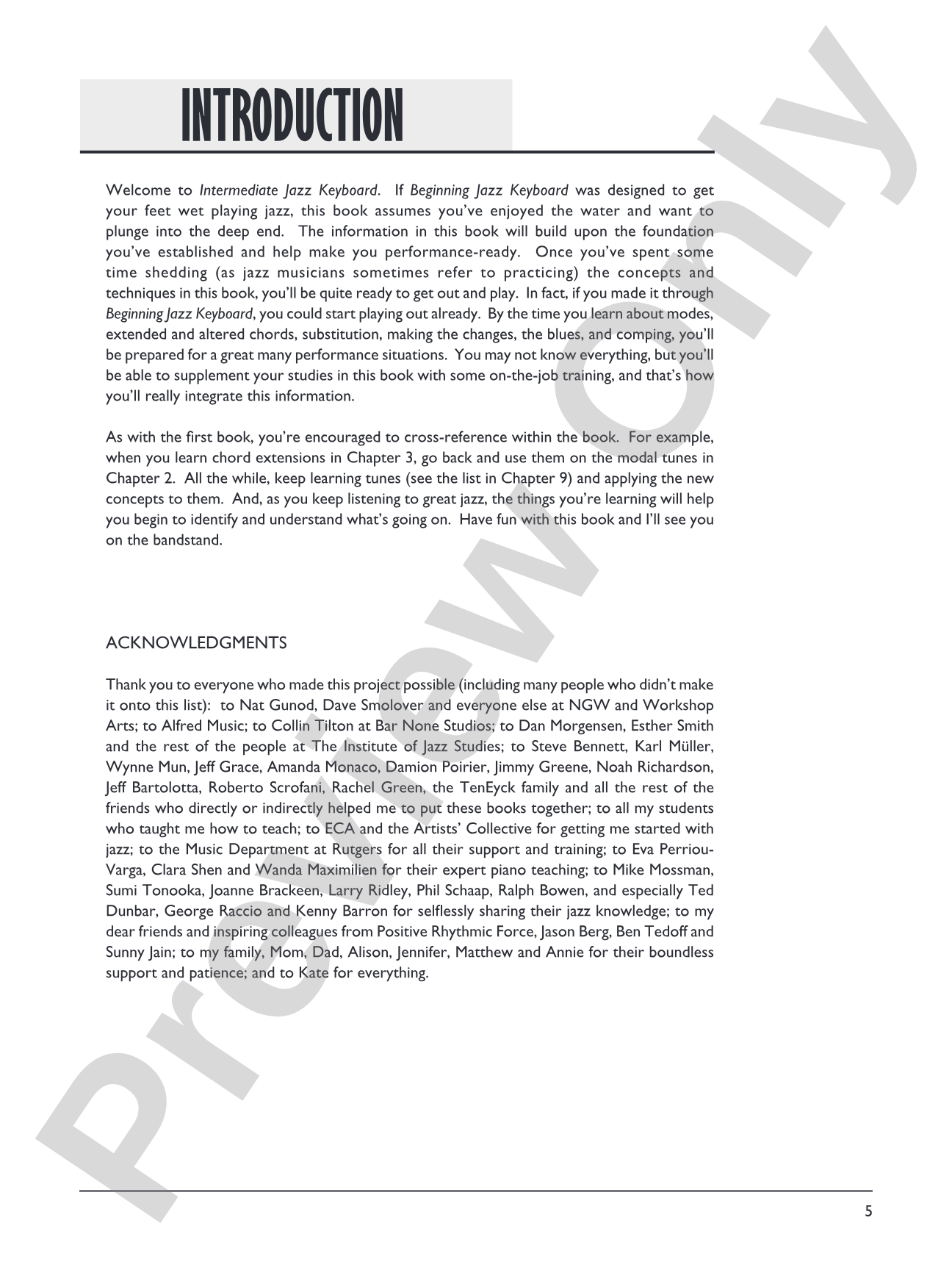
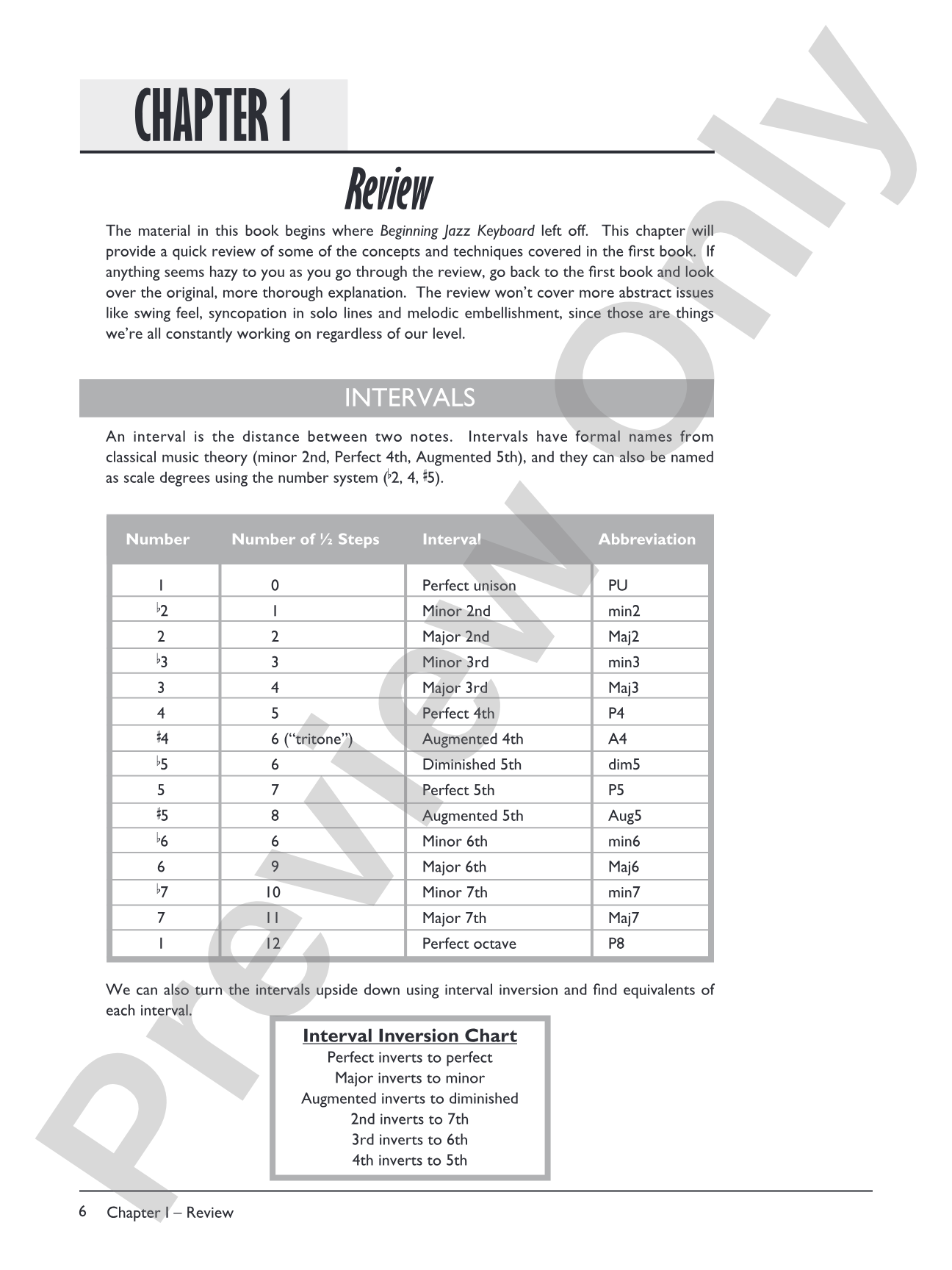
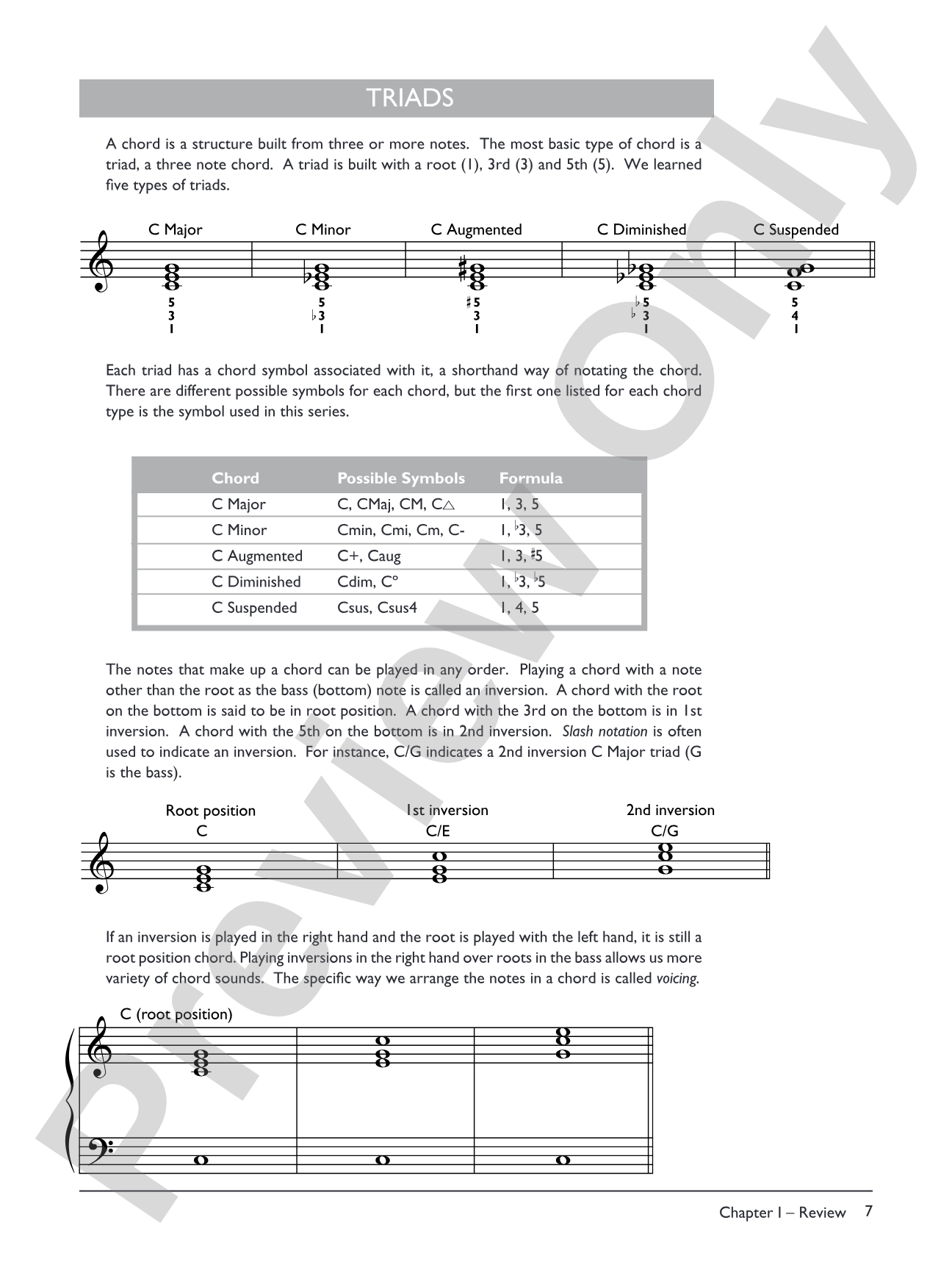
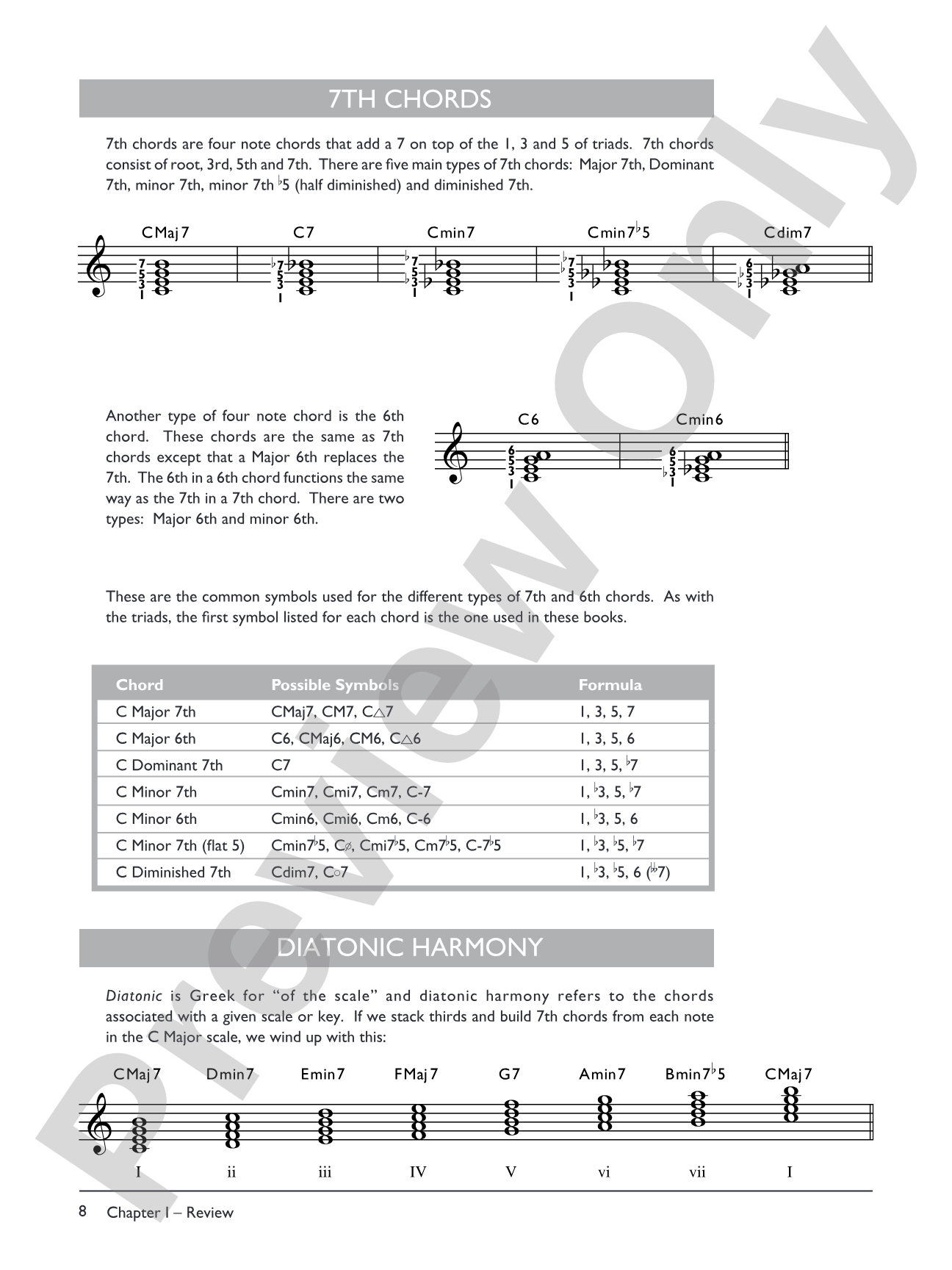
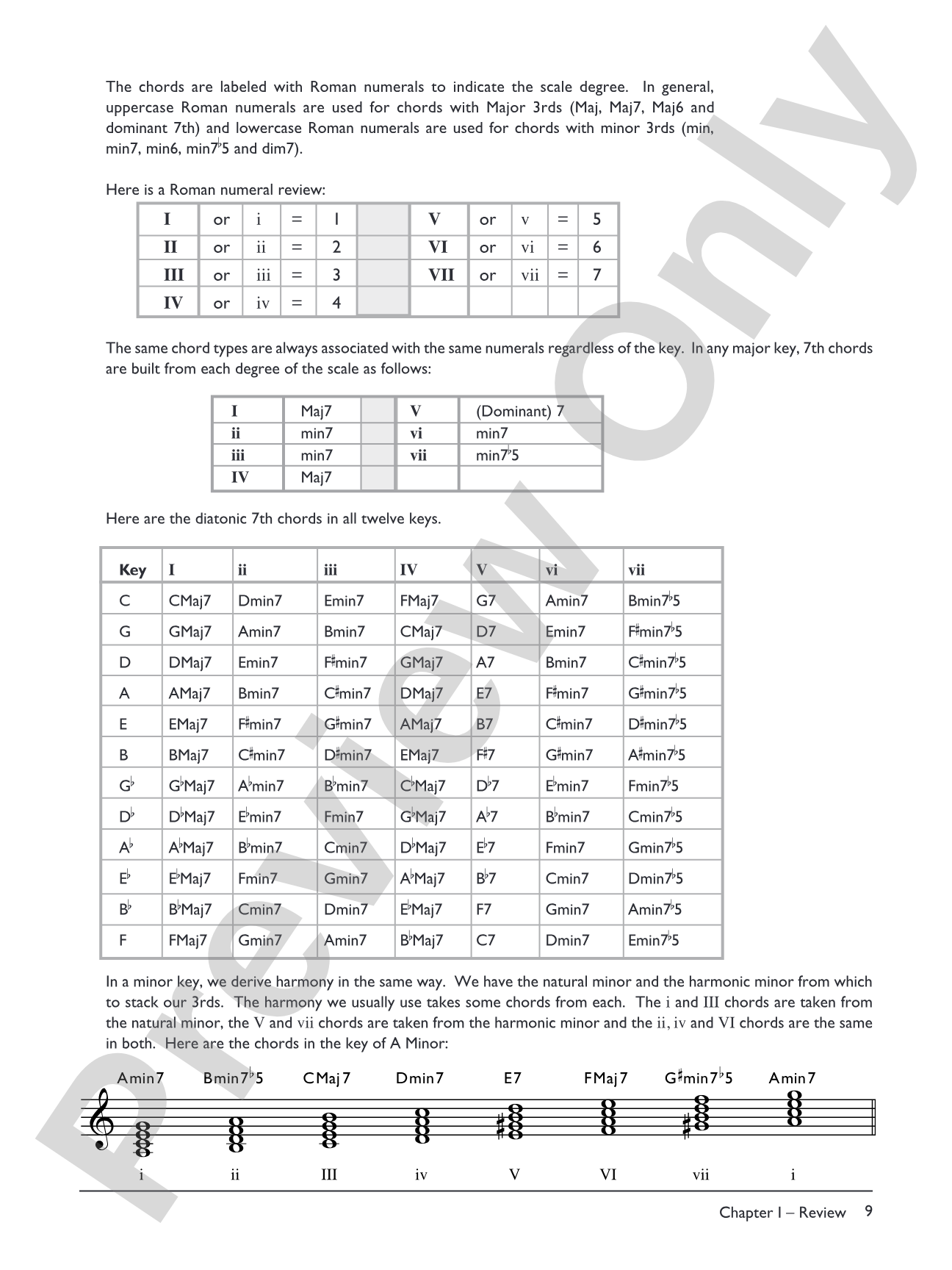
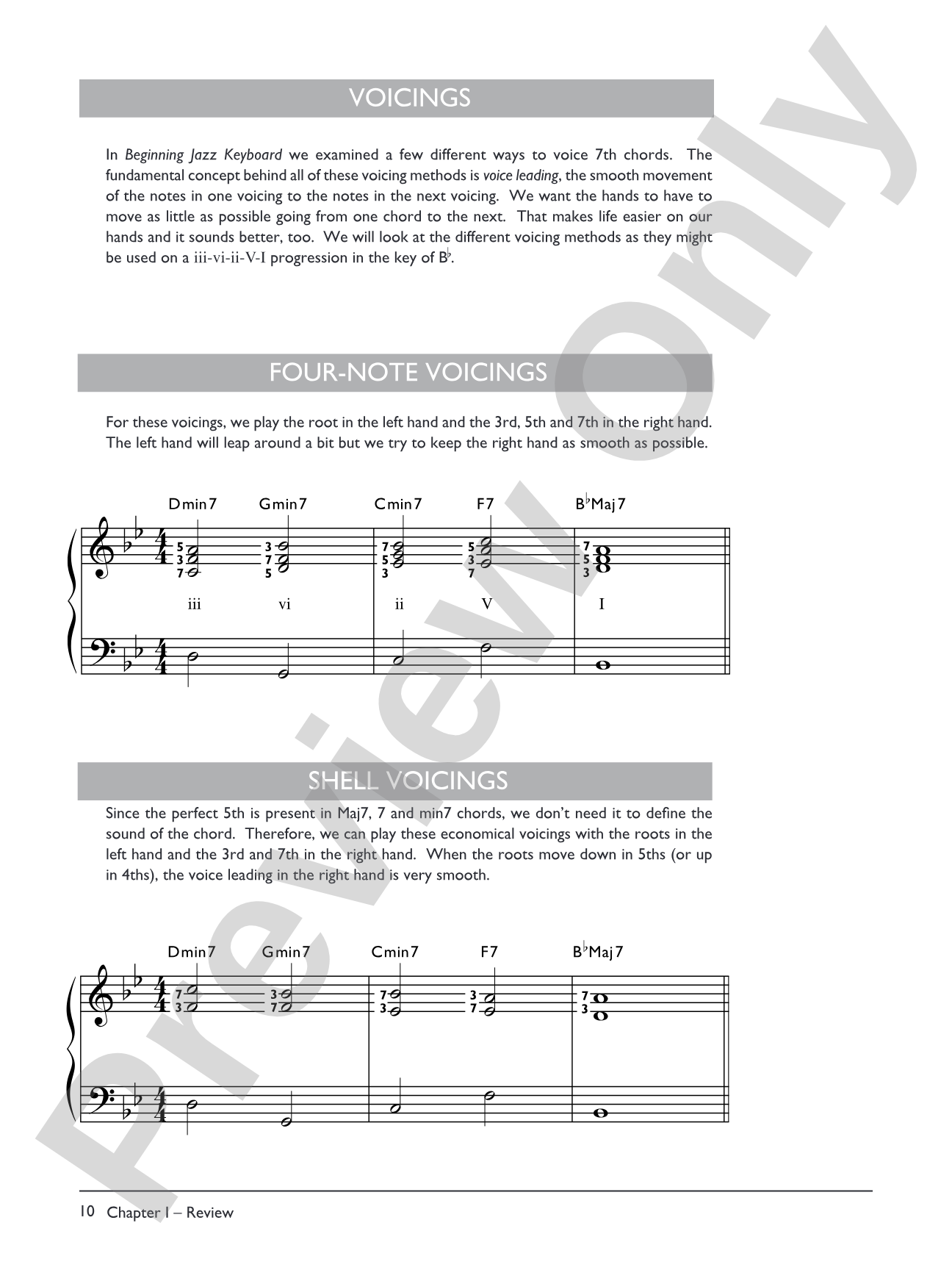
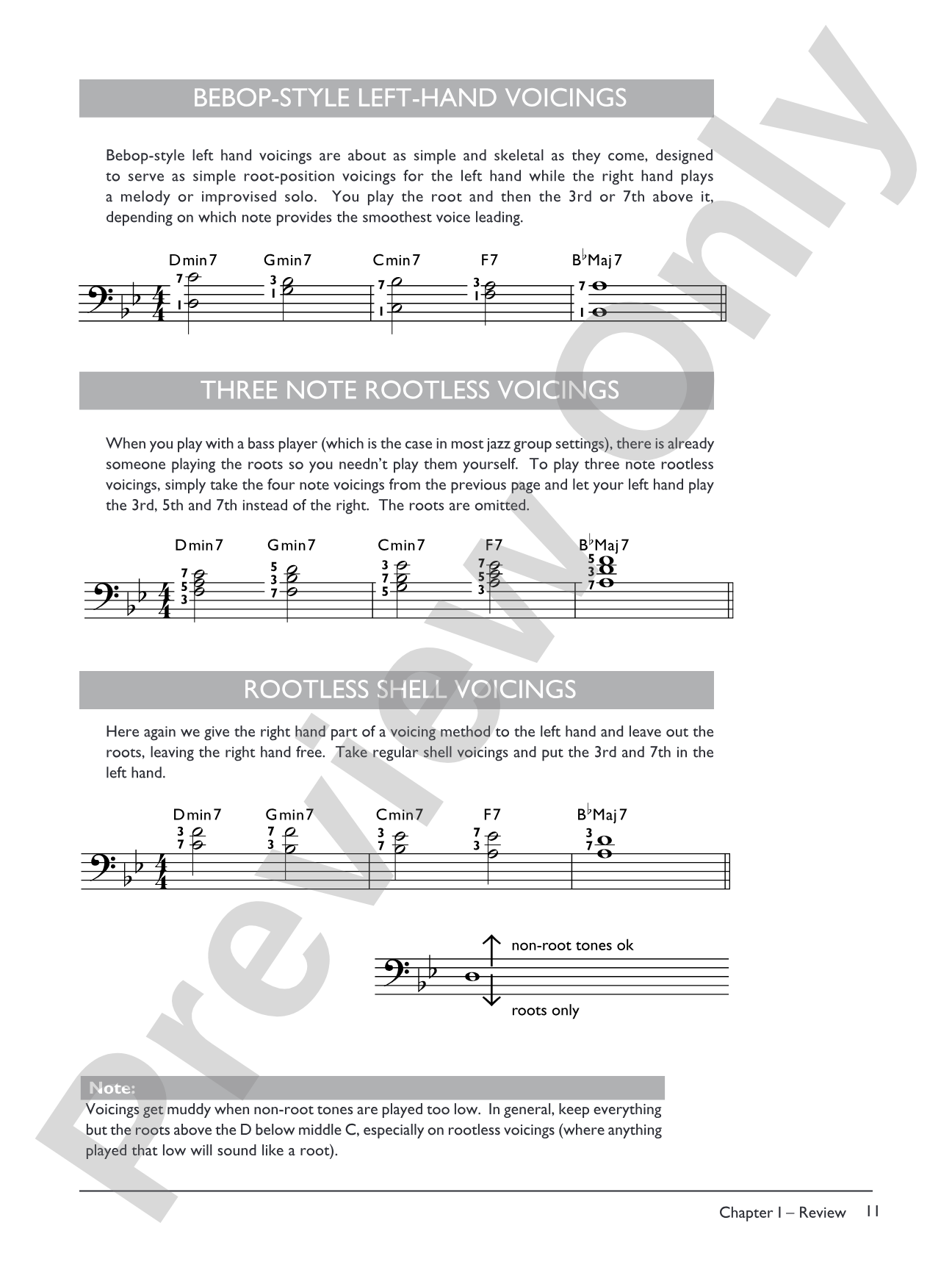
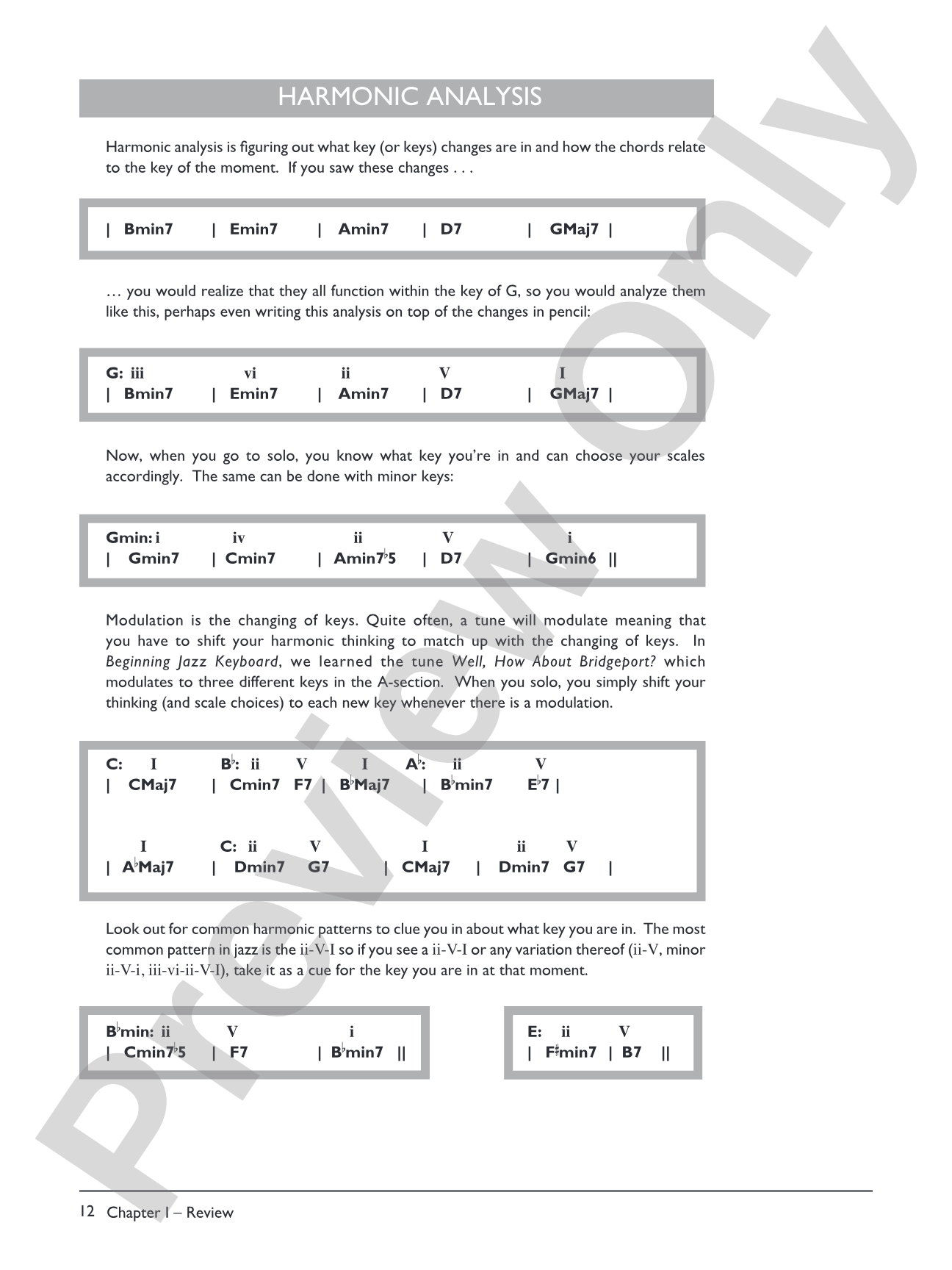
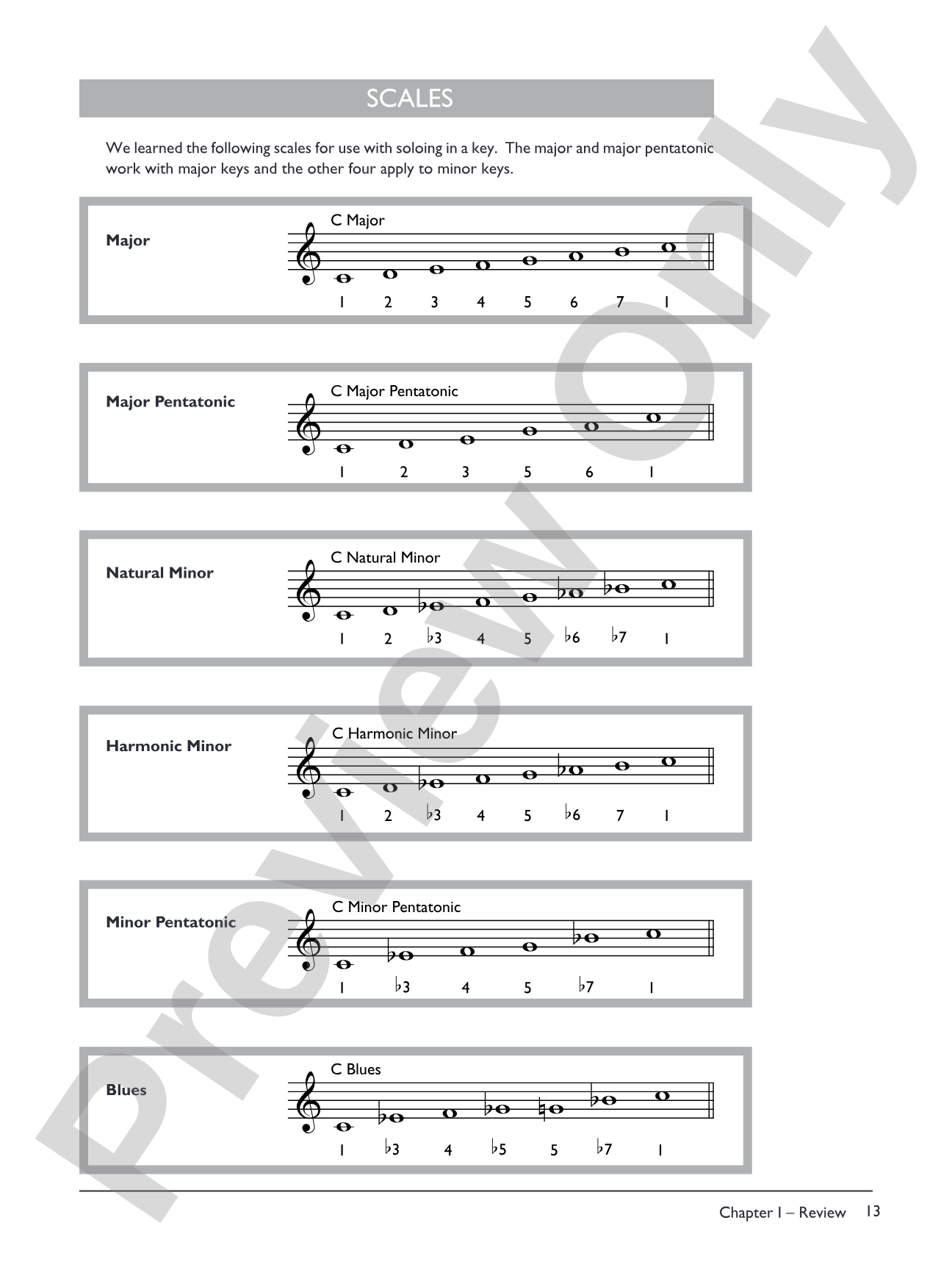
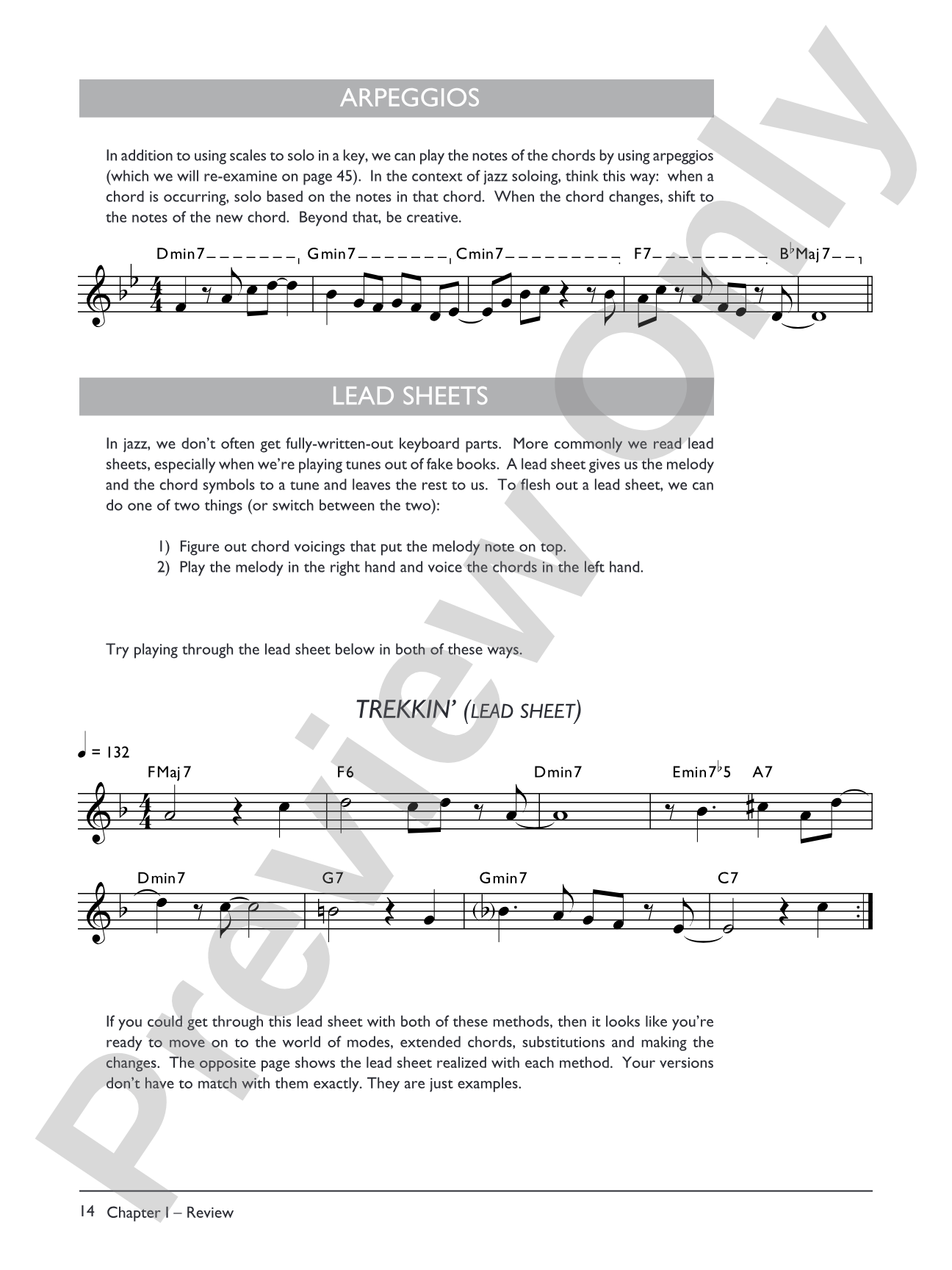
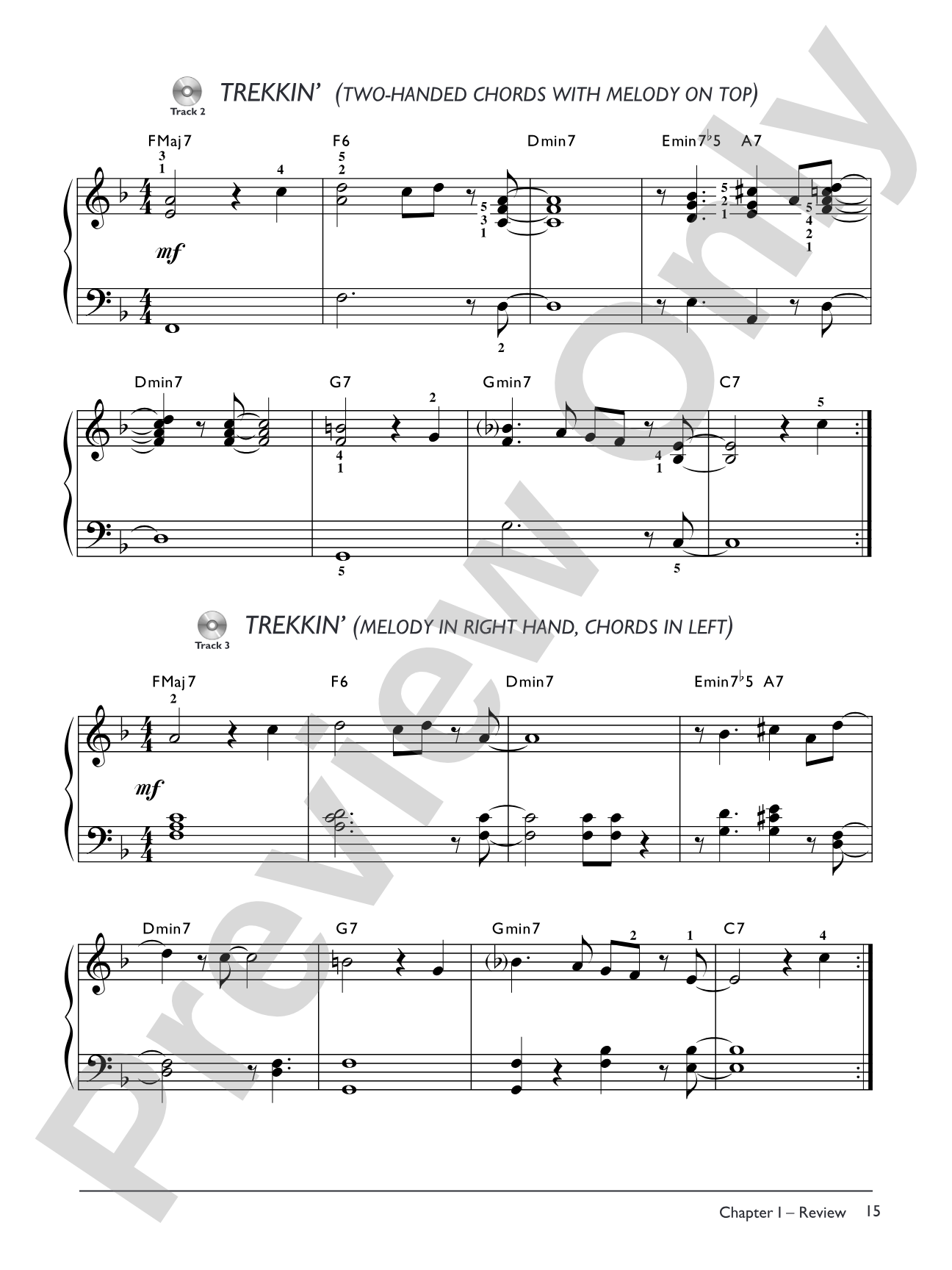
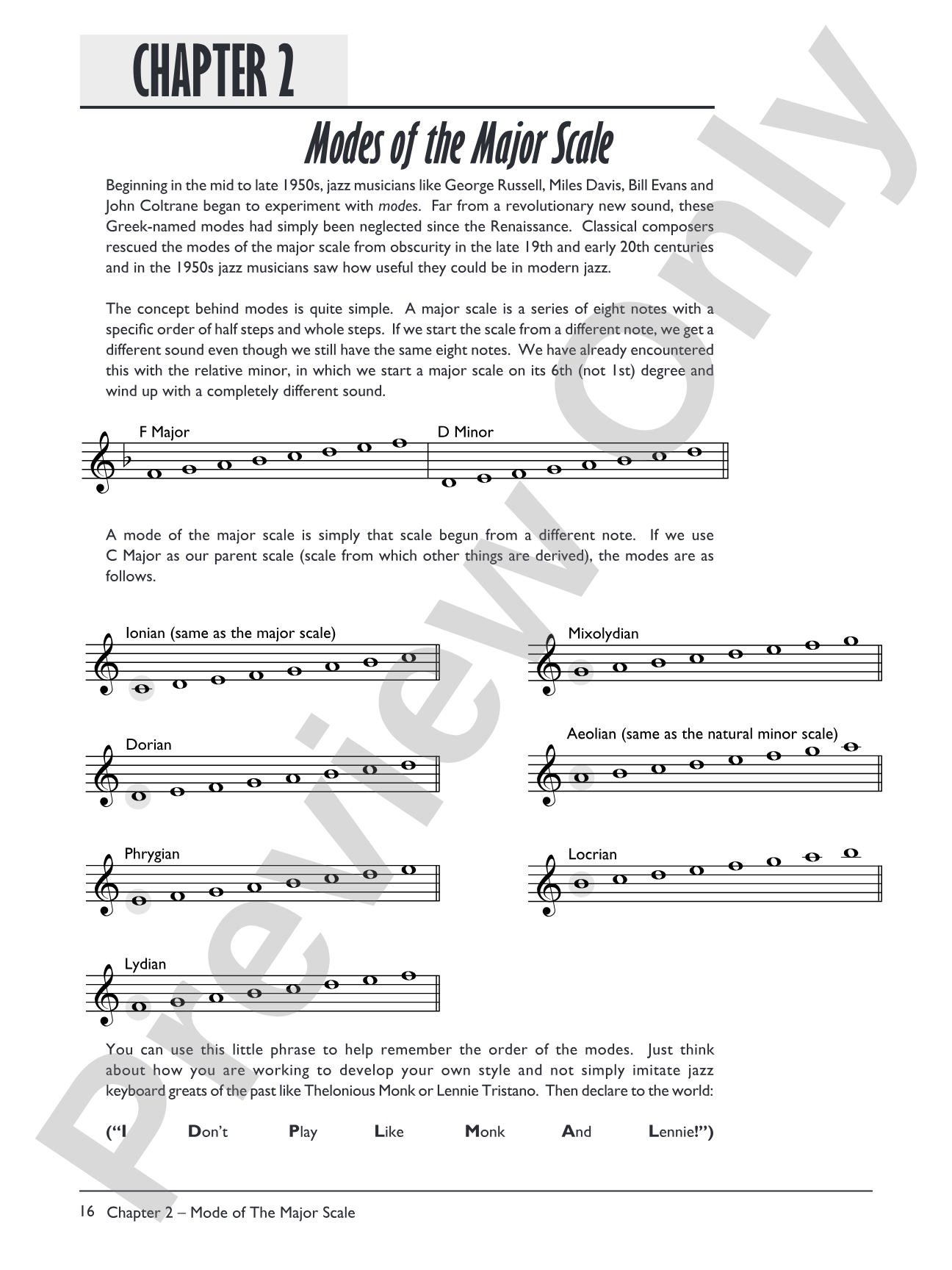
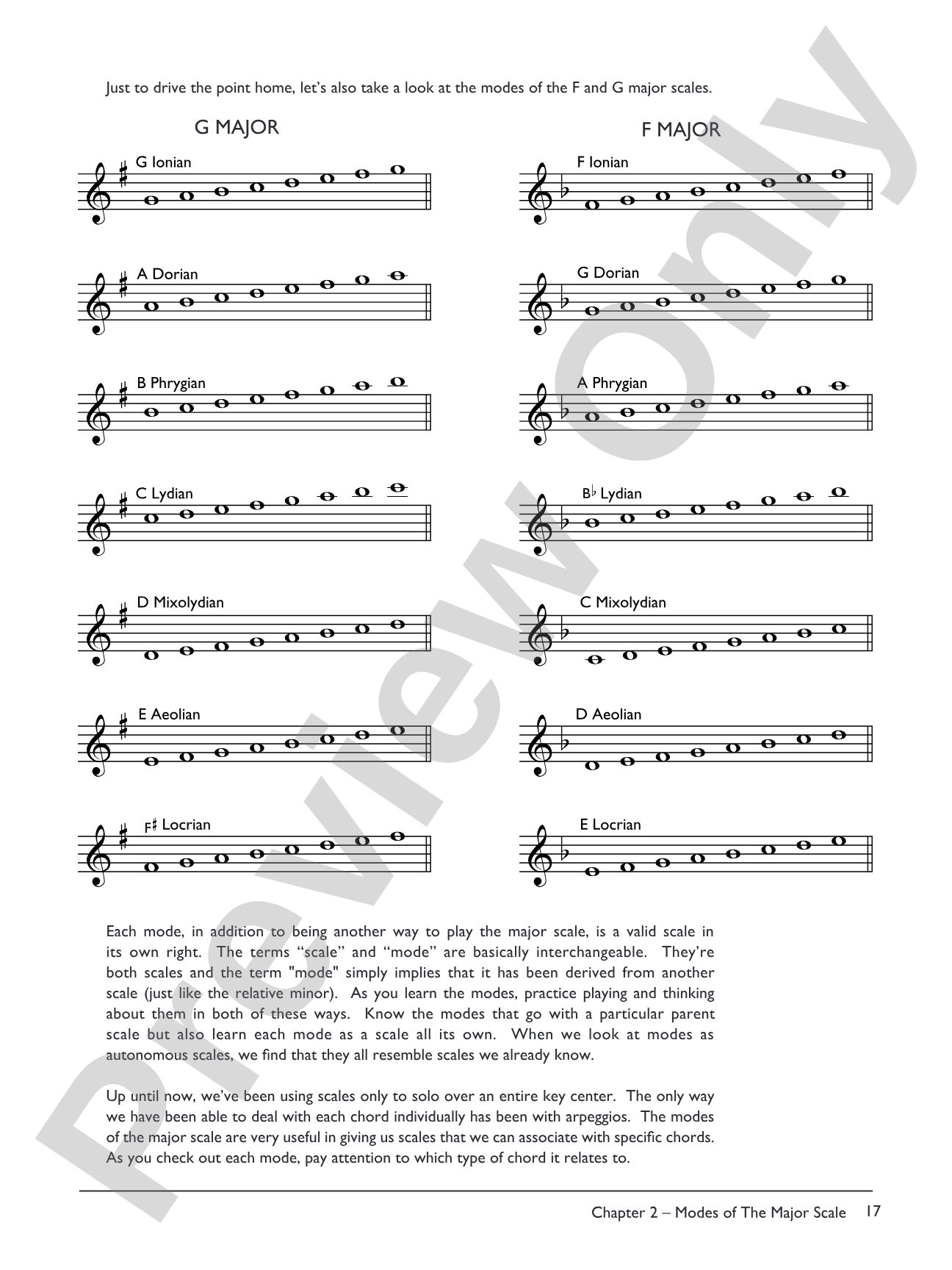
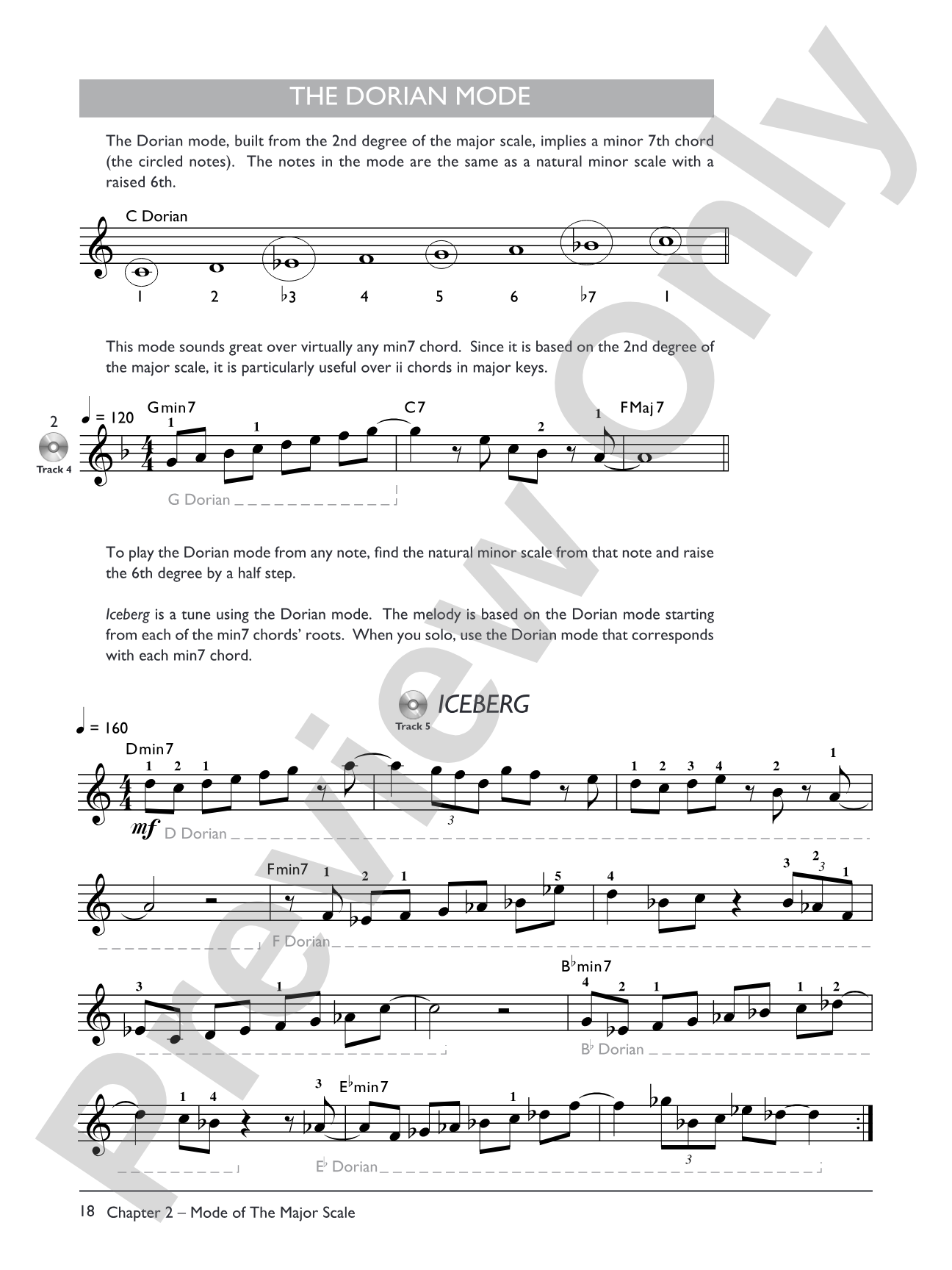
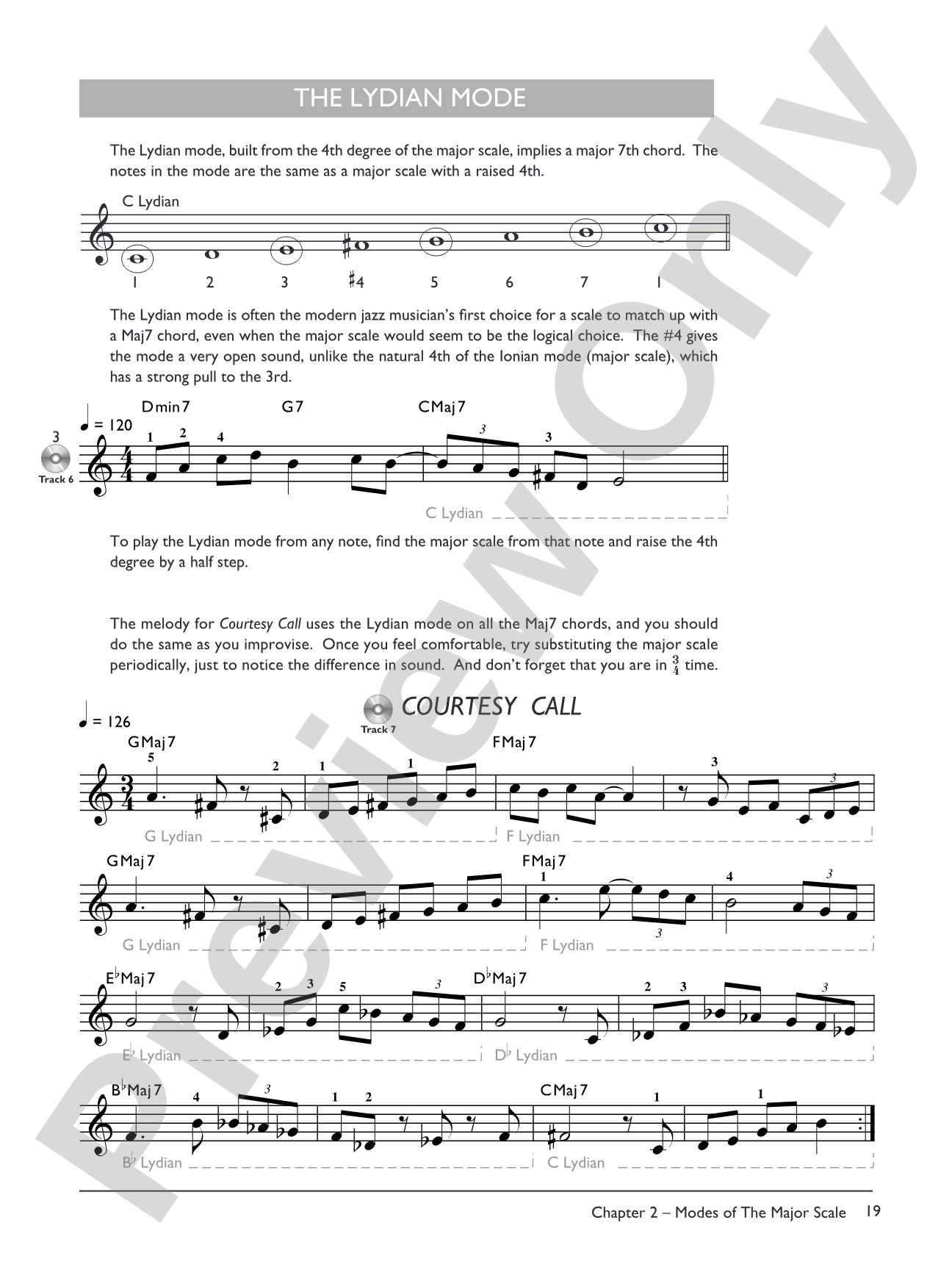
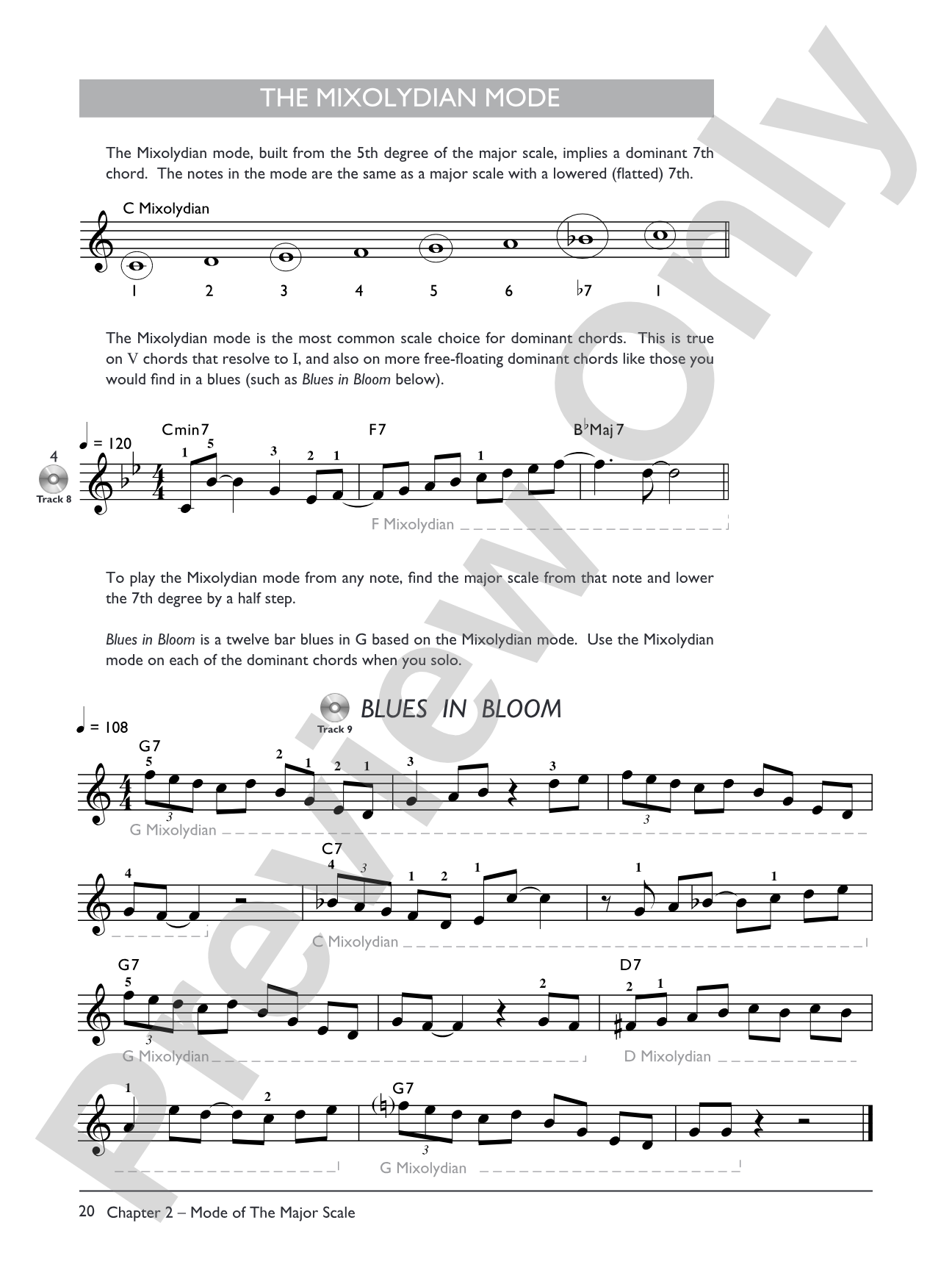
This book is great for keyboardists who have learned the basics of jazz harmony and improvisation. It introduces the modes of the major scale, chord extensions, making the changes, using chromatic and guide tones, chord substitution, "rhythm changes," the blues, altered dominant chords, and more. Continuing the format of Beginning Jazz Keyboard, new concepts are accompanied by etudes and songs for practice. Packed with harmony and improvisation ideas, Intermediate Jazz Keyboard is essential for any serious student of jazz keyboard.
Companion MP3 audio demonstration tracks are included and can be streamed online or downloaded.


Companion MP3 audio demonstration tracks are included and can be streamed online or downloaded.
The Complete Jazz Keyboard Method: Intermediate Jazz Keyboard: Piano isn't in MakeMusic Cloud just yet...but it could be. Let us know you'd like to see it, and you'll help shape what comes next. In the meantime, start a free trial and dive into thousands of interactive titles your students can play along with today.
Request This Title
Tell us you want it.
Start Your Free Trial
Explore everything that's ready to play right now.
Sample Audio
1
Track 14
--:--
2
Track 17
--:--
3
Track 32
--:--
4
Track 57
--:--
Track 14
0:00
0:00
Sample Video
No sample videos found.
Additional Details
Series:
Complete Method
Publisher:
Alfred Music
Page Count:
96
SKU:
00-PB-0001874
More about this title
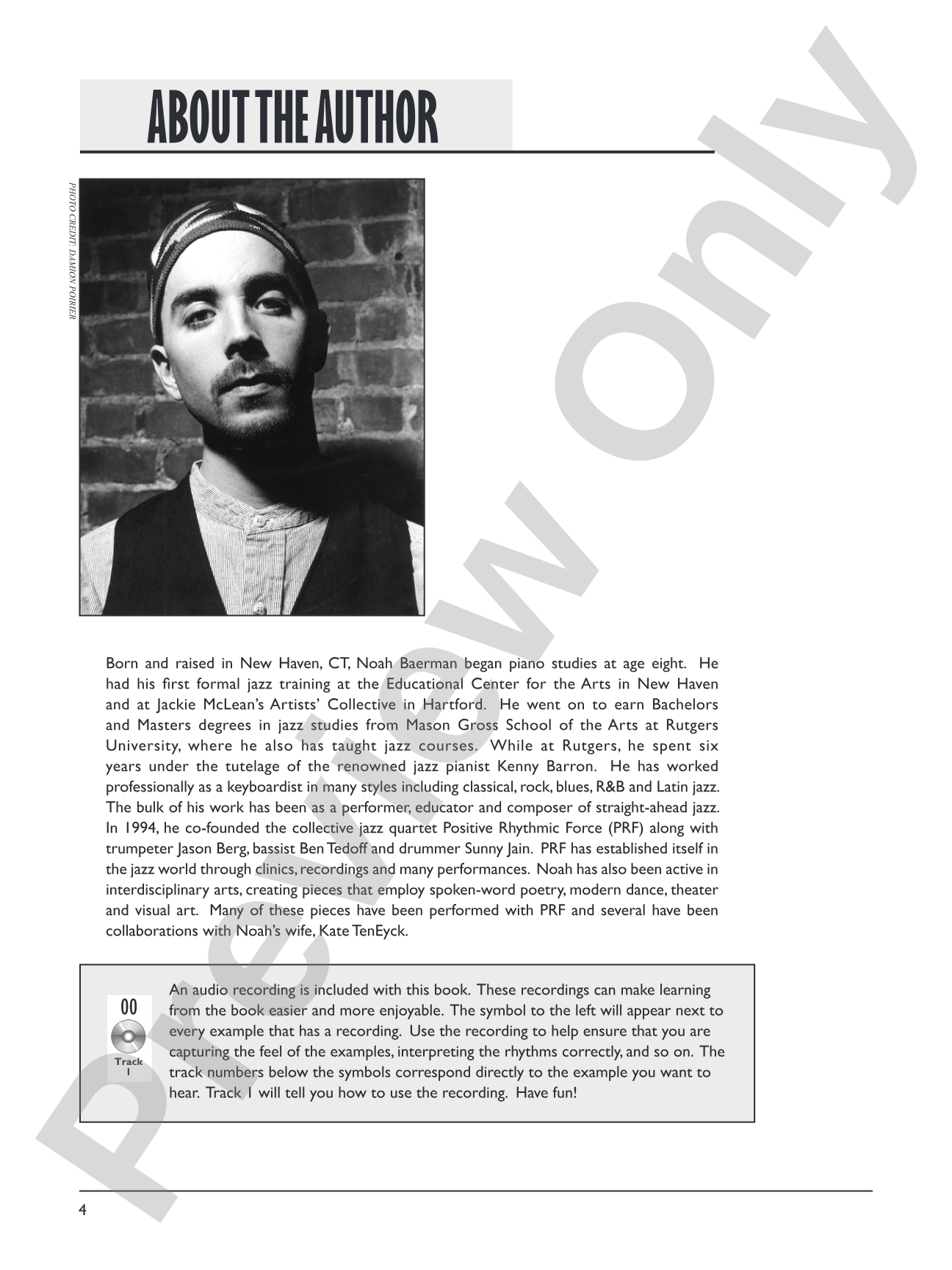
About the Composer: Noah Baerman
Noah Baerman has established himself as a thoughtful voice in jazz pedagogy, creating methods that translate the complexities of jazz harmony and improvisation into systematic, learnable steps. His approach respects the intellectual demands of jazz while remaining grounded in practical application, making sophisticated concepts accessible without oversimplifying them.
Why we love this
Baerman's intermediate book picks up exactly where beginners plateau, introducing modes and extensions without abandoning the etude-and-song format that makes learning stick. The inclusion of guide tones, chord substitution, and altered dominants reflects what working jazz pianists actually need, while the MP3 demonstrations let students hear the concepts in action rather than imagining them.
What to expect
Dense but digestible. The book unfolds like a master class in real time, moving from theoretical building blocks into songs where those concepts live. Each chapter combines the intellectual satisfaction of understanding how jazz harmony works with the tangible reward of playing something that sounds genuinely jazzy.
Who it's for
Pianists and keyboardists with foundational jazz knowledge who are ready to tackle modal improvisation, extended harmony, and the harmonic language that defines modern jazz. This works equally well for self-directed learners and students in a formal jazz curriculum.
How to get the most out of it
- Sing the guide tone lines before playing them; your ear will lock onto voice leading patterns faster than your hands will find them.
- Work through the chord substitution section slowly, playing both the original and substituted changes to internalize how they function harmonically.
- Use the recorded accompaniments at a slower tempo first, then gradually increase speed as your comping and improvisation vocabulary solidify.
- Practice the rhythm changes changes section with a metronome on 2 and 4, focusing on landing your chord changes cleanly rather than filling every space.
How to use it
Assign this progressively throughout a school year or jazz ensemble cycle, pairing the etudes with contemporary jazz standards that employ the same harmonic concepts. The chord substitution and altered dominant chapters align naturally with repertoire study, helping students understand the decisions composers and arrangers actually make.
Skills your students will build
- Playing modes of the major scale (Dorian, Phrygian, Lydian, Mixolydian, Aeolian, Locrian) in improvisation
- Recognizing and using chord extensions (9ths, 11ths, 13ths) in voicings and comping
- Navigating changes using chromatic and guide tone lines
- Executing diatonic and tritone chord substitutions
- Improvising over rhythm changes changes
- Blues voicing and melodic improvisation
- Altered dominant chord applications in harmonic contexts