The Complete Electric Bass Method: Mastering Electric Bass Cover Image

The Complete Electric Bass Method: Mastering Electric Bass: Bass Guitar Book & Online Audio

$20.99 USD
Sale price  $20.99 USD Regular price 
Skip to product information
The Complete Electric Bass Method: Mastering Electric Bass Cover Image

The Complete Electric Bass Method: Mastering Electric Bass: Bass Guitar Book & Online Audio

By David Overthrow

Item: 00-19356

$20.99
Shipped

One moment…

Description
The conclusion to this power-packed electric bass method begins with a brief review of important concepts from the intermediate book. Designed to guide the student into high-level bass playing, this book makes advanced concepts like Rhythm Changes, tritone substitution, odd time signatures and chord playing easy to understand. Includes a study of Latin grooves, reggae, ska and advanced funk bass lines. Also covered are topics such as improvisation (soloing) and practicing. The perfect launching pad into a lifetime of great bass playing.

The Complete Electric Bass Method: Mastering Electric Bass: Bass Guitar Book & Online Audio isn't in MakeMusic Cloud just yet...but it could be. Let us know you'd like to see it, and you'll help shape what comes next. In the meantime, start a free trial and dive into thousands of interactive titles your students can play along with today.

Sample Pages

Sample Audio
1 Rasta Ron --:--
2 Ska for Ma --:--

Rasta Ron

0:00
0:00
Sample Video
Additional Details
Series: Complete Method
Publisher: Alfred Music
Page Count: 96
ISBN10: 0-7390-0683-5
ISBN13: 978-0-7390-0683-2
UPC: 038081181769
SKU: 00-19356

More about this title

About the Author: David Overthrow
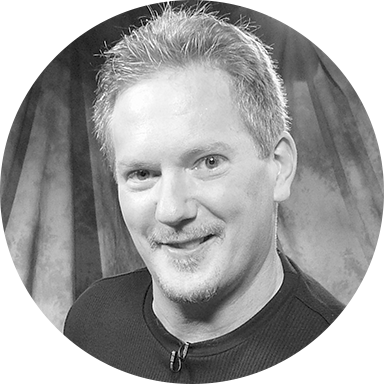
David Overthrow

David Overthrow brings nearly three decades of bass playing experience to his teaching, having served as both a performing musician and educator for over two decades. He studied with renowned bassists Bruce Gertz, Whit Brown, and John Neves at Berklee College of Music and later completed a Bachelor of Music degree at Western Connecticut State University. Since 1984, he has held a position on the bass faculty at the National Guitar Workshop, where he continues to lead seminars and teach intensives each summer.

Overthrow's work extends across multiple performance contexts, from funk and reggae to jazz and rock. He has recorded with his own band and appeared on numerous sessions across diverse styles, and has shared the stage with accomplished guitarists including Mike Stern, Larry Coryell, Frank Gambale, John Abercrombie, Trey Anastasio of Phish, and Zakk Wylde. As Director of Music and Head of Jazz Studies at the Canterbury School in Connecticut since 1985, he combines his performing career with a sustained commitment to private instruction and institutional music leadership.

Why we love this

This book meets advanced students exactly where they need to be, moving past foundational patterns into the harmonic and rhythmic complexities that separate competent bassists from inventive ones. Overthrow's grounding in both jazz and contemporary styles means the material reflects real playing demands rather than theoretical abstraction. The progression from Rhythm Changes to tritone substitution to improvisation creates a coherent pathway toward genuine musicianship.

What to expect

Moving through this book feels like gaining access to the thinking behind the music you've been learning to play. The Rhythm Changes and substitution concepts open up harmonic possibilities that suddenly make jazz standards and modern compositions more intelligible. By the end, improvisation shifts from following rules to engaging in musical conversation.

Who it's for

This book is designed for electric bass students who have completed intermediate fundamentals and are ready to tackle the harmonic depth and stylistic diversity of advanced playing. It serves players aiming toward jazz performance, session work, or simply a more sophisticated command of the instrument. The material assumes solid technical facility and reading ability.

How to get the most out of it

  • Study the Rhythm Changes section with a metronome at various tempos before applying the concepts to full accompaniment tracks. Lock the harmonic changes before adding rhythmic variations.
  • Practice the Latin, reggae, and ska grooves separately from the chord melody ideas. Get the rhythmic pocket solid first, then layer in harmonic awareness.
  • When working with the improvisation content, use the online audio to play against different chord progressions and tempos repeatedly. Repetition builds the muscle memory and harmonic instinct these concepts demand.
  • Record yourself soloing over the backing tracks at slower speeds, then gradually increase tempo. This method reveals harmonic weak spots you might miss at performance speed.

How to use it

Use this as the capstone method for advanced jazz programs or as a self-directed resource for serious students preparing for college auditions or professional gigging. The stylistic breadth (Latin, reggae, ska, funk) makes it equally valuable for students in contemporary music tracks who need harmonic sophistication alongside groove literacy. Pair it with live performance opportunities that demand both soloing and comping skills.

Skills your students will build

  • Harmonic analysis and tritone substitution in jazz contexts
  • Rhythm Changes and their applications across tempos and styles
  • Reading and executing odd time signatures on bass
  • Soloing and improvisation over changes
  • Latin, reggae, ska, and advanced funk groove construction
  • Chord melody and comping techniques
  • Structured practice approaches for mastering advanced concepts

You May Also Like