The Complete Electric Bass Method: Mastering Electric Bass Cover Image

The Complete Electric Bass Method: Mastering Electric Bass: Bass Guitar Book

$13.99 USD
Sale price  $13.99 USD Regular price 
Skip to product information
The Complete Electric Bass Method: Mastering Electric Bass Cover Image

The Complete Electric Bass Method: Mastering Electric Bass: Bass Guitar Book

By David Overthrow

Item: 00-19355

$13.99
Shipped

One moment…

Description
The conclusion to this power-packed electric bass method begins with a brief review of important concepts from the intermediate book. Designed to guide the student into high-level bass playing, this book makes advanced concepts like Rhythm Changes, tritone substitution, odd time signatures and chord playing easy to understand. Includes a study of Latin grooves, reggae, ska and advanced funk bass lines. Also covered are topics such as improvisation (soloing) and practicing. The perfect launching pad into a lifetime of great bass playing.

The Complete Electric Bass Method: Mastering Electric Bass: Bass Guitar Book isn't in MakeMusic Cloud just yet...but it could be. Let us know you'd like to see it, and you'll help shape what comes next. In the meantime, start a free trial and dive into thousands of interactive titles your students can play along with today.

Sample Pages

No sample pages found.

Sample Audio
No sample audio found.
Sample Video
Additional Details
Series: Complete Method
Publisher: Alfred Music
Page Count: 96
ISBN10: 0-7390-0682-7
ISBN13: 978-0-7390-0682-5
UPC: 038081181752
SKU: 00-19355

More about this title

About the Author: David Overthrow
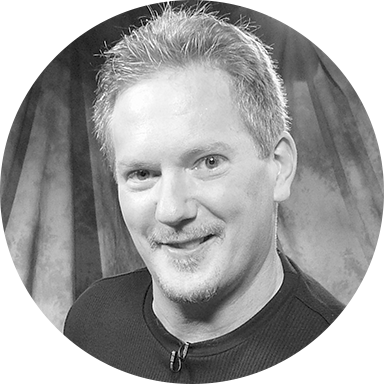
David Overthrow

David Overthrow has spent nearly three decades mastering the electric bass, with more than 20 years of experience both performing and teaching. He studied at Berklee College of Music in Boston under Bruce Gertz, Whit Brown, and John Neves, and earned his Bachelor of Music Degree from Western Connecticut State University. Since 1985, he has served as Director of Music and Head of Jazz Studies at the Canterbury School in New Milford, Connecticut, while also maintaining a private teaching studio.

Overthrow has been a faculty member at the National Guitar Workshop since its founding in 1984, leading bass seminars and teaching intensives each summer. His recording credits span funk, jazz, rock, and reggae styles, and he has performed alongside respected musicians including Mike Stern, Larry Coryell, Frank Gambale, John Abercrombie, Trey Anastasio, and Zakk Wylde. For more information, visit www.daveoverthrow.com.

Why we love this

This advanced installment builds on genuine teaching experience at both the secondary and higher education levels, grounded in real performance demands. Overthrow tackles genuinely challenging material—Rhythm Changes, tritone substitutions, mixed meters—without oversimplifying, which means students encounter the language they'll hear in actual jazz sessions and professional gigs. The inclusion of Latin grooves, reggae, ska, and funk alongside jazz harmony reflects the breadth of work required from contemporary bass players.

What to expect

Working through this material feels like a series of invitations into real bass player conversations. You move from understanding how chords function in jazz contexts to actually soloing over them; from reading about grooves to commanding them across multiple styles. The progression from review into advanced concepts gives you solid footing before tackling the high-wire work of improvisation.

Who it's for

This book is designed for students who have completed the intermediate volume and are ready to engage with jazz harmony, advanced grooves, and improvisation at a serious level. It serves bass players preparing for college auditions, those pursuing work in jazz and contemporary settings, and self-taught musicians looking to fill gaps in their harmonic and stylistic vocabulary.

How to get the most out of it

  • Spend time learning the groove vocabulary before moving to harmonic concepts; rhythm and feel always come first in electric bass playing.
  • Record yourself playing the chord changes and grooves, then listen back for pocket and consistency rather than speed.
  • Work through the odd time signatures slowly with a metronome set to the subdivisions, not the downbeat, to internalize the pulse.
  • Study the improvisation section by learning transcribed bass lines from recordings, not just reading the written examples.

How to use it

Use this as the capstone method text for a secondary school jazz bass program or as a college preparatory resource for students auditioning for music programs. It also serves as a resource for private bass instructors working with advanced students who need systematic coverage of harmony and improvisation. Teachers can extract individual chapters on Latin grooves or funk lines to supplement ensemble rehearsals.

Skills your students will build

  • Reading and playing Rhythm Changes changes and tritone substitutions
  • Playing bass lines in odd time signatures (mixed meters)
  • Soloing and improvisation over jazz chord progressions
  • Executing Latin grooves, reggae, ska, and advanced funk bass lines
  • Understanding chord voicings and their application in various styles
  • Developing practice habits and strategies for mastery

You May Also Like