

The Collegiate: Concert Band Conductor Score & Parts
By David Martyn
Grade: 1 (Very Easy)
Item: 00-PK-0006155

$48.00
Pickup currently not available
Buy Extra Parts (Digital PDF Download)
| Product | Price | Quantity |
|---|---|---|
| The Collegiate: Score | $6.00 | |
| The Collegiate: Flute | $3.00 | |
| The Collegiate: Oboe | $3.00 | |
| The Collegiate: 1st B-flat Clarinet | $3.00 | |
| The Collegiate: 2nd B-flat Clarinet | $3.00 | |
| The Collegiate: B-flat Bass Clarinet | $3.00 | |
| The Collegiate: E-flat Alto Saxophone | $3.00 | |
| The Collegiate: B-flat Tenor Saxophone | $3.00 | |
| The Collegiate: E-flat Baritone Saxophone | $3.00 | |
| The Collegiate: 1st B-flat Trumpet | $3.00 | |
| The Collegiate: 2nd B-flat Trumpet | $3.00 | |
| The Collegiate: 1st F Horn | $3.00 | |
| The Collegiate: 1st Trombone | $3.00 | |
| The Collegiate: Baritone T.C. | $3.00 | |
| The Collegiate: Tuba | $3.00 | |
| The Collegiate: Bells | $3.00 | |
| The Collegiate: 1st Percussion | $3.00 |
Parts Added to Cart!
Description
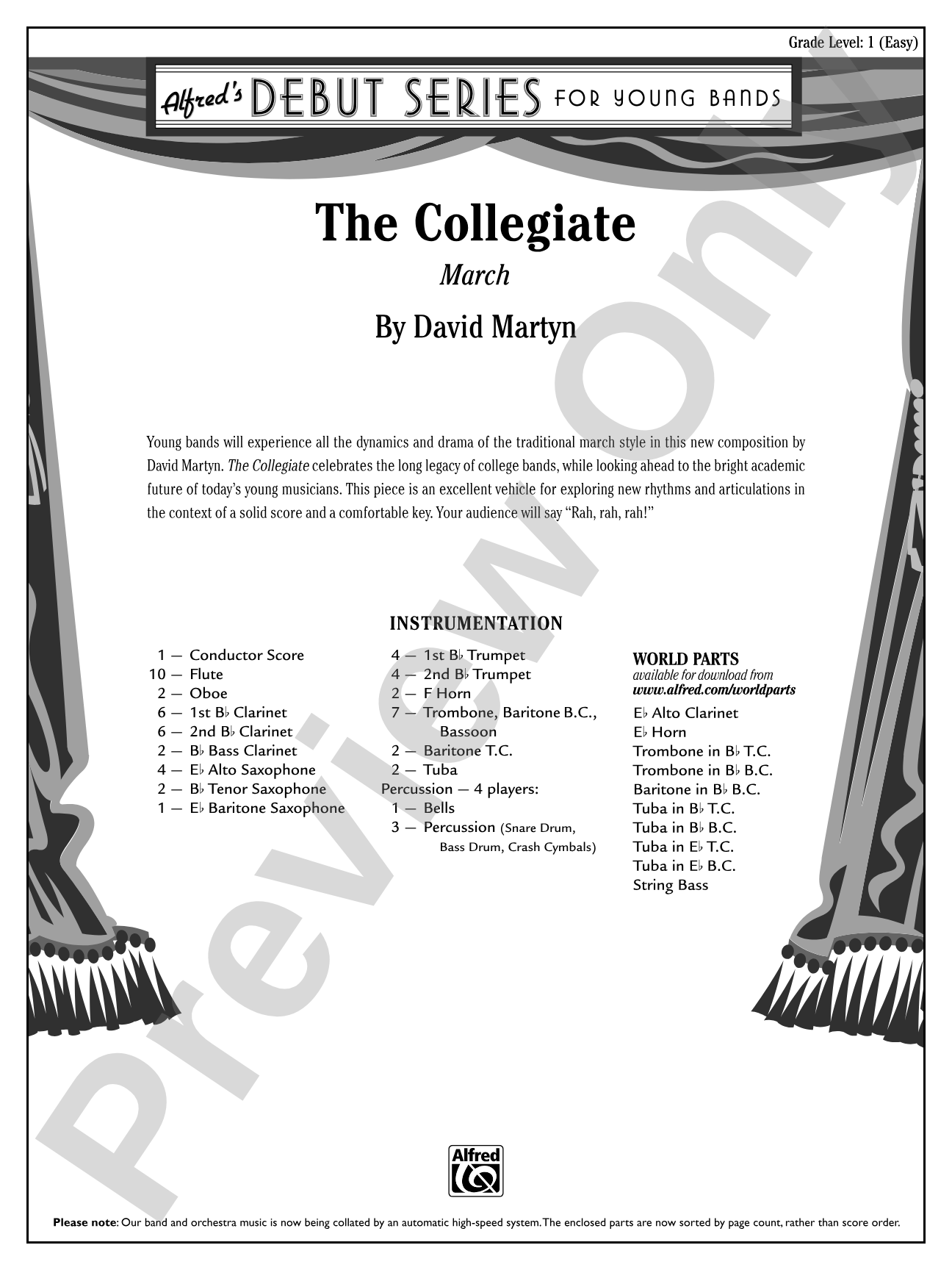
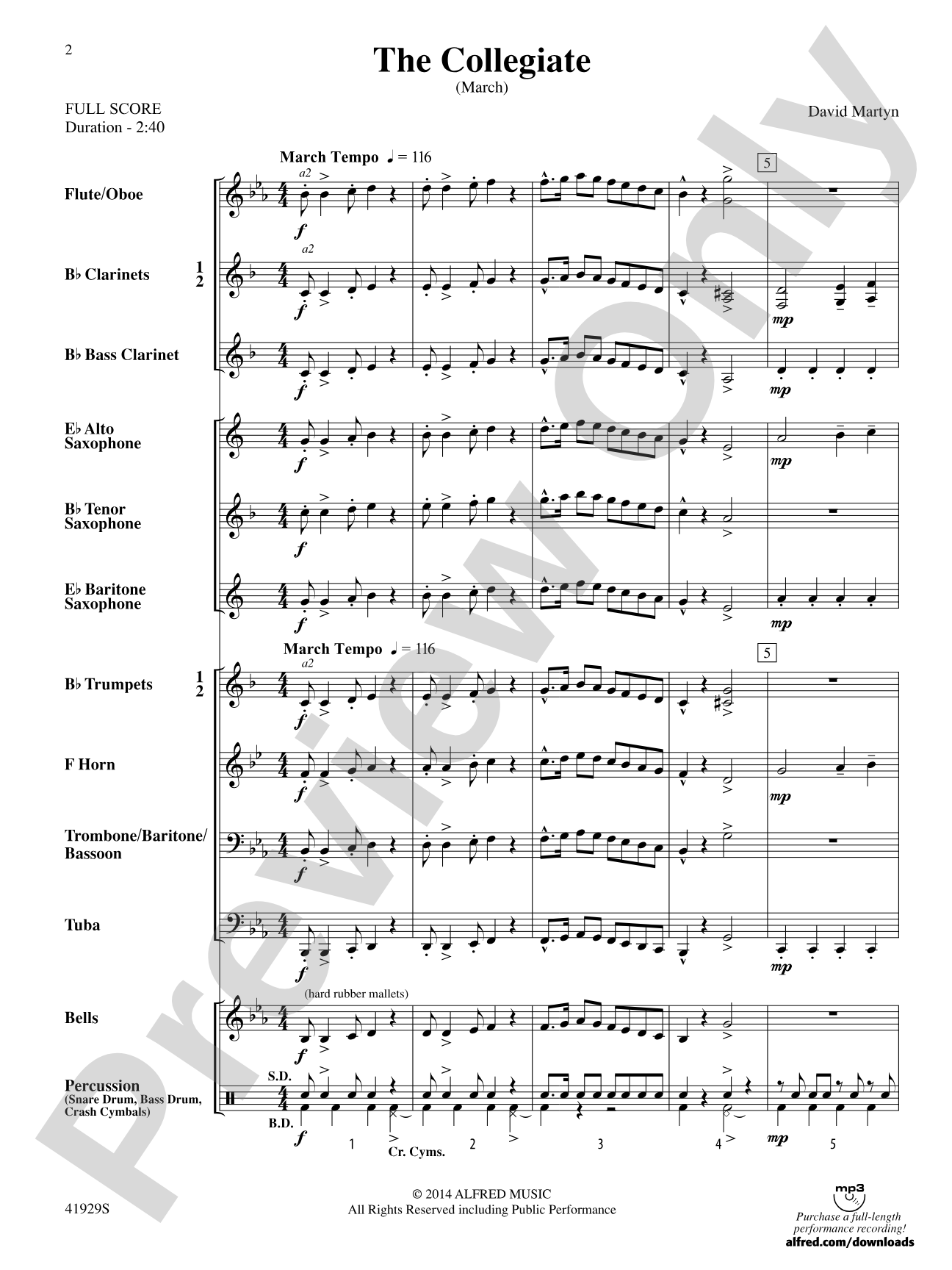
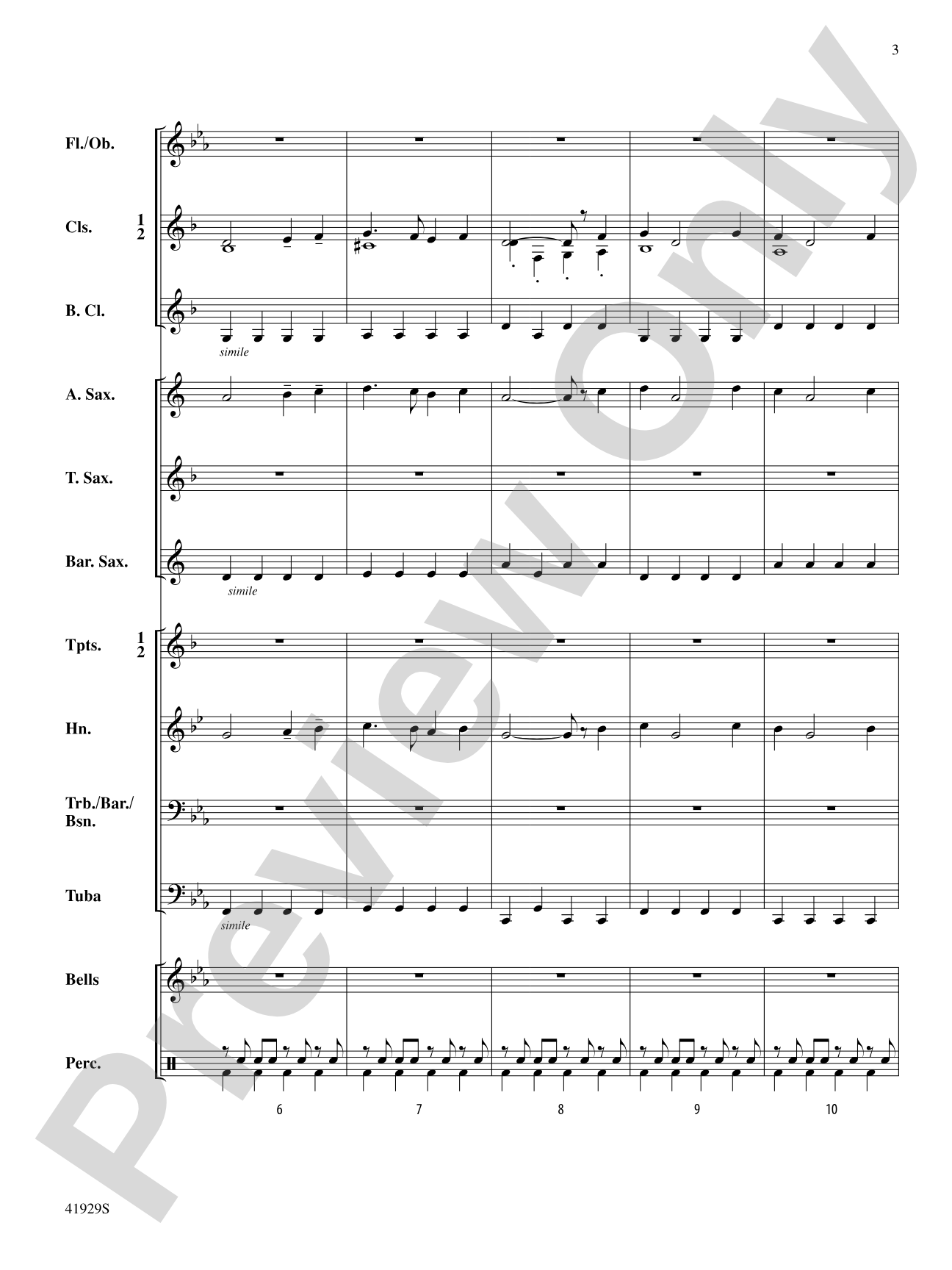
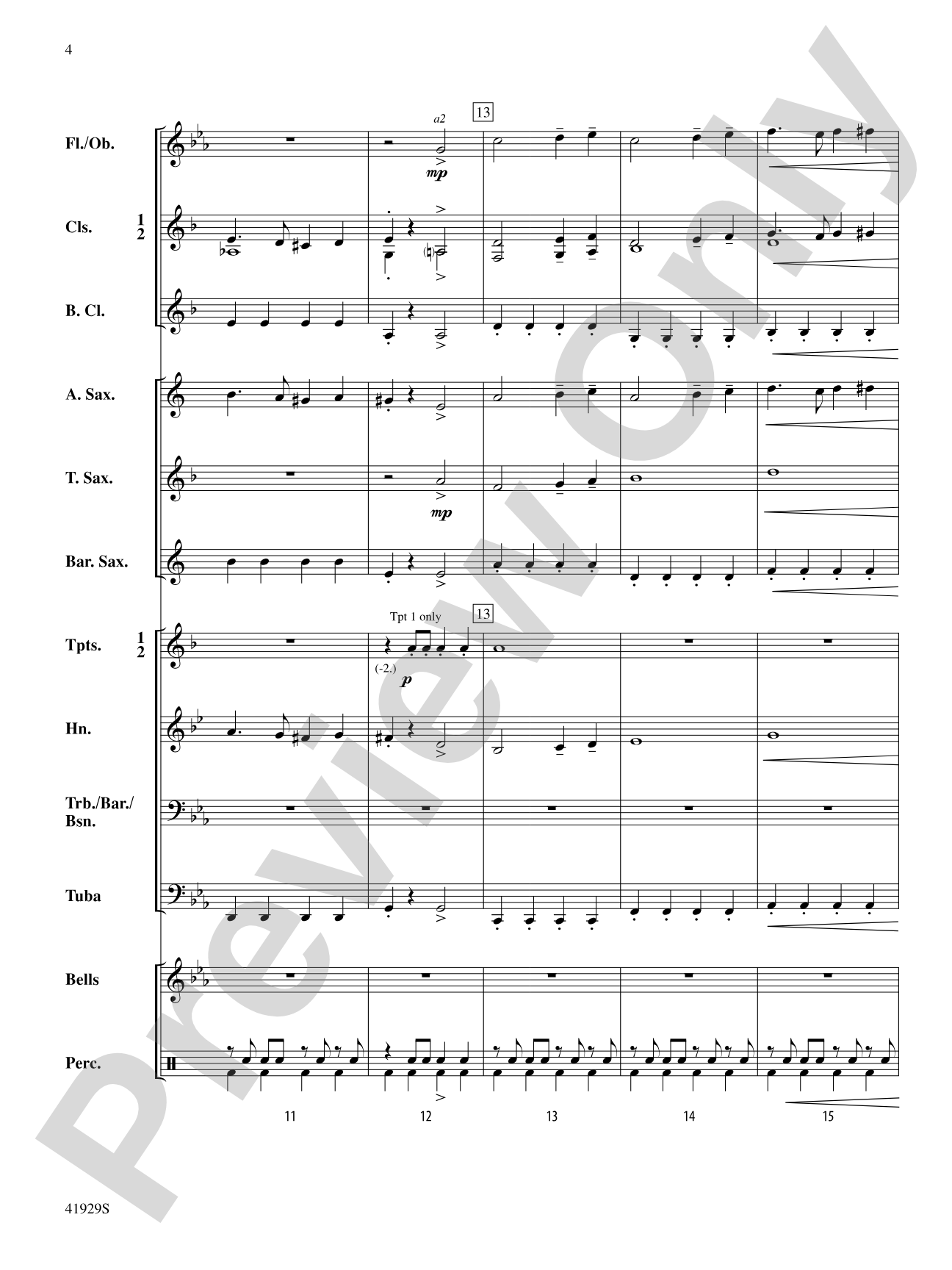
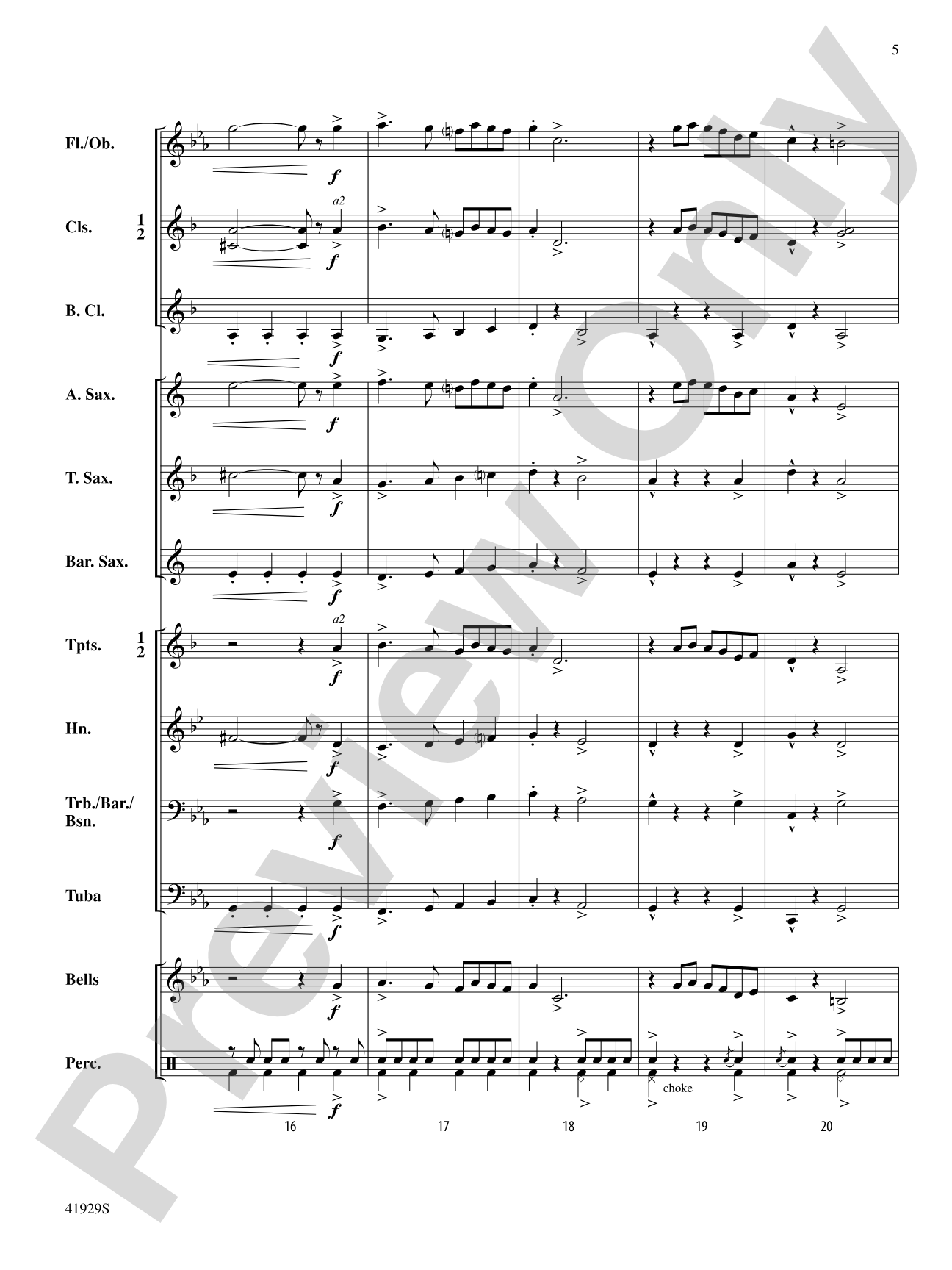
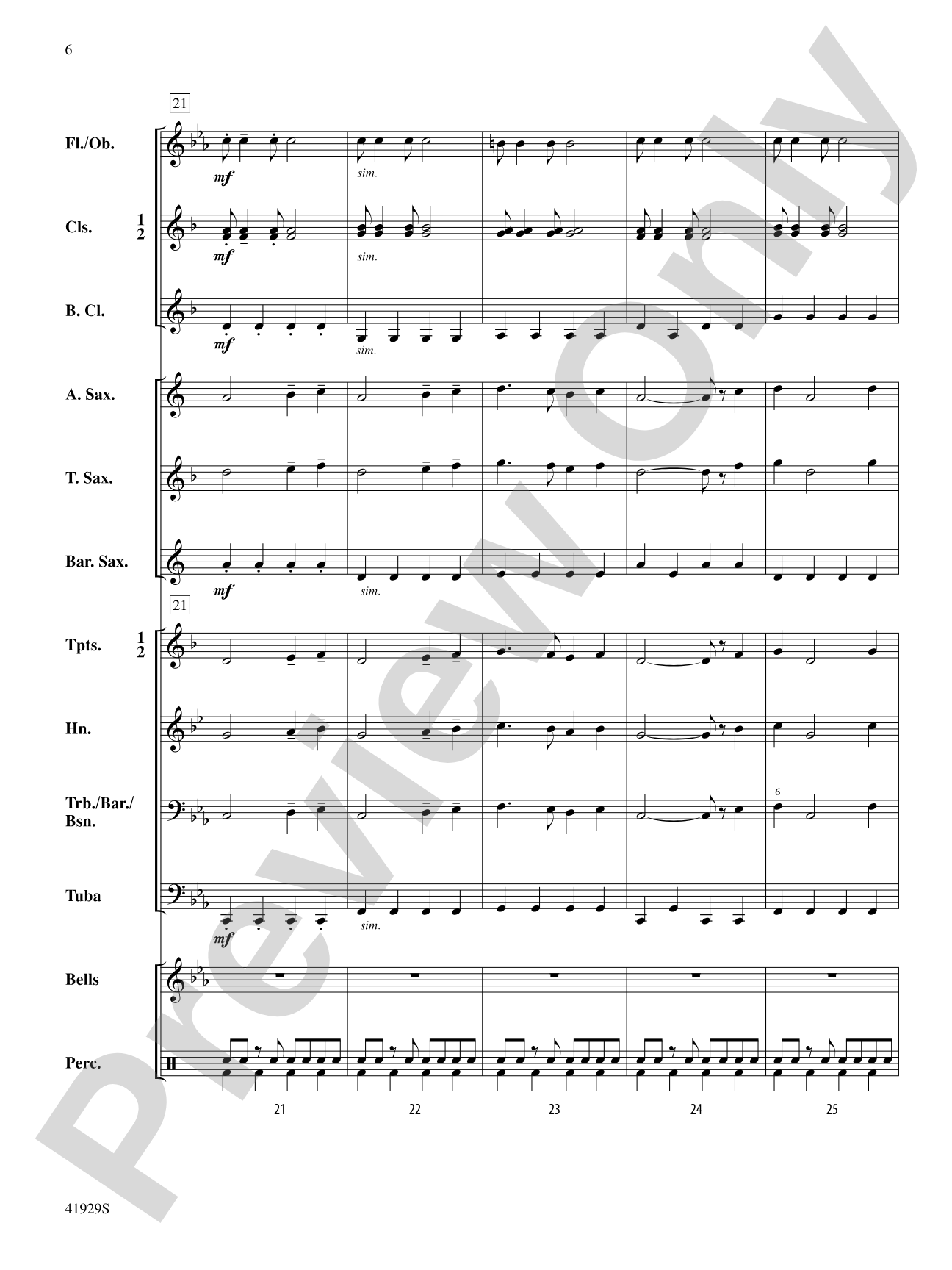
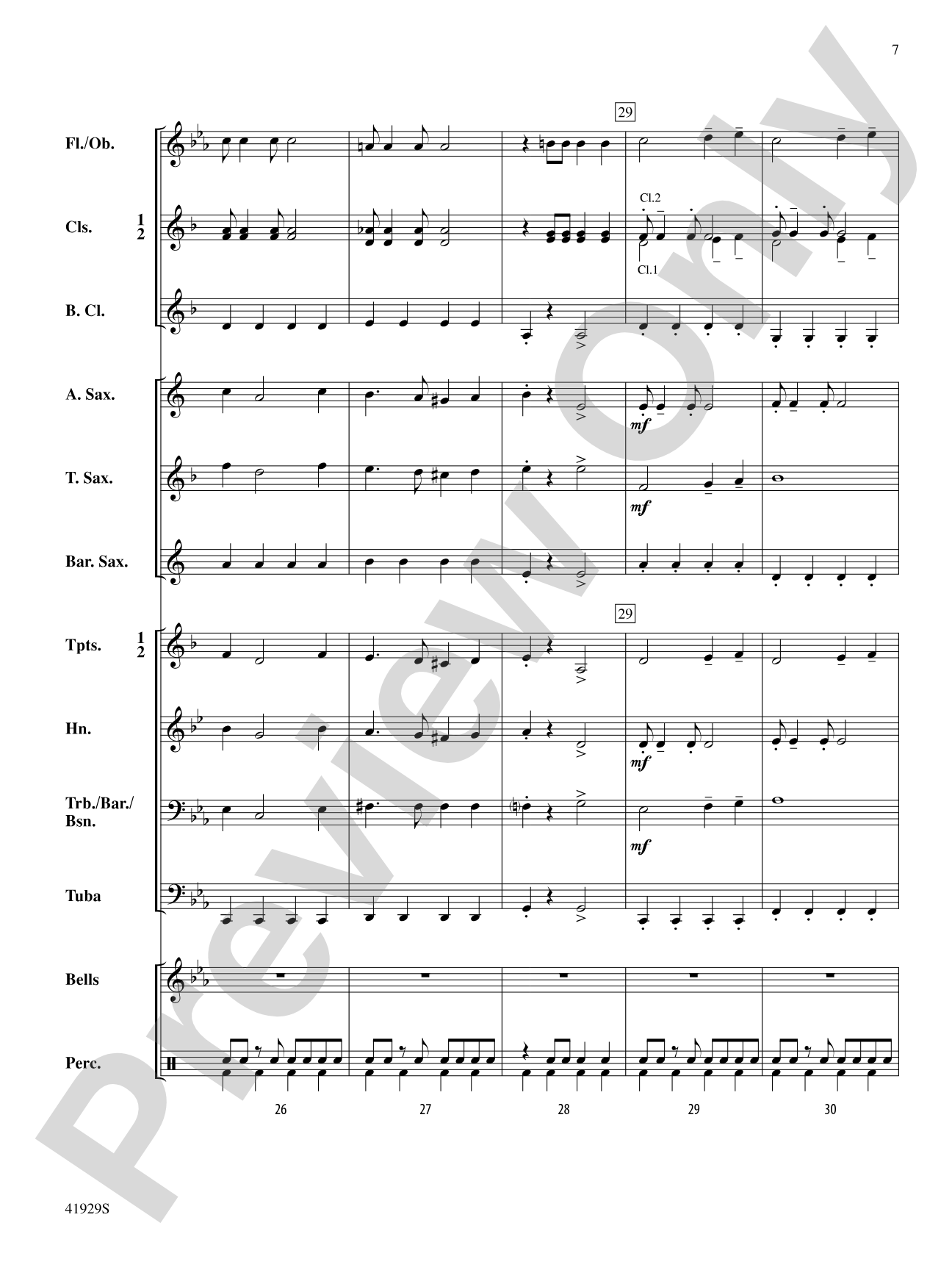
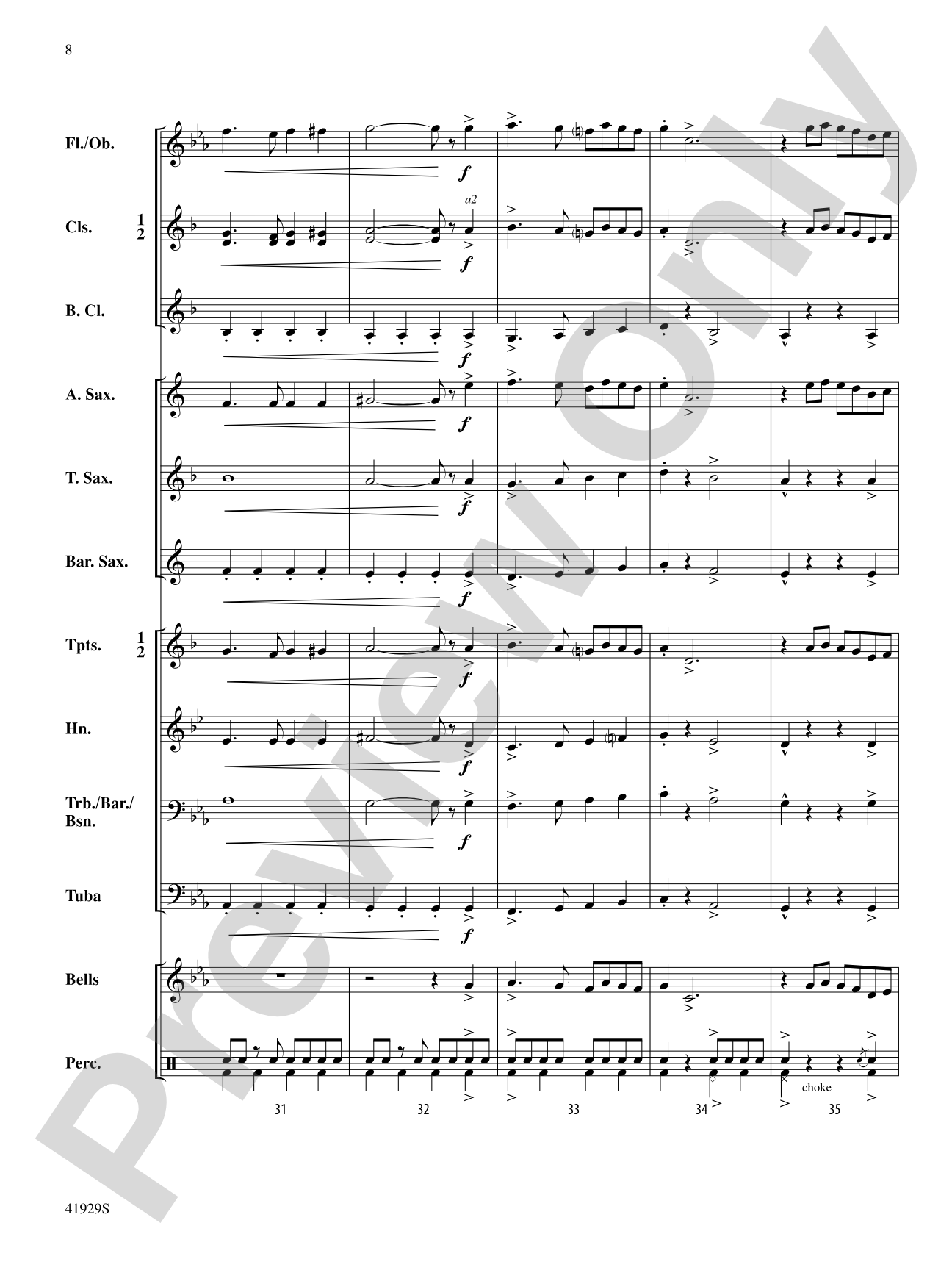
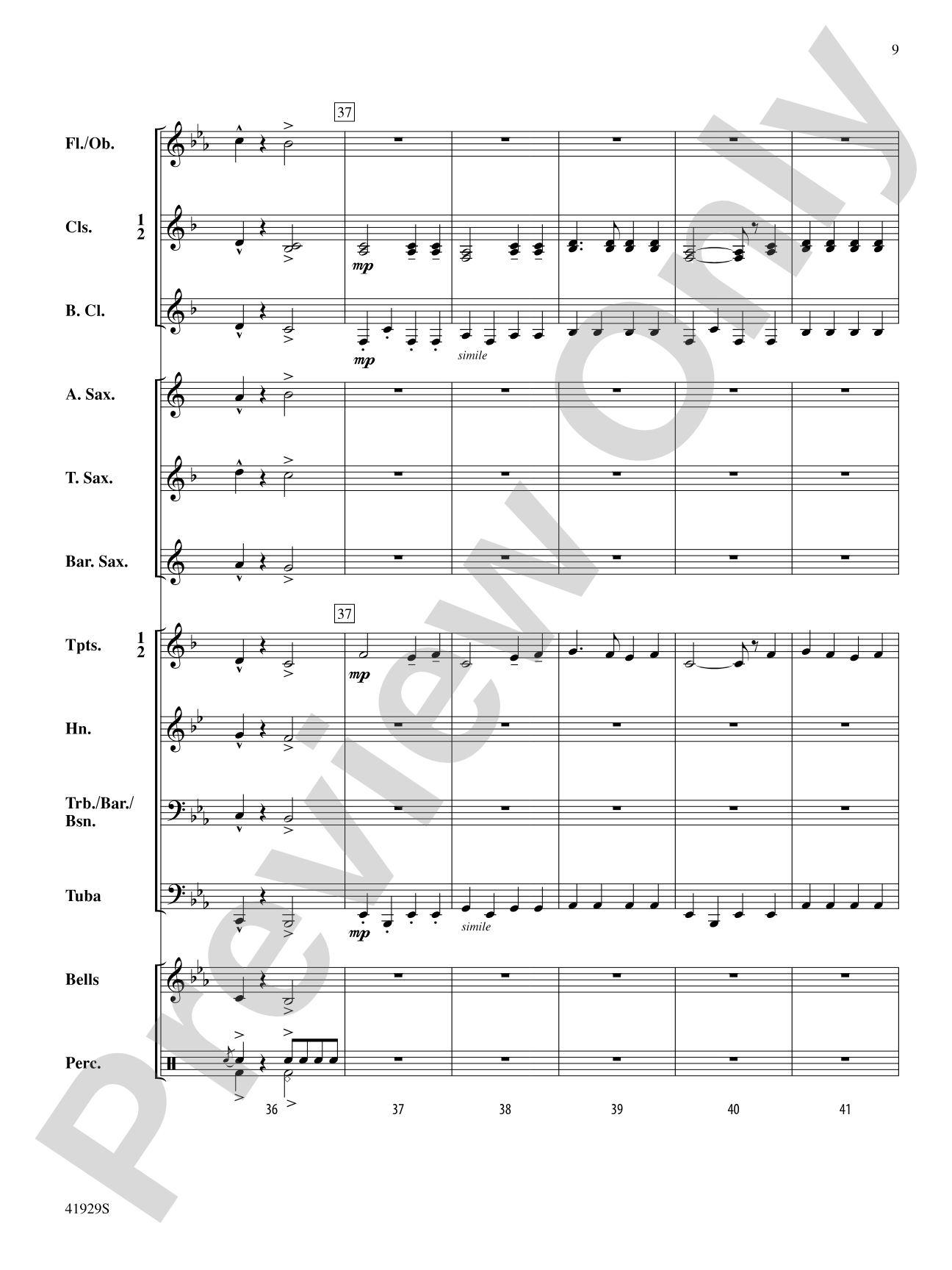
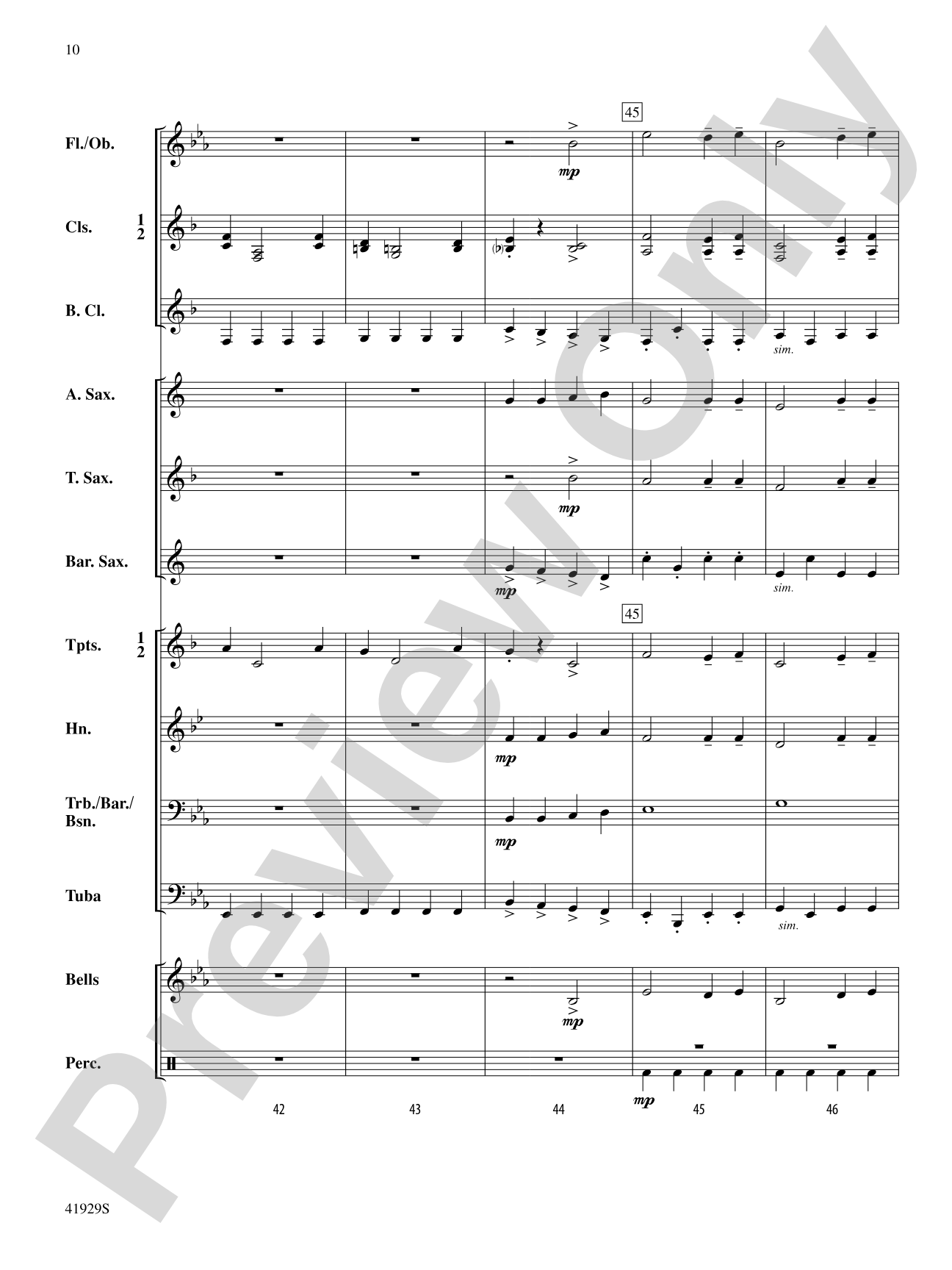
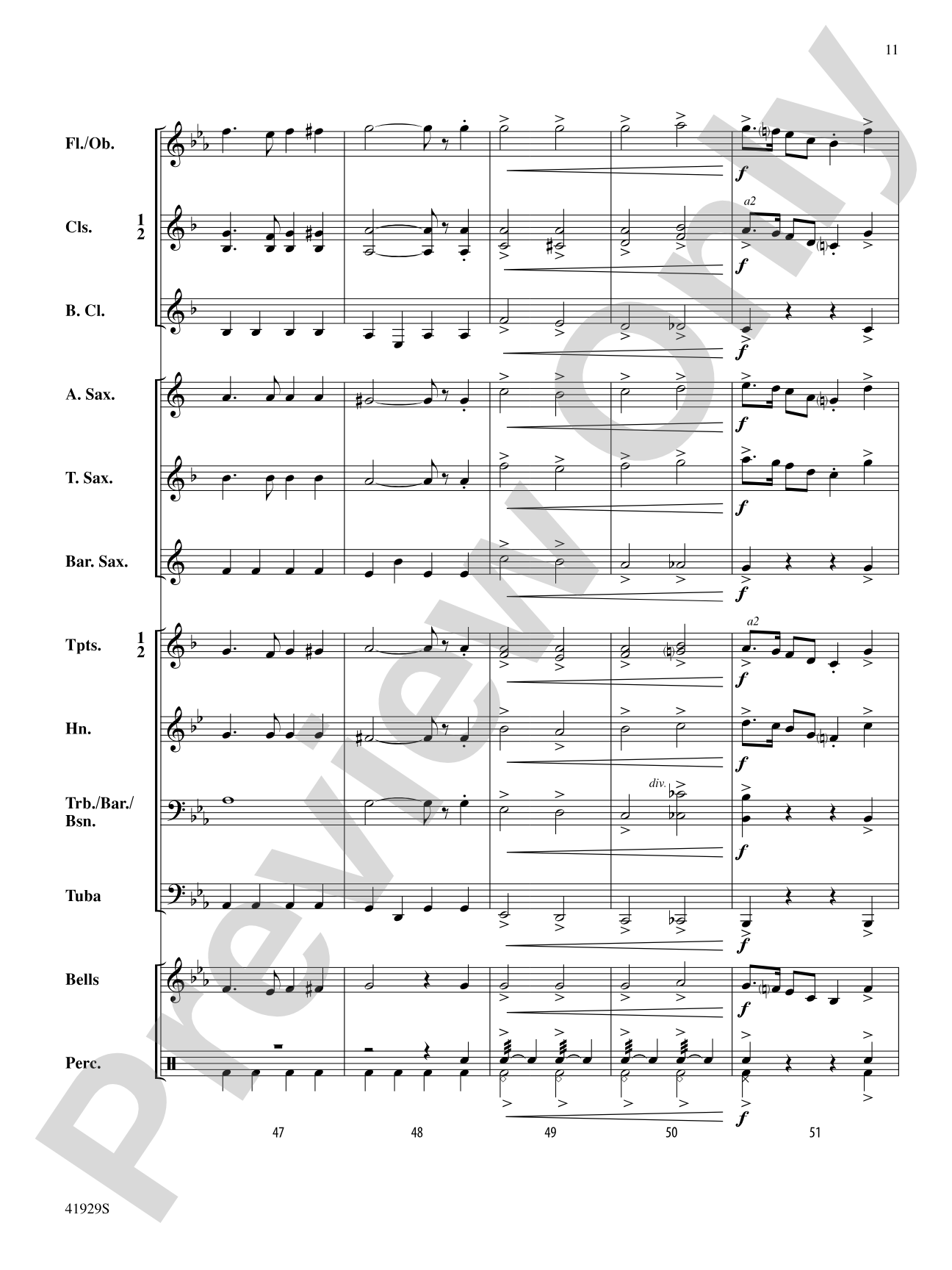
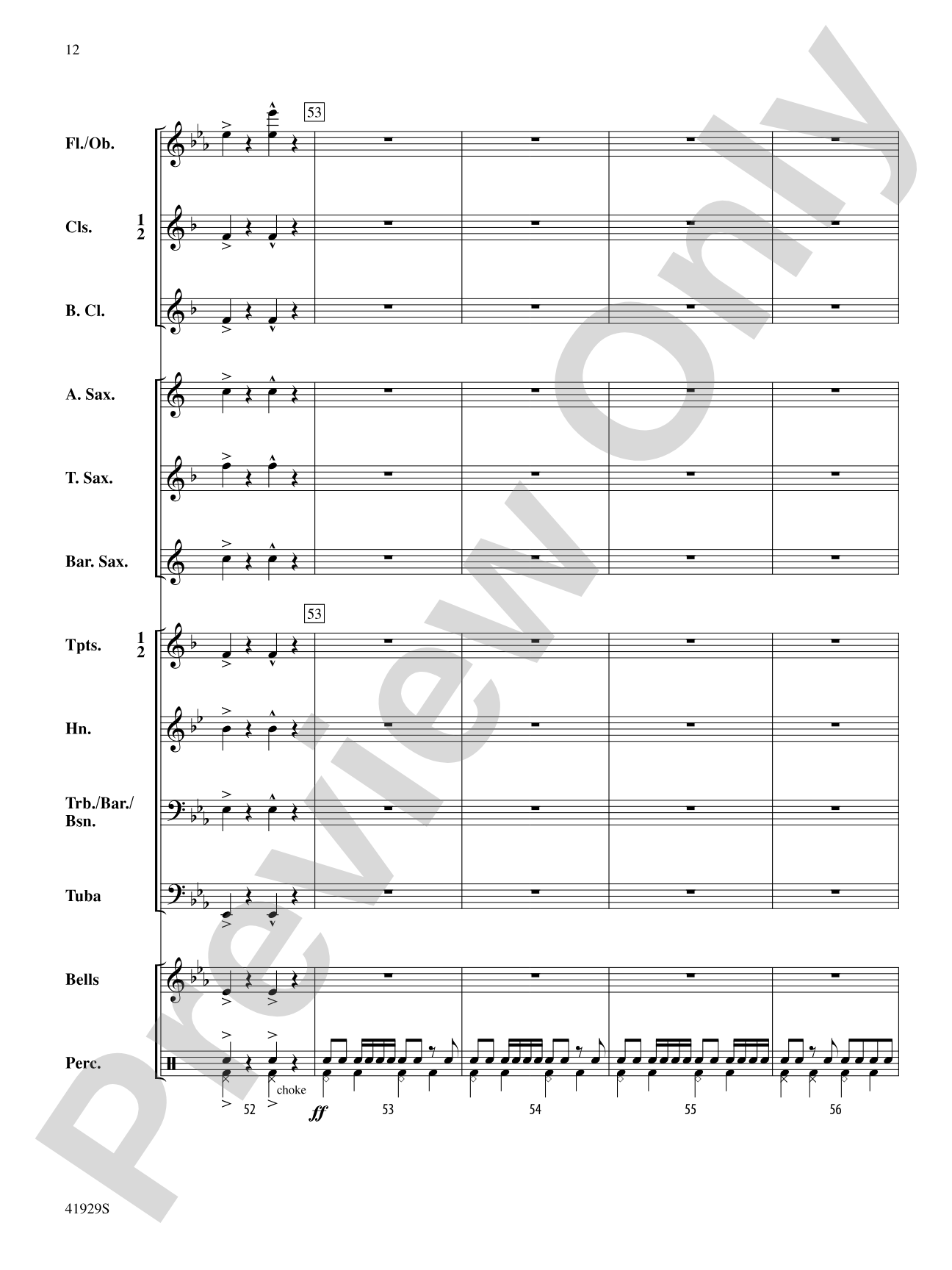
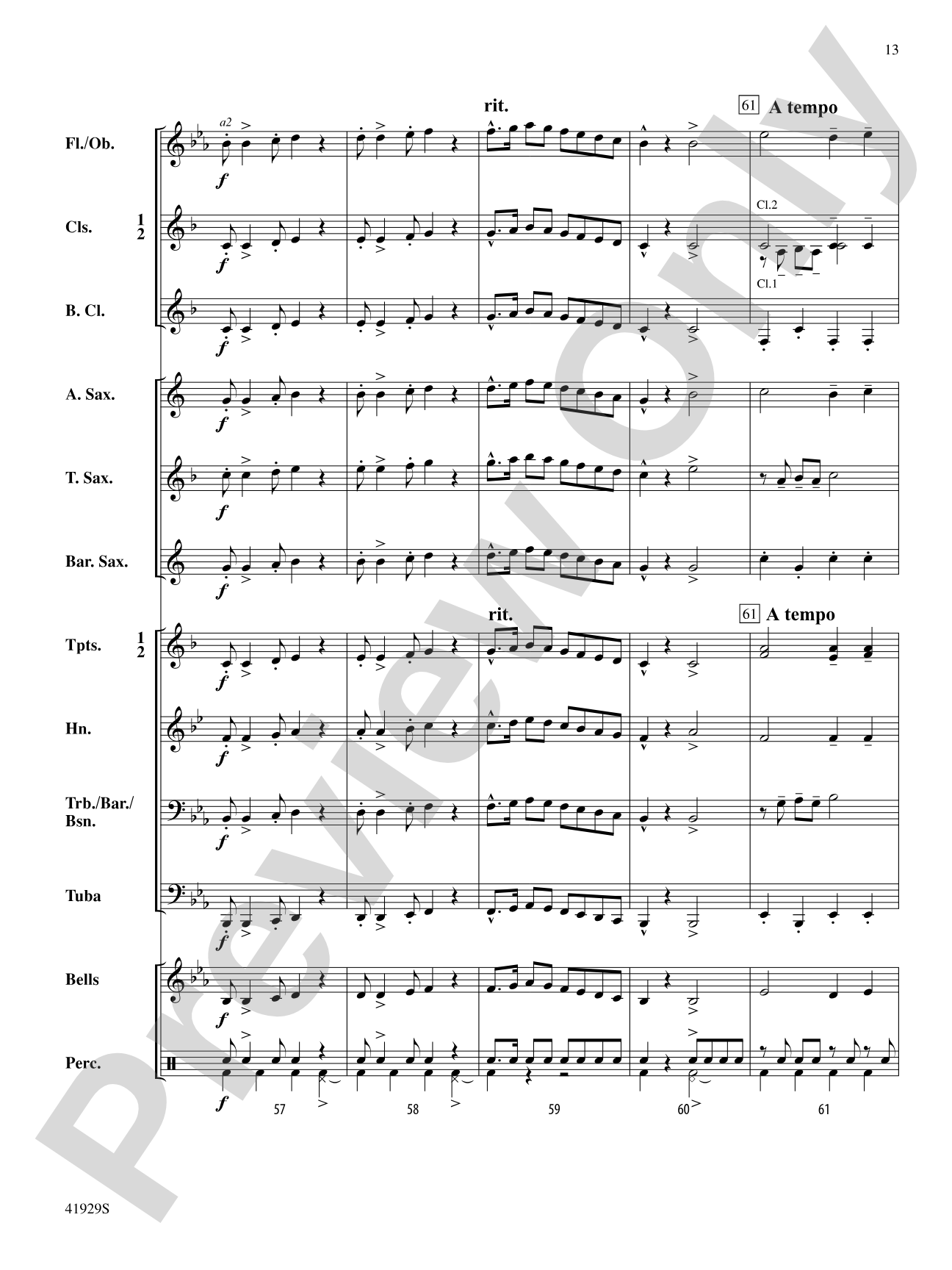
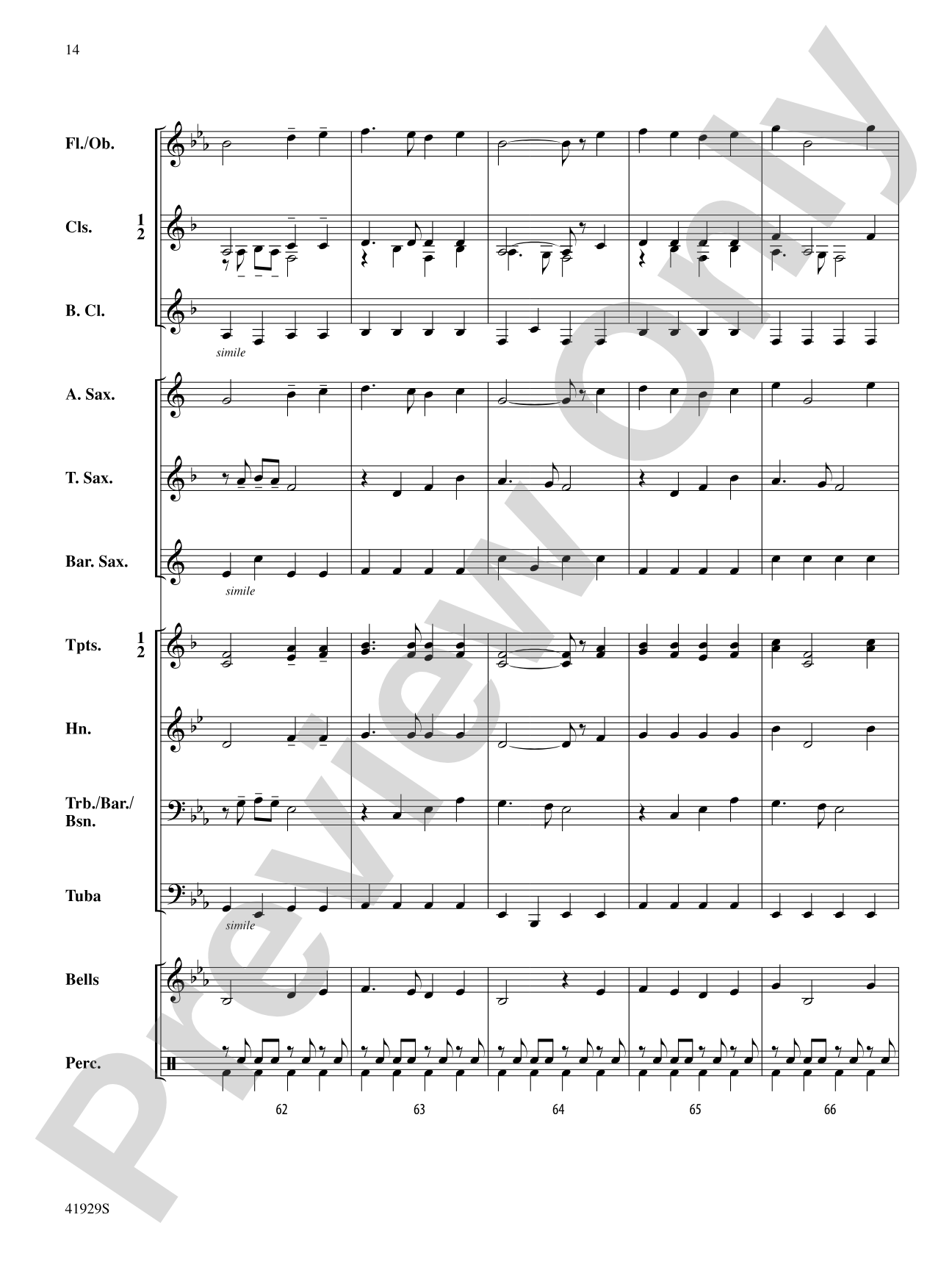
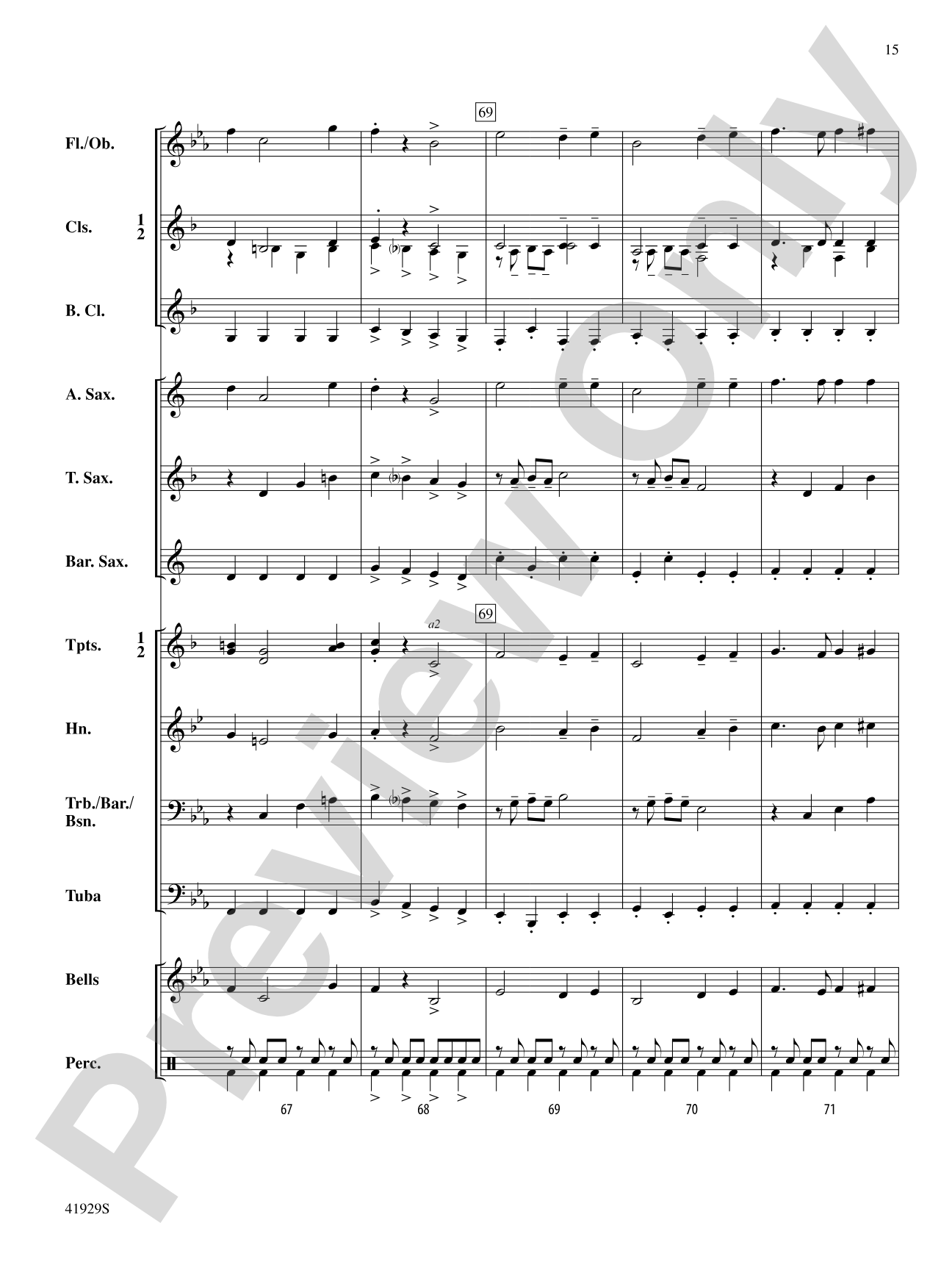
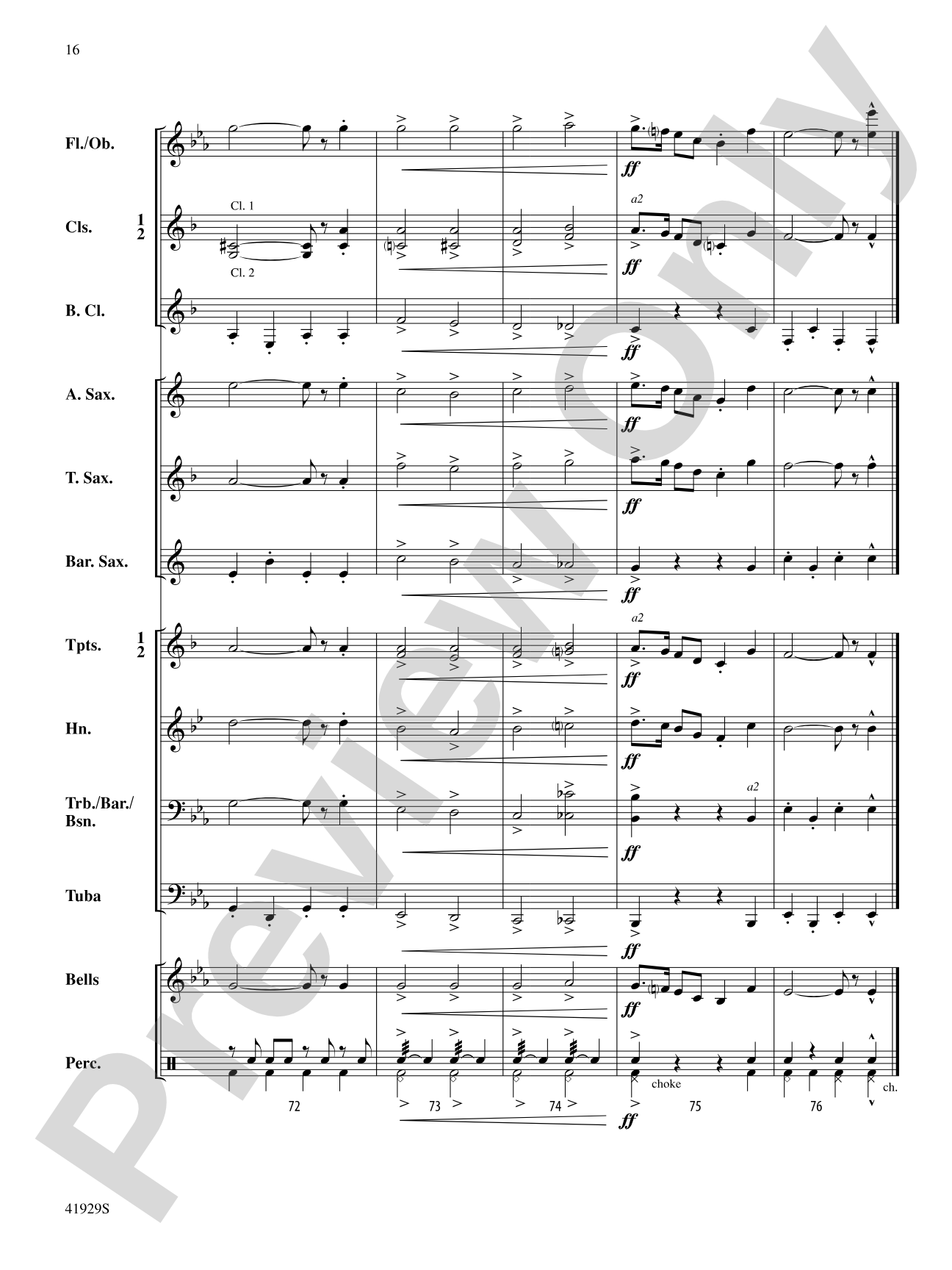
Young bands will experience all the dynamics and drama of the traditional march style in "The Collegiate." This piece is an excellent vehicle for exploring new rhythms and articulations in the context of a solid score and a comfortable key. (2:40)


Don't just read it, hear it, play along with it, and watch your students grow with it. In MakeMusic Cloud, The Collegiate: Concert Band Conductor Score & Parts comes alive with professional accompaniment, adjustable tempo, and built-in practice tools that turn solo practice into real progress.
Open in the Player
Jump straight in and assign it today.
Start Your Free Trial
Open this title and explore the full library in minutes.
Sample Audio
1
Audio File
--:--
0:00
0:00
Sample Video
No sample videos found.
Additional Details
Series:
Alfred Debut Series
Publisher:
Alfred Music
Page Count:
116
SKU:
00-PK-0006155
More about this title
About the Composer: David Martyn

David Martyn studied composition and clarinet at Occidental College in Los Angeles, where he worked with Richard Grayson and Gary Bovyer respectively. Since 1989, he has taught band and orchestra at multiple levels, including a tenure in Orange County, California, where he earned recognition as Outstanding Arts Educator in 2010.
Martyn's compositional voice draws strength from a deliberately wide-ranging palette of influences spanning different musical traditions and historical periods. Beyond his concert band and orchestra writing, he has created work in jazz, commercial, and vocal contexts, always with an ear toward bringing out the best in student performers and audiences alike.
Why we love this
The Collegiate gives Grade 1 bands exactly what they need: a march that doesn't feel compromised by its accessibility level. Martyn writes real dynamics and articulation variety into a piece that sits comfortably in the players' hands, letting students focus on interpretation rather than mechanics.
What to expect
The Collegiate captures the pageantry and forward momentum of traditional march writing without the complexity that could overwhelm newer players. There's a satisfying sense of structural clarity paired with genuine musical drama that keeps both performers and listeners engaged throughout.
Who it's for
Beginning concert bands ready to move beyond unison or simple harmonies. This piece works for directors introducing students to march style conventions and building confidence with articulation and dynamic control across the ensemble.
How to get the most out of it
- Shape the dynamics with intention. Even at this grade level, the contrast between softer passages and full-ensemble moments defines the march's traditional character.
- Emphasize crisp articulation on eighth-note passages to bring clarity to new rhythmic patterns students are learning.
- Balance the march tempo so the 2:40 length feels naturally paced, not rushed.
- Let the parts sing within their registers. Pay attention to inner voices that carry supporting material.
How to use it
Open a concert with this piece to establish energy and confidence. It also pairs well on a program with other early-level works where you want to demonstrate student growth in articulation and dynamic range. Its accessible length makes it ideal for a band festival or pep assembly where you want to feature newer ensemble members.
Skills your students will build
- Articulation control in march idiom (staccato, legato, accent)
- Dynamic contrast and shaping in ensemble context
- Rhythmic patterns common to traditional march style
- Balance and blend in multi-part harmony
- Sustained intonation during full ensemble passages