

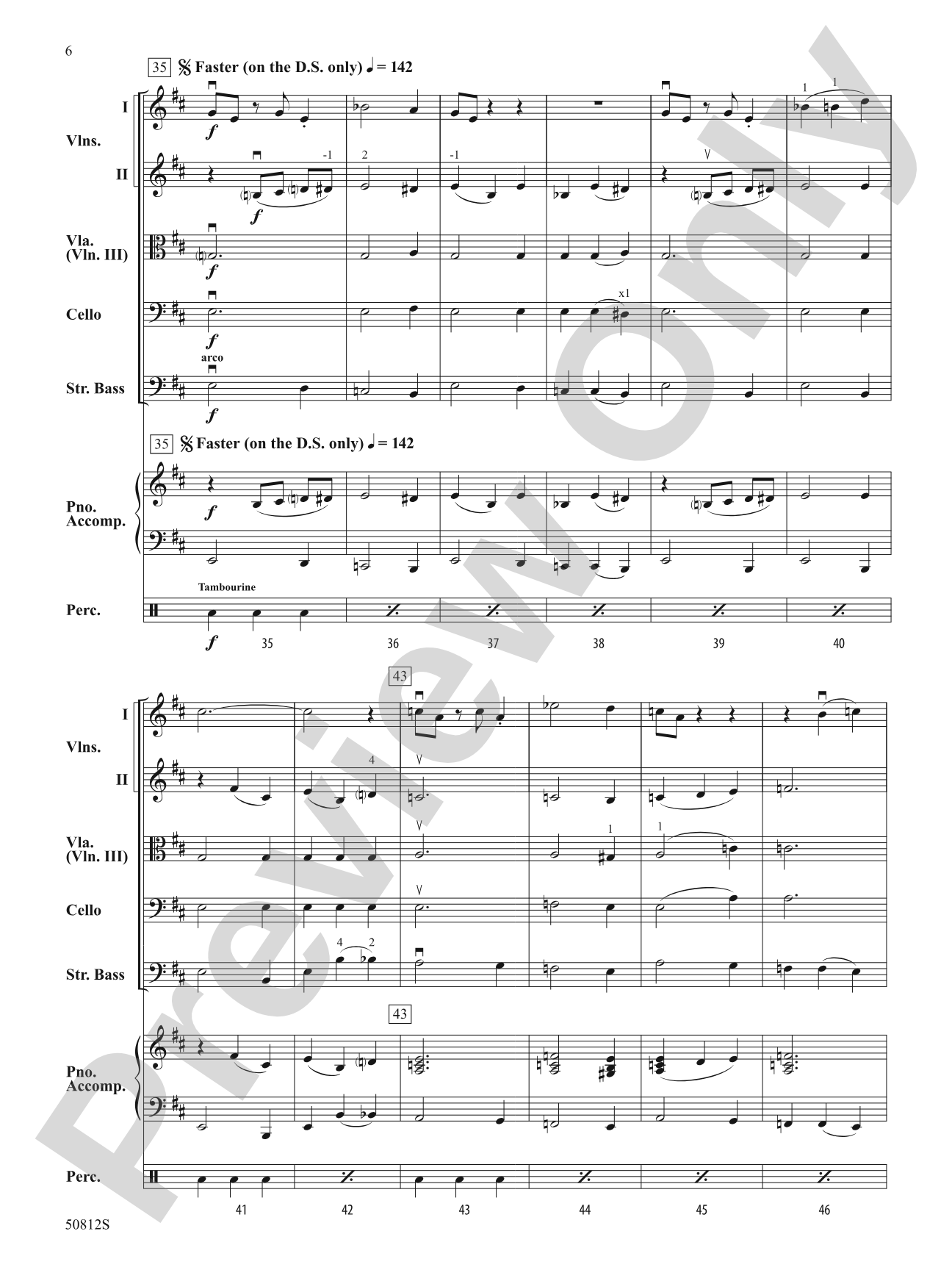
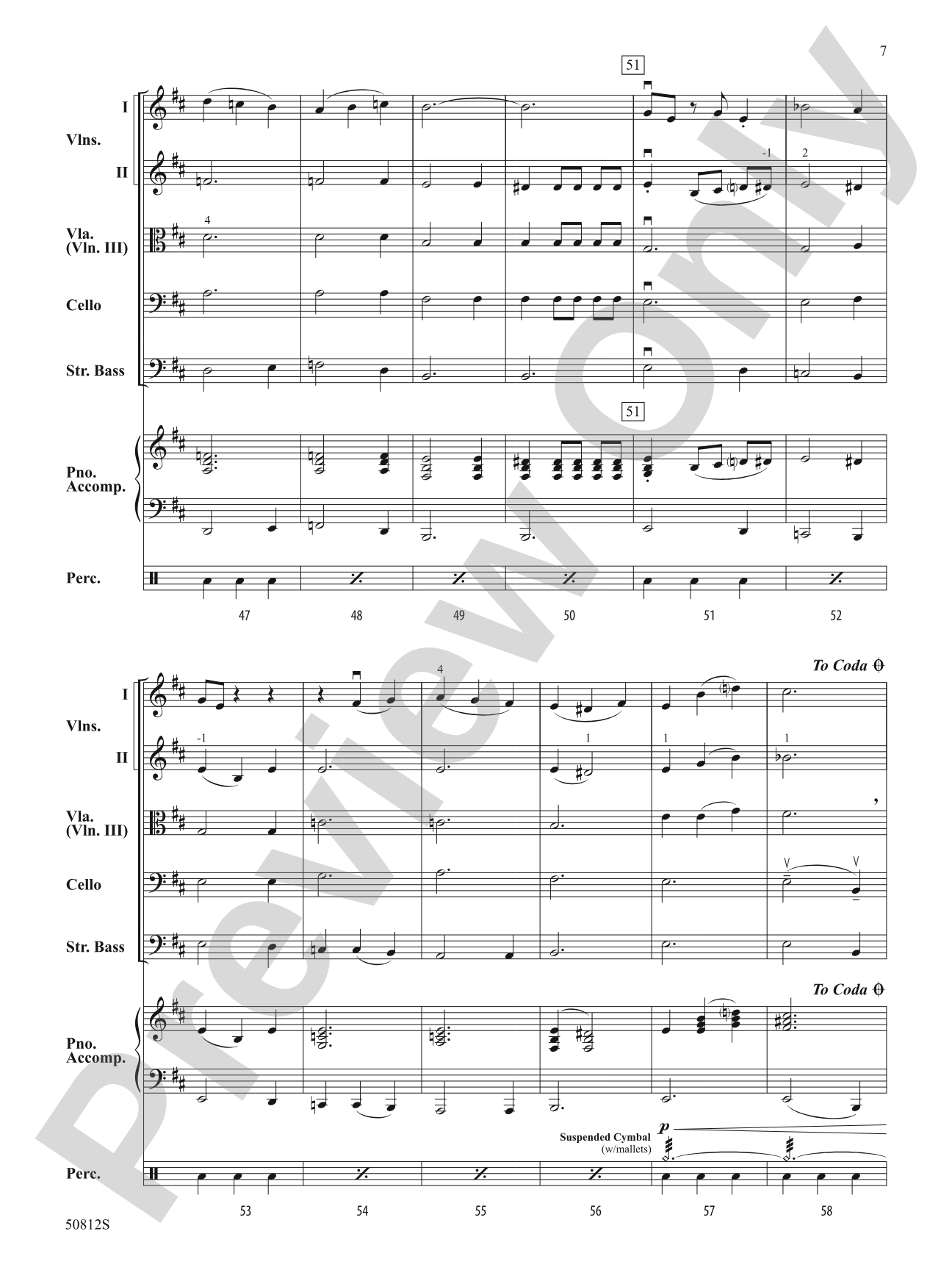
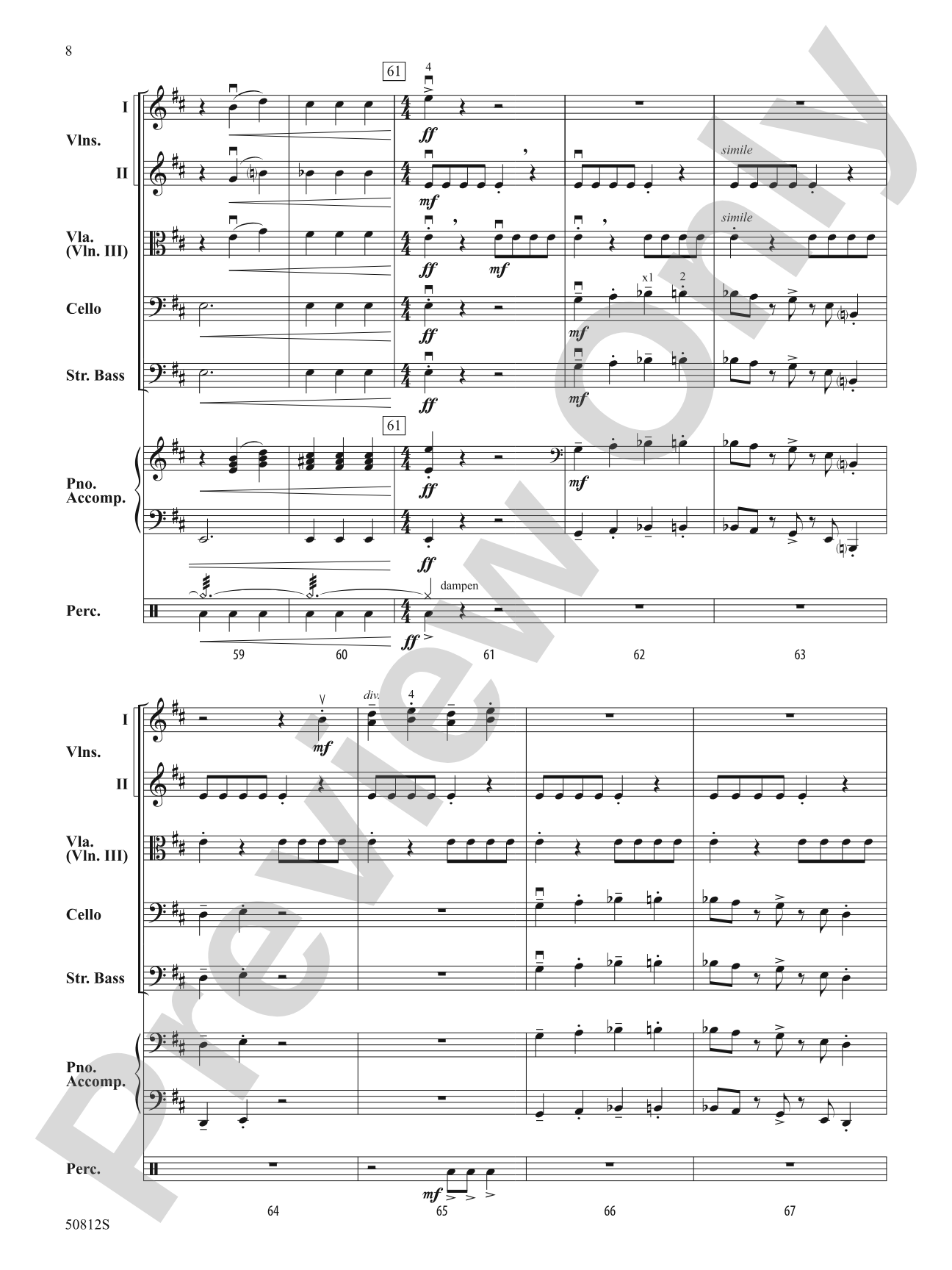
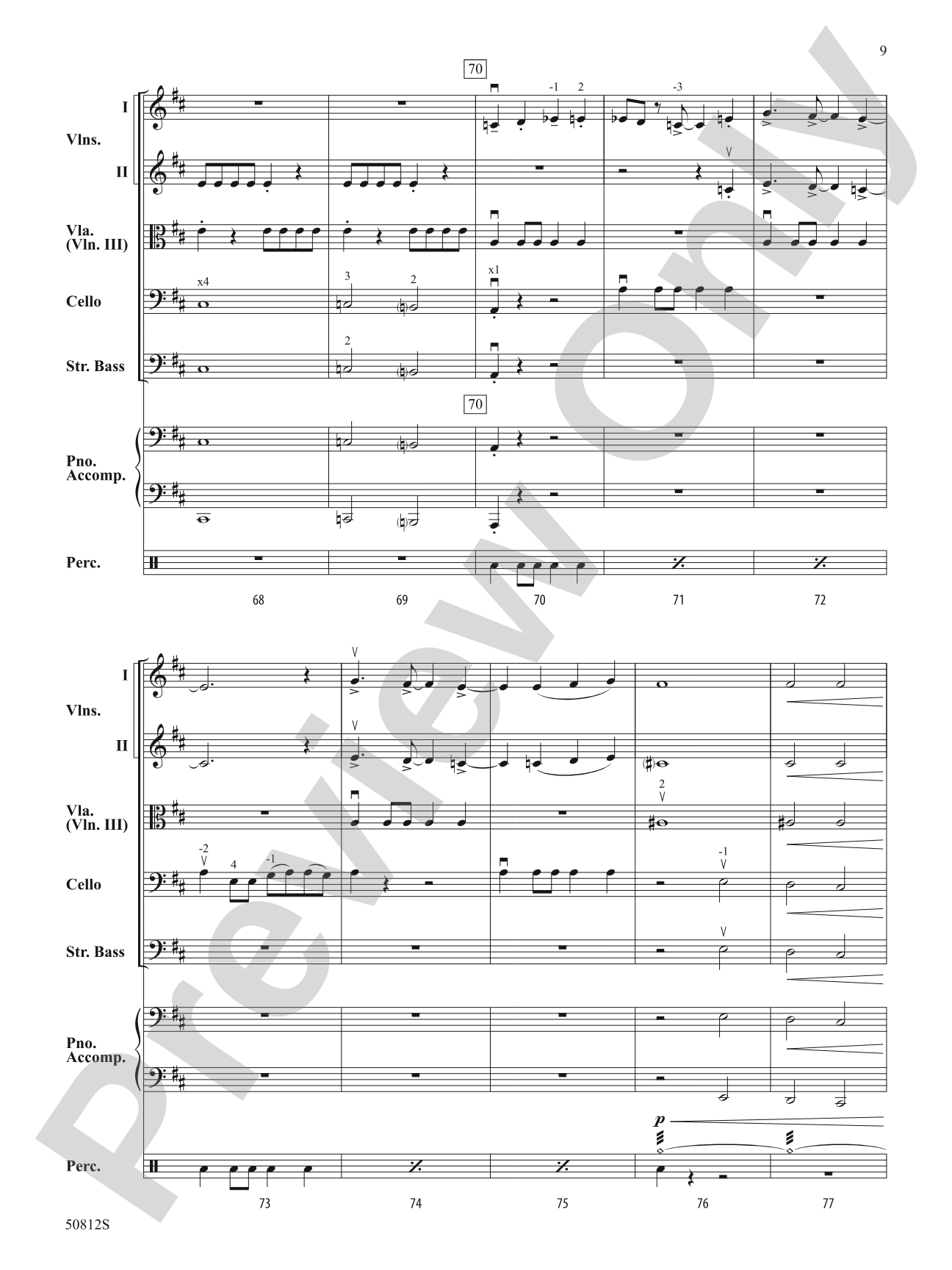

The Chase: String Orchestra Conductor Score & Parts
By Michael Story
Grade: 2
Item: 00-PK-0008889

$60.00
Pickup currently not available
Buy Extra Parts (Digital PDF Download)
| Product | Price | Quantity |
|---|---|---|
| The Chase: Score | $10.00 | |
| The Chase: 1st Violin | $3.00 | |
| The Chase: 2nd Violin | $3.00 | |
| The Chase: 3rd Violin (Viola [TC]) | $3.00 | |
| The Chase: Viola | $3.00 | |
| The Chase: Cello | $3.00 | |
| The Chase: String Bass | $3.00 | |
| The Chase: Piano Accompaniment | $3.00 | |
| The Chase: 1st Percussion | $3.00 |
Parts Added to Cart!
Related Items
The Chase: Concert Band Conductor Score & Parts |
$62.00
|
View | |
The Chase: Concert Band Conductor Score & Parts |
$62.00
|
View | |
The Chase: Concert Band Conductor Score |
$10.00
|
View | |
The Chase: String Orchestra Conductor Score & Parts |
$60.00
|
View | |
The Chase: String Orchestra Conductor Score |
$10.00
|
View |
Description
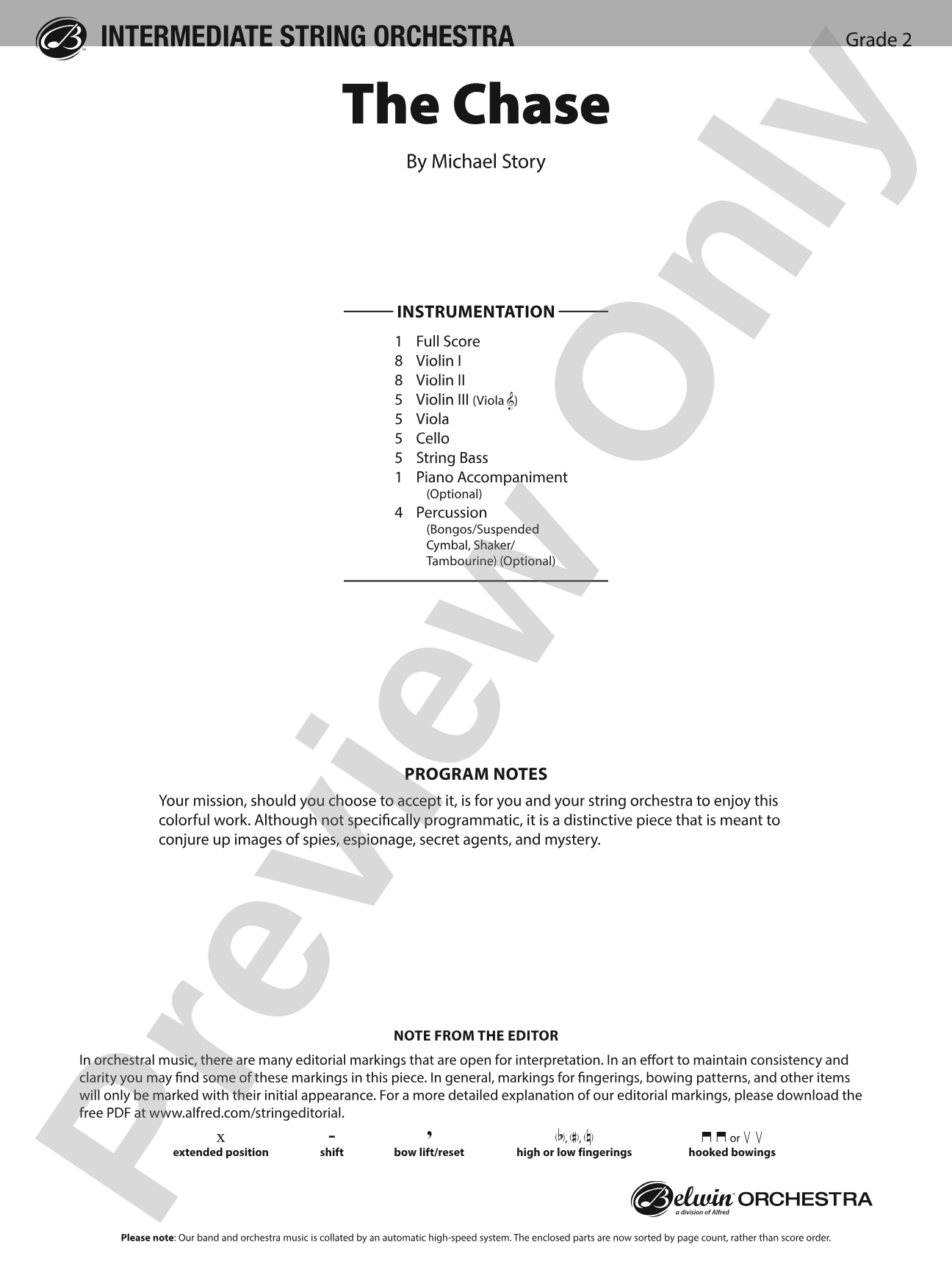
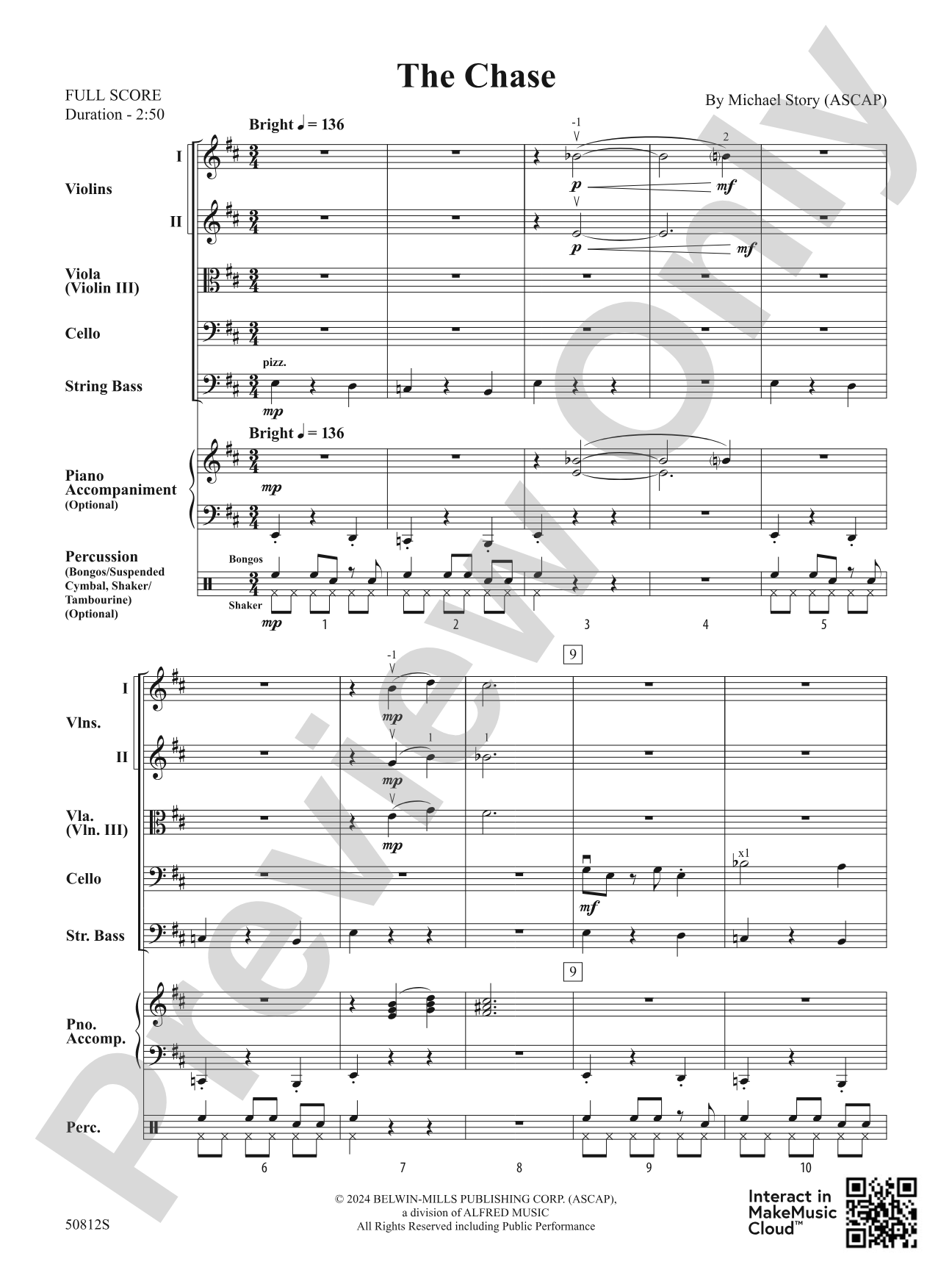
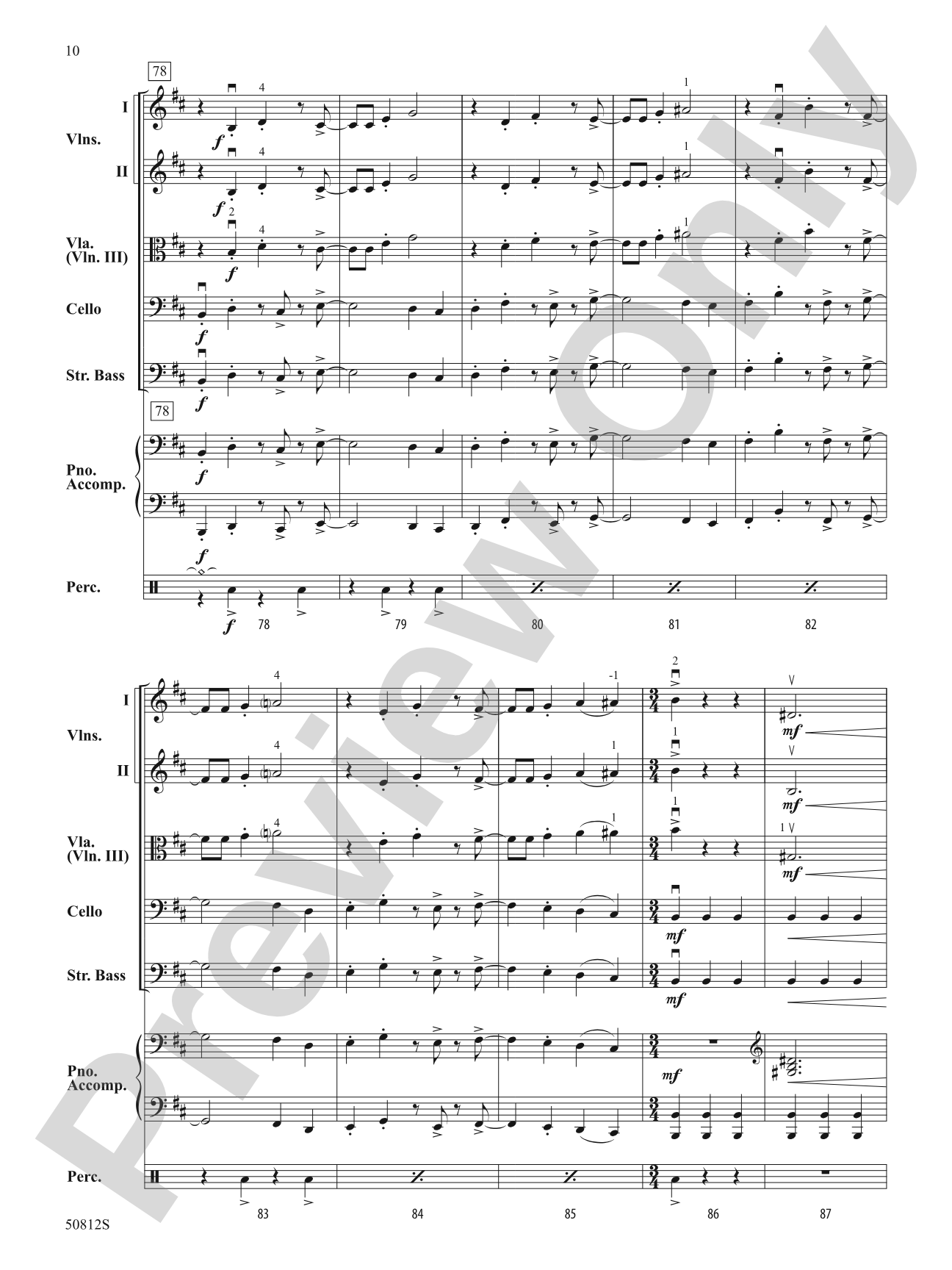
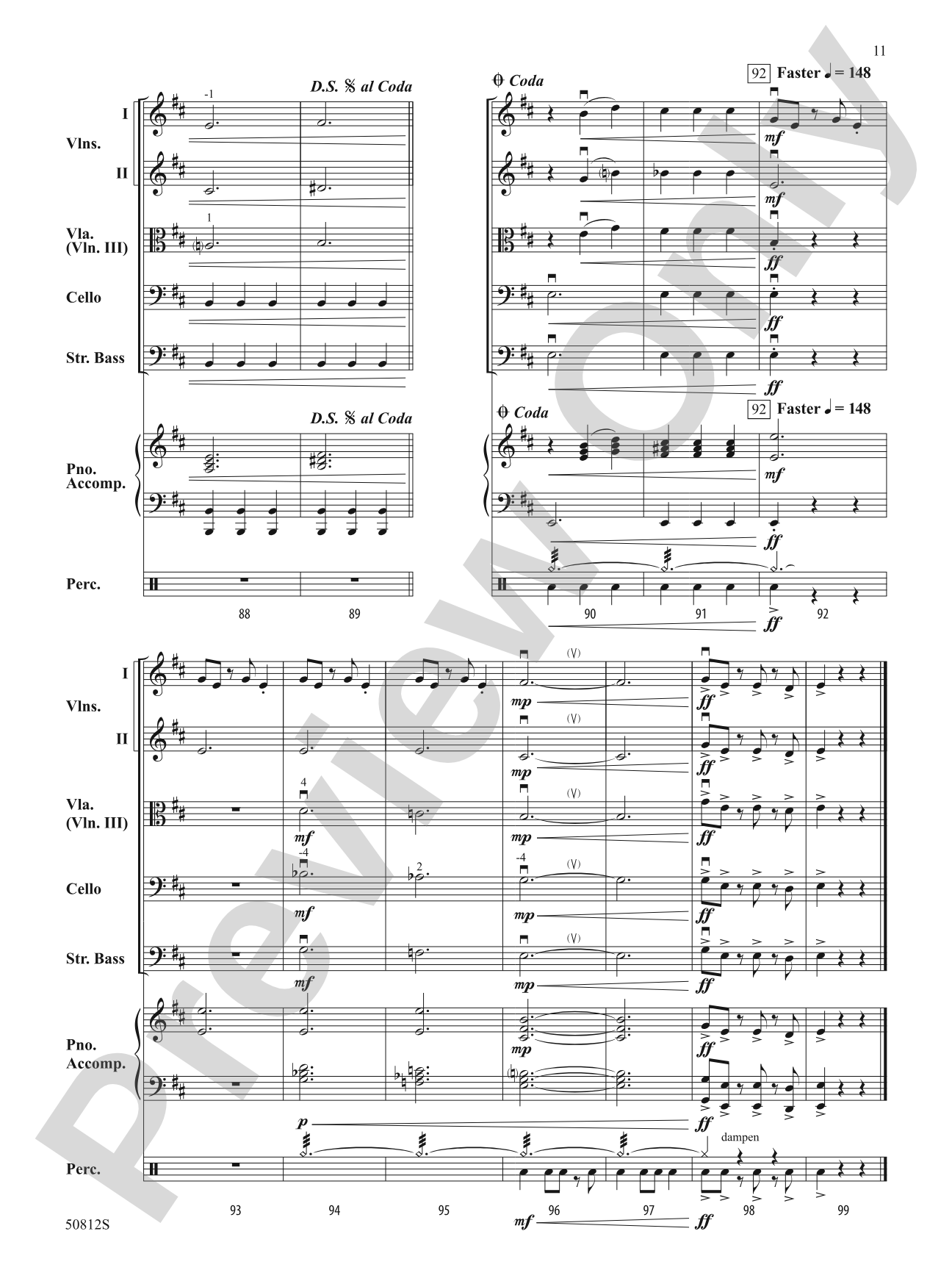
Your mission, should you choose to accept it, is for you and your string orchestra to enjoy this colorful work. Although not specifically programmatic, The Chase, by Michael Story, is a distinctive piece that conjures images of spies, espionage, secret agents, and mystery. (2:50)


Don't just read it, hear it, play along with it, and watch your students grow with it. In MakeMusic Cloud, The Chase: String Orchestra Conductor Score & Parts comes alive with professional accompaniment, adjustable tempo, and built-in practice tools that turn solo practice into real progress.
Open in the Player
Jump straight in and assign it today.
Start Your Free Trial
Open this title and explore the full library in minutes.
Sample Audio
1
Audio File
--:--
0:00
0:00
Sample Video
Additional Details
Series:
Belwin Intermediate String Orchestra
Publisher:
Alfred Music
SKU:
00-PK-0008889
More about this title
About the Composer: Michael Story
Michael Story is a prolific composer and arranger whose work spans band, orchestra, and choral ensembles. Known for his accessible yet musically substantive writing, Story has become a staple in school music programs across the United States, with hundreds of published works that balance compositional craftsmanship with the practical needs of student musicians.
Story's catalog reflects a deep understanding of ensemble pedagogy. His pieces consistently challenge students at appropriate levels while remaining engaging enough to sustain rehearsal focus and earn applause at concerts. His contributions to string orchestra literature have made quality concert repertoire more available to programs at every level.
Why we love this
Story crafts a piece here that doesn't need a story to tell one. The orchestration is clear and energetic, the harmonic language keeps ears engaged, and the 2:50 duration makes it ideal for contests, festivals, or as a snappy concert opener that leaves audiences wanting more. Grade 2 students can sound genuinely musical playing this.
What to expect
Propulsive and atmospheric without veering into explicit narrative. The piece evokes intrigue and momentum through rhythm and orchestral color rather than obvious program music gestures. Listeners will feel the tension and forward drive; they may or may not think of spies, but they will think the music is clever.
Who it's for
String orchestra directors at the Grade 2 level who need a concert or contest piece that sounds more sophisticated than its difficulty rating suggests. Students benefit from the straightforward technical demands while learning to execute clean rhythmic figures, clear articulation, and responsive ensemble listening.
How to get the most out of it
- Establish a clear pulse from the downbeat. The sense of forward momentum is central to the piece's character, so conduct with precision and shape the phrasing through tempo rather than allowing it to drag between sections.
- Balance the melodic lines carefully between sections. Mark your parts to show which voices carry the primary theme at any given moment so students understand where their material fits into the larger narrative.
- Attend to articulation markings with consistency. Clean, unified tonguing and bow strokes in the string sections will amplify the mystery and energy the piece aims for.
- Shape dynamic gestures crisply. The contest and festival context this piece occupies rewards clear contrasts, so practice transitions between dynamic levels until they feel intentional rather than gradual.
How to use it
This works as a concert opener that establishes energy and engagement immediately, or as a festival or contest selection where its combination of musicality and approachable difficulty pays dividends. It pairs well before or after lyrical pieces, creating a dynamic program arc without requiring substantial rehearsal time relative to its impact.
Skills your students will build
- Maintaining rhythmic precision in repeated figures and syncopated passages
- Balancing melodic lines across multiple instrumental voices
- Executing clean articulation and tonguing in ensemble context
- Responding to conductor tempo and dynamic shaping
- Reading intermediate rhythmic notation and time signatures