



The Boogie-Man Blues: String Orchestra Conductor Score & Parts
By Carrie Lane Gruselle
Grade: 2
Item: 00-PK-0000390

$56.00
Pickup currently not available
Buy Extra Parts (Digital PDF Download)
| Product | Price | Quantity |
|---|---|---|
| The Boogie-Man Blues: Score | $9.00 | |
| The Boogie-Man Blues: 1st Violin | $7.99 | |
| The Boogie-Man Blues: 2nd Violin | $7.99 | |
| The Boogie-Man Blues: Viola | $7.99 | |
| The Boogie-Man Blues: Cello | $7.99 | |
| The Boogie-Man Blues: String Bass | $7.99 |
Parts Added to Cart!
Description
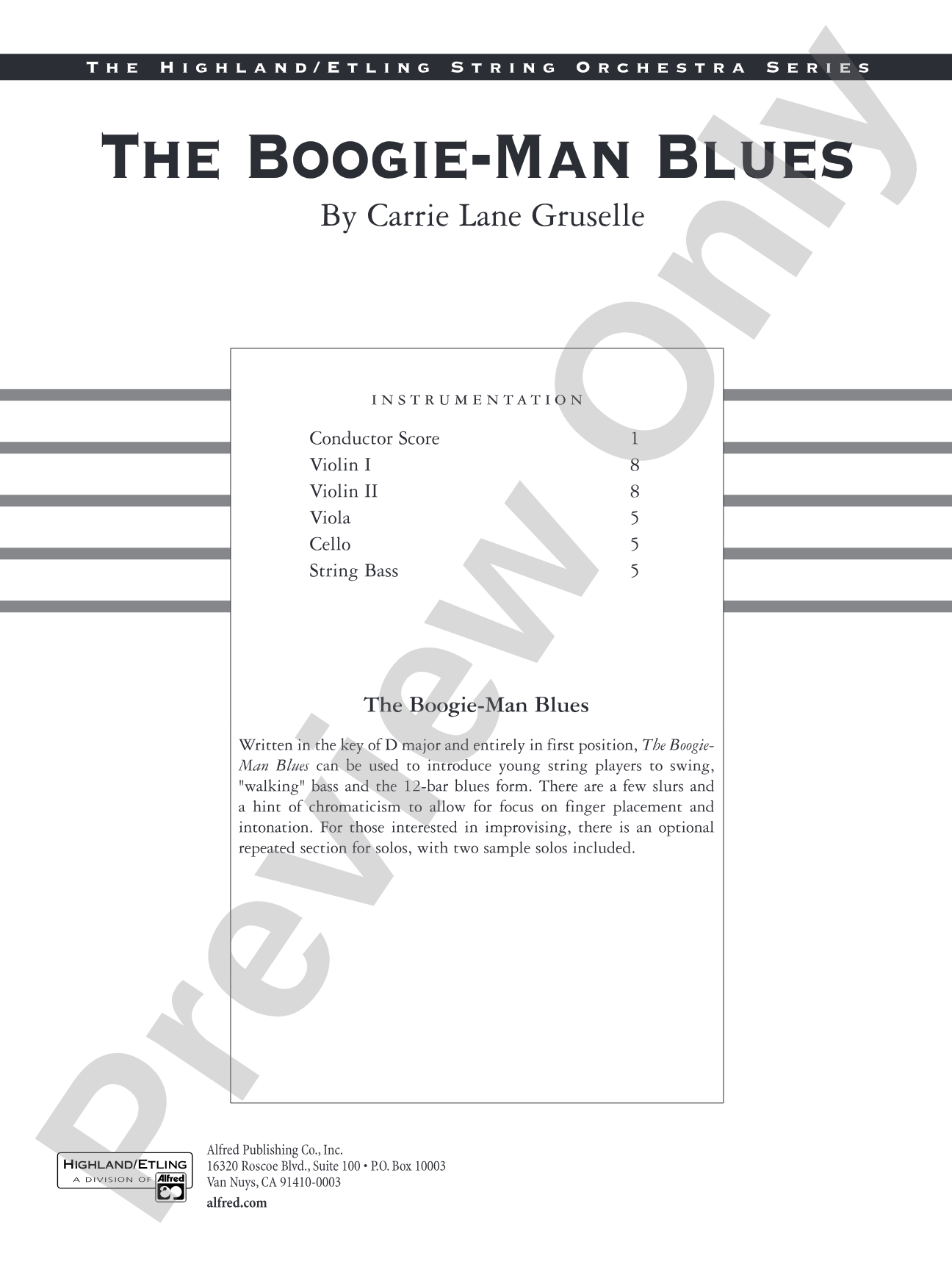
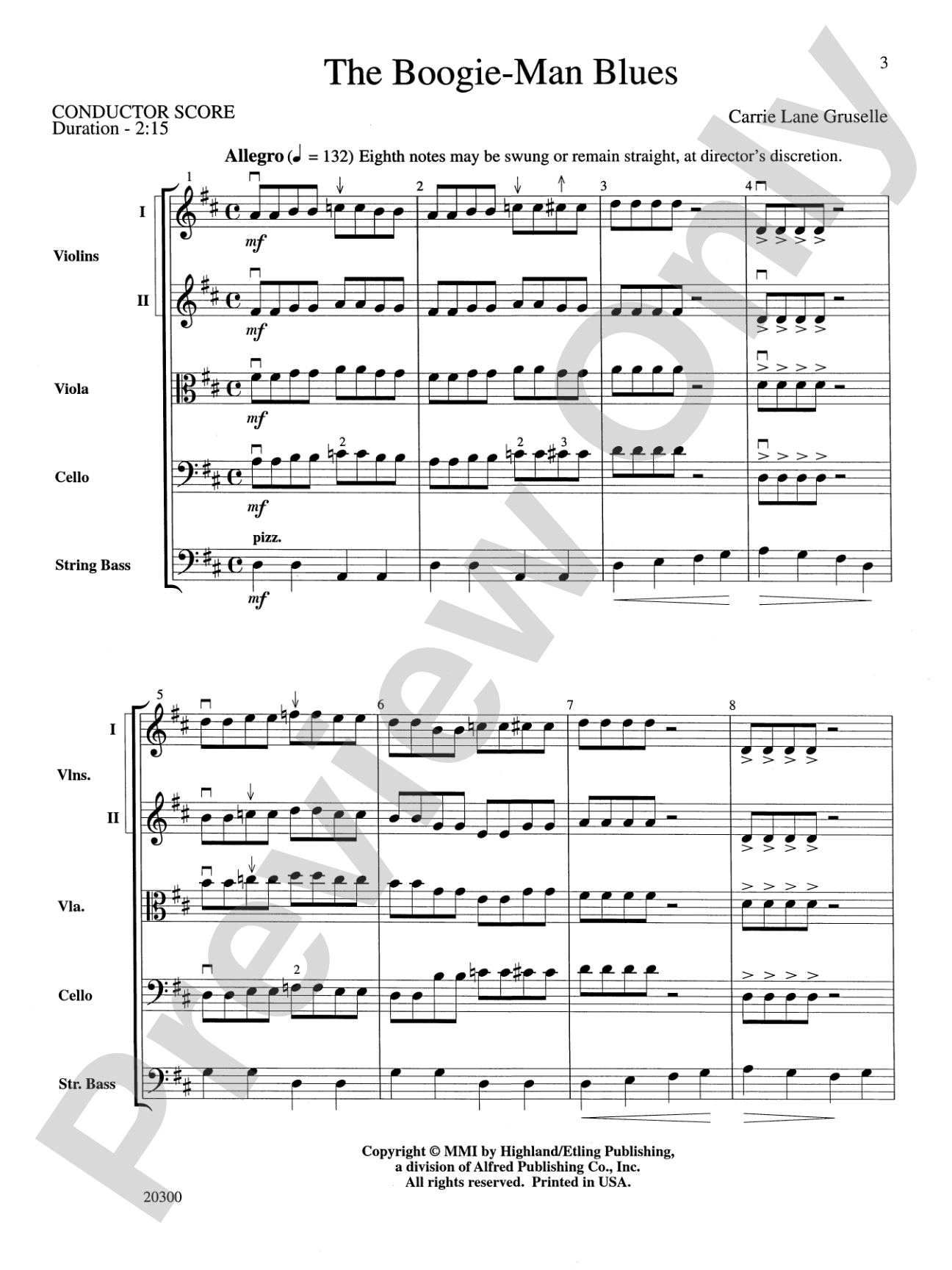
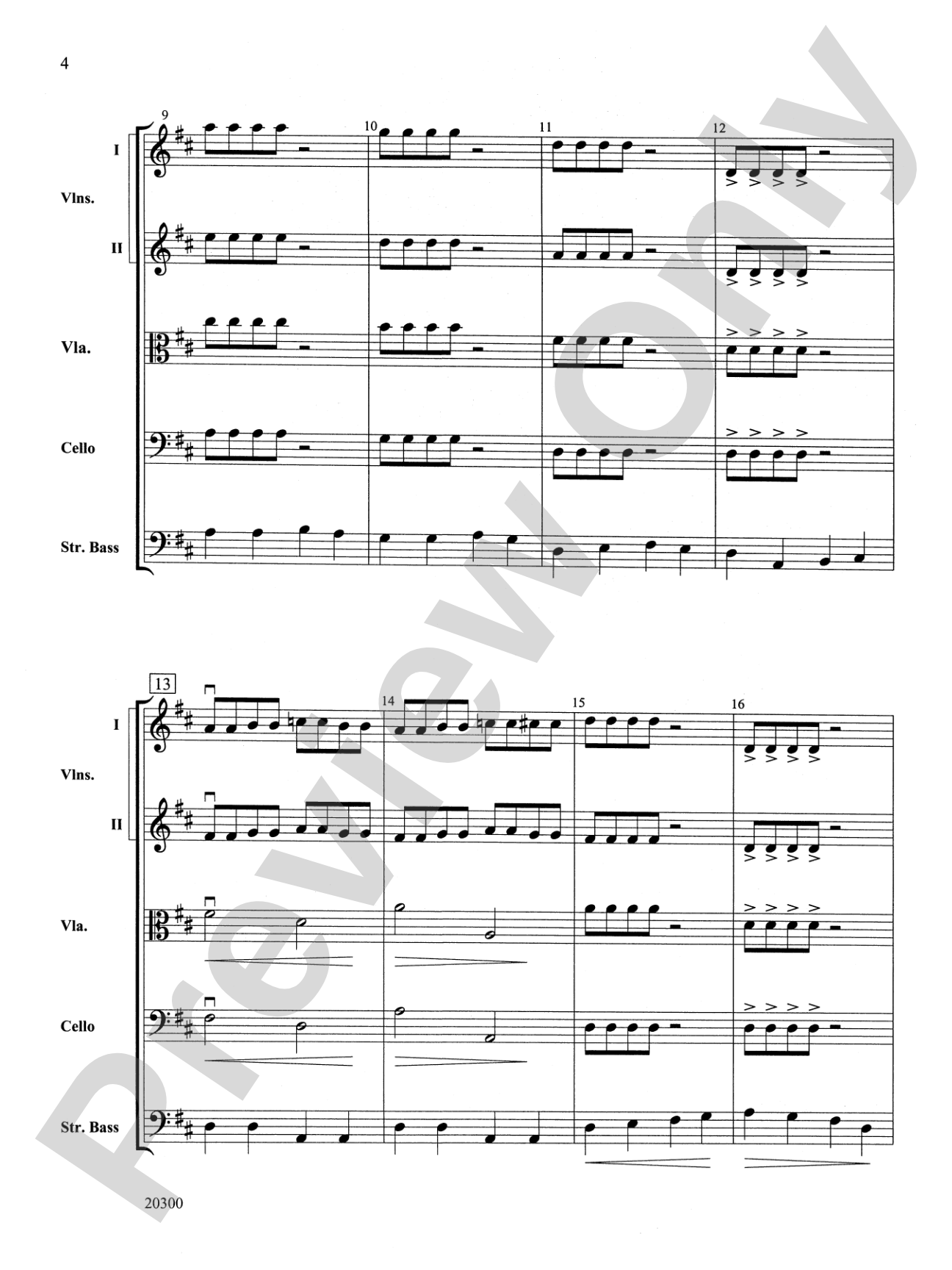
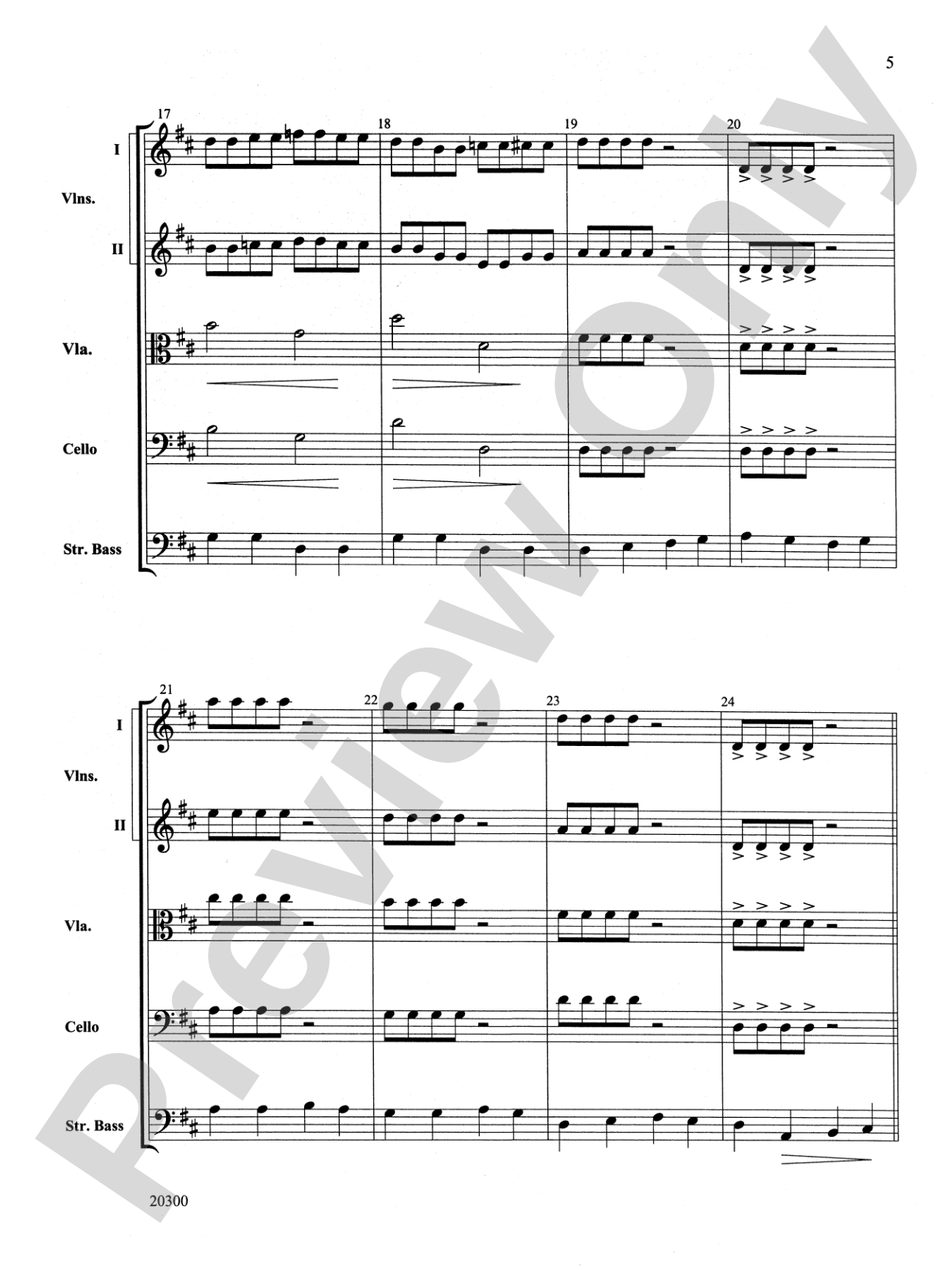
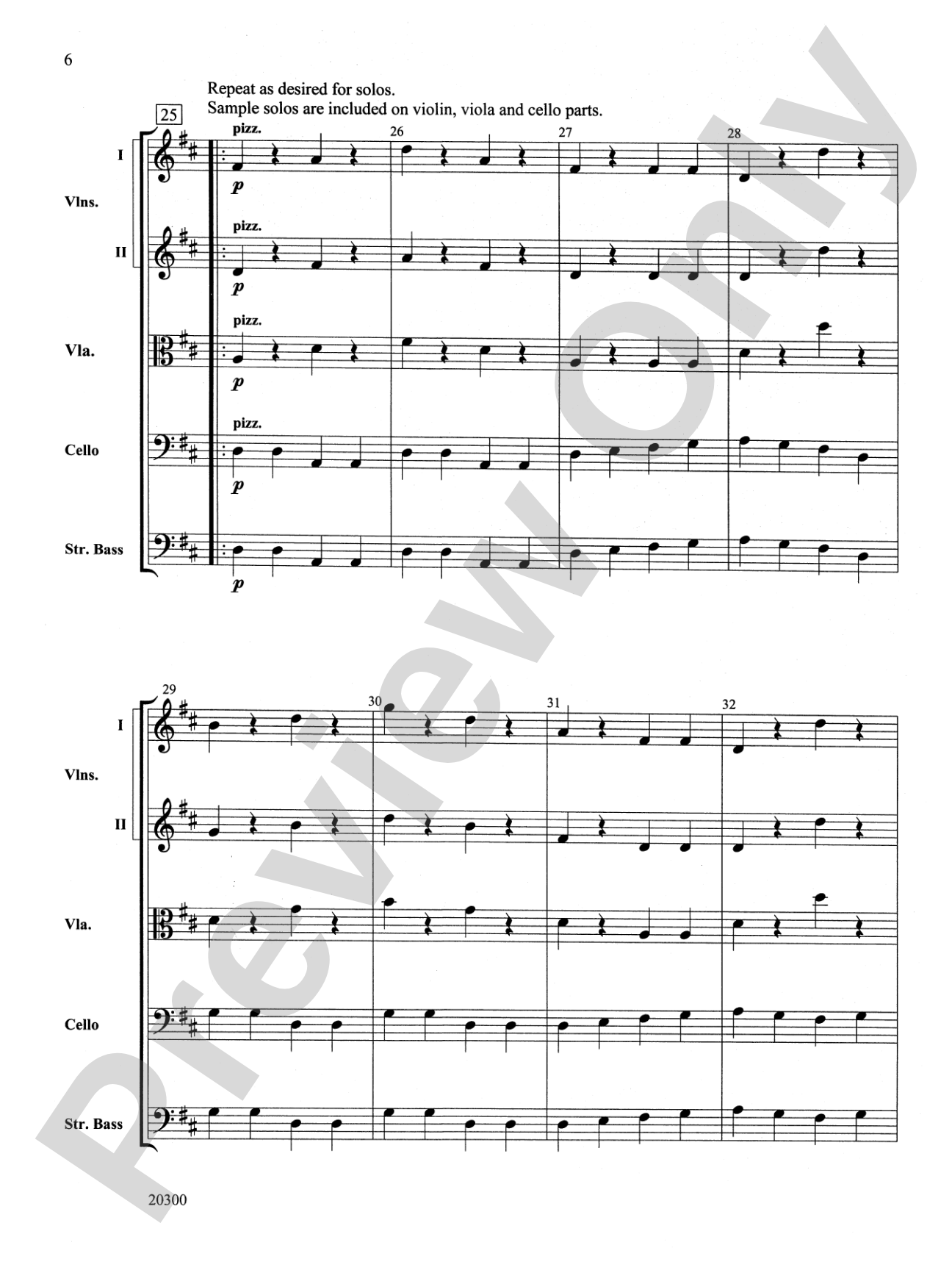
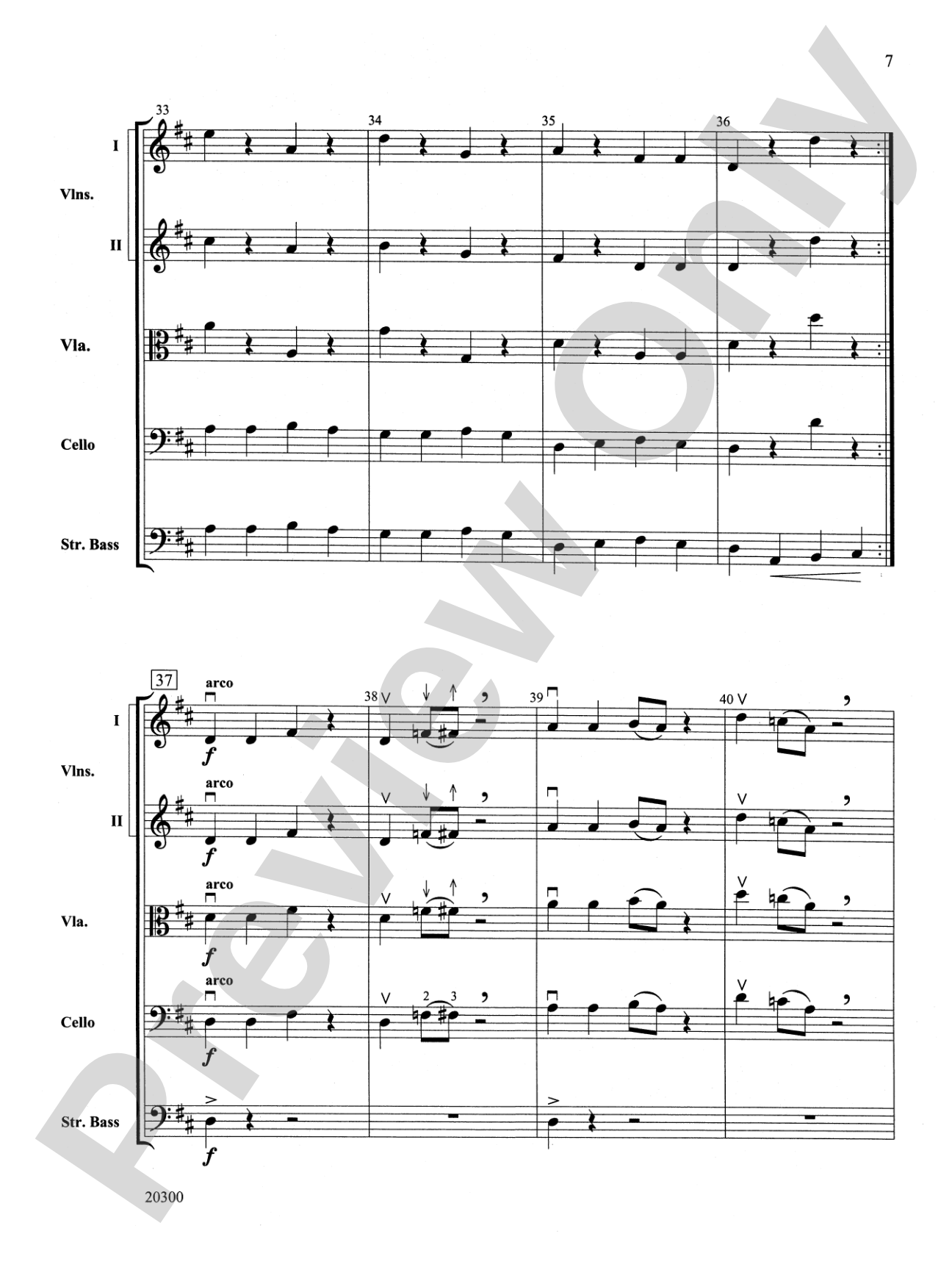
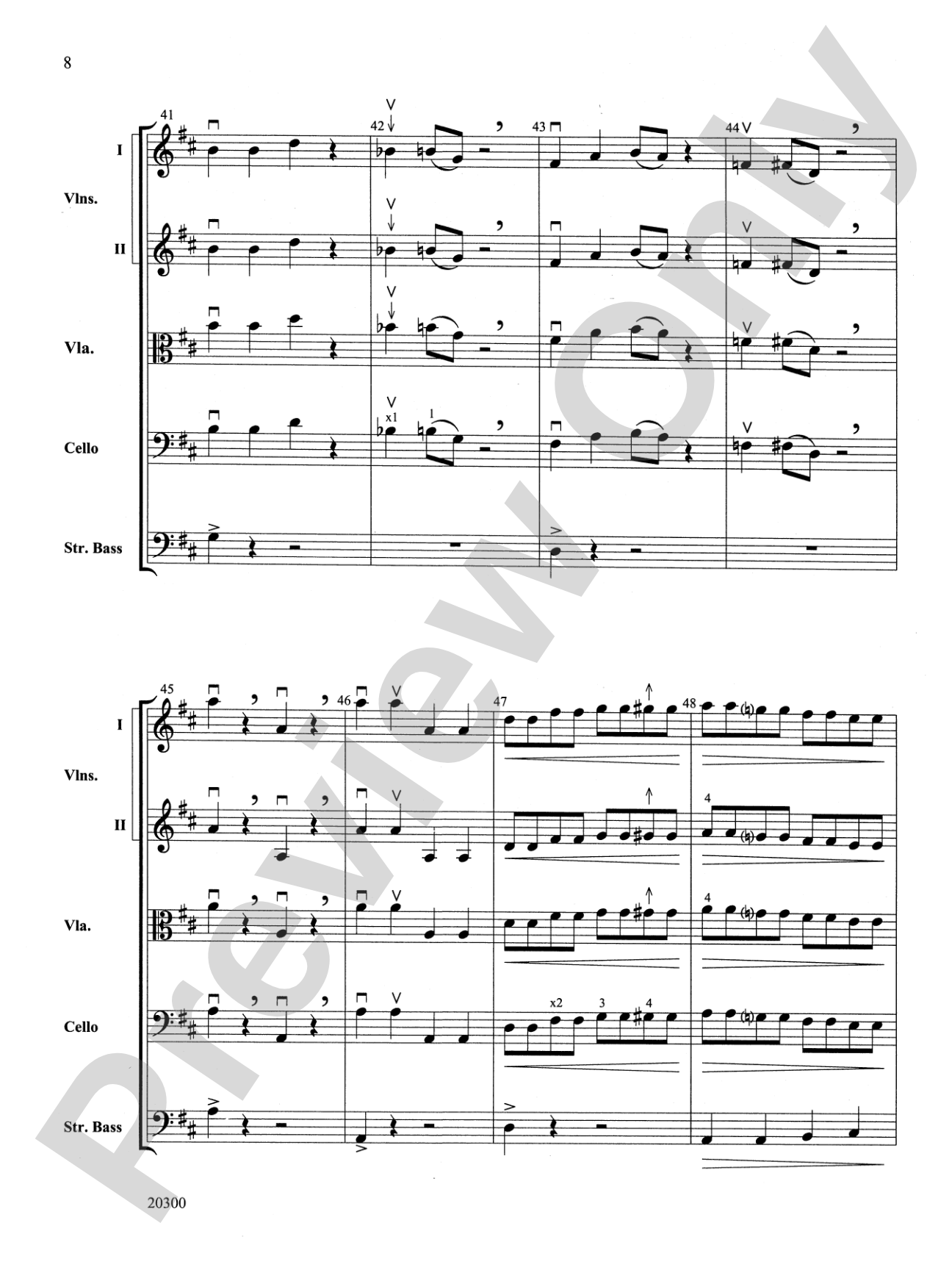
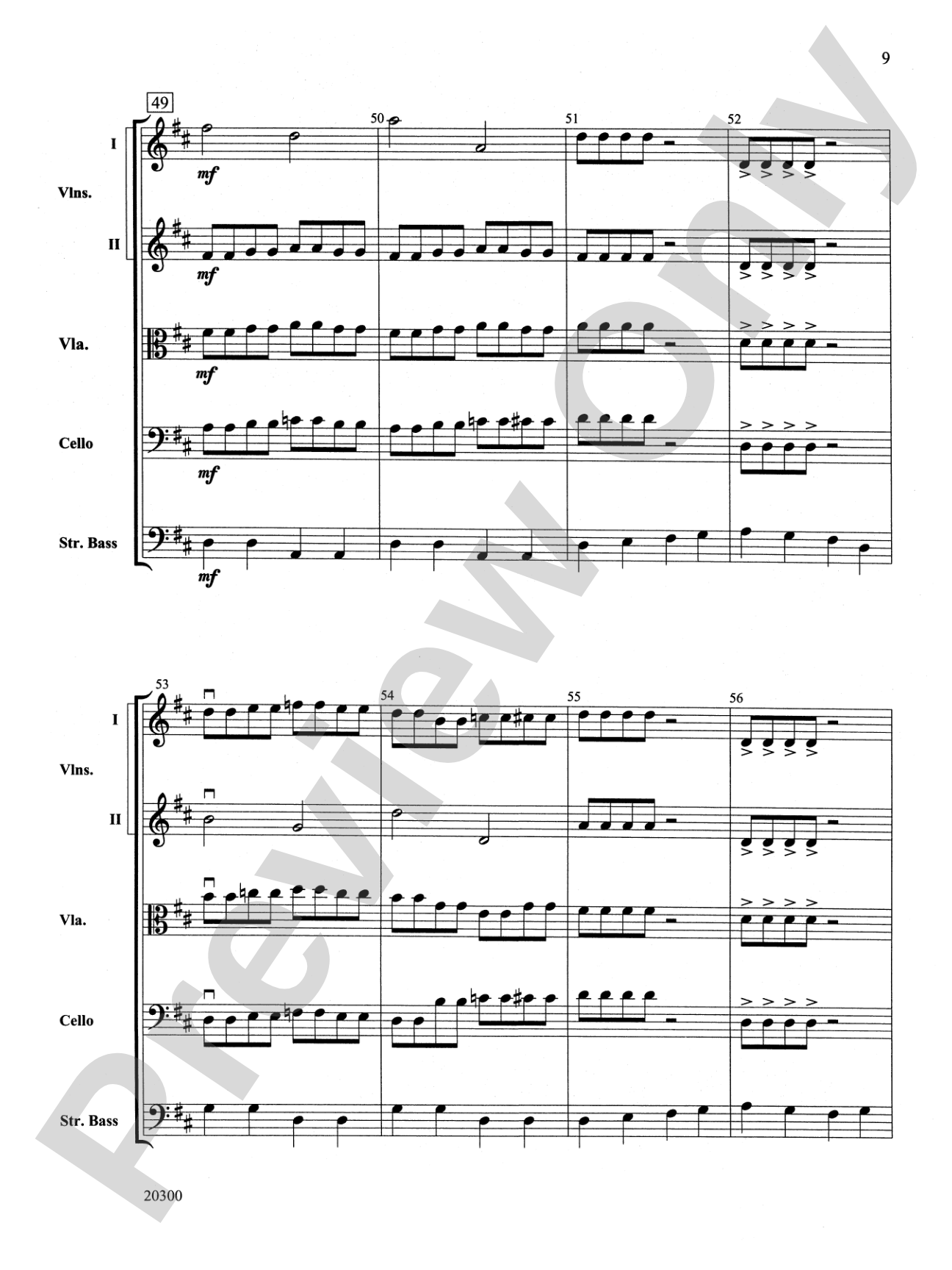
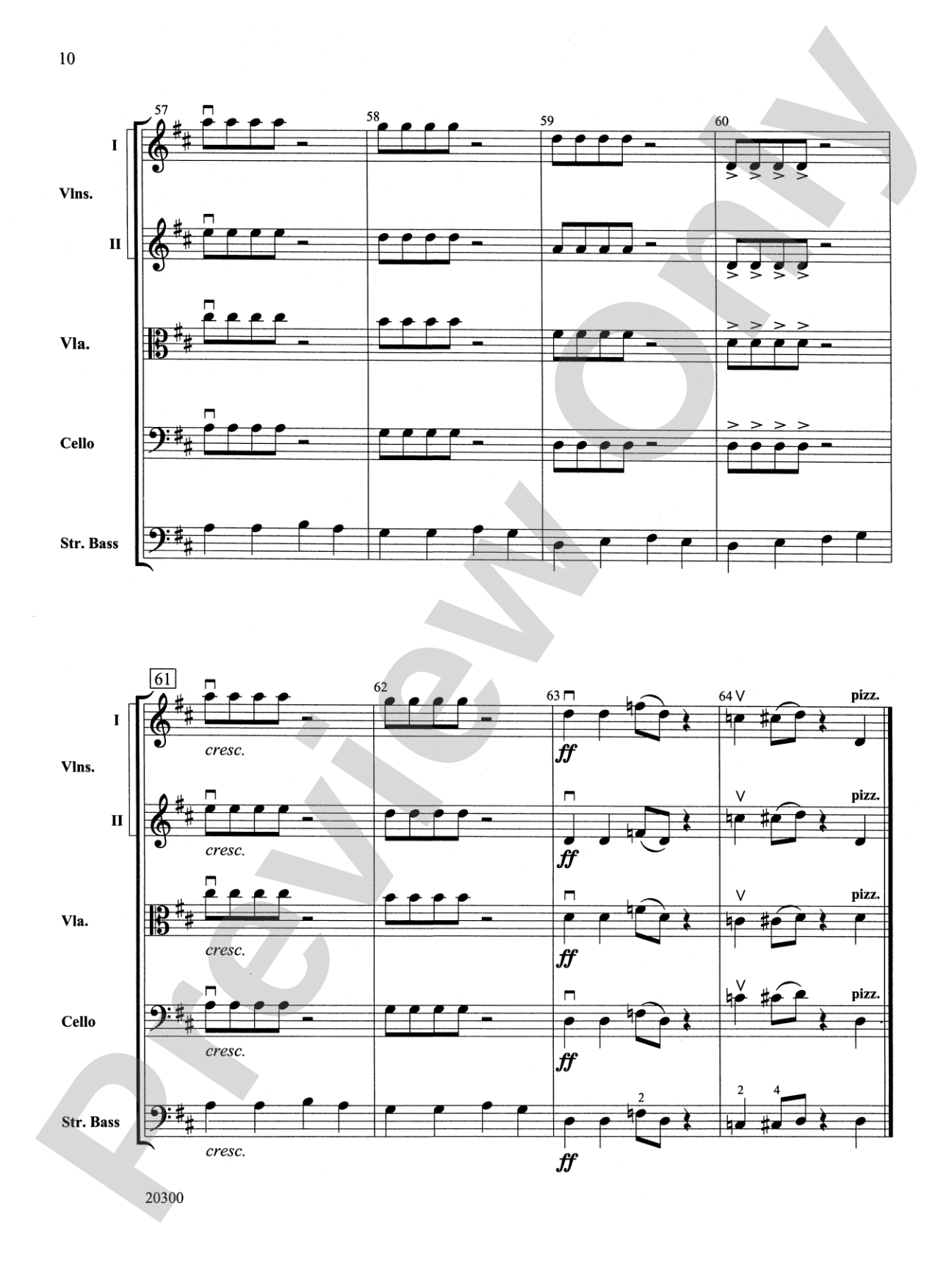
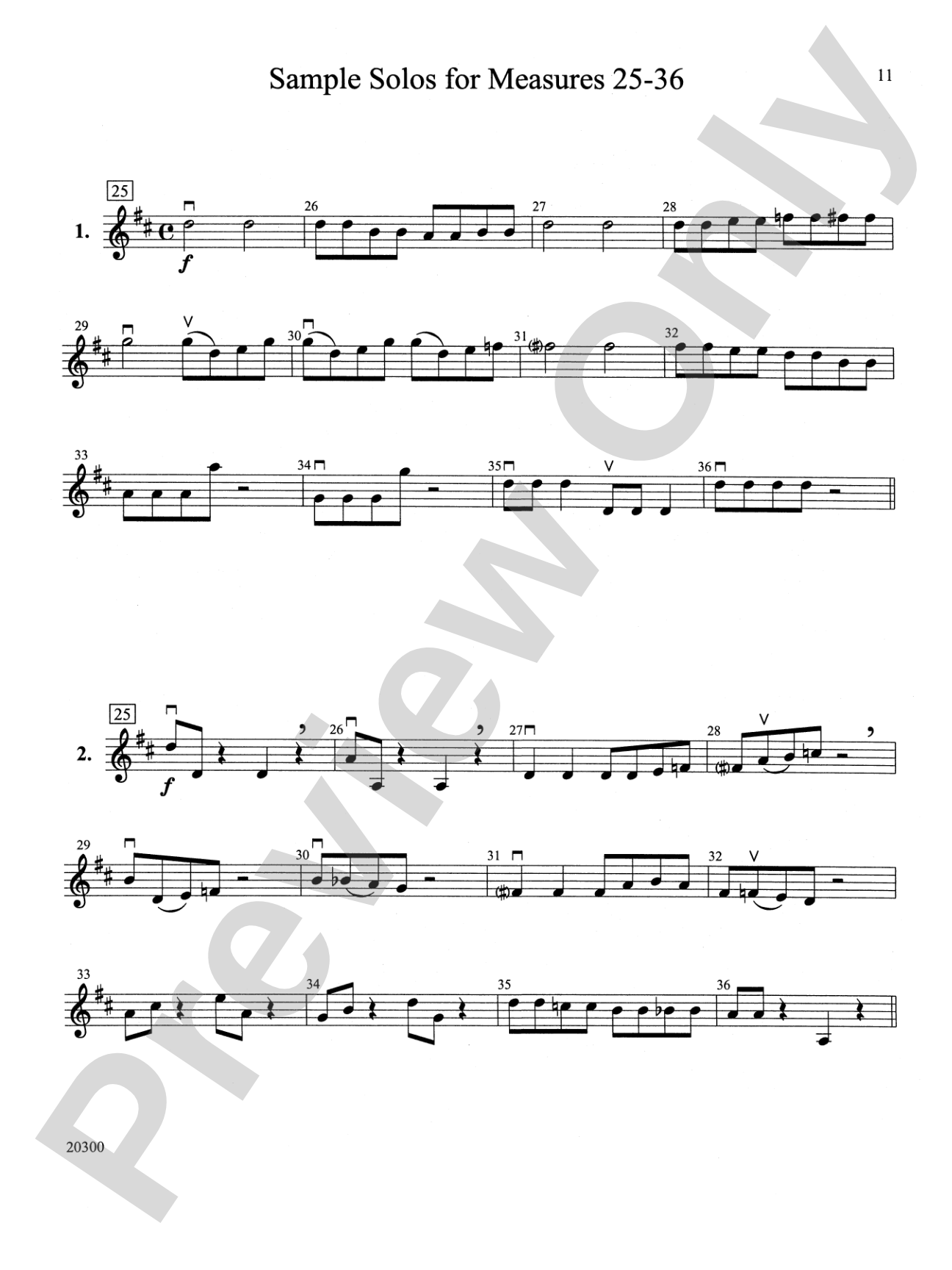
Written in the key of D major and entirely in first position, The Boogie-Man Blues can be used to introduce young string players to swing, "walking" bass and the 12-bar blues form. There are a few slurs and a hint of chromaticism to allow for focus on finger placement and intonation. For those interested in improvising, there is an optional repeated section for solos, with two sample solos included. You'll have your orchestra swingin' in no time! This title is available in MakeMusic Cloud.


Don't just read it, hear it, play along with it, and watch your students grow with it. In MakeMusic Cloud, The Boogie-Man Blues: String Orchestra Conductor Score & Parts comes alive with professional accompaniment, adjustable tempo, and built-in practice tools that turn solo practice into real progress.
Open in the Player
Jump straight in and assign it today.
Start Your Free Trial
Open this title and explore the full library in minutes.
Sample Audio
1
Audio File
--:--
0:00
0:00
Sample Video
Additional Details
Series:
Highland/Etling String Orchestra
Publisher:
Alfred Music
Page Count:
114
SKU:
00-PK-0000390
More about this title
About the Composer: Carrie Lane Gruselle

Carrie Lane Gruselle earned her Bachelor of Music Education from the University of Wisconsin–Eau Claire and her Master of Music Education from the University of Wisconsin–Stevens Point, where she specialized in Suzuki pedagogy. She brings classroom experience to her compositions, having taught elementary and middle school strings in the Appleton Area School District and cello at the Lawrence University Arts Academy in Wisconsin.
Gruselle's background in both traditional music education and Suzuki-influenced instruction shapes her approach to repertoire. Her works balance accessible technical demands with genuine musical style, making them valuable resources for young ensembles learning standard concert literature and exploring jazz idioms.
Why we love this
This is the kind of piece that makes young string players sit up straighter when they realize they can actually swing. The writing honors what Grade 2 students can execute while delivering real rhythmic sophistication and a structured pathway into blues language. Including two sample solos removes the mystery around improvisation and shows students exactly what's possible at their level.
What to expect
Relaxed and grooving, with a light shuffling quality that feels nothing like a classical etude. The 12-bar form gives the piece a satisfying shape that repeats without feeling mechanical, and the optional solos invite playfulness and personality into the orchestra.
Who it's for
Grade 2 string orchestras ready to explore jazz language and harmonic form beyond folk song arrangements. This works equally well for conductors introducing improvisation, for festival programming that calls for lighter repertoire, or for ensemble builders that need a piece with genuine rhythmic personality and style.
How to get the most out of it
- Establish the swing feel before diving into the piece. Have your section leaders or a few experienced players tap the walking bass pattern independently first, then layer in the melody to show how the parts interlock.
- Balance the band so the bass line (whether pizzicato or arco) stays audible throughout. The 12-bar form depends on that harmonic anchor being clear.
- If your students attempt the optional solos, keep them grounded in the blues scale and the chord changes you've already established in the head. Less is more at this level.
- Use the sample solos as templates, not as the final answer. Let students hear them once, then encourage them to write or improvise their own variations using the same constraints.
How to use it
Pair this with a classical or traditional piece to create programming contrast, or use it as a mid-concert reset that lifts the energy without requiring flashy technical display. It also sits naturally in fall festivals that embrace novelty and light concert categories alongside more serious offerings.
Skills your students will build
- Understanding 12-bar blues form and harmonic progression
- Playing swing rhythms and feel (eighth-note triplet feel with syncopation)
- Walking bass patterns and harmonic accompaniment roles
- Finger placement and intonation in first position with reduced vibrato demands
- Introduction to improvisation within a structured harmonic framework
- Ensemble balance when supporting a soloists or featured section