The Blue Window Cover Image

The Blue Window: Concert Band Conductor Score & Parts

$100.00 USD
Sale price  $100.00 USD Regular price 
Skip to product information
The Blue Window Cover Image

The Blue Window: Concert Band Conductor Score & Parts

Mvt. 2 from Three Conversations with Matisse

By Robert W. Smith

Grade: 4.5

Item: 98-RWS220400

$100.00
Shipped

One moment…

Description
Inspired by "The Blue Window" by Henri Matisse, this lyrical statement for alto saxophone and band is a subdued departure from the more colorful and powerful movements of "Three Conversations With Matisse". Reflective and poignant, your soloist, ensemble and audience will be quietly enthralled in a musical setting that harkens to days gone by. Simply stated….beautiful.

Original Item#: RWS-2204-00

The Blue Window: Concert Band Conductor Score & Parts isn't in MakeMusic Cloud just yet...but it could be. Let us know you'd like to see it, and you'll help shape what comes next. In the meantime, start a free trial and dive into thousands of interactive titles your students can play along with today.

Sample Pages

Sample Audio
0:00
0:00
Sample Video
Additional Details
Series: RWS - Symphony Band
Publisher: RWS Music Company
ISBN10: 1-4706-9446-8
ISBN13: 978-1-4706-9446-3
UPC: 038081610313
SKU: 98-RWS220400

More about this title

About the Composer: Robert W. Smith
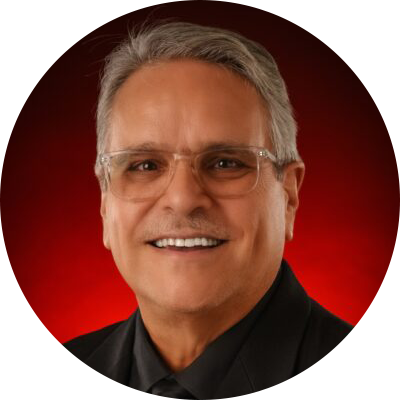
Robert W. Smith

Robert W. Smith has shaped the concert band and orchestral landscape across four decades, with over 400 published works performed on stages worldwide. Educated at Troy State University and the University of Miami, he has established himself as a composer whose voice ranges from sweeping symphonic narratives (The Divine Comedy, The Odyssey) to accessible works for developing ensembles that have become teaching standards.

Beyond the concert hall, Smith's music has soundtracked major cultural moments, from presidential ceremonies in Japan to the Macy's Thanksgiving Day Parade and the Olympic Games. As a conductor and clinician, he continues to work with musicians across North America, Europe, Asia, and Australia, bridging the gap between artistry and accessibility that defines his compositional philosophy.

Why we love this

This movement stands apart within the Three Conversations suite because it asks something different of your band. Rather than technical display or dramatic gesture, Smith crafts a moment of stillness centered on your alto saxophone soloist, and that focus demands maturity from everyone on stage. The ensemble writing supports without overwhelming, which means your students must listen actively and breathe together in ways that feel intimate.

What to expect

The music settles into a reflective space inspired by Matisse's painting, with the alto saxophone voice floating over gentle band textures. There's a quiet beauty here, a sense of looking inward and recognizing something meaningful in simplicity. It harkens to an earlier, more contemplative musical era while remaining entirely contemporary in its orchestration.

Who it's for

Bands at the upper-intermediate level with a capable alto saxophonist and the maturity to sustain a subdued, introspective mood. This works equally well for concert performances and festival competitions where a change of pace from more extroverted repertoire strengthens the overall program.

How to get the most out of it

  • Balance the alto saxophone soloist slightly forward in the mix without letting the ensemble fade into accompaniment texture; the band should feel present and engaged, not relegated to background.
  • Take time during rehearsal to discuss the Matisse painting and what 'reflective and poignant' means musically for your group. The emotional clarity will inform phrasing and dynamics naturally.
  • Shape longer phrases by thinking of the soloist and ensemble as having a conversation rather than performing parallel lines. Small adjustments in ensemble dynamics can create space for the saxophone to breathe.
  • Let the tempo breathe. Resist the urge to rush quiet, lyrical passages. Silence and space are compositional choices here, not mistakes to fill.

How to use it

Program this as a palate-cleanser midway through a concert, especially after larger or more energetic works. It also pairs well with the other movements from Three Conversations, allowing you to build a complete Matisse-inspired suite, or stands alone as a solo-with-ensemble feature that showcases both your saxophone section and the band's ability to support a soloist with sensitivity.

Skills your students will build

  • Listening and responding to a solo voice in an ensemble context
  • Sustaining soft dynamics with clarity and presence
  • Phrasing and breath control in slow, lyrical material
  • Balance between foreground and background textures
  • Reading and executing nuanced dynamic shifts and tempo flexibility

You May Also Like