
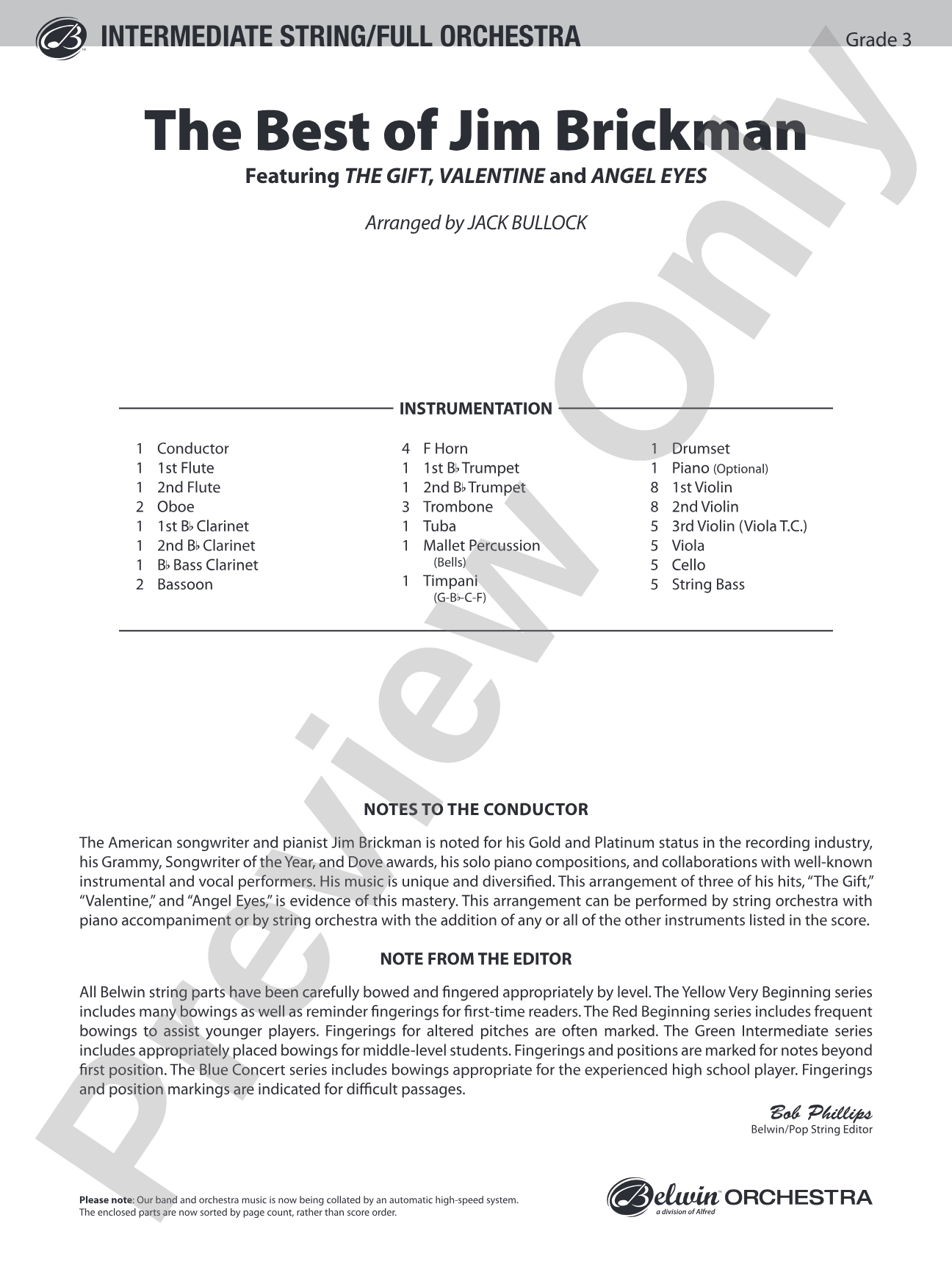
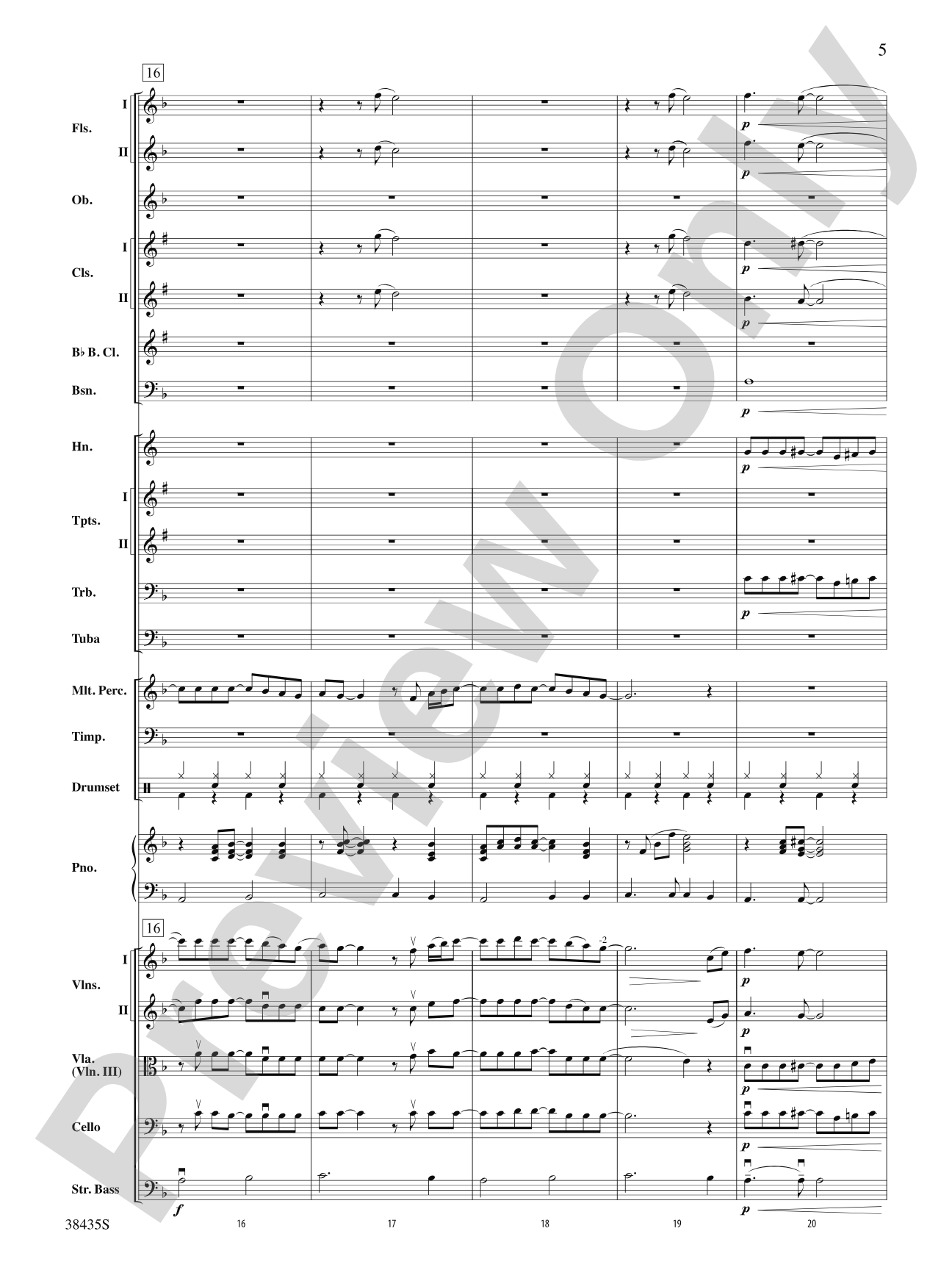
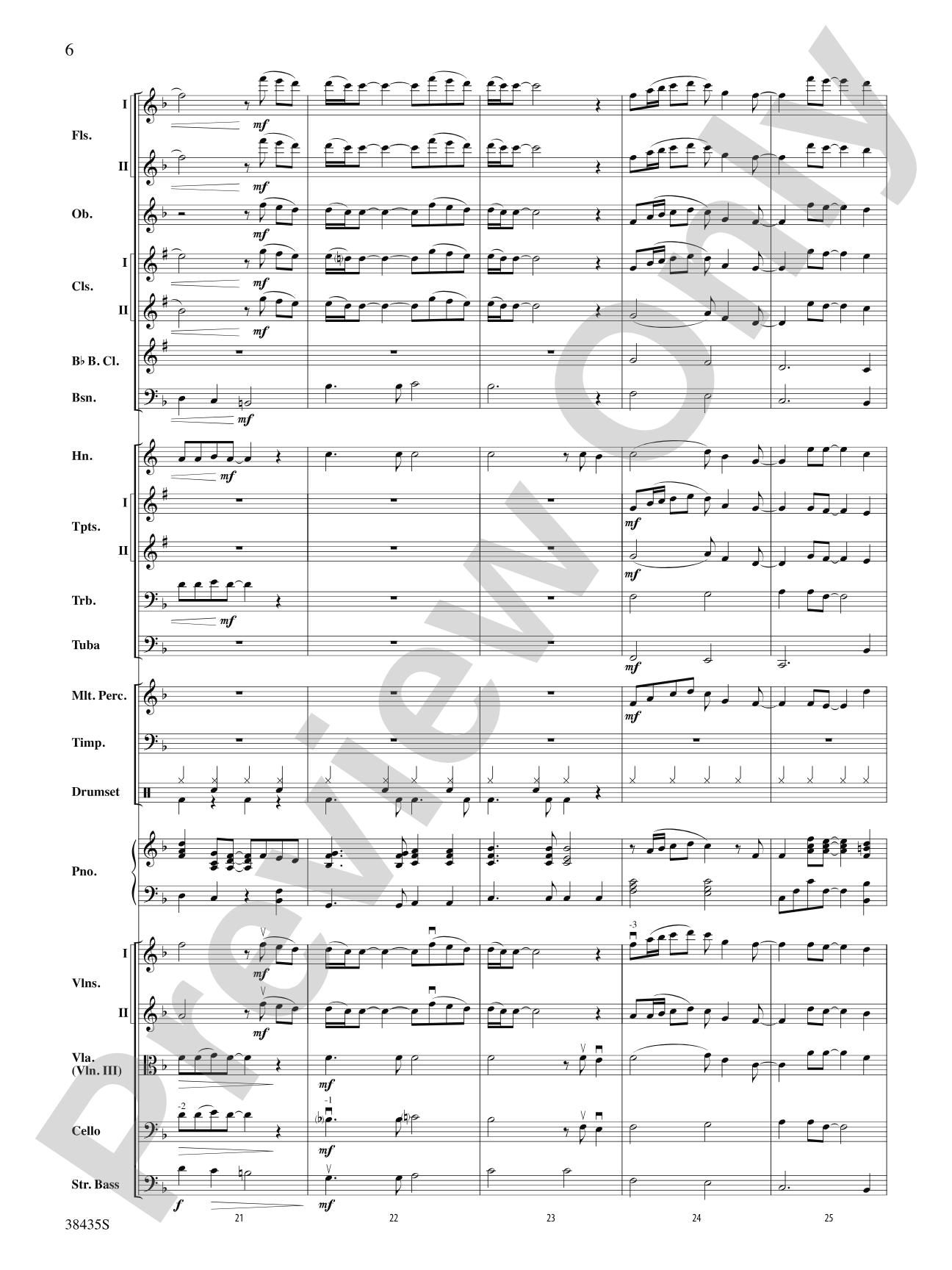
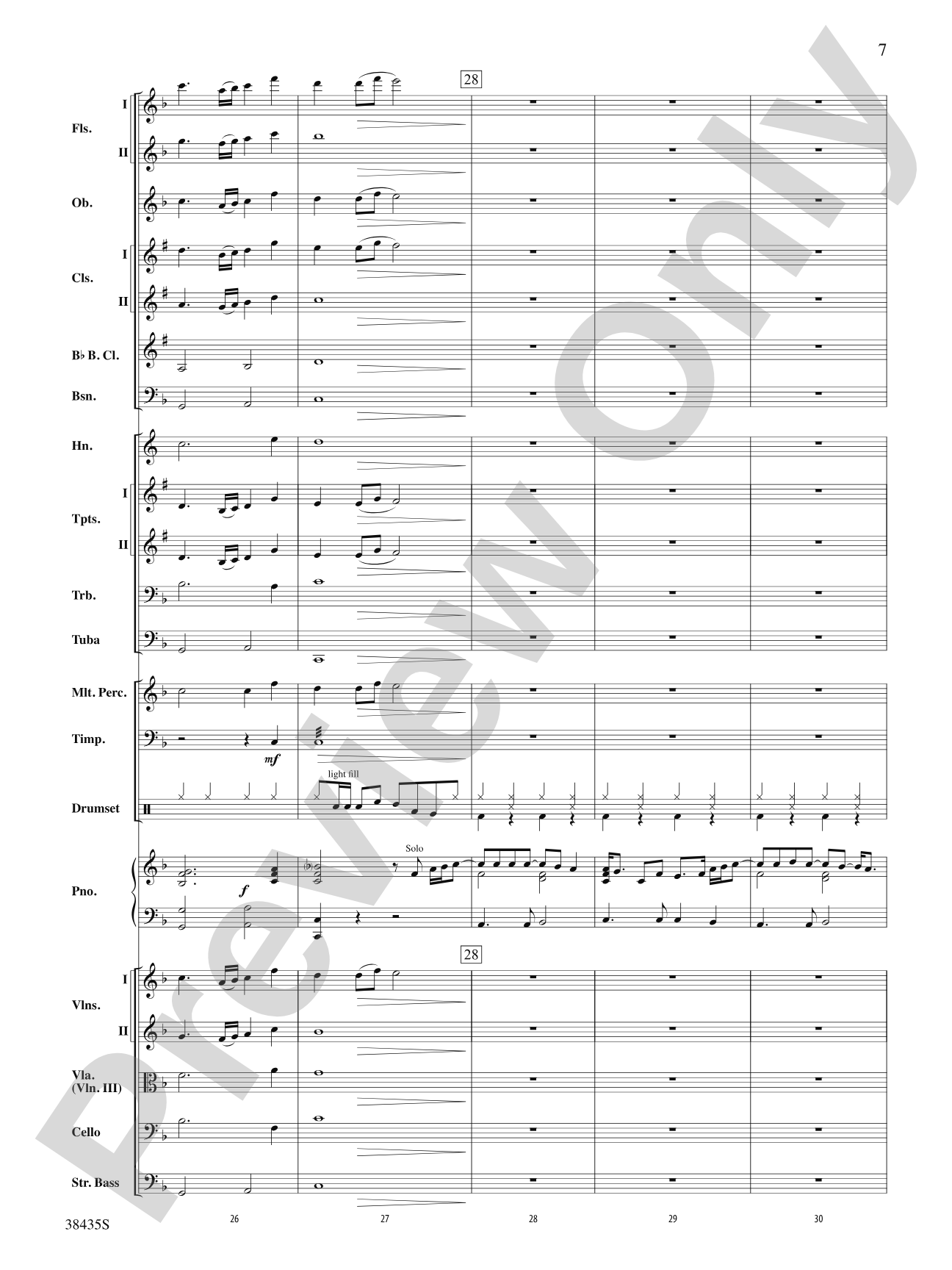
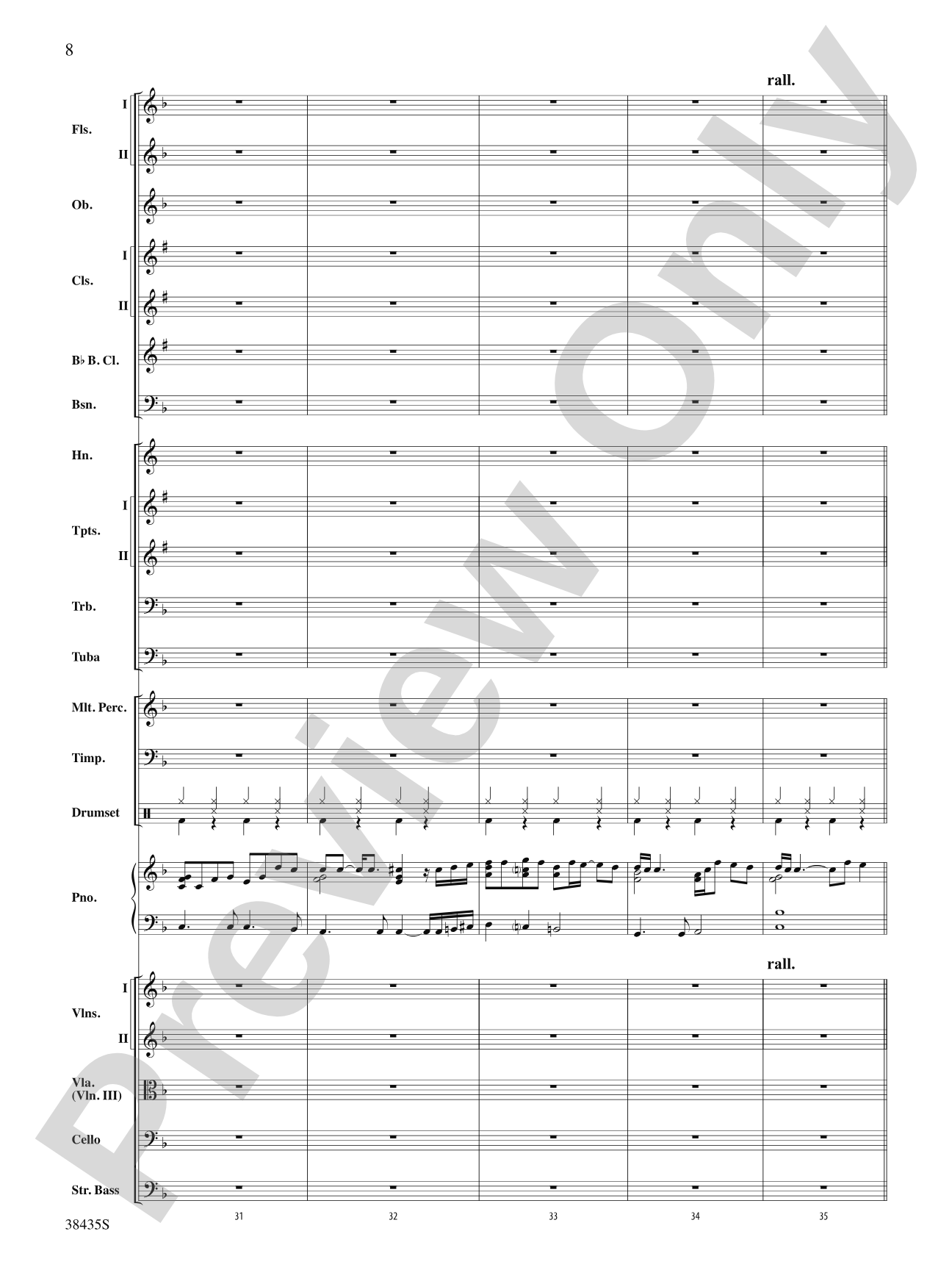
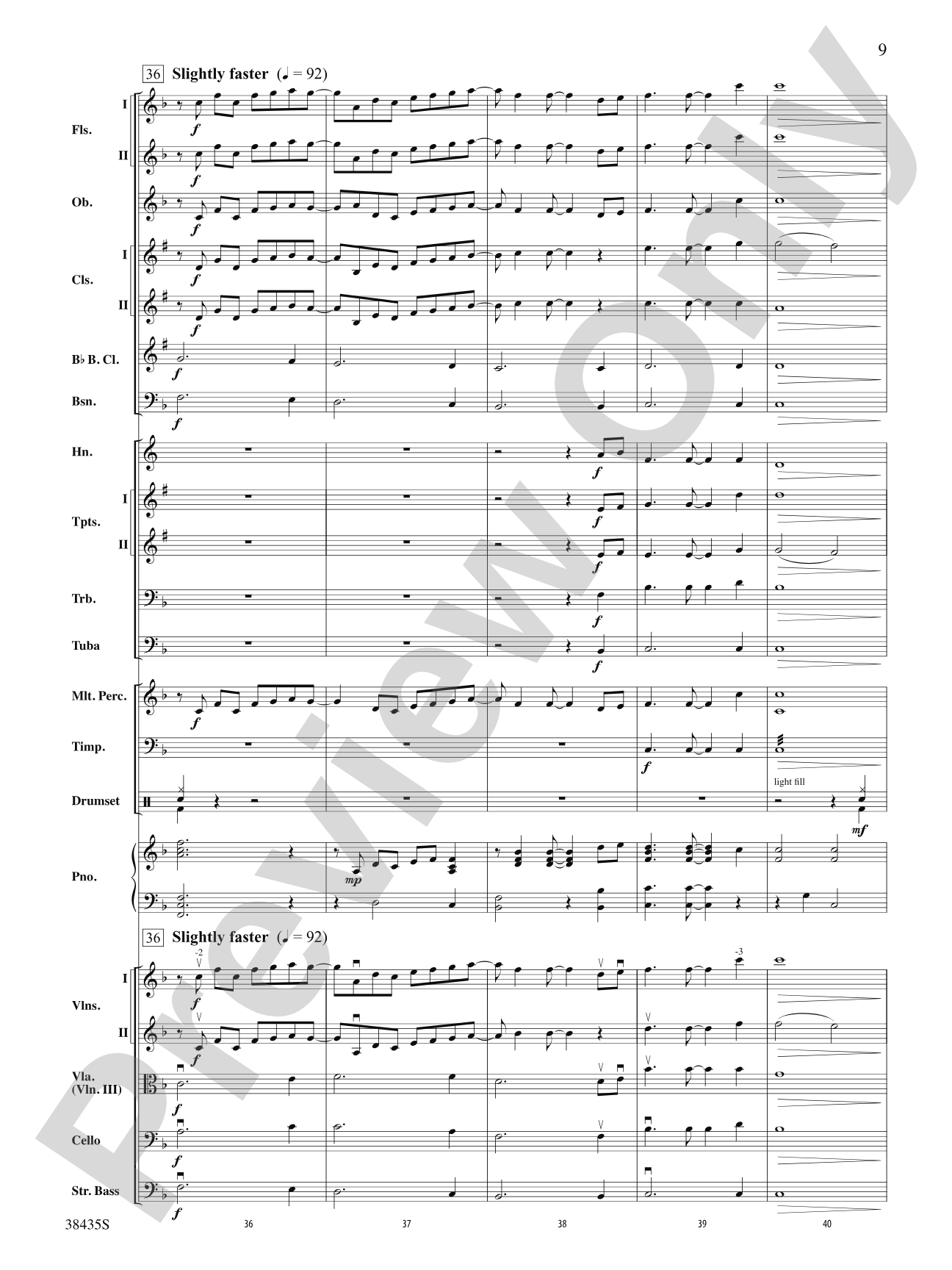
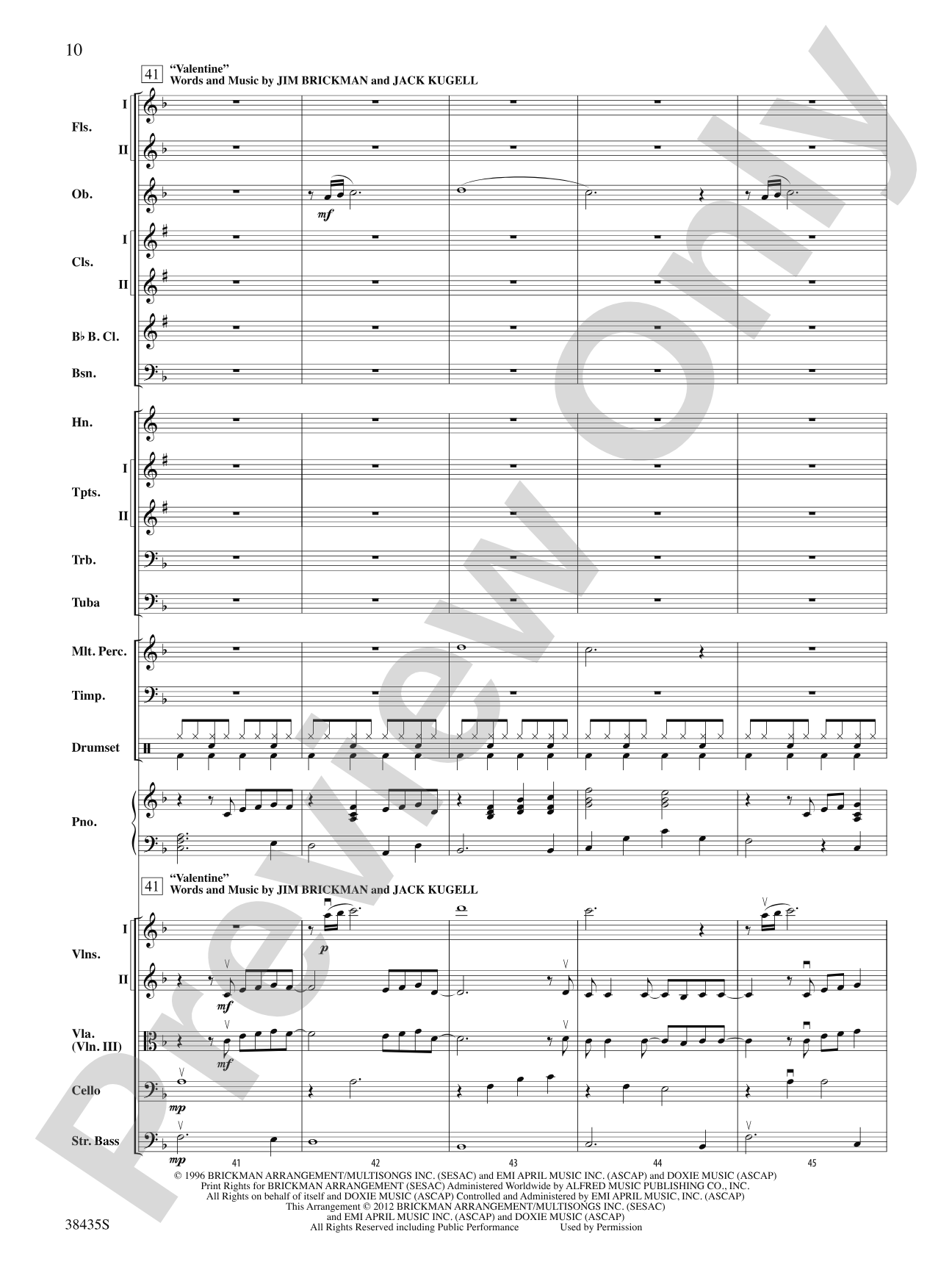
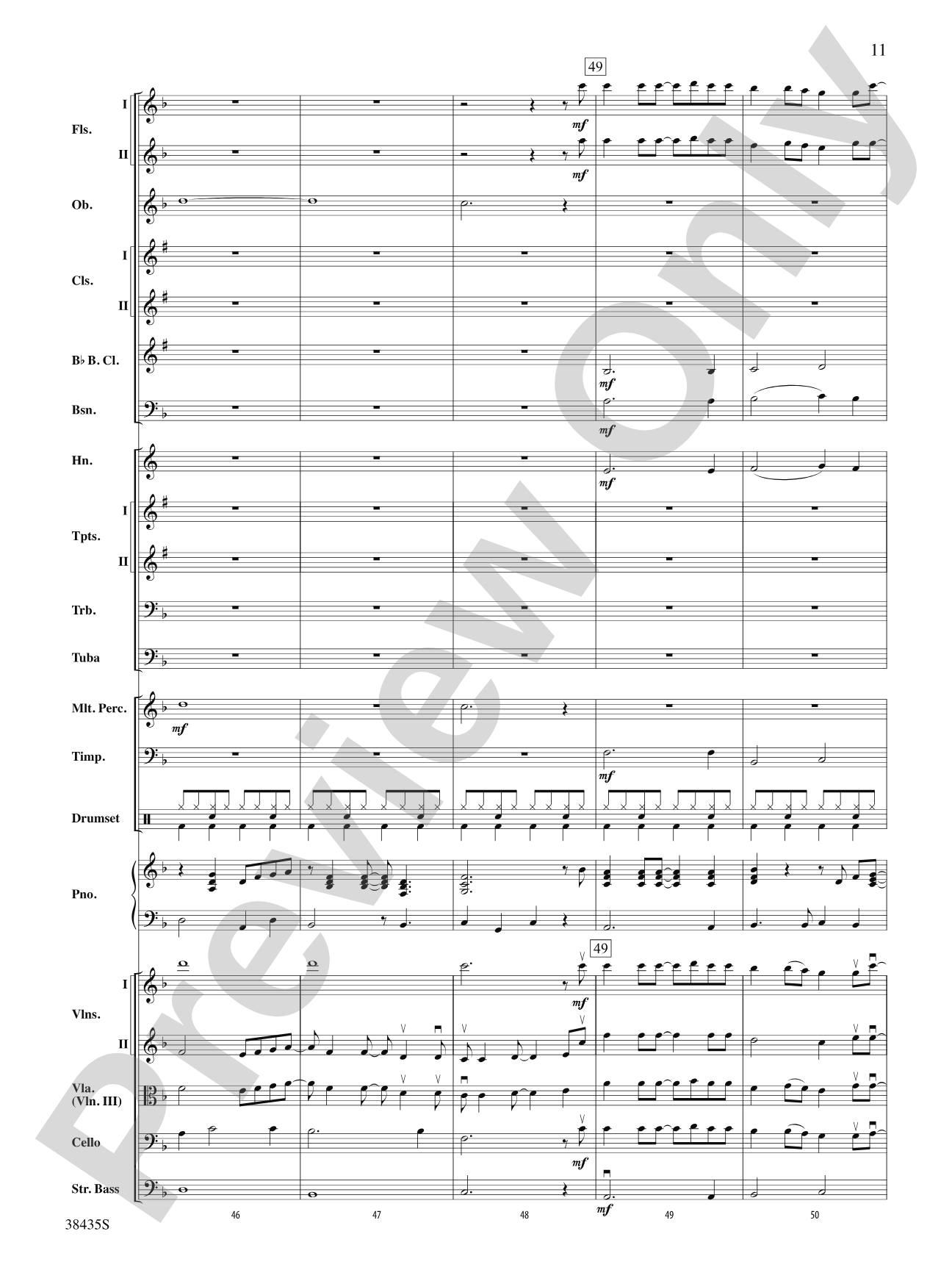
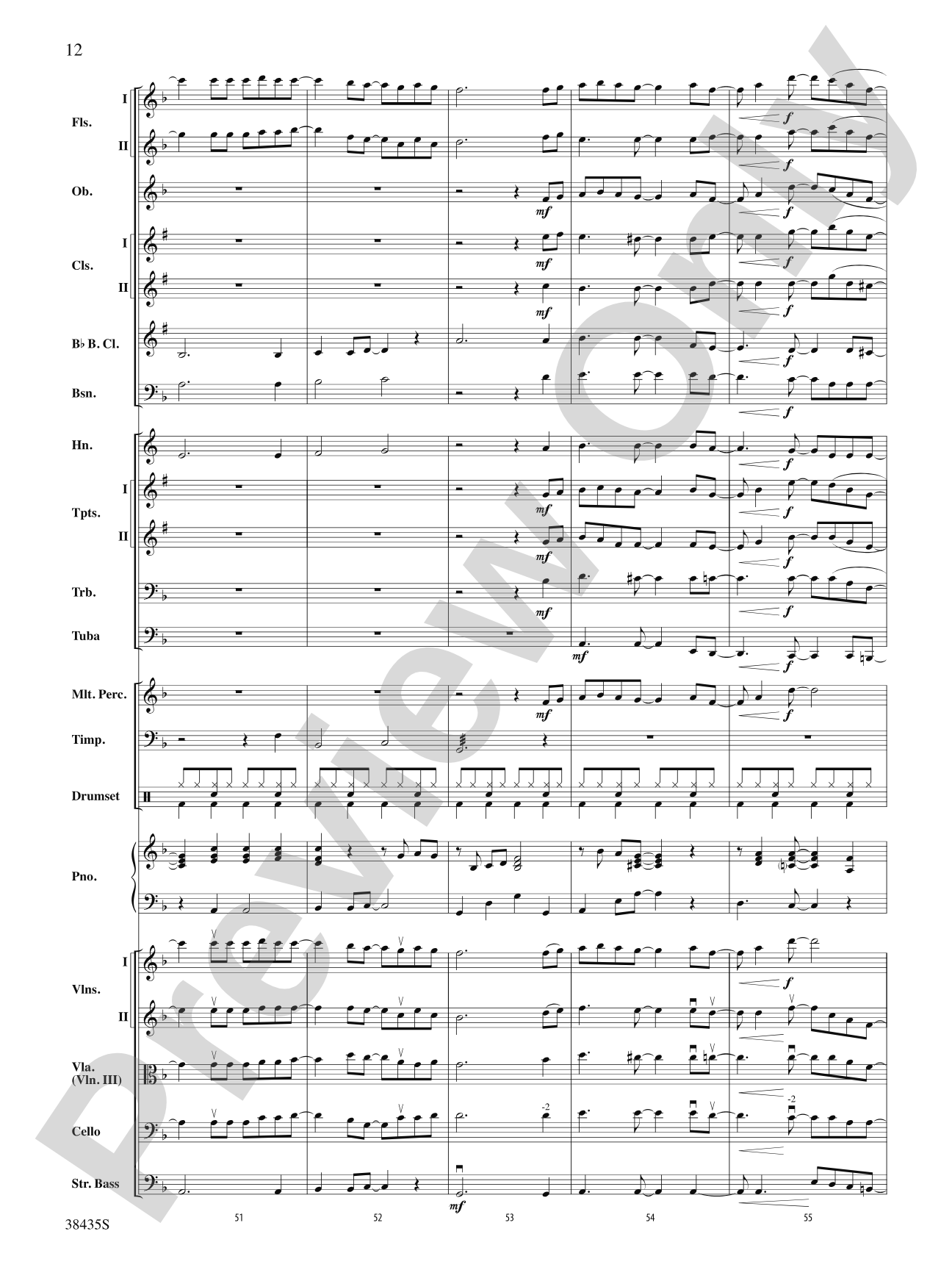
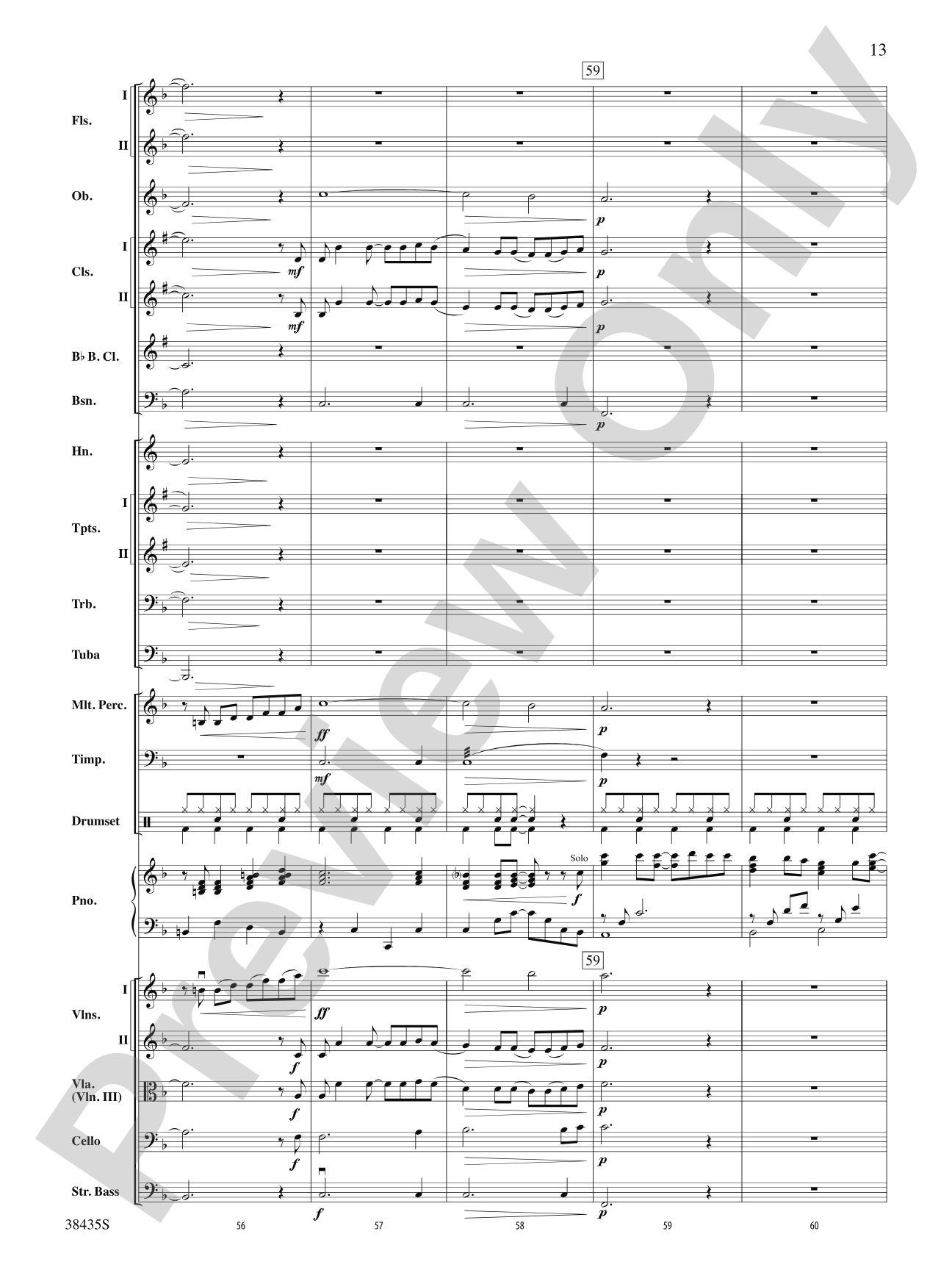
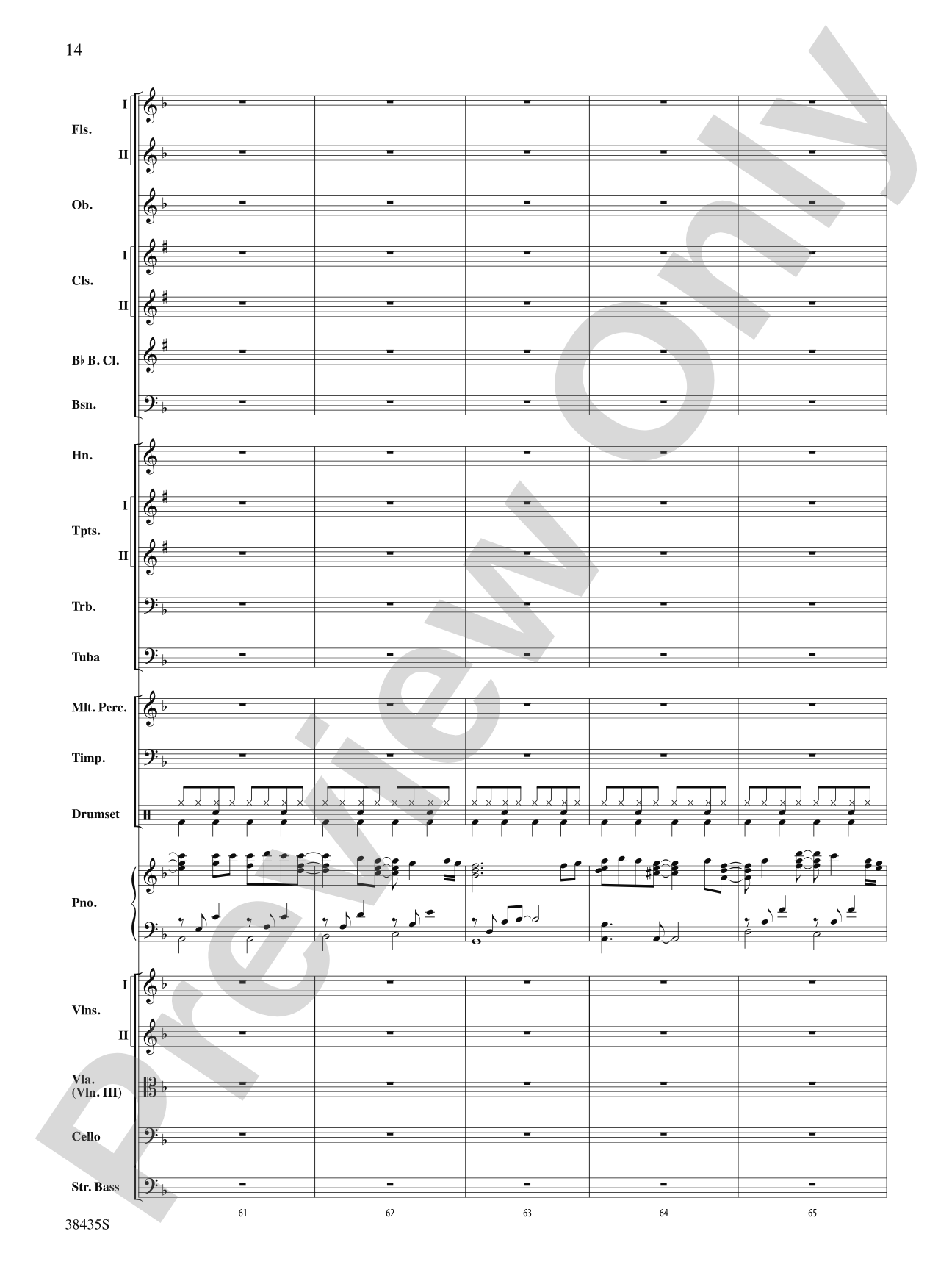
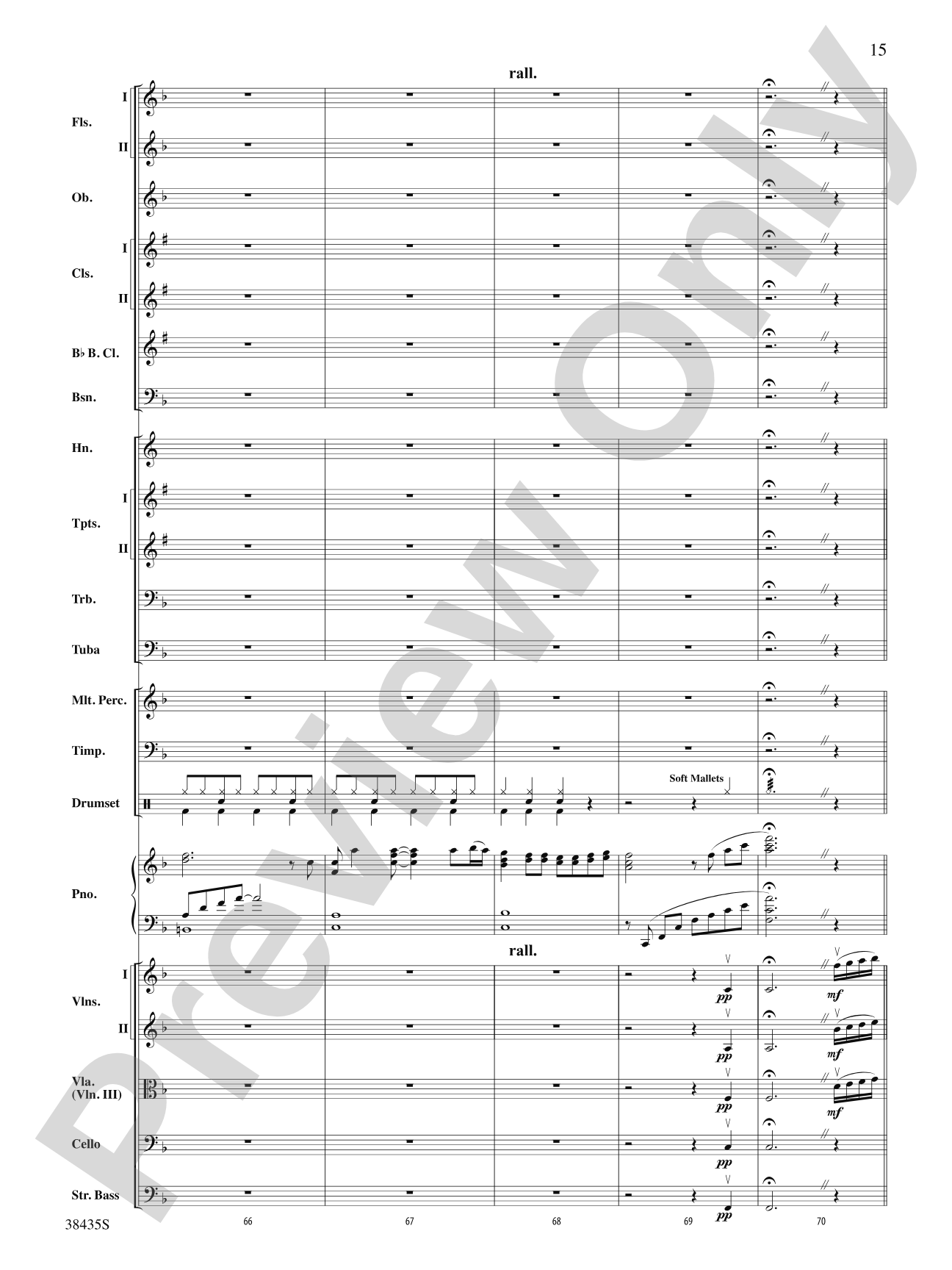
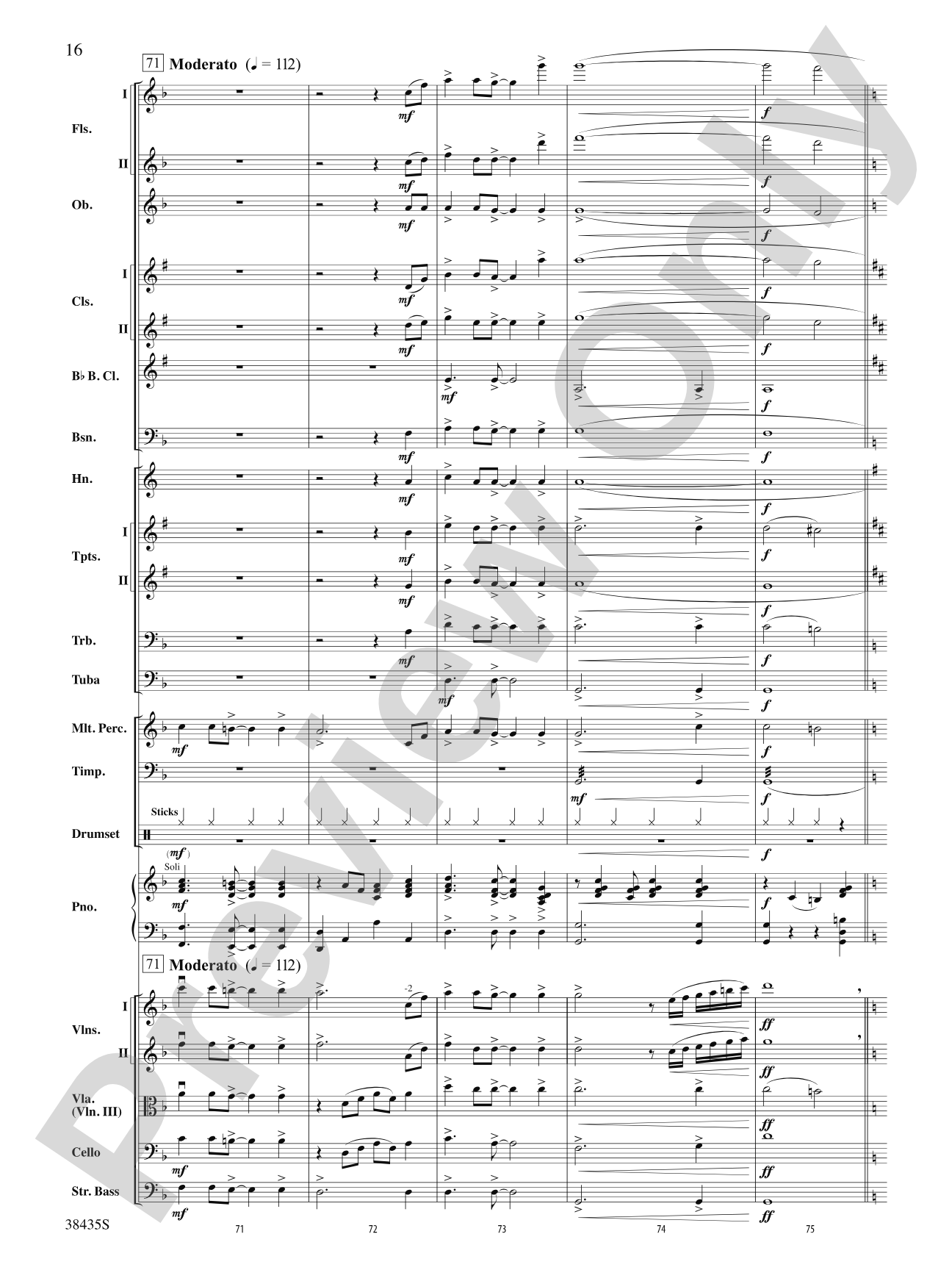
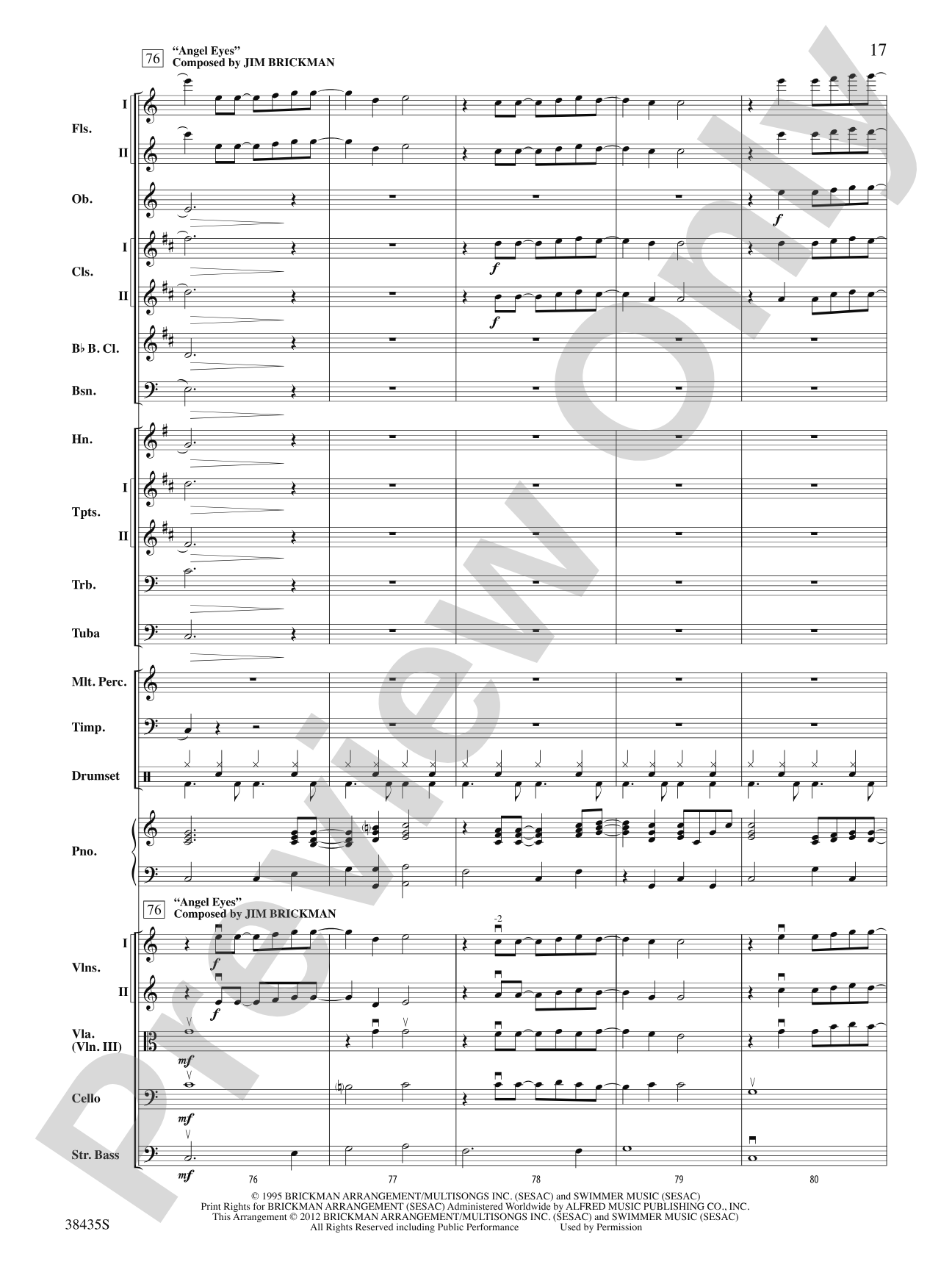
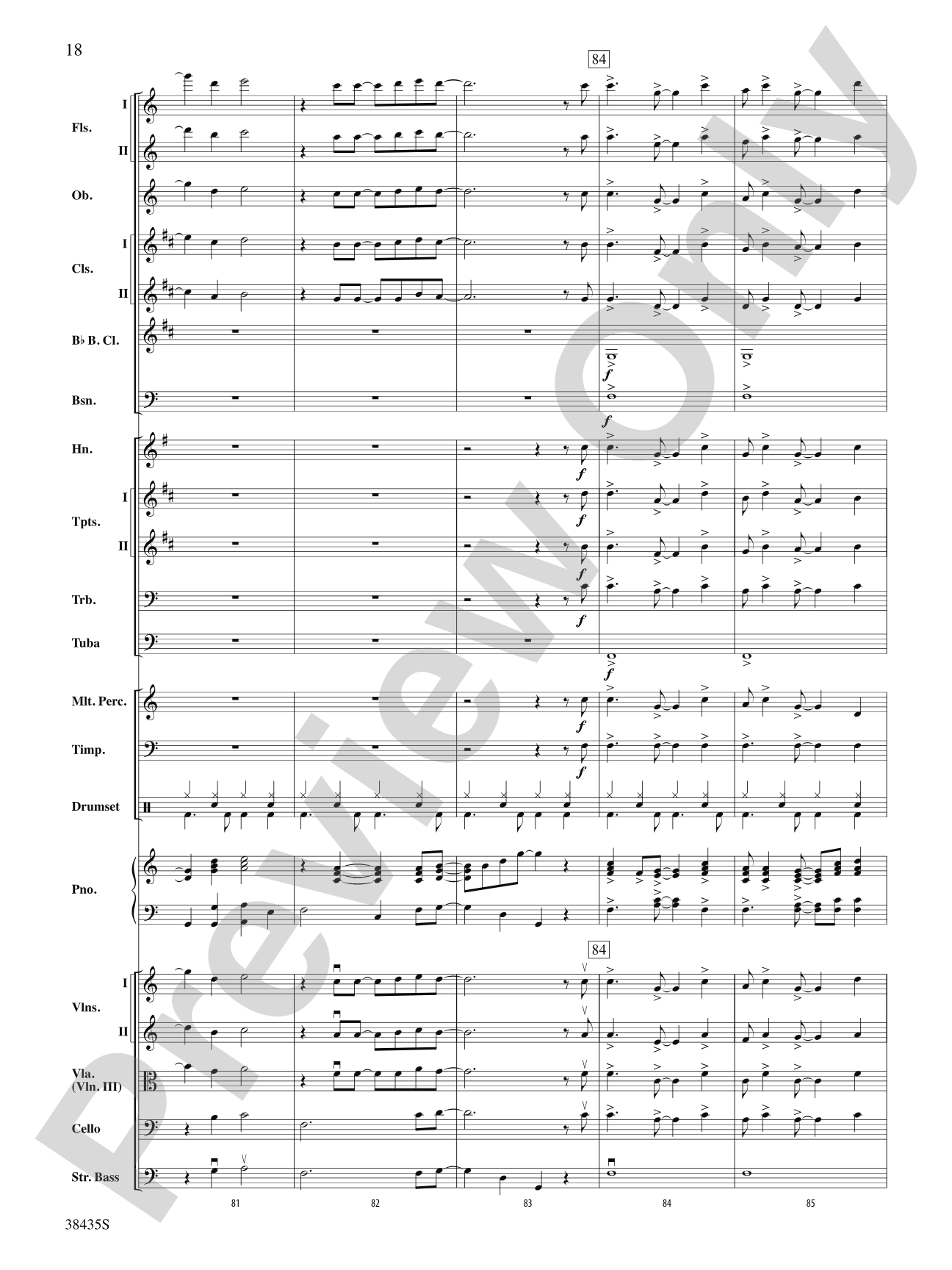
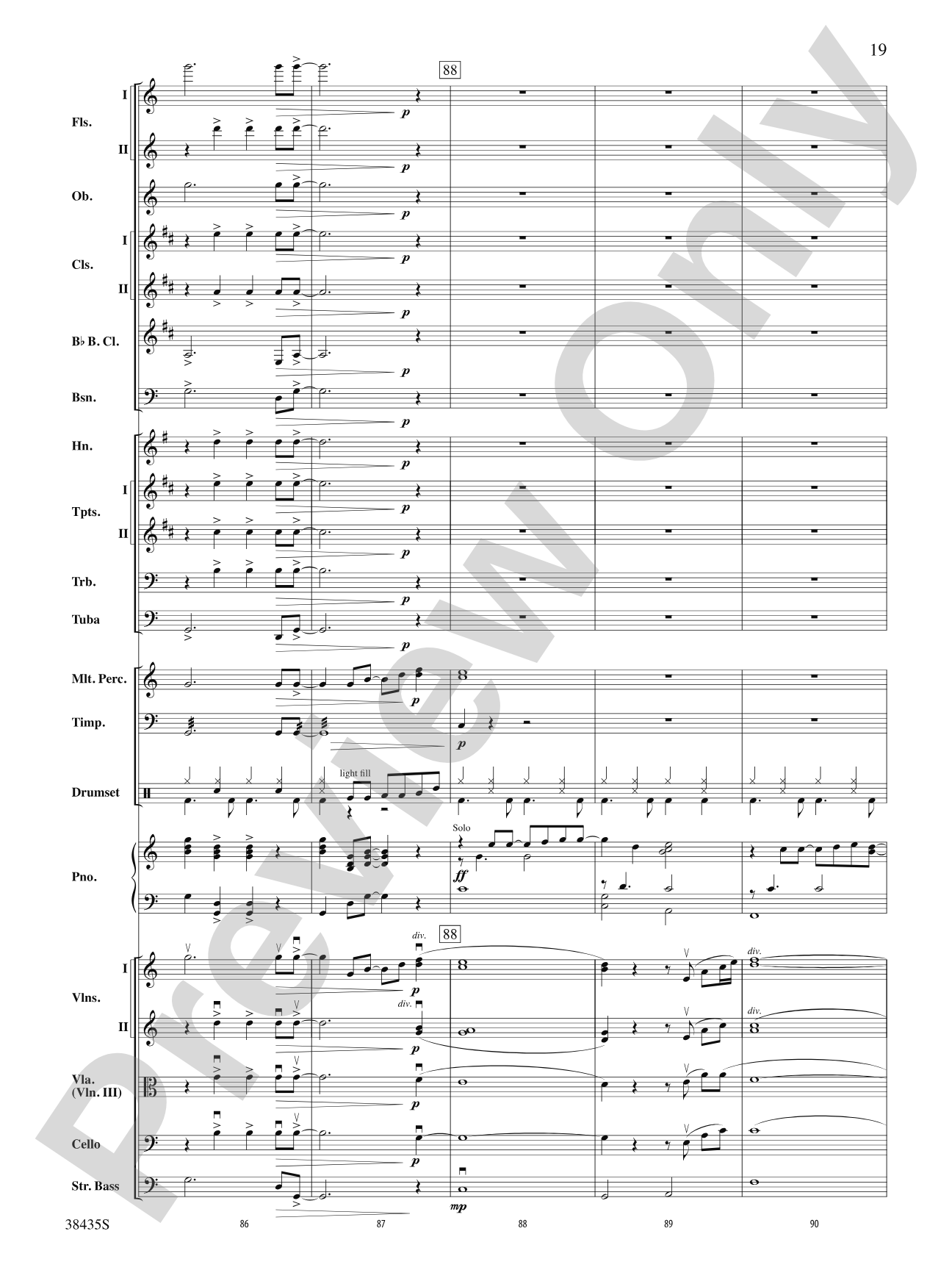
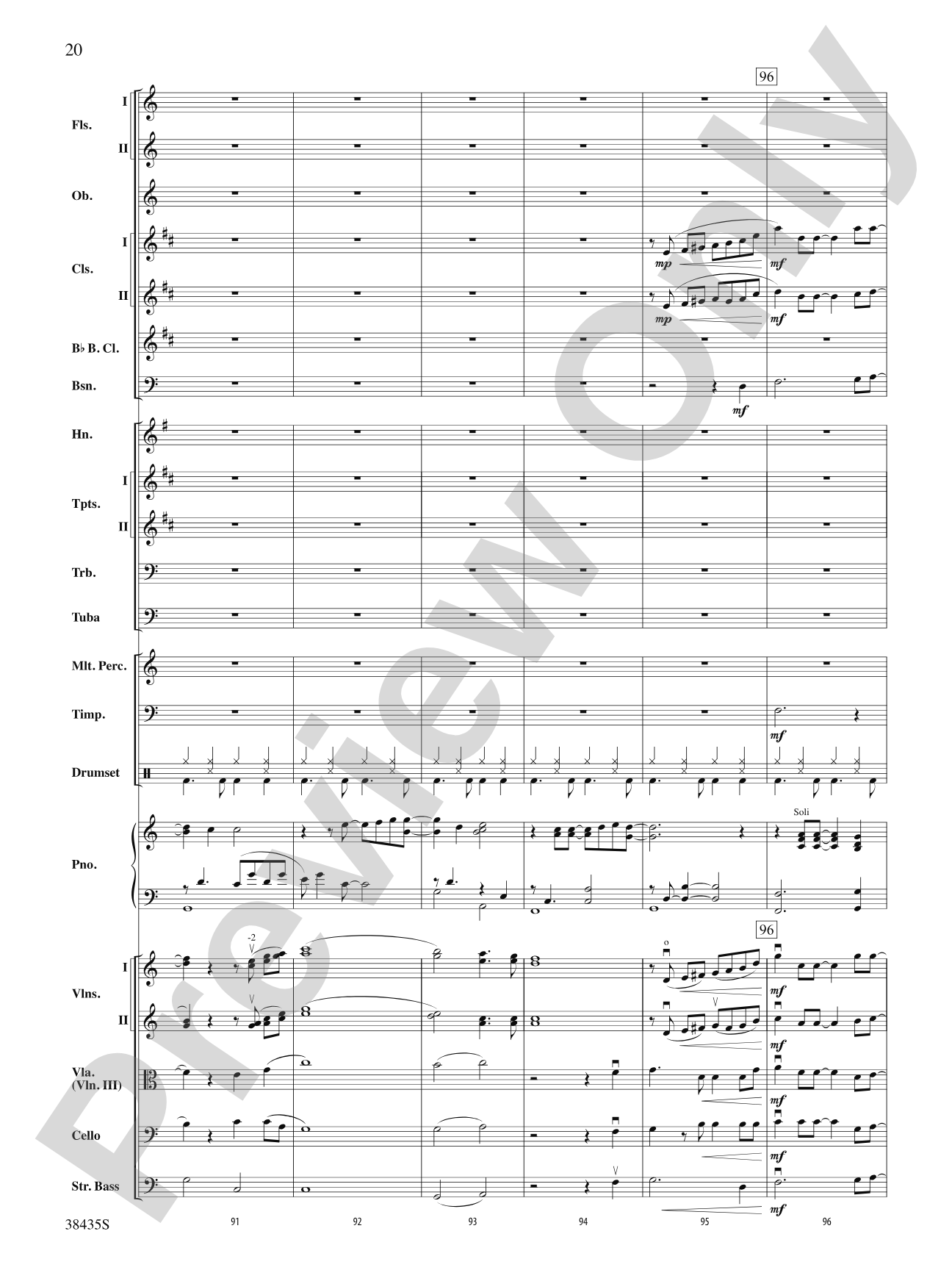
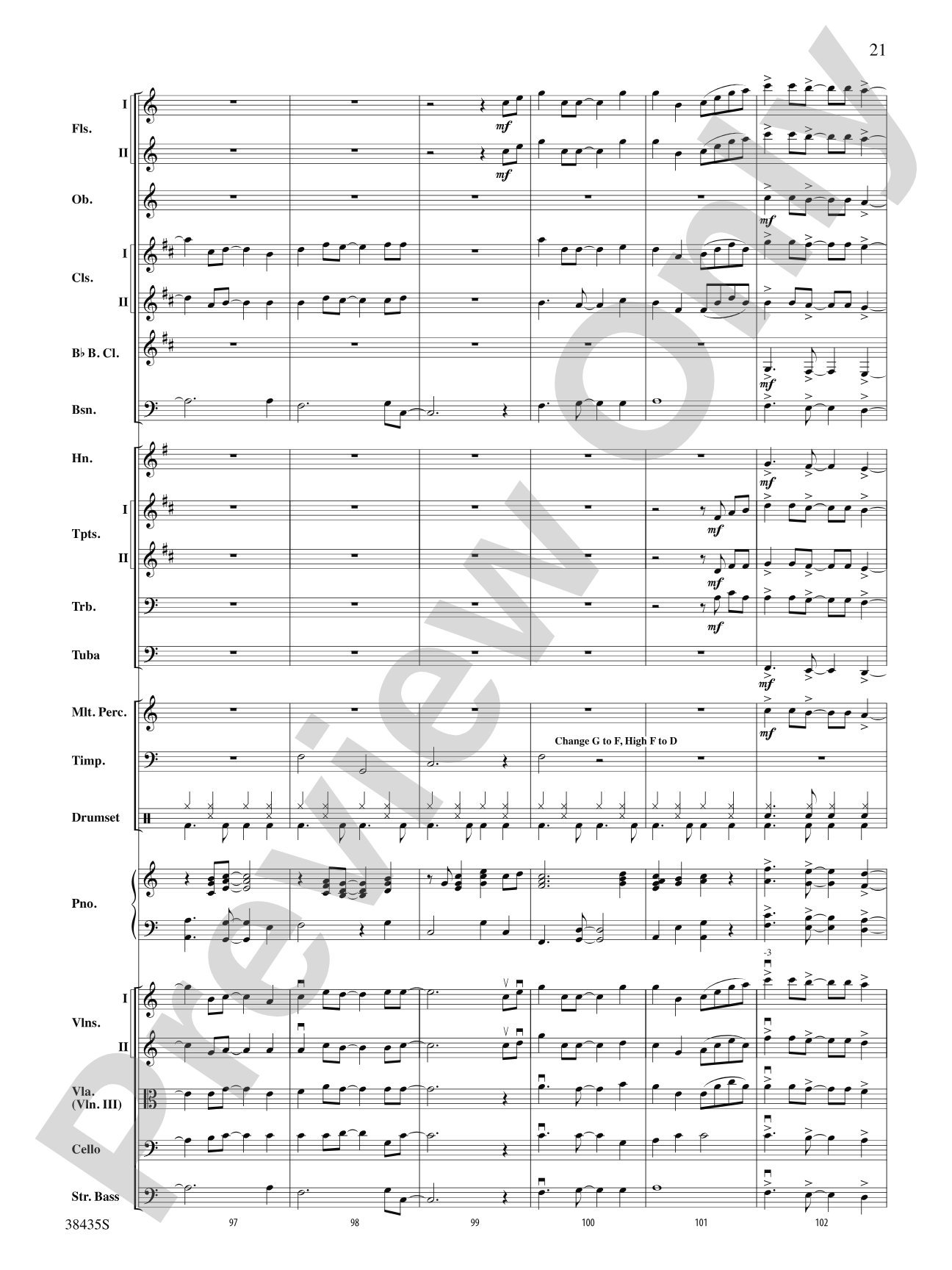
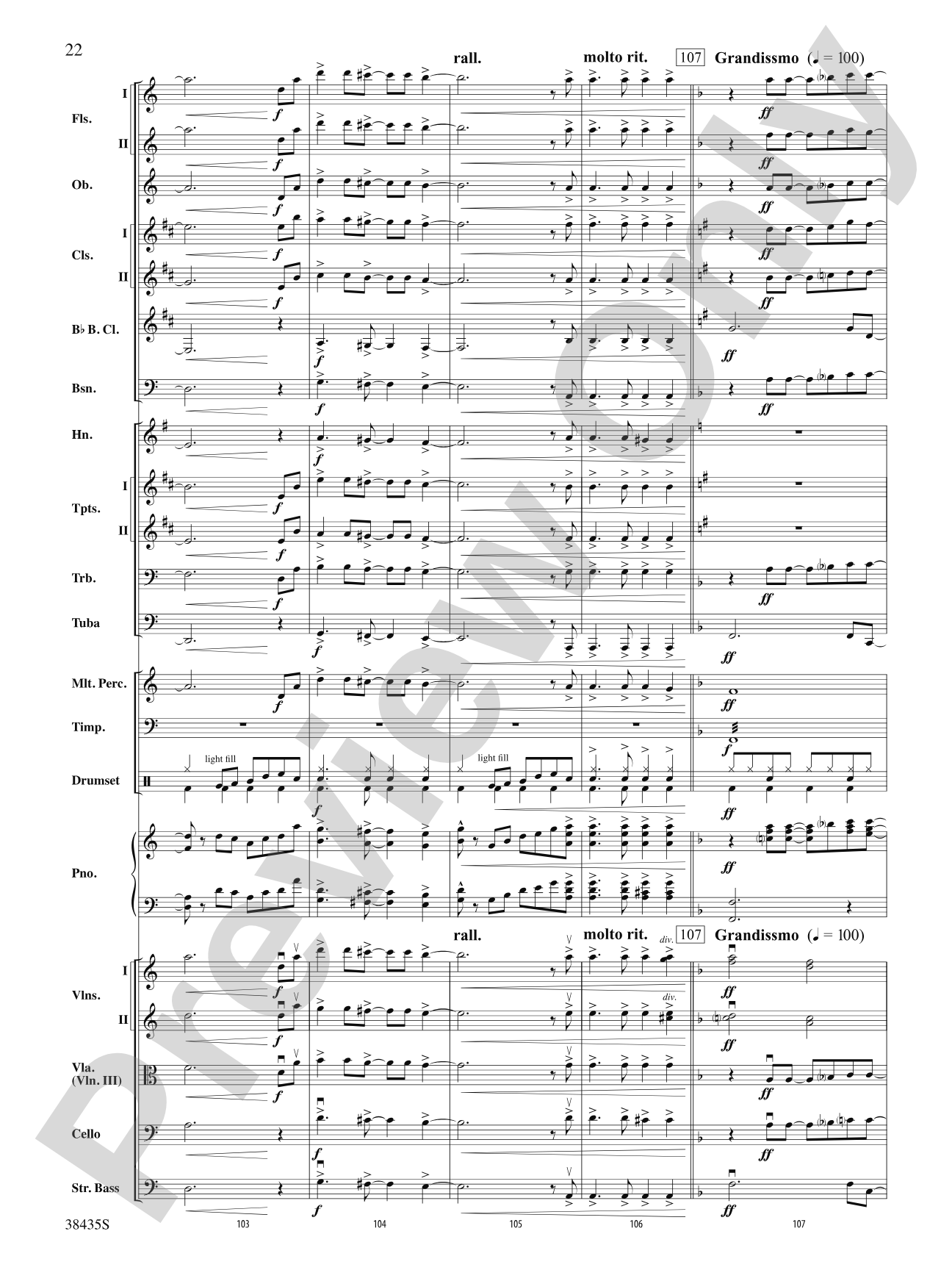
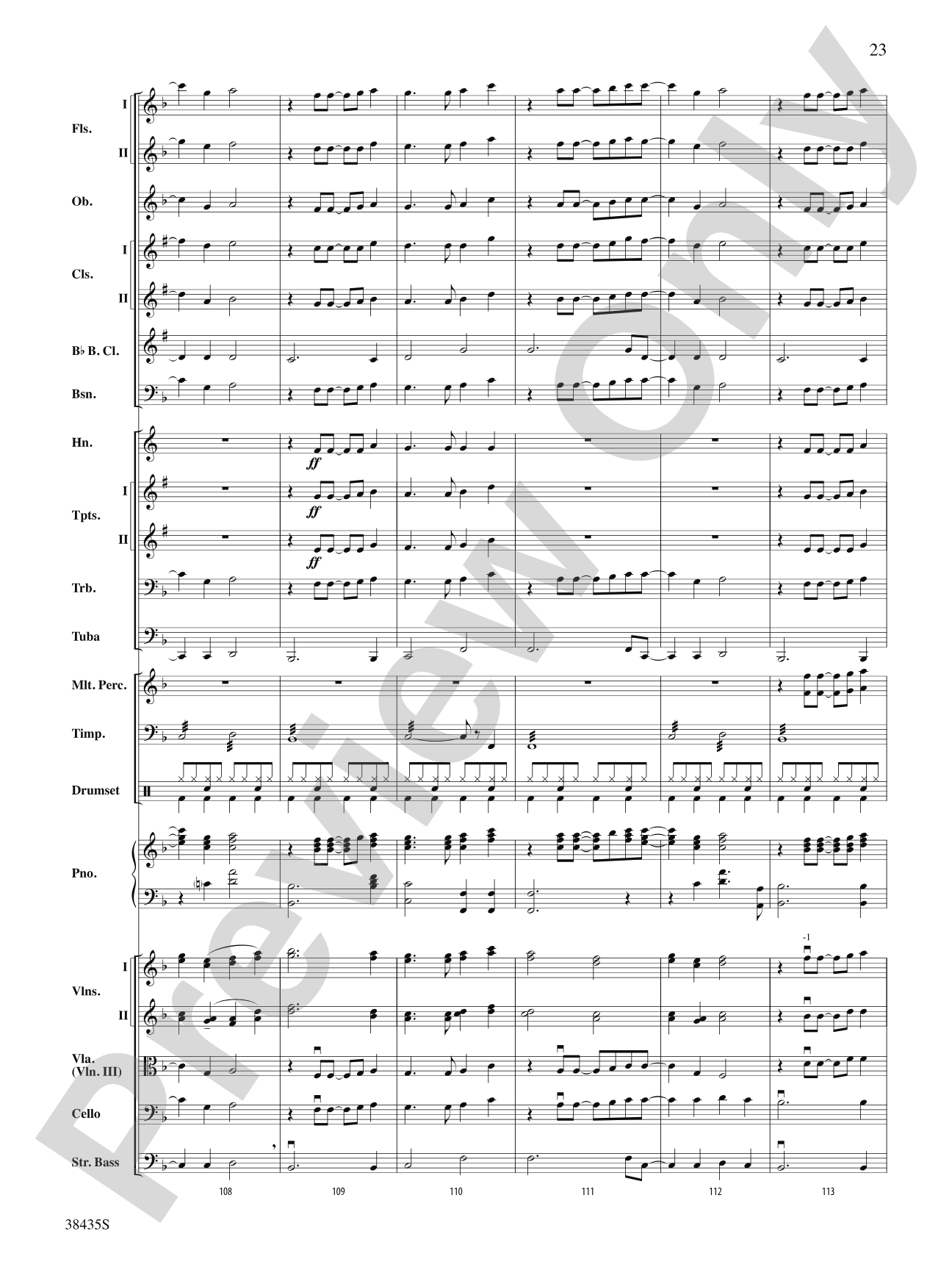
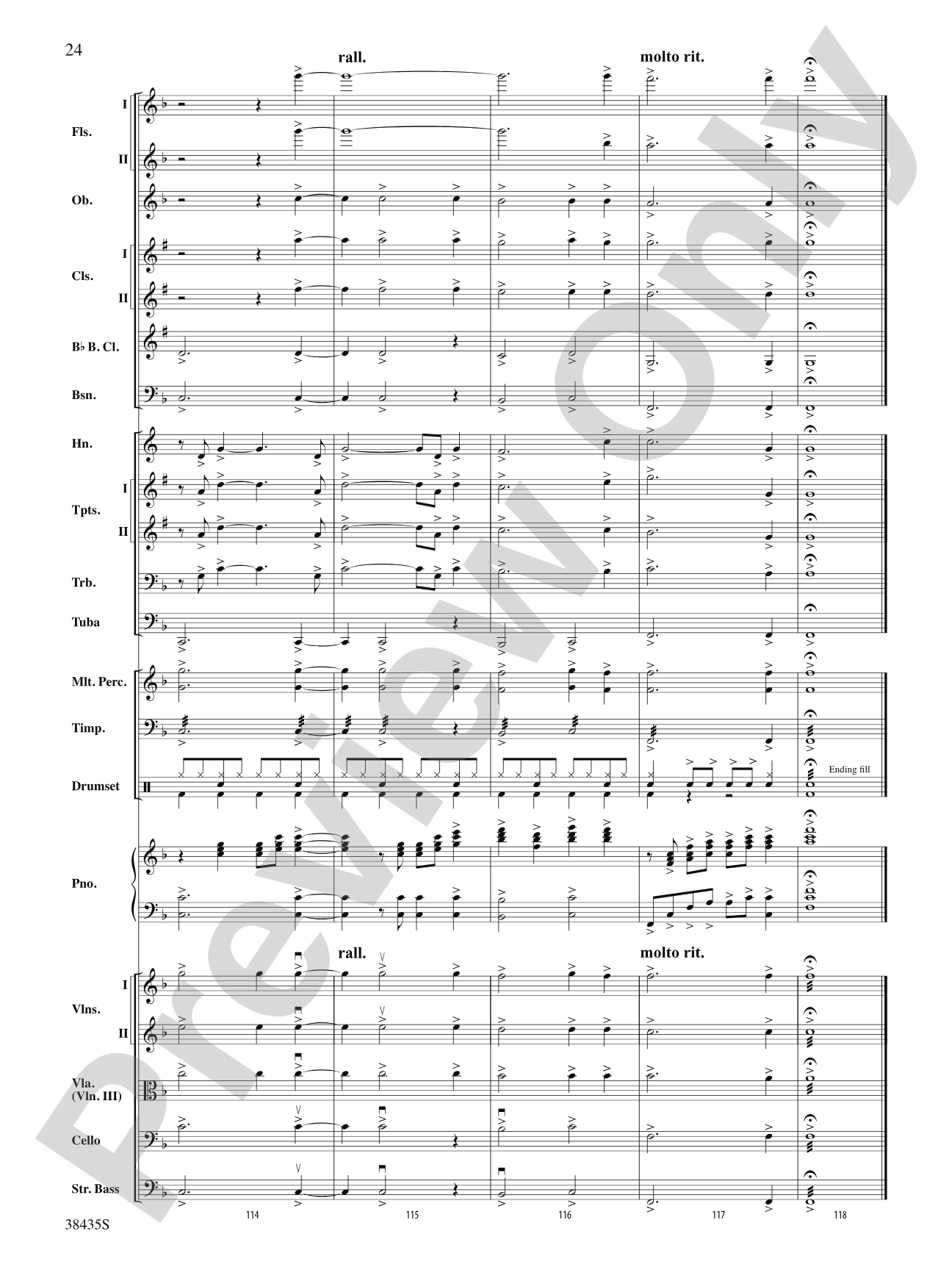

The Best of Jim Brickman: Full Orchestra Conductor Score & Parts
Featuring: The Gift / Valentine / Angel Eyes
The music of Jim Brickman / arr. Jack Bullock
Grade: 3
Item: 00-PK-0005552

$60.00
One moment…
Description
The American songwriter and pianist, Jim Brickman, is noted for his Gold and Platinum status in the recording industry, his Grammy, Songwriter of the Year, and Dove awards, his solo piano compositions, and collaborations with well-known performers. His music is unique and diversified. This arrangement of three hits, "The Gift," "Valentine," and "Angel Eyes," is evidence of this mastery.


Don't just read it, hear it, play along with it, and watch your students grow with it. In MakeMusic Cloud, The Best of Jim Brickman: Full Orchestra Conductor Score & Parts comes alive with professional accompaniment, adjustable tempo, and built-in practice tools that turn solo practice into real progress.
Open in the Player
Jump straight in and assign it today.
Start Your Free Trial
Open this title and explore the full library in minutes.
Sample Audio
1
Audio File
--:--
0:00
0:00
Sample Video
No sample videos found.
Additional Details
Series:
Pop Intermediate Full Orchestra
Publisher:
Alfred Music
Page Count:
218
SKU:
00-PK-0005552
More about this title
About the Composer: Jim Brickman
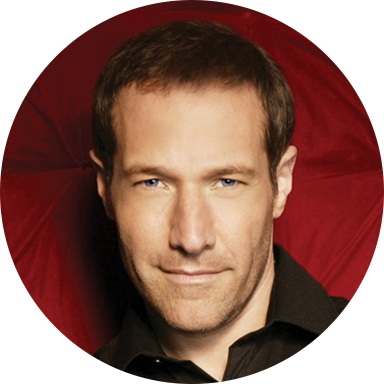
Jim Brickman has established himself as a defining voice in contemporary instrumental music, blending classical training with popular sensibility to create emotionally direct compositions. His recordings have achieved multi-platinum status, and his awards span both mainstream and faith-based music industries, reflecting the breadth of his artistic reach. Brickman's creative philosophy centers on music as a vessel for human connection; he composes with the intention that his melodies accompany life's defining moments, whether celebrations or quiet reflections.
As a pianist and bandleader, Brickman has spent decades refining his craft in live performance, which informs every arrangement and orchestration choice in his catalog. His gift lies in accessibility without compromise—his melodies are instantly memorable, yet they retain harmonic depth and emotional sophistication that reward repeated listening.
Why we love this
Brickman's melodic gift translates brilliantly to the orchestra, and Jack Bullock's orchestration balances full-section color with transparency so the singers (if used) never get buried. Three standalone hits means your orchestra can program individual selections or perform the complete suite, giving you flexibility in concert planning. The Grade 3 level is carefully calibrated: accessible enough for developing ensembles, but orchestrationally sophisticated enough to keep advanced musicians engaged.
What to expect
Warm, unhurried, and deeply sincere. These three pieces settle into you rather than demanding attention; they're built on the kind of melody that stays with listeners long after the concert ends. The orchestral writing respects the emotional clarity of the original songs while adding textural layers that make each arrangement feel fresh and complete.
Who it's for
Orchestra directors programming Grade 2-3 repertoire who want pieces with strong audience connection and crossover appeal. This works equally well for school orchestras looking for engaging concert material and for conductors seeking repertoire that resonates with listeners who know Brickman's recordings.
How to get the most out of it
- Balance the string sections carefully in the opening statements; these melodies need to breathe and sing, not dominate. Let the woodwinds and brass sit naturally beneath rather than pushing to fill every dynamic layer.
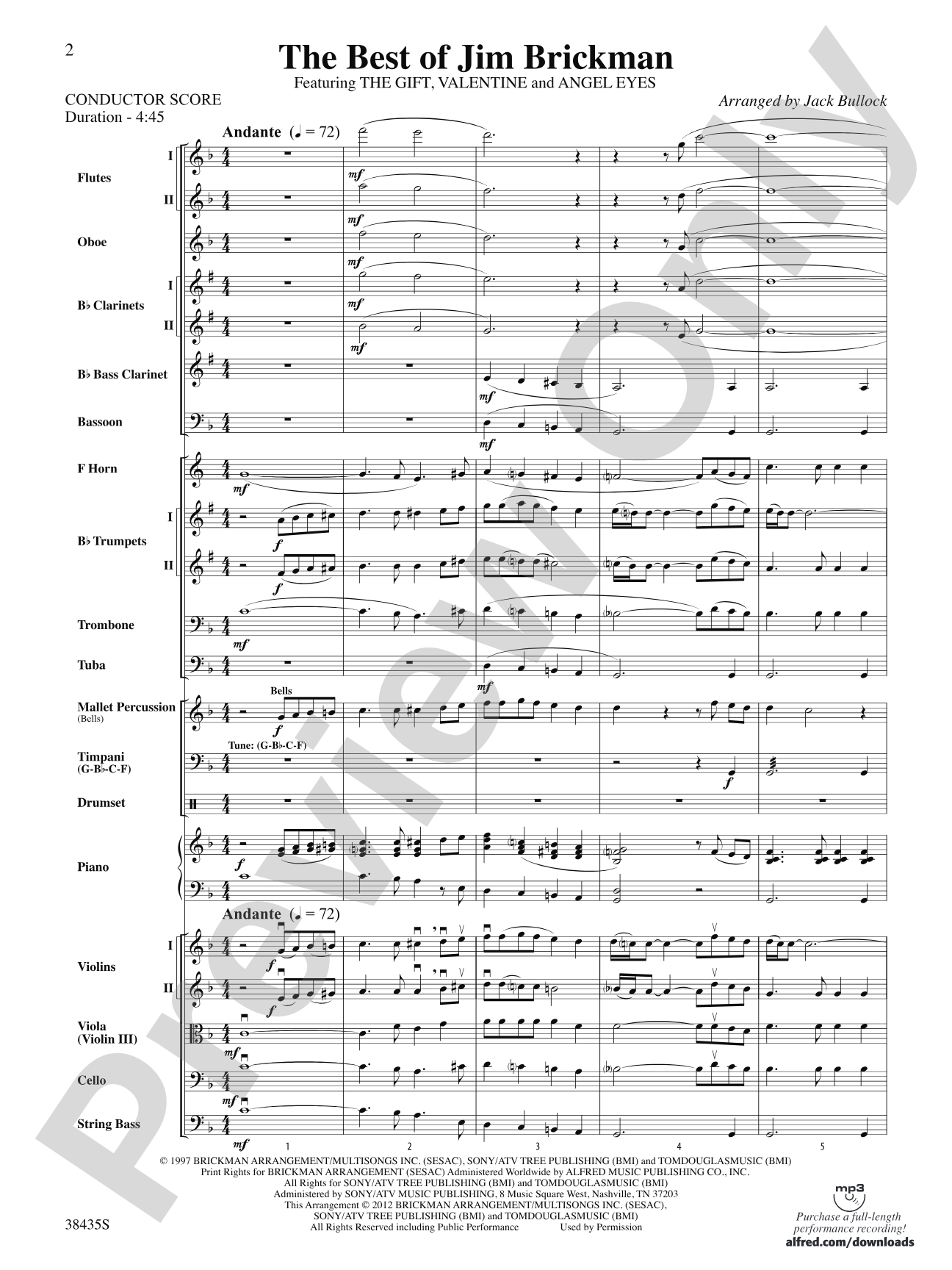
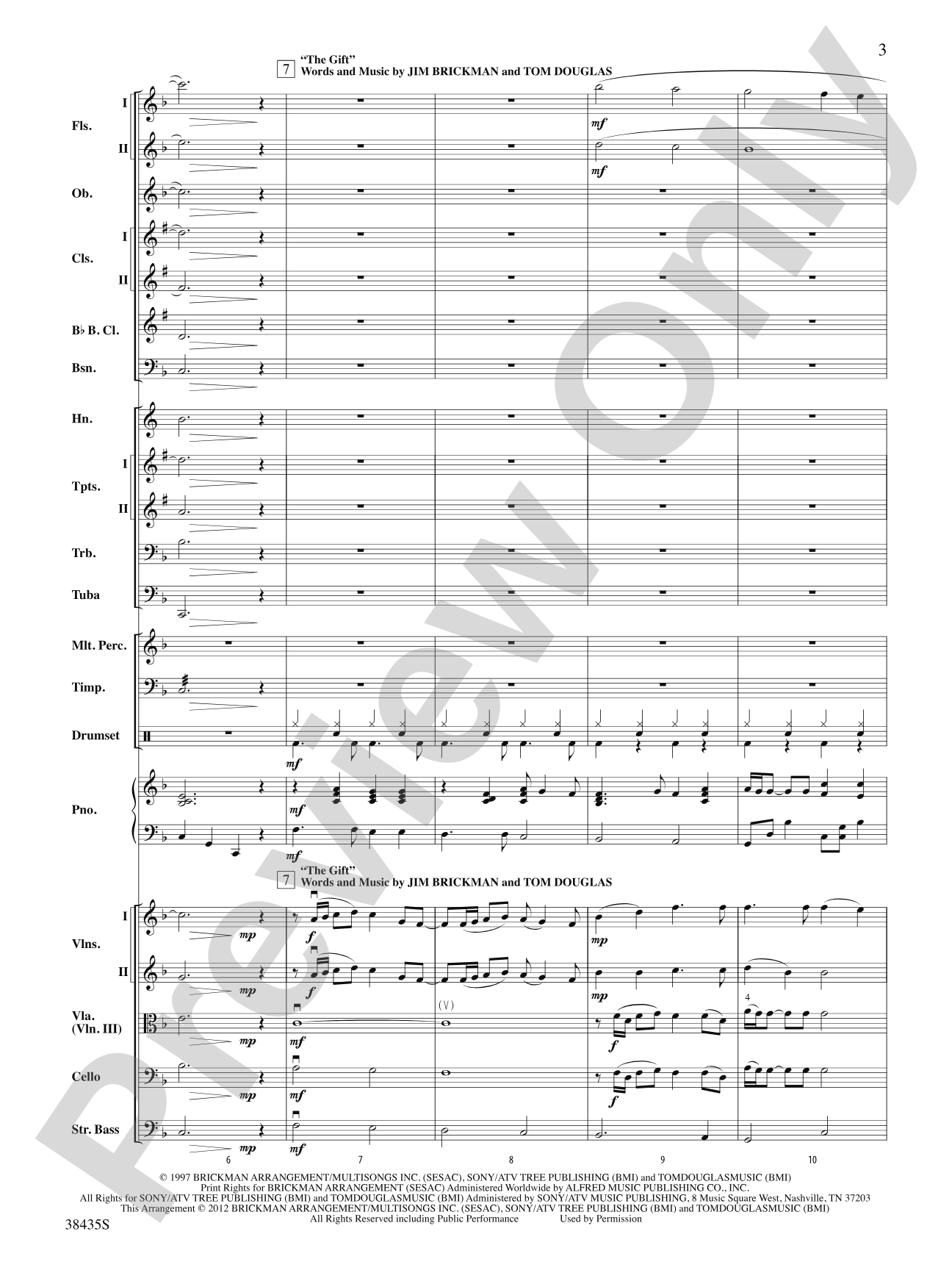
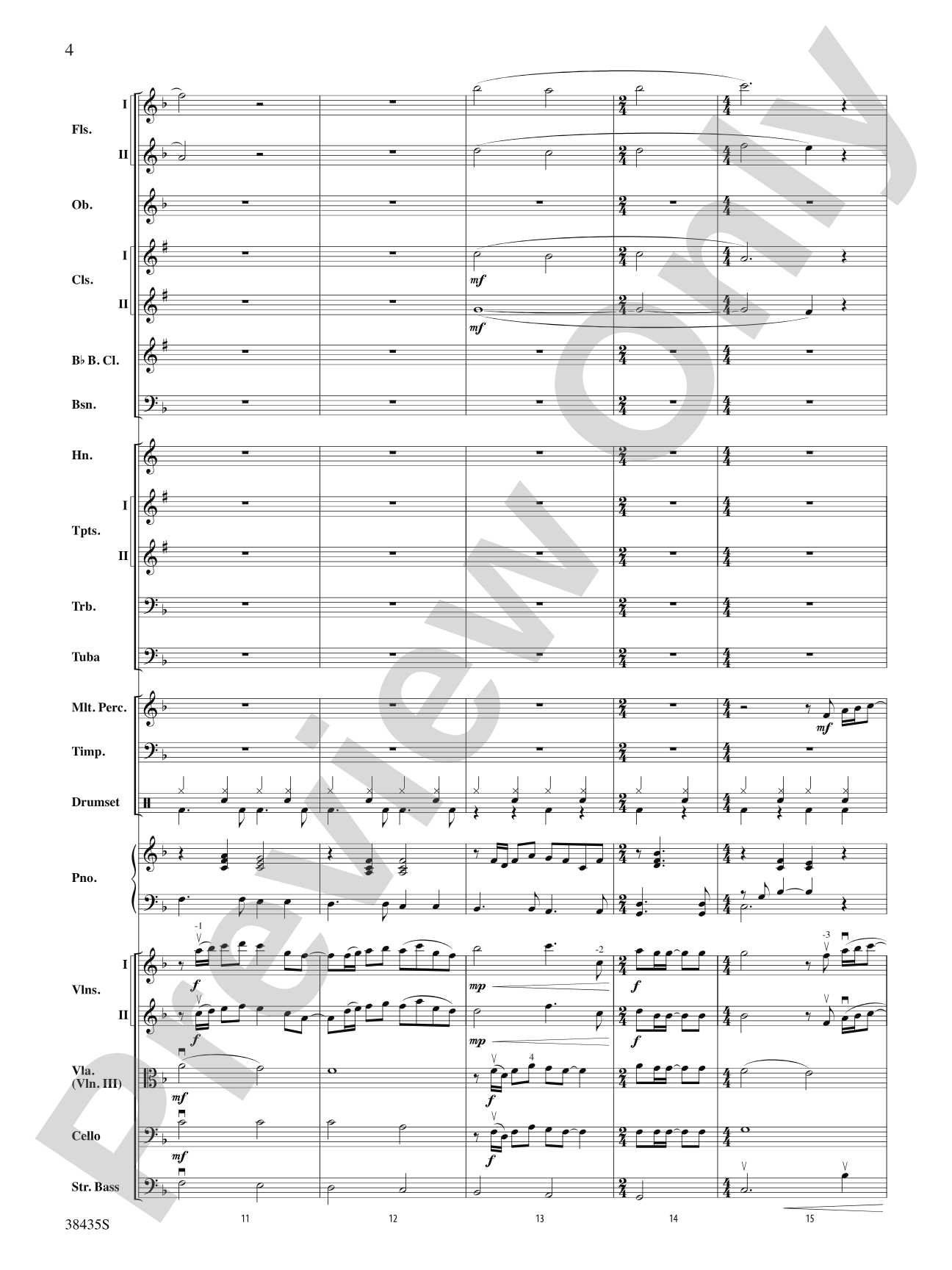
- Pay close attention to the conductor score's phrase markings and use them to shape long lines across multiple measures. Brickman's songs are built on vocal phrasing logic, even in orchestral dress.
- When all sections enter together, resist the temptation to swell immediately. Let the texture accumulate gradually, building listener interest through orchestral depth rather than volume.
- The lyrical moments between verses deserve space and silence. Transitions should feel inevitable, not rushed.
How to use it
Open a second half with one of these pieces to reset the concert's emotional temperature, or pair multiple selections to create a mini-suite within a larger program. The accessibility and popular recognition make these excellent vehicles for community outreach concerts or occasions when you want repertoire that bridges classical and contemporary audiences.
Skills your students will build
- Transparent orchestral balance and blend across heterogeneous sections
- Phrasing in a song-like context without text or singing
- Dynamic control and long-line shaping across multiple measures
- Stylistic interpretation of contemporary melodic music in classical ensemble format