The Art of Chicken Cover Image

The Art of Chicken: Jazz Ensemble Conductor Score

$9.00 USD
Sale price  $9.00 USD Regular price 
Skip to product information
The Art of Chicken Cover Image

The Art of Chicken: Jazz Ensemble Conductor Score

By Kris Berg

Grade: 2.5

Item: 00-50461S

$9.00
Shipped

One moment…

Description
Of course it's funky! The groove is around 110 BPM, with solo space for alto, tenor, trumpet 2, and trombone 1. Lead trumpet range is to written G on top of the staff. Optional parts include flute and vibes. This chicken is delish!

The Art of Chicken: Jazz Ensemble Conductor Score isn't in MakeMusic Cloud just yet...but it could be. Let us know you'd like to see it, and you'll help shape what comes next. In the meantime, start a free trial and dive into thousands of interactive titles your students can play along with today.

Sample Pages

Sample Audio
0:00
0:00
Sample Video
Additional Details
Series: Belwin Young Jazz
Publisher: Alfred Music
Page Count: 16
ISBN10: 1-4706-8625-2
ISBN13: 978-1-4706-8625-3
UPC: 038081620183
SKU: 00-50461S

More about this title

About the Composer: Kris Berg
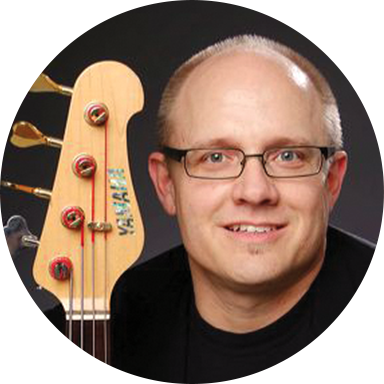
Kris Berg

Kris Berg leads the jazz program at Collin County Community College in Texas, where he earned both his bachelor's and master's degrees in jazz studies from the University of North Texas. His work as a composer and arranger has been performed and recorded internationally, and he has established himself as a sought-after clinician and bandleader, appearing alongside jazz luminaries including Kurt Elling, Randy Brecker, Peter Erskine, and Clark Terry.

Berg founded and directs the Collin Jazz Fest and the Texas All-Star Jazz Camp, and under his leadership, the Collin County jazz ensembles have earned multiple invitations to perform at the Montreux Jazz Festival. As a prolific writer for Belwin Jazz, he has become one of the label's best-selling big band arrangers and composers. He continues to work as an artist and clinician for Yamaha Corporation of America and is endorsed by Walter Woods Amplifiers.

Why we love this

Berg's funk sensibility cuts through without sacrificing accessibility. The solo opportunities keep your section players engaged, alto, tenor, trumpet 2, and trombone 1 all get their moment, while the straightforward 110 BPM groove lets younger ensembles land the pocket without overthinking it.

What to expect

Funky, confident, and built on a groove that makes you want to move. The arrangement has enough space and air to let young players feel like real jazz musicians without losing sight of clarity and control.

Who it's for

Jazz ensembles at the middle school and early high school level will find this piece accessible without feeling simplified. Directors programming bands with developing improvisers will appreciate the clear solo sections and straightforward harmonic framework.

How to get the most out of it

  • Lock the ride cymbal and kick drum into that 110 BPM pocket early in rehearsal. Everything else follows once the rhythm section anchors the groove.
  • Give soloists space to comfortably navigate their eight or sixteen bars. Berg's voicings support improvisation without cluttering the harmonic space.
  • Balance the optional flute and vibes against the written parts so they enhance rather than overshadow the ensemble's core sound.
  • Emphasize the articulation style of the lead trumpet line to set the funky tone for the whole band.

How to use it

This works perfectly as an opener or closer on a jazz concert, especially when you want to shift energy and show your audience that jazz ensemble means contemporary, not just standards. It also pairs well on programs mixing classic swing charts with newer funk and rock influenced pieces, demonstrating the range of what jazz ensembles play today.

Skills your students will build

  • Maintaining consistent groove and pocket feel at a funk tempo
  • Solo improvisation with structured solo sections for multiple voices
  • Reading and executing rhythmic figures with syncopation and swing articulation
  • Balancing ensemble harmony while supporting featured soloists
  • Interpreting lead trumpet range and phrasing in a contemporary jazz context

You May Also Like