The Art of Chicken Cover Image

The Art of Chicken: Jazz Ensemble Conductor Score & Parts

$52.00 USD
Sale price  $52.00 USD Regular price 
Skip to product information
The Art of Chicken Cover Image

The Art of Chicken: Jazz Ensemble Conductor Score & Parts

By Kris Berg

Grade: 2.5

Item: 00-50461

Need it now?

Buy Digital Version
$52.00
Shipped

One moment…

Description
Of course it's funky! The groove is around 110 BPM, with solo space for alto, tenor, trumpet 2, and trombone 1. Lead trumpet range is to written G on top of the staff. Optional parts include flute and vibes. This chicken is delish!

The Art of Chicken: Jazz Ensemble Conductor Score & Parts isn't in MakeMusic Cloud just yet...but it could be. Let us know you'd like to see it, and you'll help shape what comes next. In the meantime, start a free trial and dive into thousands of interactive titles your students can play along with today.

Sample Pages

Sample Audio
0:00
0:00
Sample Video
Additional Details
Series: Belwin Young Jazz
Publisher: Alfred Music
ISBN10: 1-4706-8624-4
ISBN13: 978-1-4706-8624-6
UPC: 038081620176
SKU: 00-50461

More about this title

About the Composer: Kris Berg
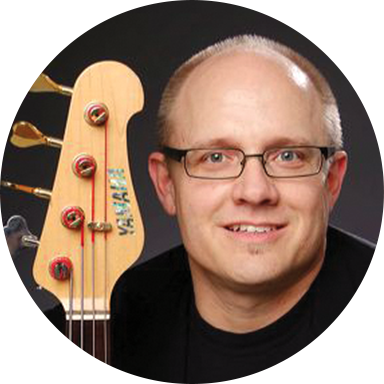
Kris Berg

Kris Berg directs the jazz program at Collin County Community College in Texas, where he earned both his bachelor's and master's degrees in jazz studies from the University of North Texas. His work has shaped ensembles that have earned invitations to the Montroux Jazz Festival multiple times, and he founded both the Collin Jazz Fest and the Texas All-Star Jazz Camp.

Berg's arrangements and compositions have circulated internationally through recordings and performances. As a best-selling composer and arranger for Belwin Jazz (part of Alfred Publishing), he has also written the widely used method book Bass Lines in Minutes. He remains active as a clinician and artist for Yamaha Corporation of America and has performed alongside accomplished musicians including Kurt Elling, Randy Brecker, Peter Erskine, Bob Mintzer, and Clark Terry.

Why we love this

The Art of Chicken delivers exactly what a Grade 2.5 jazz ensemble needs: accessible funk grooves paired with genuine solo opportunities that let young players develop their improvisation chops. Berg's orchestration uses optional flute and vibes to accommodate varying instrumentation while keeping the core arrangement tight and playable, making this practical for real-world ensembles with changing rosters.

What to expect

This is funky, swinging music with a steady groove that sits around 110 BPM and invites players to relax into the pocket. The solo spaces let individual voices shine against a supportive ensemble backdrop, creating moments of real musical exchange rather than passive accompaniment.

Who it's for

Jazz ensembles at the Grade 2.5 level gain both musicianship and confidence from this chart. Directors looking for energetic funk material with built-in solo vehicles will find a dependable, playable option that doesn't sacrifice musicality for accessibility.

How to get the most out of it

  • Lock the rhythm section on the 110 BPM groove first. Once the drummer and bass anchor the pulse, the horns will sit naturally into the pocket.
  • Stagger the solo passages by instrument to keep momentum building. Let each soloist have clear space; the ensemble plays time underneath without comping.
  • Balance the lead trumpet with care around that written G. Young lead players often push too hard when reaching the top; focus on sustaining the note with steady air pressure rather than tension.

How to use it

Program this early in a concert to establish energy and audience connection, or pair it with other funk and rock selections to build a cohesive set. It works equally well as a first-concert piece for younger ensembles building jazz repertoire or as a crowd-pleaser in mid-year performances where students have developed comfort with blues changes and improvisation.

Skills your students will build

  • Playing swing eighth-note rhythms in a funk context
  • Sustaining steady quarter-note time feel and groove awareness
  • Basic jazz improvisation using solo spaces
  • Balancing individual expression against ensemble blend
  • Reading and executing lead trumpet range to high G

You May Also Like