
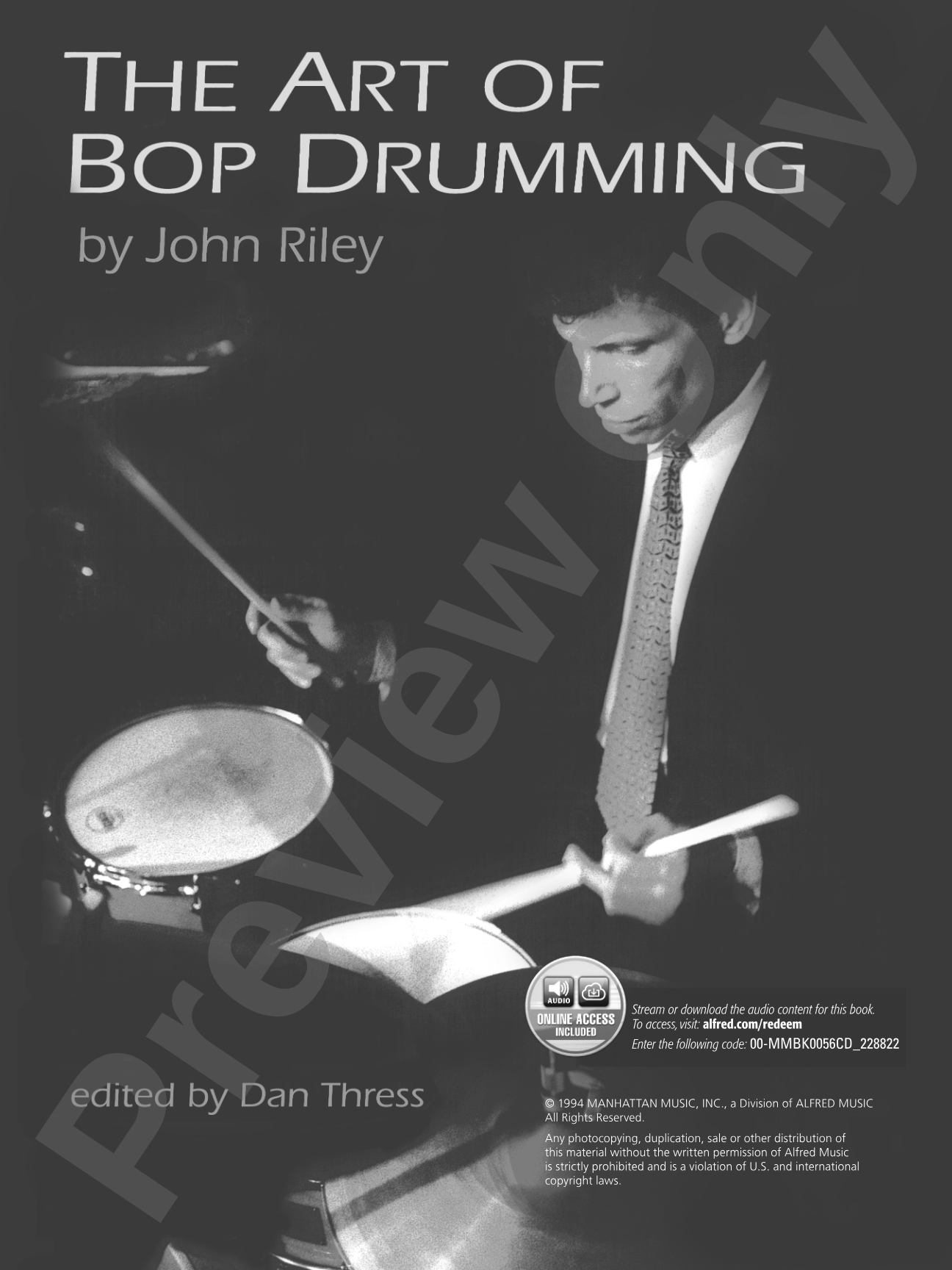

The Art of Bop Drumming
By John Riley / ed. Dan Thress
Item: 00-PB-0002329
$25.99
Pickup currently not available
Related Items
The Art of Bop Drumming: Drumset Book & Online Audio |
$25.99
|
View |
Description
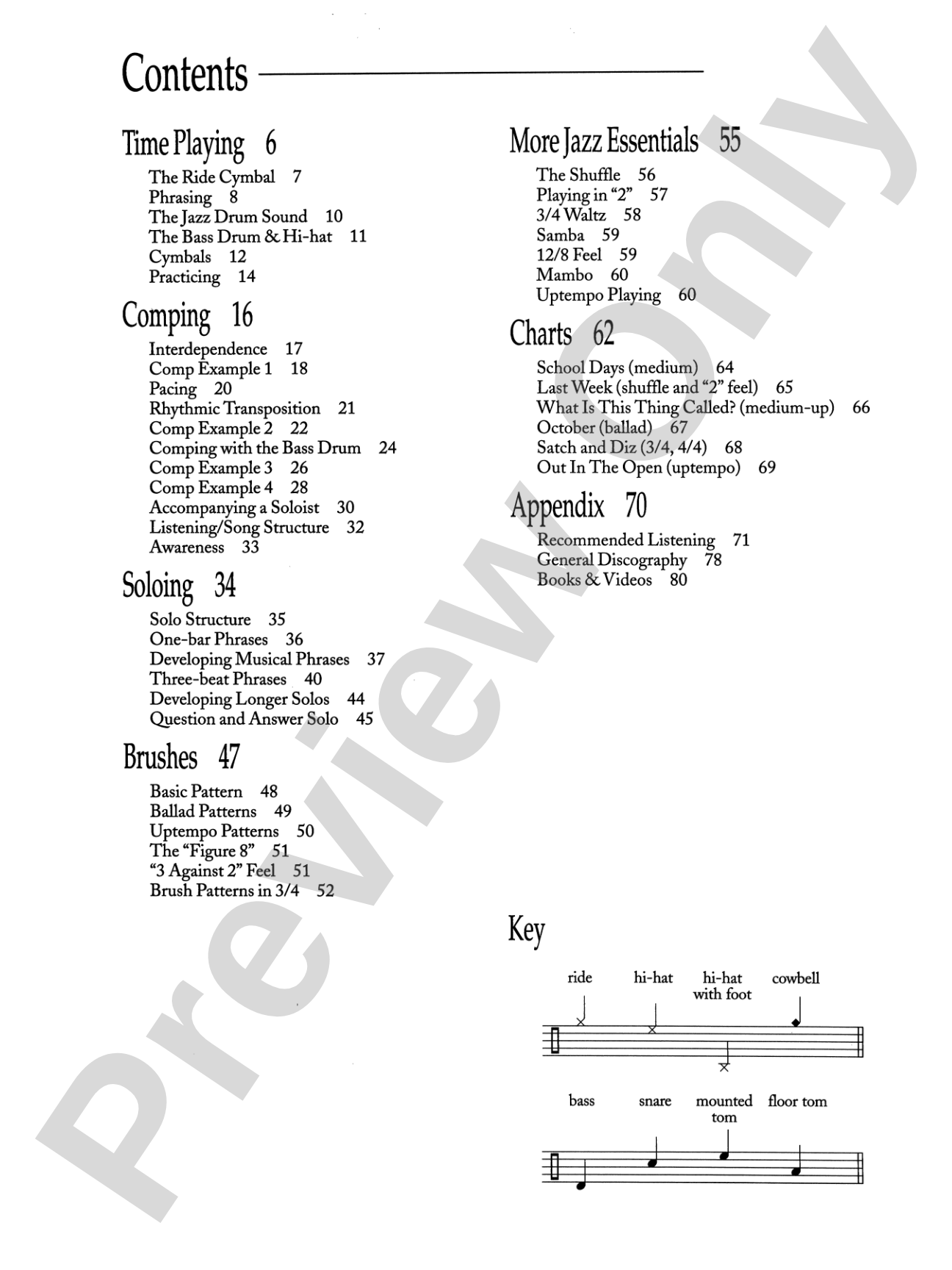
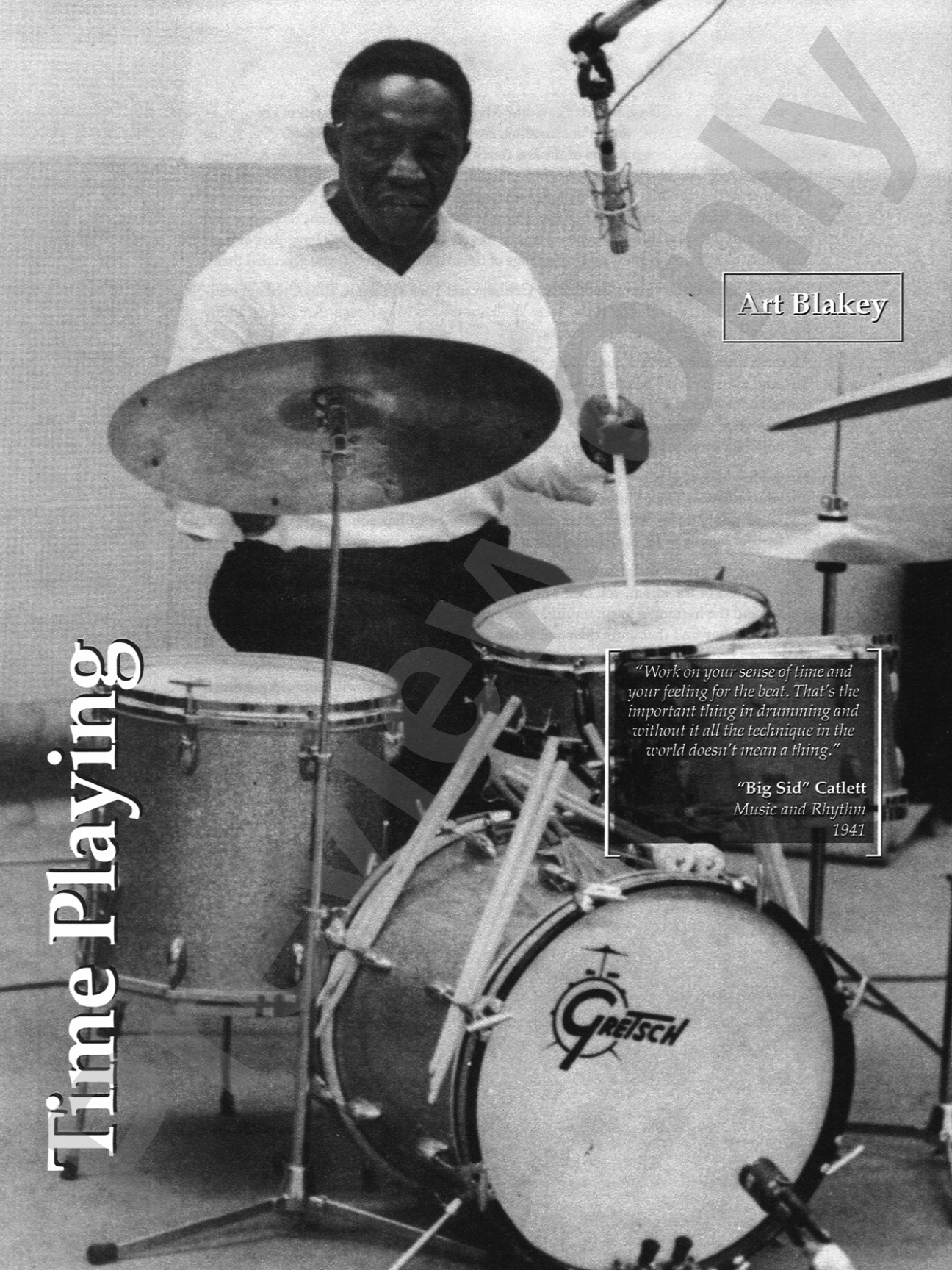
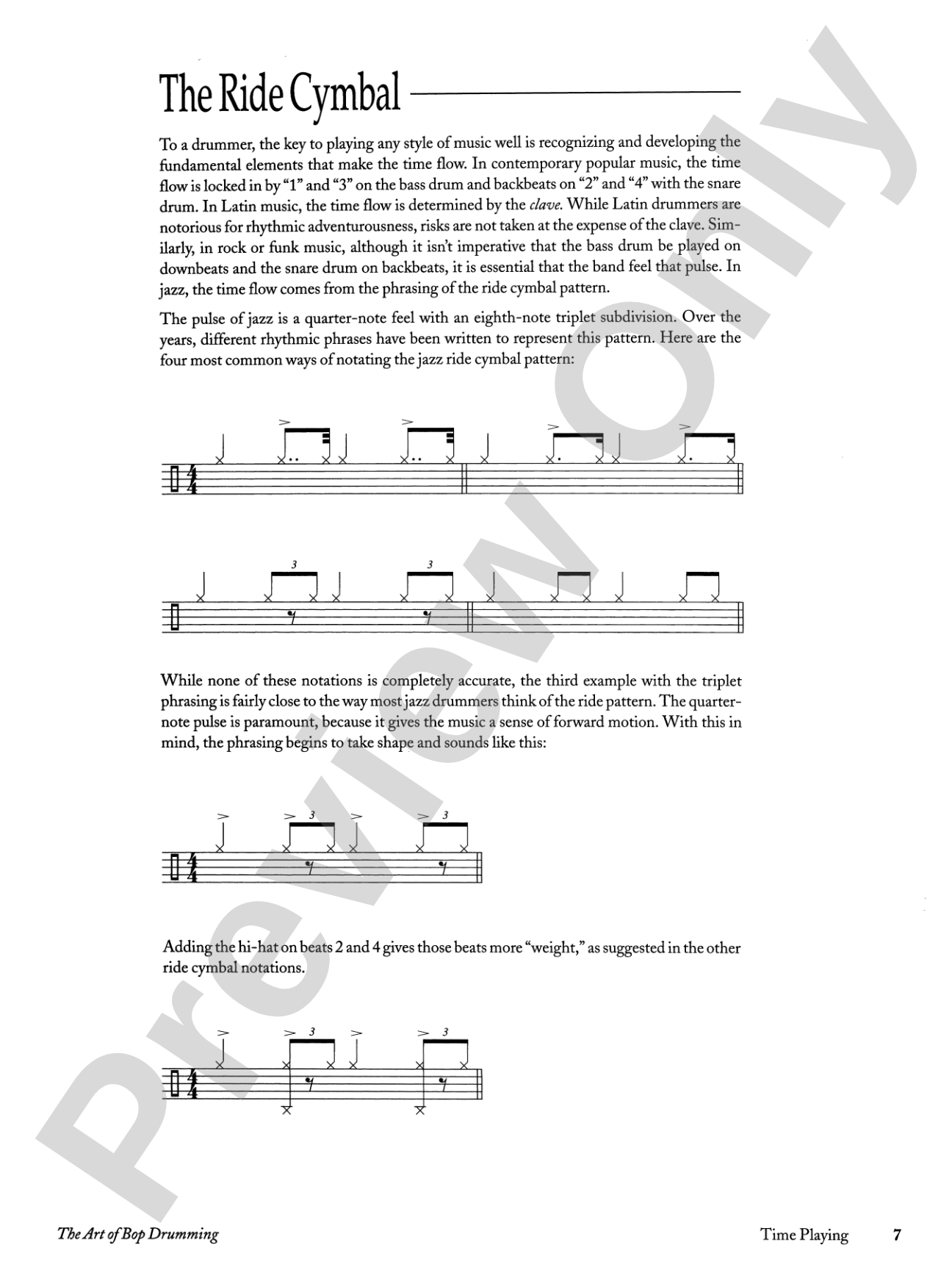
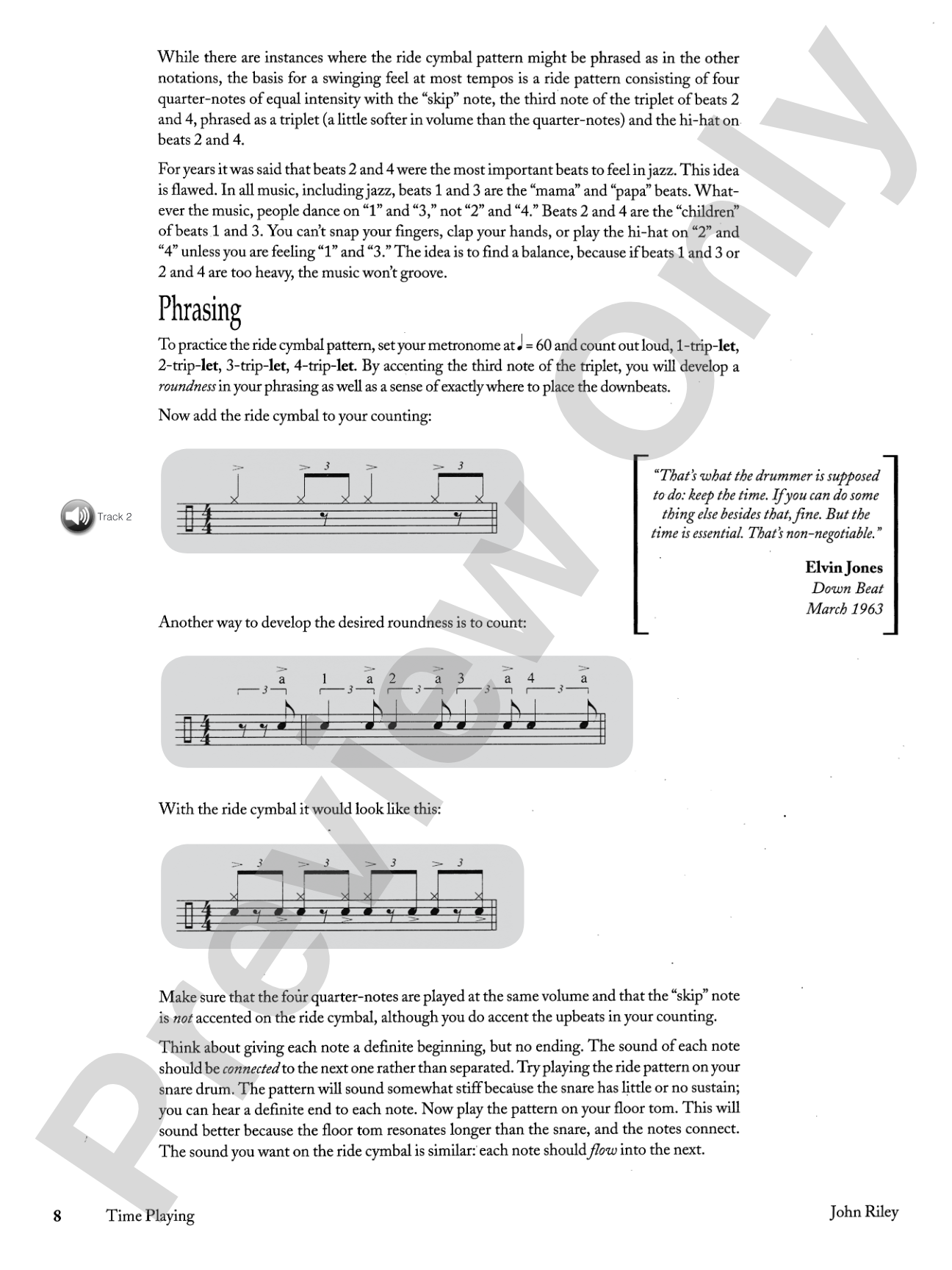
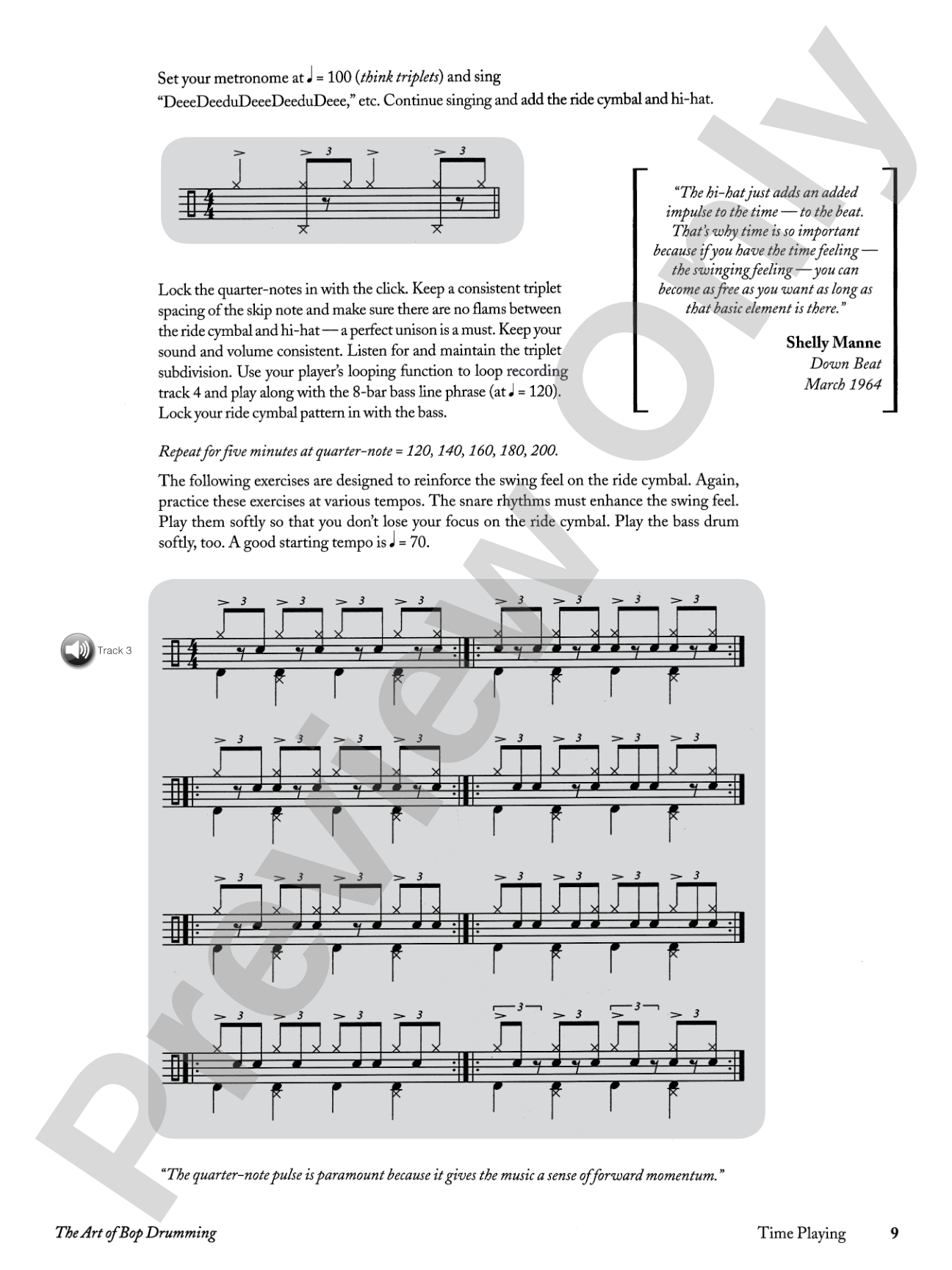
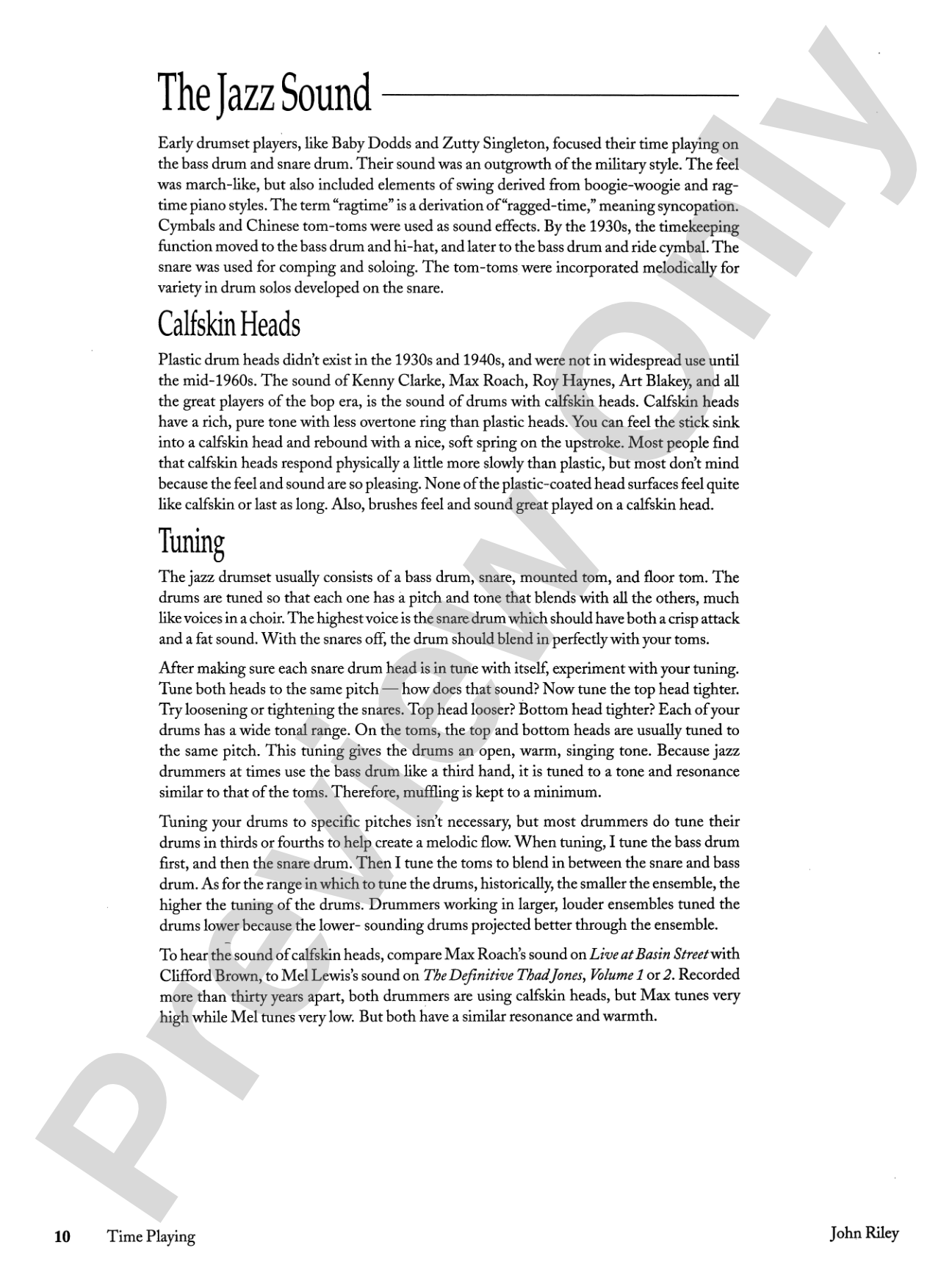
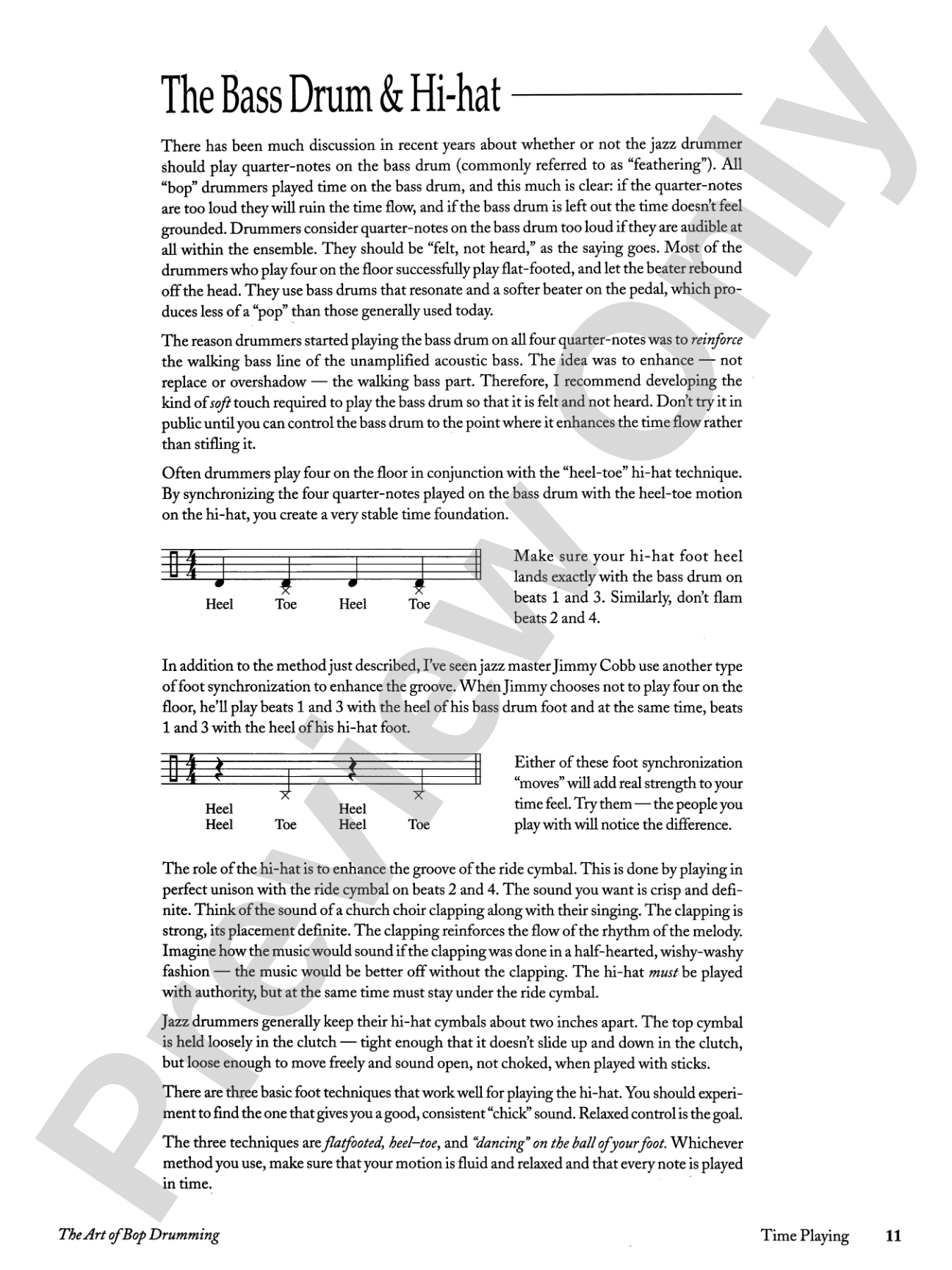
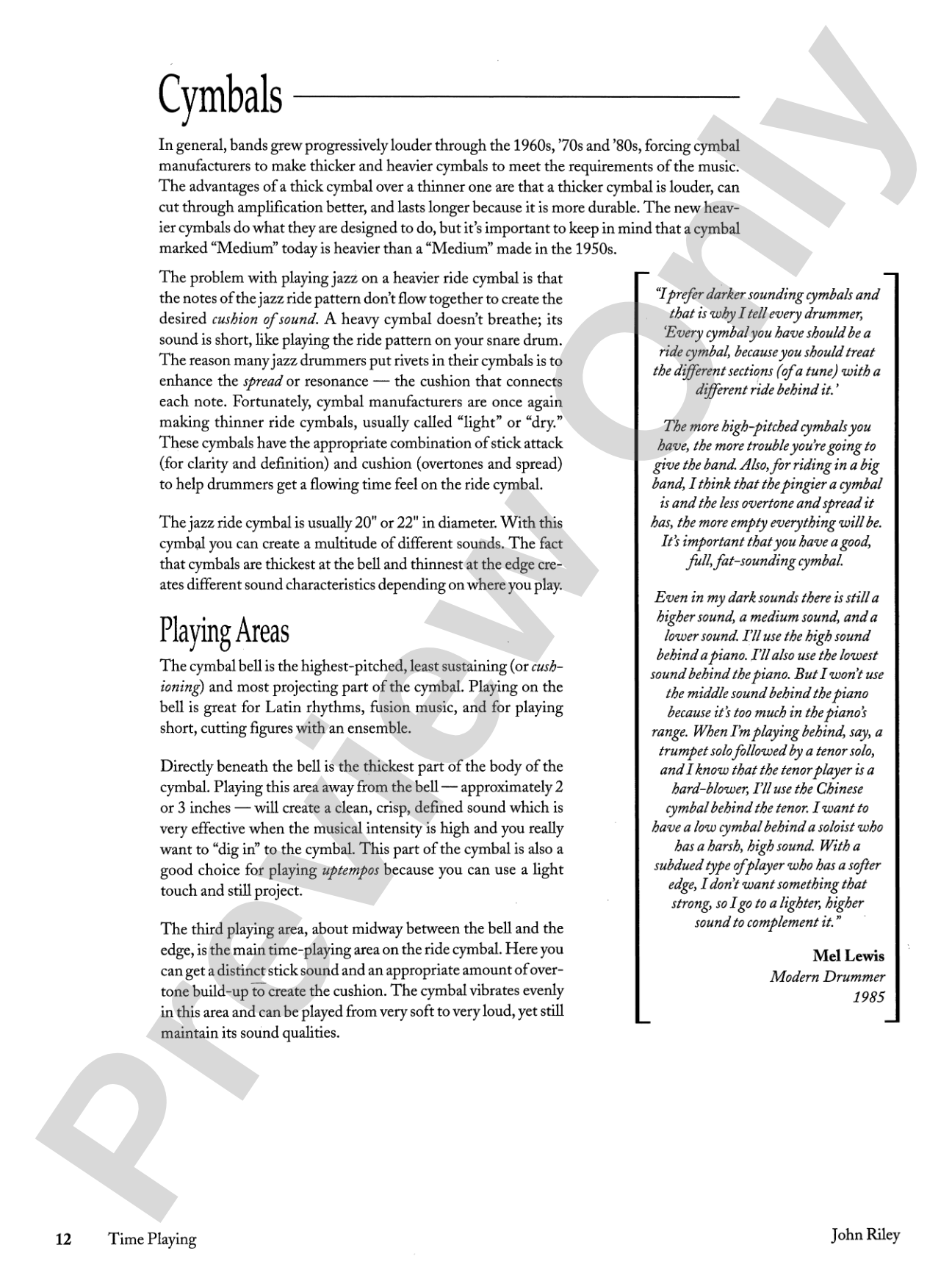
The definitive book on bop drumming---a style that is both the turning point and the cornerstone of contemporary music's development. This comprehensive book and audio presentation covers time playing, comping, soloing, brushes, more jazz essentials, and charts in an entertaining mix of text, music, and pertinent quotes.


Discover MakeMusic Cloud: thousands of interactive titles your students can play along with today.
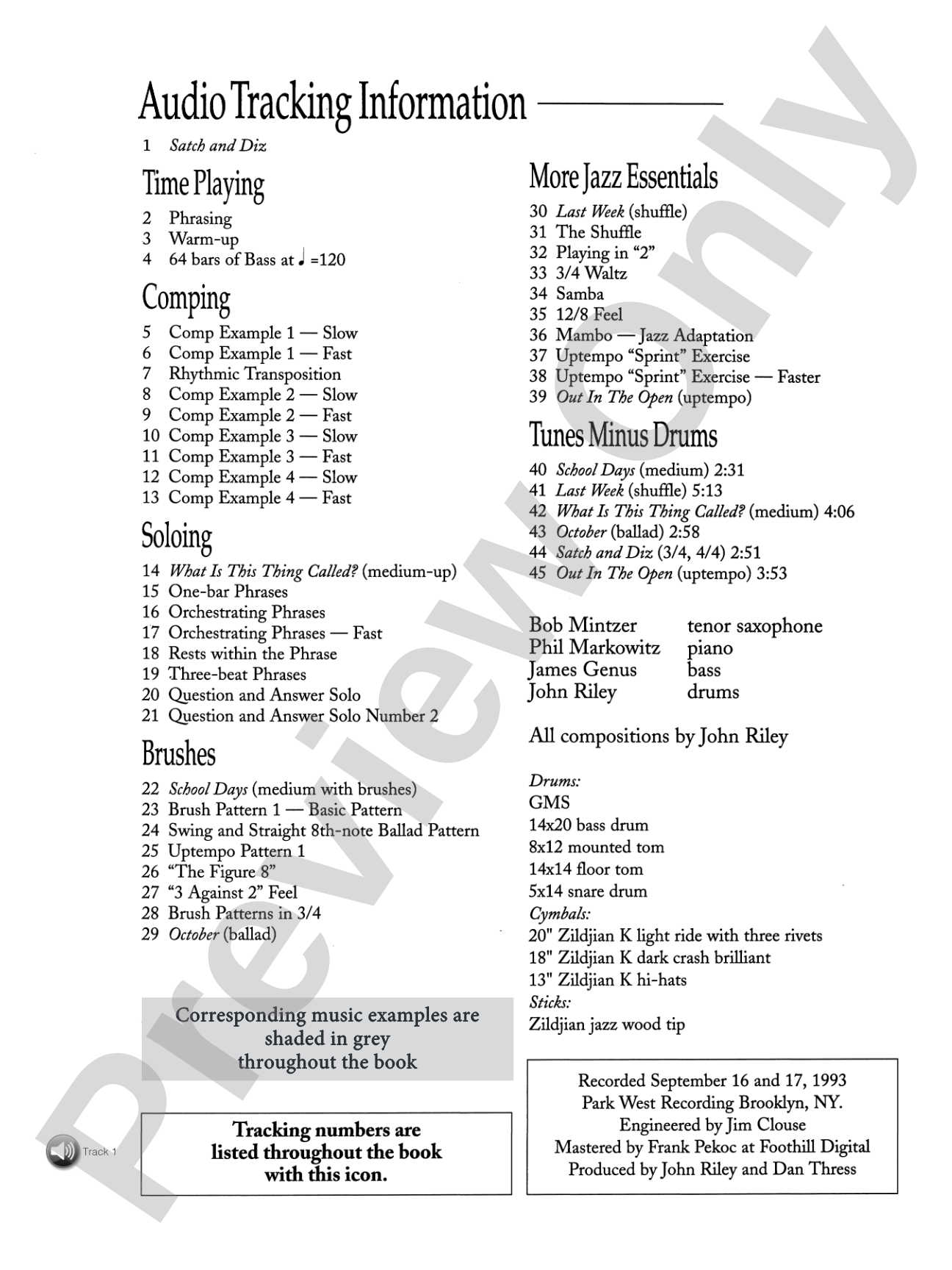
Sample Audio
1
Satch and Diz
--:--
2
What is this Thing Called
--:--
Satch and Diz
0:00
0:00
Sample Video
No sample videos found.
Additional Details
Series:
Manhattan Music Publications
Publisher:
Alfred Music
Page Count:
80
SKU:
00-PB-0002329
More about this title
About the Composer: John Riley
John Riley is a drummer, composer, and educator whose work has fundamentally shaped how drummers learn jazz language. His deep expertise in bebop and modern jazz drumming comes from both performing and teaching at the highest levels, giving him the ability to distill complex rhythmic concepts into accessible instruction without sacrificing sophistication.
Why we love this
Riley strips away mystique and replaces it with clarity. His method covers everything from timekeeping fundamentals through comping and soloing, all grounded in the actual language of bebop rather than abstract theory. The inclusion of recorded accompaniment transforms this from a book into an interactive learning environment where students can immediately apply what they're reading.
What to expect
Bebop drums sound conversational and responsive, a living dialogue with the horns and bass rather than a metronomic backdrop. Riley's instruction captures that energy: the swing feel has clarity and propulsion, the comping phrases have personality and intent, and the soloing opens into genuine improvisation rather than note-reading.
Who it's for
This book serves advanced high school drummers and college jazz students who are ready to commit seriously to the language of bebop. It's equally valuable for professional or semi-professional drummers looking to deepen their command of time playing and comping.
How to get the most out of it
- Engage the recorded accompaniment tracks in real time rather than studying notation in isolation. Your ears will internalize phrasing and swing feel far more effectively when playing alongside actual jazz rhythm sections.
- Build your vocabulary by transcribing the charts and examples, then recombine those phrases in your own practice sessions. This mirrors how working musicians learned the tradition.
- Start with time playing exercises before moving to comping patterns. A steady, grounded quarter-note pulse on the ride cymbal makes every other skill more achievable.
- Study the brush techniques section methodically. Brushes require different motor control and rhythmic conception than sticks, and mastery here opens up entire colors in your playing.
How to use it
Assign this as a core text in your jazz ensemble curriculum during the fall semester, pairing it with your easiest bebop charts so students can immediately test what they're learning. Its comprehensiveness also makes it valuable as a reference text throughout the year when students encounter new rhythmic or stylistic challenges.
Skills your students will build
- Time playing with swing feel and authentic jazz pulse
- Comping patterns and responding to soloist phrasing
- Drum set soloing within bebop harmonic and rhythmic structures
- Brush techniques for ballads and lighter swing feels
- Reading and interpreting lead sheets in jazz context
- Coordination of ride cymbal, hi-hat, and kick drum across multiple rhythmic layers