Terracotta Cover Image

Terracotta: Concert Band Conductor Score & Parts

$55.00 USD
Sale price  $55.00 USD Regular price 
Skip to product information
Terracotta Cover Image

Terracotta: Concert Band Conductor Score & Parts

By William Owens

Grade: 1

Item: 98-B1422

Need it now?

Buy Digital Version
$55.00
Shipped

One moment…

Description
This stunning work portrays the Terracotta Army of ancient China - an army of lifelike statues consisting of over 8,000 soldiers, 130 chariots, and 520 horses. Moments of discord and massive percussion symbolize the plight of the 700,000+ workers that took nearly 40 years to complete the project. Intense and epic, this work will be an unforgettable portion of your program!

Terracotta: Concert Band Conductor Score & Parts isn't in MakeMusic Cloud just yet...but it could be. Let us know you'd like to see it, and you'll help shape what comes next. In the meantime, start a free trial and dive into thousands of interactive titles your students can play along with today.

Sample Pages

Sample Audio
0:00
0:00
Sample Video
Additional Details
Series: FJH Beginning Band
Publisher: The FJH Music Company, Inc.
UPC: 674398225613
SKU: 98-B1422

More about this title

About the Composer: William Owens
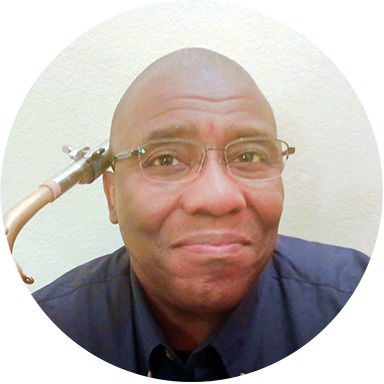
William Owens

William Owens brings three decades of classroom experience to his compositional work. A VanderCook College of Music graduate and former Texas band director, he has built a catalog of over 300 pieces since 1993, all grounded in a practical understanding of what young musicians can accomplish. His works regularly appear on state contest lists and in music education curricula across North America.

Beyond the classroom, Owens has earned recognition from major organizations including ASCAP, the American Bandmasters Association, and his alma mater, which named him a Distinguished Alumnus. He holds commissions from college programs and national music fraternities, cementing his reputation as a composer who writes with real pedagogical insight. Now based in Fort Worth, Texas, he remains active as a clinician and guest conductor.

Why we love this

Owens takes a historical narrative rich with human drama and translates it into music that beginning bands can actually perform convincingly. The juxtaposition of controlled, orderly passages with sections of controlled chaos gives students a genuine musical problem to solve rather than simply playing the notes. Few Grade 1 pieces balance accessibility with this much compositional sophistication.

What to expect

Epic and monumental, with moments of almost meditative stillness interrupted by raw, primal energy. The piece channels both the precision of an army of identical soldiers and the human toll of their creation, making it feel larger than its Grade 1 classification suggests.

Who it's for

Grade 1 concert bands ready for something with narrative weight and historical context. This works especially well for groups that respond to thematic content and benefit from understanding the "why" behind the music they're playing.

How to get the most out of it

  • Shape the "discord" moments with intention. These aren't mistakes; they're the sound of labor and struggle. Your students should feel the difference between the measured precision of the soldiers and the raw energy of the workers.
  • Balance the percussion section carefully during the massive hits. With beginning players, these moments can easily overwhelm the band. Use rehearsal to establish clear cutoffs and entrance points so the effect lands rather than collapses.
  • Let the quiet passages breathe. The stillness of statues at rest creates contrast that makes the intense sections hit harder.

How to use it

Program this as a concert opener or centerpiece that signals your band's ambition. The historical subject matter gives you excellent program notes material, and the piece stands confidently alongside more complex works without sounding out of place. It's also ideal for a concert exploring non-Western music traditions or historical themes.

Skills your students will build

  • Dynamic control and contrast (moving fluidly between soft and loud)
  • Ensemble balance with prominent percussion lines
  • Sustained tone production during meditative sections
  • Rhythmic precision in march-like passages
  • Musical storytelling through color and intensity changes

You May Also Like