
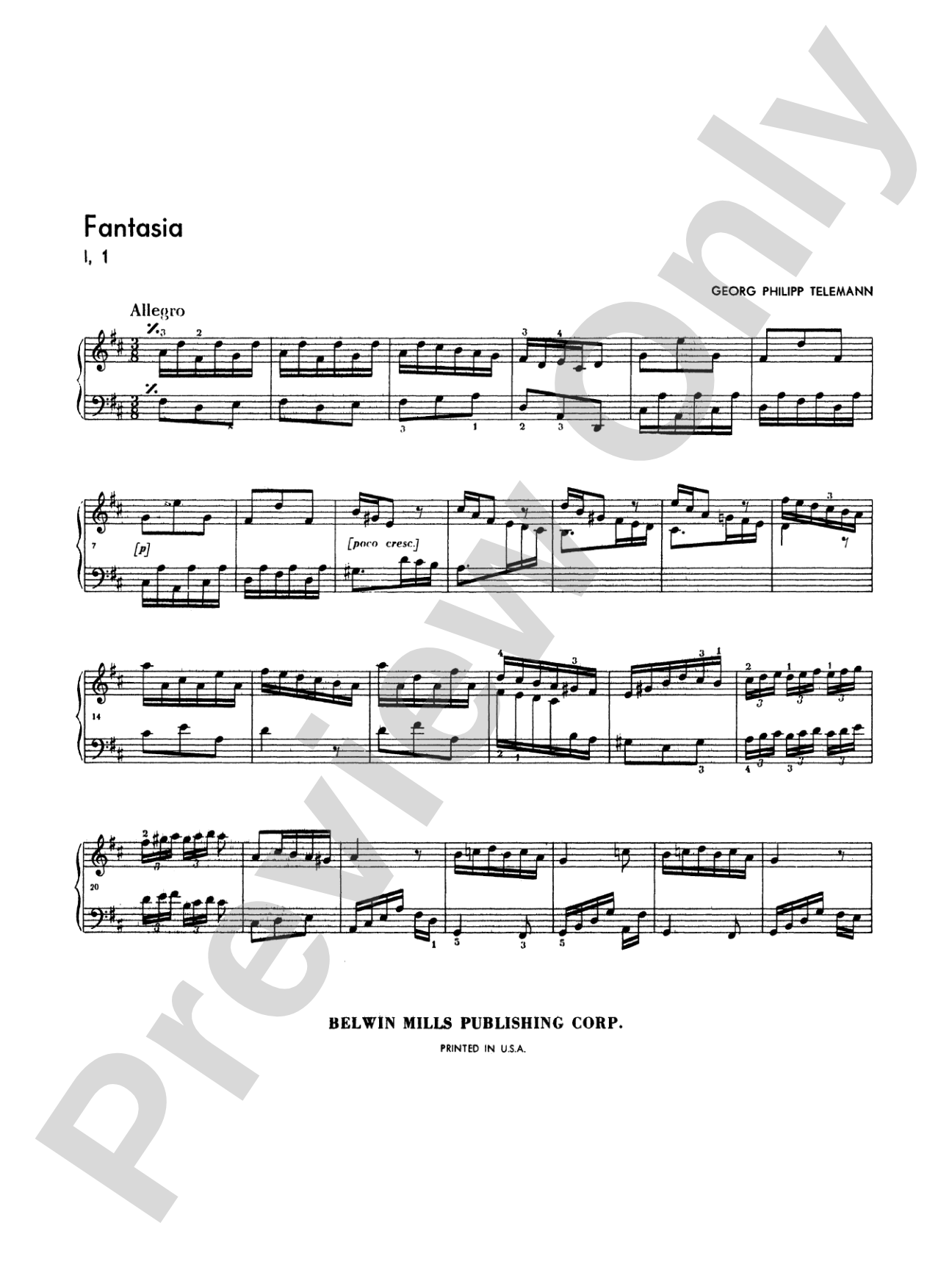
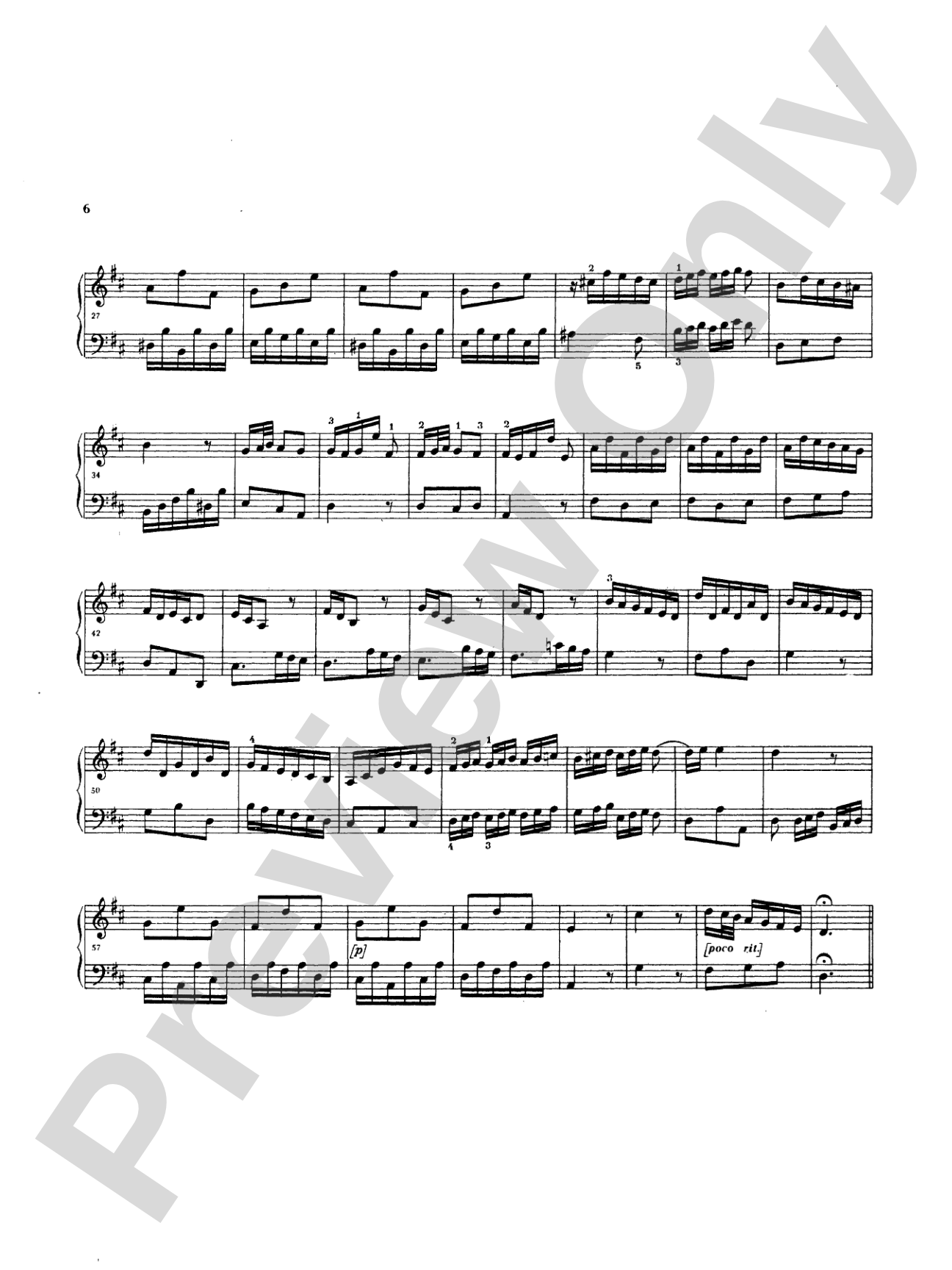
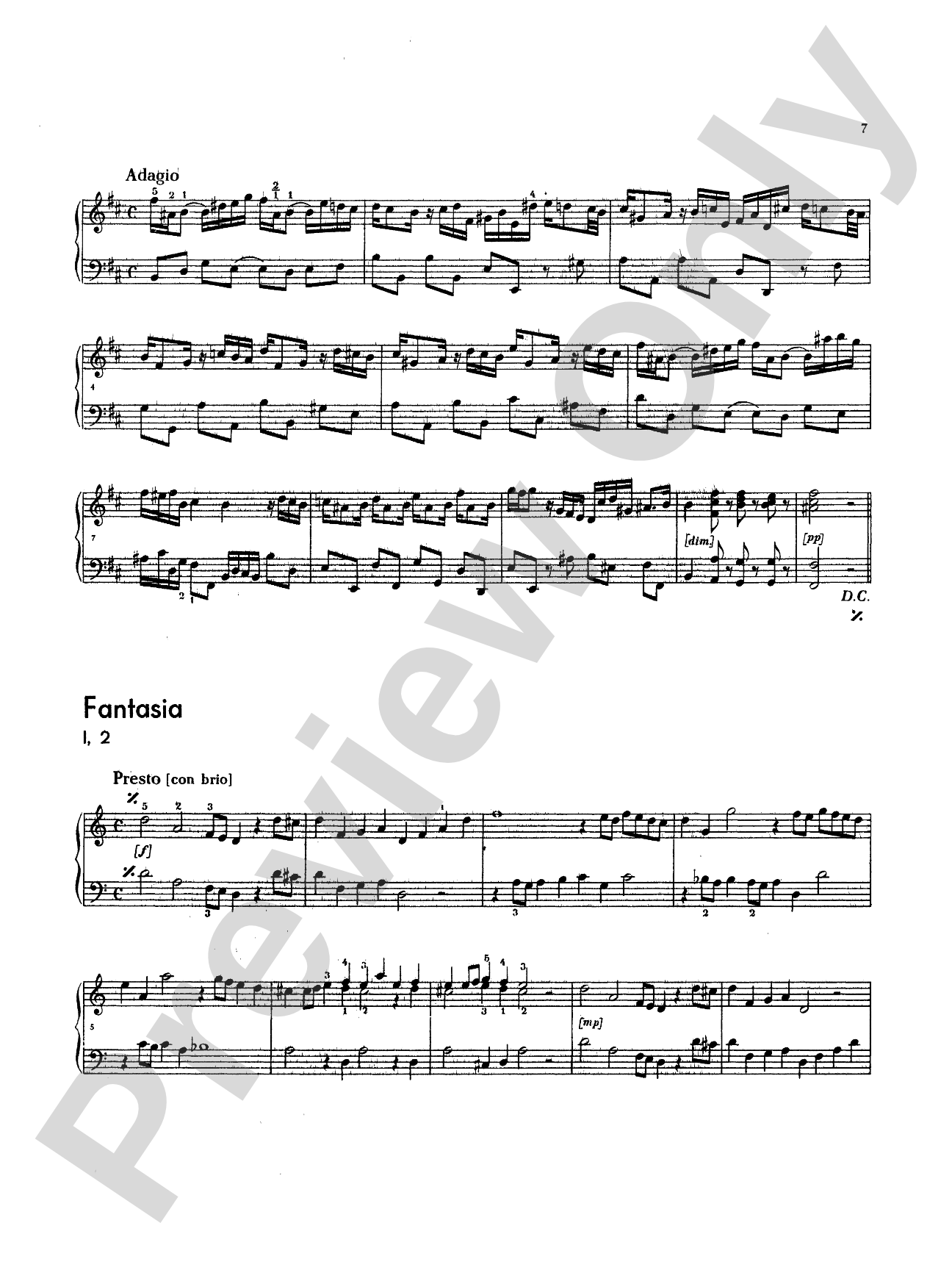

Telemann: Fantasies for Piano: Piano Book
By Georg Philipp Telemann
Item: 00-PK-0003793

$9.99
Pickup currently not available
Buy Extra Parts (Digital PDF Download)
| Product | Price | Quantity |
|---|---|---|
| Telemann: Fantasies for Piano | $0.99 | |
| Telemann: Fantasies for Piano | $0.99 | |
| Telemann: Fantasies for Piano | $0.99 | |
| Telemann: Fantasies for Piano | $0.99 | |
| Telemann: Fantasies for Piano | $0.99 | |
| Telemann: Fantasies for Piano | $0.99 | |
| Telemann: Fantasies for Piano | $0.99 | |
| Telemann: Fantasies for Piano | $0.99 | |
| Telemann: Fantasies for Piano | $0.99 | |
| Telemann: Fantasies for Piano | $0.99 | |
| Telemann: Fantasies for Piano | $0.99 | |
| Telemann: Fantasies for Piano | $0.99 |
Parts Added to Cart!
Related Items
Fantasies for Piano: Piano Book |
$9.95
|
View |
Description
A collection of piano solos expertly composed by Georg Philipp Telemann.


Don't just read it, hear it, play along with it, and watch your students grow with it. In MakeMusic Cloud, Telemann: Fantasies for Piano: Piano Book comes alive with professional accompaniment, adjustable tempo, and built-in practice tools that turn solo practice into real progress.
Open in the Player
Jump straight in and assign it today.
Start Your Free Trial
Open this title and explore the full library in minutes.
Sample Audio
No sample audio found.
Sample Video
No sample videos found.
Additional Details
Series:
Kalmus Edition
Publisher:
Alfred Music
Page Count:
36
SKU:
00-PK-0003793
More about this title
About the Composer: Georg Philipp Telemann
Georg Philipp Telemann (1681–1767) was one of the most prolific and celebrated composers of the Baroque era, composing more than 3,600 works across nearly every genre. Trained in multiple languages and instruments, he served as Kapellmeister in Eisenach, Köthen, and Frankfurt before spending his final decades as director of music in Hamburg, where he helped shape the city's thriving concert life.
Telemann's music combines German, Italian, and French stylistic elements into a language that is both intellectually rigorous and immediately appealing. His keyboard works, including these fantasies, showcase his gift for melody, inventive figuration, and structural clarity. For students and amateur pianists, his compositions offer a direct path into Baroque keyboard music without the technical extremes of Bach or Scarlatti.
Why we love this
These fantasies display Telemann's genius for balance: they engage the mind with sophisticated harmonic movement and contrapuntal textures while remaining genuinely playable within a reasonable learning timeline. The collection serves as an ideal stepping stone for intermediate pianists moving from simpler Classical repertoire into the ornamental language and voice-leading demands of the Baroque.
What to expect
These fantasies unfold with the elegance of an 18th-century conversation: witty, surprising, and formally graceful. Each piece balances moments of lyrical singing with passages of energetic figuration, inviting you into a world where harmony breathes and counterpoint flows naturally rather than mechanically.
Who it's for
Intermediate pianists ready to explore Baroque keyboard writing beyond Invention-level difficulty will find these fantasies substantial yet accessible. Pianists preparing for auditions, competitions, or recital programs who want to include pre-Classical repertoire will appreciate the variety and musicality within these pieces.
How to get the most out of it
- Approach the ornaments as integral to the line, not decorative afterthoughts; a trill or turn should emerge naturally from the harmonic rhythm rather than disrupt it.
- Shape phrases through subtle dynamic inflection rather than dramatic swells; Baroque keyboard music relies on articulation and voice independence to create forward motion.
- Experiment with tempo within individual movements to discover where the harmonic rhythm breathes most easily, then commit to those choices for consistency.
- Voice the left hand carefully so that bass notes support harmony while allowing inner voices to sing; clarity of texture matters more than volume.
How to use it
Include a single fantasy as a recital opener to establish a Baroque aesthetic before moving into Classical or Romantic repertoire, or program two contrasting fantasies to showcase the collection's range of character. In an educational setting, assign them alongside harpsichord or organ works to deepen understanding of Baroque keyboard idiom and ornamentation.
Skills your students will build
- Baroque ornamentation and its execution (trills, turns, mordents, grace notes)
- Voice independence and texture clarity in two-, three-, and four-part writing
- Harmonic analysis and recognition of period cadences and progressions
- Phrasing and articulation in Baroque keyboard music
- Sight-reading in both treble and bass clefs with varied key signatures