Tatonka Cover Image

Tatonka: Concert Band Conductor Score & Parts

$68.00 USD
Sale price  $68.00 USD Regular price 
Skip to product information
Tatonka Cover Image

Tatonka: Concert Band Conductor Score & Parts

(Spirit of the Bison)

By William Owens

Grade: 2

Item: 98-RWS253000

$68.00
Shipped

One moment…

Description
Tatonka is a musical depiction of North America's most formidable land mammal, the bison. The music is quite representative of the beast itself; it is a song of survival. Beginning with trumpet fanfare, the piece quickly settles into a steady "marching" beat. While brief moments of tenderness are heard, boldness and fortitude are at the heart of the piece

Tatonka: Concert Band Conductor Score & Parts isn't in MakeMusic Cloud just yet...but it could be. Let us know you'd like to see it, and you'll help shape what comes next. In the meantime, start a free trial and dive into thousands of interactive titles your students can play along with today.

Sample Pages

Sample Audio
0:00
0:00
Sample Video
Additional Details
Series: RWS - Developing Band
Publisher: RWS Music Company
ISBN10: 1-4706-7884-5
ISBN13: 978-1-4706-7884-5
UPC: 038081603193
SKU: 98-RWS253000

More about this title

About the Composer: William Owens
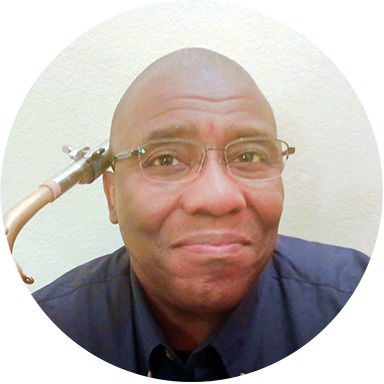
William Owens

William Owens has spent decades building a reputation as one of the most prolific and practical voices in young band composition. A Gary, Indiana native and VanderCook College of Music alumnus, he worked as a high school band director for 30 years while simultaneously establishing himself as a clinician and conductor across North America. His output speaks for itself: over 300 published works since 1993 that consistently appear on state contest lists and in educational curricula.

Owens brings a director's sensibility to every score he writes. His compositions balance accessibility with musical substance, a philosophy that has earned him commissions from major organizations including the American Bandmasters Association and Phi Beta Mu International. He holds memberships in ASCAP, TMEA, and other professional organizations, and was named a Distinguished Alumnus by VanderCook. Owens now resides in Fort Worth, Texas, where he continues to compose and mentor the next generation of young musicians.

Why we love this

Owens captures something essential about the bison that translates into genuinely engaging music for developing bands. The piece avoids sentimentality while celebrating power and resilience, and that combination makes it work equally well in a concert setting or at festival. Grade 2 ensembles rarely get repertoire this musically honest.

What to expect

Tatonka opens with a call to attention, then settles into a powerful, deliberate stride. Moments of surprising tenderness break the momentum, revealing the animal's inner life, before the piece reasserts its fundamental character: sturdy, unyielding, alive. You hear both the individual and the symbol.

Who it's for

Developing concert bands ready to move beyond simple march arrangements into programmatic territory. This works for ensembles comfortable with mixed textures and willing to explore storytelling through music without needing extensive rehearsal time.

How to get the most out of it

  • Anchor the march section with a locked pulse between percussion and low brass; the steady beat is what gives the piece its forward momentum and mimics the bison's relentless gait.
  • Let the trumpet fanfare at the opening breathe and ring out. This is the moment to establish the animal's presence, so encourage players to commit fully to the articulation and clarity.
  • Shape the tender passages with dynamic restraint. They work best when they feel like brief moments of vulnerability within an otherwise muscular piece, so resist the urge to linger.
  • Balance the full ensemble sound by checking that your middle voices aren't drowning out the melodic material. In a Grade 2 band, clarity of line matters more than volume.

How to use it

Program this early in a concert to establish energy and focus, or pair it with other nature-themed or patriotic works to create a cohesive first half. It also works well as a festival selection where judges appreciate writing that serves the student musicians without sacrificing musical integrity.

Skills your students will build

  • Sustained melodic phrasing across changing harmonic contexts
  • Balance between independent section voices and unified ensemble sound
  • Dynamic control and shape within march rhythms
  • Articulation clarity under tempo
  • Responding to programmatic intent in musical decisions

You May Also Like