
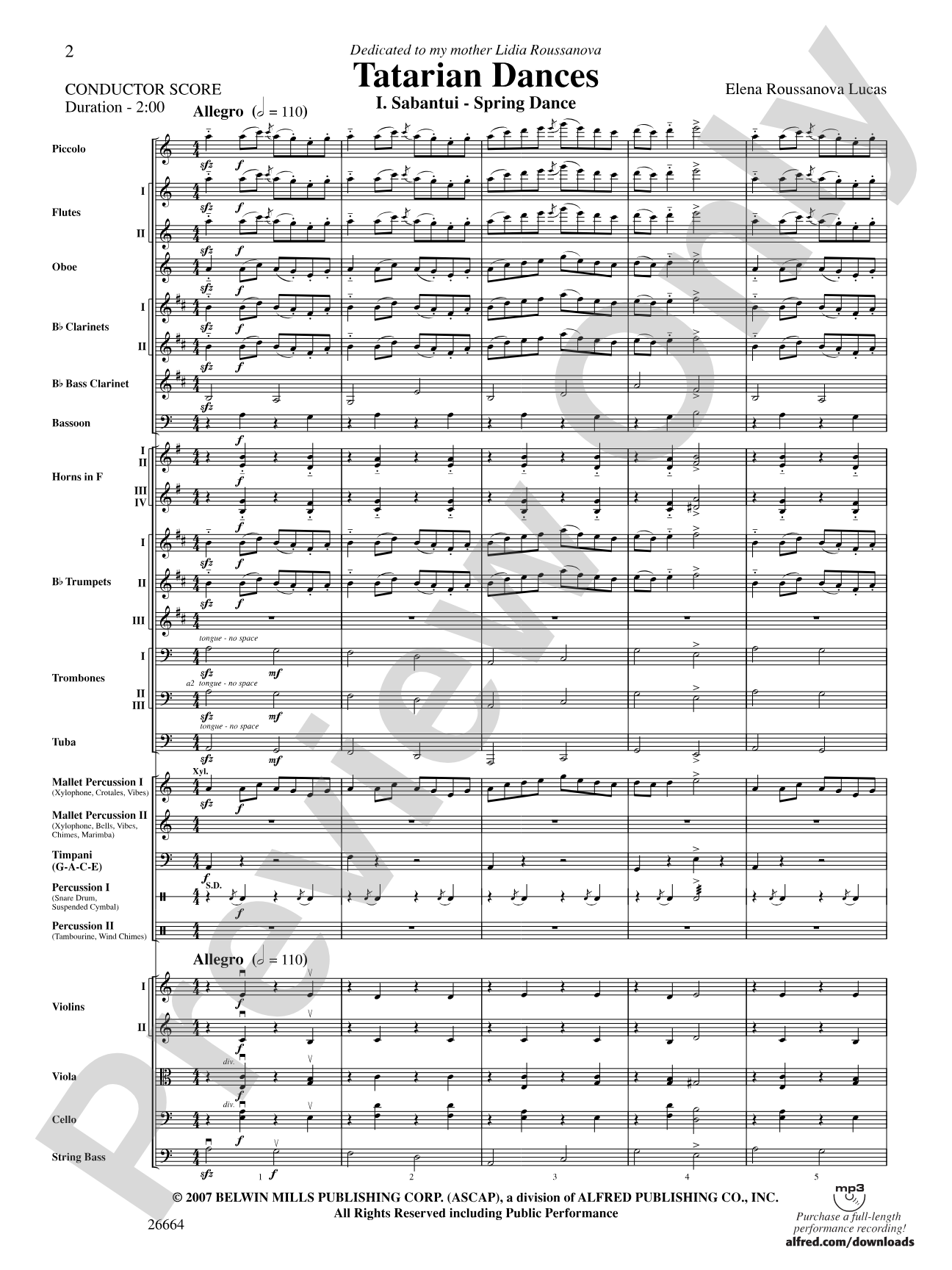
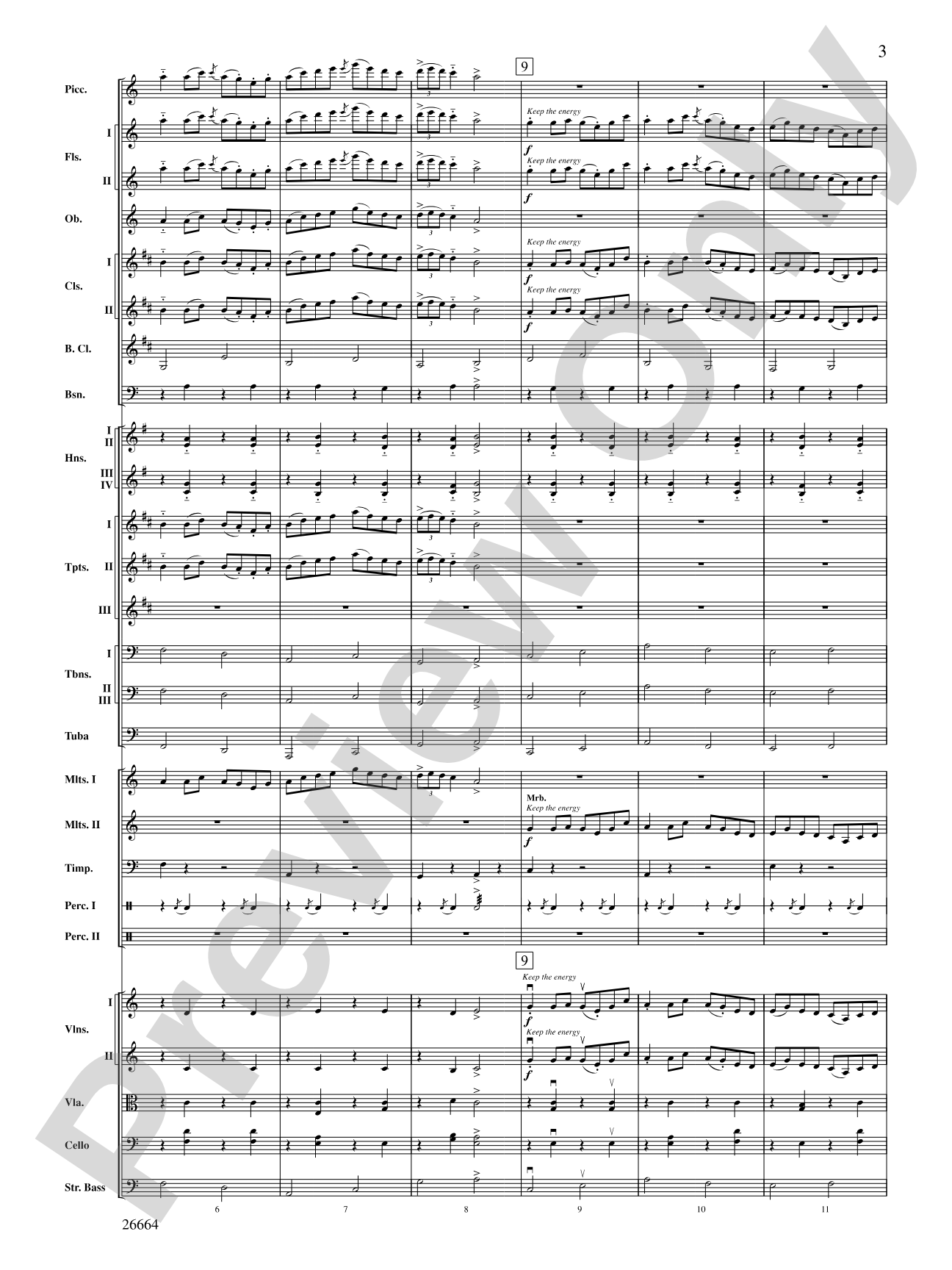
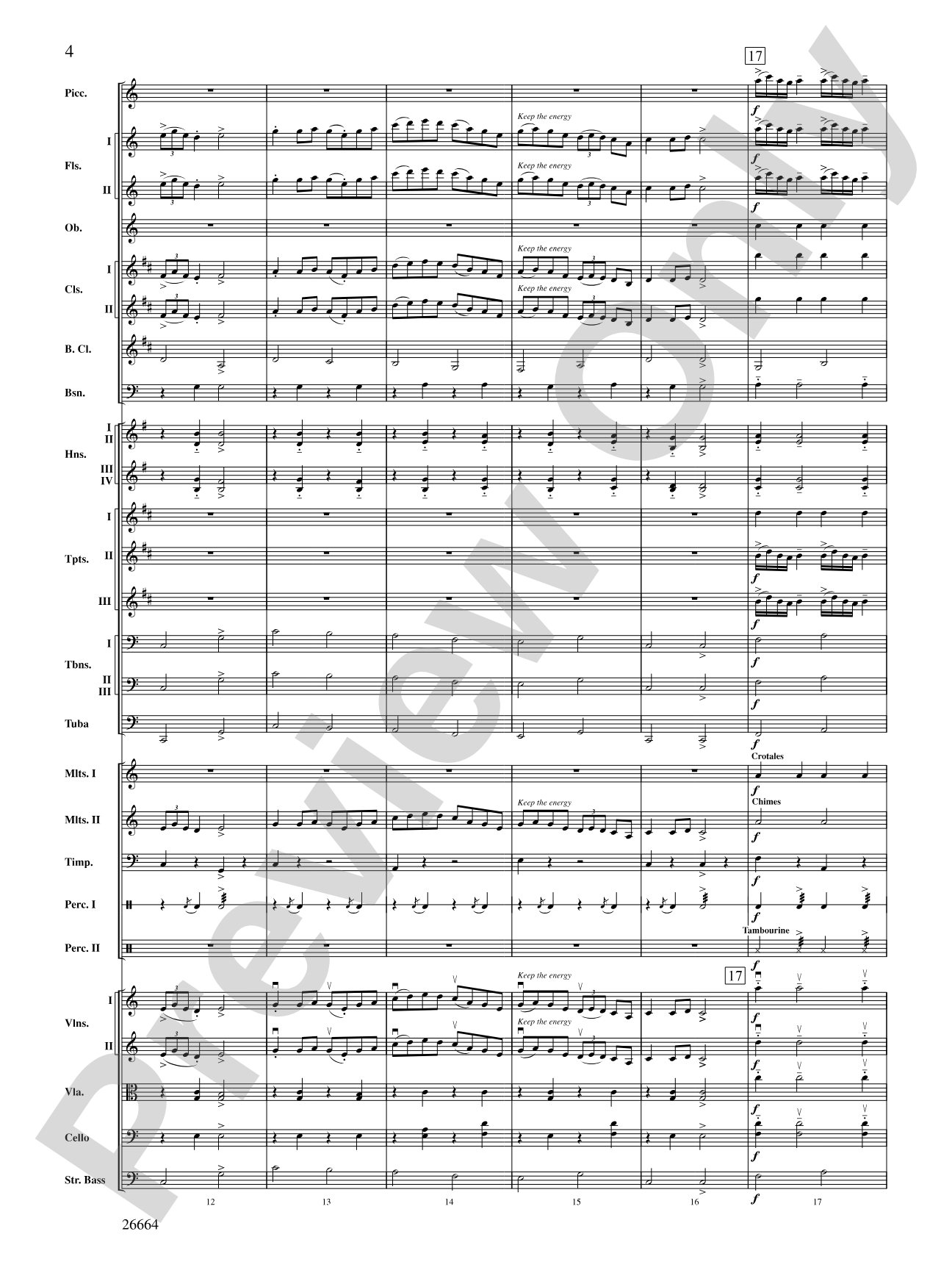
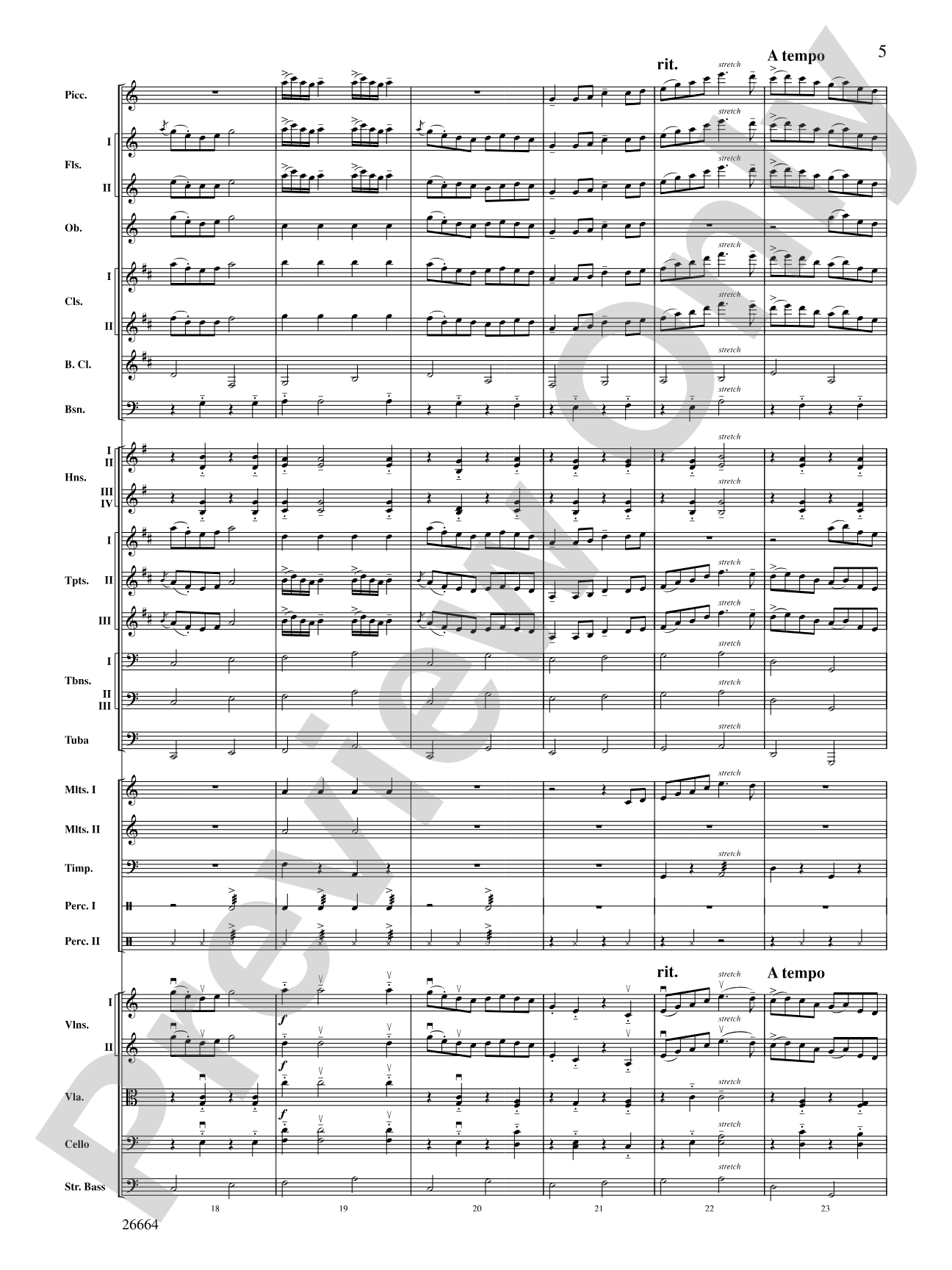
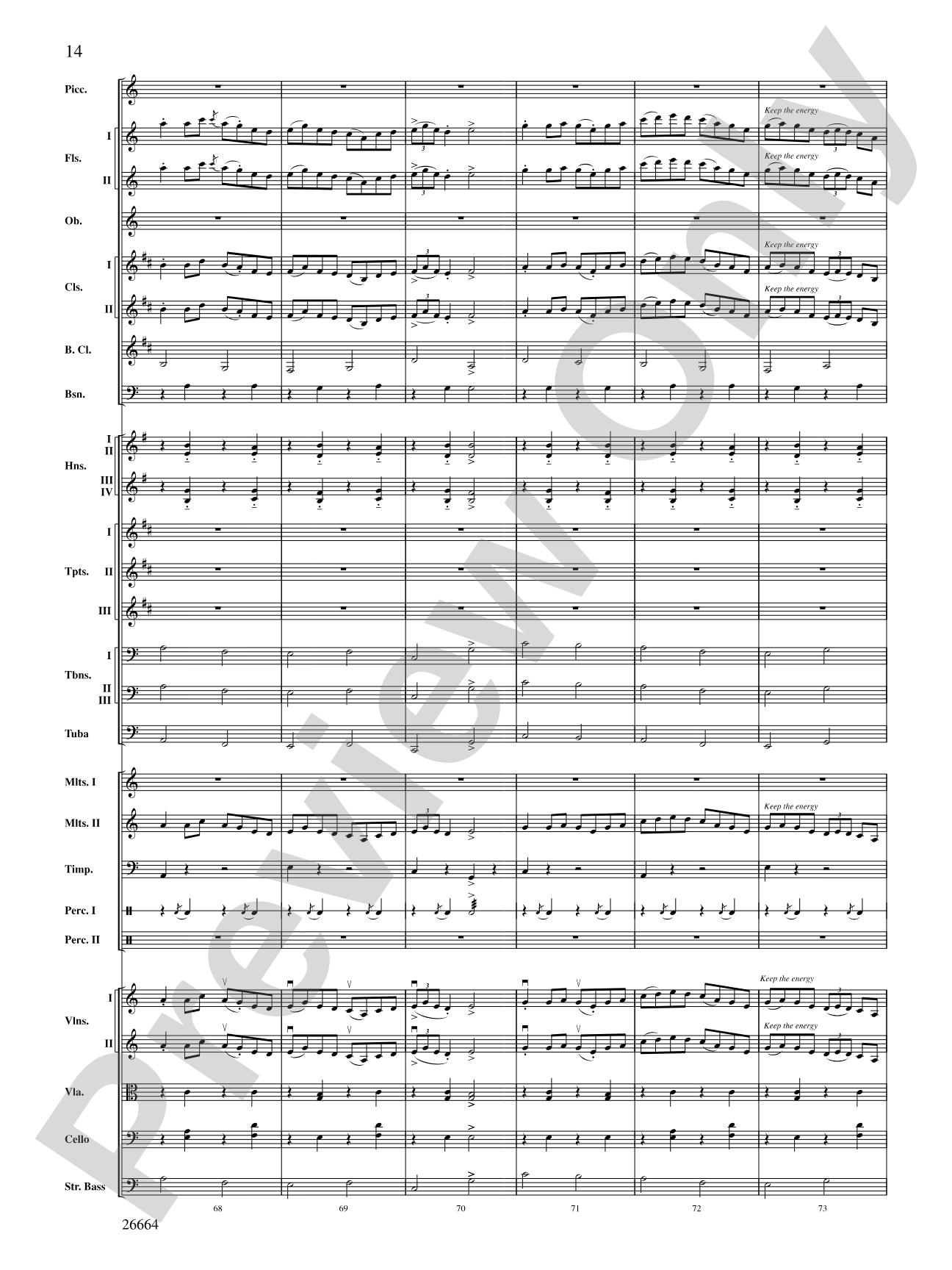
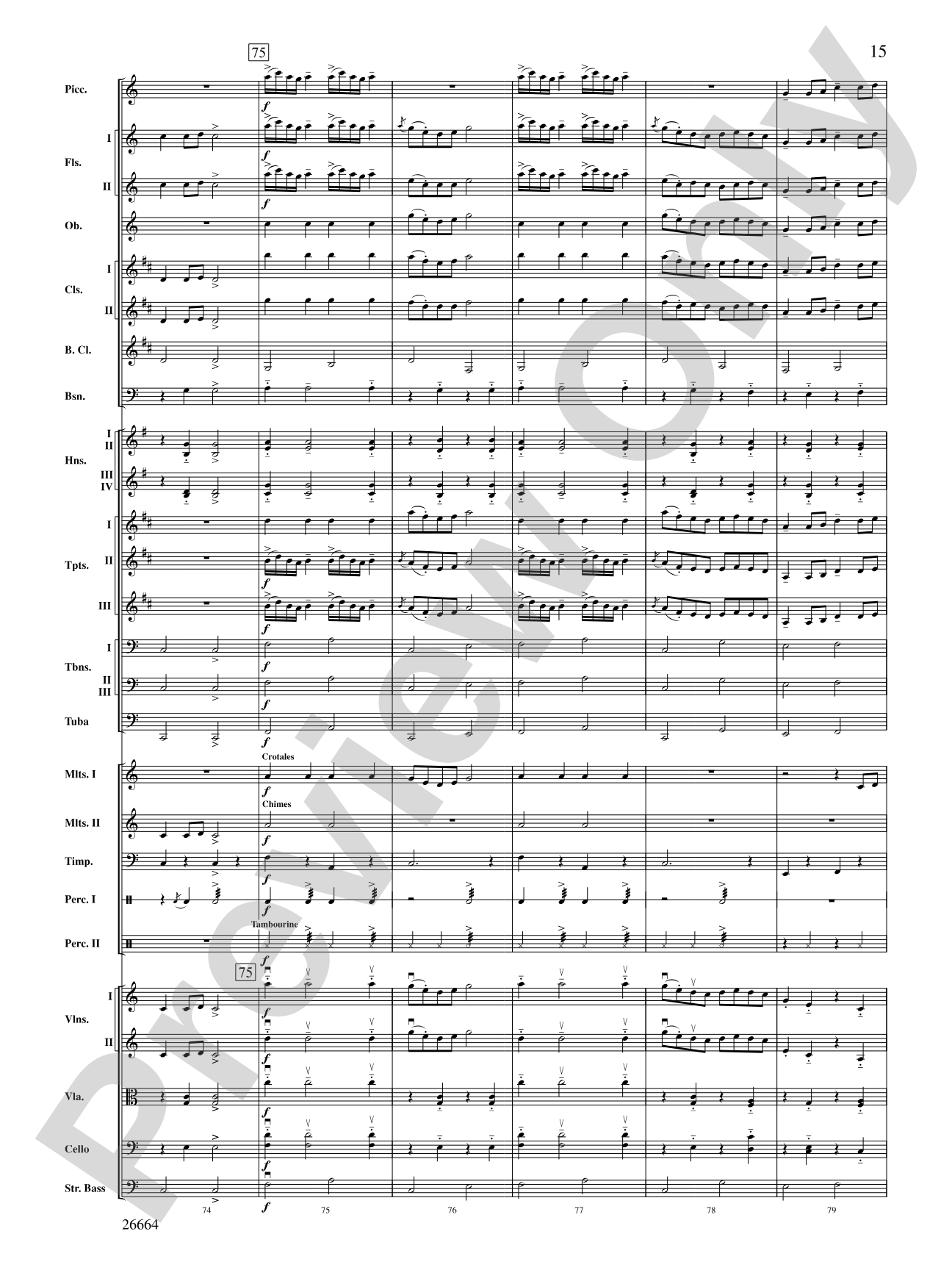
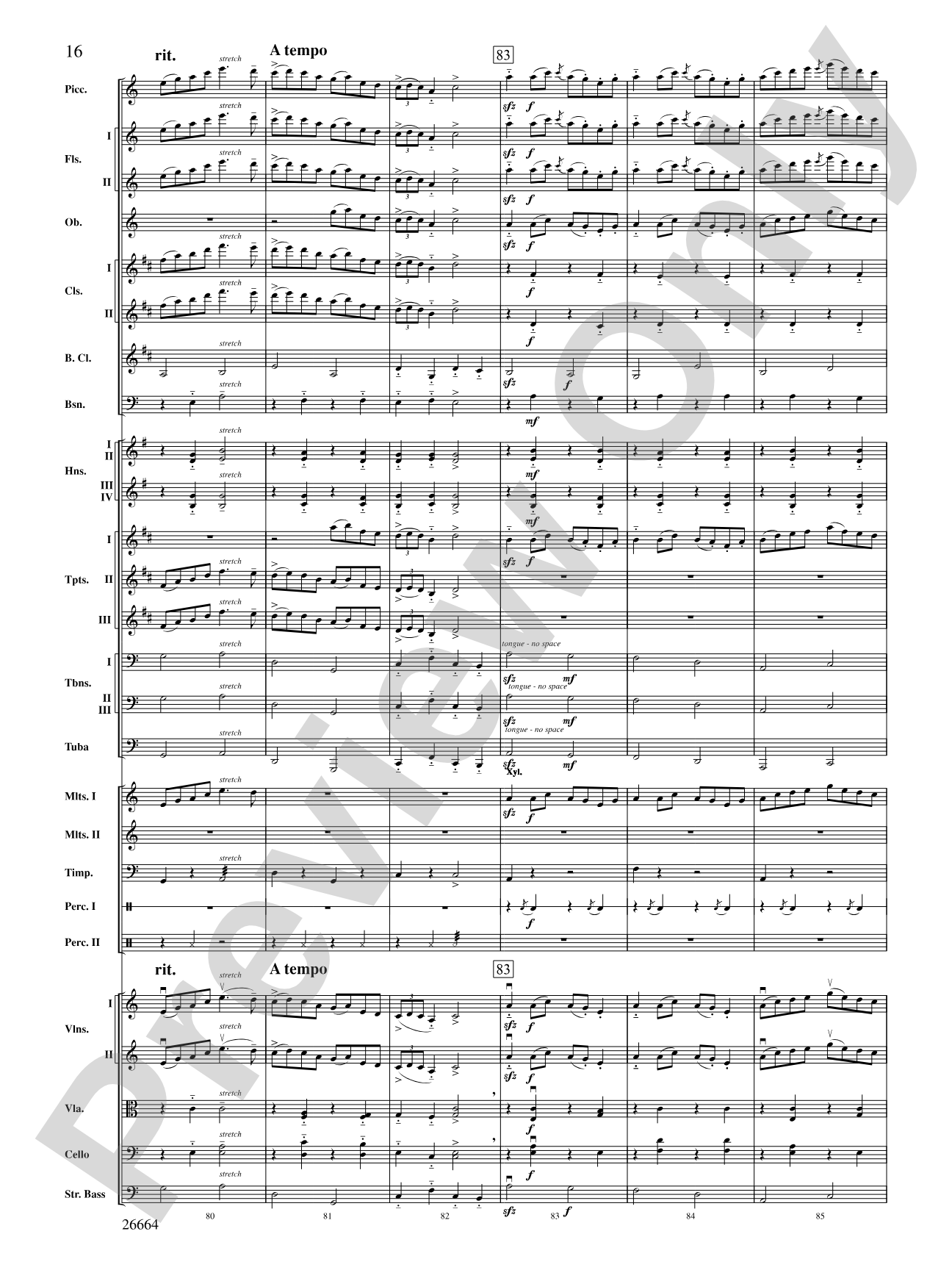
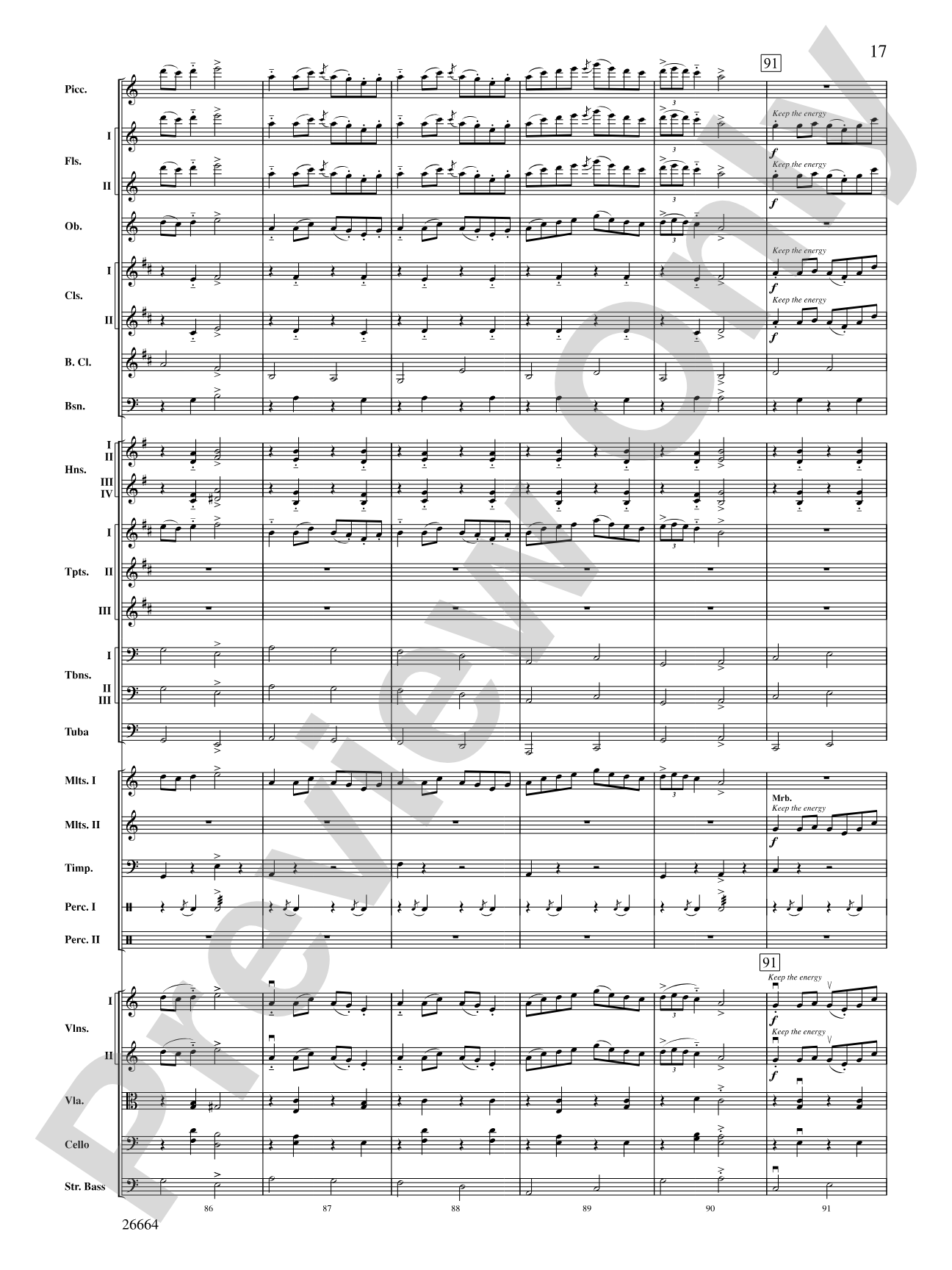
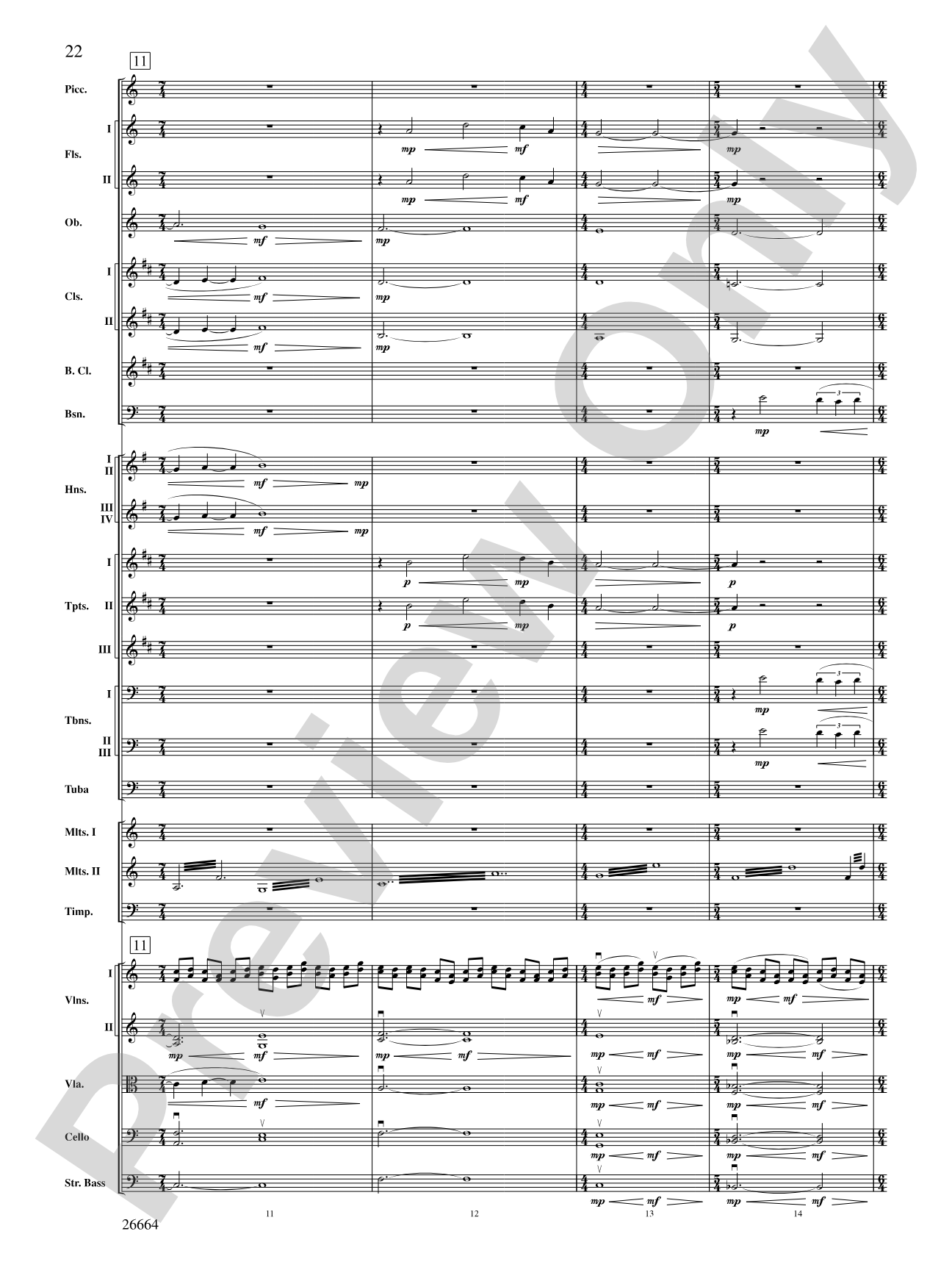
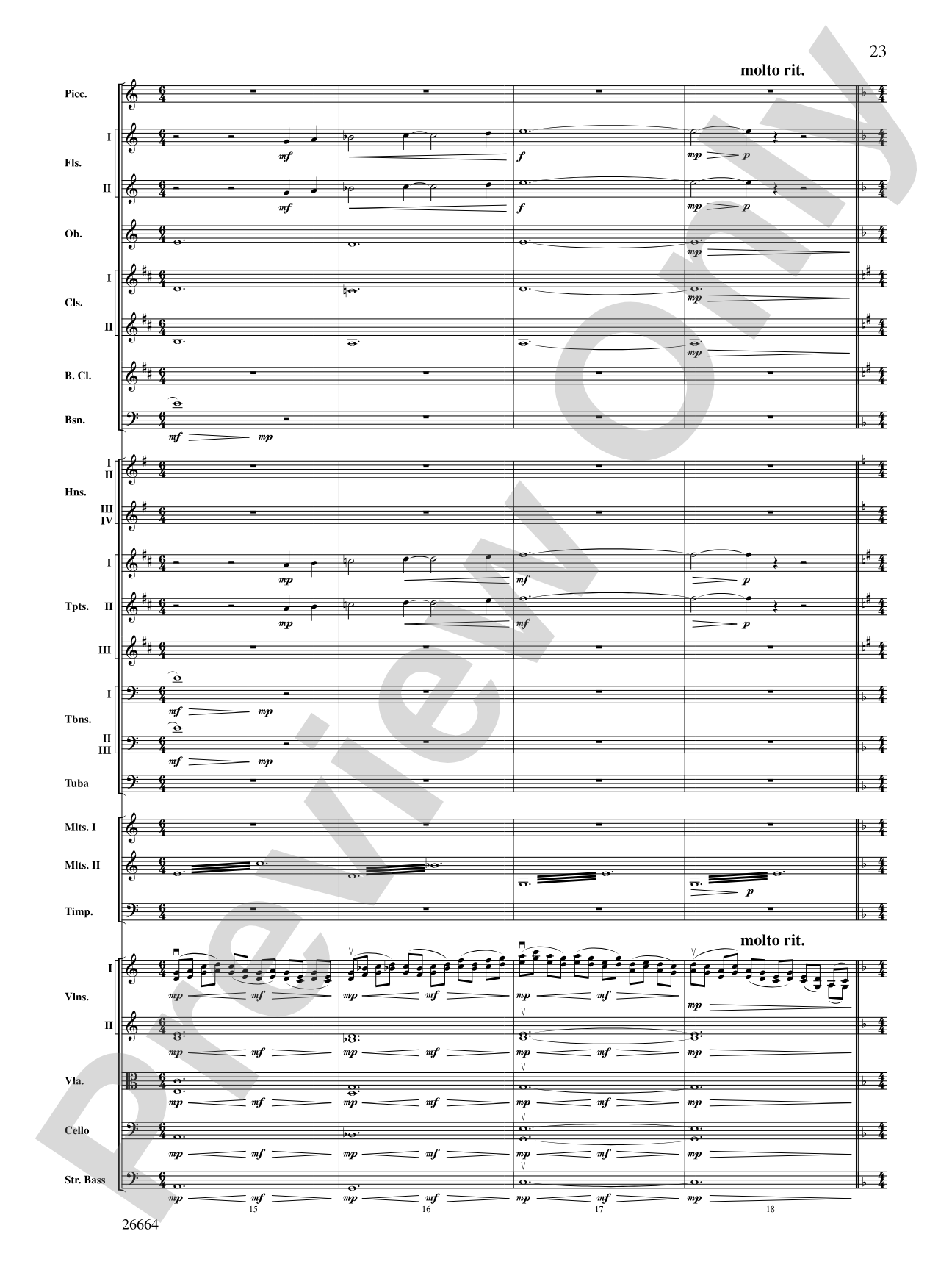
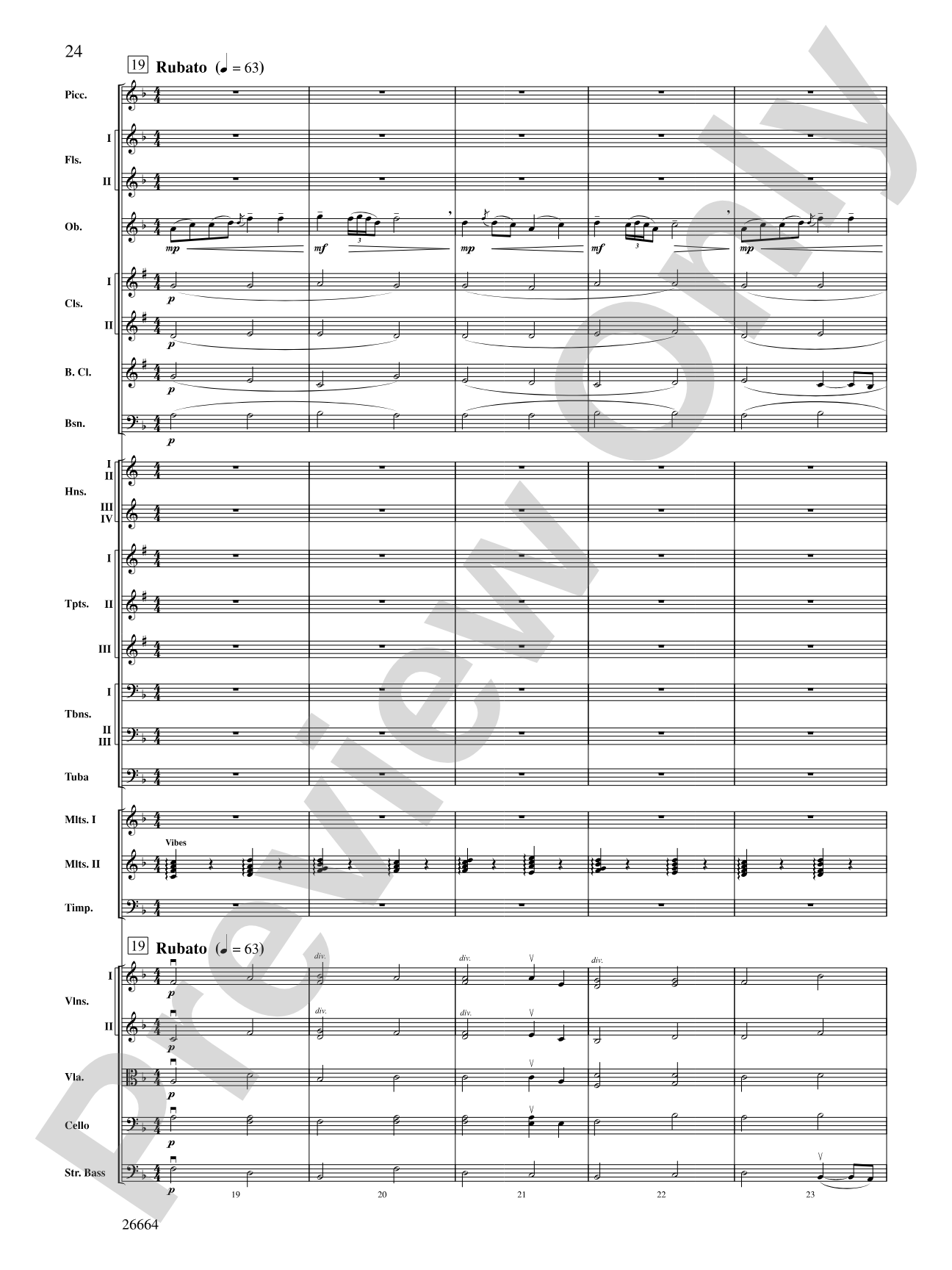
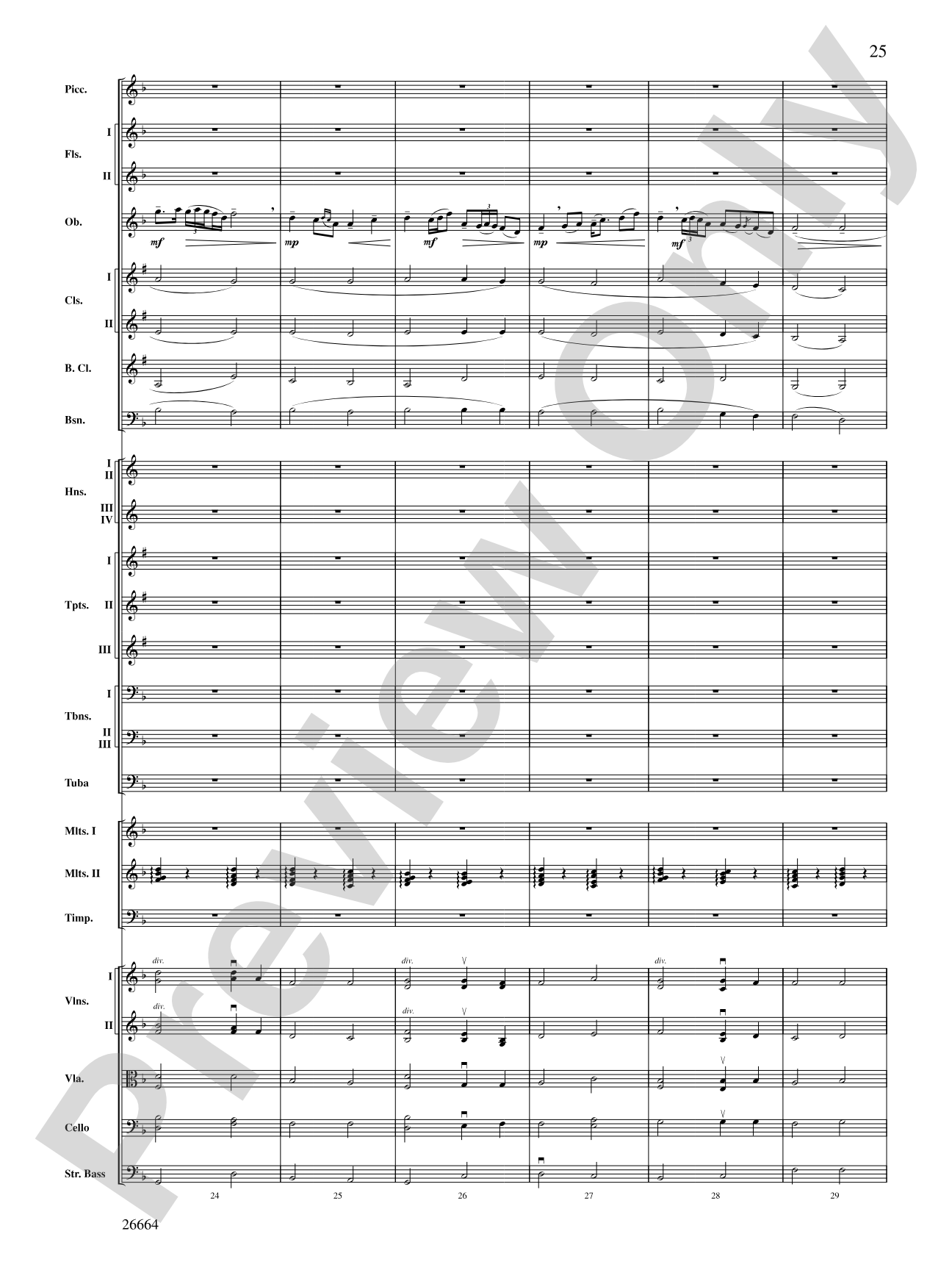
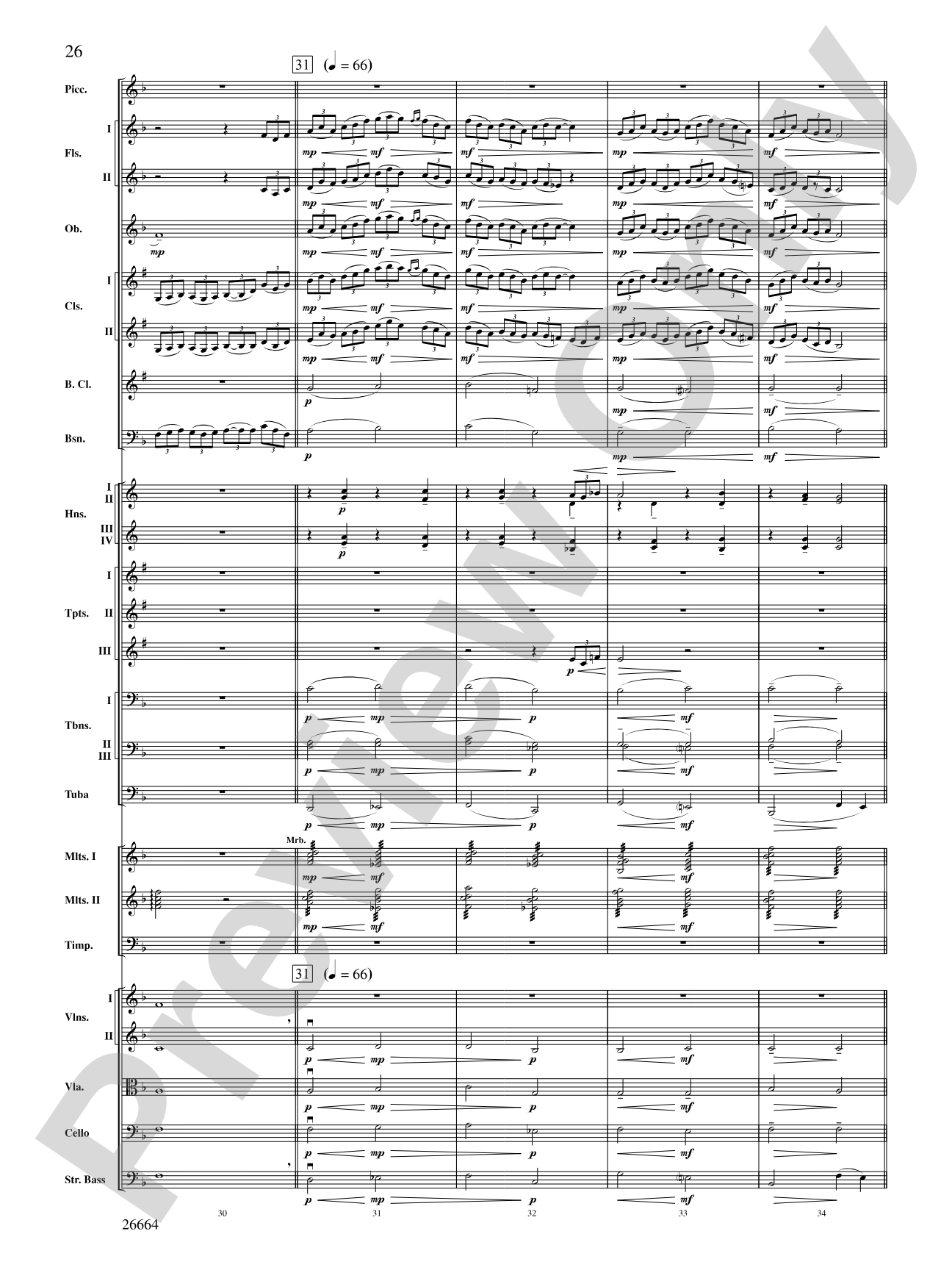
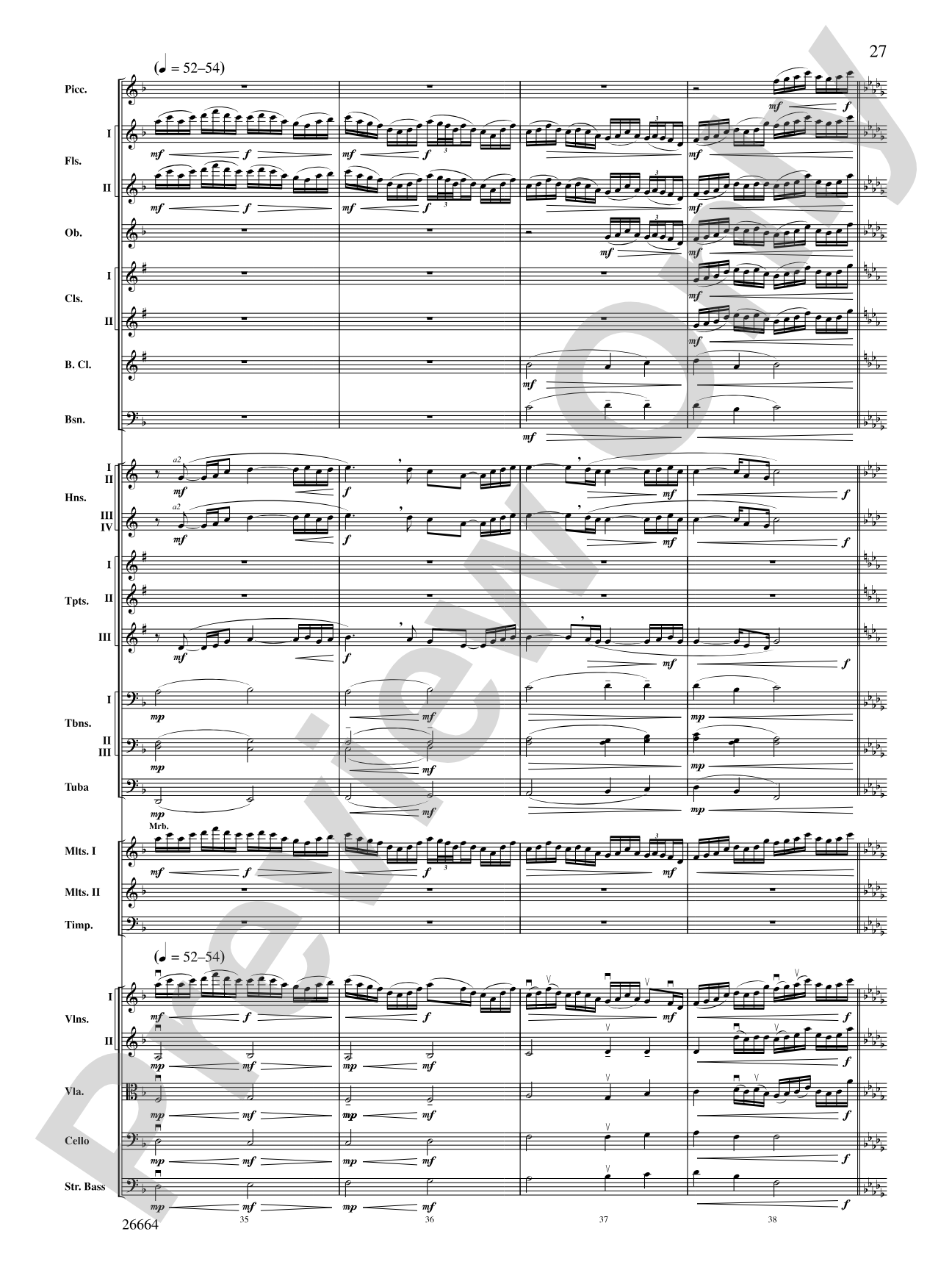
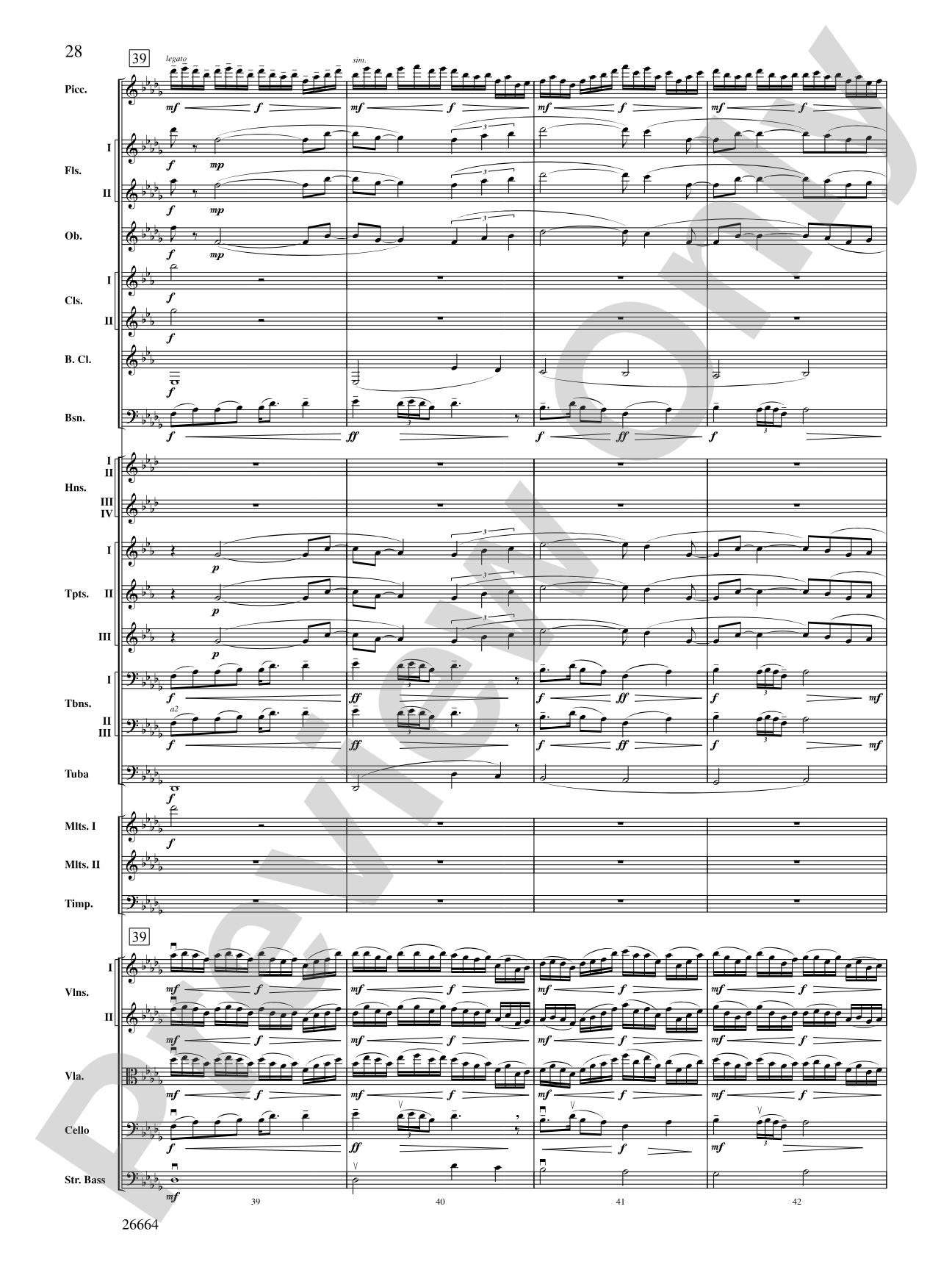
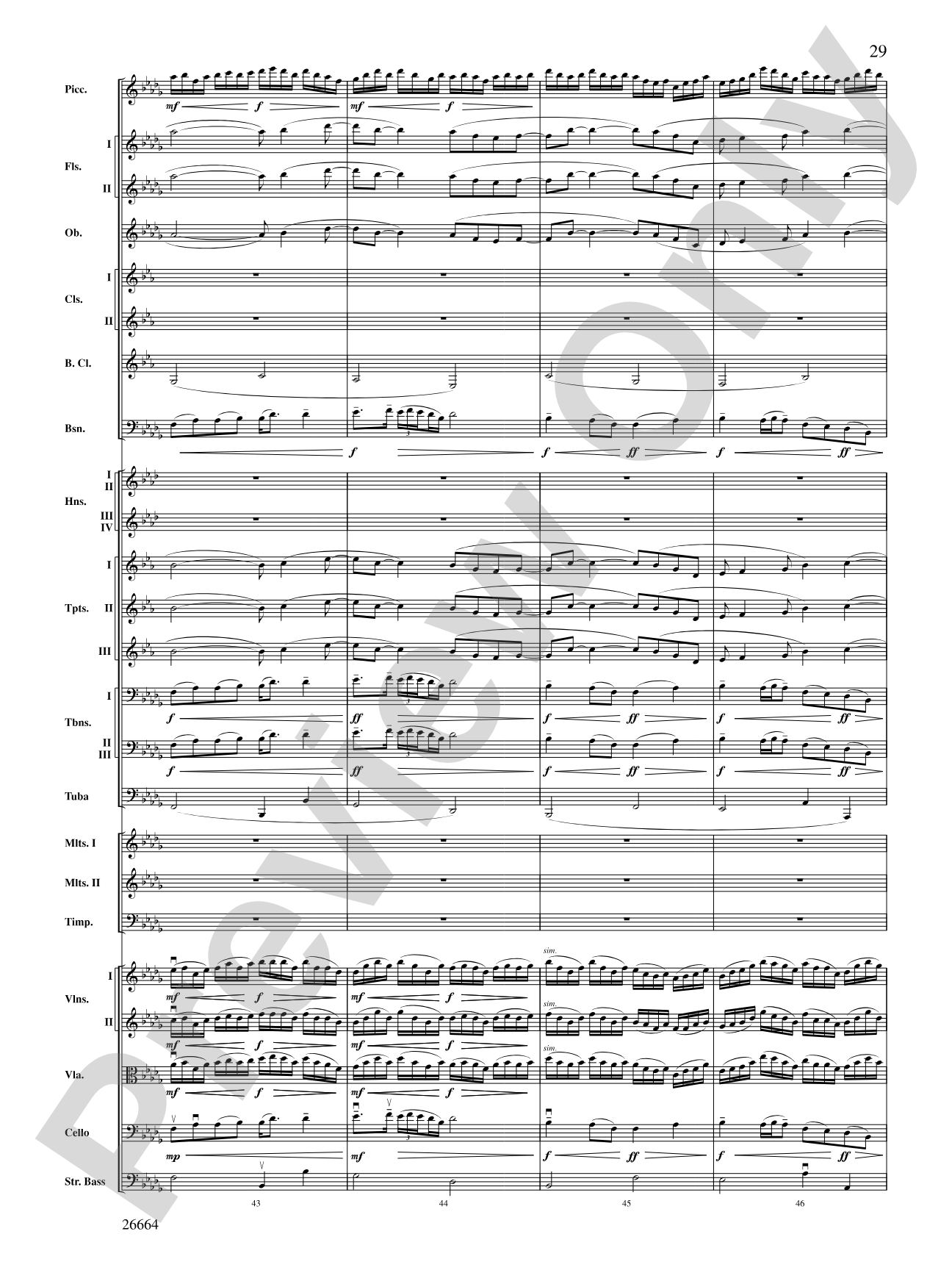
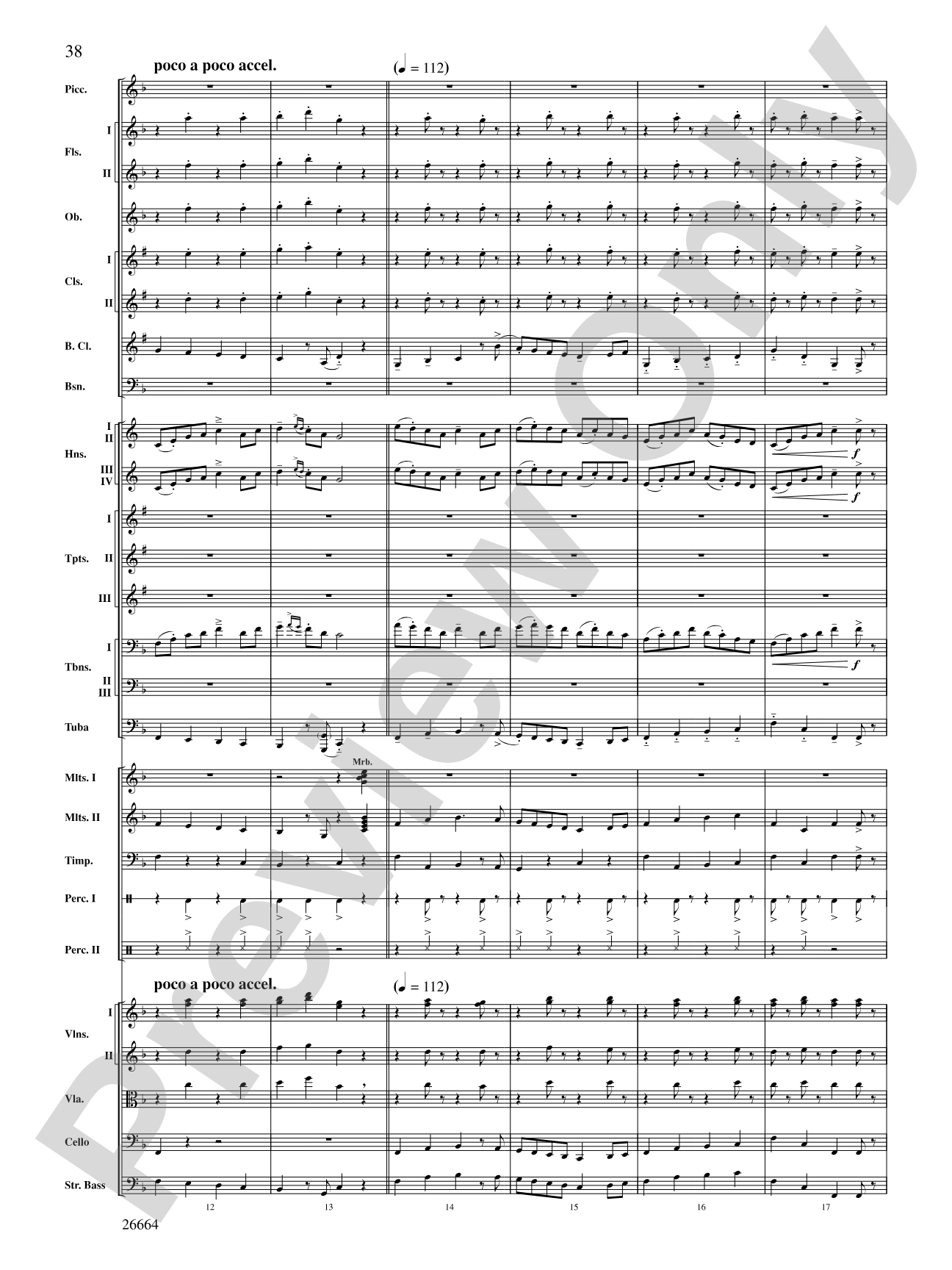
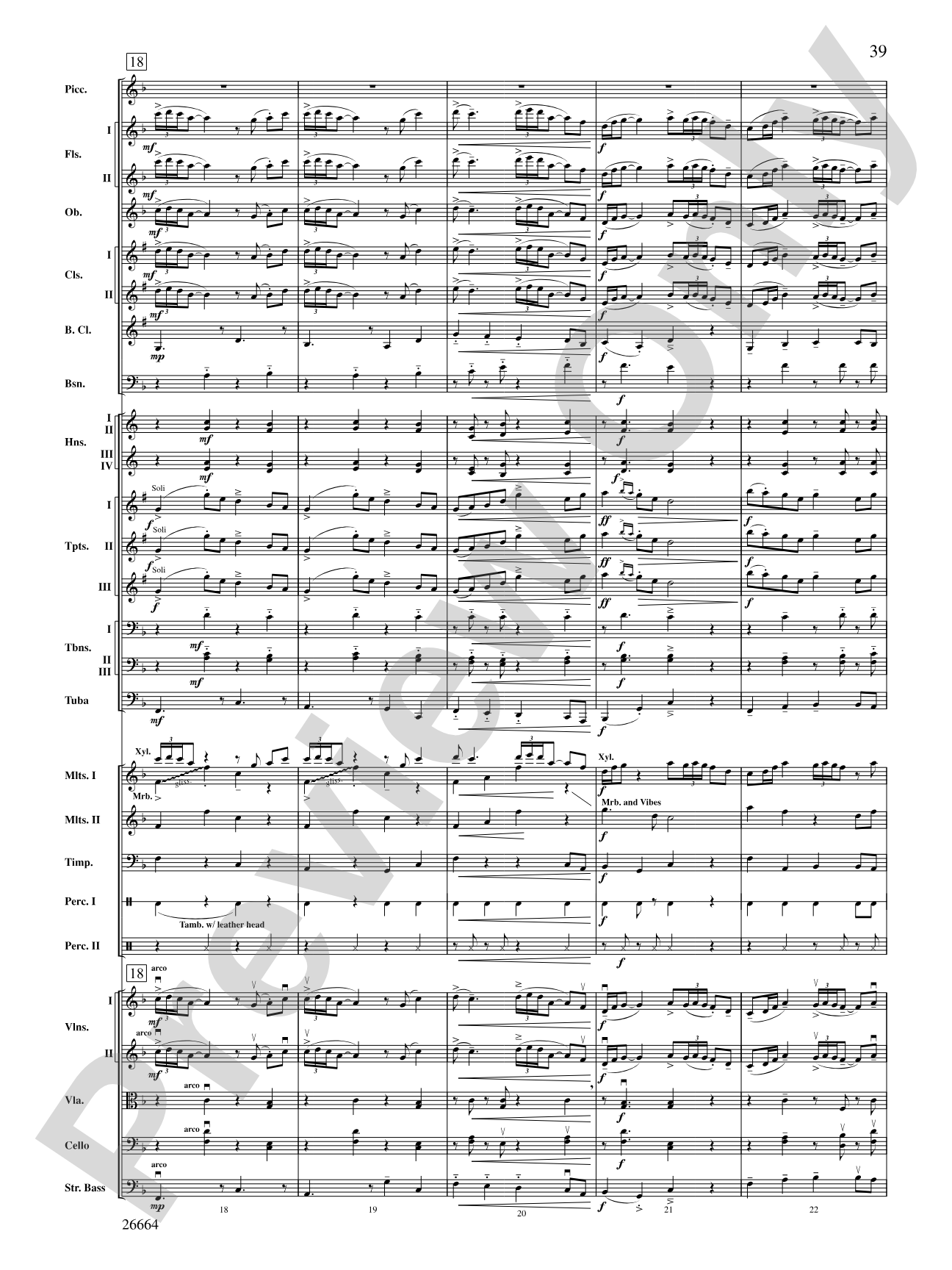
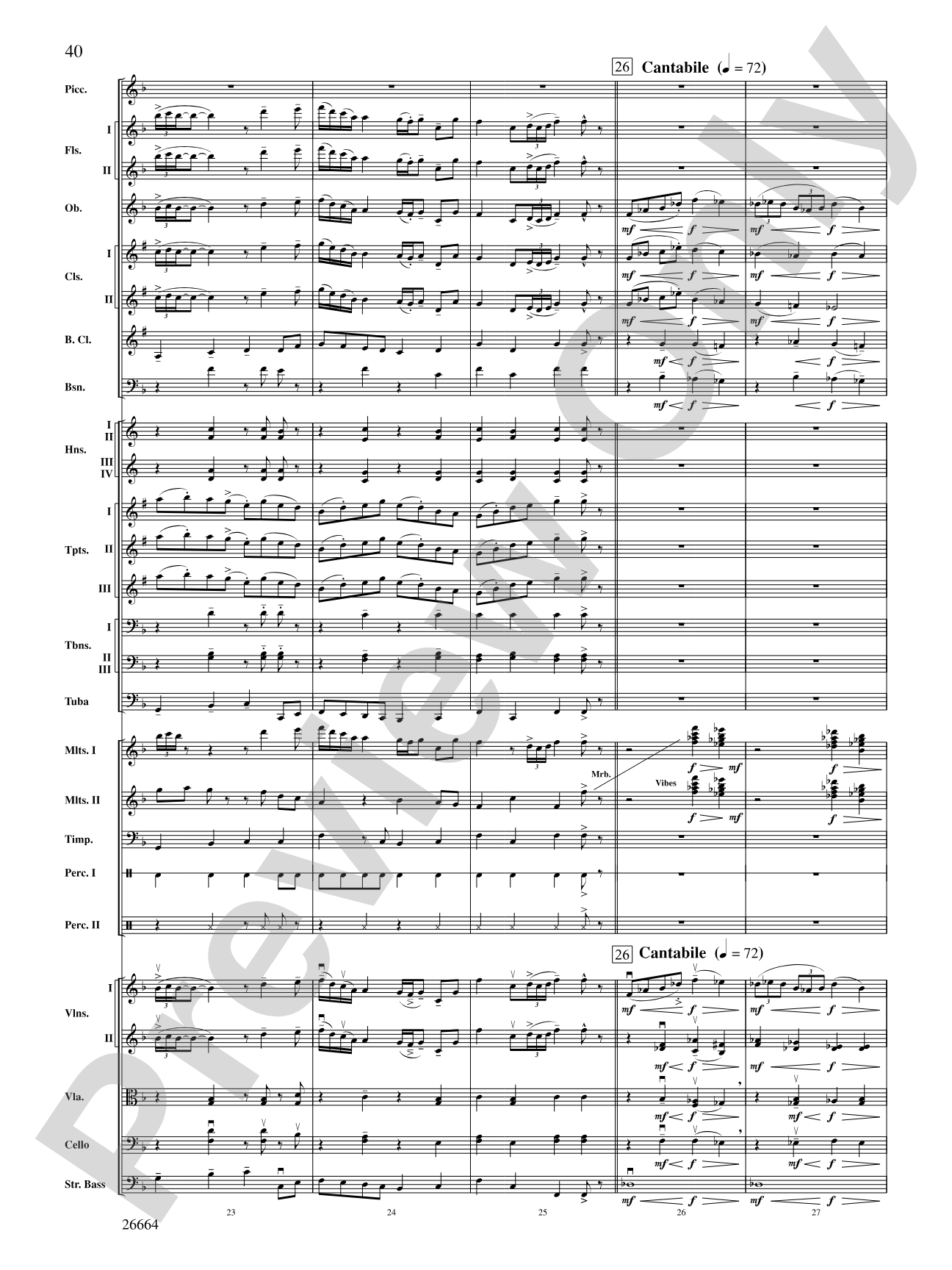
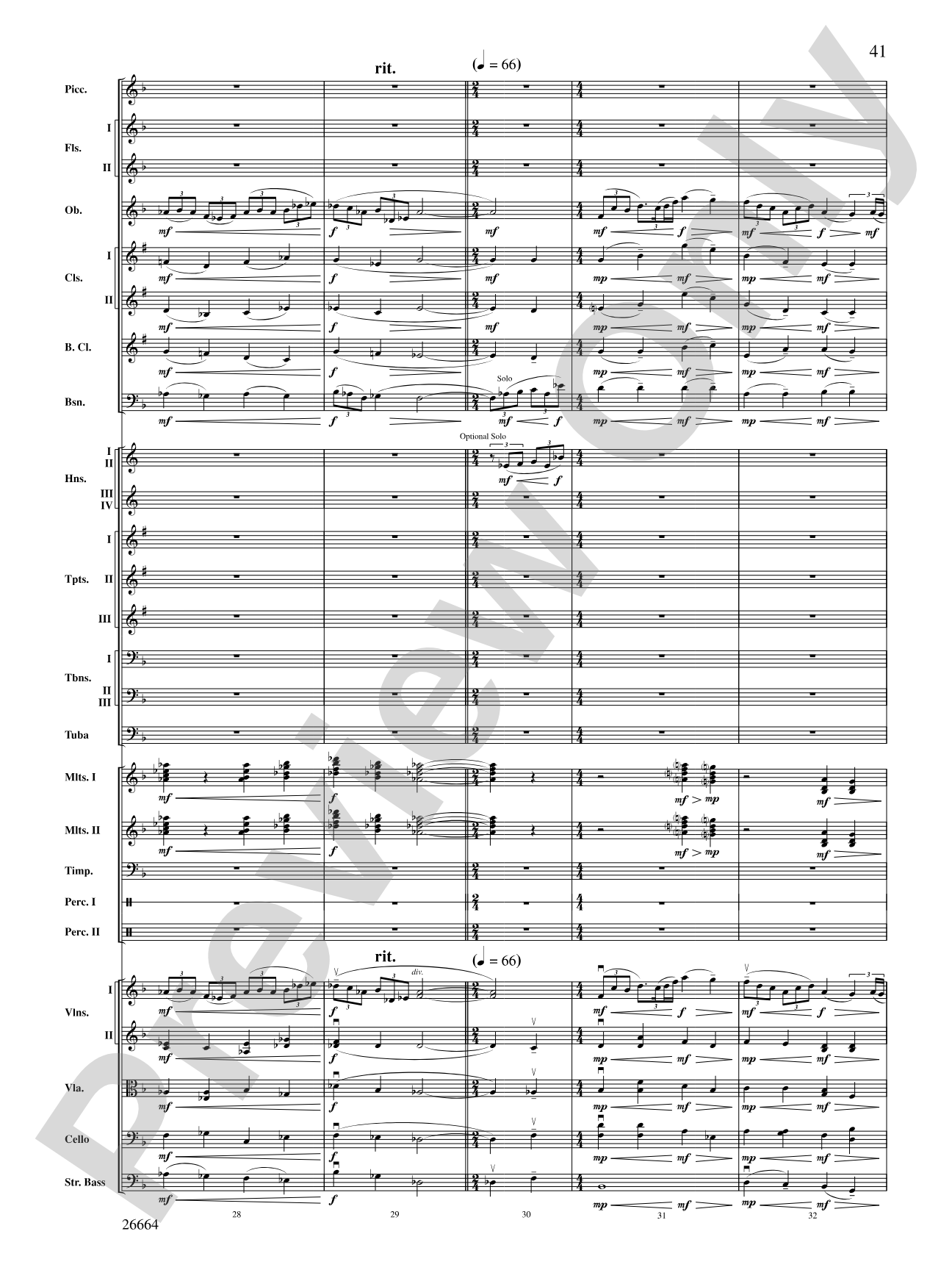
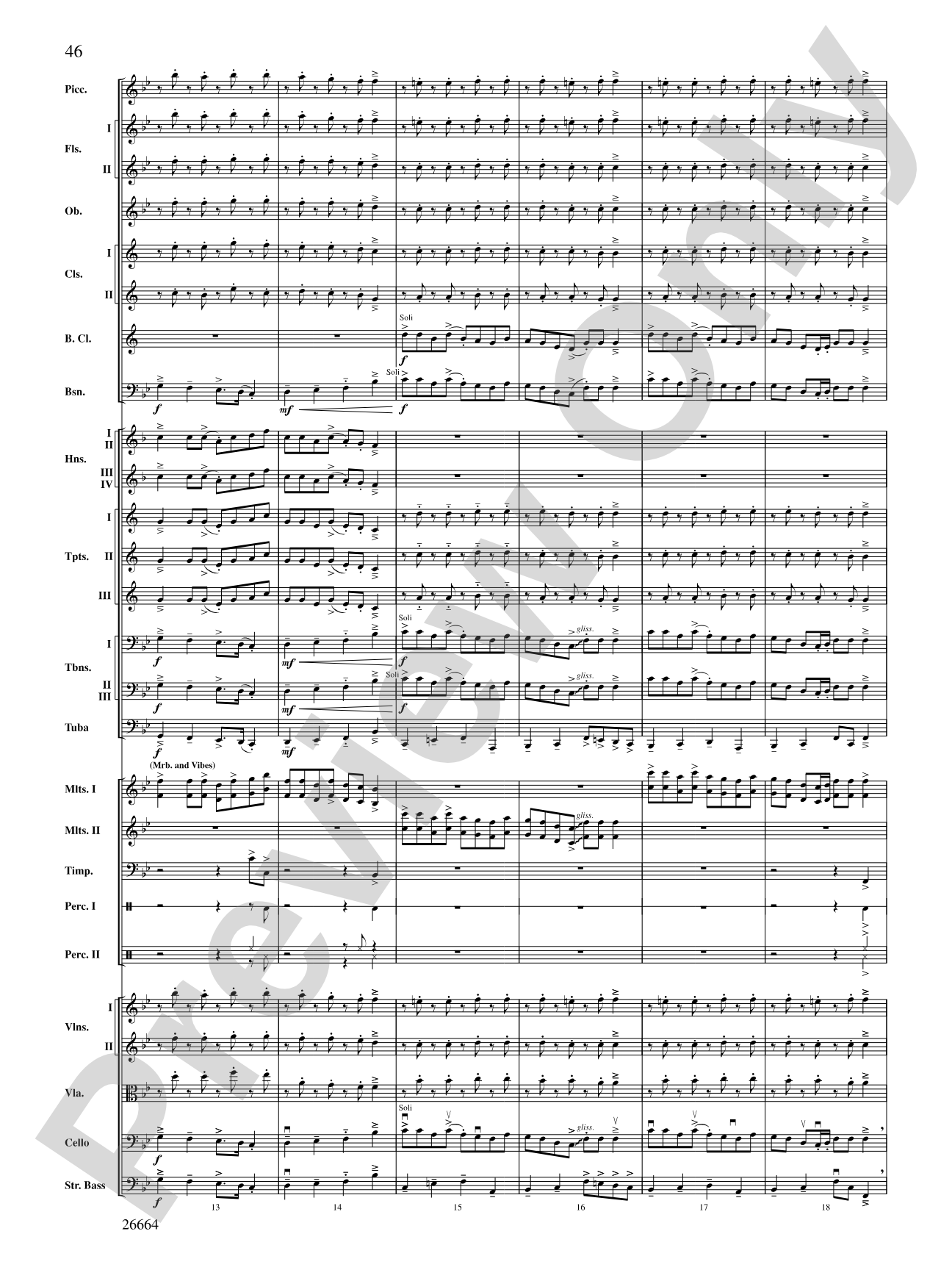
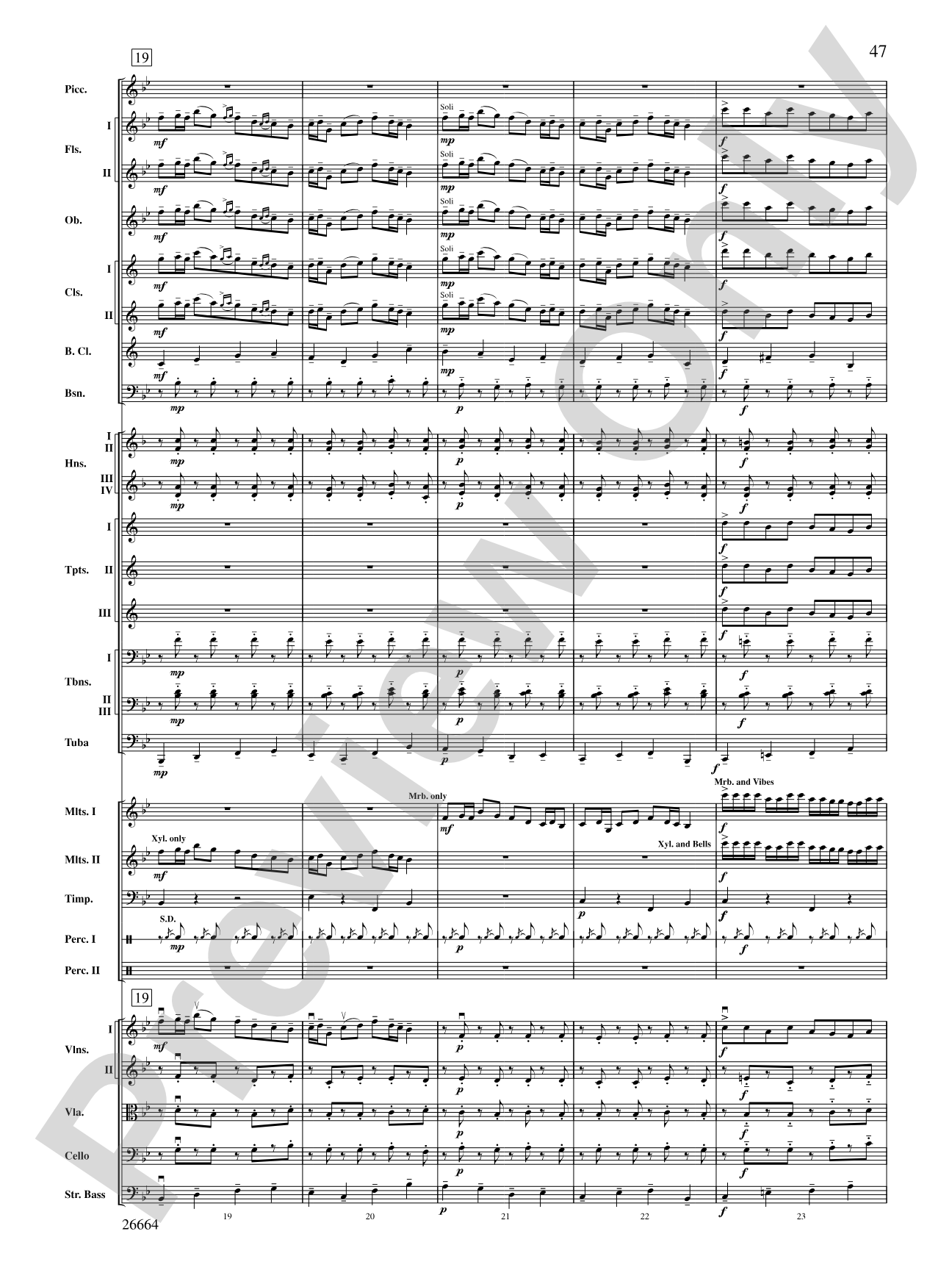
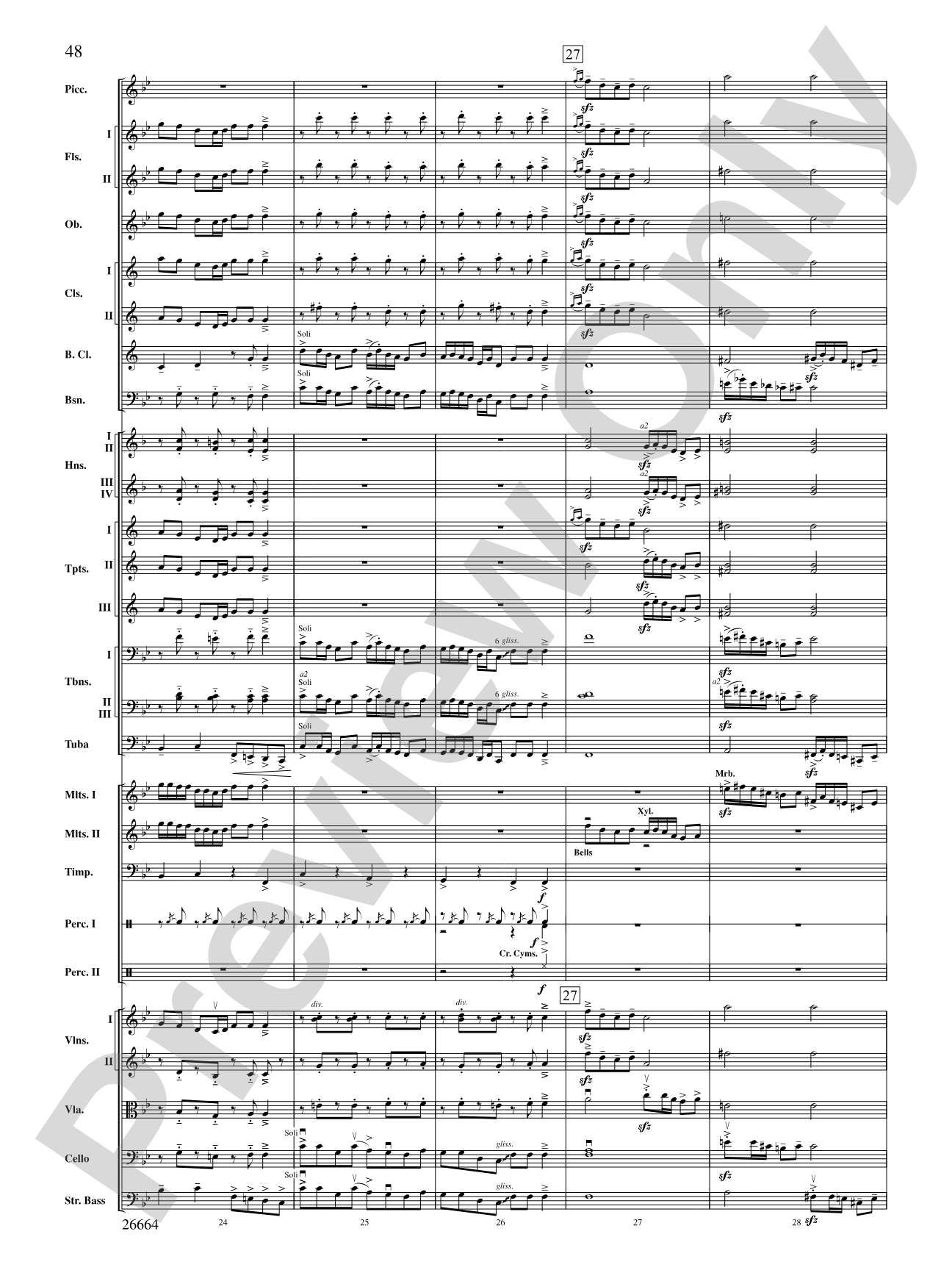
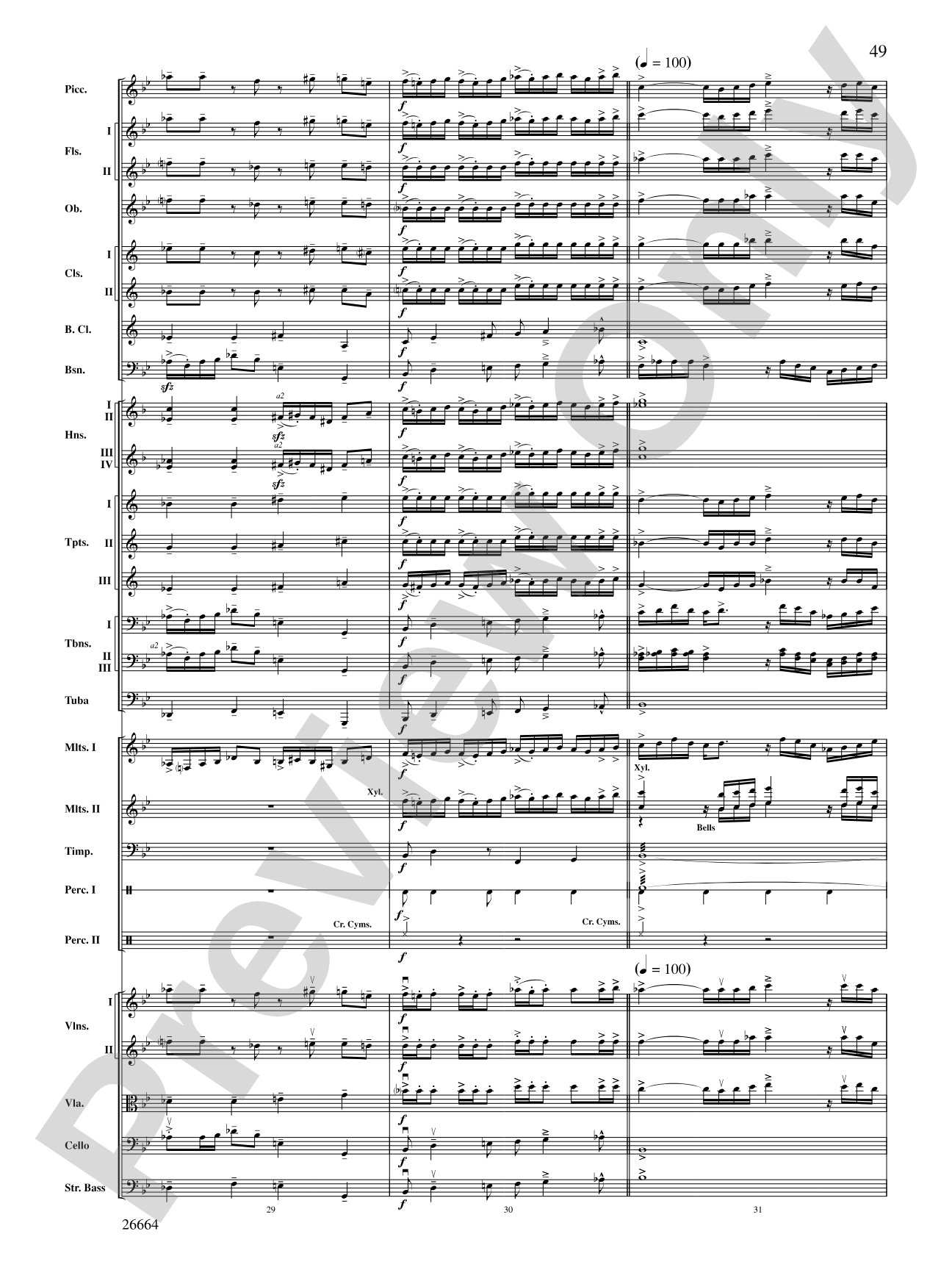
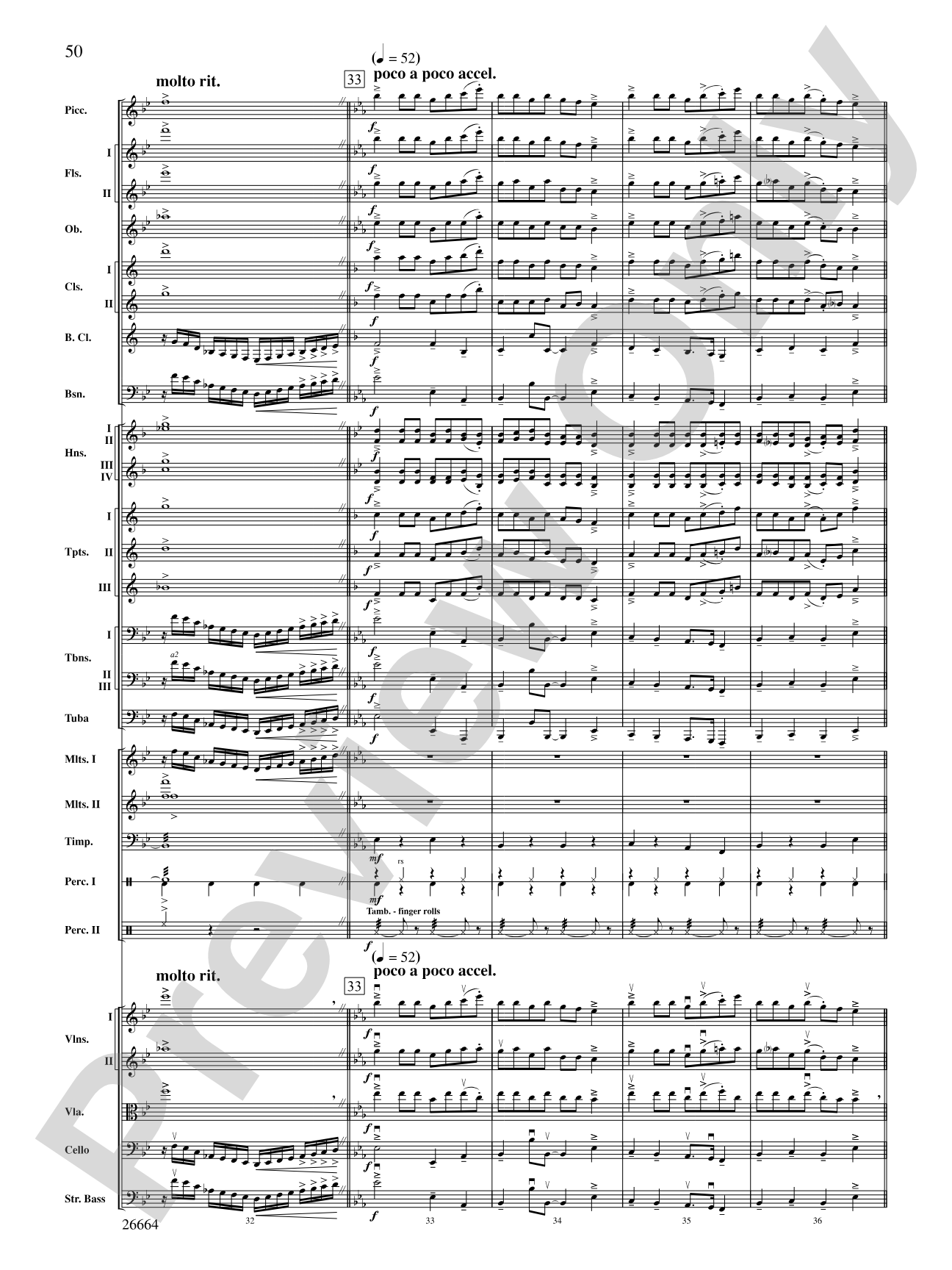
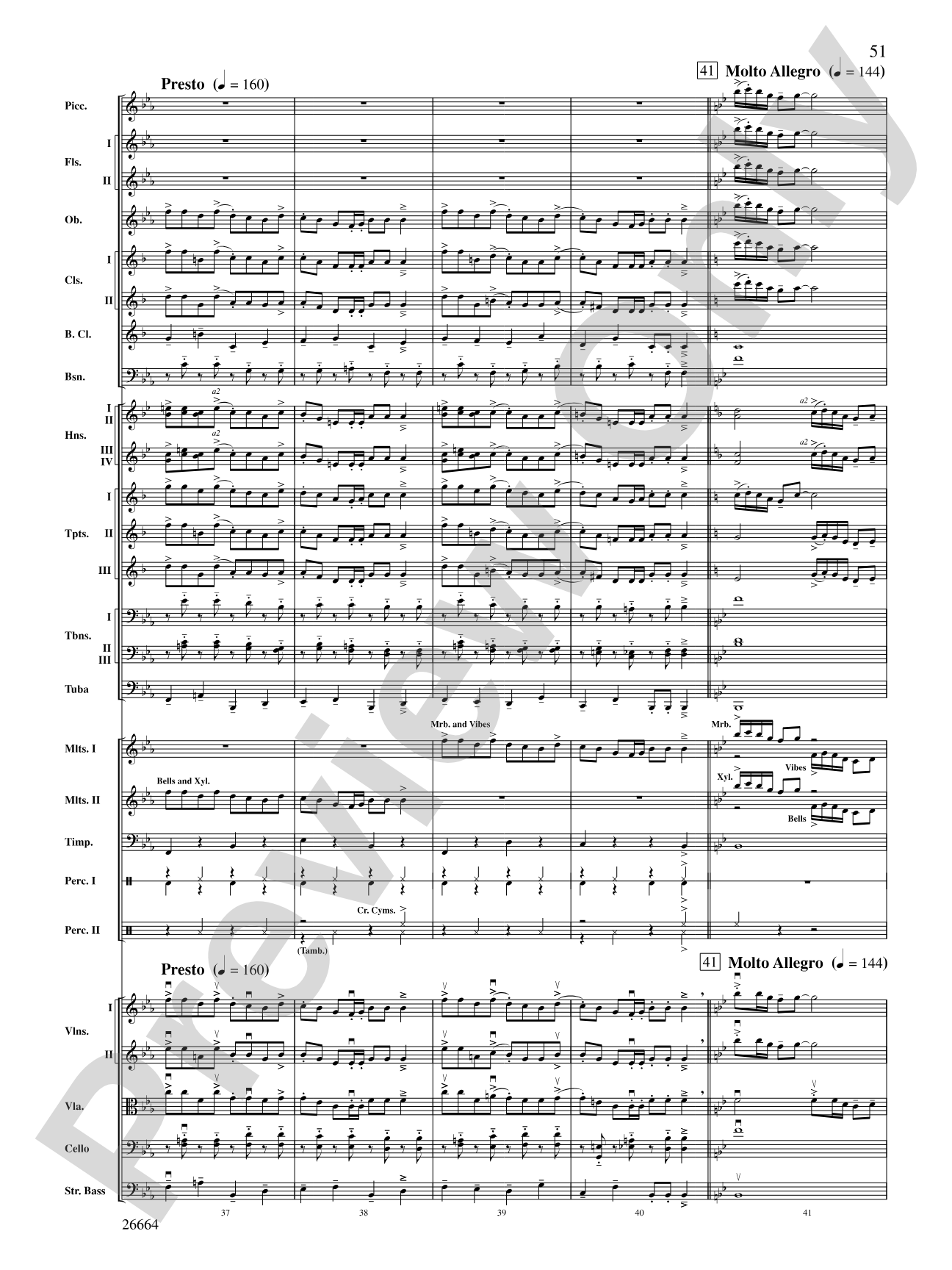

Tatarian Dances: Full Orchestra Conductor Score & Parts
Traditional / arr. Elena Roussanova Lucas
Grade: 5
Item: 00-PK-0001165

$65.00
Pickup currently not available
Buy Extra Parts (Digital PDF Download)
Parts Added to Cart!
Description
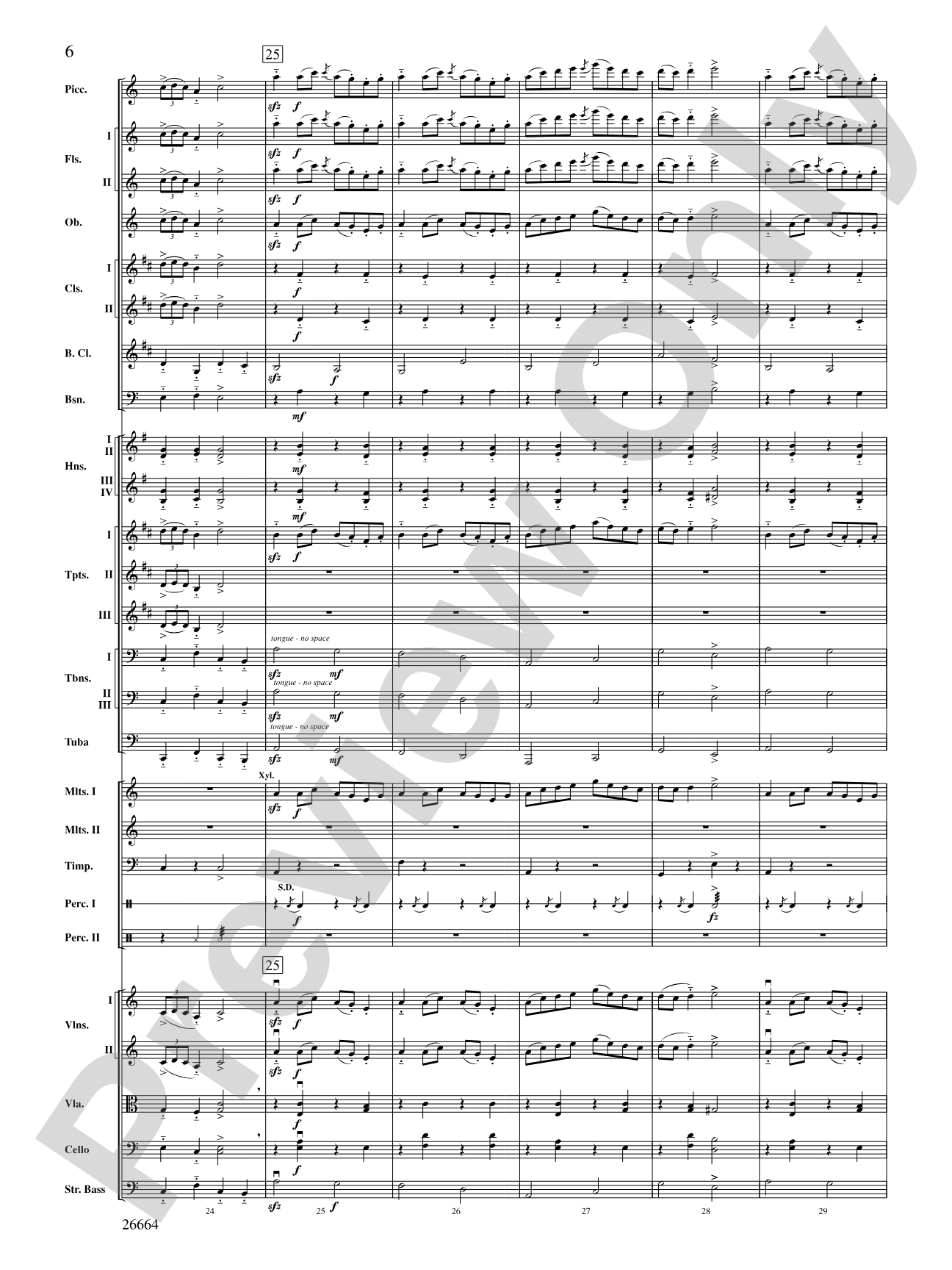
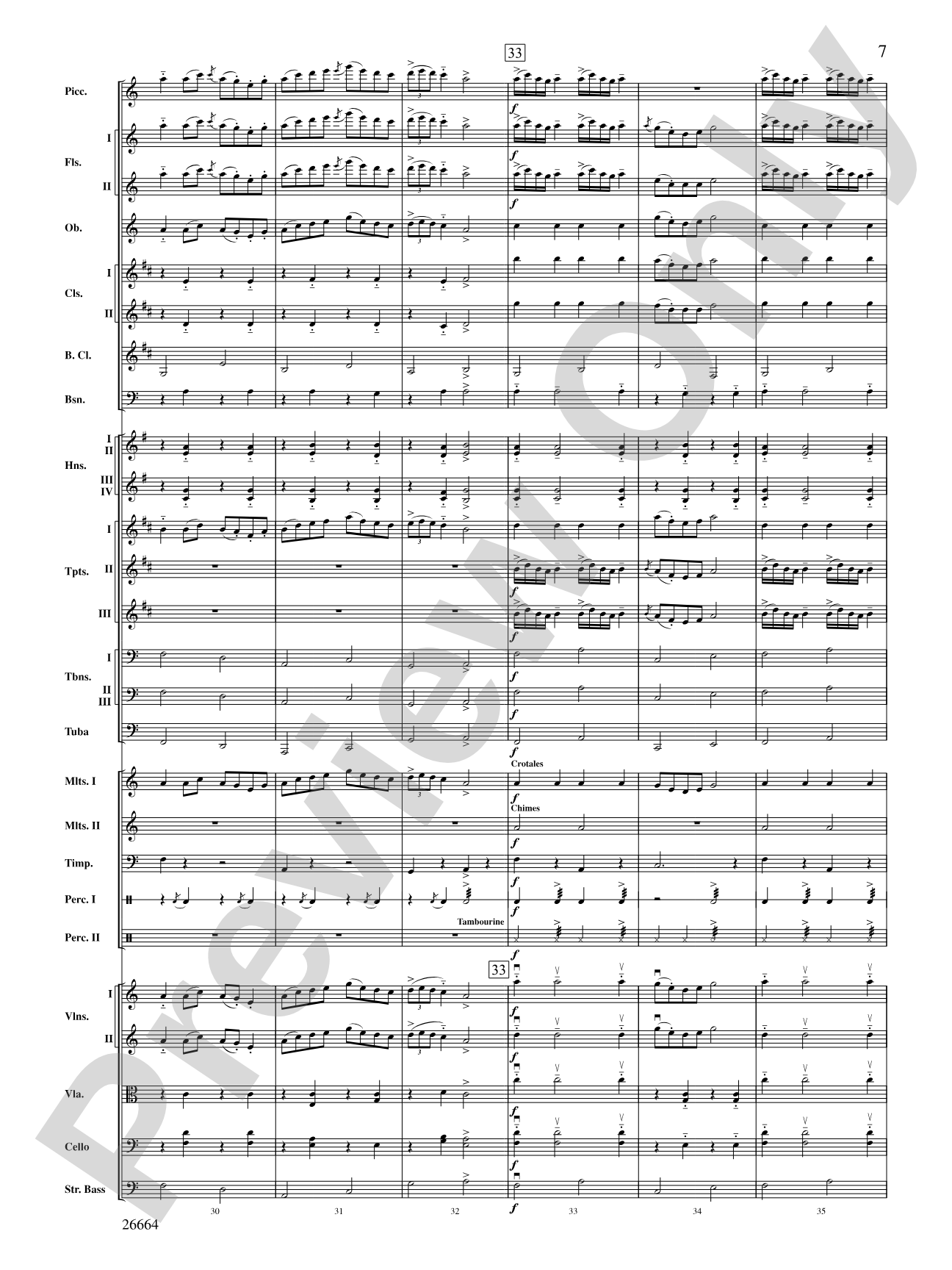
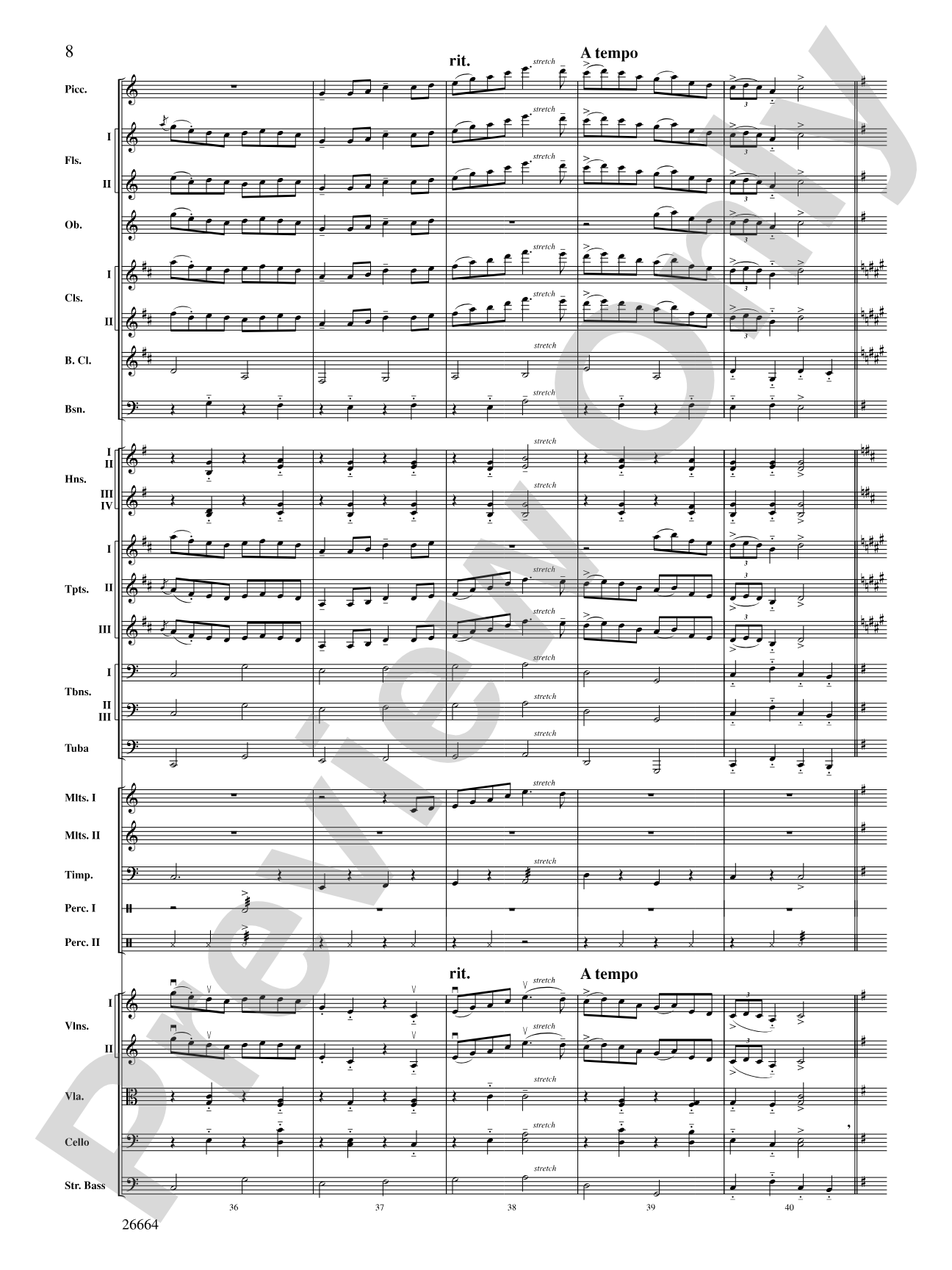
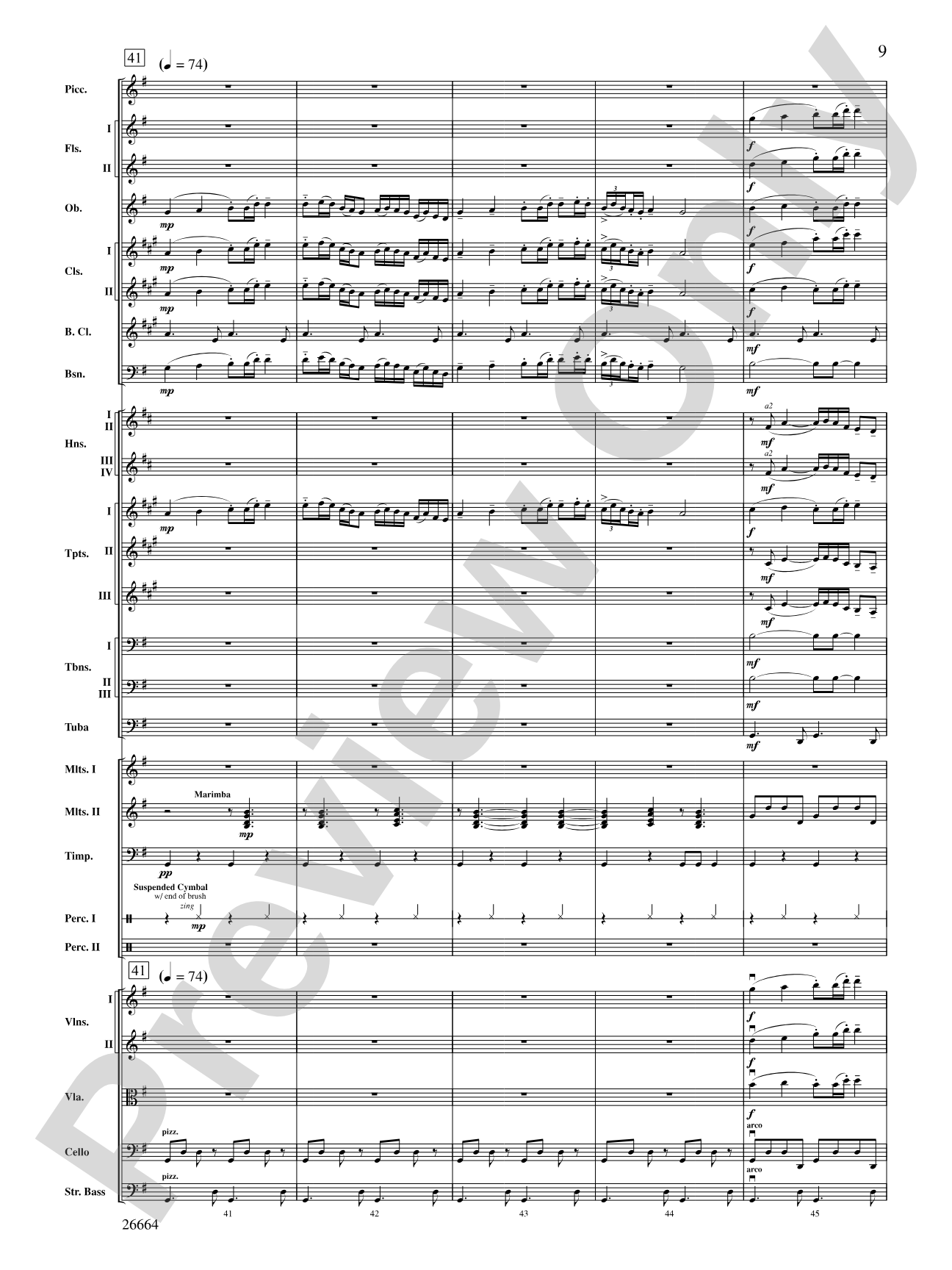
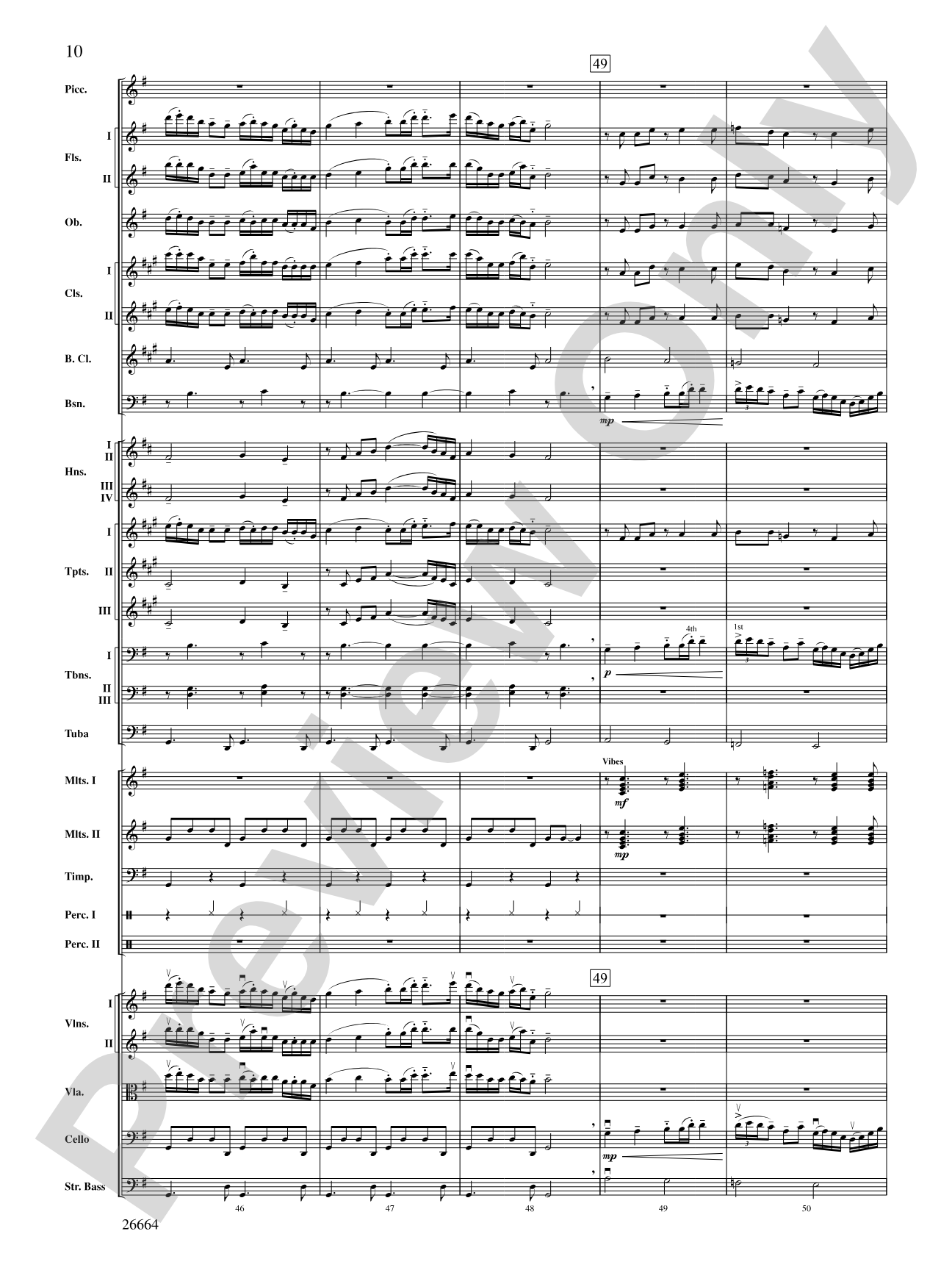
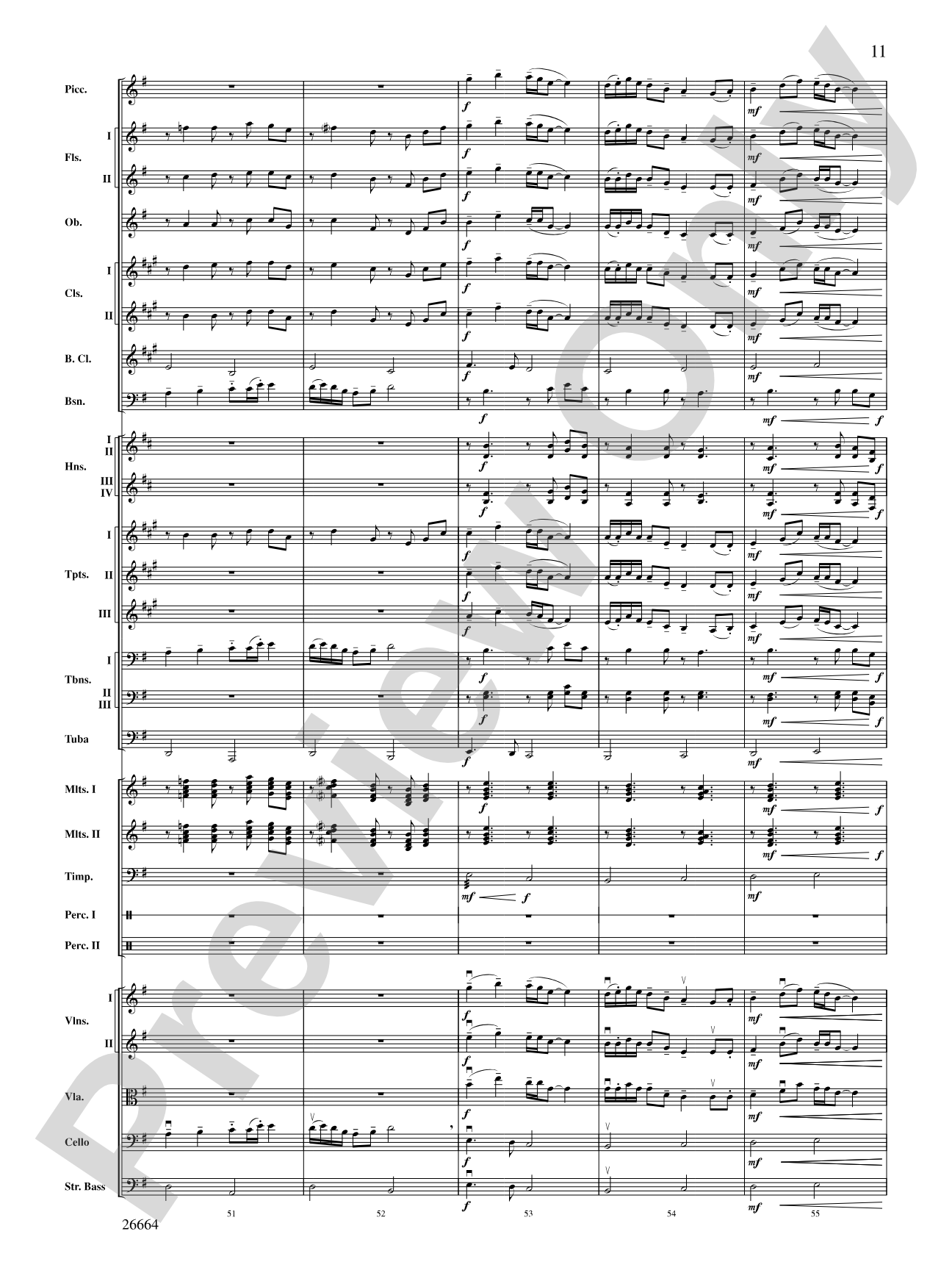
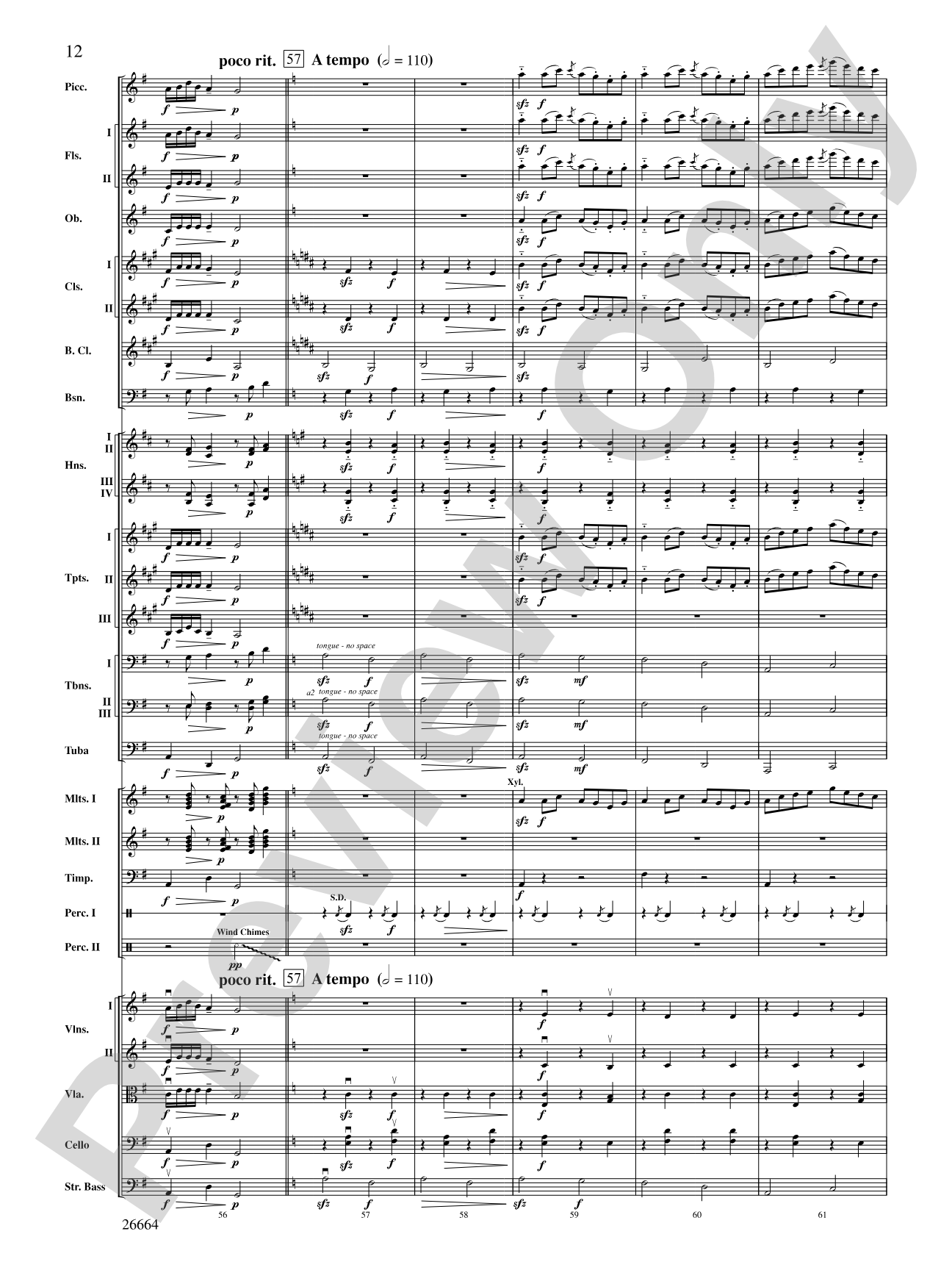
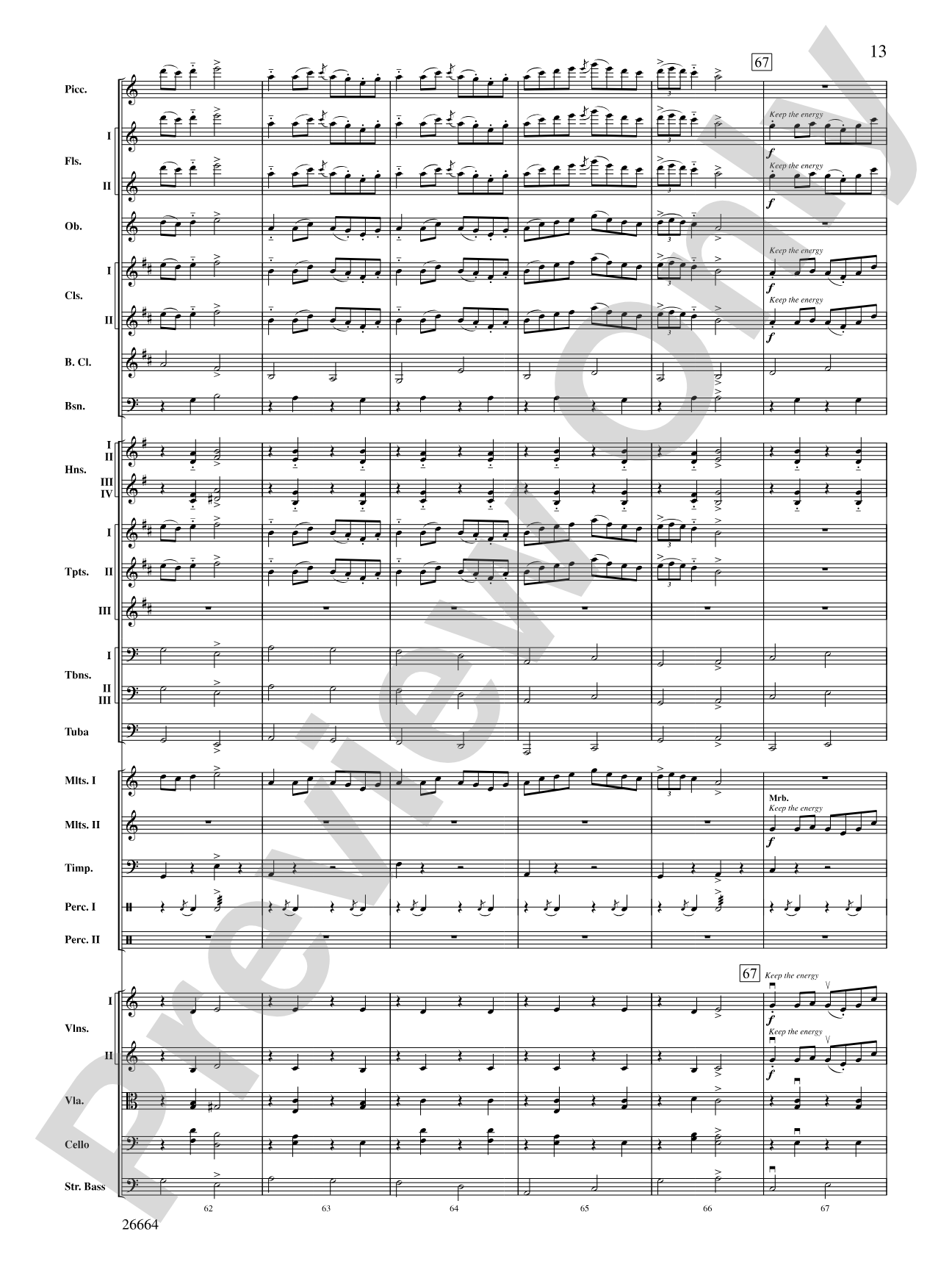
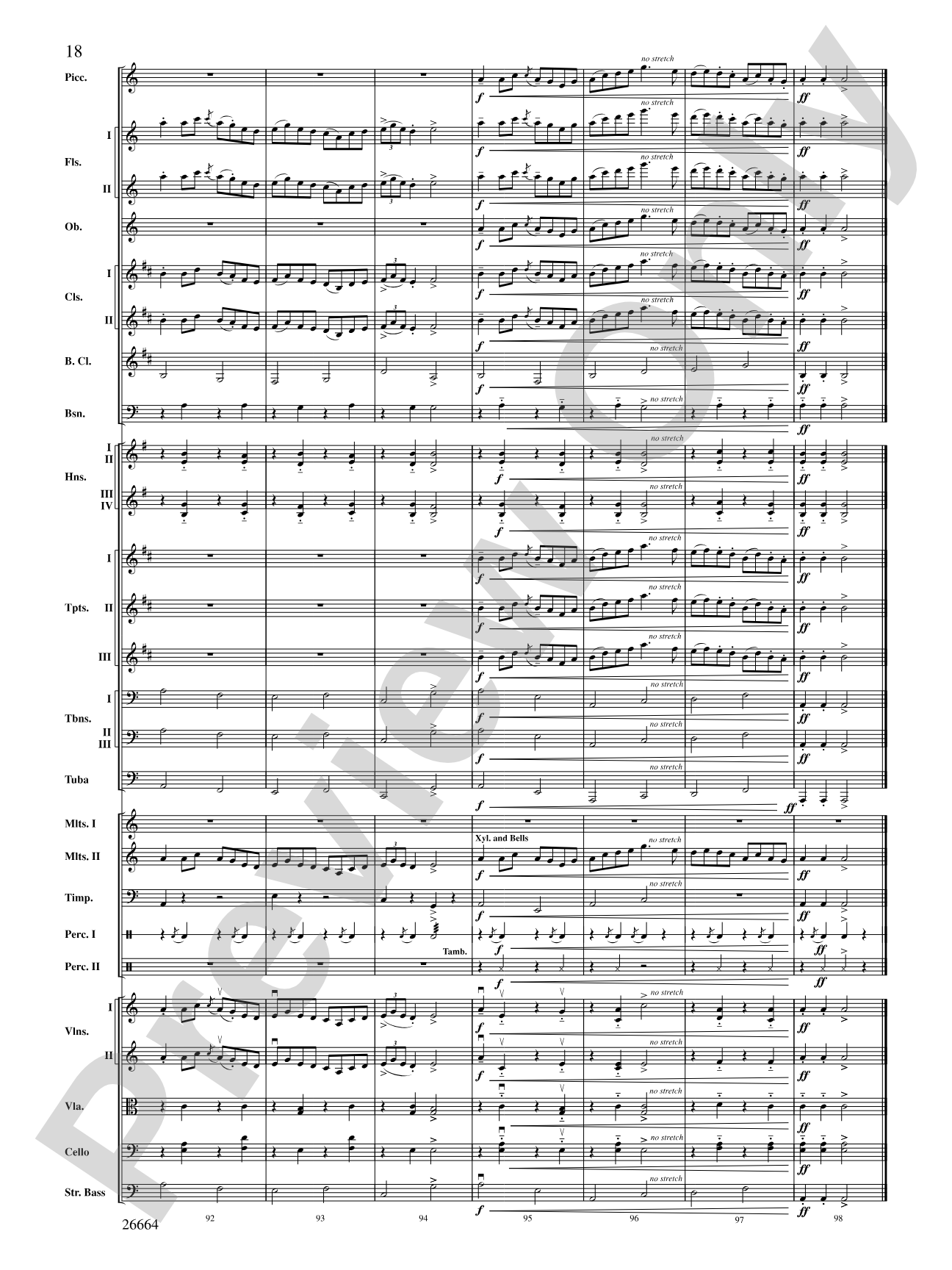
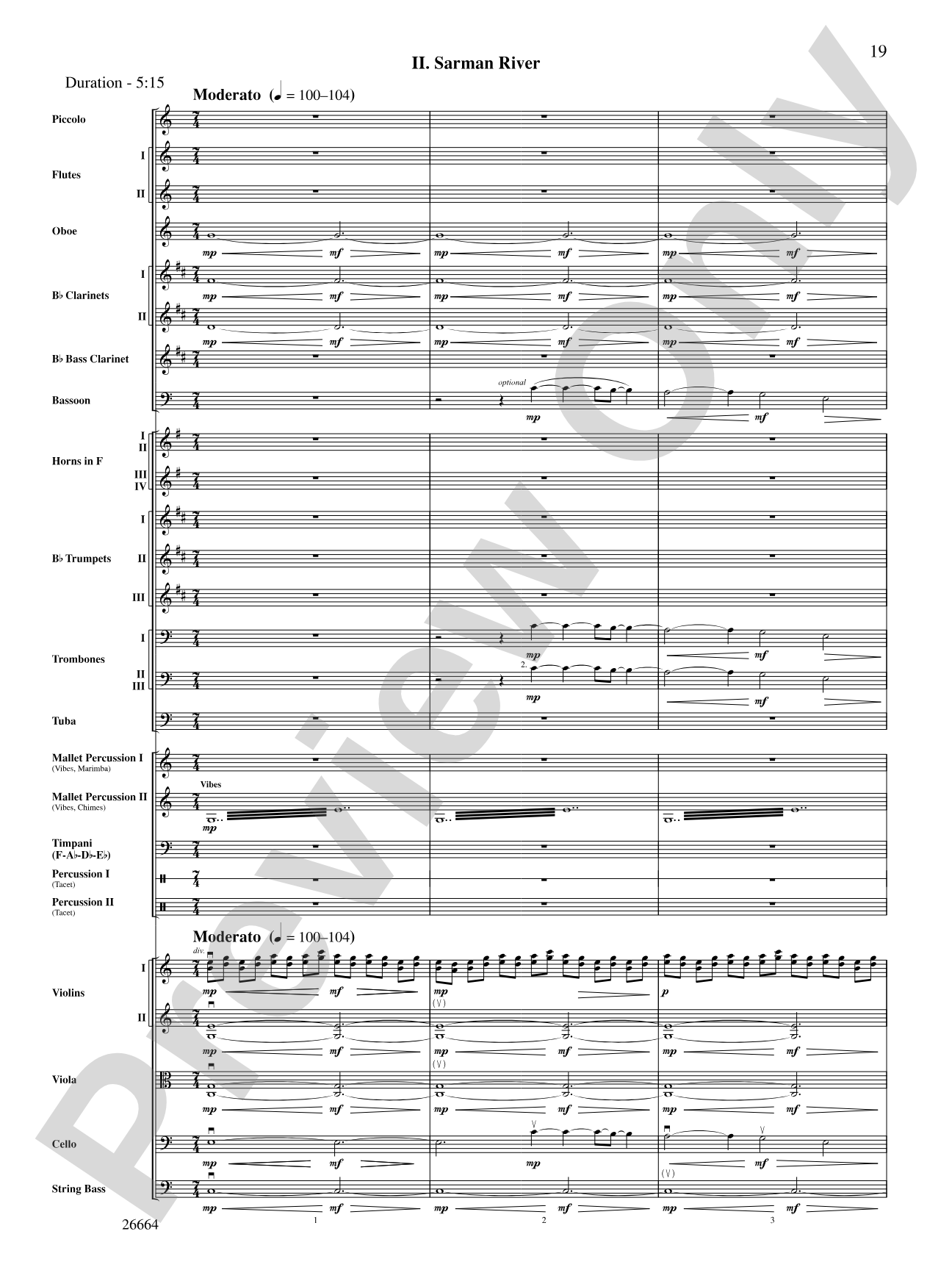
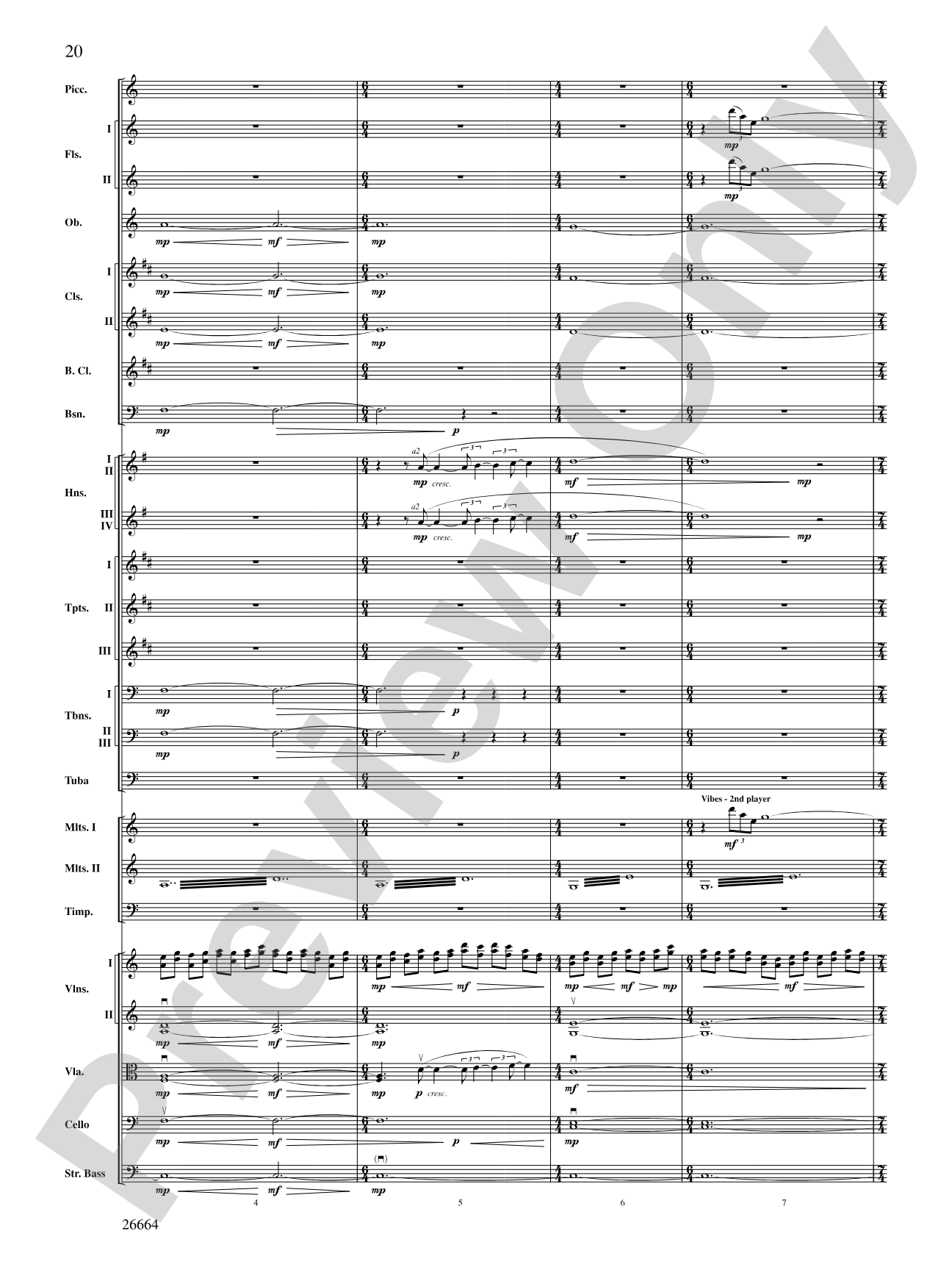
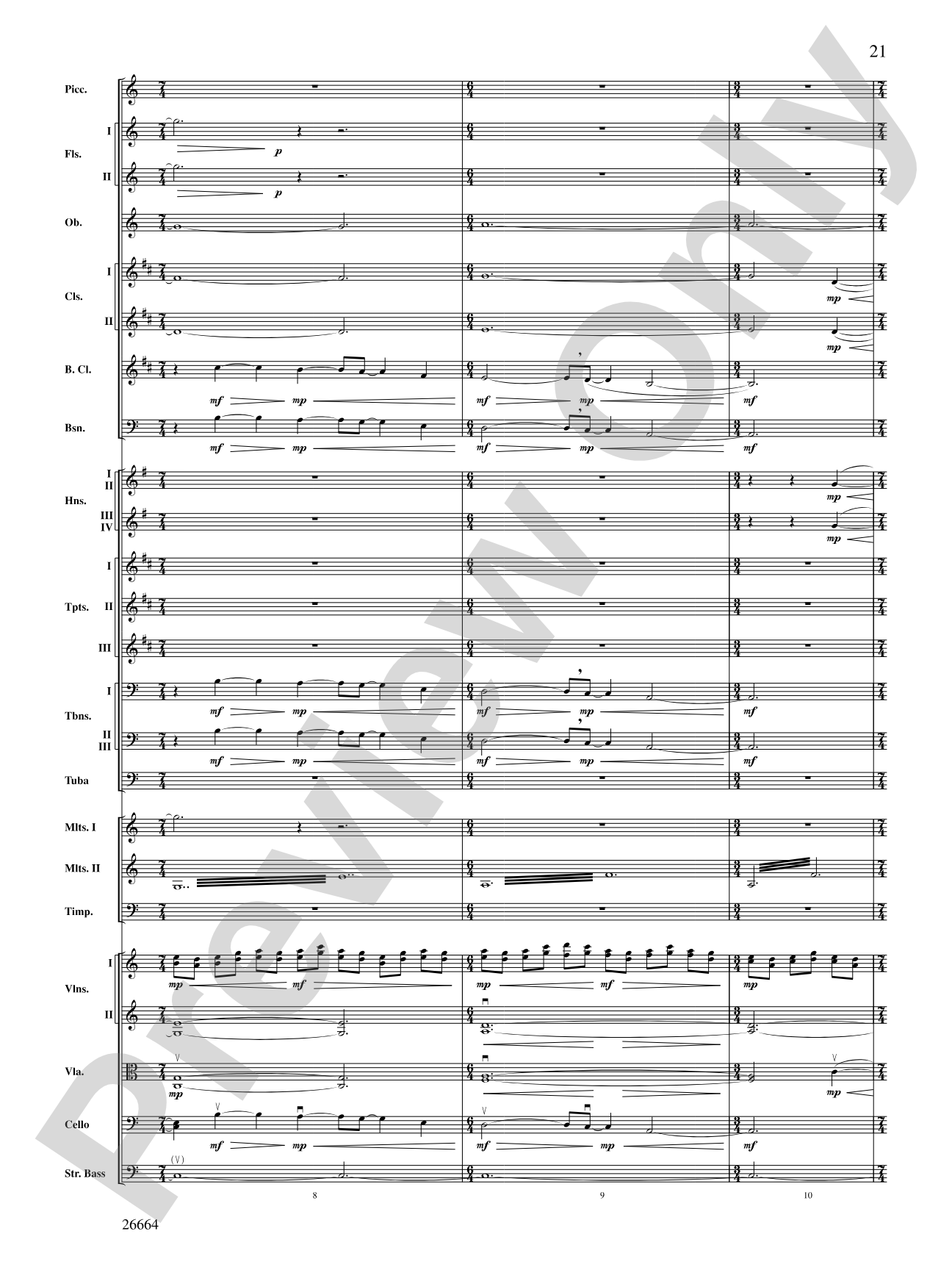
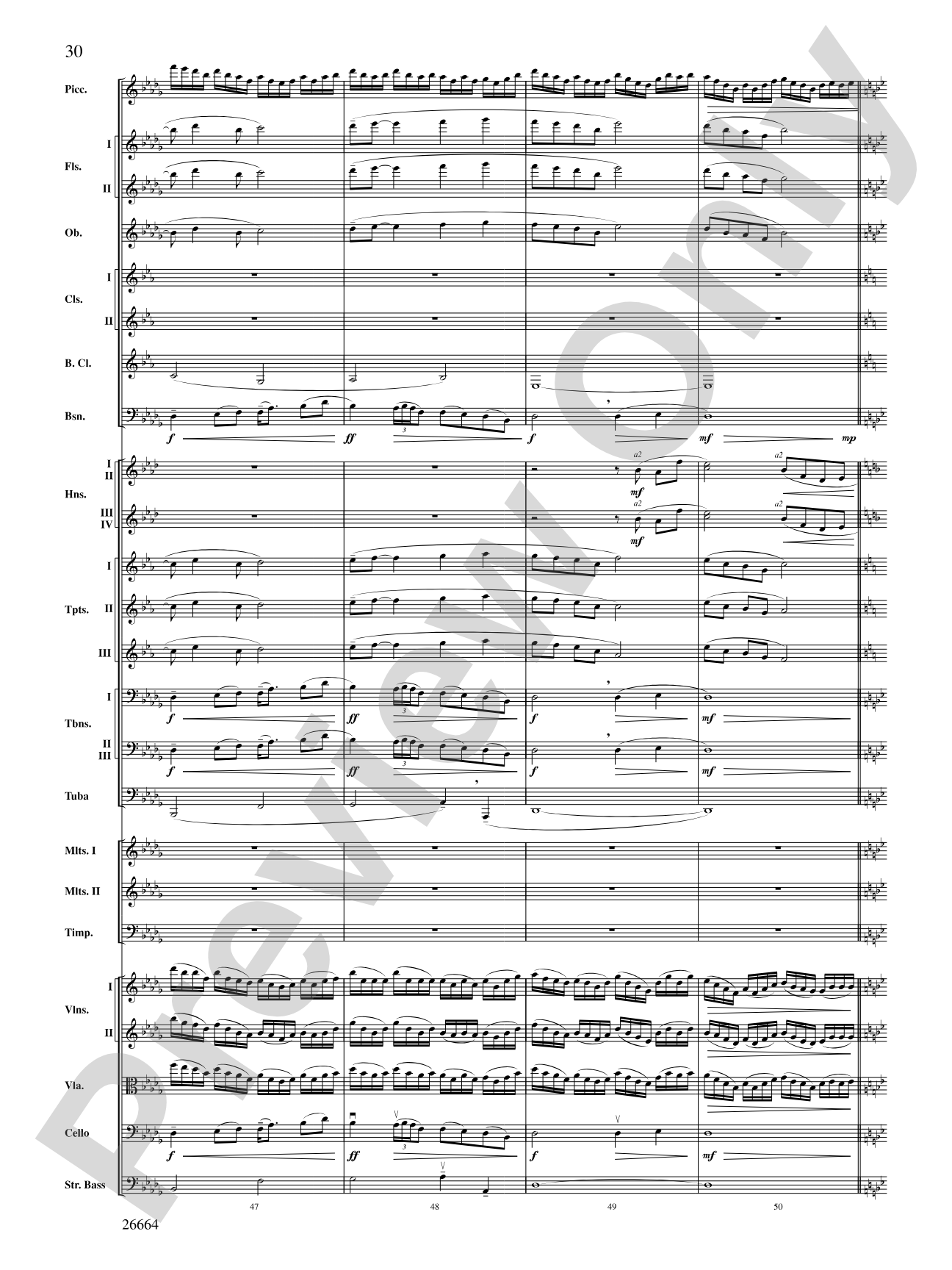
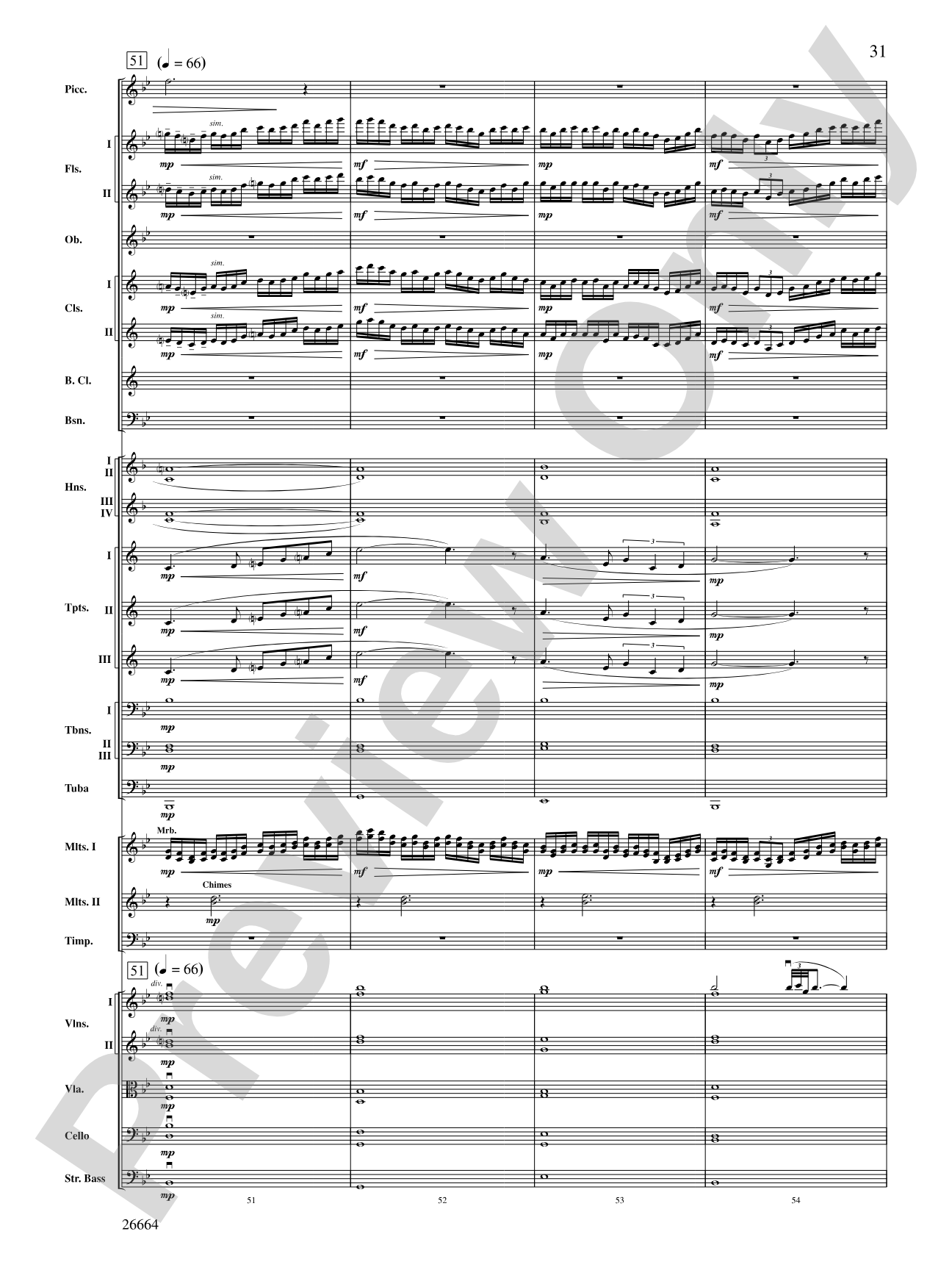
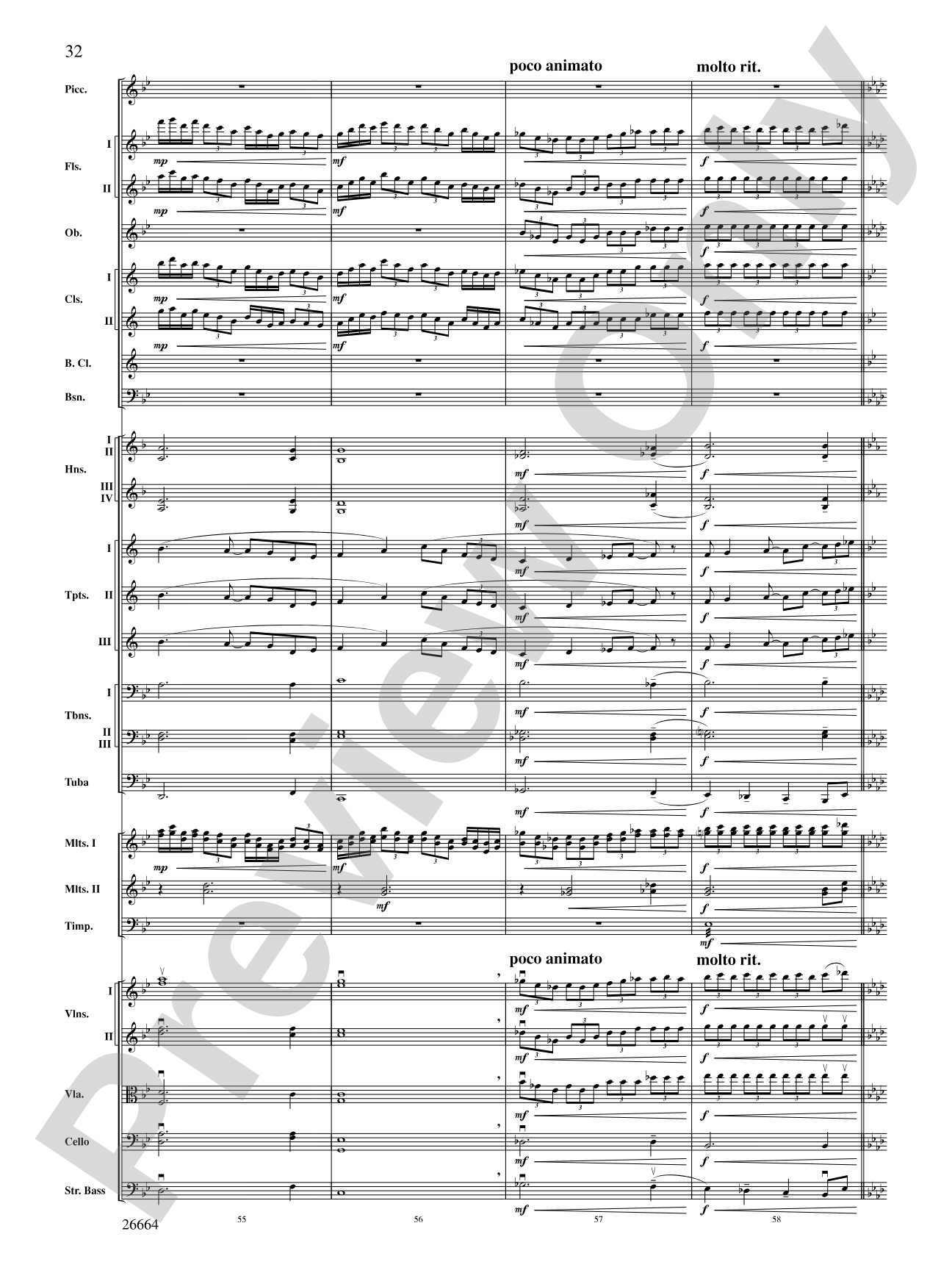
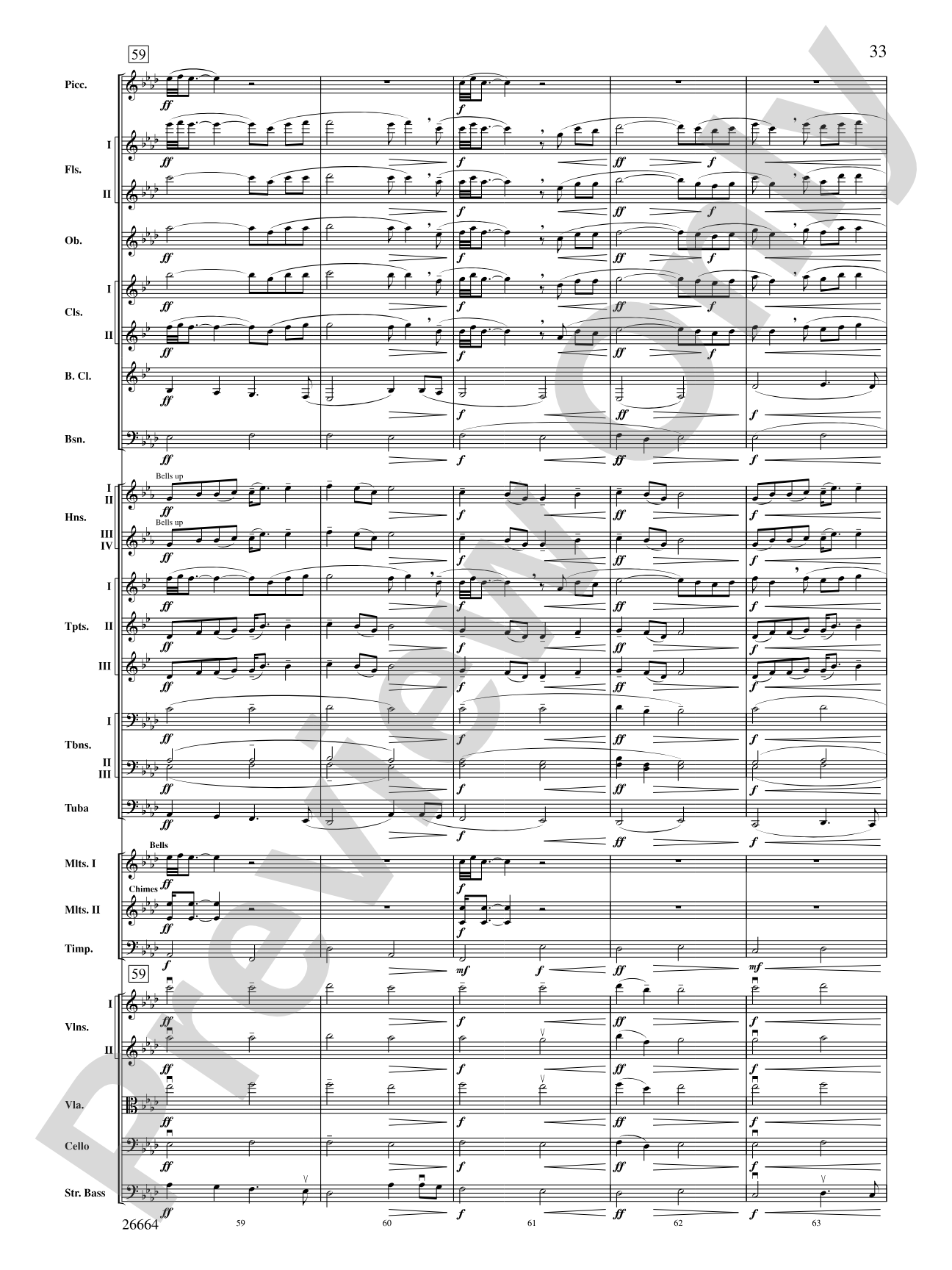
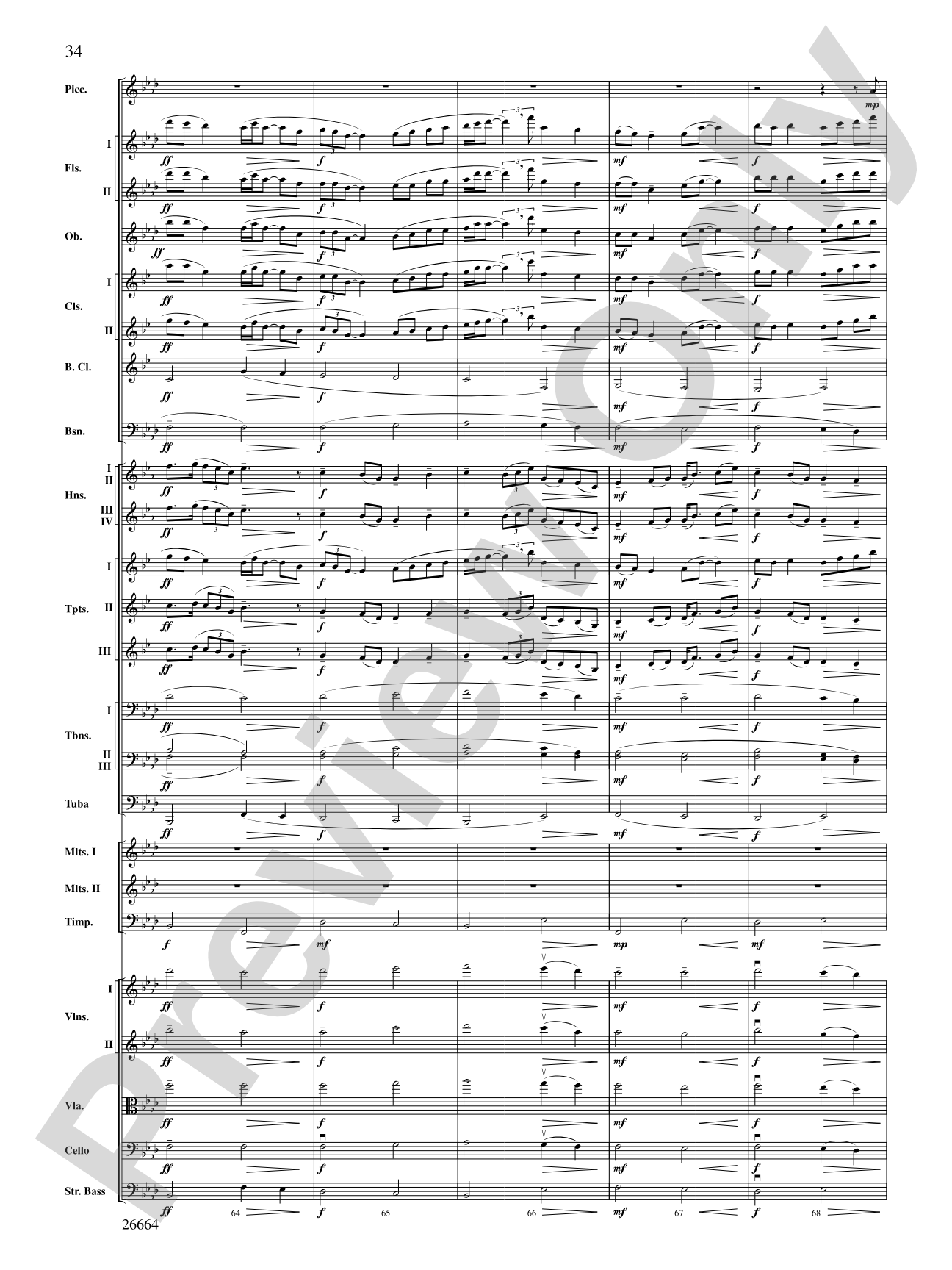
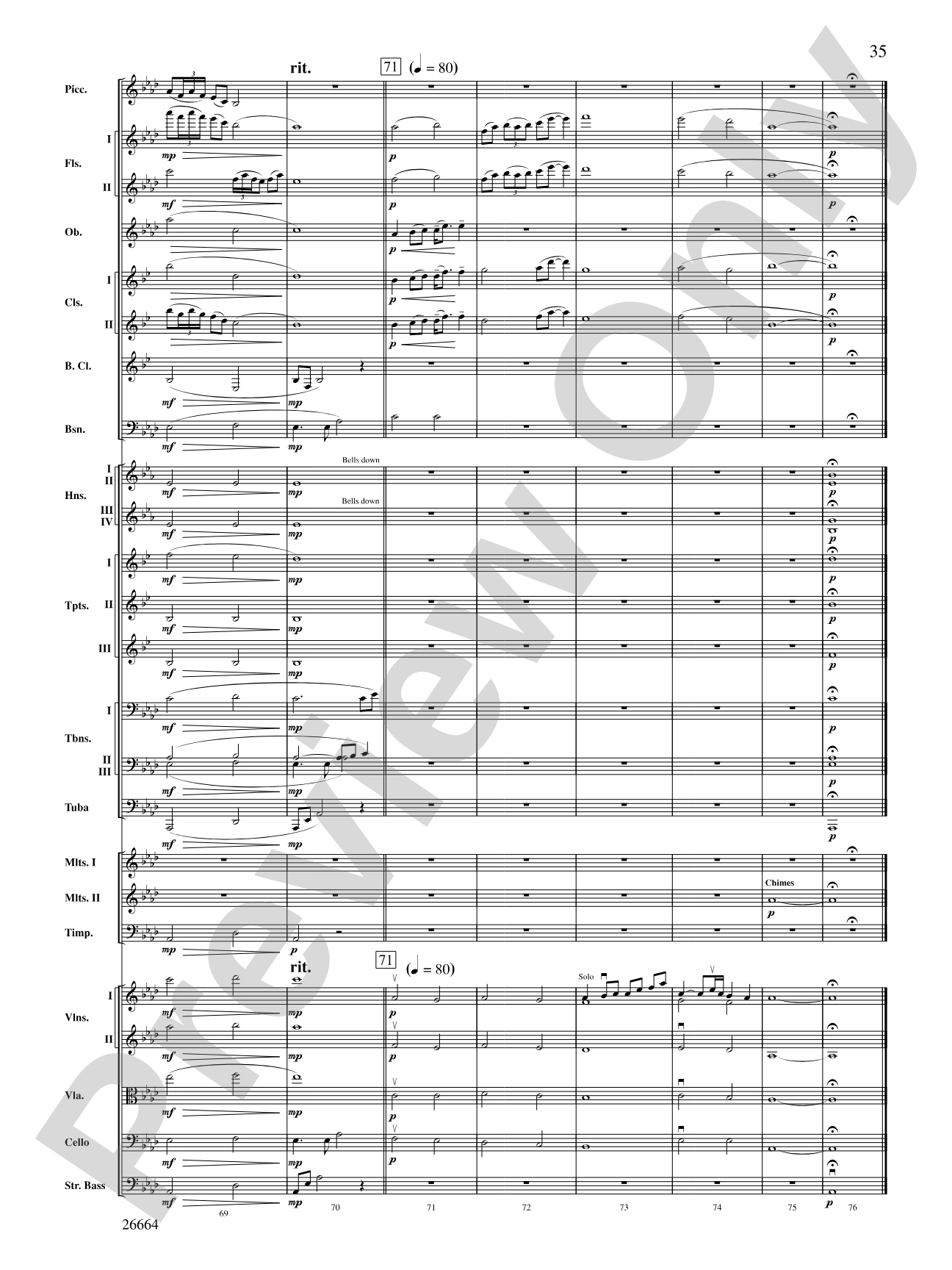
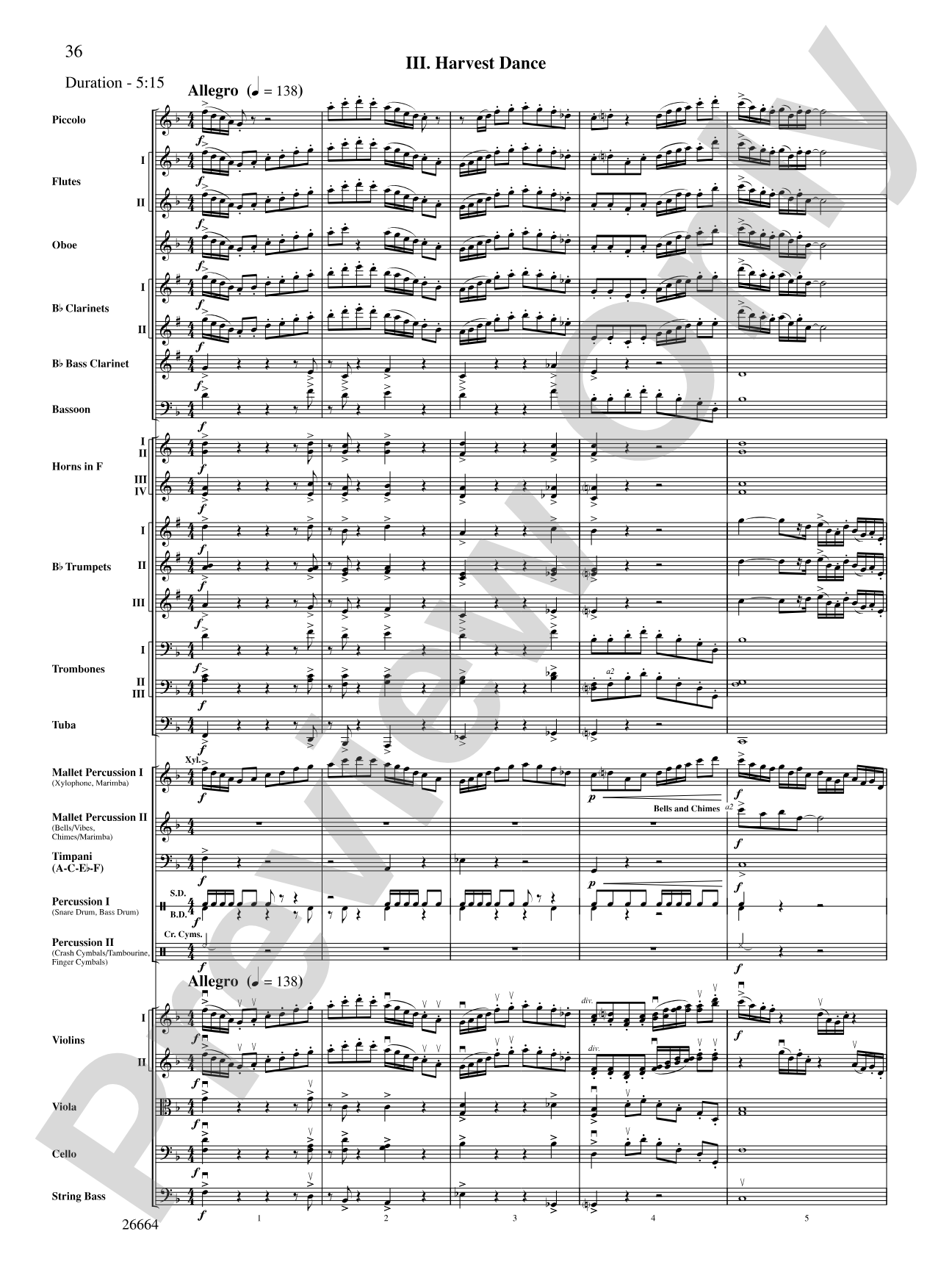
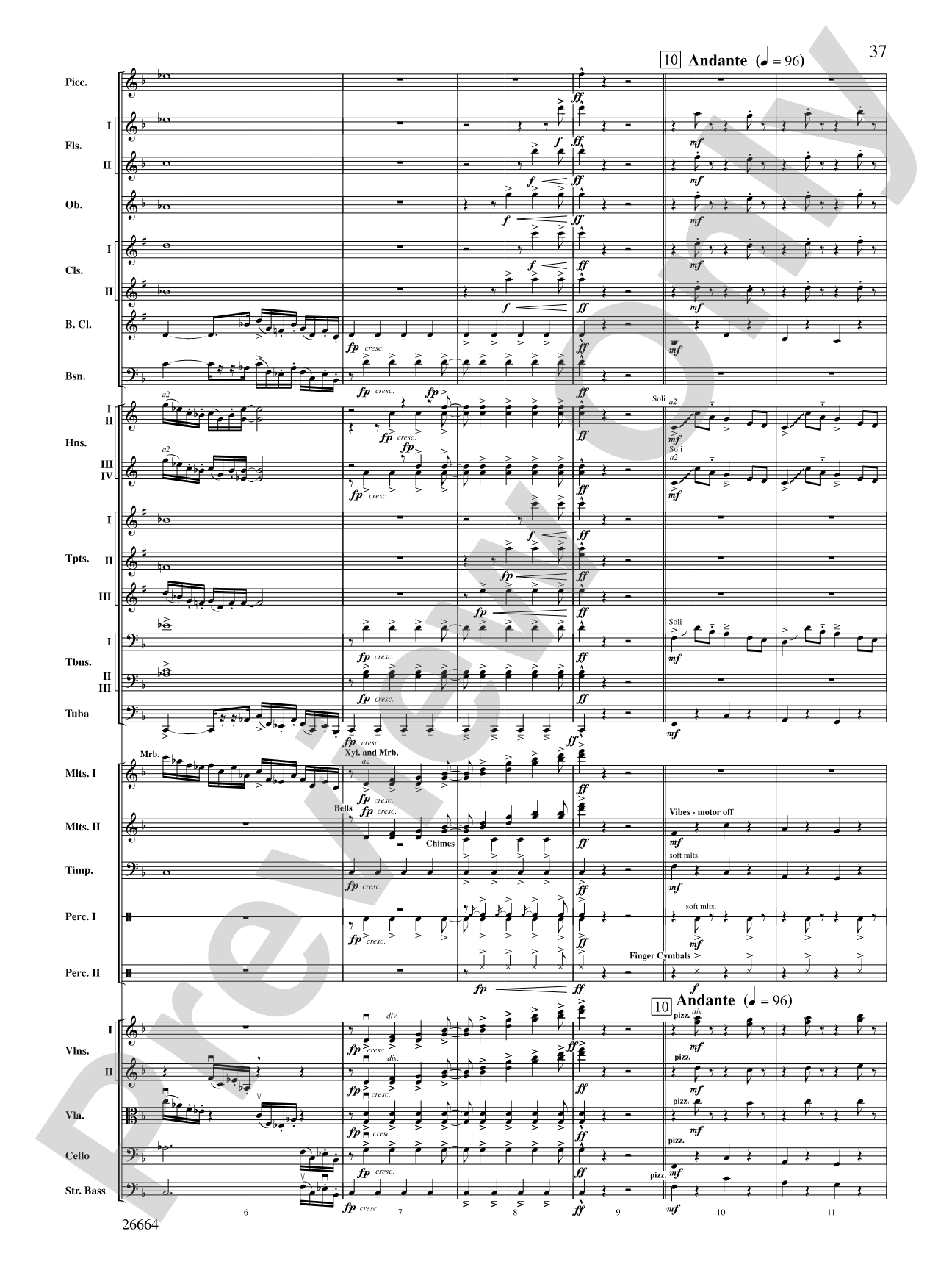
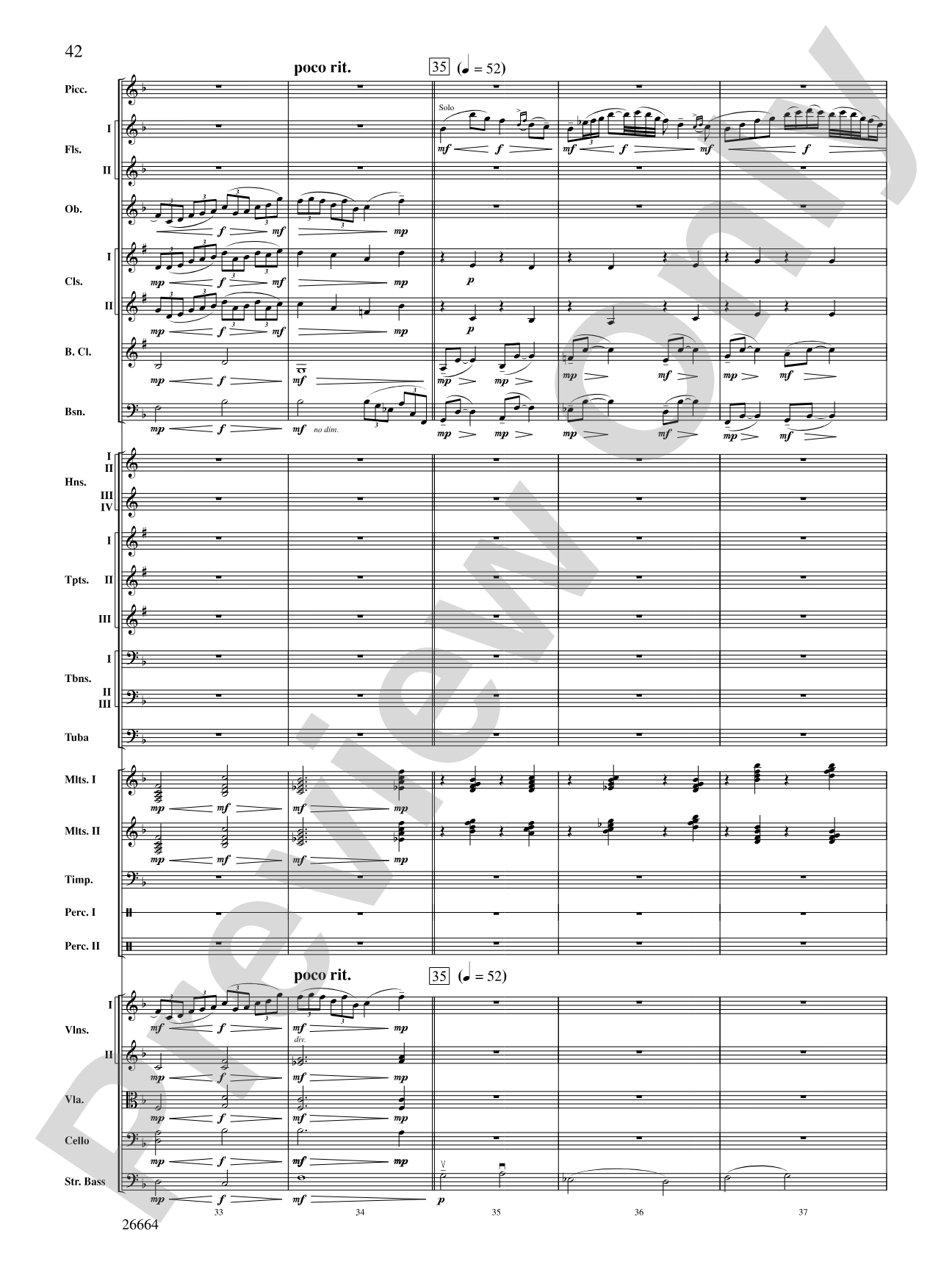
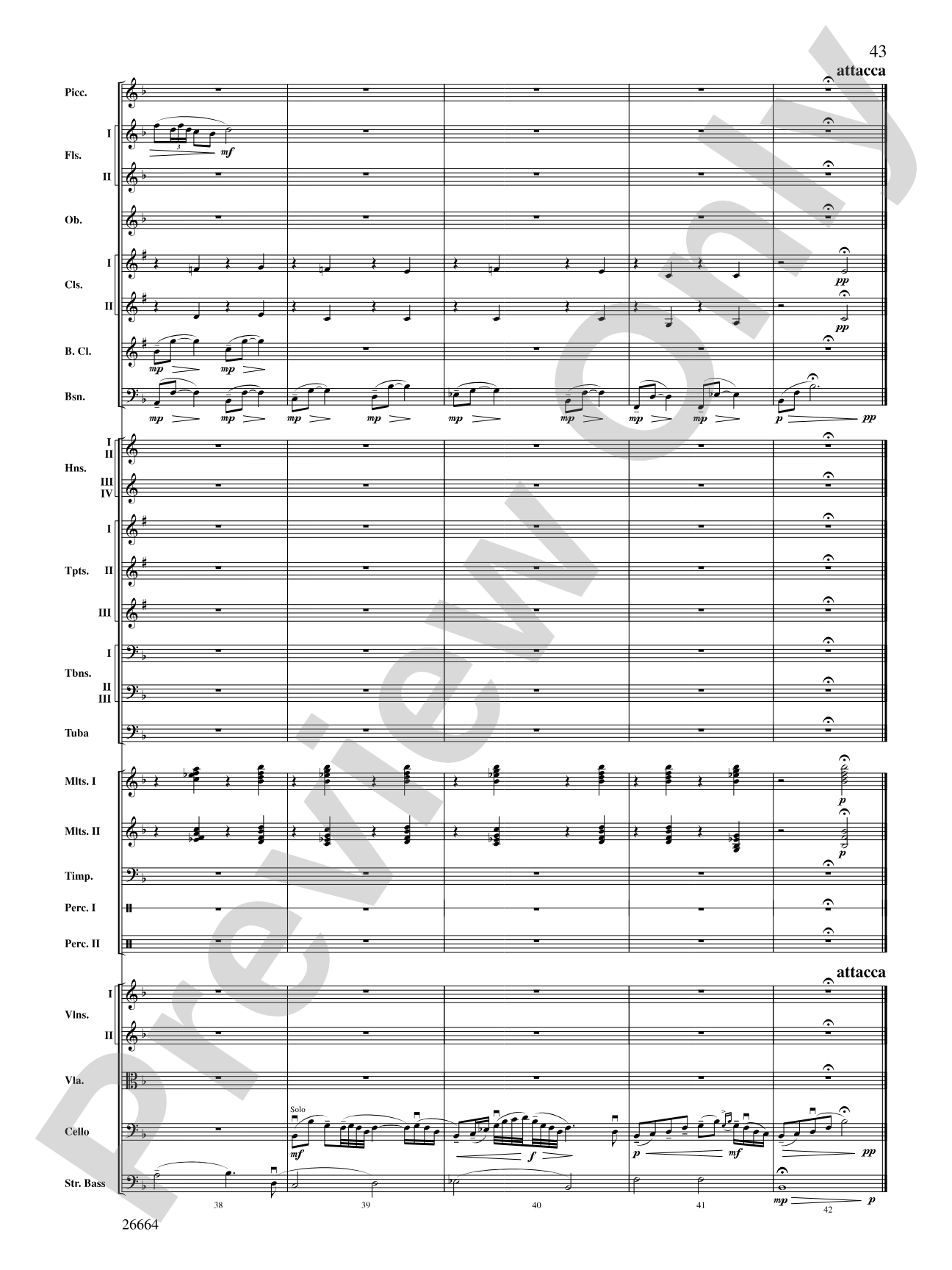
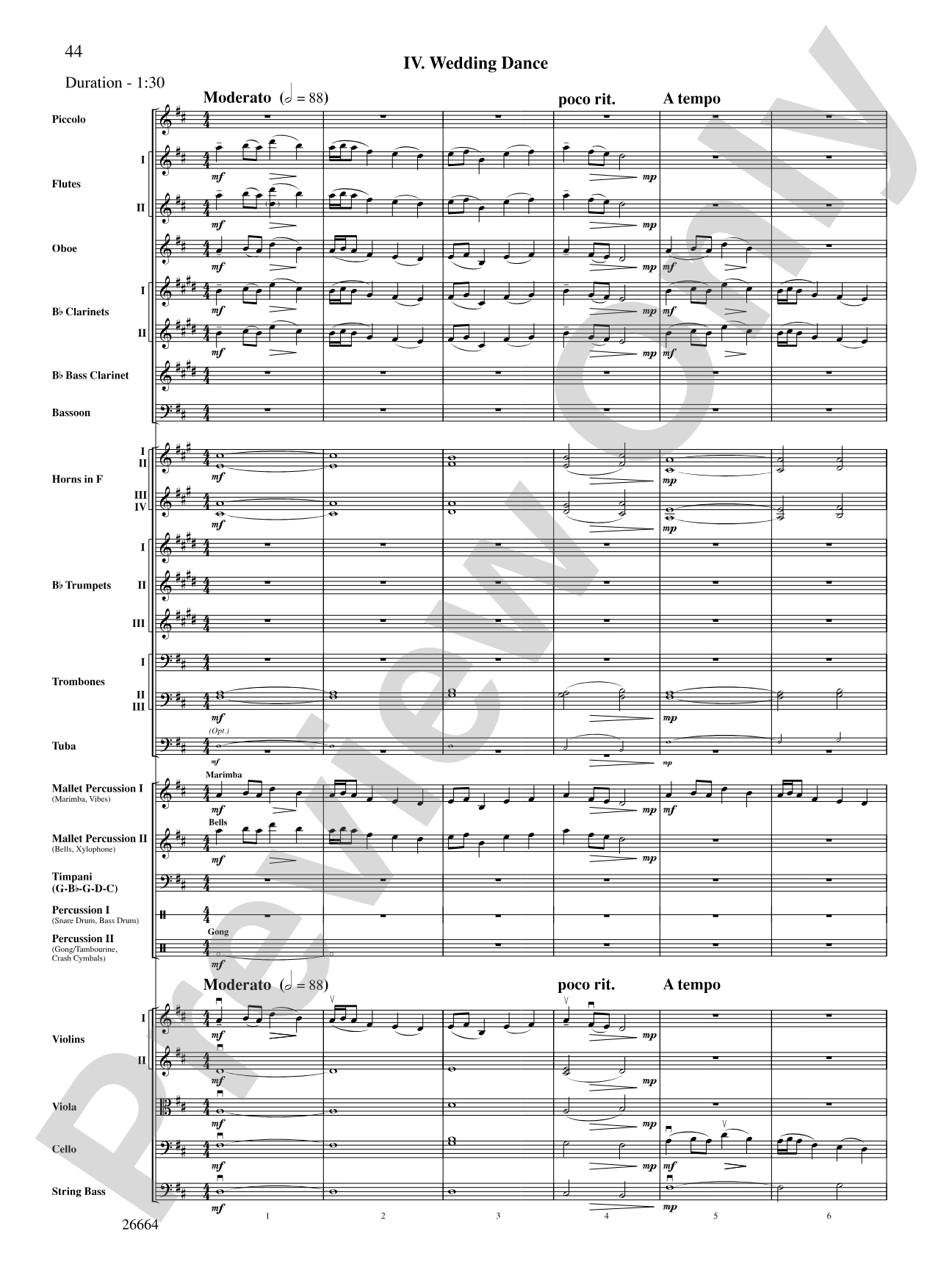
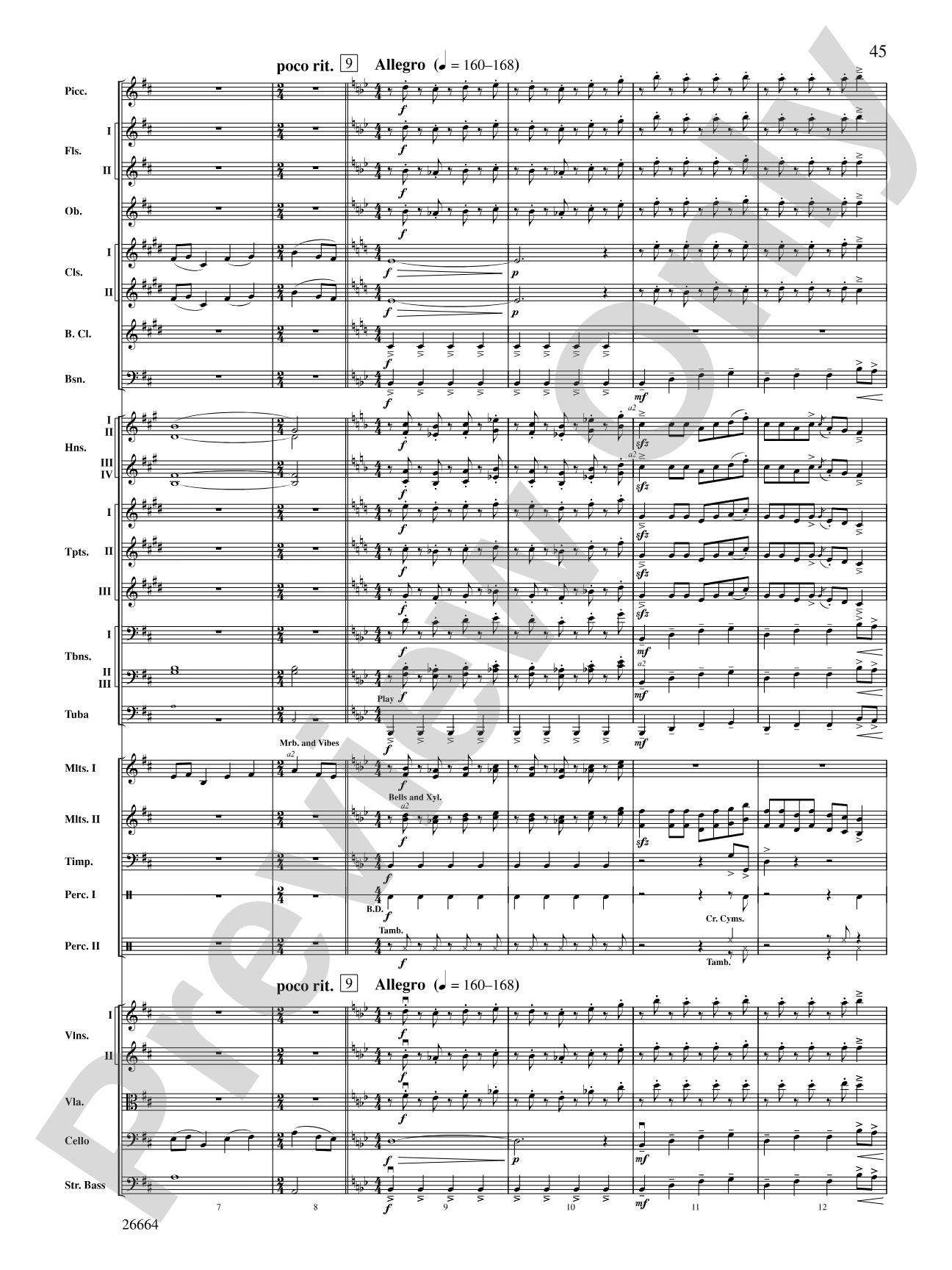
Staged in four movements, this charming suite of characteristic Tatarian Dances begins with the spirited "Sabantui-Spring Dance." A lovely musical depiction is the focus of the second movement entitled "Sarman River," characterized with flowing melodic lines. The third and fourth movements, "Harvest Dance" and "Wedding Dance," occur without a break yet the contrasting styles offer a diverse variety of textures. This title is available in MakeMusic Cloud.


Don't just read it, hear it, play along with it, and watch your students grow with it. In MakeMusic Cloud, Tatarian Dances: Full Orchestra Conductor Score & Parts comes alive with professional accompaniment, adjustable tempo, and built-in practice tools that turn solo practice into real progress.
Open in the Player
Jump straight in and assign it today.
Start Your Free Trial
Open this title and explore the full library in minutes.
Sample Audio
1
Audio File
--:--
0:00
0:00
Sample Video
No sample videos found.
Additional Details
Series:
Belwin Concert Full Orchestra
Publisher:
Alfred Music
Page Count:
324
SKU:
00-PK-0001165
More about this title
About the Arranger: Elena Roussanova Lucas
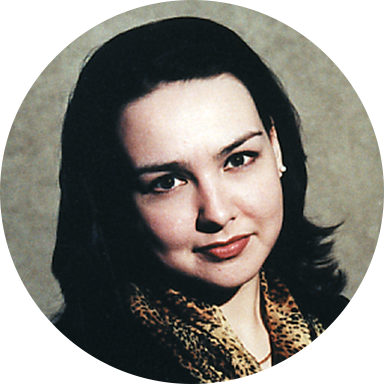
Elena Roussanova Lucas trained at some of Russia's most rigorous institutions, beginning piano studies at age three and advancing through the child prodigy program at Central Music School in Moscow. She earned her Red Diploma (Summa Cum Laude) from the Tchaikovsky Conservatoire in Composition, Music History, Music Theory, and Instrumentation, studying composition under Tihon Khrennikov and Tatiana Choodova, and also completed training in Piano Pedagogy and Piano Accompaniment at the Ippolitov-Ivanov Music College.
Her compositions have been performed by major Russian ensembles including The Tchaikovsky State Orchestra of Moscow, The Radio and TV Orchestra of Moscow, and The Russian National Orchestra Brass Quintet, as well as soloists of international standing. A member of the United Russian Composers Union, Lucas has performed extensively as a pianist across Moscow, the United Kingdom, the Netherlands, and the United States, and won First Prize in a Russia-wide piano competition sponsored by the Russian Ministry of Culture. She has taught composition at the Tchaikovsky Conservatoire and currently teaches at Boston University.
Why we love this
Lucas captures the spirit of Tatar folk traditions without sacrificing orchestral sophistication. Each movement stands distinctly enough that students hear clear contrasts, yet the suite holds together as a cohesive whole, a rare achievement at this level. The writing sits comfortably in the hands of intermediate orchestras while offering enough character and melodic interest to engage both players and audiences.
What to expect
The suite opens with infectious energy and springs forward through the 'Sabantui-Spring Dance' before settling into the lyrical, pastoral reflection of 'Sarman River.' The final two movements build celebratory momentum, with the wedding dance bringing the work to a festive, communal conclusion.
Who it's for
This arrangement works beautifully for Grade 5 orchestras preparing for concert or festival performance. Conductors will appreciate orchestration that supports balanced ensemble development while building student confidence through recognizable, characterful material.
How to get the most out of it
- Shape the melodic lines in 'Sarman River' with purposeful dynamic arcs; the flowing character relies on sustained direction rather than repetitive phrasing
- Balance the contrasting textures between movements three and four by adjusting rehearsal tempos slightly; connective flow matters more than absolute tempo consistency
- Draw out rhythmic precision in the dance movements, particularly the syncopations in 'Sabantui-Spring Dance,' to capture the authentic character without sacrificing ensemble unity
How to use it
Program this as the centerpiece of a thematic concert exploring world music and cultural traditions, or pair it with other characteristic pieces for a festival submission. The four-movement structure fills a substantial concert slot without requiring additional selections between movements.
Skills your students will build
- Balancing melodic lines across instrument families
- Maintaining rhythmic precision in syncopated passages
- Shaping phrase arcs in sustained melodic writing
- Coordinating section entries in characteristic dance rhythms