
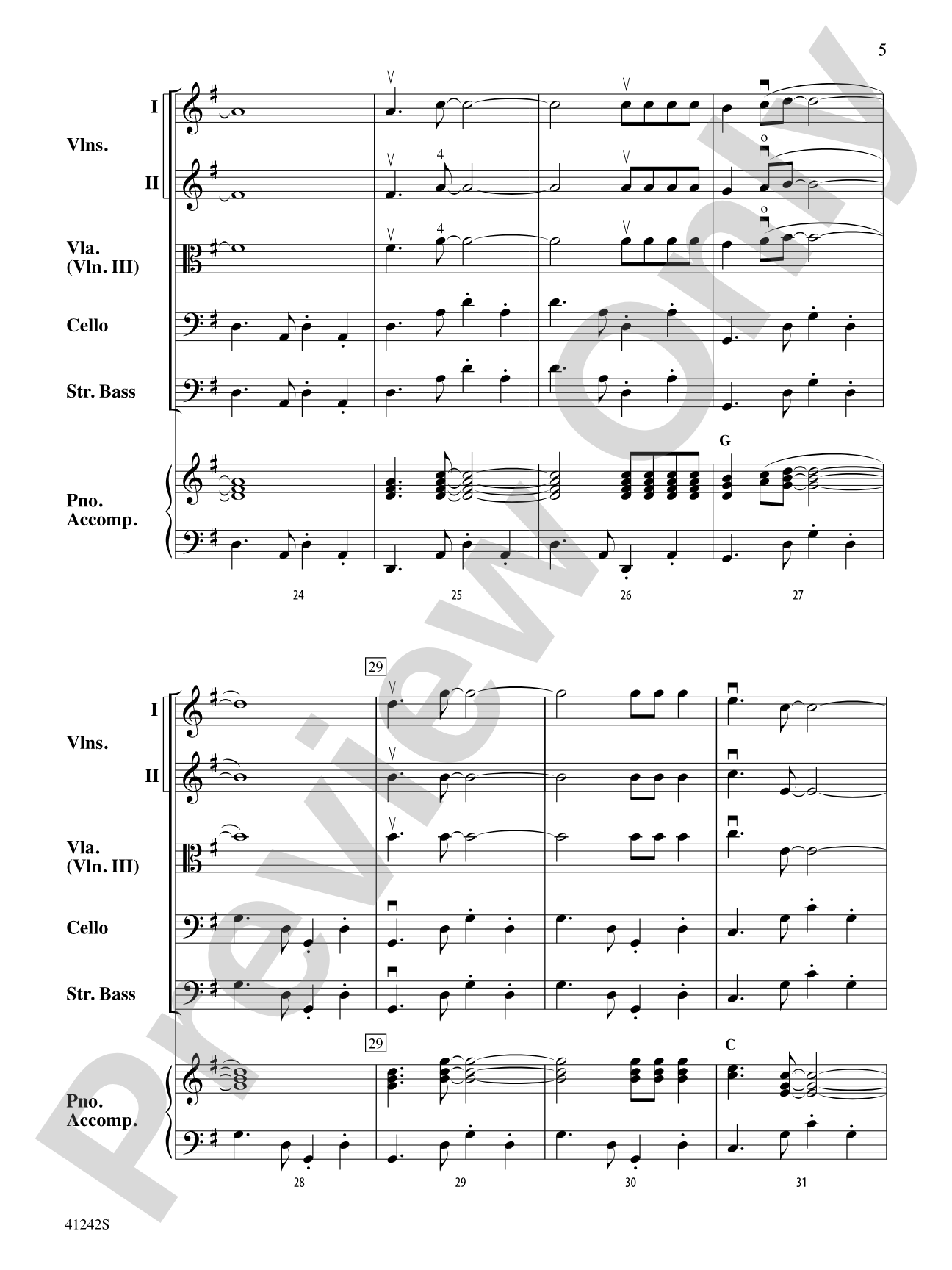
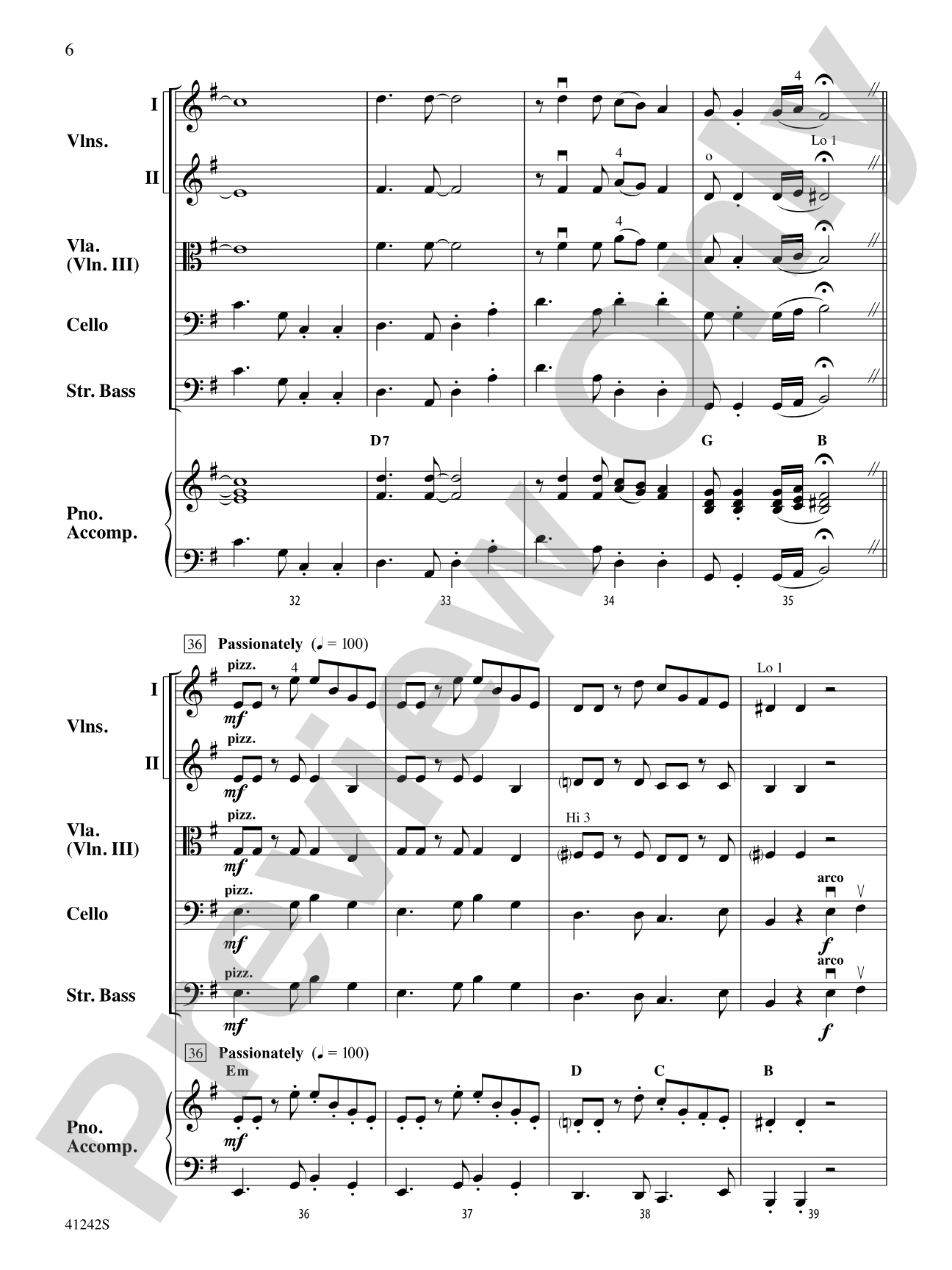
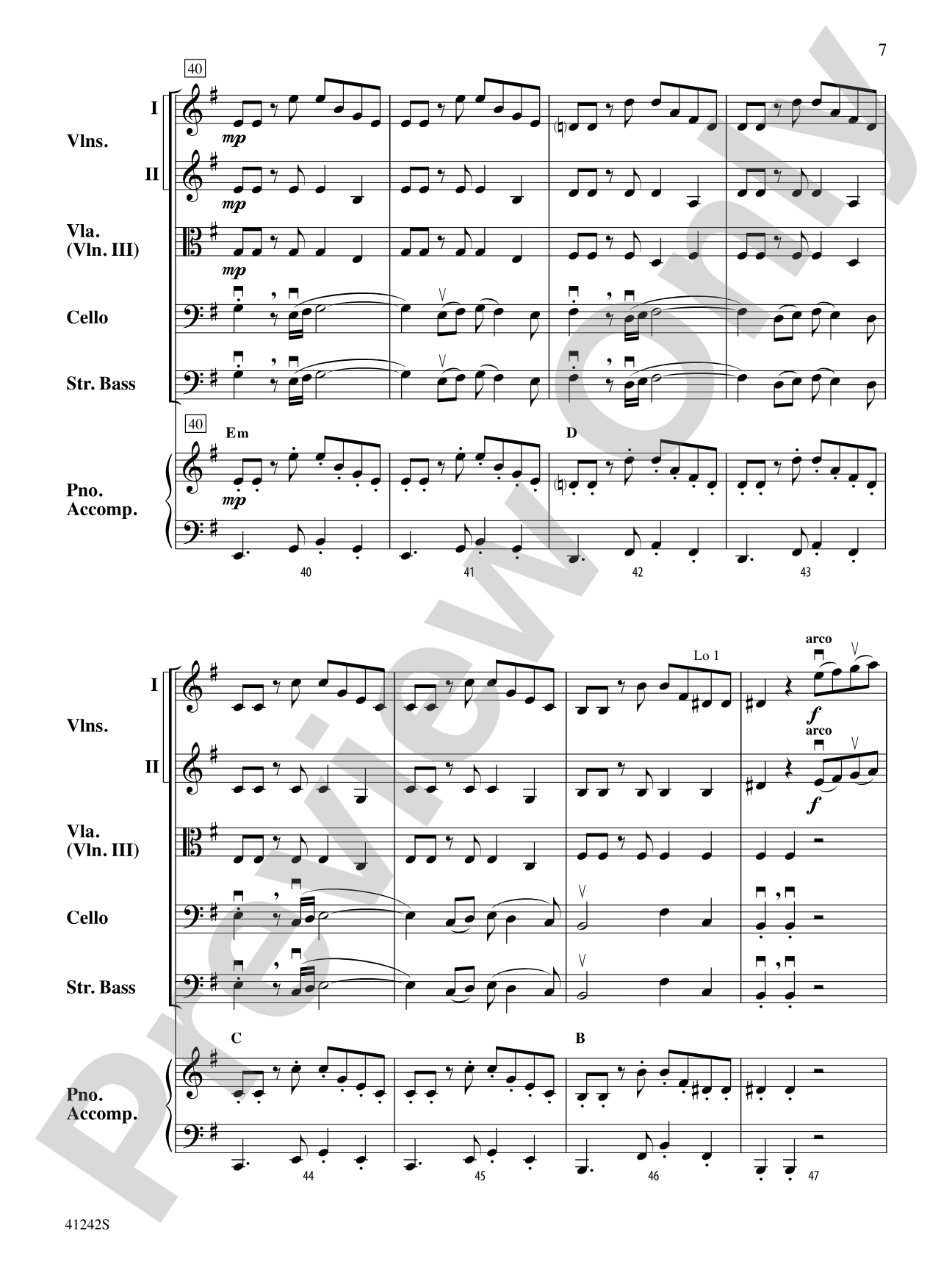
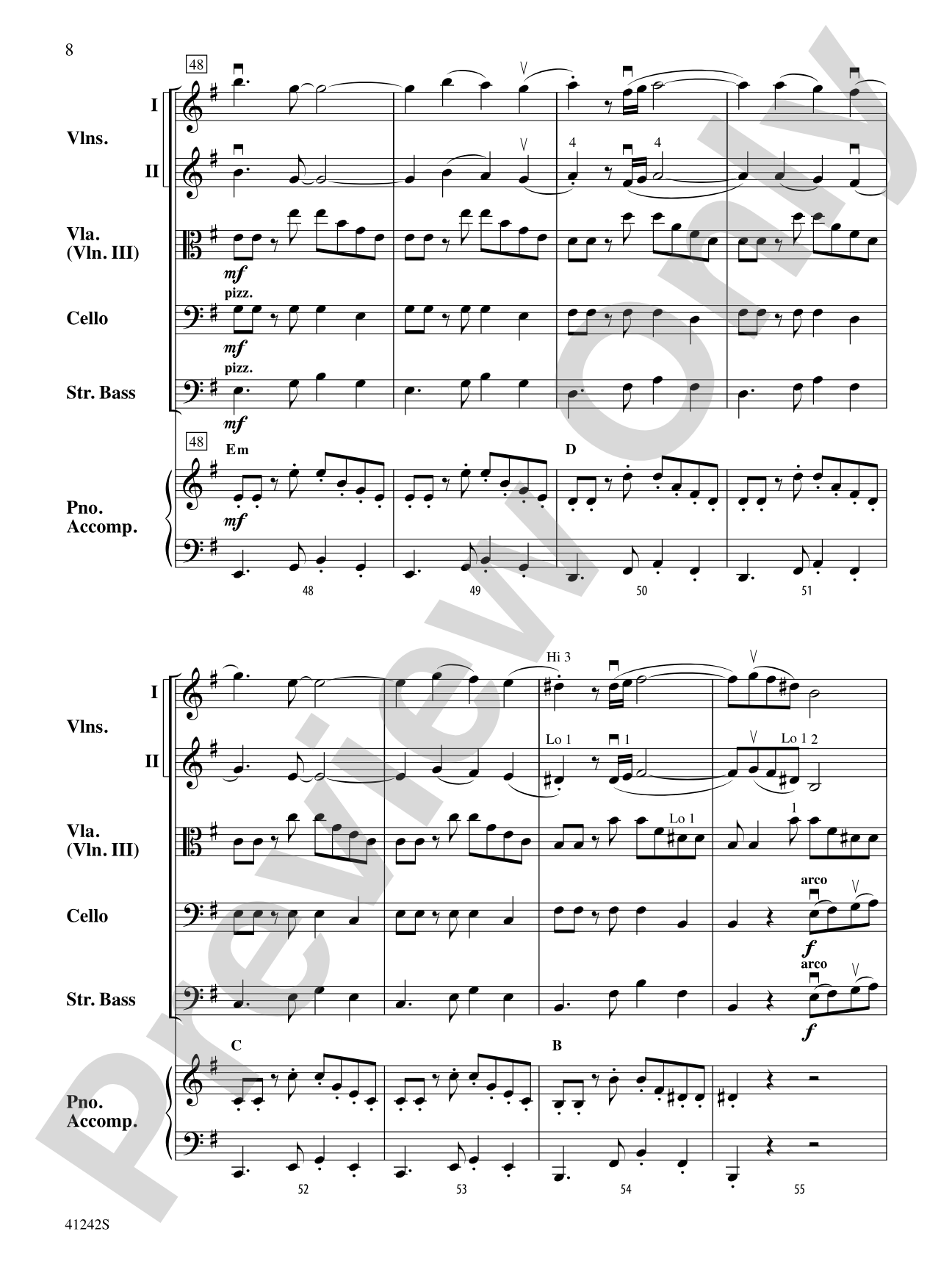
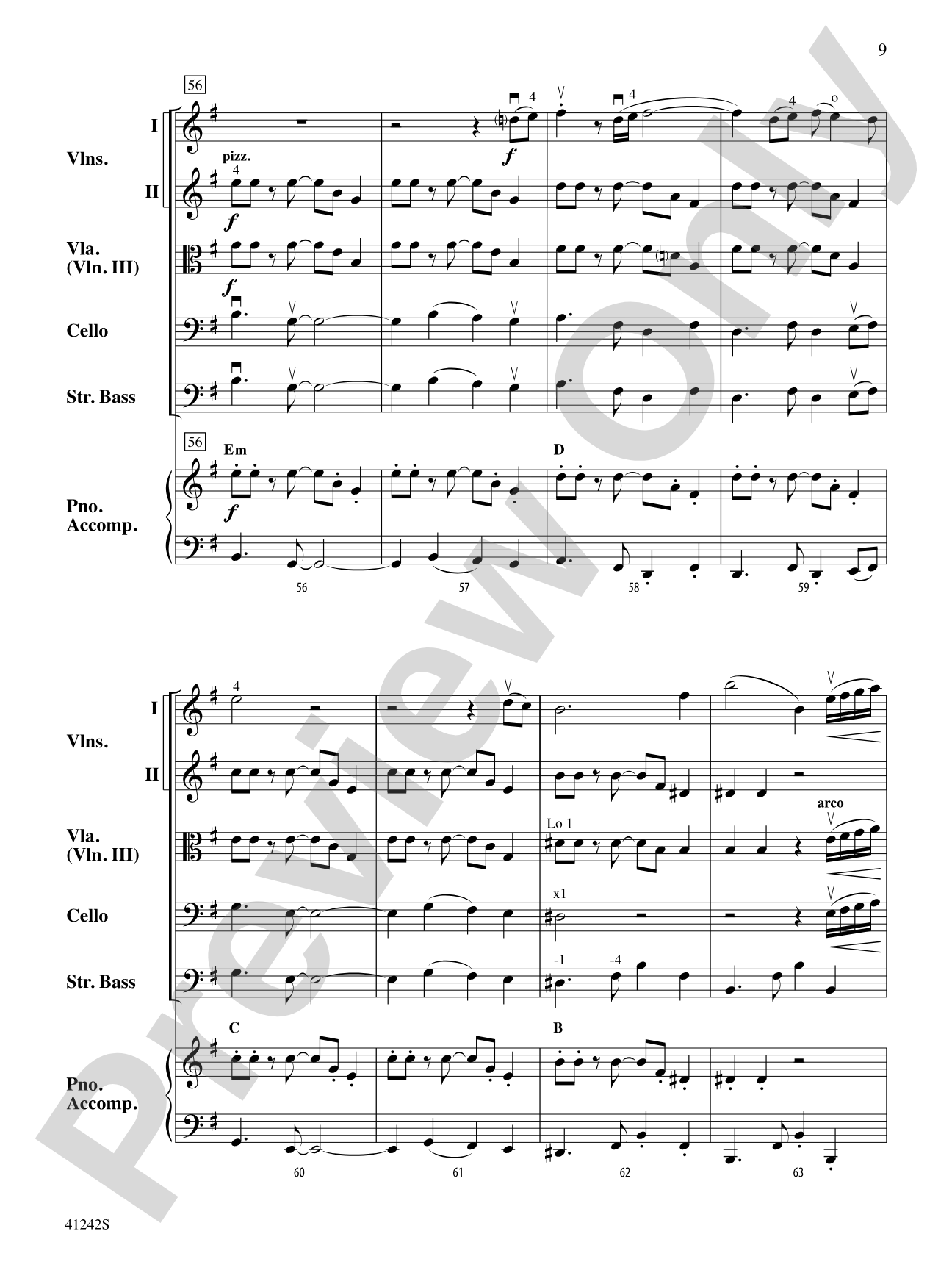
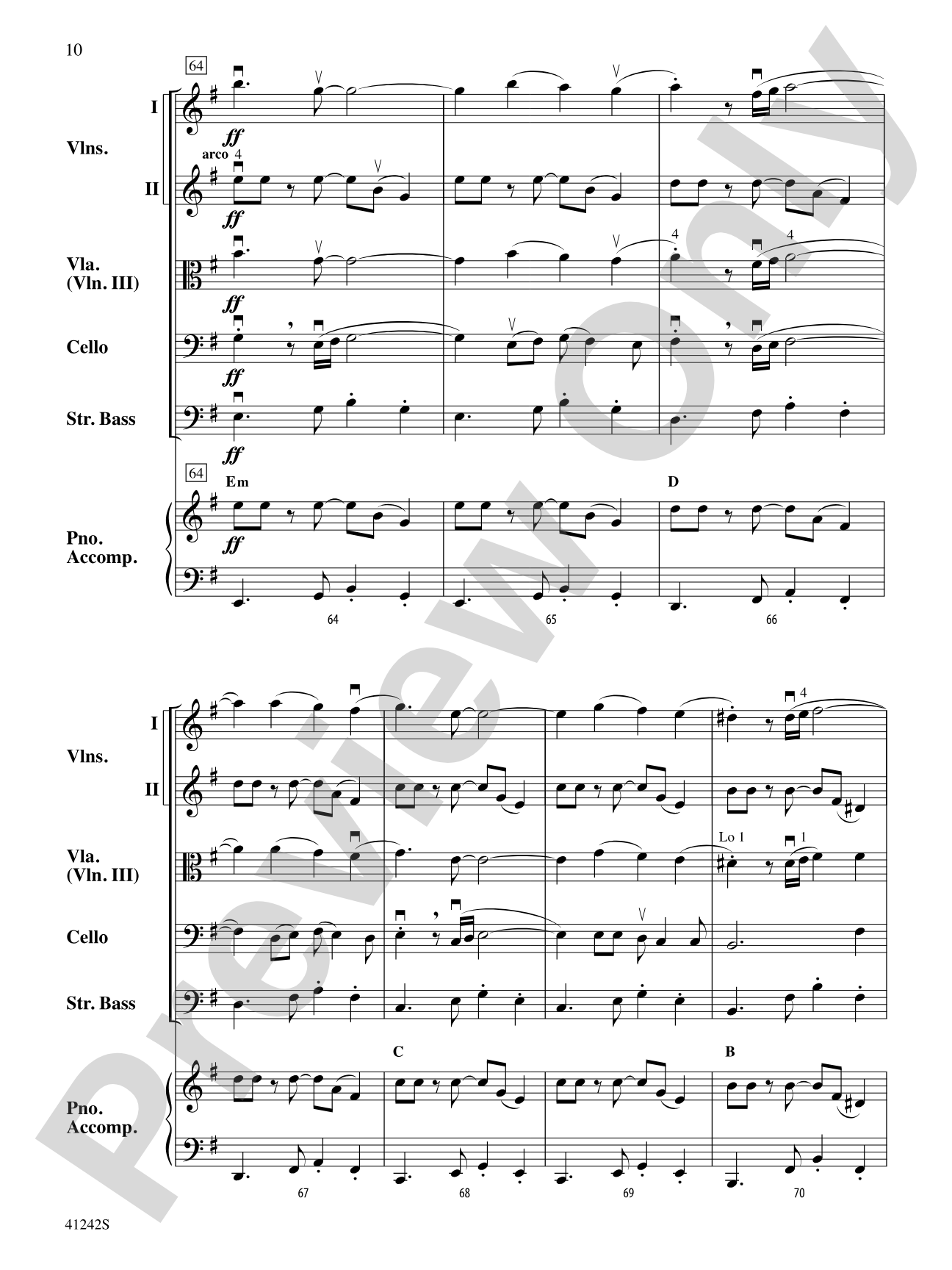
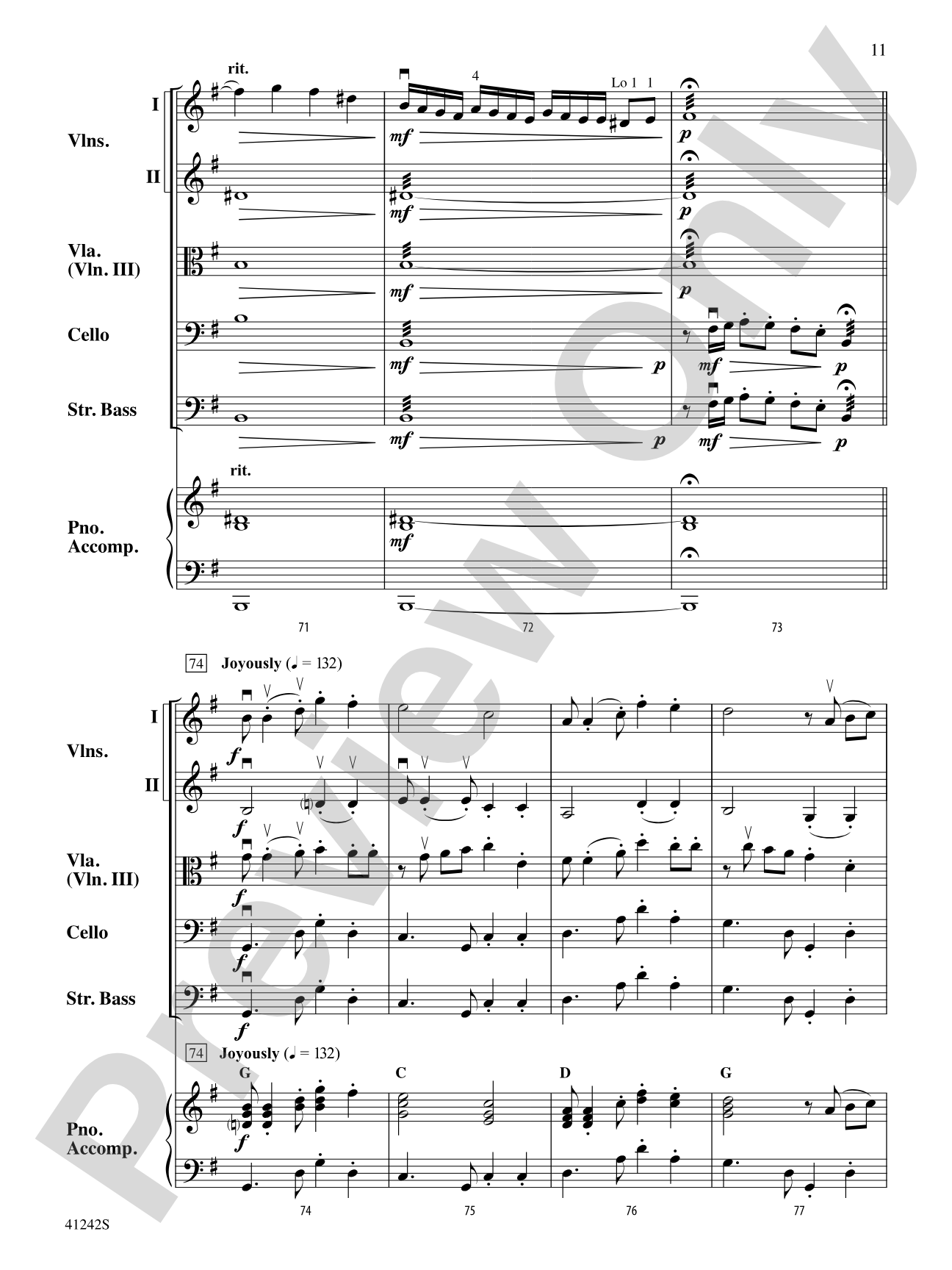
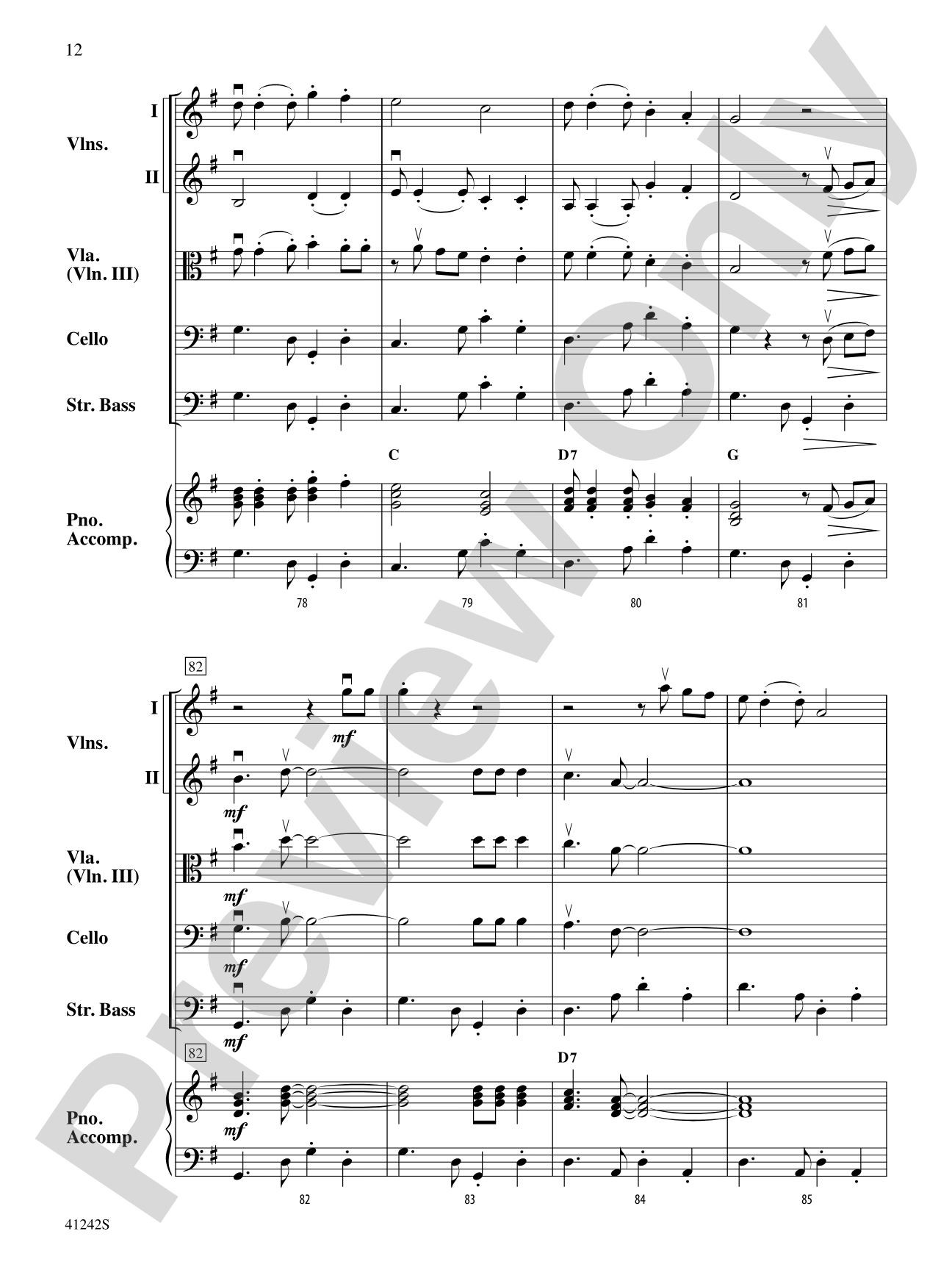
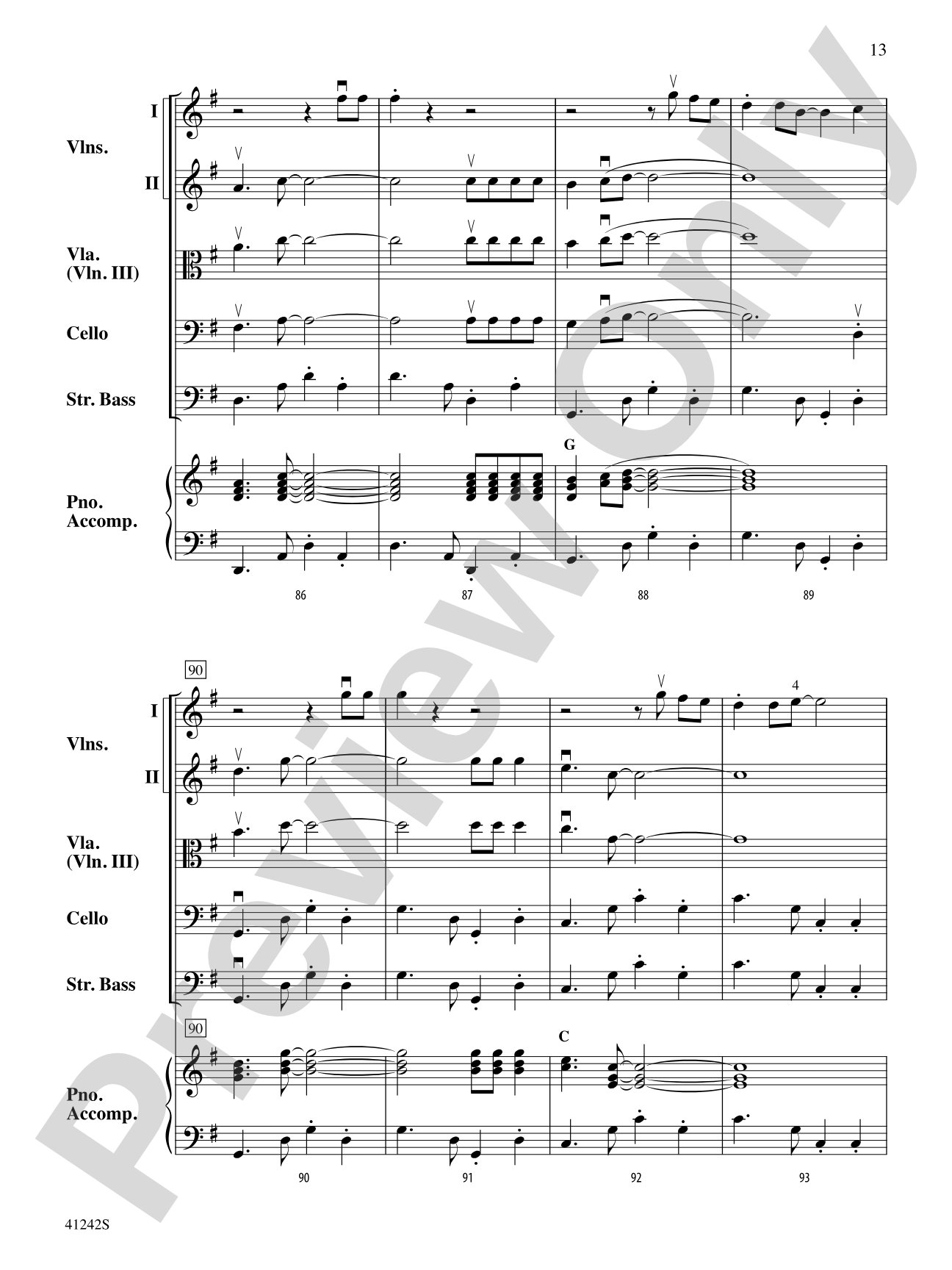
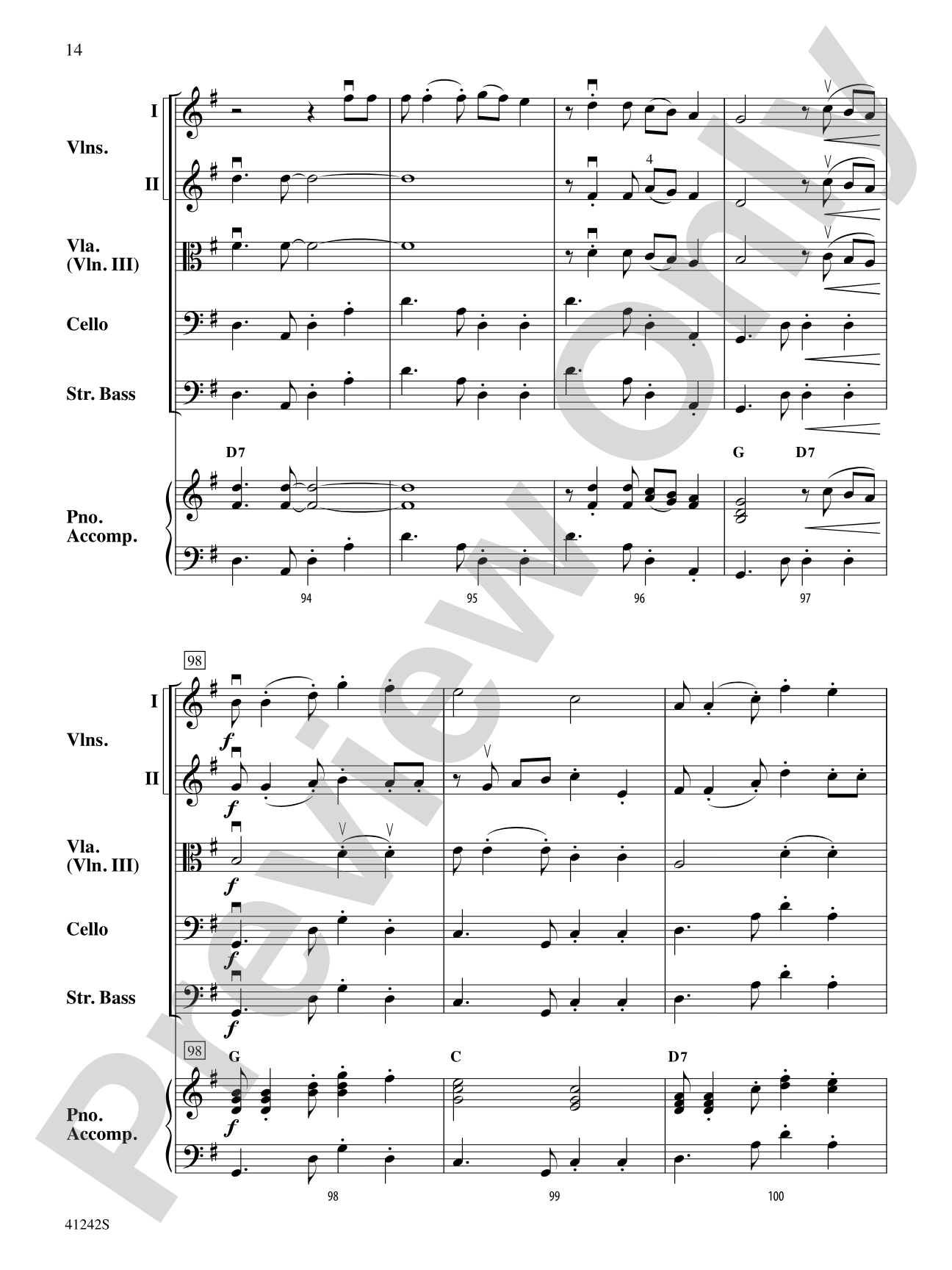
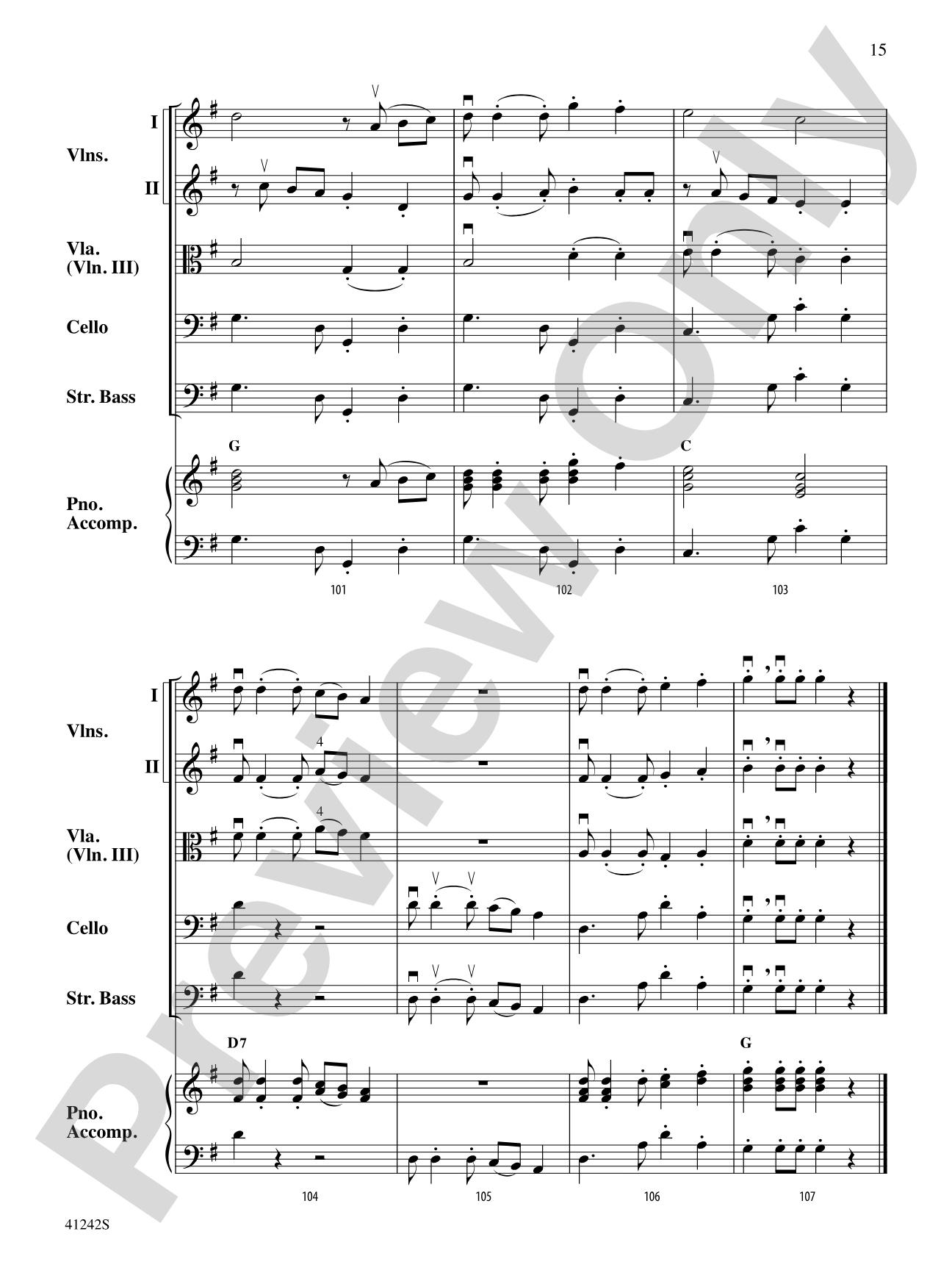

Tango of the Bulldogs: String Orchestra Conductor Score & Parts
By Bob Phillips
Grade: 2.5
Item: 00-PK-0006106

$45.00
Pickup currently not available
Buy Extra Parts (Digital PDF Download)
Parts Added to Cart!
Description
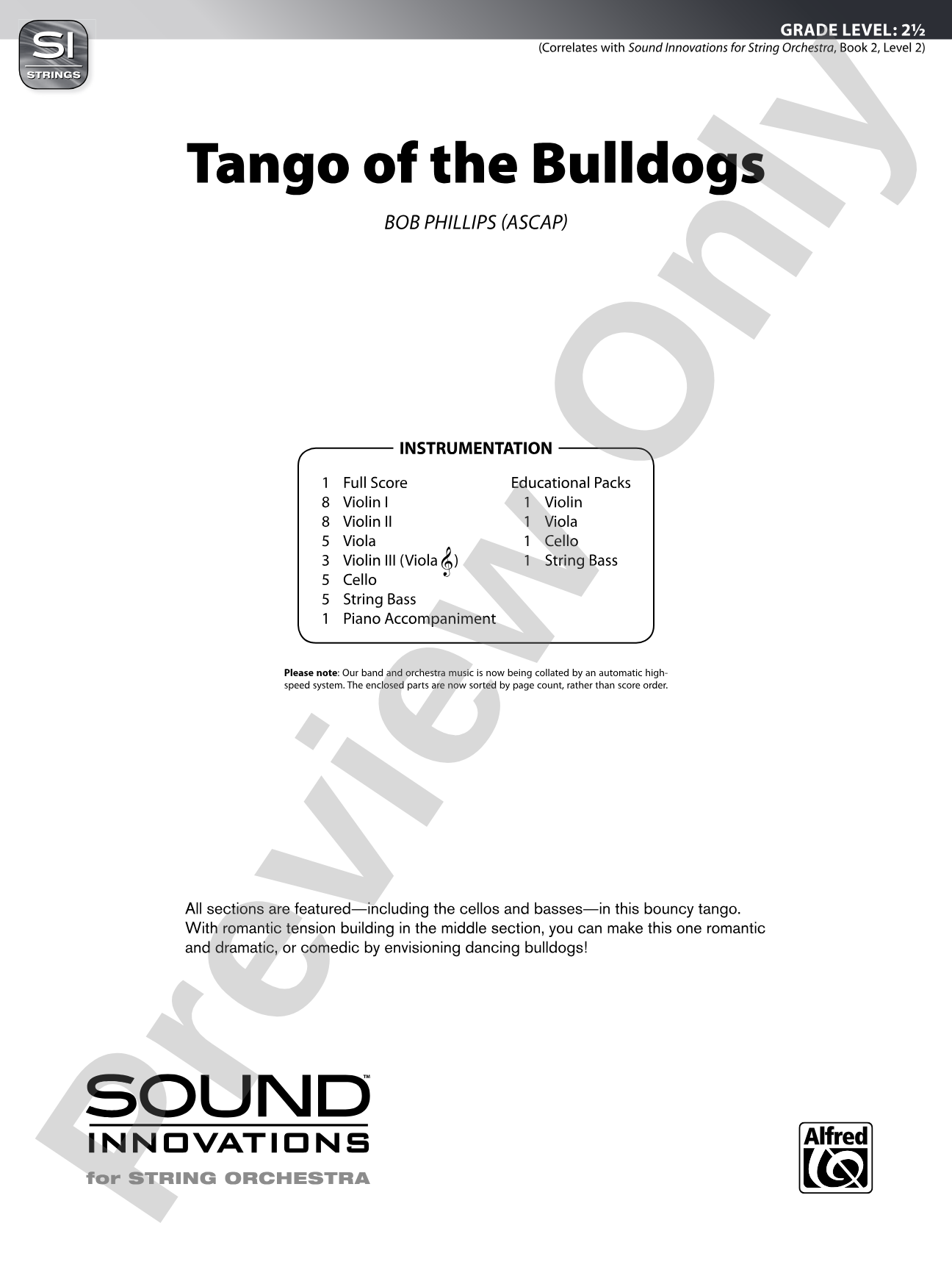
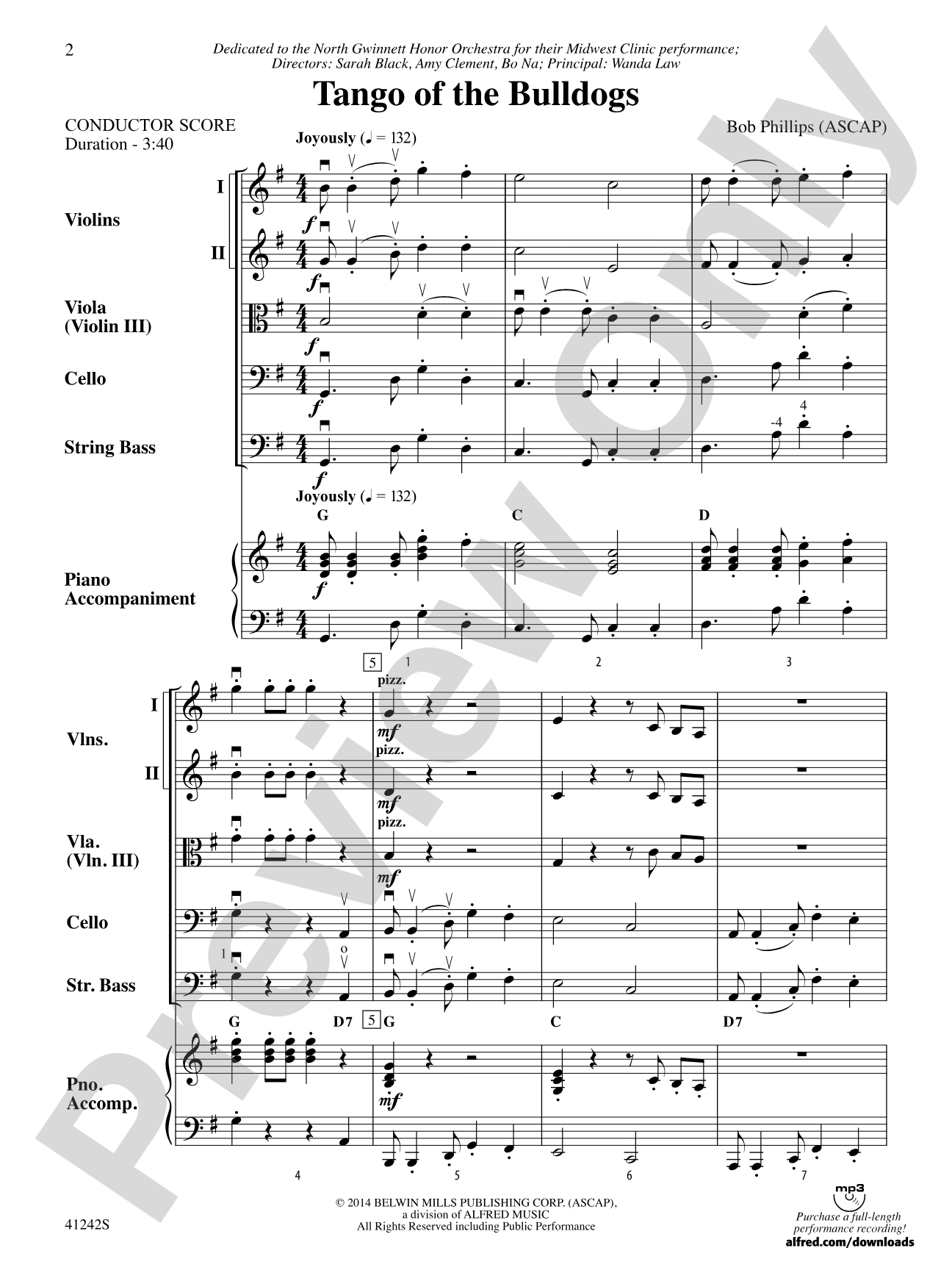
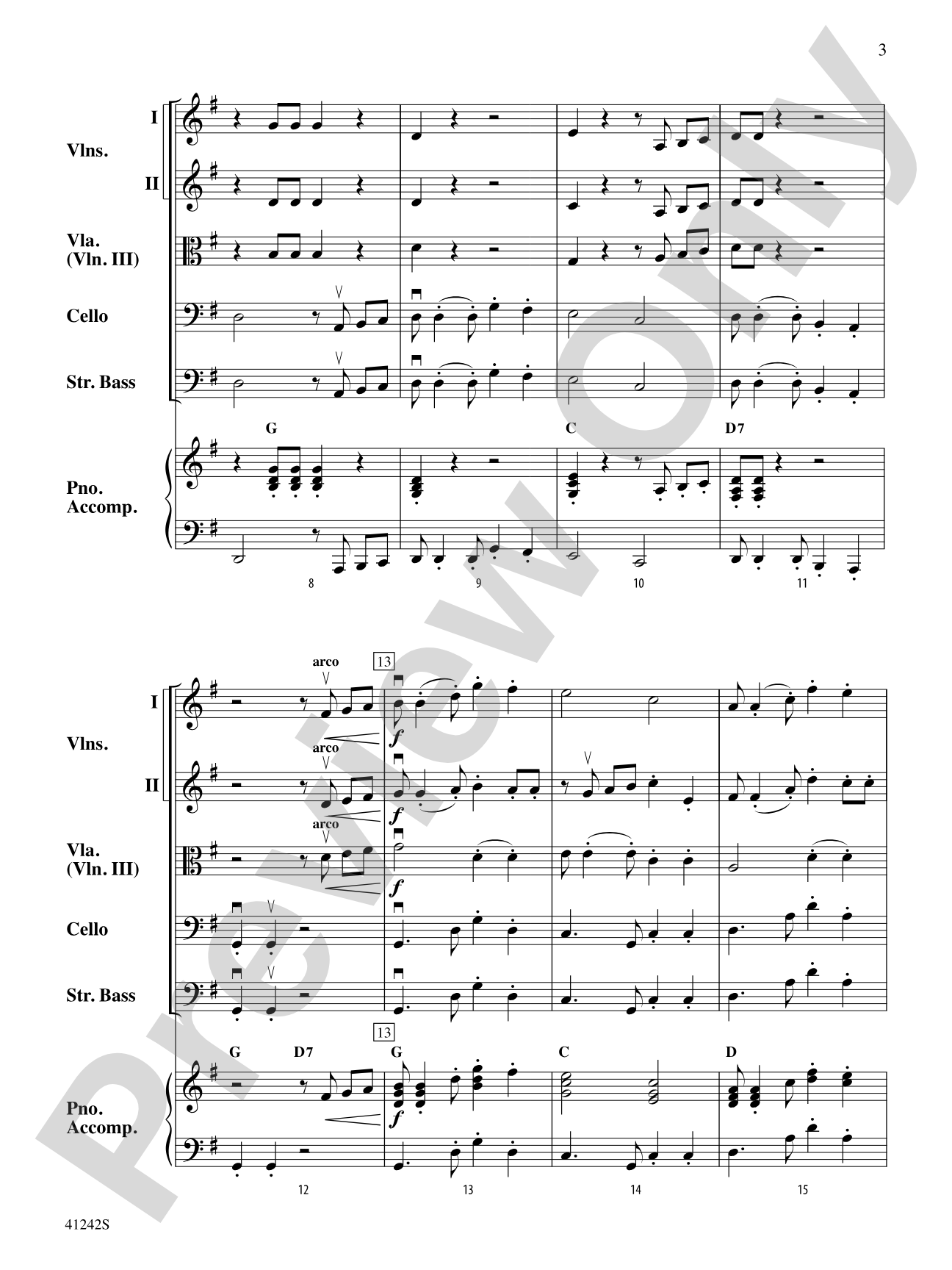
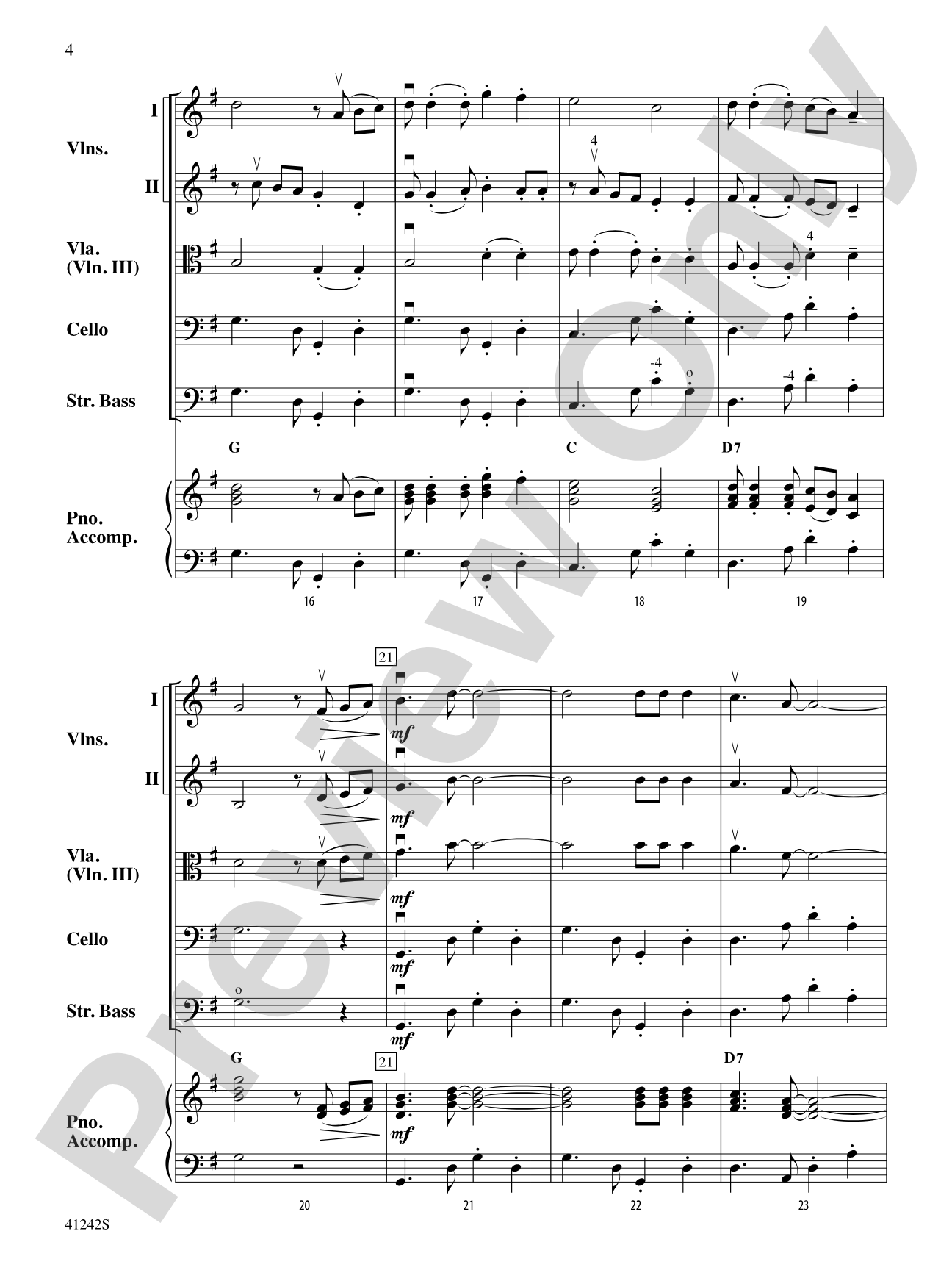
All sections are featured, including the cellos and basses, in this bouncy tango. With romantic tension building in the middle section, you can make this one romantic and dramatic, or comedic by envisioning dancing bulldogs! (3:40)
Correlates to Sound Innovations Book 2, Level 2. This title is available in MakeMusic Cloud.


Correlates to Sound Innovations Book 2, Level 2. This title is available in MakeMusic Cloud.
Don't just read it, hear it, play along with it, and watch your students grow with it. In MakeMusic Cloud, Tango of the Bulldogs: String Orchestra Conductor Score & Parts comes alive with professional accompaniment, adjustable tempo, and built-in practice tools that turn solo practice into real progress.
Open in the Player
Jump straight in and assign it today.
Start Your Free Trial
Open this title and explore the full library in minutes.
Sample Audio
1
Audio File
--:--
0:00
0:00
Sample Video
No sample videos found.
Additional Details
Series:
Sound Innovations for String Orchestra
Publisher:
Alfred Music
Page Count:
148
SKU:
00-PK-0006106
More about this title
About the Composer: Bob Phillips
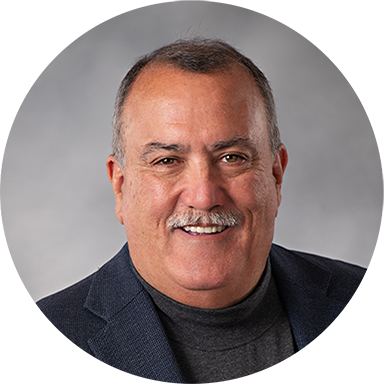
Bob Phillips has spent a career building string education from the ground up, beginning with a 27-year tenure in Saline, Michigan, where he developed a program that became a national model for both classical and contemporary music-making. His work as a conductor, pedagogue, and composer has reached thousands of students through over 25 book series and 200+ published works, including the complete Sound Innovations sequence and influential eclectic style collections like Jazz Philharmonic, Rock Philharmonic, and Mariachi Philharmonic.
Phillips' impact extends beyond the classroom. He founded and directed the Saline Fiddlers Philharmonic, an ensemble that earned international recognition through annual performances and multiple appearances at the White House and Midwest Clinic. His conducting experience spans youth symphonies, all-state orchestras, and prestigious summer programs, while his innovative instructional videos and contributions to festival programming have influenced string directors nationwide.
Why we love this
Phillips writes string orchestra music that works exactly as it should at Grade 2.5, respecting the developmental level while refusing to sound simplistic. The tango form gives players a clear structural anchor and a genuine musical style to inhabit, whether you lean into the comedic bulldogs concept or explore the romantic drama he builds into the middle section. This is the kind of piece that makes students feel like they're playing real music, not exercises.
What to expect
Bouncy, rhythmic, and unapologetically tango. The piece opens with infectious Latin energy that makes you feel the pulse immediately; the middle section shifts into something warmer and more introspective before returning to that driving groove. The bulldog imagery is optional, but the music itself swings with humor and charm.
Who it's for
String orchestra directors teaching Grade 2 or 2.5 students who want repertoire with genuine style and character. This piece works particularly well for groups transitioning into more expressive playing and those ready to tackle rhythmic precision within a Latin framework.
How to get the most out of it
- Shape the rhythmic figure that anchors the tango groove in the ensemble. Even at this level, precision in the accompanying voices transforms the piece from competent to driving.
- Clarify your interpretation of the middle section before rehearsal begins. The romantic tension Phillips writes there responds immediately to conductor intent, so commit to whether you're building toward drama or heading toward comedy.
- Feature the cello and bass sections as the score indicates. At Grade 2.5, many directors keep lower strings in the background; Phillips actually gives them material worth hearing and playing.
How to use it
Program this as a closer on a concert where you want to shift the energy, or use it to open a set focused on world music and contemporary styles. It pairs well with other Sound Innovations selections and reads as a welcome change of pace on a program mixing classical repertoire with eclectic styles.
Skills your students will build
- Playing syncopated rhythms characteristic of tango style
- Maintaining steady subdivision within Latin groove patterns
- Ensemble cohesion in accompaniment figures (particularly viola and cello parts)
- Dynamic contrast and phrasing through the middle section's romantic buildup
- Listening to and balancing featured sections (cello and bass solos)